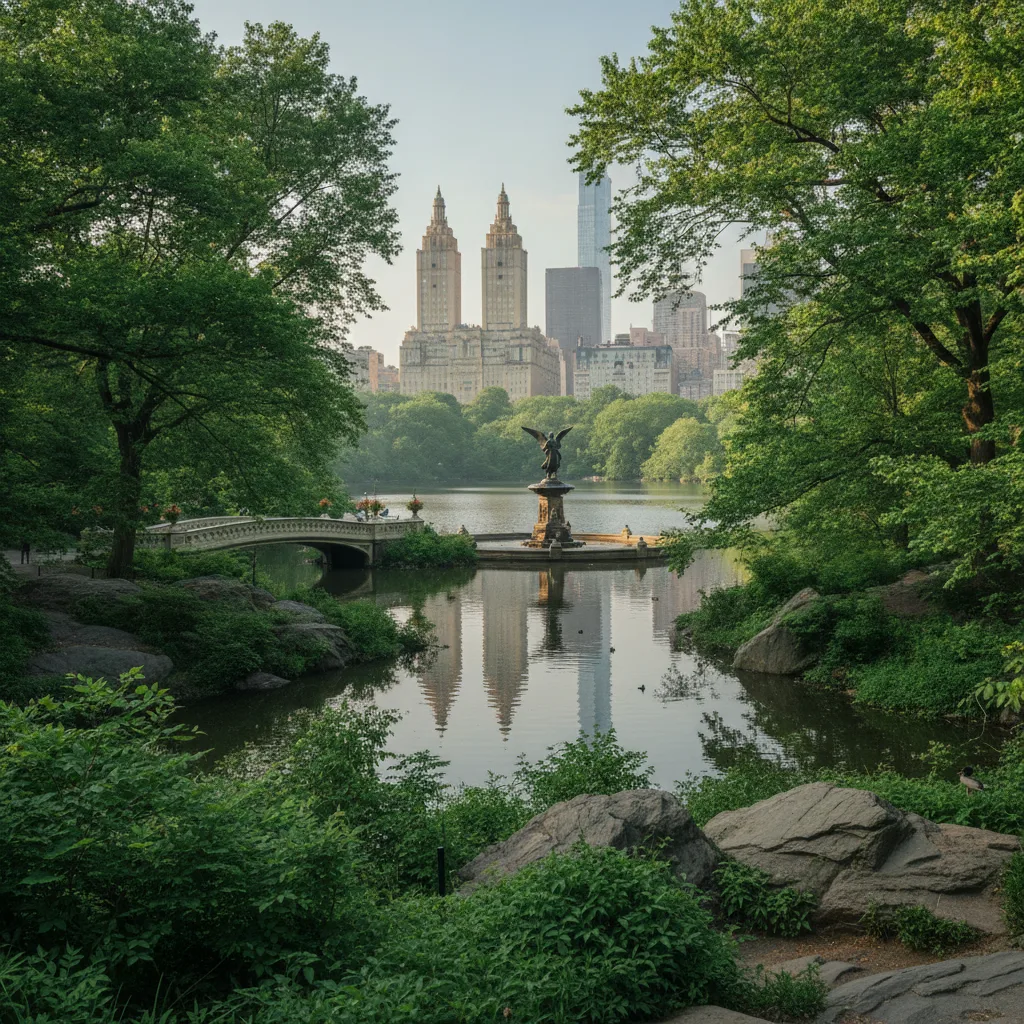
Our team at Roam States has explored countless urban oases, but few compare to the iconic green heart of Manhattan. This comprehensive guide is dedicated to helping you navigate and experience the best of Central Park New York, ensuring your visit is as seamless and memorable as possible. We cut through the noise to bring you confident, specific advice, steering clear of generic travel fluff. From its sprawling lawns to its hidden pathways, Central Park offers an unparalleled escape within one of the world's most vibrant cities.
Why Visit Central Park
Central Park is more than just a park; it's a living, breathing testament to urban planning and natural beauty, a truly essential part of the New York experience. We believe it's a vital stop for any traveler because it offers a unique blend of tranquility and vibrant activity, all set against the backdrop of the Manhattan skyline. It serves as a cultural hub, an athletic playground, and a serene retreat, all rolled into one magnificent space. Here, you can witness the city's diverse population at play, relax by a tranquil pond, or explore meticulously designed landscapes. It’s a place where every visit uncovers something new, whether it’s a hidden bridge, a street performer, or a unique seasonal event. The sheer scale and variety of experiences available make it an indispensable part of any New York itinerary.
Who It's Best For
Central Park truly offers something for everyone, making it an ideal destination for a wide array of travelers. Families will find endless opportunities for fun, from playgrounds and the Central Park Zoo to open spaces perfect for picnicking and games. Romantics will appreciate the picturesque bridges, rowboat rentals on the Lake, and horse-drawn carriage rides, creating unforgettable moments. Solo travelers can find solitude on quiet paths, engage in people-watching, or join a guided tour to learn about the park's rich history and design. History buffs and architecture enthusiasts will marvel at the park's intricate design, its many statues, and its role in New York City's development. Active visitors, from runners and cyclists to rollerbladers, will find miles of dedicated paths and open areas for their pursuits. Even art lovers will find inspiration in the park's numerous sculptures and the nearby Metropolitan Museum of Art. In essence, if you appreciate green spaces, cultural experiences, or simply a break from the urban hustle, Central Park is for you.
How to Get There & Parking
Navigating to Central Park is remarkably easy, thanks to New York City's extensive public transportation system. Our team highly recommends utilizing the subway or bus, as it's the most efficient and often the quickest way to reach the park from anywhere in Manhattan or the outer boroughs. Numerous subway lines stop along the park's perimeter, including the A, B, C, D, 1, 2, 3, N, Q, R, and W trains, providing access to different sections. For instance, the A, B, C, and D lines will drop you off on the west side, while the N, Q, R, and W lines serve the southeast corner near Grand Army Plaza. Bus routes also run along Fifth Avenue and Central Park West, offering convenient stops. We find that planning your route using a transit app is the best way to determine the most direct path to your desired park entrance. For those wondering how to get to Central Park, public transit is unequivocally the superior choice.
Regarding parking, our advice is clear: avoid driving to Central Park if at all possible. Street parking is extremely limited and often restricted, while garages in the vicinity can be prohibitively expensive. As of 2026, typical garage rates near Central Park can range from $20-$30 for a couple of hours and upwards of $50-$70 for a full day, with overnight rates even higher. If you must drive, we recommend researching parking apps in advance to find and reserve a spot, but be prepared for the cost and potential hassle. There are no designated Central Park parking lots within the park itself for public use. Instead, consider parking further afield and taking public transport for the final leg of your journey, or simply embrace the city's excellent transit options from the start.
Top Things to Do
With 843 acres to explore, the list of things to do at Central Park is extensive, promising something for every interest. Our team has curated some of the essential experiences you shouldn't miss:
- Stroll through the Conservatory Garden: This six-acre formal garden, divided into French, Italian, and English styles, is a serene escape and one of the most beautiful spots in the park. It's a perfect place for quiet contemplation and photography.
- Visit Bethesda Terrace and Fountain: The architectural heart of the park, Bethesda Terrace offers stunning views of the Lake and features the iconic Angel of the Waters fountain. It's a popular meeting spot and often hosts street performers.
- Row a Boat on The Lake: From April through October, you can rent rowboats from the Loeb Boathouse and paddle across The Lake, offering unique perspectives of the park and city skyline.
- Explore the Central Park Zoo: A compact but engaging zoo, home to snow leopards, grizzly bears, sea lions, and a popular Tisch Children's Zoo. As of 2026, general admission for adults is approximately $22, children $17, and seniors $19. Reservations are often recommended, especially on weekends and holidays.
- Ice Skate at Wollman Rink: During winter months (typically October through April), this iconic rink transforms into a magical ice-skating destination with breathtaking city views. Expect admission fees around $15-$25 for adults, plus skate rental fees of about $10-$12.
- Relax on Sheep Meadow: A vast, 15-acre expanse of lawn, perfect for sunbathing, picnicking, or simply unwinding. It's a designated quiet zone, so no active sports are permitted.
- Discover Strawberry Fields: A memorial to John Lennon, located near his former residence at The Dakota. The "Imagine" mosaic is a poignant spot for reflection.
- Walk The Mall and Literary Walk: A grand promenade lined with American elm trees, leading to Bethesda Terrace. The Literary Walk features statues of famous writers.
- Climb to Belvedere Castle: Perched atop Vista Rock, this miniature castle offers panoramic views of the Great Lawn and Turtle Pond. It also houses a nature observatory.
- Take a Carriage Ride: For a classic Central Park experience, consider a horse-drawn carriage ride, especially charming during the cooler months.
These are just a few of the many things to do at Central Park; we encourage you to wander and discover your own favorite spots.
Best Time to Visit
Our team believes that the best time to visit Central Park largely depends on what kind of experience you're seeking, as each season offers its own unique charm. However, for most visitors, **spring (April to early June)** and **fall (September to October)** are truly spectacular. In spring, the park bursts into bloom with cherry blossoms, magnolias, and daffodils, creating a vibrant and fragrant landscape. The weather is typically mild and pleasant, perfect for long walks and outdoor activities. Fall brings a stunning display of foliage, with trees transforming into brilliant shades of red, orange, and gold, making for incredibly picturesque scenery. The crisp air and comfortable temperatures are ideal for exploring. Crowds can be significant during these peak seasons, especially on weekends.
Summer (June to August) is also a popular time, offering warm weather perfect for picnics, boating, and enjoying outdoor concerts and events like Shakespeare in the Park. However, it can be very hot and humid, and the park sees its highest visitor numbers, leading to larger crowds. Winter (November to March) offers a different kind of beauty, especially after a fresh snowfall, transforming the park into a serene, white wonderland. Ice skating at Wollman Rink is a quintessential winter activity. While colder, fewer crowds mean a more tranquil experience, though some attractions may have reduced hours or be closed. Ultimately, there's no bad time to visit, but spring and fall offer the most universally appealing conditions.
Where to Stay Nearby
When planning your visit to Central Park, selecting the right neighborhood for your accommodation can significantly enhance your experience. Our team recommends focusing on areas that offer easy access to the park while also providing a distinct New York flavor. Here are our top picks:
- Upper West Side: Located directly west of Central Park, this neighborhood is known for its beautiful brownstones, cultural institutions like the American Museum of Natural History, and a more residential, laid-back vibe. It offers excellent dining options and convenient subway access.
- Upper East Side: Bordering the park to the east, the Upper East Side is synonymous with luxury, high-end boutiques, and "Museum Mile," home to institutions such as The Metropolitan Museum of Art. It's a sophisticated choice with elegant hotels and easy park access.
- Midtown West/Theater District: A bit further south, but still offering reasonable access to the park (especially the southern end), this area is ideal if you want to be in the heart of the action, close to Broadway shows, Times Square, and other major attractions like the Empire State Building. Expect a bustling atmosphere and a wide range of hotel options.
- Midtown East: Similar to Midtown West, this area provides good access to the park's southern entrances and is convenient for business travelers or those wanting to be near Grand Central Terminal and Rockefeller Center.
Regardless of your budget or travel style, you'll find a variety of hotels, from luxurious five-star establishments to more boutique and budget-friendly options, all within a short walk or subway ride of Central Park. Consider your priorities – proximity to specific park attractions, dining preferences, or nightlife – when making your choice.
Sample 2-Day Itinerary
To truly appreciate the grandeur and diversity of Central Park, our team recommends dedicating at least two full days to its exploration. Here’s a sample itinerary designed to maximize your experience without feeling rushed:
Day 1: Southern Charm & Iconic Views
- Morning (9:00 AM - 1:00 PM): Begin your day at the southeastern entrance near Grand Army Plaza. Take a leisurely stroll through The Pond and Gapstow Bridge. Head north to The Mall and Literary Walk, admiring the statues and the iconic elm trees. Continue to Bethesda Terrace and Fountain, spending time to soak in the atmosphere and watch any street performers.
- Lunch (1:00 PM - 2:00 PM): Grab a casual lunch at the Loeb Boathouse (seasonal) or enjoy a picnic on Sheep Meadow, picking up provisions from a deli outside the park.
- Afternoon (2:00 PM - 5:00 PM): After lunch, rent a rowboat from the Loeb Boathouse and paddle on The Lake. Alternatively, explore the Ramble, a wild, wooded area offering a taste of wilderness within the city. Conclude your afternoon with a visit to Strawberry Fields, the John Lennon memorial.
- Evening: Consider a horse-drawn carriage ride around the park's southern loop for a classic experience, or enjoy dinner at a restaurant in the Upper West Side or Midtown.
Day 2: Northern Serenity & Hidden Gems
- Morning (9:00 AM - 1:00 PM): Start your second day exploring the northern reaches of the park. Enter near 103rd Street and Fifth Avenue to discover the serene Conservatory Garden. Spend an hour or two wandering through its distinct sections. Then, head west towards Harlem Meer, a beautiful lake where you can often see fishing (catch and release).
- Lunch (1:00 PM - 2:00 PM): Enjoy a casual bite at a cafe near the Harlem Meer or explore the vibrant dining scene in nearby Harlem.
- Afternoon (2:00 PM - 5:00 PM): After lunch, explore the North Woods, one of the park's most secluded and naturalistic areas, offering a true escape. You might even spot some of the park's diverse birdlife here. Climb to Belvedere Castle for panoramic views of the Great Lawn and Turtle Pond.
- Evening: Depending on your interests, you could visit the Central Park Zoo (allow 2-3 hours), or explore one of the world-class museums along Museum Mile, such as The Metropolitan Museum of Art, which is directly adjacent to the park.
This itinerary offers a balanced view of Central Park New York, blending iconic sights with quieter, more reflective spaces. Remember to wear comfortable shoes!
Central Park Hiking Trails
While Central Park might not immediately conjure images of rugged wilderness, it actually boasts a surprising network of paths and dedicated areas that offer excellent opportunities for walking and what we might call urban hiking. Our team finds that exploring the various Central Park hiking trails is one of the best ways to truly appreciate the park's diverse landscapes and escape the city bustle. These aren't mountainous ascents, but rather winding, often unpaved paths that provide a refreshing change from the paved roadways and promenades.
One of the most notable areas for Central Park hiking trails is **The Ramble**. Located between 73rd and 79th Streets, this 38-acre wooded area is designed to mimic a natural forest, complete with winding paths, rustic bridges, and hidden streams. It's easy to get lost (in a good way!) here, and it offers a genuine sense of escape. Another excellent option for those seeking more naturalistic paths is the **North Woods**, situated in the northern part of the park, roughly between 101st and 110th Streets. This area features rugged terrain, dense tree cover, and even a flowing stream, providing a truly immersive experience. Both the Ramble and the North Woods offer a network of unpaved paths, making them ideal for a leisurely hike. Remember to wear comfortable shoes, as some paths can be uneven, and always stay on marked trails to protect the park's delicate ecosystem.
Central Park Camping
When considering a visit to Central Park, many travelers might wonder about the possibility of Central Park camping. Our team wants to be very clear on this point: **camping is strictly prohibited within Central Park.** As a protected urban green space, designed for daily recreation and enjoyment, overnight stays are not permitted. This rule is in place to preserve the park's delicate ecosystem, ensure public safety, and maintain the park's aesthetic and recreational functions.
While the idea of spending a night under the stars in the heart of Manhattan might sound appealing, it's simply not an option. There are no designated campsites, nor are there any facilities to support camping. Any attempt at Central Park camping would be a violation of park rules and could result in fines or other penalties. If you're looking for camping experiences in New York, you'll need to venture outside the city to state parks or private campgrounds. For those seeking an overnight stay near Central Park, we recommend exploring the wide array of hotels and accommodations available in the surrounding neighborhoods, which offer comfortable and legal lodging options.
Is It Worth Visiting?
Our resounding answer to "is Central Park worth visiting?" is an unequivocal YES. As an independent US travel authority, we've explored countless destinations, and Central Park consistently stands out as a truly exceptional urban landmark. It's not merely a park; it's a vibrant ecosystem of culture, recreation, and natural beauty that offers something unique for every traveler. For first-time visitors to New York City, it provides a crucial counterbalance to the concrete jungle, a place to breathe, relax, and appreciate the city from a different perspective. For repeat visitors, it's a place that continually reveals new facets, from seasonal changes to evolving public art installations and events.
The sheer variety of experiences available, from serene gardens to bustling ice rinks, from quiet hiking trails to lively playgrounds, ensures that your time spent here will be well-rewarded. It's a place where you can spend an entire day without running out of things to see and do, or simply an hour to recharge before diving back into the city's energy. Considering its accessibility, its historical significance, and its role as a cultural touchstone, we firmly believe that is Central Park worth visiting for anyone traveling to New York. It's a free, expansive, and endlessly fascinating destination that embodies the spirit of the city itself.
Best Places in New York
Beyond Central Park, New York State offers an incredible array of destinations. Our team highly recommends exploring the majestic Niagara Falls for an unforgettable natural wonder, or delving into the rich history at the Statue of Liberty & Ellis Island. For those who crave the urban buzz, Times Square and the Empire State Building offer quintessential New York experiences. And for art lovers, The Metropolitan Museum of Art, conveniently located right next to Central Park, is a must-visit. Don't forget to take a stroll across the Brooklyn Bridge for iconic skyline views. There's so much to discover in the Empire State!
Last updated: 2026-07-07 by the Roam States team.