Welcome to the Grand Canyon State. Our Arizona guide maps the best places to visit with honest tips, sample itineraries, and links to every destination we cover in the state. From the sun-scorched Sonoran Desert to the pine-clad peaks of the north, we've navigated the vast landscapes to bring you a curated look at the top attractions in Arizona.
As an independent editorial team, we cut through the generic travel fluff to deliver specific, actionable advice. We're here to help you plan a trip that goes beyond the obvious, uncovering the cultural depth, geological wonders, and local character that define this corner of the American Southwest. Whether you're plotting a multi-week road trip or a focused weekend getaway, this is your starting point for an unforgettable journey. The sheer diversity of experiences is what makes finding the top attractions in Arizona such a rewarding challenge.
Why Visit Arizona
Arizona is a state of dramatic contrasts, a place where you can watch the sunrise over the world's most famous canyon and later that day stroll through a city humming with modern energy. It's a landscape defined by iconic geology, from the towering saguaros near Tucson to the surreal red rock formations of Sedona. Our team recommends Arizona for its unparalleled access to natural wonders, a rich tapestry of Native American and Old West history, and cities that offer a unique blend of outdoor adventure and cultural sophistication.
The state is a living museum. You can explore ancient cliff dwellings at Montezuma Castle, walk the same dusty streets as legendary gunslingers in Tombstone, and experience the enduring traditions of the Navajo Nation in Monument Valley. This historical depth, set against a backdrop of breathtaking scenery, provides a travel experience that is both grounding and exhilarating. It's this blend of nature and narrative that consistently places it on our list of must-visit destinations.
Top Destinations at a Glance
To help you navigate the wealth of options, we've compiled a quick-reference list of Arizona's most essential destinations. These are the places that define the state and form the backbone of any great itinerary. Each offers a unique window into the Arizona experience, from world-renowned natural wonders to vibrant cultural hubs.
- Grand Canyon National Park: The quintessential Arizona landmark, offering awe-inspiring vistas and challenging hikes.
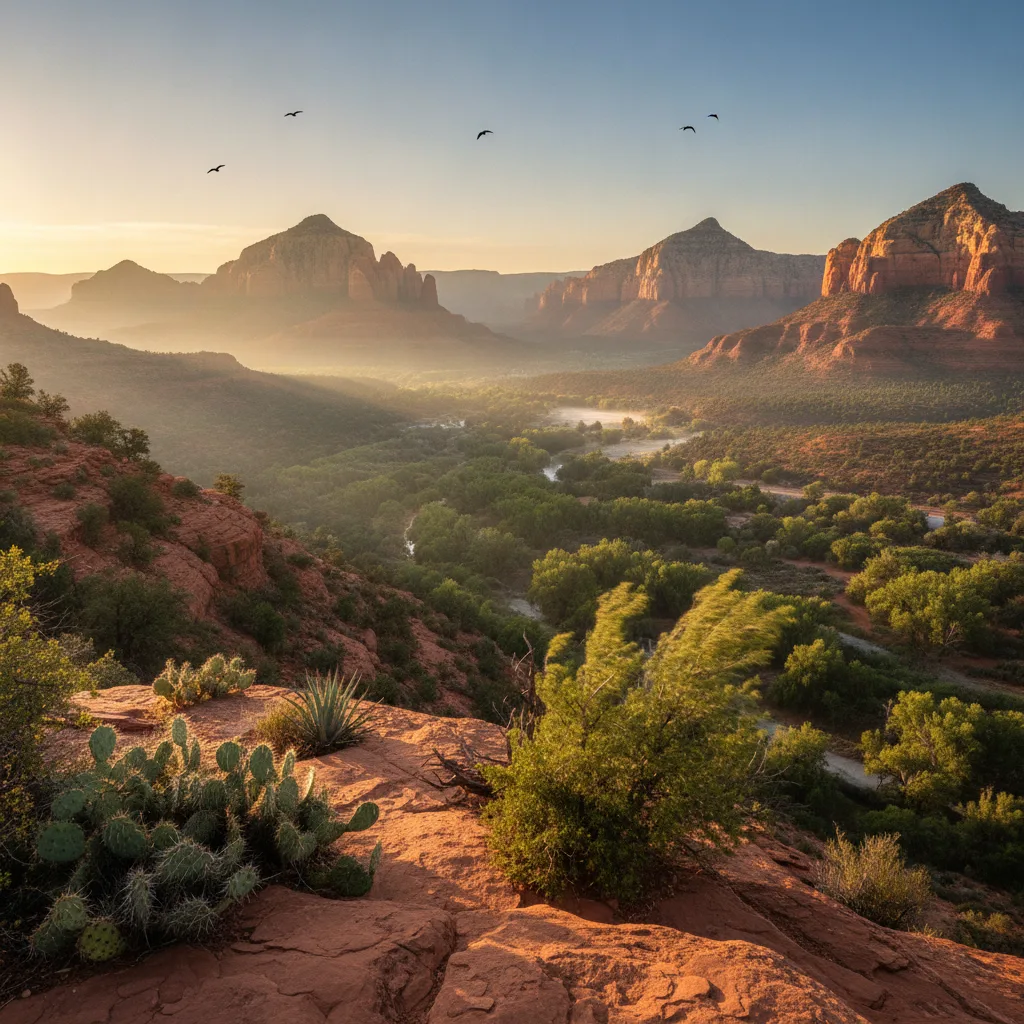
- Sedona & Oak Creek Canyon: Famous for its stunning red rock landscapes, spiritual vortexes, and thriving arts scene.
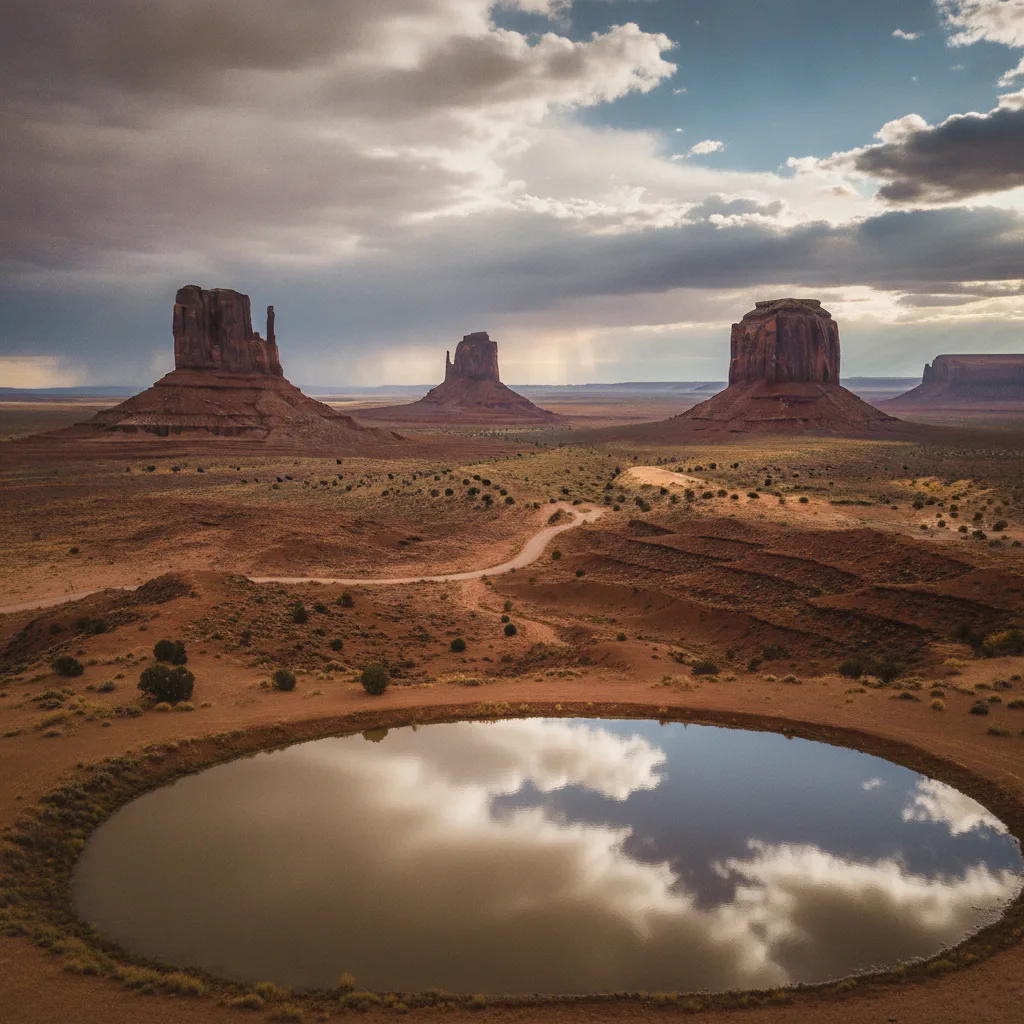
- Monument Valley Navajo Tribal Park: Iconic sandstone buttes that have defined the American West in film and photography.
- Phoenix & Scottsdale: A sprawling desert metropolis offering world-class resorts, dining, and cultural institutions like the Heard Museum.
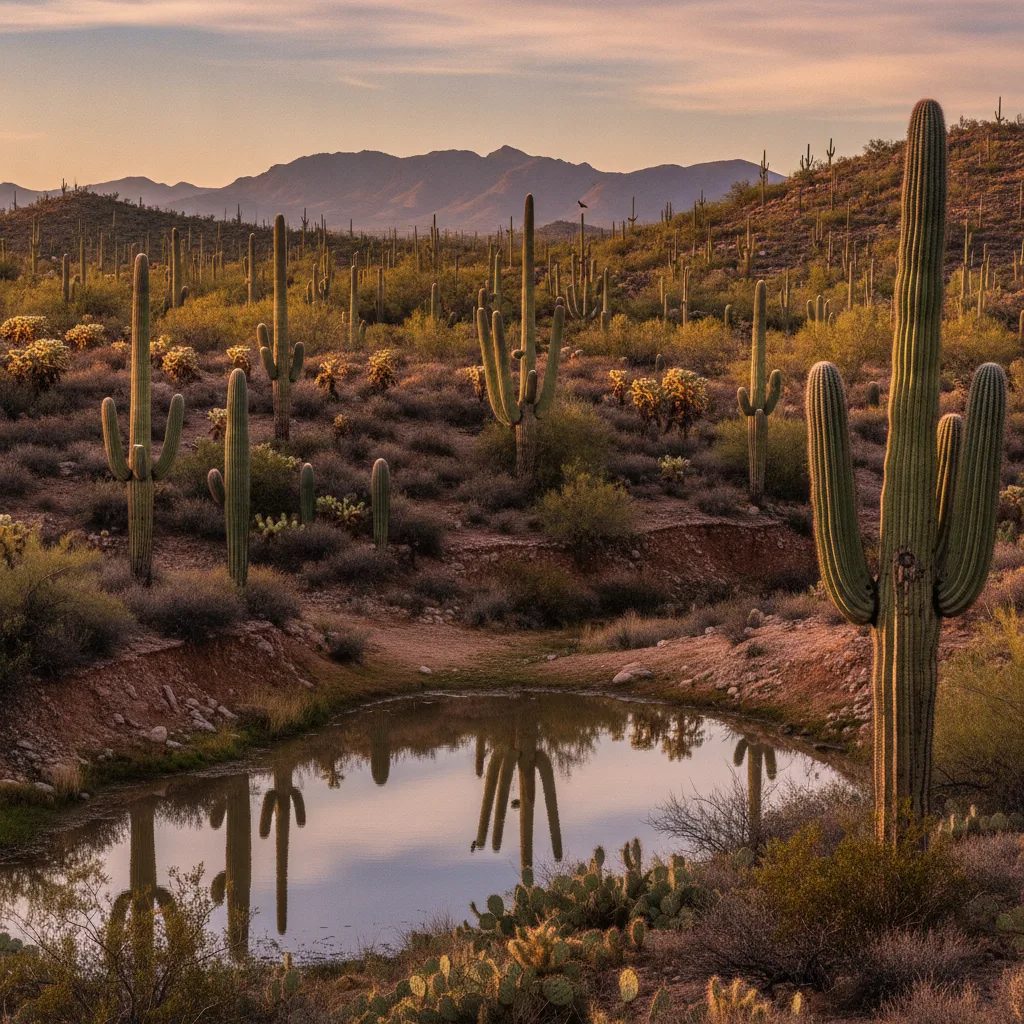
- Saguaro National Park: Home to the nation's largest cacti, this park showcases the unique beauty of the Sonoran Desert.
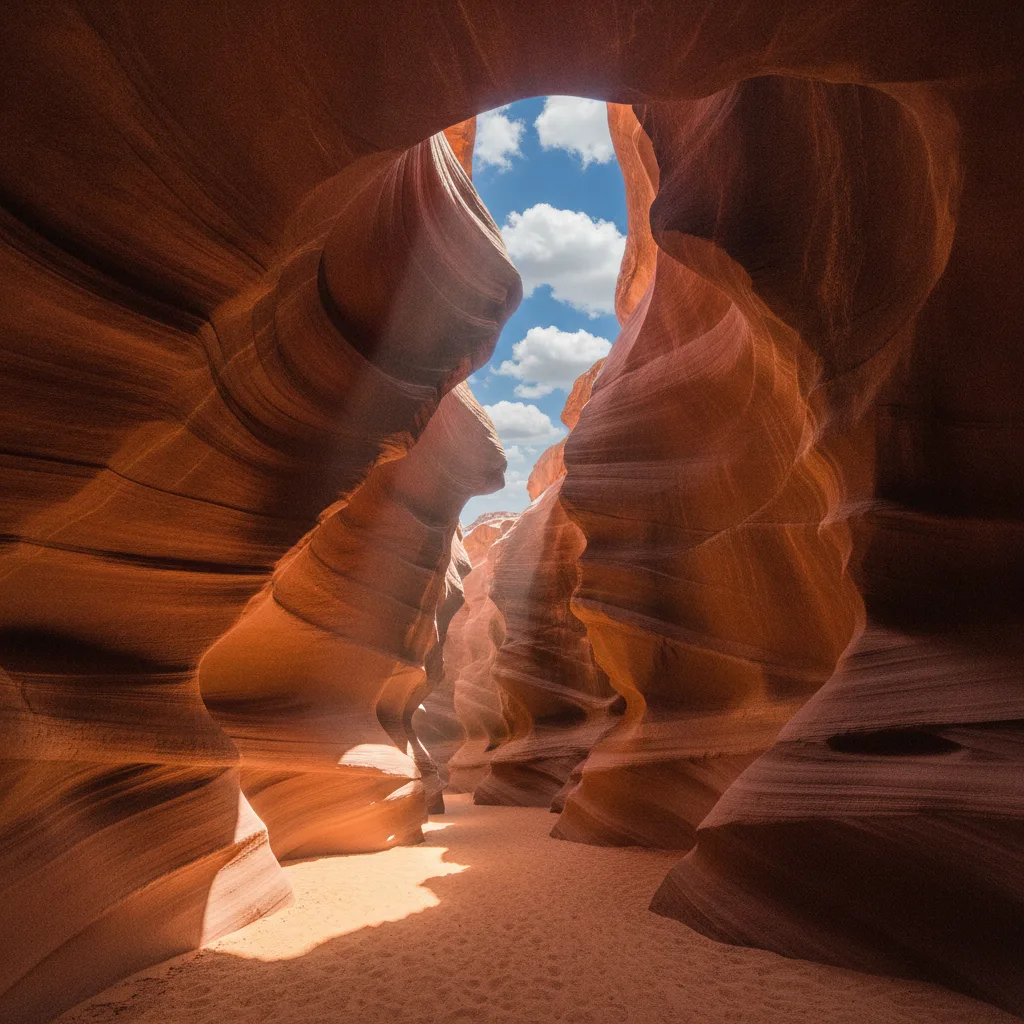
- Antelope Canyon & Horseshoe Bend: A pair of geological marvels near Page, famous for their photogenic qualities.
- Tombstone: The legendary Old West town, where the ghosts of cowboys and gunslingers still linger.
Expert Verdict
For a first-time visitor, the sheer scale of the Grand Canyon is a non-negotiable, life-altering experience. However, our team believes the state's true magic lies in its diversity. Combining the grandeur of the canyon with the spiritual landscapes of Sedona and the unique desert ecology of Saguaro National Park creates a truly comprehensive Arizona journey. Don't underestimate the charm of historic towns like Jerome or the profound cultural significance of places like Canyon de Chelly. A well-rounded trip reveals that Arizona's story is written not just in its canyons, but in its cities, deserts, and mountains as well.
Arizona National Parks Guide: Best National Parks & Nature
Arizona's national parks are pillars of the American conservation story. Our comprehensive Arizona national parks guide focuses on the "Mighty Three" that anchor any nature-focused trip: Grand Canyon, Saguaro, and Petrified Forest. Each protects a vastly different ecosystem and offers a unique visitor experience. Beyond these, the state is dotted with dozens of national monuments and protected areas, from the soaring cliffs of Canyon de Chelly to the otherworldly rock formations of Chiricahua National Monument.
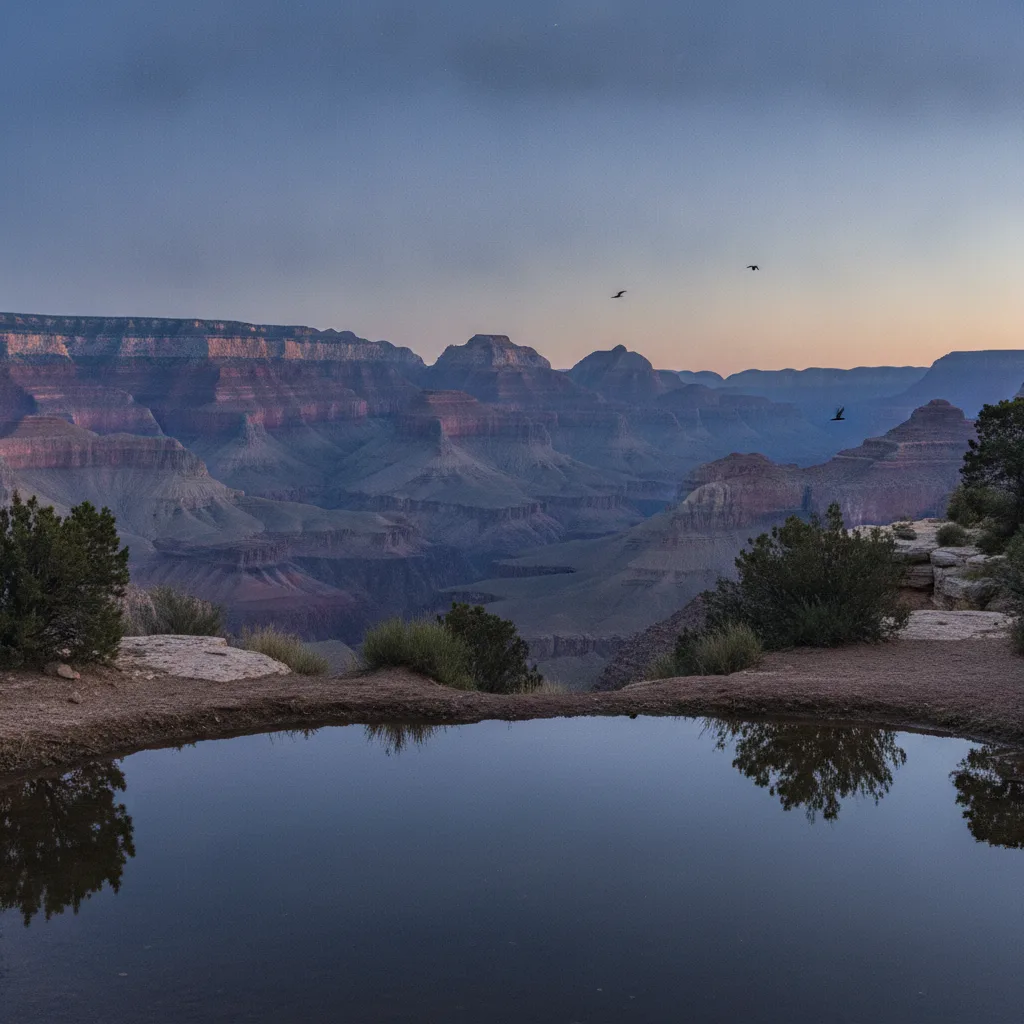
- Grand Canyon National Park: The most famous of them all. The South Rim is open year-round and offers the most services and iconic viewpoints. The more remote North Rim is higher in elevation and typically open from mid-May to mid-October. A standard vehicle entrance pass is your ticket to one of the world's greatest natural wonders.
- Saguaro National Park: Divided into two districts flanking Tucson, this park protects the iconic saguaro cactus. The Rincon Mountain District (East) and the Tucson Mountain District (West) both offer scenic drives and hiking trails. A vehicle pass costs $25 and is valid for seven days in both districts. The park has gone cashless at its entrance booths.
- Petrified Forest National Park: This unique park showcases one of the world's largest concentrations of petrified wood and the colorful badlands of the Painted Desert. A 28-mile road connects the north and south entrances. The entrance fee is $25 per vehicle, valid for seven days. Note that the park has set hours, generally 8 am to 5 pm daily.
This Arizona national parks guide only scratches the surface. We also highly recommend exploring the ancient cliff dwellings at Montezuma Castle National Monument, where a $10 entrance fee grants access for seven days and also includes admission to Tuzigoot National Monument.
Cities & Cultural Highlights
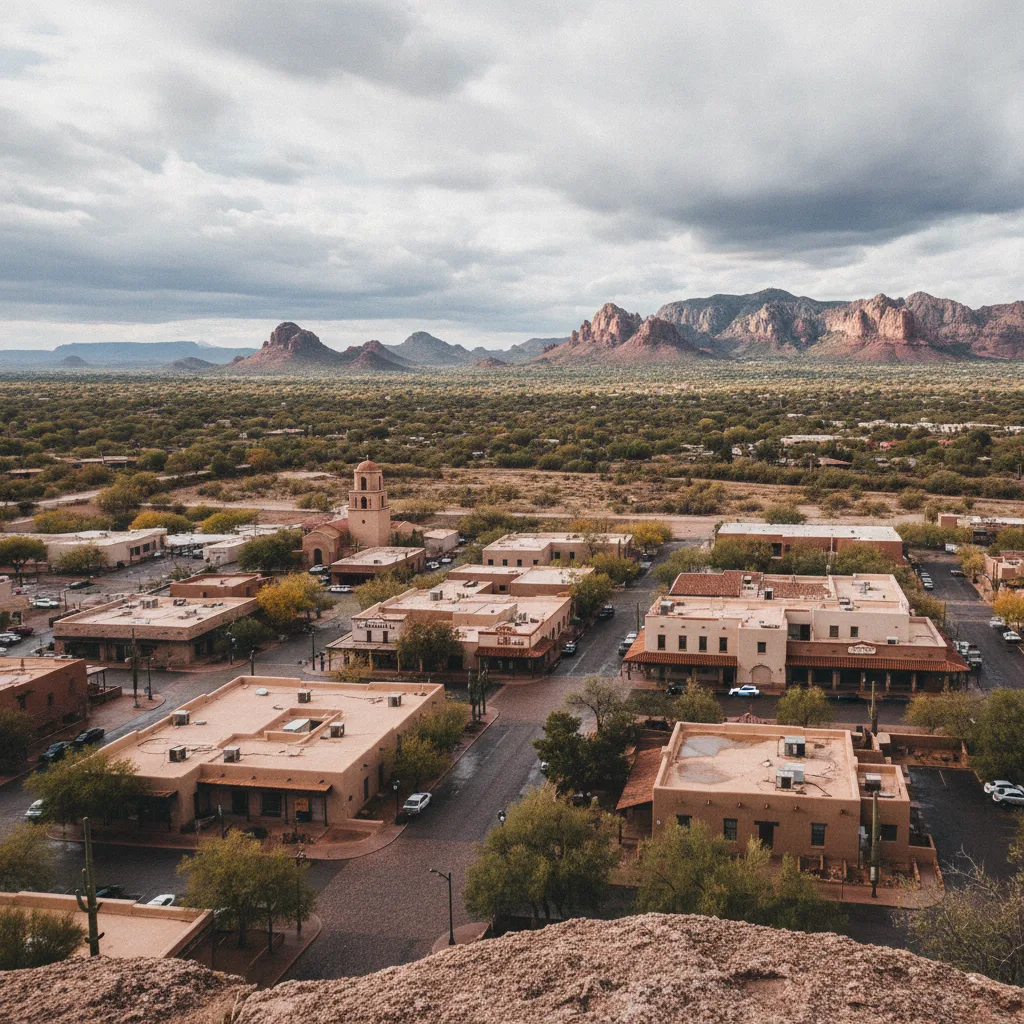
While famed for its natural landscapes, Arizona's cities and towns offer a rich blend of cultural history, artistic expression, and modern sophistication. From the vibrant arts scene of Sedona to the Old West charm of Bisbee, these urban centers provide a compelling counterpoint to the state's rugged wilderness.
- Sedona: Nestled among stunning red rock formations, Sedona is a hub for artists, spiritual seekers, and outdoor enthusiasts. Explore the galleries at Tlaquepaque Arts & Shopping Village, hike to an energy vortex, or simply enjoy the breathtaking scenery. Many trailheads require a Red Rock Pass for parking.
- Scottsdale & Phoenix: The state's economic and cultural heart, this metro area boasts renowned institutions like the Heard Museum, dedicated to Native American art, and Frank Lloyd Wright's winter home, Taliesin West.
- Jerome: Once a booming copper mining town, Jerome is now a quirky artist community perched on a mountainside. Explore its winding streets, historic buildings like the Sliding Jail, and the Jerome State Historic Park.
- Bisbee: Tucked into the Mule Mountains of southeastern Arizona, Bisbee has transformed from a historic mining camp into a thriving arts colony. Key attractions include the Queen Mine Tour, which takes visitors deep underground, and the walkable historic core of Old Bisbee and Brewery Gulch.
Coastal & Scenic Spots
While Arizona may be landlocked, it boasts some of the most spectacular "coastal" and water-centric destinations in the country, centered around its mighty rivers and man-made lakes. These spots offer a dramatic contrast to the desert landscapes and provide opportunities for recreation and scenic contemplation.
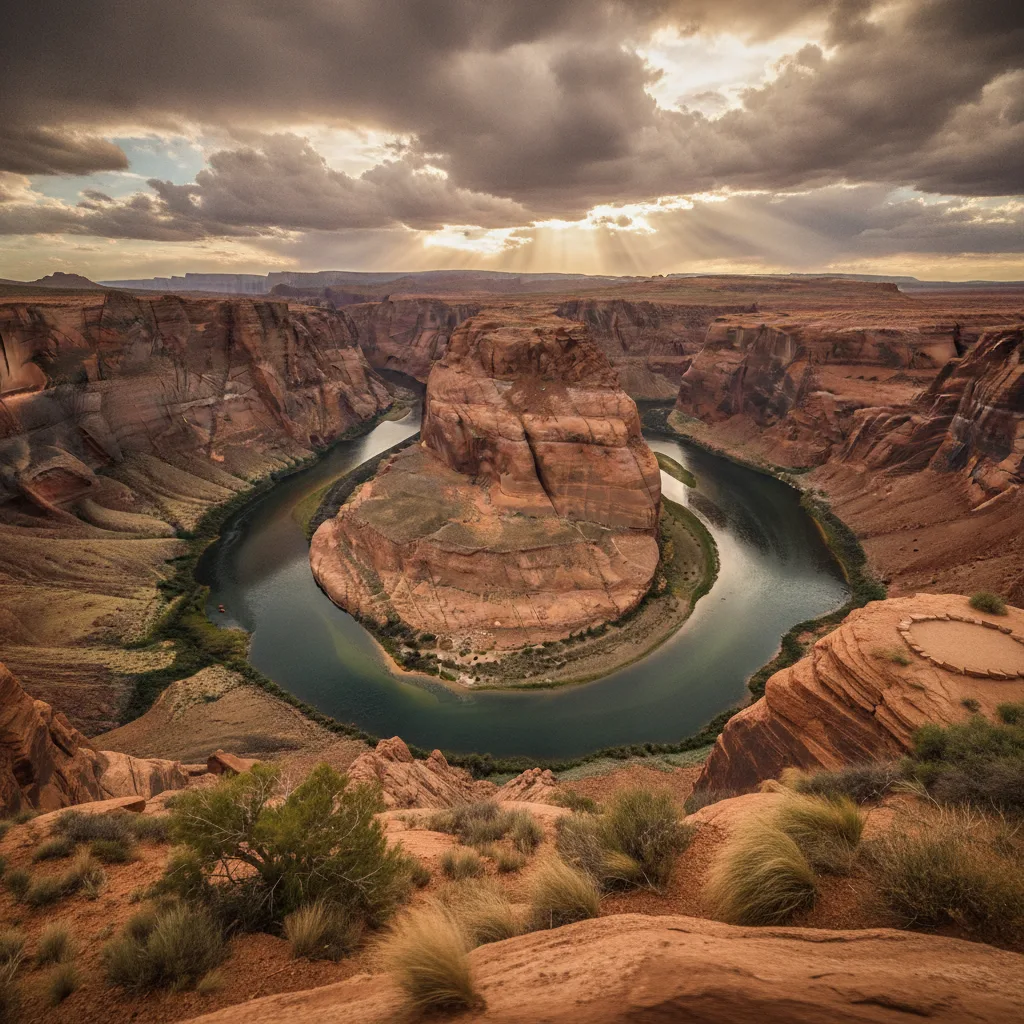
- Horseshoe Bend: This iconic meander of the Colorado River near Page has become a must-see landmark. The overlook is reached via a 0.7-mile trail from the parking lot. The lot is managed by the City of Page and has a mandatory parking fee of $10 per standard vehicle as of 2026; National Park passes are not accepted. The lot is open from sunrise to sunset.
- Glen Canyon Dam & Lake Powell: This massive reservoir on the Colorado River offers unparalleled opportunities for boating, kayaking, and exploring dramatic side canyons. The stark blue water against the red rock cliffs creates a stunning visual landscape.
- Lake Havasu & London Bridge: A surprising slice of England in the Arizona desert. The historic London Bridge was transported and reassembled here, creating a unique focal point for this popular boating and spring break destination.
- Havasu Falls: One of the most breathtaking and difficult-to-access spots in Arizona. These stunning turquoise waterfalls are located on the Havasupai Reservation within the Grand Canyon. Visiting requires a highly competitive permit, which for 2026 costs $455 per person for a mandatory 3-night campground reservation. Permits for the 2026 season went on sale in January and February.
Best Time to Visit
Determining the best time to visit Arizona depends entirely on your destination and planned activities. The state's vast size and varied elevation create distinct regional climates.
For Phoenix, Tucson, and Southern Arizona: The most pleasant weather occurs from October through April. These months offer mild, sunny days perfect for hiking, golfing, and exploring the desert. March and November are often cited as ideal, with near-perfect temperatures. Winter, from January to March, is peak tourist season, driven by "snowbirds" and MLB Spring Training, resulting in higher prices and larger crowds.
For the Grand Canyon, Flagstaff, and Northern Arizona: The best time to visit is from May through October. Summer offers warm days perfect for exploring the high country, though be prepared for afternoon monsoon thunderstorms from July to September. The Grand Canyon's North Rim is only open during this warmer period.
Summer (June-August): This season is challenging in the southern desert, with daytime temperatures frequently exceeding 100°F (38°C). However, it's a great time for budget travel in the south and the prime season for visiting the cooler northern regions.
Sample Itinerary: An Arizona Road Trip Itinerary
This 7-day loop showcases some of the top attractions in Arizona, balancing natural wonders with cultural experiences. It's an ambitious but rewarding introduction to the state. We've designed this sample Arizona road trip itinerary to be a flexible template you can adapt to your interests.
- Day 1: Phoenix/Scottsdale Arrival. Arrive at Phoenix Sky Harbor (PHX), pick up your rental car, and check into your lodging. Spend the afternoon exploring Old Town Scottsdale or the Desert Botanical Garden.
- Day 2: Sedona's Red Rocks. Drive north (approx. 2 hours) to Sedona. Hike the Bell Rock Pathway or challenge yourself on the Cathedral Rock trail. In the afternoon, browse the art galleries at Tlaquepaque.
- Day 3: The Grand Canyon's South Rim. Drive north (approx. 2 hours) to the Grand Canyon National Park's South Entrance. Spend the day at various viewpoints like Mather Point and Yavapai Point. Walk a portion of the Rim Trail.
- Day 4: Page & Colorado River Wonders. Drive east (approx. 2.5 hours) to Page. In the morning, visit the iconic Horseshoe Bend. In the afternoon, take a guided tour of Antelope Canyon (reservations are essential and must be made with a certified Navajo tour operator).
- Day 5: Monument Valley & Navajo Nation. Drive southeast (approx. 2 hours) to Monument Valley Navajo Tribal Park. Take the 17-mile scenic drive or book a guided tour to explore the iconic landscape.
- Day 6: Petrified Forest & Route 66. Drive south (approx. 3 hours) to Petrified Forest National Park. Explore the Painted Desert overlooks and the trails showcasing fossilized logs. Continue west, stopping in Holbrook or Winslow for a touch of Historic Route 66 nostalgia.
- Day 7: Return to Phoenix. Drive southwest (approx. 3 hours) back to Phoenix for your departure.
This Arizona road trip itinerary is just a starting point. For a more relaxed pace, consider adding extra days in Sedona or the Grand Canyon. For more extensive planning, visit our Plan Your US Trip page.
Practical Travel Tips
Our team has learned a few things from our extensive research and virtual travels across Arizona. Here are some essential tips to ensure your trip is smooth, safe, and memorable.
- Hydration is Key: Arizona's dry climate can be deceptive. Carry and drink more water than you think you need, especially when hiking. A minimum of one liter per person is a good starting point for any outdoor excursion.
- Sun Protection: The sun is intense year-round. Always use sunscreen, wear a wide-brimmed hat, and bring sunglasses. Lightweight, long-sleeved clothing can offer additional protection.
- Book in Advance: Popular attractions like Antelope Canyon tours and accommodations near the Grand Canyon book up months in advance. Plan ahead to avoid disappointment.
- Respect Tribal Lands: Many of Arizona's most beautiful and culturally significant sites are on Native American reservations. Follow all posted rules, respect cultural sensitivities, and support local artisans and guides.
- Time Zones: Be aware that while most of Arizona does not observe Daylight Saving Time, the Navajo Nation (which includes Monument Valley and Canyon de Chelly) does. This can cause confusion when planning timed entries or tours.
- Park Passes: If you plan to visit multiple national parks, consider purchasing an America the Beautiful Pass. However, be aware that it is not valid for state parks or sites managed by other entities, such as Monument Valley (Navajo Nation) or Horseshoe Bend (City of Page).
For more travel resources and to explore other destinations, see our page on All US Destinations.
FAQs
What is a good weekend getaway in Arizona?
For a classic weekend getaway, we recommend focusing on either Sedona or the Tucson area. A weekend in Sedona offers a perfect mix of hiking among the red rocks, exploring art galleries, and enjoying excellent dining. Alternatively, a weekend based in Tucson allows you to explore both districts of Saguaro National Park, visit the Arizona-Sonora Desert Museum, and experience the historic Mission San Xavier del Bac.
What is the best time to visit Arizona?
The best time to visit depends on the region. For Southern Arizona, including Phoenix and Tucson, the months of October through April offer the most pleasant weather. For Northern Arizona, including the Grand Canyon and Flagstaff, the ideal window is May through October when the weather is warmer and all facilities, like the Grand Canyon's North Rim, are open.
What is Arizona like in the winter?
Winter in Arizona is a tale of two climates. In the southern desert regions like Phoenix and Scottsdale, winter brings mild, sunny weather that is considered peak season for tourism. In the northern high country, winter means cold temperatures and snow, making Flagstaff a destination for winter sports and offering the chance to see the Grand Canyon dusted in white.
What are the best places to visit in Arizona?
The must-visit places include Grand Canyon National Park for its sheer scale, Sedona for its unique red rock beauty, and Monument Valley for its iconic landscapes. Saguaro National Park near Tucson is essential for experiencing the Sonoran Desert. For a taste of history, we recommend the Old West town of Tombstone and the ancient cliff dwellings at Montezuma Castle.
Is there an Arizona beaches guide?
While Arizona has no ocean coastline, it has a vibrant "beach" culture centered on its many lakes and rivers. Popular spots include the shores of Lake Havasu, known for its boating scene, and Lake Powell, which offers sandy coves set against dramatic red rock cliffs. The Salt River near Phoenix is a popular spot for summer tubing, creating a floating beach party atmosphere.
Where can I find a comprehensive Arizona travel guide?
This page serves as our primary hub and travel guide for Arizona. For official state tourism information, we recommend visiting the Visit Arizona website, which provides additional resources for planning your trip.
Last updated: 2026-07-23 by the Roam States team.