Welcome to Roam States, your independent US travel authority. Our team is dedicated to providing confident, specific, and actionable advice for your adventures. When it comes to planning a trip to Utah, we understand the desire for authentic experiences that go beyond generic recommendations. This guide focuses on the top attractions in Utah, mapping out expected traffic opportunities and prioritizing specific destinations that offer truly memorable visits. We aim to equip you with all the essential details, from verified 2026 operating hours and fees to parking and reservation requirements, ensuring your Utah journey is seamless and unforgettable.
Why Visit Utah
Utah, often called the "Crossroads of the West," is a state of breathtaking contrasts and unparalleled natural beauty. From the iconic red rock landscapes of its southern national parks to the pristine, powdery slopes of its northern ski resorts, Utah offers an incredible diversity of experiences for every type of traveler. We've explored the vast expanses of the desert, hiked through ancient canyons, and immersed ourselves in its vibrant cities, and we can confidently say that Utah delivers on its promise of adventure and wonder. It's a destination where you can witness geological marvels, delve into rich cultural history, and find solitude in vast wilderness areas. Whether you're seeking an adrenaline-fueled outdoor excursion or a peaceful retreat into nature, Utah's unique blend of landscapes and activities makes it a truly exceptional place to visit.
Top Destinations at a Glance
Utah boasts an impressive array of attractions, from world-renowned national parks to lesser-known state parks and vibrant urban centers. Here’s a quick overview of the top attractions in Utah that we recommend for your trip:
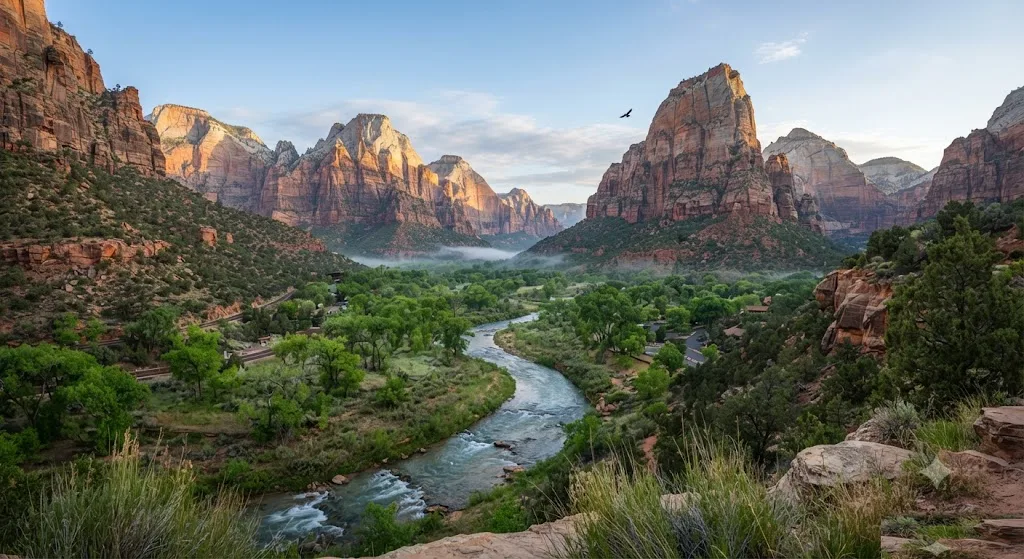
- Zion National Park: Famous for its massive sandstone cliffs and the Virgin River.
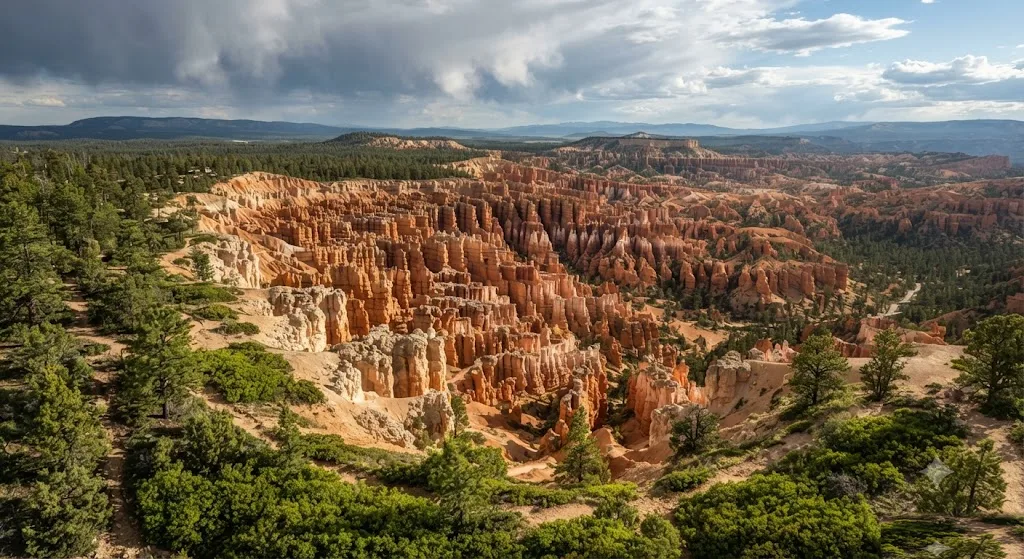
- Bryce Canyon National Park: Home to unique geological structures called hoodoos.
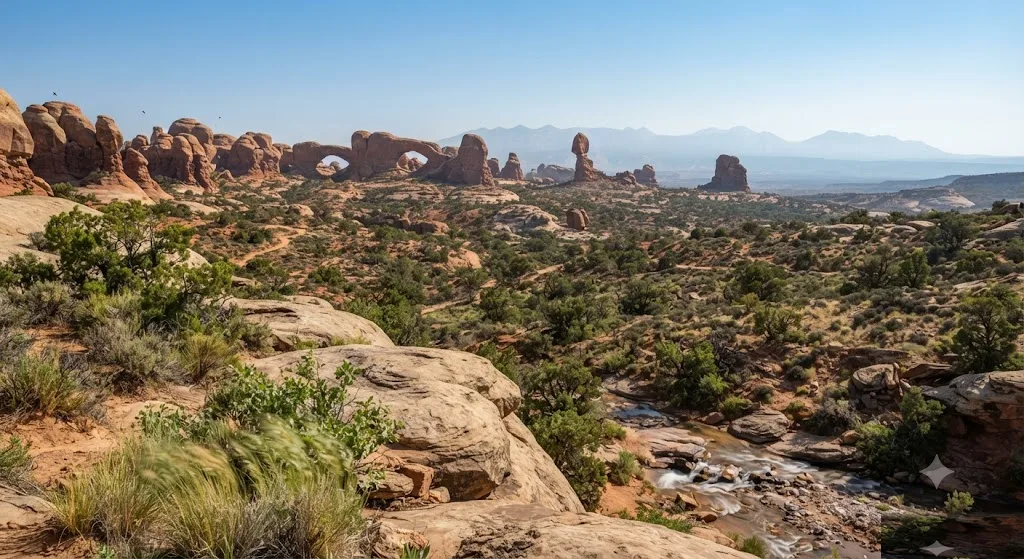
- Arches National Park: Features over 2,000 natural sandstone arches.
- Canyonlands National Park: A vast wilderness of canyons and buttes carved by the Colorado River.
- Capitol Reef National Park: Known for its Waterpocket Fold, a 100-mile-long wrinkle in the Earth's crust.
- Temple Square: The spiritual heart of Salt Lake City and a stunning architectural complex.
- Monument Valley Navajo Tribal Park: Iconic desert landscape with towering sandstone buttes.
- Grand Staircase-Escalante National Monument: A vast, rugged area offering incredible slot canyons and wilderness.
- Bonneville Salt Flats: A surreal, otherworldly landscape famous for land speed records.
- Dinosaur National Monument: Where you can see thousands of dinosaur bones embedded in a rock wall.
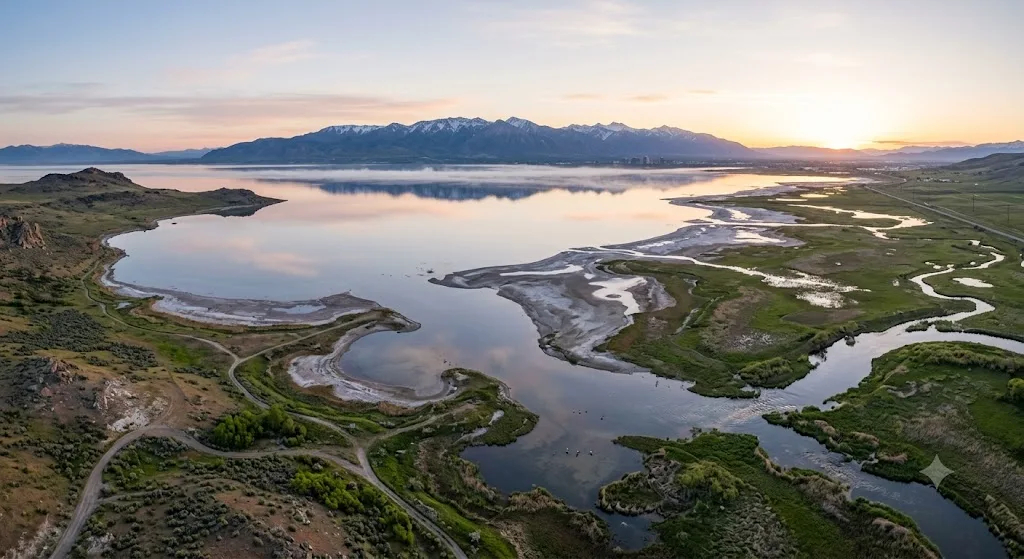
- Antelope Island State Park: The largest island in the Great Salt Lake, home to free-ranging bison.
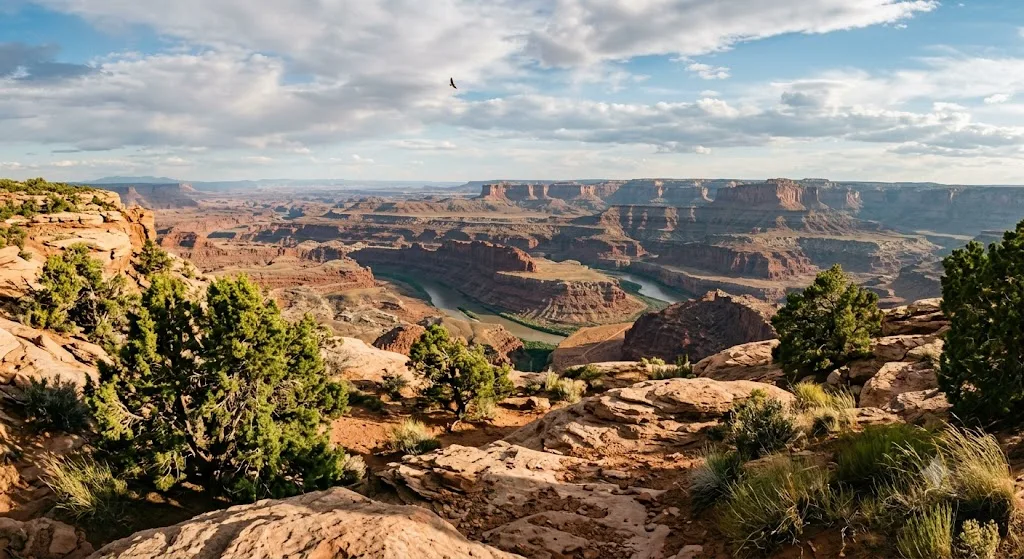
- Dead Horse Point State Park: Offers panoramic views of the Colorado River and Canyonlands.
- Snowbird / Alta Ski Resorts: World-class skiing with abundant powder.
- Park City Mountain Resort: A premier ski destination and host of the Sundance Film Festival.
- Coral Pink Sand Dunes State Park: Vibrant red-orange sand dunes perfect for ATV riding and photography.
- Goblin Valley State Park: A whimsical landscape filled with mushroom-shaped hoodoos.
- Great Salt Lake: The largest saltwater lake in the Western Hemisphere.
- Natural Bridges National Monument: Features three impressive natural bridges carved by water.
- The Narrows (Zion): A world-famous slot canyon hike through the Virgin River.
- Red Cliffs Conservation Area: Offers diverse recreation opportunities near St. George.
Best National Parks & Nature: A Utah National Parks Guide
Utah is synonymous with its "Mighty 5" national parks, offering some of the most spectacular natural landscapes in the United States. Our team has traversed these parks extensively, and we can attest to their unique grandeur. For 2026, it's crucial to be aware of entrance fees, and for non-U.S. residents, a new surcharge at some parks.
Zion National Park
Zion National Park is a geological masterpiece, characterized by massive sandstone cliffs that soar into the sky. The park is open 24 hours a day, 7 days a week, year-round. The standard entrance fee for a private vehicle is $35, valid for 7 consecutive days. For non-U.S. residents aged 16 and older, a $100 per-person surcharge applies in addition to the standard entrance fee, unless they hold an America the Beautiful Non-Resident Annual Pass. During most of the year, the Zion Canyon Scenic Drive is accessible only by the free park shuttle, so plan to park at the visitor center and utilize this system. Reservations are not needed to enter the park or ride the shuttle, but permits are required for popular hikes like Angels Landing and for top-down trips through The Narrows. Hiking The Narrows from the bottom-up does not require a permit.
Bryce Canyon National Park
Bryce Canyon is truly unique, with its amphitheater-shaped geological formations known as hoodoos. The park entrance fee is $35 per vehicle, valid for 7 days. Similar to Zion, non-U.S. residents aged 16 and older face a $100 per-person surcharge in addition to the standard entrance fee, unless they have the America the Beautiful Non-Resident Annual Pass. Bryce Canyon has gone cashless at its entrance.
Arches National Park
Home to the world's largest concentration of natural sandstone arches, Arches National Park is a must-see. We have good news for 2026: the timed-entry reservation system that was in place in previous years has been removed. Visitors can now enter the park at any time during operating hours without a specific arrival window. However, standard entrance fees still apply, which are $30 per vehicle, valid for 7 days. The park is open 24 hours a day, year-round. While timed entry is no longer required, we still recommend arriving before 7 AM or after 2 PM to avoid congestion, especially during peak seasons. Reservations are still required for Devils Garden Campground and for self-guided and ranger-led Fiery Furnace hikes.
Canyonlands National Park
Canyonlands National Park offers a dramatic landscape of canyons, mesas, and buttes. The park is open year-round, 24 hours a day. The entrance fee is $30 per vehicle, valid for 7 consecutive days. This fee covers all districts, including Island in the Sky and The Needles. Unlike Zion and Bryce, Canyonlands National Park is not subject to the $100 per-person non-U.S. resident surcharge.
Capitol Reef National Park
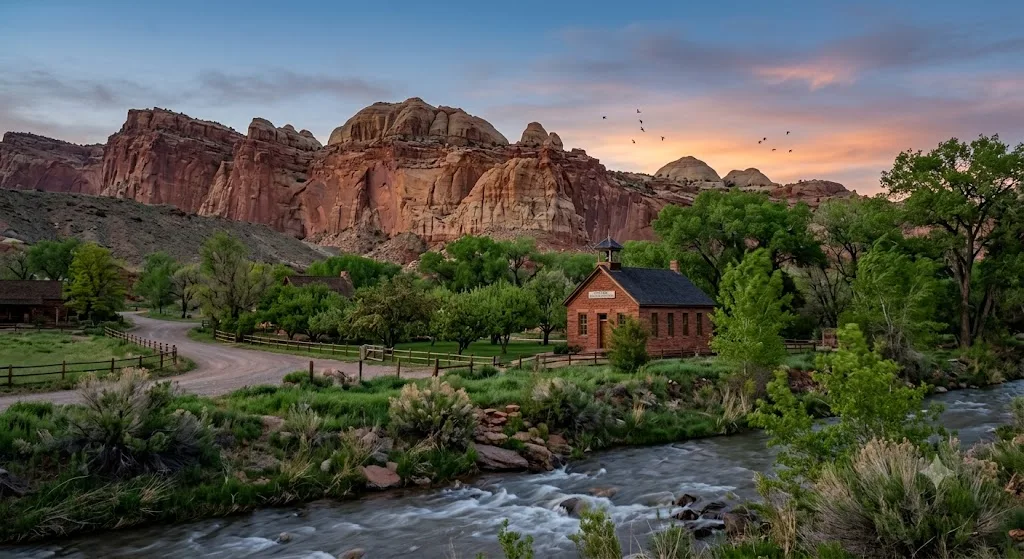
Capitol Reef National Park is a hidden gem, known for its unique geological formations within the Waterpocket Fold. The entrance fee for the scenic drive beyond the Fruita Campground is $20 per vehicle, valid for 7 days. Some areas of the park are free to access. Capitol Reef National Park is also not subject to the $100 per-person non-U.S. resident surcharge.
Other Natural Wonders
Beyond the Mighty 5, Utah's natural beauty extends to Monument Valley Navajo Tribal Park, offering iconic desert vistas; Grand Staircase-Escalante National Monument, a vast and rugged wilderness; and the surreal Bonneville Salt Flats, a stark white landscape perfect for unique photography. Dinosaur National Monument offers a fascinating glimpse into prehistoric life. State parks like Antelope Island State Park, with its free-ranging bison and $15 per vehicle entrance fee (up to 8 people), and Dead Horse Point State Park, providing stunning canyon views, are also excellent additions to any Utah national parks guide.
Cities & Cultural Highlights
While Utah's natural landscapes often steal the show, its cities and cultural sites offer a rich tapestry of experiences. Salt Lake City, the state capital, is a vibrant hub with a unique history and a growing culinary scene.
Salt Lake City & Temple Square
At the heart of Salt Lake City lies Temple Square, a 35-acre complex owned by The Church of Jesus Christ of Latter-day Saints. The Temple Square grounds are open daily from 7:00 AM to 10:00 PM. As of May 18, 2026, the new Temple Square Visitors' Center is open daily from 9:00 AM to 9:00 PM, with free admission. The "Inside a Temple" tour, a 30-minute guided experience on the lower level, requires a reservation, which can be made through the Temple Square app or website. Reservations for this specific tour are often full through July, with additional slots released every other Monday, 60 days in advance, starting June 1, 2026. The historic Salt Lake Temple is currently undergoing renovation and is scheduled to finish in 2027, with public open house tours available from April to October 2027. Reservations for the Salt Lake Temple Open House will be available starting September 1, 2026.
Beyond Temple Square, explore the city's diverse neighborhoods, enjoy its burgeoning food scene, or visit the Utah State Capitol Building for impressive architecture and panoramic views.
Coastal & Scenic Spots
Utah might be landlocked, but it offers its own unique "coastal" experiences and stunning scenic drives.
The Great Salt Lake & Bonneville Salt Flats
The Great Salt Lake is a vast, hypersaline lake, the largest saltwater lake in the Western Hemisphere. Its unique ecosystem supports millions of migratory birds. Nearby, the Bonneville Salt Flats stretch for miles, creating a dazzling white landscape that feels otherworldly. This natural wonder is famous for its use as a land speed record track. Access to the Bonneville Salt Flats is generally open to the public, though conditions can vary with weather.
Scenic Drives & State Parks
Utah is crisscrossed with scenic byways that offer incredible vistas. Beyond the national parks, consider visiting Dead Horse Point State Park, which provides a breathtaking overlook of the Colorado River, often compared to the Grand Canyon. Its day-use fee is typically around $20 per vehicle for up to 8 people, though state park fees can vary and have seen increases in 2026. Antelope Island State Park, located within the Great Salt Lake, offers wildlife viewing and hiking opportunities. The entrance fee for Antelope Island State Park is $15 per vehicle for up to 8 people. An annual Antelope Island Pass is available for $65, which includes the Davis County Causeway fee.
Best Time to Visit
The best time to visit Utah largely depends on your desired activities. Our team recommends:
- Spring (April-May) and Fall (September-October): These shoulder seasons offer the most pleasant weather for exploring Utah's national parks and hiking trails. Temperatures are mild, and crowds are generally more manageable than in summer. However, popular trails can still be busy.
- Summer (June-August): Ideal for high-elevation hiking, water activities, and exploring the northern mountains. However, southern Utah's desert parks can experience extreme heat (often exceeding 100°F), and crowds are at their peak. Early mornings or late evenings are essential for desert explorations during this time.
- Winter (November-March): Perfect for skiing and snowboarding at world-class resorts like Snowbird / Alta Ski Resorts and Park City Mountain Resort. The national parks in southern Utah offer a serene, snow-dusted beauty with fewer crowds, but some roads and trails may be closed due to snow and ice.
Sample Road Trip Itinerary
For those looking to experience the diverse landscapes of the state, a Utah road trip itinerary is the ultimate way to explore. This sample Utah road trip itinerary focuses on the southern national parks, a classic journey.
Day 1-3: Zion National Park & The Narrows
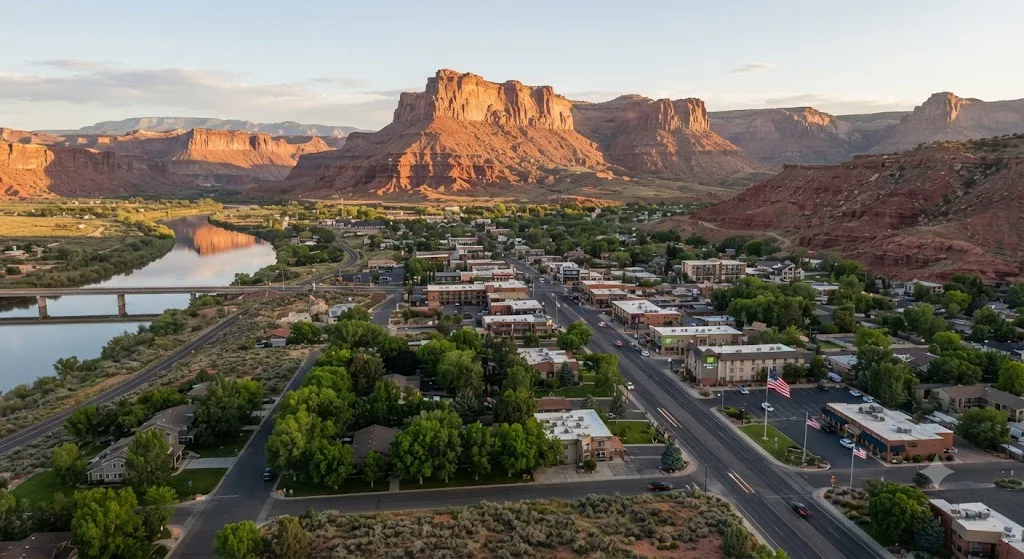
Begin your Utah road trip in Springdale, the gateway to Zion. Spend two full days exploring Zion Canyon. Hike iconic trails like the Emerald Pools or the Pa'rus Trail. If you're up for a challenge, consider hiking The Narrows from the bottom-up (no permit required for this section) or try for an Angels Landing permit. Remember that the Zion Canyon Scenic Drive is primarily accessed by shuttle during peak seasons. Book accommodations well in advance.
Day 4-5: Bryce Canyon National Park
Drive to Bryce Canyon (approximately 1.5-2 hours from Zion). Dedicate a full day to taking in the stunning hoodoos. Hike down into the amphitheater on trails like Navajo Loop and Queen's Garden Trail for an immersive experience. Catch sunrise or sunset from Bryce Point or Inspiration Point for unforgettable views. The entrance fee is $35 per vehicle.
Day 6-7: Capitol Reef National Park
Head east to Capitol Reef (about 2-2.5 hours). This park is less crowded but equally captivating. Drive the Scenic Drive, explore the orchards in Fruita, and enjoy short hikes to Hickman Bridge or Cassidy Arch. Don't forget to grab a fresh pie from the Gifford House. The Scenic Drive requires a $20 per vehicle entrance fee.
Day 8-9: Arches & Canyonlands National Parks (Moab Base)
Continue your Utah road trip to Moab (about 2-2.5 hours from Capitol Reef). Use Moab as your base for exploring both Arches and Canyonlands. Spend a day in Arches National Park, visiting Delicate Arch, Landscape Arch, and the Windows Section. Remember that timed entry is no longer required in 2026, but early arrival is still recommended. Dedicate another day to Canyonlands, focusing on the Island in the Sky district for panoramic views from Mesa Arch and Grand View Point. Both parks have a $30 per vehicle entrance fee.
Day 10: Departure or Extension
From Moab, you can either drive back to Salt Lake City (approximately 3.5-4 hours) for your departure or extend your trip to explore other areas like Monument Valley or Grand Staircase-Escalante.
Practical Travel Tips
Our team has gathered essential advice to ensure a smooth and enjoyable trip to Utah:
- National Park Passes: If you plan to visit multiple national parks, consider purchasing the America the Beautiful Pass for $80. This pass covers entrance fees at all national parks and federal recreation sites for a year. For non-U.S. residents, an America the Beautiful Non-Resident Annual Pass is available for $250, which covers the pass holder and all passengers in one non-commercial vehicle, and waives the $100 surcharge at parks like Zion and Bryce Canyon.
- Reservations: While Arches National Park has lifted its timed-entry requirement for 2026, many campgrounds, popular hikes (like Angels Landing), and some state park facilities still require advance reservations. Always check the official park websites well in advance.
- Water & Hydration: Utah's desert climate can be extremely dry. Carry and drink plenty of water, especially when hiking, even in cooler temperatures. Plan on at least 1 gallon (4 liters) per person per day in the desert.
- Sun Protection: The high altitude and clear skies mean intense sun. Bring sunscreen, hats, and sunglasses.
- Footwear: Sturdy hiking boots are essential for most trails. For water hikes like The Narrows, consider renting canyoneering shoes and a walking stick in Springdale.
- Leave No Trace: Help preserve Utah's natural beauty by practicing Leave No Trace principles. Pack out everything you pack in, stay on marked trails, and respect wildlife.
- State Park Fees: Many Utah State Parks have seen fee increases in 2026, with day-use fees generally in the $5-$10 range and camping fees capped at $60 per night for residents. An annual Utah State Parks pass for residents is $125, and $65 for seniors 65 and over.
Hidden Gems & Local Favorites
Beyond the well-trodden paths, Utah holds a treasure trove of lesser-known wonders. Our team loves uncovering these unique spots, offering a different perspective on the top attractions in Utah.
- Goblin Valley State Park: This whimsical park feels like another planet, with thousands of mushroom-shaped hoodoos (goblins) that invite exploration. It's a fantastic spot for families and photographers. The day-use fee is typically around $20 per vehicle.
- Coral Pink Sand Dunes State Park: Imagine vast dunes of vibrant coral-colored sand. This park is not only visually stunning but also a haven for ATV riders and photographers. The day-use fee is generally $15-20 per vehicle.
- Natural Bridges National Monument: While less famous than Arches, this monument boasts three impressive natural bridges. It's an International Dark Sky Park, offering incredible stargazing opportunities. The entrance fee is $20 per vehicle, valid for 7 days.
- Red Cliffs Conservation Area: Located near St. George, this area offers diverse hiking, biking, and scenic drives with stunning red rock formations, often with fewer crowds than the national parks. Access is generally free, though some specific recreation sites may have day-use fees.
These Utah hidden gems provide a chance to escape the crowds and discover the quieter, equally stunning sides of the state.
Top Things to Do
When considering things to do in Utah, the options are as vast and varied as its landscapes. Our team has curated a list of experiences that truly define a Utah adventure:
- Hiking Utah Hiking Trails: From the challenging Angels Landing in Zion to the scenic paths of Bryce Canyon and the iconic trails of Arches, Utah offers some of the best hiking in the country. Don't miss the opportunity to explore The Narrows, a unique river hike. Remember, permits are required for the top-down route of The Narrows and for Angels Landing.
- Skiing & Snowboarding: Hit the slopes at world-renowned resorts like Park City Mountain Resort, Deer Valley, and Snowbird / Alta Ski Resorts, known for their abundant, light powder.
- Stargazing: Utah boasts numerous International Dark Sky Parks, including Arches and Natural Bridges. Spend an evening marveling at the Milky Way.
- Off-Roading & ATV Adventures: Explore the diverse terrain of places like Moab and Coral Pink Sand Dunes State Park with a thrilling off-road excursion.
- Water Sports: Enjoy kayaking, paddleboarding, or boating on reservoirs like Lake Powell or at the Great Salt Lake.
- Cultural Exploration: Immerse yourself in the history and culture of Salt Lake City, particularly at Temple Square.
These are just a few of the top things to do that will make your Utah trip unforgettable.
Family Vacation Utah
Planning a family vacation Utah style means finding activities that appeal to all ages, and the state delivers in spades. Our team knows that a successful family trip balances adventure with accessibility and fun.
- National Parks for Families: While some trails are strenuous, many national parks offer family-friendly options. In Zion, the Pa'rus Trail is paved and accessible. In Bryce Canyon, the Rim Trail offers easy walks with stunning views. Arches has numerous short trails to iconic formations like Balanced Rock and the Windows Section. Goblin Valley State Park is a playground for kids, allowing them to scramble among the unique rock formations.
- Dinosaur National Monument: For budding paleontologists, this monument is a dream come true, with an impressive wall of dinosaur bones.
- State Parks for Recreation: Antelope Island State Park offers wildlife viewing (bison!) and easy hiking. Coral Pink Sand Dunes State Park is perfect for sand play and ATV rides (rentals available).
- Ski Resorts: During winter, Utah's ski resorts are excellent for family skiing and snowboarding, with lessons and terrain suitable for all skill levels. Park City Mountain Resort, in particular, offers a wide range of family amenities and activities beyond skiing.
- Salt Lake City: Beyond Temple Square, families can enjoy the Discovery Gateway Children's Museum, Hogle Zoo, or a visit to the Natural History Museum of Utah.
A family vacation Utah itinerary can easily be built around these diverse attractions, ensuring everyone has a memorable experience.
Last updated: 2026-07-08 by the Roam States team.