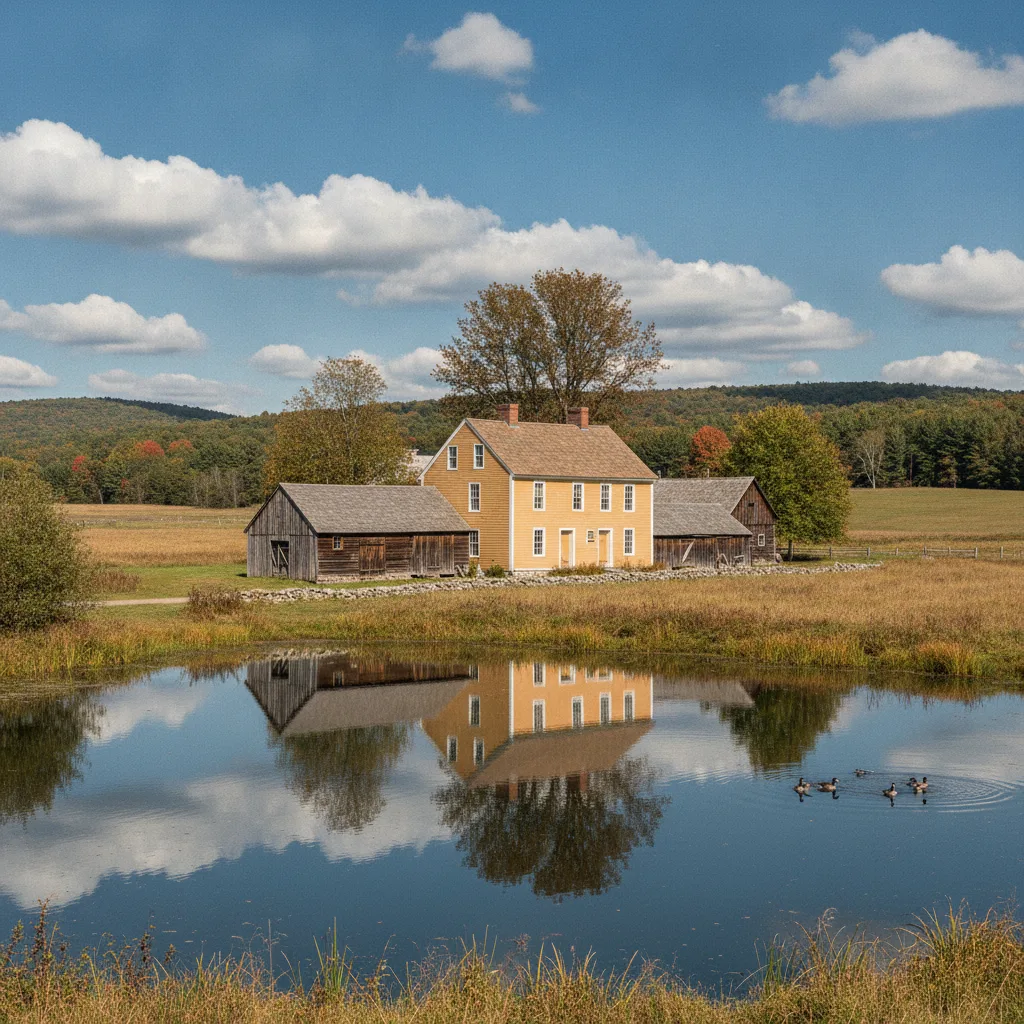
Our Coggeshall Farm Museum guide covers practical planning for Coggeshall Farm Museum Rhode Island — best time to visit, getting there, and what to do on the ground. Our team at Roam States has meticulously researched this unique living history museum to bring you an independent and confident perspective, ensuring your trip is as enriching as it is memorable. Forget generic travel advice; we're here to provide the specific details you need to truly experience 18th-century farm life in coastal Rhode Island.
Coggeshall Farm Museum Travel Guide — Rhode Island
For those seeking an authentic journey back in time, the Rhode Island coast offers a truly remarkable destination: Coggeshall Farm Museum Rhode Island. Here, we step into the shoes of a 1790s tenant farmer, experiencing the rhythms of rural life just as the young American nation was finding its footing. This isn't a static exhibit; it’s a vibrant, working farm where costumed interpreters engage visitors in daily chores, traditional farming practices, and the timeless crafts that sustained a community. Our team believes it offers an unparalleled educational and interactive glimpse into the past, far removed from the hustle of modern life.
Why Visit Coggeshall Farm Museum
Visiting Coggeshall Farm Museum is an immersive experience that transcends a typical museum visit. It's an opportunity to connect with history in a tangible way, where the past isn't just displayed but actively lived. Imagine the scent of woodsmoke from a hearth, the bleating of heritage-breed sheep, or the sight of a farmer tilling the soil with period-appropriate tools. This 48-acre coastal farm in Bristol, Rhode Island, brings the late 18th century to life through live interpretation, historic structures, and heirloom plants, offering a profound understanding of self-sufficiency and resilience. We find that the dedication of the staff to historical accuracy, from their attire to their farming techniques, makes for an incredibly compelling and educational visit.
Beyond the historical immersion, Coggeshall Farm Museum provides a serene escape. The picturesque setting, nestled on the edge of a salt marsh, offers beautiful views and a tranquil atmosphere. It's a place where you can slow down, observe, and appreciate the simpler, harder way of life that shaped early America. Our team consistently hears from visitors how much they value the chance to unplug and engage with the natural world and human history simultaneously.
Who It's Best For
Coggeshall Farm Museum truly shines for a diverse range of visitors, making it a fantastic destination for families, history enthusiasts, and anyone looking for a unique educational outing. For families with children, it's an interactive playground where history comes alive. Kids can meet farm animals, witness daily chores like cooking or spinning wool, and even participate in hands-on activities, transforming abstract historical concepts into memorable experiences. The farm offers specific programs like "Growing Roots" for ages 3-6 and "Farm Adventures" for ages 7-11, designed to engage younger visitors with age-appropriate activities like butter churning, cheese making, and historical games.
History buffs will appreciate the meticulous attention to detail in recreating a 1790s tenant farm. The costumed interpreters are not just actors; they are knowledgeable educators who can discuss the nuances of 18th-century agriculture, social structures, and daily life. The authentic tools, buildings, and agricultural practices offer a deep dive into a pivotal period in American history, just after the American Revolution and before the Industrial Revolution.
Nature lovers and those seeking a peaceful retreat will also find solace here. The coastal setting provides scenic walking opportunities, and the presence of heritage-breed animals adds to the pastoral charm. It's an ideal spot for photographers, artists, or anyone simply looking to enjoy a quiet day surrounded by natural beauty and a sense of timelessness. Even those with mobility differences can often find parts of the farm manageable, with some areas being flat and the historic farmhouse having a ramped entrance.
Getting There & Parking
Reaching Coggeshall Farm Museum is straightforward, though we always recommend using specific GPS instructions to ensure a smooth arrival. The museum is located at 1 Colt Drive, Bristol, Rhode Island 02809. If you're using a GPS, it's crucial to input "Coggeshall Farm Museum" directly, rather than the street address, as following the address alone might direct you to an inaccessible entrance.
For those driving from Providence, we advise taking Interstate 195 East to exit 2B for Route 114 South. Continue on Route 114 through Barrington and Warren, and then into Bristol. From Newport, take Route 138A North to Route 114 North. After crossing the Mount Hope Bridge, travel through historic downtown Bristol until Hope Street (Route 114) meets the harbor on the left. Poppasquash Road will be on your left, approximately 1,000 feet north of where Hope Street meets the harbor, directly across from the stone V.F.W. Hall on the right. Turn left onto Poppasquash Road and continue for about 1.5 miles to the museum entrance on the right.
From Boston, take Interstate 93 South to Route 24 South. Once on Route 24 in Rhode Island, take Exit 2 for Portsmouth/Bristol. Follow signs for Roger Williams University and Bristol. After crossing the Mount Hope Bridge, continue through historic downtown Bristol until Hope Street-Route 114 meets the harbor on the left. Poppasquash Road will be on your left, 1,000 feet north of where Hope Street meets the harbor, directly across from the stone V.F.W. Hall on the right. Turn left onto Poppasquash Road and continue for about 1.5 miles to the museum entrance on the right.
When it comes to parking, visitors to Coggeshall Farm Museum will be pleased to know that ample free parking is available. The parking area is located in one of the museum's fields and is clearly marked by signage. Remember, it's only accessible from the Poppasquash Road entrance, so keep an eye out for those signs. While public transportation is available in Rhode Island via RIPTA, direct routes to the museum may be limited, making driving the most convenient option for most visitors to Coggeshall Farm Museum.
Top Things to Do
A visit to Coggeshall Farm Museum is an active engagement with history, not merely a passive observation. Our team recommends setting aside several hours to fully immerse yourselves in the experience. Among the top things to do at Coggeshall Farm Museum, interacting with the costumed interpreters is paramount. These dedicated individuals portray the tenant farmers of the 1790s, offering insights into their daily lives, challenges, and skills. They don't just tell you about history; they demonstrate it, whether it's cooking over an open hearth, tending to the kitchen garden, or working with the farm animals.
Exploring the historic structures is another highlight. Wander through the tenant farmhouse, the barn, and other outbuildings to get a sense of the architecture and living conditions of the period. The Spring House, for example, sits atop a freshwater spring and served as the primary water source for the property well into the late 20th century. The farm also boasts an heirloom apple orchard and various gardens, showcasing the plants and crops vital to an 18th-century farm.
Engaging with the heritage-breed animals is always a favorite, especially for younger visitors. The farm is home to pigs, sheep, chickens, and cows, all breeds that would have been common in the 1790s. Watching a sheep shearing demonstration or seeing new chicks in the spring provides a direct connection to the agricultural cycle. Beyond these daily activities, the museum hosts a vibrant calendar of special events throughout the year, offering unique things to do at Coggeshall Farm Museum. In 2026, these include the Sheep & Wool Festival in May, where you can see demonstrations of wool processing, dyeing, and spinning, and the Harvest Festival in September, featuring cider making, oxen plowing, and horse-drawn carriage rides. Other notable events include Tools and Trades Day in June, showcasing blacksmithing and weaving, and Jonnycake Day in September, celebrating the cultivation of Rhode Island White Cap Flint Corn. These events often include hands-on activities, artisan crafts, and local food, providing even more things to do at Coggeshall Farm Museum.
Don't forget to take a stroll along the nature trail, which winds through the coastal farmland. It’s an opportunity to appreciate the natural beauty of the area and perhaps spot some local wildlife. The pollinator garden is also a lovely spot to observe butterflies and bees, and you can even purchase Coggeshall Farm Honey from Bee Loved Apiary.
Best Time to Visit
Determining the best time to visit Coggeshall Farm Museum largely depends on what kind of experience you're seeking, as each season offers its unique charm and activities. Our team finds that the spring and fall are particularly beautiful, with pleasant weather perfect for exploring the outdoor grounds.
Spring (April to June): This is a fantastic time to visit as the farm awakens. April marks the official opening day, and the kitchen garden begins to beam with new plants and herbs. You'll often see new additions to the animal family, such as chicks, and witness the progress of the sheep before lambing season. The museum is open on Saturdays with demonstrations and costumed staff, and on Sundays for self-guided visits, from 10:00 a.m. to 4:00 p.m. A highlight is the annual Sheep & Wool Festival in May, a vibrant event showcasing sheep shearing, wool processing, and artisan vendors. There's also a special "Kids Free April" offer, allowing up to two children (17 and under) free admission with an adult ticket on weekends from April 11-26, 2026, using code KID26.
Summer (July to September): Summer brings the farm to its fullest, with lush gardens and a bustling schedule of special events. From July 5 to September 27, 2026, the museum is open on Saturdays and Sundays from 10:00 a.m. to 4:00 p.m., with costumed staff and demonstrations. Be aware that the museum will be closed on July 4, 2026, though you can often spot their participation in the Bristol 4th of July Parade. Summer events include the Herb and Garden Weekend in July, focusing on the practical uses of plants, and Flax to Fiber in August, demonstrating how linen was made. The Harvest Festival in September is another major draw, celebrating the culmination of the farming season with various demonstrations and local vendors.
Fall (October to November): While specific hours for October and November 2026 are listed as "check back later for details", the fall typically offers beautiful foliage and a quieter, reflective atmosphere. Events like the Reenactment Weekend in early October often provide unique historical perspectives. It's a prime time for those who prefer fewer crowds and cooler temperatures.
Winter (December to March): The museum's schedule is more limited in winter, often focusing on specific events like "Washington Remembered: Founding Father, Forever" in February, which in 2026 offered insights into George Washington's agricultural influences. If visiting in winter, always check their website for specific event dates and hours, as general daytime admission may not be regularly available. Regardless of the season, we always recommend checking the official Coggeshall Farm Museum website for the most up-to-date hours, rates, and event schedules before your visit.
Where to Stay Nearby
When planning your visit to Coggeshall Farm Museum, our team understands that finding the right lodging is key to a comfortable and convenient trip. While the museum itself is a step back in time, the surrounding area offers a range of modern accommodations to suit various preferences and budgets. For those seeking the closest and most charming options for Coggeshall Farm Museum lodging, we recommend focusing on Bristol itself, a picturesque coastal town with a rich history.
One of the top choices for Coggeshall Farm Museum lodging is the Bristol Harbor Inn. Located directly on historic Bristol Harbor, this boutique-style inn offers elegant, nautical-themed guestrooms and suites, some with waterfront views. Its prime location means you're within walking distance of downtown Bristol's shops, restaurants, and attractions, making it a perfect base for exploring the town after your farm visit. The inn also features an on-site restaurant, the DeWolf Tavern, known for its American cuisine and waterfront deck.
Another highly-rated option for Coggeshall Farm Museum lodging in Bristol is the William's Grant Inn Bed and Breakfast. This charming B&B offers uniquely decorated guestrooms with private bathrooms and a homemade breakfast daily. It's praised for its exceptional value and service. Similarly, The Inn at Mount Hope Farm provides a unique experience, set within a historic country estate with beautiful gardens, walking trails, and farm animals. Its two historic buildings, the Governor Bradford House and North Pasture House, offer tastefully furnished rooms with antiques and modern comforts.
For those who prefer a more intimate, historic setting, the Bradford-Dimond-Norris House, built in 1792, is situated in the heart of Bristol's historic waterfront district. It provides period elegance with air-conditioned guest rooms and private baths. These Bristol accommodations offer not just a place to sleep, but an extension of the historic charm you'll experience at Coggeshall Farm Museum.
If you're looking for more budget-friendly options or don't mind a short drive, nearby towns also offer choices. The Founder's Brook Motel and Suites in Portsmouth, just a short drive from Bristol, provides clean, comfortable rooms and a serene garden setting. Further afield, but still within a reasonable driving distance, you'll find larger hotel chains in Warwick or Seekonk, Massachusetts, such as the Best Western Providence Warwick Airport Inn or the Holiday Inn Express Hotel & Suites Warwick-Providence. These options might appeal to those looking for specific amenities like indoor pools or airport proximity. Regardless of your choice, we recommend booking your Coggeshall Farm Museum lodging in advance, especially during peak seasons or special event weekends.
Sample 2-Day Itinerary
To truly savor the historical charm of Bristol and the immersive experience of Coggeshall Farm Museum, our team suggests a leisurely two-day itinerary. This allows for a deeper dive into 18th-century farm life while also exploring the surrounding coastal beauty and local attractions.
Day 1: Immersing in 18th-Century Farm Life
- Morning (10:00 AM - 1:00 PM): Coggeshall Farm Museum Deep Dive. Arrive promptly at Coggeshall Farm Museum to make the most of your day. Begin by exploring the tenant farmhouse and engaging with the costumed interpreters as they go about their daily chores. Witness hearth cooking, learn about traditional crafts, and ask questions about 18th-century life. Don't miss the heritage-breed animals and the heirloom gardens. If visiting on a Saturday, you'll benefit from the full array of demonstrations.
- Lunch (1:00 PM - 2:00 PM): Picnic on the Farm or Local Eatery. Pack a picnic lunch to enjoy on the farm's scenic grounds, or head to a nearby Bristol eatery. We recommend the Bristol Sunset Cafe or The Beehive Cafe for casual, delicious options.
- Afternoon (2:00 PM - 4:00 PM): Nature and Exploration. After lunch, take a leisurely stroll along the farm's nature trails, appreciating the coastal landscape and perhaps visiting the pollinator garden. If there's a special event happening, such as a workshop or a smaller demonstration, this is the perfect time to participate and further enhance your understanding of the farm's practices.
- Late Afternoon (4:00 PM - 6:00 PM): Colt State Park. Located adjacent to Coggeshall Farm, Colt State Park offers 464 acres of beautiful seaside parkland. Enjoy panoramic views of Narragansett Bay, take a walk along the paved pathways, or simply relax by the water. It’s a perfect spot for some fresh air and scenic photography.
- Evening: Dinner in Downtown Bristol. Head into historic downtown Bristol for dinner. Options like DeWolf Tavern offer a waterfront dining experience with American cuisine, while Roberto's is known for its Italian fare. After dinner, enjoy a stroll along Hope Street, browsing the quaint shops.
Day 2: Coastal Charm and Gilded Age Grandeur
- Morning (9:00 AM - 12:00 PM): Bristol's Historical Gems. Start your day by exploring more of Bristol's rich history. Visit the Linden Place Mansion, a stunning example of Federal-style architecture with ties to the DeWolf family and the American Revolution. Alternatively, maritime enthusiasts will enjoy the Herreshoff Marine Museum, celebrating America's Cup history and yacht design.
- Lunch (12:00 PM - 1:00 PM): Waterfront Dining. Grab lunch at a spot like The Lobster Pot, offering seafood with views of Narragansett Bay.
- Afternoon (1:00 PM - 5:00 PM): Newport Exploration. Take a scenic drive south to Newport, approximately 9 miles away. Spend your afternoon exploring the opulent Gilded Age mansions like The Breakers, the grandest of Newport's summer cottages, or enjoy a breathtaking walk along the Newport Cliff Walk, offering stunning ocean vistas and views of the mansions. Consider also a visit to The Elms for another perspective on Gilded Age society.
- Late Afternoon (5:00 PM - 6:00 PM): East Bay Bike Path. If you're feeling active, rent bikes and explore a section of the East Bay Bike Path, which runs through Bristol and offers scenic views of the Narragansett Bay.
- Evening: Farewell Dinner. Enjoy a final dinner in Bristol or Newport, perhaps trying a different restaurant from the previous night, before concluding your Rhode Island adventure.
Last updated: 2026-07-07 by the Roam States team.