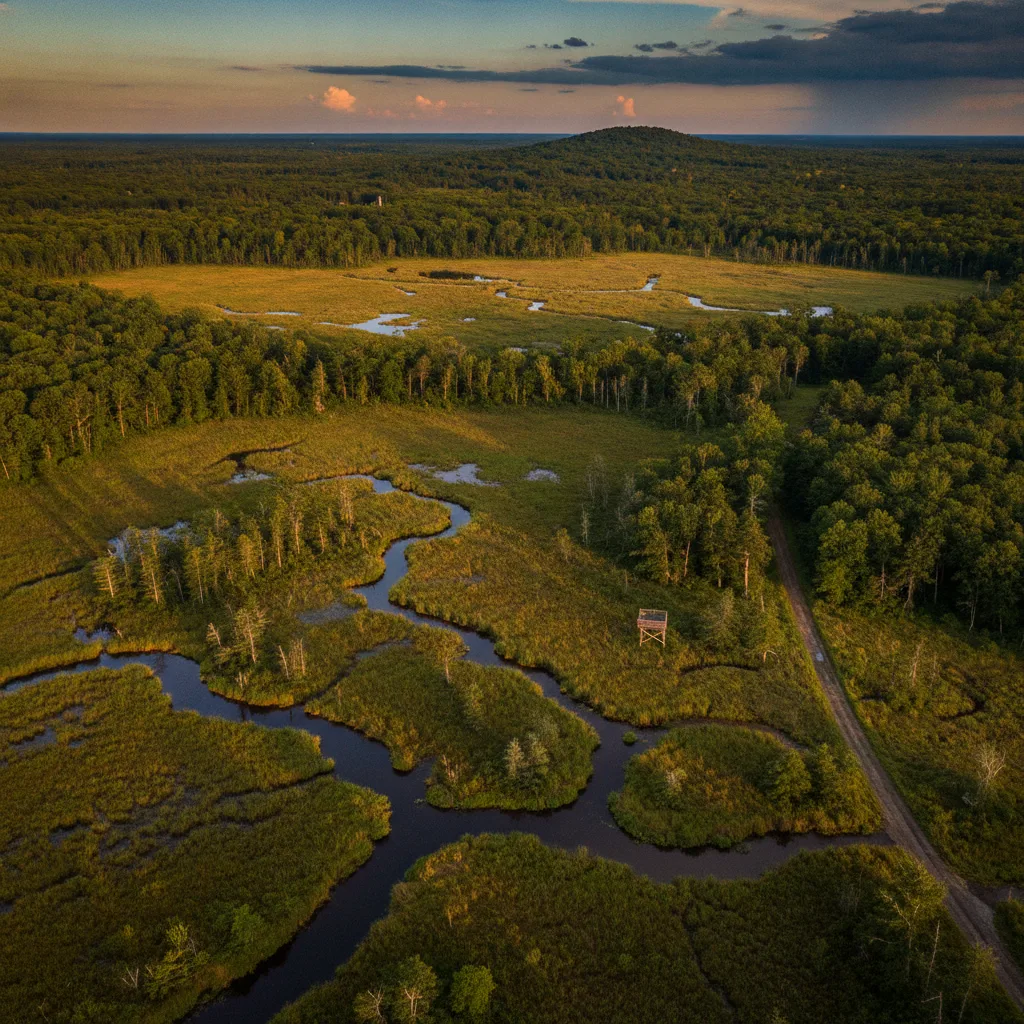
Our Great Swamp Management Area guide covers practical planning for Great Swamp Management Area Rhode Island — best time to visit, getting there, and what to do on the ground. As independent US travel authorities, we're here to provide confident, specific advice to help you explore this significant wetland and forest area, a critical habitat for wildlife and a prime location for nature observation, hiking, birdwatching, and hunting.
Why Visit Great Swamp Management Area
The Great Swamp Management Area Rhode Island is a sprawling natural treasure, encompassing over 3,000 acres of wetlands, woodlands, and meadows. It's the largest swamp in New England, boasting extensive forested freshwater wetlands dominated by red maple and cedar swamp. Our team finds it an essential destination for anyone seeking to immerse themselves in Rhode Island's diverse ecosystems and observe wildlife in its natural setting. The area was historically significant as the site of the Great Swamp Fight in 1675, a pivotal event during King Philip's War. Today, it's managed by the Rhode Island Department of Environmental Management (DEM) for wildlife habitat and recreation.
We're consistently impressed by the sheer biodiversity here. From migratory birds that use the area as a vital rest stop to a variety of mammals, fish, reptiles, amphibians, and insects that call it home, the Great Swamp is a living classroom. It's a place where you can truly disconnect from the hustle and bustle and reconnect with nature, offering a profound sense of tranquility and discovery.
Who It's Best For
The Great Swamp Management Area caters to a wide array of nature enthusiasts. Birdwatchers, in particular, will find themselves in paradise, especially during spring migration when passerines are abundant. The area is known for its osprey nests and bluebird boxes, making sightings relatively easy. Hikers of all skill levels can enjoy the trails, though some longer loops might be challenging for younger children due to their length. Photographers will appreciate the diverse landscapes and abundant wildlife, offering endless opportunities for stunning shots.
For those interested in hunting, the Great Swamp Management Area is a popular destination from October through February. It's one of Rhode Island's primary public hunting grounds, offering opportunities for deer, turkey, waterfowl, and small game. However, visitors should be aware of hunting seasons and regulations, including fluorescent orange requirements for all users during these times.
Our expert verdict: If you're looking for a peaceful retreat into nature, a chance to observe diverse wildlife, or a challenging hike, the Great Swamp Management Area is an excellent choice. It's particularly rewarding for birdwatchers and hunters who come prepared with the right gear and knowledge of local regulations.
How to Get There
Navigating to the Great Swamp Management Area is straightforward. The primary entrance is located off Route 138, just west of the intersection with Route 110 (Ministerial Road) in South Kingstown, Rhode Island. If you're coming via Route 95, take exit 3A and follow Route 138 East for approximately nine miles. Then, take a sharp right onto Liberty Lane, where you'll see a sign for the Great Swamp Management Area. Continue on this road for about a mile before turning left onto a dirt road that leads to the DEM Fish and Wildlife area.
Parking: We've found that there is ample parking available at the end of the road leading into the management area. Specifically, parking areas are located along Great Neck Road, both before and after passing the Great Swamp Field Headquarters building. As of 2026, there are no specific fees mentioned for parking at the Great Swamp Management Area itself. However, please note that state beach parking passes are a separate system for coastal areas.
Hours and Closures: The Great Swamp Management Area is generally open from sunrise to sunset. Our team recommends checking the Rhode Island Department of Environmental Management (DEM) website for any specific closures or altered hours, especially around holidays or for management activities like prescribed burns. For example, DEM offices will be closed on Monday, July 6, 2026, for Independence Day, resuming regular business hours on Tuesday, July 7, 2026, at 8:30 AM. Prescribed burns are a regular occurrence, with DEM planning to resume low-severity burns on state lands, including Great Swamp Management Area, in 2026 to maintain healthy habitats and reduce wildfire risk. These burns are typically announced a day in advance, so it's wise to check for updates before your visit.
Reservations: As of our latest research in 2026, reservations are generally not required for general access to the Great Swamp Management Area for hiking or birdwatching. However, specific events, such as bird walks organized by groups like the Ocean State Bird Club, may require pre-registration. Hunters should consult the Rhode Island Hunting & Trapping Guide for any permit requirements or special regulations related to hunting seasons.
Top Things to Do
When planning your visit to the Great Swamp Management Area, you'll discover a wealth of activities designed to connect you with nature. Our team has identified these as the top things to do at Great Swamp Management Area:
- Hiking and Nature Walks: The area boasts several miles of trails that wind through diverse habitats, including fields, mixed forests, and around an impoundment. The trails are generally wide and can be quite easy to walk, often following dirt roads. A popular option is the approximately five-mile round trip trail that circles the impoundment, offering varied birding opportunities. While trails are not always marked, consulting a map is highly recommended.
- Birdwatching: This is arguably one of the best things to do at Great Swamp Management Area. The area is a prime spot for finding passerines during spring migration. Keep an eye out for Ospreys nesting on utility poles, Great Blue Herons, Great and Snowy Egrets feeding in the impoundment, and various ducks like Wood Ducks, Green-winged Teal, and Ring-necked Ducks during migration. Other notable sightings include Northern Harriers, American Kestrels, Eastern Bluebirds, and various warblers. May and September are considered the best months for birding to maximize bird counts and minimize insect bites.
- Wildlife Observation: Beyond birds, the Great Swamp is teeming with other wildlife. You might spot deer, rabbits, various reptiles, amphibians, and a wide array of insects. The protected area is specifically managed for wildlife habitat, making it an excellent place for observation.
- Hunting: From October through February, the Great Swamp Management Area is a popular hunting ground. It offers opportunities for deer, turkey, waterfowl, and small game. Hunters must adhere to Rhode Island Department of Environmental Management (DEM) regulations, including specific seasons and bag limits. Fluorescent orange is required for all users during hunting season.
- Photography: With its varied landscapes and abundant wildlife, the Great Swamp provides fantastic opportunities for nature photography throughout the seasons.
- Great Swamp Shooting Range: Located within the management area, the Great Swamp Shooting Range offers public target shooting on a seasonal basis. A free permit is required for use by both RI residents and out-of-state visitors. As of 2026, maintenance is planned for the 50-yard and 100-yard ranges, with one range remaining open while the other is serviced.
Best Time to Visit
Choosing the right time to visit the Great Swamp Management Area can significantly enhance your experience. Our team has identified key periods based on activities and conditions:
- Spring (April-May): This is arguably the best time for birdwatching, especially during spring migration when the area is bustling with passerines. The weather is generally pleasant, and the vibrant new growth adds to the scenery.
- Fall (September-October): Fall offers comfortable temperatures and the beautiful New England autumn colors, making it ideal for scenic walks and photography without the peak summer crowds. It's also a great time for birding and the start of hunting season.
- Winter (November-February): While colder, winter provides unique opportunities for wildlife tracking and observation, and it's a popular time for hunting. Be prepared for colder temperatures and potential snow.
- Summer (June-August): While beautiful, summer can present challenges due to oppressive heat and abundant deer flies, which can make the area "virtually unusable" during July and August. If you visit during these months, our team recommends going as early as possible in the day, ideally around sunrise, and on cloudy or slightly rainy days to minimize encounters with deer flies and black flies. Mosquitoes, however, will still be present.
Overall, to maximize bird counts and minimize bug bites, the best months to bird Great Swamp are May and September.
Great Swamp Management Area Lodging
While there's no lodging directly within the Great Swamp Management Area, several excellent options are available in nearby South Kingstown and surrounding towns, offering convenient access to the preserve. When considering Great Swamp Management Area lodging, we recommend looking at options that provide a comfortable base for your nature explorations.
South Kingstown offers a variety of accommodations. The area around the University of Rhode Island (URI) campus, particularly along Kingstown Road and Route 138, is a commercial and social hub with dining and local shops, making it a convenient base.
- Fairfield Inn & Suites by Marriott South Kingstown Newport Area: Located in Wakefield-Peacedale, this hotel is a traveler favorite, offering free breakfast, WiFi, and parking. It's within 15 minutes of URI and Narragansett Beach.
- Hampton Inn South Kingstown - Newport Area: Also in Wakefield-Peacedale, this hotel provides affordable guest rooms, complimentary breakfast, and free coffee. It's well-regarded by travelers for its comfort and amenities.
- Holiday Inn South Kingstown (Newport Area) by IHG: This peaceful hotel features an outdoor pool and an on-site restaurant. It's about 15 minutes from URI and offers free parking and WiFi.
Other nearby areas like Narragansett and Newport also offer a range of hotels, from budget-friendly to luxury. For a broader exploration of Rhode Island, consider our guide to the Best places in Rhode Island, which includes destinations like The Breakers and the Newport Cliff Walk, both iconic attractions that can be easily combined with a trip to the Great Swamp.
Sample 2-Day Itinerary
To help you make the most of your visit to the Great Swamp Management Area Rhode Island, our team has crafted a sample two-day itinerary focused on nature, relaxation, and local exploration.
Day 1: Immersion in the Great Swamp
- Morning (Sunrise - Noon): Birdwatching & Hiking. Arrive at the Great Swamp Management Area at sunrise for the best birding opportunities. Embark on the approximately five-mile loop trail around the impoundment. Bring binoculars and a camera to spot Ospreys, Great Blue Herons, and various migratory birds. Allow 3-4 hours for a leisurely pace, taking time for photography and wildlife observation.
- Lunch (Noon - 1:30 PM): Picnic or Local Eatery. Pack a picnic to enjoy at one of the informal spots within or near the management area. Alternatively, head to nearby South Kingstown for a casual lunch.
- Afternoon (1:30 PM - 5:00 PM): Further Exploration or Shooting Range. Depending on your interest, explore a different section of the Great Swamp Management Area hiking trails, perhaps focusing on a shorter, easier path. If you're a licensed shooter, consider a visit to the Great Swamp Shooting Range (check permit requirements and hours in advance).
- Evening: Dinner & Relaxation. Enjoy dinner at a restaurant in South Kingstown. Consider a relaxed evening at your hotel, preparing for another day of exploration.
Day 2: Coastal Charm & Cultural Highlights
- Morning (9:00 AM - 1:00 PM): Newport's Gilded Age. Drive to Newport (approximately 30-40 minutes from South Kingstown). Start with a tour of The Breakers, the most magnificent of Newport's Gilded Age mansions. Afterwards, take a stroll along a portion of the Newport Cliff Walk for breathtaking ocean views and glimpses of historic estates.
- Lunch (1:00 PM - 2:30 PM): Newport Waterfront. Enjoy lunch at one of the many restaurants along Newport's bustling waterfront, offering fresh seafood and scenic views.
- Afternoon (2:30 PM - 5:00 PM): Roger Williams Park Zoo or Block Island. For families, consider a visit to the Roger Williams Park Zoo in Providence (about an hour's drive from Newport). Alternatively, for a different coastal experience, explore the dramatic Mohegan Bluffs on Block Island (requires ferry travel, so plan accordingly).
- Evening: WaterFire or The Elms. If your visit coincides with a WaterFire event in Providence, it's an unforgettable artistic experience. Otherwise, return to Newport for an evening tour of another mansion like The Elms, or a relaxed dinner.
This itinerary offers a blend of tranquil nature and Rhode Island's iconic attractions, ensuring a memorable trip. Remember to check hours and availability for all attractions, especially during peak season.
Great Swamp Management Area camping
As of 2026, direct camping within the Great Swamp Management Area is not permitted. The area is primarily designated for wildlife management and day-use recreational activities like hiking, birdwatching, and hunting. For those looking to camp, nearby state parks and private campgrounds in Rhode Island offer various options. We recommend checking the Rhode Island Department of Environmental Management (DEM) website or dedicated camping resources for information on campgrounds in the wider South County area.
things to do in South Kingstown
Beyond the Great Swamp Management Area, South Kingstown, Rhode Island, offers a charming array of activities and attractions. Our team suggests exploring the town's beautiful beaches, such as East Matunuck State Beach, Matunuck Beach, and Scarborough State Beach, which are popular for swimming and sunbathing. You can also visit the Theatre by the Sea for live performances or explore local farms like Clark Farms. The Kingston Free Library and various community events, often listed on the South Kingstown municipal website, provide cultural engagement. For those interested in local spirits, Sons of Liberty Spirits is also in the area.
Great Swamp Management Area with kids
Visiting the Great Swamp Management Area with kids can be a rewarding experience, though some considerations are important. The trails are generally wide and easy to walk, often resembling dirt roads. However, the longer loops, such as the 4.0-mile or 6.2-mile extension to Worden Pond, can be challenging for children due to their length. Our team recommends bringing a map, as trails are not always clearly marked. Be prepared for insects, especially deer flies during summer, and ticks, so appropriate clothing and insect repellent are essential. Dogs are welcome on a leash, which can be a fun addition for families.
best hotels near Great Swamp Management Area
For the best hotels near Great Swamp Management Area, we recommend focusing on South Kingstown, particularly areas like Wakefield-Peacedale. Top choices include the Fairfield Inn & Suites by Marriott South Kingstown Newport Area, known for its free breakfast and attentive staff, and the Hampton Inn South Kingstown - Newport Area, which offers comfortable, budget-friendly accommodations with complimentary breakfast. The Holiday Inn South Kingstown (Newport Area) by IHG is another excellent option, offering an outdoor pool and on-site dining. These hotels provide convenient access to the Great Swamp while also being close to other South Kingstown attractions and dining options.
Great Swamp Management Area tips
To ensure a smooth and enjoyable visit to the Great Swamp Management Area, our team offers these essential tips:
- Check Conditions: Always check the Rhode Island DEM website for current conditions, potential closures (e.g., for prescribed burns), or hunting season information before your visit.
- Dress Appropriately: Wear sturdy hiking shoes. During hunting season (October-February), fluorescent orange clothing is required for all users.
- Insect Protection: This is crucial, especially from late spring through early fall. Deer flies can be "intolerable" in July and August. Use insect repellent and check thoroughly for ticks after your visit.
- Bring a Map: Trails are not always marked, so a map is essential for navigation.
- Stay on Trails: This helps protect the delicate ecosystem and reduces your risk of encountering ticks.
- Leash Your Dog: Dogs are welcome but must be on a leash.
- Respect Wildlife: Observe animals from a distance and do not disturb their natural behaviors.
- Pack Water and Snacks: Especially for longer hikes, ensure you have enough hydration and energy.
where to stay near Great Swamp Management Area
When deciding where to stay near Great Swamp Management Area, our primary recommendation is South Kingstown. This town offers the closest and most convenient access to the management area, along with a good selection of hotels, restaurants, and other amenities. We suggest hotels like the Fairfield Inn & Suites by Marriott South Kingstown Newport Area, Hampton Inn South Kingstown - Newport Area, or Holiday Inn South Kingstown (Newport Area) by IHG, all of which are well-regarded and provide comfortable stays with free parking and other amenities. For those seeking more options or a different experience, nearby coastal towns like Narragansett also provide a range of accommodations, though they will be a slightly longer drive to the Great Swamp. You can also explore our general guide to Plan Your US Trip for broader accommodation advice.
We hope this comprehensive guide inspires your visit to the Great Swamp Management Area Rhode Island. Whether you're a seasoned birder, an avid hiker, or simply looking for a peaceful escape into nature, this remarkable preserve offers an unforgettable experience. Our team is confident that with this information, you'll be well-prepared to explore one of Rhode Island's most significant natural habitats.
Last updated: 2026-07-07 by the Roam States team.