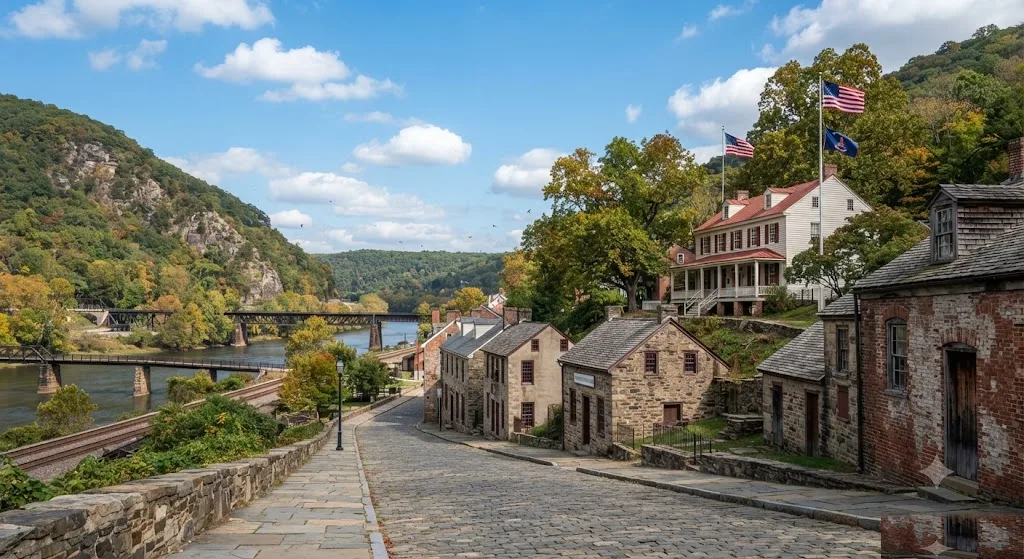
Harpers Ferry National Park Travel Guide — West Virginia
Welcome to our definitive guide to Harpers Ferry National Park West Virginia, where history and natural beauty converge at the confluence of the Potomac and Shenandoah Rivers. Our team at Roam States believes this iconic destination offers a uniquely American experience, blending pivotal historical narratives with stunning outdoor adventures. Whether you're a history enthusiast, an avid hiker, or a family seeking an enriching getaway, Harpers Ferry National Park West Virginia provides an unforgettable journey through time and terrain.
Why Visit Harpers Ferry National Park
Harpers Ferry National Park is more than just a scenic spot; it's a living museum nestled at the junction of three states—West Virginia, Virginia, and Maryland—and two mighty rivers. This unique geographical position has made it a crossroads of American history, witnessing events that profoundly shaped the nation. From John Brown's audacious raid in 1859, a catalyst for the Civil War, to its strategic importance during the conflict itself, the park is steeped in stories of courage, conflict, and change.
Beyond its historical gravitas, the park is a haven for nature lovers. The dramatic landscape, characterized by towering cliffs, lush forests, and the powerful flow of the rivers, offers a breathtaking backdrop for exploration. It's a place where the Appalachian Trail crosses the Potomac River, inviting hikers to experience a segment of America's most famous footpath. We find that the blend of accessible history and diverse outdoor activities makes Harpers Ferry National Park an exceptionally rewarding destination for all types of travelers.
Who It's Best For
Harpers Ferry National Park truly offers something for everyone, making it an ideal destination for a wide range of visitors.
- History Buffs: With its meticulously preserved Lower Town, numerous museums, and significant Civil War sites like John Brown's Fort, the park is a treasure trove for those eager to delve into America's past. Ranger-led programs, primarily offered on weekends, provide insightful narratives that bring the history to life.
- Outdoor Enthusiasts: Hikers will find a variety of trails, from challenging climbs to scenic overlooks to leisurely riverside walks. The convergence of the Appalachian Trail and the Chesapeake & Ohio Canal Towpath provides unparalleled opportunities for hiking, biking, and even fishing.
- Families: The park's engaging exhibits and accessible historical sites make learning fun for all ages. Kids can explore historical buildings, and the open spaces provide plenty of room to roam. While pets are not permitted on the park shuttle, service animals are welcome, and there are local workarounds for visitors with pets who wish to access Lower Town.
- Road Trippers: Its location within easy driving distance of major East Coast cities like Washington D.C. makes it a perfect stop on a larger itinerary. Consider combining your visit with other incredible West Virginia destinations like the Beckley Exhibition Coal Mine or Blackwater Falls State Park for a comprehensive Appalachian adventure.
Getting There & Parking
Understanding how to get to Harpers Ferry National Park and where to park is crucial for a smooth visit. The park is easily accessible by car, but we recommend planning your parking strategy in advance, especially during peak season.
How to Get There
Harpers Ferry National Park is situated at the intersection of US Route 340, which provides direct access from both Maryland and Virginia.
- By Car: The most common way to reach the park is by car. From Washington D.C., it's approximately a 1.5-hour drive northwest. The main Visitor Center is located at 171 Shoreline Drive, Harpers Ferry, WV 25425.
- By Train: For a unique travel experience, consider taking the train. Amtrak's Capitol Limited line stops at Harpers Ferry seven days a week, running between Washington, D.C., and Chicago. The MARC Commuter Rail's Brunswick Line also offers weekday service from Washington, D.C..
- By Air: The closest major airport is Washington Dulles International Airport (IAD), approximately 50 minutes from the park entrance.
Harpers Ferry National Park Parking
Parking options vary, and we strongly advise utilizing the main Visitor Center parking for the most convenient access to Lower Town.
- Visitor Center Parking (171 Shoreline Drive): This is the largest and most recommended parking area. A fee of $20 per vehicle grants you a pass valid for three consecutive days and includes shuttle bus service to Lower Town. The shuttle runs frequently, every 10-15 minutes, from 9 a.m. to 7 p.m. during Daylight Saving Time (March 9 - November 1, 2026) and until 5:30 p.m. during Eastern Standard Time (November 3, 2025 - March 8, 2026). Note that pets are not allowed on the shuttle buses, with the exception of service animals.
- Harpers Ferry Train Station Lot (Potomac Street): Located in Lower Town, this NPS-managed lot offers about 100 spots and also requires a $20 park pass. However, it fills up very quickly, especially on weekends, often by 10:00 AM.
- Street Parking in Bolivar: Metered street parking is available in the town of Bolivar, typically costing $2.00 per hour via the ParkMobile app. It's important to remember that these meters are separate from the National Park fees.
- River Access Lot (Hwy 340 and Shenandoah St): This lot is a good option for those planning to hike Maryland Heights but is small and popular. It also requires the $20 park pass.
- Overnight Parking: For Appalachian Trail hikers or C&O Canal bikers, overnight parking for up to 14 days is permitted at the Visitor Center parking lot. A "Request for Overnight Parking" form must be filled out at the Visitor Center Ranger desk between 9 a.m. and 5 p.m.. Please note that staying or camping overnight in vehicles is not permitted within the park.
For current conditions, shuttle schedules, and detailed parking information, we advise checking the official National Park Service website for Harpers Ferry National Historical Park: nps.gov/hafe.
Top Things to Do
There are countless things to do at Harpers Ferry National Park, whether your interests lie in history, nature, or a bit of both. Our team has curated a list of essential experiences to ensure you make the most of your visit.
- Explore Lower Town: This historic district is the heart of the park, offering a glimpse into 19th-century life. Wander along Shenandoah Street, where numerous museums and exhibits are housed in restored buildings. Key sites include John Brown's Fort, the Industry Museum, and various shops that transport you back in time. Please note that some exhibit spaces, such as the Master Armorer's Quarters and the Civil War Museum, are temporarily closed for maintenance as of early 2026.
- Visit John Brown's Fort: A pivotal site in American history, this small brick building was the scene of John Brown's 1859 raid. It's a powerful reminder of the tensions that led to the Civil War.
- Hike to Jefferson Rock: A short, uphill walk from Lower Town leads to Jefferson Rock, a series of shale slabs where Thomas Jefferson reportedly stood in 1783, admiring the panoramic view of the Potomac and Shenandoah Rivers converging. He famously described the scene as "one of the most stupendous scenes in nature."
- Walk the Appalachian Trail: Harpers Ferry is known as the psychological halfway point of the Appalachian Trail. You can walk a segment of this iconic trail, which crosses the Potomac River via the footbridge on the old B&O Railroad bridge.
- Bike the C&O Canal Towpath: Adjacent to the park, the Chesapeake & Ohio Canal National Historical Park offers miles of flat, scenic towpath perfect for cycling or walking. You can access it directly from Lower Town.
- Take a Ranger-Led Program: These interpretive programs, primarily offered on weekends, provide deeper insights into the park's history and natural features. Check at the Visitor Center for a schedule of opportunities during your visit.
- Picnic with a View: While picnicking isn't allowed in the historic preservation zones, designated picnic areas are available near the Visitor Center. It's a perfect way to enjoy the scenery after a morning of exploration.
Harpers Ferry National Park Hiking Trails
Harpers Ferry National Park offers a diverse network of hiking trails, catering to various fitness levels and interests. From challenging climbs to historic battlefields to serene riverside paths, the Harpers Ferry National Park hiking trails provide stunning views and immersive experiences.
- Maryland Heights Trail: This is arguably the most popular and rewarding hike in the park. It offers strenuous climbs but delivers spectacular panoramic views of Harpers Ferry and the river confluence. The trail has historical significance, featuring Civil War-era fort remains. Be aware that significant portions of climbing areas on Maryland Heights are closed from February 15 to July 31, 2026, to protect nesting peregrine falcons.
- Loudoun Heights Trail: Located on the Virginia side of the Shenandoah River, this trail also offers challenging ascents and rewarding overlooks of the town and the rivers. It's another excellent option for those seeking a vigorous hike with historical context.
- Virginius Island and Hall's Island Trails: These relatively flat trails wind through the ruins of 19th-century industrial sites on islands in the Shenandoah River. It's an easier walk that provides a fascinating look at the park's industrial past and natural beauty.
- Schoolhouse Ridge Trails (North & South): These trails explore Civil War battlefield sites, offering a quieter, more reflective hiking experience. Note that the southern loop of the Schoolhouse Ridge South trail is partially closed due to sinkholes as of early 2026.
- Visitor Center to Lower Town Trail: For those who prefer to walk rather than take the shuttle, this moderate 1.6-mile trail connects the main Visitor Center to the historic Lower Town.
- Bolivar Heights Trail: This trail offers views of the surrounding countryside and is another significant Civil War site. Note that parts of lower Bolivar Heights, including fields, trails, and parking areas, will be temporarily closed on June 23-24, 2026, for native grassland management activities.
Best Time to Visit
Choosing the best time to visit Harpers Ferry National Park can significantly impact your experience. Each season offers a different ambiance and set of activities.
- Spring (April-May): We find spring to be an excellent time to visit. The weather is generally mild, wildflowers are in bloom, and the crowds are typically lighter than in summer. It's ideal for hiking and exploring the outdoor historical sites before the heat sets in.
- Summer (June-August): Summer brings the warmest weather and the largest crowds. All park facilities and ranger programs are usually in full swing. If you visit during this time, we recommend arriving early to secure parking and beat the heat on the trails. Keep in mind that some climbing areas on Maryland Heights are closed until July 31, 2026, due to peregrine falcon nesting.
- Fall (September-October): Fall is arguably the most popular time to visit due to the stunning autumn foliage. The vibrant colors of the surrounding mountains create a breathtaking landscape. The weather is crisp and pleasant for hiking. Expect larger crowds, especially on weekends, so plan accordingly.
- Winter (November-March): While colder, winter offers a peaceful and less crowded experience. Many of the outdoor historical sites are still accessible, and the stark beauty of the bare trees provides a different perspective on the landscape. The park is open year-round except for Thanksgiving Day, December 25, and January 1. Winter is often the best time to find parking in Lower Town.
Ultimately, the best time to visit Harpers Ferry National Park depends on your preferences for weather, crowd levels, and specific activities. For rock climbers, September is often recommended as a less crowded month with suitable conditions, outside of peregrine falcon nesting closures.
Where to Stay Nearby
While Harpers Ferry National Park itself does not offer camping or lodging within its boundaries, the surrounding towns provide a variety of excellent accommodations to suit every preference and budget.
- Harpers Ferry: The town of Harpers Ferry offers charming bed and breakfasts, historic inns, and vacation rentals. Staying here allows you to be within walking distance or a short shuttle ride to the park's main attractions.
- Shepherdstown: Just a short drive north, Shepherdstown is West Virginia's oldest town, known for its vibrant arts scene, independent shops, and diverse restaurants. It offers a selection of boutique hotels and B&Bs.
- Charles Town: A bit further inland, Charles Town provides more conventional hotel options, including chain hotels, as well as access to local casinos and horse racing.
-
Camping Options: For those who prefer to sleep under the stars, there are several highly-rated campgrounds just outside the park.
- Harpers Ferry / Civil War Battlefields KOA Holiday: This campground offers a range of options, including RV sites with full hookups, camping cabins, deluxe cabins with full bathrooms and kitchens, and traditional tent sites. Amenities include clean bathrooms with hot showers, laundry facilities, a store, Wi-Fi, and a swimming pool open from Memorial Day to Labor Day.
- Harpers Ferry Adventure Center: Situated by the Potomac River, this center provides tent camping (riverfront or mountaintop), RV sites, glamping, and cabins. Campers can enjoy picnic tables, fire rings, and bathhouses with hot showers. It's also a hub for outdoor activities like tubing, rafting, and ziplining.
- Other highly-rated private campgrounds near Harpers Ferry National Park include Tiny Hidden Ridge, B Lane RV Hookup, and Smith Ridge Harper's Ferry.
For a broader exploration of the Mountain State, we encourage you to check out our guide to the Best Places in West Virginia, which features other fantastic destinations like Blennerhassett Island Park.
Sample 2-Day Itinerary
To help you maximize your visit to Harpers Ferry National Park, our team has crafted a sample 2-day itinerary that balances historical exploration with outdoor adventure.
Day 1: Immerse in History and Lower Town
-
Morning (9:00 AM - 1:00 PM):
- Arrive at the main Visitor Center (171 Shoreline Drive), park your vehicle ($20 fee for 3 days, includes shuttle) and take the shuttle bus to Lower Town.
- Begin your historical journey by exploring the numerous museums and exhibits along Shenandoah Street. Focus on John Brown's Fort, the Industry Museum, and the "A Place in Time" exhibit.
- Walk to The Point, where the Potomac and Shenandoah Rivers converge, offering a stunning natural vista.
-
Lunch (1:00 PM - 2:00 PM):
- Enjoy lunch at one of the local eateries in Lower Town or bring a picnic to enjoy at a designated picnic area near the Visitor Center.
-
Afternoon (2:00 PM - 5:00 PM):
- Hike up to Jefferson Rock for another iconic view and photo opportunity.
- Consider a ranger-led program if one is available. Check the schedule at the Visitor Center upon arrival.
- Explore the shops and artisan crafts in Lower Town.
-
Evening:
- Take the shuttle back to the Visitor Center parking lot.
- Dine at a restaurant in Harpers Ferry or nearby Shepherdstown.
Day 2: Outdoor Adventure and Scenic Views
-
Morning (9:00 AM - 1:00 PM):
- Embark on the challenging Maryland Heights Trail. Allow 3-5 hours for this hike, which offers strenuous climbs but rewards with breathtaking views of Harpers Ferry and the river confluence. Remember to check for any peregrine falcon closures before you go (February 15 - July 31, 2026).
- Alternatively, if you prefer a less strenuous option, walk or bike a section of the Chesapeake & Ohio Canal Towpath from Lower Town.
-
Lunch (1:00 PM - 2:00 PM):
- Pack a trail lunch for your hike or return to Harpers Ferry for a meal.
-
Afternoon (2:00 PM - 5:00 PM):
- Explore the Virginius Island and Hall's Island Trails for a glimpse into the park's industrial past and natural beauty.
- Visit the Appalachian Trail Conservancy Headquarters and Visitor Center in Harpers Ferry, known as the "psychological halfway point" for AT thru-hikers. It's a great spot to learn more about the trail.
-
Evening:
- Consider a relaxing evening at your chosen accommodation or explore another nearby town for dinner.
Last updated: 2026-07-13 by the Roam States team.