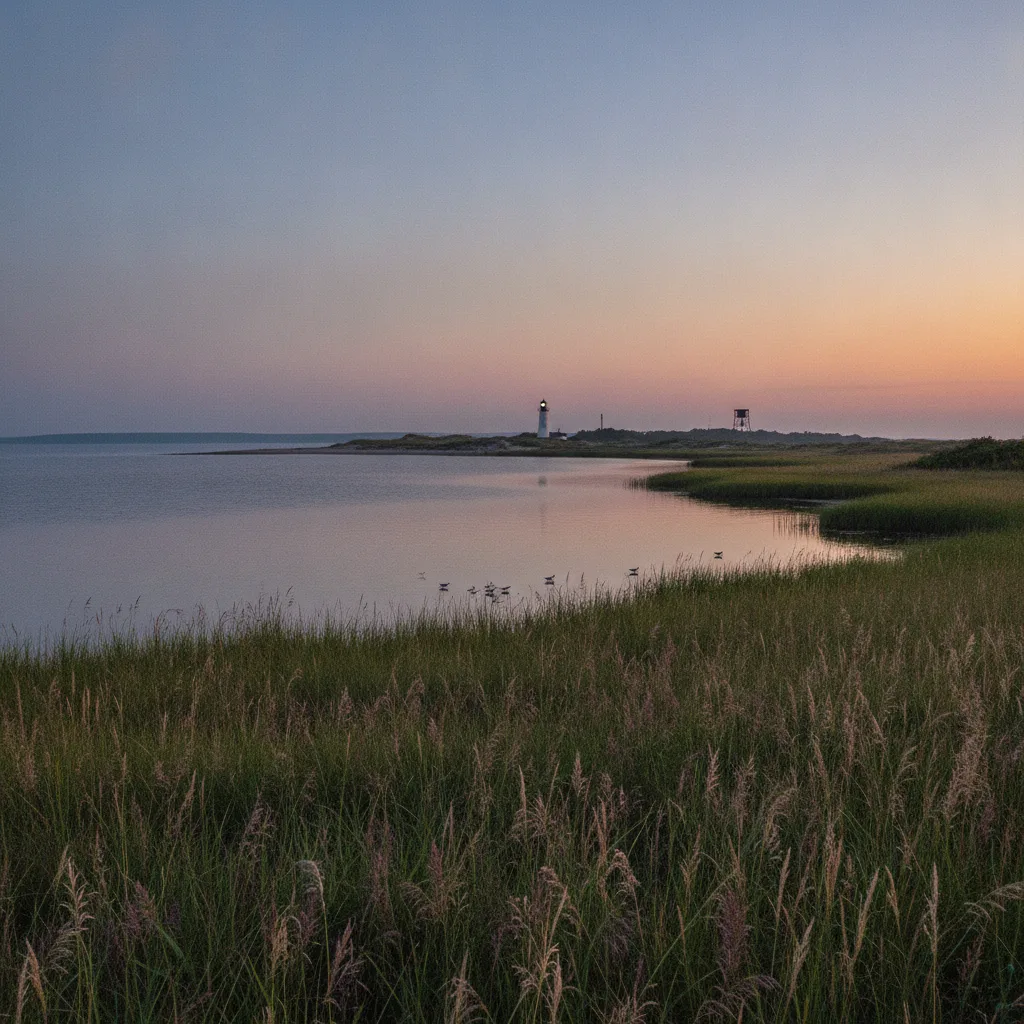
Our Ninigret National Wildlife Refuge guide covers practical planning for Ninigret National Wildlife Refuge Rhode Island — best time to visit, getting there, and what to do on the ground. We're here to cut through the generic travel advice and give you the specific, actionable insights you need for an unforgettable visit to this vital Rhode Island natural treasure.
Ninigret National Wildlife Refuge Travel Guide — Rhode Island
As the Roam States editorial team, we’ve explored countless natural wonders across the US, and we can confidently say that Ninigret National Wildlife Refuge Rhode Island stands out as a truly special destination. This 858-acre refuge, established in 1970, is a sanctuary of diverse habitats, including salt marshes, barrier beaches, maritime shrublands, and forests, all cradling the shores of Ninigret Pond, the largest coastal salt pond in Rhode Island. It's a place where the whispers of history, from its past as a World War II naval auxiliary landing field to its current role as a haven for wildlife, blend seamlessly with breathtaking natural beauty. Our team finds it an exceptional spot for nature photography, birdwatching, and simply immersing ourselves in the tranquility of coastal Rhode Island.
Why Visit Ninigret National Wildlife Refuge
If you're wondering, "is Ninigret National Wildlife Refuge worth visiting?", our answer is an unequivocal yes. This isn't just another park; it's a critical ecosystem managed by the U.S. Fish & Wildlife Service, dedicated to protecting migratory birds and their habitats. We've witnessed firsthand the incredible biodiversity here, with over 250 species of birds recorded throughout the year, making it a premier birdwatching destination. From the rare piping plover in spring and summer to black ducks, Canada geese, and diving ducks in the winter, the refuge offers a dynamic wildlife viewing experience.
Beyond birding, the refuge offers a unique blend of geological history and ecological significance. The landscape itself tells a story, shaped by glacial activity and featuring kettle ponds, forested uplands, and remnants of its naval past. For those who appreciate a deeper connection to nature and a chance to observe wildlife in a protected setting, Ninigret National Wildlife Refuge provides an unparalleled opportunity. It's a place where you can truly disconnect and appreciate the delicate balance of a coastal ecosystem, making it absolutely worth visiting.
Who It's Best For
Ninigret National Wildlife Refuge caters to a wide array of visitors, each seeking a different kind of connection with nature. Our team has observed that it's particularly ideal for:
- Birdwatchers: With over 250 bird species, including migratory raptors and shorebirds like the federally threatened piping plover, it's a paradise for ornithologists and casual bird enthusiasts alike.
- Nature Photographers: The diverse habitats—from salt ponds and barrier beaches to maritime forests—offer endless opportunities for stunning landscape and wildlife photography.
- Hikers and Walkers: The refuge boasts over four to six miles of trails, ranging from easy, barrier-free paths to more extensive loops, suitable for all fitness levels.
- Families with Children: The Kettle Pond Visitor Center offers educational programs, exhibits, and nature games, while the Salt Pond Safaris provide hands-on experiences with aquatic creatures. Some trails are also stroller and wheelchair accessible.
- Kayakers and Canoers: Ninigret Pond offers unique views of wildlife from the water, with a dedicated kayak/canoe launch area near the East Entrance.
- Anglers: Surf fishing is permitted from refuge shorelines in accordance with state and federal regulations, particularly at the southwest corner after a hike along specific trails.
It's important to note that to protect wildlife, activities like jogging, biking, and bringing dogs are generally prohibited in most areas of the refuge, though leashed dogs are allowed on some trails at the Kettle Pond Visitor Center.
Getting There & Parking
Understanding how to get to Ninigret National Wildlife Refuge is straightforward, though it's helpful to know the different access points. The refuge is located in Charlestown, Rhode Island, and is divided into two main units: the Kettle Pond area (north of Route 1) and the Salt Pond area (south of Route 1).
The Kettle Pond Visitor Center, located at 50 Bend Road, Charlestown, RI 02813, serves as a central hub and offers restrooms. If you're coming from the North on U.S. Route 1 South, follow the signs, and the entrance will be on your right. From the South on U.S. Route 1 North, you'll need to double back a short distance heading south on Route 1.
For the Salt Pond Unit, there are two main entrances:
- East Entrance: Accessed through Ninigret Park (7 Park Lane, Charlestown, RI 02813), this entrance leads to public restrooms and a kayak launch site. You'll drive through the park, past landmarks like the playground and Frosty Drew Nature Center, to reach the refuge parking area.
- West Entrance: This entrance, also off Route 1, has a large parking lot but no bathrooms.
Regarding parking, we can confirm that there is ample, free parking available at both the West and East Entrances, as well as at the Kettle Pond Visitor Center. No overnight parking is permitted. There are no entrance fees or advance booking requirements for Ninigret National Wildlife Refuge, making it a freely accessible destination for nature lovers. The refuge is typically open from sunrise to sunset, with the Kettle Pond Visitor Center open daily from 10 AM to 4 PM.
Top Things to Do
When planning your visit, you'll find a wealth of things to do at Ninigret National Wildlife Refuge. Our team always recommends prioritizing activities that allow for quiet observation and appreciation of the natural environment:
- Birdwatching: This is arguably the primary attraction. With over 250 recorded species, visitors can spot everything from migratory songbirds and raptors to various waterfowl on Ninigret Pond. Grassy Point is particularly recommended for birding and sunset views.
- Wildlife Observation and Photography: Beyond birds, keep an eye out for white-tailed deer, marine life like blue crab and bay scallop, and diverse plant species in the refuge's varied habitats. The restored runways near the west entrance are known for deer congregations in the evenings.
- Hiking and Nature Walks: Explore the extensive trail system that winds through grasslands, shrublands, wooded swamps, and along the pond's edge. Details on specific trails are covered in the next section, but suffice it to say, there are plenty of things to do at Ninigret National Wildlife Refuge on foot.
- Kayaking and Canoeing: Launch your paddle craft from the East Entrance (through Ninigret Park) to experience Ninigret Pond from a unique perspective, offering excellent opportunities for wildlife viewing from the water.
- Surf Fishing: Anglers can enjoy surf fishing from refuge shorelines, adhering to state and federal regulations. Access to fishing areas, such as Fisherman's Point, often involves hiking specific trails.
- Environmental Education: The Kettle Pond Visitor Center offers exhibits, educational programs, and guided walks, perfect for learning more about the refuge's ecology and history. They even offer "Wildlife Wednesdays" and summer nature classes.
- Salt Pond Safaris: Especially great for families, these free, pre-registered programs offer hands-on experiences with the aquatic creatures of the salt ponds. Children will get wet, so plan accordingly!
Remember to bring bug spray, especially for early morning visits, and comfortable shoes for exploring the mixed terrain of paved, gravel, and dirt trails.
Ninigret National Wildlife Refuge Hiking Trails
The Ninigret National Wildlife Refuge hiking trails offer an immersive experience into its diverse ecosystems. With over four to six miles of trails across its units, there's a path for every interest and ability. Our team has found these trails to be well-maintained and incredibly rewarding:
- Grassy Point Trail: A favorite, this 1.1 to 1.3-mile loop (with spurs) near the East Entrance offers mild, barrier-free terrain and leads to an observation platform with excellent views of Ninigret Pond, barrier beaches, and even Block Island. It's part of the "Trails Through Time" which tells the area's history from glacial times to its naval past.
- Charlietown Runway Trail: This 0.8-mile trail, part of the Salt Pond Unit, is mild and paved, offering a barrier-free experience. It traverses restored runways where white-tailed deer often congregate in the evenings. This is another excellent option among the Ninigret National Wildlife Refuge hiking trails.
- Foster Cove Nature Trail: A 0.9-mile mild, barrier-free trail, this path leads past Foster's Cove and can connect to fishing access points.
- Cross Refuge Trail (Lavallee Cross Refuge Trail): This 1.1-mile trail connects the west and east entrances of the Salt Pond Unit, moving through excellent birding locations with freshwater sources for migratory birds.
- Kettle Pond Visitor Center Trails: Located in the Headquarters Unit, these trails include:
- Watchaug Pond Trail: A ½-mile trail over gentle terrain, popular with birders for its migratory songbird sightings and views of Watchaug Pond.
- Toupoysett Pond Trail: This ¼-mile trail provides views of a vernal pool, a unique wetland ecosystem, and features old stone walls from its farming past. Leashed dogs are generally allowed on Kettle Pond Visitor Center trails, except for the Toupoysett Pond Trail.
- Burlingame Trail: A ½-mile path connecting the Kettle Pond Visitor Center to the adjacent 3,100-acre Burlingame State Park, which offers additional camping, picnic facilities, and a swimming beach.
- Ocean View Trail: A ½-mile trail that takes you back 15,000 years, showcasing glacial formations and offering views of Ninigret Pond, barrier beaches, and Block Island from a tower.
Many of these trails are described as easy and suitable for all skill levels, with some sections being wheelchair and stroller-friendly. We recommend checking the official refuge website or visitor center for the most up-to-date trail conditions and maps.
Best Time to Visit
The ideal time to visit Ninigret National Wildlife Refuge largely depends on your interests, as each season offers a unique experience:
- Spring (April-May): Our team considers spring a prime time for birdwatching, as migratory songbirds and raptors pass through. You might also catch a glimpse of the rare piping plover. The foliage begins to green, and the air is crisp and pleasant for hiking.
- Summer (June-August): Summer is excellent for kayaking and canoeing on Ninigret Pond, and the warmer weather is enjoyable for hiking. However, it's also peak season, so expect more visitors. Early mornings are best for fewer crowds and prime birdwatching. The Salt Pond Safaris for kids are offered on select Saturdays in June, July, and August.
- Fall (September-November): Fall is another favorite viewing time for migratory birds, particularly raptors. The changing leaves add a beautiful dimension to the landscape, and the cooler temperatures are perfect for longer hikes.
- Winter (December-March): While colder, winter offers a chance to see large concentrations of black ducks, Canada geese, and various diving ducks on Ninigret Pond. The refuge can be quieter during this time, offering a more solitary nature experience.
Regardless of the season, we advise checking the weather forecast and bringing appropriate gear. Bug spray is highly recommended, especially during warmer months. The refuge is generally open from sunrise to sunset, with the Kettle Pond Visitor Center maintaining consistent 10 AM to 4 PM hours daily.
Where to Stay Nearby
Finding comfortable Ninigret National Wildlife Refuge lodging is crucial for a relaxing trip. While there's no camping directly within the refuge itself, the surrounding Charlestown area and nearby towns offer a variety of accommodations, from charming inns to vacation rentals. Our team recommends considering these options for your Ninigret National Wildlife Refuge lodging needs:
- Hotels and Motels in Charlestown: You'll find several well-rated options close to the refuge. Some popular choices include Shelter Harbor Inn, Stagecoach House Inn, Winnapaug Inn, The Hotel Maria, Breezeway Boutique Hotel, and Phil & Ann's Sunset Motel. These often provide a good balance of comfort and convenience.
- Vacation Rentals: For families or groups, vacation homes, apartments, condos, and cottages are abundant in Charlestown and nearby areas. These can offer more space, amenities like fully equipped kitchens, and a home-away-from-home feel. Some even boast stunning waterfront views or private beach access.
- Nearby Towns: Expanding your search to neighboring towns like Westerly, South Kingstown, or Narragansett can also yield excellent results. These areas may offer a broader range of hotels, including larger chains or more luxurious options.
- Burlingame State Park: For those interested in camping, Burlingame State Park, which abuts the Kettle Pond area of the refuge, offers camping facilities. This is a great option for a more rustic experience while remaining close to the refuge.
Prices for Ninigret National Wildlife Refuge lodging can vary, with hotels starting around $87, and luxury options increasing during peak season. We always recommend booking your accommodation in advance, especially if your visit aligns with weekends or public holidays, to secure the best rates and availability.
Sample 2-Day Itinerary
To help you make the most of your visit to Ninigret National Wildlife Refuge Rhode Island, our team has crafted a sample 2-day itinerary:
Day 1: Immersion in the Salt Pond Unit & Charlestown Charm
- Morning (9:00 AM - 1:00 PM): Begin your day at the East Entrance of the Salt Pond Unit. Embark on the Grassy Point Trail (1.1-1.3 miles). This easy, barrier-free path offers incredible birdwatching opportunities and culminates in panoramic views of Ninigret Pond and Block Island. Continue onto the Charlietown Runway Trail (0.8 miles) to observe white-tailed deer in the restored runway areas.
- Lunch (1:00 PM - 2:30 PM): Head into Charlestown for a casual lunch. Explore local eateries or pack a picnic to enjoy at Ninigret Park.
- Afternoon (2:30 PM - 5:00 PM): Experience Ninigret Pond from the water. Launch a kayak or canoe from the East Entrance's designated launch area for a unique perspective on the refuge's aquatic life and bird species.
- Evening (5:00 PM onwards): Enjoy dinner in Charlestown. Depending on the day, consider a visit to the The Breakers or the Newport Cliff Walk for a change of scenery if you're willing to drive a bit further, or simply relax and prepare for day two.
Day 2: Kettle Pond Exploration & Local Discoveries
- Morning (9:30 AM - 12:30 PM): Drive to the Kettle Pond Visitor Center (50 Bend Road, Charlestown). Spend time exploring the exhibits and learning about the refuge's ecology. Then, hit the trails: choose between the Watchaug Pond Trail (½ mile) for more birding, or the Ocean View Trail (½ mile) to delve into glacial history and enjoy elevated views.
- Lunch (12:30 PM - 2:00 PM): Grab a quick bite near Kettle Pond or enjoy a packed lunch at the picnic facilities in nearby Burlingame State Park.
- Afternoon (2:00 PM - 4:30 PM): Depending on your interest, you could either:
- Connect to Burlingame State Park via the Burlingame Trail (½ mile) for additional hiking or a refreshing swim at the beach.
- Visit the Frosty Drew Observatory & Science Center (located within Ninigret Park), especially if it's a Friday night for free stargazing or if there's a special celestial event.
- Late Afternoon/Evening: Reflect on your nature-filled getaway. Consider exploring more of what Rhode Island has to offer, perhaps heading to the best places in Rhode Island for a broader experience.
Frequently Asked Questions
Ninigret National Wildlife Refuge camping
Camping is not permitted directly within Ninigret National Wildlife Refuge. However, the adjacent Burlingame State Park offers camping facilities, providing a convenient option for visitors who wish to stay overnight close to the refuge. This allows you to enjoy the natural surroundings of the area while adhering to refuge regulations.
things to do in Charlestown
Beyond the refuge, Charlestown offers a variety of attractions. You can relax on its beautiful beaches like Charlestown Town Beach or Blue Shutters Town Beach, visit the historic Charlestown Historical Society Archive/Museum, or explore the unique shops and gardens at The Fantastic Umbrella Factory. Ninigret Park, adjacent to the refuge, also features playgrounds, tennis courts, and the Frosty Drew Observatory & Science Center, which offers free stargazing on Friday nights. Charlestown also hosts seasonal events, such as the Rhythm & Roots Festival.
Ninigret National Wildlife Refuge with kids
Ninigret National Wildlife Refuge is an excellent destination for families with kids. The Kettle Pond Visitor Center provides engaging exhibits, nature games, and environmental education programs. Many trails, such as the Grassy Point Trail, are stroller and wheelchair-accessible, making them easy for young children. The free "Salt Pond Safaris," offered on select Saturdays in summer 2026, provide a hands-on experience for children to learn about aquatic creatures. Additionally, Ninigret Park, adjacent to the refuge, has playgrounds and a small pond with a lifeguard in summer.
best hotels near Ninigret National Wildlife Refuge
For the best hotels near Ninigret National Wildlife Refuge, we recommend looking in Charlestown and nearby coastal towns. Options like Shelter Harbor Inn, Stagecoach House Inn, Winnapaug Inn, and Phil & Ann's Sunset Motel are well-regarded choices offering comfort and proximity. Many vacation rentals, including houses and cottages, are also available and can be ideal for families seeking more space and amenities. For those seeking luxury or a wider range of amenities, expanding your search to nearby South Kingstown or Westerly might be beneficial.
Ninigret National Wildlife Refuge tips
Our top tips for visiting Ninigret National Wildlife Refuge include wearing comfortable shoes suitable for varied terrain (paved, gravel, dirt) and bringing bug spray, especially for early morning walks. Remember that this is a wildlife refuge, so respect the "no dogs" rule in most areas (leashed dogs are allowed on some Kettle Pond trails) and avoid jogging or biking to protect the wildlife. Restrooms are primarily located near the East Entrance and at the Kettle Pond Visitor Center. Visiting during spring or fall offers excellent birdwatching opportunities, but early mornings in summer also provide prime viewing with fewer crowds.
where to stay near Ninigret National Wildlife Refuge
When deciding where to stay near Ninigret National Wildlife Refuge, your best bet is to focus on Charlestown, Rhode Island, and its immediate surroundings. You'll find a range of accommodations including hotels, motels, and numerous vacation rentals like houses, apartments, and cottages. For a more immersive nature experience, consider camping at Burlingame State Park, which borders the refuge. Booking in advance is always wise, particularly during peak travel seasons, to secure your preferred Ninigret National Wildlife Refuge lodging.
Our team at Roam States believes that Ninigret National Wildlife Refuge offers a truly enriching experience for anyone seeking to connect with Rhode Island's natural beauty. Its commitment to wildlife conservation, coupled with accessible trails and educational opportunities, makes it a standout destination. Whether you're a seasoned birder or a family looking for a peaceful outdoor adventure, this refuge delivers a genuine and unforgettable encounter with coastal New England's diverse ecosystems. We encourage you to plan your visit and discover the serene landscapes and abundant wildlife that await.
Last updated: 2026-07-07 by the Roam States team.