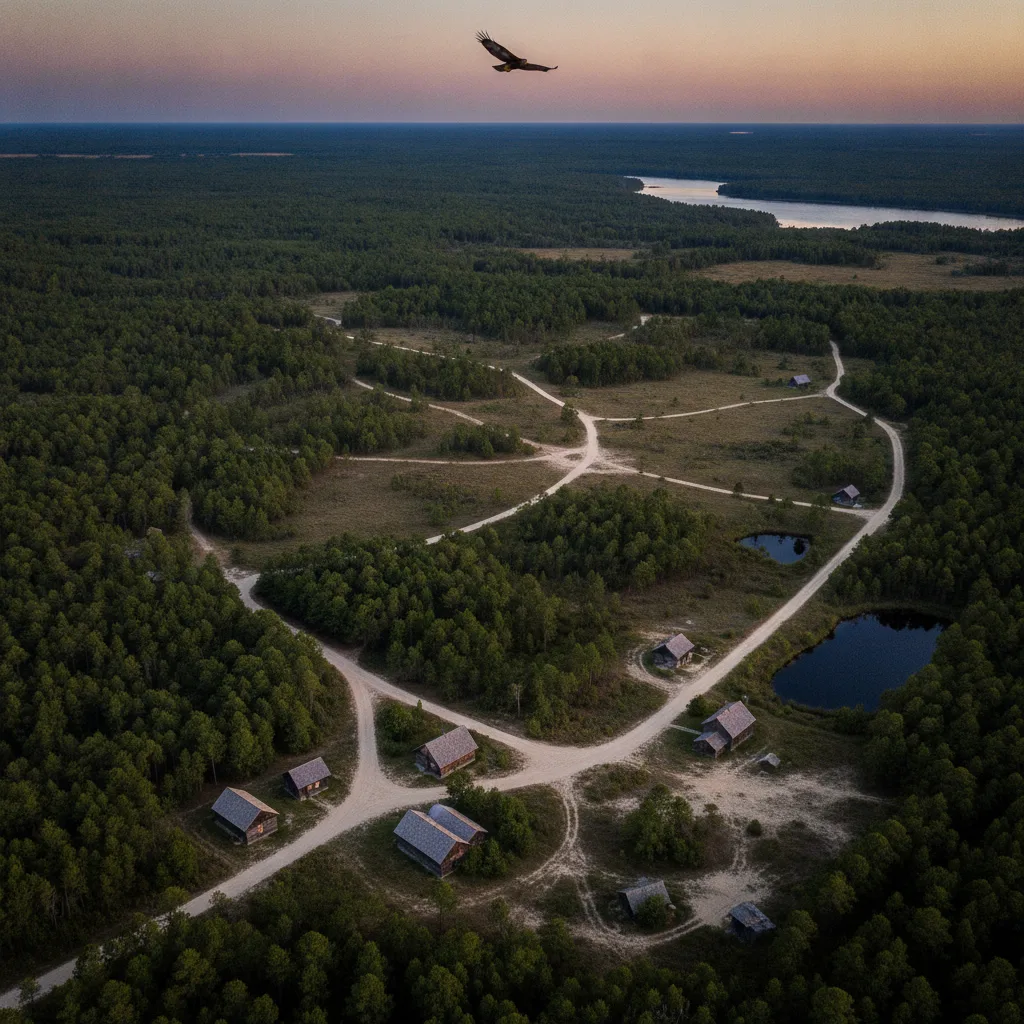
Our Pinelands National Reserve guide covers practical planning for Pinelands National Reserve New Jersey — best time to visit, getting there, and what to do on the ground. This vast expanse of forests, wetlands, and rivers, the Pinelands National Reserve offers opportunities for hiking, kayaking, and exploring unique ecosystems in 2026.
As independent US travel authorities, our team at Roam States has explored the length and breadth of the country. We can confidently say that the Pinelands National Reserve New Jersey is a truly unique and often underestimated destination. It challenges the typical perception of New Jersey, revealing a wild, ancient landscape teeming with biodiversity and history. While it may not offer dramatic mountain vistas, its subtle beauty and ecological significance make it a profoundly rewarding place for those who seek to understand its intricate charm. We prioritize responsible travel and deep engagement with local culture and nature, and the Pinelands embodies both.
Why Visit Pinelands National Reserve
The Pinelands National Reserve New Jersey is a remarkable natural and cultural landscape, encompassing over one million acres across seven southern New Jersey counties. Established in 1978, it was the country's first National Reserve, recognized for its nationally significant resources and protected through a program of local land use management. This immense area, making up 22% of New Jersey's land, is the largest body of open space on the Mid-Atlantic seaboard between Richmond and Boston.
What truly sets the Pinelands apart is its unique ecosystem, often referred to as the Pine Barrens. It's a UNESCO Biosphere Reserve, home to an extraordinary biodiversity with 850 plant species, including 39 native orchid species and carnivorous plants like sundews and pitcher plants found in sphagnum bogs. The landscape is characterized by ancient pitch pine forests, oak, and Atlantic white cedar, with 35% of the reserve being wetlands, including tea-colored cedar streams. This distinctive water color comes from the tannins released by sphagnum moss and cedar roots. Beneath it all lies the Kirkwood-Cohansey aquifer, an estimated 17 trillion gallons of pristine water, which is the drinking water source for millions of South Jersey residents and a key reason for the reserve's protection.
Beyond its ecological wonders, the Pinelands also boasts a rich human history. Historic villages like Batsto, once centers for bog iron and glassmaking, offer a glimpse into the region's industrial past, including its role in supplying the Continental Army during the Revolutionary War. The Pinelands is a place of subtle beauty that rewards curiosity and preparation, offering a profound connection to a fire-maintained ecosystem that has evolved over 10,000 years.
Who It's Best For
The Pinelands National Reserve is ideal for nature enthusiasts, outdoor adventurers, and history buffs. If you're someone who appreciates unique ecosystems and seeks tranquility away from bustling crowds, this is your destination. Kayakers and canoeists will find miles of serene, tannin-stained rivers perfect for paddling in quiet solitude. Hikers will discover extensive trail networks winding through diverse forests and wetlands. Birdwatchers will be in their element, especially at spots like the Edwin B. Forsythe National Wildlife Refuge, a world-class birding destination along the Atlantic Flyway.
Families looking for educational and engaging outdoor experiences will also find the Pinelands rewarding. Historic sites like Batsto Village provide a fascinating look into 19th-century life, with opportunities for self-guided tours and interpretive programs. Those interested in geology, botany, or ecology will be captivated by the reserve's rare plants, fire-adapted forests, and the massive underlying aquifer. While it might not appeal to those seeking dramatic, mountainous landscapes or resort-style amenities, visitors who come with an open mind and a desire to explore a truly special natural area will be deeply rewarded.
Getting There & Parking
The Pinelands National Reserve is a vast area, spanning portions of seven southern New Jersey counties, making it accessible from various points across the state and neighboring regions. Its proximity to major metropolitan areas like Philadelphia, New York, Baltimore, and Washington, as well as The Jersey Shore, makes it a convenient getaway for many travelers.
For most visitors, personal vehicles are the primary mode of transportation within and to the Pinelands National Reserve. The reserve itself does not have a single main entrance or a central address, but rather is comprised of numerous state parks, forests, and private lands. Key entry points and visitor centers include Batsto Village within Wharton State Forest, Brendan T. Byrne State Forest, and Bass River State Forest. We recommend using GPS coordinates for specific destinations, such as Batsto Village (39.645° N, 74.646° W) or Atsion Recreation Area.
When it comes to parking, most state parks and forests within the Pinelands National Reserve offer designated parking lots at trailheads, visitor centers, and recreational areas. For example, Batsto Village has ample parking available for visitors exploring the historic site and accessing nearby trails. While there is no general entrance fee to the Pinelands National Reserve itself, some associated state parks and recreation areas do charge daily entrance fees, particularly during peak season. For 2026, daily entrance fees at Wharton State Forest, which includes Batsto and Atsion, are charged from Memorial Day weekend through Labor Day weekend. For New Jersey residents, the fee is $5.00, and for non-residents, it is $7.00. Oversized vehicles are charged double. These fees provide access to facilities like swimming areas at Atsion Recreation Area. We advise checking the specific park's website or calling ahead for the most up-to-date information on fees and any potential parking restrictions or closures, especially if you plan to visit on a holiday or during a busy weekend. An annual State Park Pass is available for frequent visitors, costing $50 for NJ residents and $75 for non-residents, covering entrance fees to state parks and forests that charge daily fees. However, this pass does not cover camping fees or guarantee entry if facilities are at capacity.
Public transportation options directly into the heart of the Pinelands are limited, so driving is generally the most practical way to explore this expansive region. For those flying in, Philadelphia International Airport (PHL) and Atlantic City International Airport (ACY) are the closest major hubs. From there, a rental car is essential for navigating the reserve.
Top Things to Do
The Pinelands National Reserve offers a wealth of activities for every type of outdoor enthusiast, ensuring that there are plenty of things to do at Pinelands National Reserve. Our team has explored many of these, and we're confident you'll find experiences to cherish in this unique landscape.
- Paddling the Cedar Streams: One of the most iconic experiences in the Pinelands is canoeing or kayaking its tea-colored rivers. The Mullica and Oswego Rivers, particularly within Wharton State Forest, are highly recommended for their serene beauty and immersive wilderness feel. The water, stained by tannins from cedar roots, creates a stunning reflection of the surrounding Atlantic white cedar forests. Pinelands Adventures offers guided trips and rentals, providing a fantastic way to experience these waterways. As of May 2026, visitors should note that the Batsto River in Wharton State Forest is closed to paddlers from Hampton Furnace to Lower Forge due to obstructions, so alternative locations should be sought.
- Exploring Historic Batsto Village: Step back in time at Batsto Village, a preserved 19th-century industrial village within Wharton State Forest. You can wander the grounds daily from dawn to dusk, and the Visitor Center is open daily from 9 a.m. to 4 p.m.. Guided tours of the Batsto Mansion are offered Wednesday through Sunday, typically lasting 45-60 minutes. Don't miss the operational 1852 post office, which still hand-cancels mail, and the 1882 water-powered sawmill. Entrance fees to Batsto Village are charged on weekends and holidays from Memorial Day to Labor Day. Free, guided New Year's Day walks through the village are offered on January 1, 2026.
- Hiking and Nature Walks: With over a million acres, the Pinelands offers countless opportunities for hiking. We'll delve deeper into specific Pinelands National Reserve hiking trails in the next section, but generally, you'll find trails suitable for all levels, from easy strolls to multi-day backpacking adventures. Keep an eye out for rare plants and wildlife.
- Wildlife Observation and Birdwatching: The Pinelands is a haven for wildlife. The Edwin B. Forsythe National Wildlife Refuge is a must-visit for birders, especially during migration, where you can spot thousands of American black ducks, Atlantic brant, bald eagles, and various waterfowl. The diverse habitats support a wide array of species, making every outing a potential wildlife encounter.
- Cranberry and Blueberry Farms: The Pinelands is famous for its cranberry bogs and blueberry fields. Visit in October for the spectacular cranberry harvest, when flooded bogs turn brilliant scarlet. The Chatsworth Cranberry Festival, typically the third weekend in October, is a genuine South Jersey tradition.
- Swimming at Atsion Recreation Area: During the summer months, Atsion Recreation Area in Wharton State Forest offers swimming facilities from Father's Day Weekend to Labor Day, with lifeguards on duty from 10 a.m. to 5:30 p.m.. The recreation area is open from 9 a.m. to 8 p.m., but it may close temporarily if it reaches maximum visitor capacity, so calling ahead is advised.
- Attend a Pinelands Event: Check the calendars for events like the "Tour de Pines" bicycle tours (October 1-4, 2026) or the "Into the Pines Summer Music Festival" (June 26-28, 2026) for unique ways to experience the reserve. The 37th annual Pinelands Short Course at Stockton University on March 7, 2026, will feature presentations on the region's history, ecology, and culture.
These are just a few of the many things to do at Pinelands National Reserve, each offering a unique way to connect with this extraordinary landscape.
Best Time to Visit
Determining the best time to visit the Pinelands National Reserve largely depends on your preferred activities and tolerance for weather conditions. Our team finds that each season offers a distinct experience.
Spring (April-June) is arguably the best season for a visit. The weather is generally pleasant, and nature truly comes alive. Orchid blooms peak in May-June, showcasing 38 species, including many rarities, and carnivorous plants are at their most photogenic. Cedar streams are at ideal water levels for paddling, making it perfect for kayaking and canoeing. This shoulder season also tends to see fewer crowds and potentially better prices than peak times.
Fall (September-October) is another excellent choice. The weather remains comfortable, and the highlight is the spectacular cranberry harvest in October, when the flooded bogs turn a brilliant scarlet. The Chatsworth Cranberry Festival, usually held on the third weekend of October, is a popular event. Fall foliage also adds a beautiful dimension to the pine and oak forests.
Summer (July-August) can be hot and humid, with temperatures often reaching 32-35°C (90-95°F). Insects, particularly near water, are very active during this time, so bug repellent is essential. While stream paddling can be comfortable on the water, off-trail hiking can be miserable due to the heat and humidity. However, summer is when swimming facilities at Atsion Recreation Area are open.
Winter (November-March) offers a quiet and often stark beauty. While some facilities may have reduced hours, camping is available year-round in Wharton State Forest, offering a unique experience. Activities like hiking, cross-country skiing, sledding, and snowmobiling are possible when conditions allow. Birdwatching can be world-class, with thousands of American black ducks and Atlantic brant making the Edwin B. Forsythe National Wildlife Refuge their winter home.
Regardless of the season, we always recommend checking the weather forecast and park conditions before your visit. Tick vigilance is extremely important in the Pinelands, as it's one of the highest Lyme disease risk areas in the US, so permethrin-treated clothing and thorough tick checks are non-negotiable after any outdoor excursion.
Pinelands National Reserve Hiking Trails
The Pinelands National Reserve is a hiker's paradise, offering an extensive network of Pinelands National Reserve hiking trails that wind through its diverse ecosystems. Our team has found these trails to be an intimate way to experience the region's unique flora and fauna.
One of the most renowned Pinelands National Reserve hiking trails is the **Batona Trail**. This 53.5-mile trail (Batona stands for "BAck TO NAture") traverses Wharton State Forest, Brendan T. Byrne State Forest, and Bass River State Forest, offering a multi-day backpacking experience or shorter day hikes. The trail is well-marked with pink blazes and leads hikers through pitch pine and oak forests, cedar swamps, and past cranberry bogs. It's an excellent way to immerse yourself in the heart of the Pine Barrens.
Within **Wharton State Forest**, numerous shorter trails branch off or connect to the Batona Trail. These include interpretive loops around Batsto Village, allowing visitors to combine historical exploration with a scenic walk. The forest also features unpaved roads suitable for mountain biking and horseback riding.
**Brendan T. Byrne State Forest** (formerly Lebanon State Forest) also hosts sections of the Batona Trail and offers its own network of trails. These trails provide opportunities to see typical Pinelands habitats, including pygmy pine forests, a unique ecosystem of stunted pines found in areas with nutrient-poor soil.
**Double Trouble State Park** is another hidden gem within the Pinelands, featuring shaded cedar stream trails and a historic cranberry village. It offers a less crowded experience with beautiful scenery.
For those seeking a more guided experience, organizations like Pinelands Adventures offer Pine Barrens Discovery Tours led by skilled educator naturalists, which can include guided hikes tailored to different groups.
When planning your hikes in the Pinelands National Reserve, remember to prepare for the conditions. Trails can be sandy in places, and wet in others, especially after rain. Always carry enough water, wear appropriate footwear, and be mindful of ticks. While access to hiking trails within Wharton State Forest is generally free, even when entrance fees are charged for other activities, it's always wise to check the latest conditions and regulations.
Pinelands National Reserve Lodging
While the Pinelands National Reserve is a vast natural area, finding suitable Pinelands National Reserve lodging options requires looking at nearby towns and state park facilities. Our team emphasizes that direct "in-park" hotels are rare, as much of the reserve is protected wilderness or state forest land.
Camping: For the most immersive experience, camping within the Pinelands is highly recommended. Wharton State Forest offers various camping options, including primitive campsites, tent and trailer sites, and cabins. Primitive campsites can be registered for as little as $8 a night, with an additional $3 per person. Atsion Family Campground, Batona, Bodine Field, Buttonwood Hill, Godfreys Bridge, Goshen Pond, Hawkins Bridge, Lower Forge, and Mullica River campgrounds all offer camping with permits. Atsion Cabins are typically closed for winter but reopen in spring, so plan and reserve early as availability is limited. Bass River State Forest also provides camping with access to showers, well-maintained bathrooms, and running water. Reservations for state park campgrounds and cabins can be made online through the NJ State Park system. Additionally, private campgrounds like Wading Pines Camping Resort and Paradise Lakes Campground (which hosts events like the Into the Pines Summer Music Festival) are scattered throughout the Pines, offering more amenities and RV-compatible sites. Hipcamp also lists numerous top-rated campsites near the Pinelands National Reserve, including Horse Farm Camping and Creekside at Crystal Lake.
Hotels and Vacation Rentals: For those preferring traditional accommodations, you'll find hotels and lodges in the towns surrounding the Pinelands National Reserve. Towns like Hammonton, Shamong, Vincentown, and even larger areas like Mount Laurel or Atlantic City offer a range of options. Expedia and Travelocity list thousands of hotels and lodges near the Pinelands, with prices ranging from approximately $146 to $457 per night, depending on location, season, and amenities. Some highly-rated options include La Quinta Inn & Suites by Wyndham Mt. Laurel - Philadelphia and SureStay Plus Hotel by Best Western McGuire AFB Jackson. Vacation rentals, including charming homes and lakefront properties, are also available in towns like Shamong, Vincentown, and Evesham, providing a more private and home-like experience.
Consider your itinerary when choosing Pinelands National Reserve lodging. If you plan to focus on the western parts of the reserve, towns closer to Philadelphia might be convenient. If your interests lie more towards the eastern side or the Jersey Shore, then Hammonton or even Atlantic City Boardwalk could be good bases, though they are a bit further out.
Sample 2-Day Itinerary
To truly appreciate the Pinelands National Reserve, we recommend at least a two-day visit. This itinerary focuses on some of the most iconic experiences, allowing you to immerse yourself in both nature and history.
Day 1: Historic Immersion & Pine Barrens Paddling
- Morning (9:00 AM - 12:00 PM): Explore Batsto Village. Start your day at Historic Batsto Village within Wharton State Forest. Wander through the preserved 19th-century industrial village, visiting the general store, sawmill, and post office. Consider a guided tour of the Batsto Mansion, offered Wednesday through Sunday. Allow plenty of time to soak in the history. Remember, entrance fees apply on weekends and holidays from Memorial Day to Labor Day.
- Lunch (12:00 PM - 1:00 PM): Picnic at Batsto or nearby. Pack a picnic lunch to enjoy at one of Batsto's scenic picnic areas, or grab a bite in a nearby town like Hammonton.
- Afternoon (1:00 PM - 5:00 PM): Canoeing or Kayaking the Mullica River. Head to a canoe livery, such as Pinelands Adventures, to rent a canoe or kayak for a peaceful paddle on the Mullica River. The tannin-stained waters and Atlantic white cedar forests create an unforgettable experience. Book your rental in advance, especially during peak season.
- Evening: Dinner & Relax. Enjoy dinner in Hammonton or at your chosen lodging. If camping, prepare a campfire meal and enjoy the quiet sounds of the Pinelands.
Day 2: Hiking, Wildlife, and Unique Ecosystems
- Morning (8:00 AM - 12:00 PM): Hike a Section of the Batona Trail. Dedicate your morning to exploring one of the Pinelands National Reserve hiking trails. We suggest a section of the Batona Trail within Wharton State Forest or Brendan T. Byrne State Forest. Choose a loop or an out-and-back section based on your desired distance and difficulty. Remember to wear appropriate footwear and bring water.
- Lunch (12:00 PM - 1:00 PM): Trailside Lunch or Local Eatery. Enjoy a packed lunch on the trail or find a local diner for some classic New Jersey fare.
- Afternoon (1:00 PM - 4:00 PM): Wildlife Viewing at Edwin B. Forsythe National Wildlife Refuge. Drive to the Edwin B. Forsythe National Wildlife Refuge near Galloway. Take the wildlife drive and utilize observation decks for world-class birdwatching, especially if visiting in spring or fall. Bring binoculars for the best experience.
- Late Afternoon: Explore a Cranberry Bog (Seasonal). If visiting in October, seek out a cranberry bog to witness the vibrant red harvest. Many bogs are privately owned, but some public viewing areas or tours may be available, especially around the Chatsworth Cranberry Festival.
- Evening: Departure or Extended Stay. Depending on your travel plans, you can begin your journey home or explore more of what New Jersey has to offer.
This itinerary is a suggestion and can be customized to fit your interests and the season of your visit. Always check operating hours and make reservations where necessary, especially for canoe rentals and tours.
Last updated: 2026-07-07 by the Roam States team.