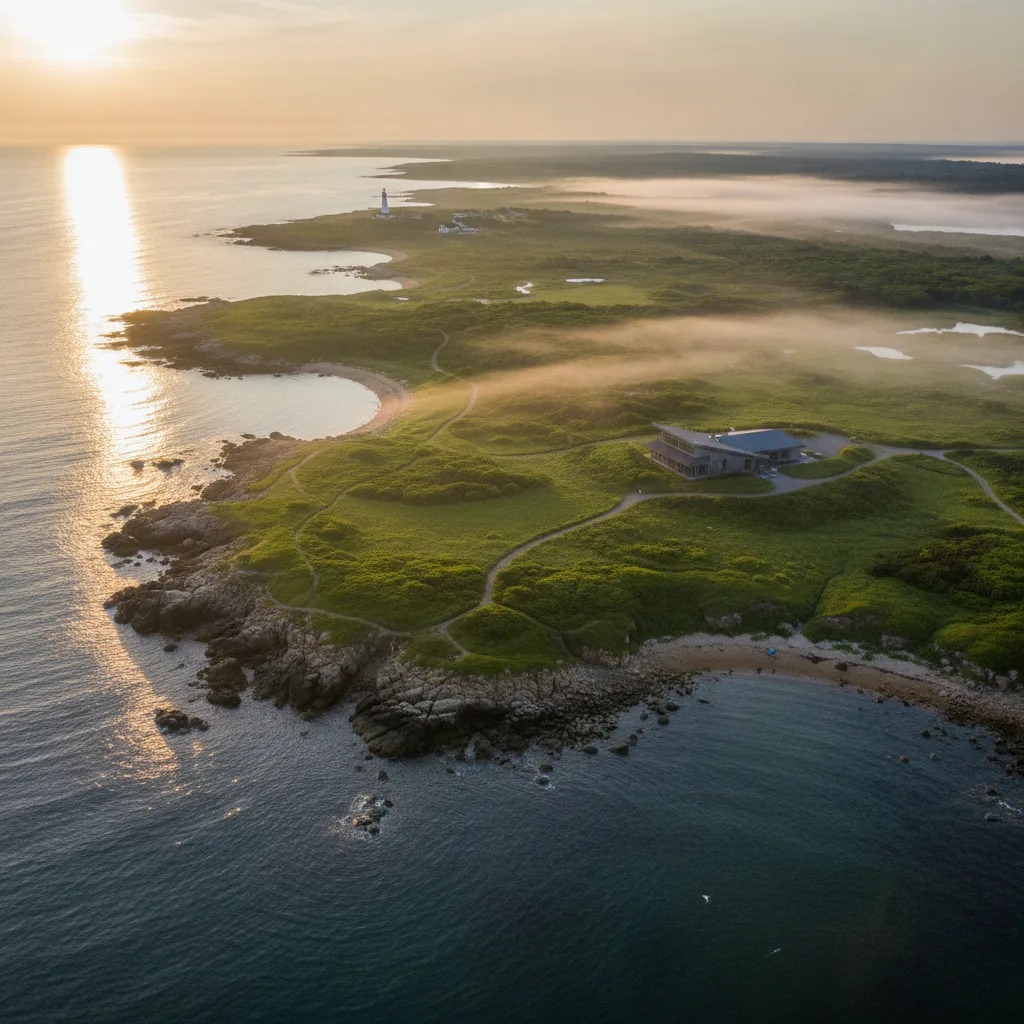
For those who seek the raw, untamed beauty of the Rhode Island coastline and an unparalleled opportunity for winter wildlife observation, our team at Roam States confidently directs you to one singular destination: Sachuest Point National Wildlife Refuge Rhode Island. This isn't your average coastal park; it's a critical sanctuary, offering a front-row seat to the dramatic interplay of ocean and land, and a haven for migratory birds, most notably the charismatic Harlequin duck. We've explored its windswept trails and observed its vibrant ecosystems firsthand, and we're here to share our expert insights to ensure your visit is as rewarding as ours.
Why Visit Sachuest Point National Wildlife Refuge
We consider Sachuest Point National Wildlife Refuge a jewel in Rhode Island's crown, a place where nature's resilience and beauty are on full display. Its significance lies in its role as a crucial coastal sanctuary, providing vital stopover and wintering grounds for a diverse array of migratory birds. Spanning 242 acres on a peninsula between the Sakonnet River and Rhode Island Sound, the refuge boasts a dramatic landscape of coastal shrublands, salt marsh, and rocky shorelines.
But what truly sets this refuge apart, especially for winter visitors, is the extraordinary opportunity to observe Harlequin ducks. These strikingly patterned sea ducks are a highlight, with Sachuest Point hosting one of the largest wintering populations on the East Coast. From mid-November through April, these colorful birds feed in the surf, providing a spectacle for birdwatchers and photographers alike. Beyond the Harlequins, you'll encounter common eiders, various scoter species, loons, and grebes, all braving the Atlantic's winter chill.
Our team also appreciates the rich history embedded within this landscape. Once utilized for farming and sheep grazing from the mid-1600s to the early 1900s, the area later served as a U.S. Navy rifle range and communications center during World War II. In 1970, a generous donation from the Audubon Society of Rhode Island, combined with land transfers from the Navy, established the refuge we know today. This layered history adds a compelling dimension to the natural wonders you'll discover.
Who It's Best For
Sachuest Point National Wildlife Refuge is an ideal destination for a wide range of visitors, though its primary allure is undoubtedly for nature enthusiasts and birdwatchers. If you're passionate about wildlife photography, the refuge offers exceptional opportunities to capture stunning images of sea ducks, raptors, and other coastal species against a breathtaking backdrop. The relatively flat and easy trails make it accessible for most fitness levels, including families with young children and individuals using strollers or wheelchairs.
Anglers will also find the refuge appealing, with opportunities for saltwater fishing for striped bass, bluefish, tautog, and scup along the shorelines of the Sakonnet River and Sachuest Bay. However, it's crucial to note the seasonal restrictions and permit requirements for fishing, especially for night fishing and at Sachuest Beach.
For those seeking a peaceful escape from the hustle and bustle, the refuge provides a serene environment for quiet contemplation and enjoying the expansive ocean views. It's a place where you can truly disconnect and immerse yourself in the natural world. While we recommend visiting during the colder months for prime birding, the refuge offers wildlife viewing opportunities year-round, from migrating tree swallows and monarch butterflies in spring and fall to deer and mink throughout the year.
Getting There & Parking
Reaching Sachuest Point National Wildlife Refuge is straightforward, and our team highly recommends planning your route in advance. The refuge is located at 769 Sachuest Point Road in Middletown, Rhode Island.
By Car: From Route 1 South, take Route 138 East over the Newport Bridge. After taking the Newport exit and passing through downtown Newport on Route 138A, you'll pass First (or Newport) Beach. Just past First Beach, take a right onto Purgatory Road, then another right onto Sachuest Point Drive. Follow this road to its end, and it will lead you directly into the refuge's parking lot. For GPS users, the coordinates are approximately 41.47965070000000, -71.24399200000001.
Parking: We're pleased to report that parking at Sachuest Point National Wildlife Refuge is free. There is a dedicated parking lot near the visitor center, but it's important to be aware that parking can be limited, especially on busy days, weekends, and during special events. We strongly encourage carpooling whenever possible to help manage visitor numbers and reduce environmental impact. If you're planning to bring a bus or a large group, we advise contacting the refuge staff at rhodeislandcomplex@fws.gov to inquire about parking arrangements.
Public Transport: While there is limited public transport access directly to the site, options exist to get you close, often requiring a final taxi or rideshare leg. We always recommend checking local bus schedules for Middletown, RI, if you plan to rely on public transportation.
By Bike: Bicycles are not permitted on the refuge trails or inside the visitor center building. However, bike racks are available near the parking lot for visitors who wish to cycle to the refuge and then explore on foot.
Top Things to Do
There are many things to do at Sachuest Point National Wildlife Refuge, offering a rich tapestry of experiences for every visitor. Our team consistently finds new discoveries with each visit, but some activities stand out as truly essential for appreciating this unique coastal environment.
- Unparalleled Winter Waterfowl Observation: This is, without a doubt, the refuge's crowning glory. From mid-November to April, the rocky coastline and offshore waters become a bustling winter haven for sea ducks. The star attraction is the Harlequin duck, known for its striking plumage and playful demeanor in the crashing surf. We recommend bringing binoculars or a spotting scope for the best views. Beyond the Harlequins, keep an eye out for Common Eiders, all three Scoter species (Black, Surf, and White-winged), Long-tailed Ducks, Common Goldeneyes, Buffleheads, and Red-breasted Mergansers. Loons and grebes are also frequently spotted offshore.
- Hiking the Scenic Trails: With approximately 3 miles of well-maintained trails, exploring the refuge on foot is one of the best things to do at Sachuest Point National Wildlife Refuge. The paths wind through diverse habitats, offering continuous ocean views and opportunities for wildlife spotting. More on specific trails below.
- Wildlife Photography: The dramatic coastal scenery, coupled with the abundance of diverse wildlife, makes Sachuest Point a photographer's dream. Capture the vibrant colors of the Harlequin ducks, the stoic presence of a Northern Harrier patrolling the fields, or the serene beauty of a winter sunset over the Atlantic.
- Saltwater Fishing: For those with a Rhode Island fishing license, the refuge offers excellent saltwater fishing opportunities. Anglers can target striped bass, bluefish, tautog, and scup along the shorelines of the Sakonnet River and Sachuest Bay. From September 16 to March 31, Sachuest Beach is also open for fishing. Night fishing is permitted with a special refuge permit, available annually for $20 or nightly for $5.
- Visitor Center Exploration: The modern visitor center, open daily from 10:00 AM to 3:00 PM, provides valuable interpretive exhibits about the refuge's ecology, history, and the species that call it home. It's a great place to warm up on a chilly day, use the restrooms, and browse the gift shop operated by the Friends of the Rhode Island Refuges.
- Environmental Education Programs: The refuge hosts various educational programs for both schools and the general public, making it an excellent spot for learning more about coastal ecosystems and conservation efforts.
Sachuest Point National Wildlife Refuge Hiking Trails
The network of Sachuest Point National Wildlife Refuge hiking trails is a highlight of any visit, offering diverse terrain and stunning vistas. Our team finds these trails to be perfectly suited for enjoying the refuge's natural splendor.
The refuge boasts nearly 3 miles of trails, providing ample opportunity for exploration. The paths are generally wide, gravel, and well-maintained, making them accessible for many.
- Flint Point Loop Trail: This 1.1-mile loop offers mild terrain and winds through coastal shrublands. It's universally accessible, making it a fantastic option for families with strollers or those using wheelchairs. The trail also accesses two wildlife viewing platforms, perfect for observing birds in the northern half of the refuge.
- Ocean View Loop: A slightly longer and more challenging option, the Ocean View Loop spans 1.5 miles with medium terrain. As its name suggests, this trail provides fantastic views of the ocean and the rugged, rocky shoreline. It's an excellent choice for those seeking a more immersive coastal hiking experience.
- Price Neck Overlook: Accessible from the Ocean View Loop, this short, in-and-out trail features rugged terrain. Here, you can literally step on ancient rocks that were once part of the African Continent, a fascinating geological feature.
Connecting the Flint Point Loop and Ocean View Loop allows for a perimeter hike of approximately 2.5 miles, offering a comprehensive tour of the refuge. We advise wearing sturdy shoes, as some areas can be rocky, and always staying on designated trails to protect wildlife and avoid hazards like poison ivy and ticks. Never turn your back to the ocean, as slippery rocks and heavy surf can be dangerous.
Best Time to Visit
While Sachuest Point National Wildlife Refuge offers something year-round, our team unequivocally recommends visiting during the colder months for the most impactful wildlife viewing, particularly if your goal is to see the iconic Harlequin ducks. The period from **mid-November through April** is prime for observing these and other wintering sea ducks. During this time, the refuge's rocky coastline becomes a temporary home for large numbers of Common Eider, all three Scoter species, Long-tailed Ducks, and various loons and grebes. February and early March can even offer the spectacle of their courtship displays.
Beyond the waterfowl, winter also brings the possibility of spotting raptors like Northern Harriers, Merlins, and even the occasional Snowy Owl or Short-eared Owl, especially around sunset. The crisp, clear winter days in New England, though often windy and cold, provide glorious bright light for photography.
For those interested in migration, spring and fall are excellent. Thousands of tree swallows and hundreds of monarch butterflies pass through in the fall and spring. The recently restored wetland area at the southern end of Third Beach Road can be productive for shorebirds during these seasons.
Summer offers its own charm, with red-winged blackbirds, goldfinches, and cedar waxwings singing, and piping plovers nesting on the beach (viewable from a distance). However, summer also brings more crowds, especially to nearby beaches, and the primary draw of the sea ducks is absent.
In summary, for the quintessential Sachuest Point experience focused on its unique wintering birds, bundle up and visit between November and April. For general wildlife viewing and milder weather, spring and fall are excellent alternatives.
Where to Stay Nearby
While Sachuest Point National Wildlife Refuge itself does not offer overnight accommodations, the surrounding area, particularly Middletown and nearby Newport, provides a wide array of lodging options to suit various preferences and budgets. Our team suggests considering these areas for convenient access to the refuge and other regional attractions.
Middletown, RI: Staying in Middletown offers proximity to the refuge and often more affordable hotel and accommodation choices compared to its more famous neighbor, Newport. You'll find a range of hotels that have been renovated to meet the rising demand of travelers. Options include the Atlantic Beach Hotel Newport, The Pell, JdV by Hyatt, and The Wayfinder. Middletown also provides access to other nature trails like the Norman Bird Sanctuary and Sakonnet Greenway.
Newport, RI: For those who desire a more vibrant atmosphere with a wider selection of dining, shopping, and historical attractions, Newport is an excellent choice. It's just a short drive from Sachuest Point and offers everything from luxury hotels to charming inns. While Newport can be pricier, especially during peak season, it allows for easy exploration of iconic Gilded Age mansions like The Breakers and scenic walks like the Newport Cliff Walk.
Vacation Rentals: Both Middletown and Newport offer numerous vacation rentals via platforms like VRBO and Airbnb, which can be ideal for families or larger groups seeking more space and amenities.
When planning your trip to Rhode Island, we recommend booking accommodations well in advance, especially if you're visiting during the popular winter birding season or the busy summer months.
Sachuest Point National Wildlife Refuge Camping
It is important for visitors to understand that **camping is strictly prohibited within Sachuest Point National Wildlife Refuge**. As a national wildlife refuge, the primary mission is the protection of wildlife and their habitats, and all human activities must be compatible with these needs. This means there are no designated picnic areas or campsites, and fires are not allowed.
However, for those traveling with an RV or seeking a traditional camping experience, there are nearby options outside the refuge. The **Second Beach Family Campground** in Middletown is located directly on Sachuest Point Road, bordering the refuge. It offers RV-friendly campsites with full hookups, along with amenities like bathrooms, showers, and Wi-Fi. It's crucial to note, however, that the Second Beach Family Campground is primarily for seasonal campers and does not accept short-term reservations. Tent camping is also not permitted there.
For short-term camping or tent camping, visitors will need to look for other private campgrounds or state parks further afield in Rhode Island, as there are no immediate options for Sachuest Point National Wildlife Refuge camping. We advise researching campgrounds in the wider Newport County area to find suitable alternatives that align with your camping preferences.
Sample 2-Day Itinerary
To truly immerse ourselves in the natural beauty and nearby attractions of the area, our team has crafted a sample 2-day itinerary for your visit to Sachuest Point National Wildlife Refuge and its surroundings. This plan balances dedicated birding with exploration of Rhode Island's coastal charm.
Day 1: Coastal Wonders and Wildlife
- Morning (Sunrise - 12:00 PM): Begin your day early at Sachuest Point National Wildlife Refuge. The trails open at sunrise, offering the best opportunity for wildlife observation as birds are most active. Dedicate the morning to walking the full perimeter loop, combining the Flint Point Loop and Ocean View Loop. Spend ample time at the viewing platforms, scanning the rocky coastline and ocean for Harlequin ducks, Common Eiders, scoters, and loons. Don't forget your binoculars and camera!
- Lunch (12:00 PM - 1:30 PM): Head into Middletown for a casual lunch. There are several local eateries offering fresh seafood and other options.
- Afternoon (1:30 PM - 5:00 PM): Explore the nearby Norman Bird Sanctuary, just a few miles from Sachuest Point. This privately owned refuge features seven miles of trails winding through woodlands, gardens, marshes, and beaches, offering a different habitat for birdwatching and scenic views.
- Evening (5:00 PM onwards): Return to your accommodation to freshen up. Enjoy dinner in Middletown or venture into Newport for a wider selection of restaurants. Consider a leisurely drive along Ocean Drive for stunning sunset views.
Day 2: Gilded Age Grandeur & Coastal Charm
- Morning (9:30 AM - 1:00 PM): Immerse yourself in Newport's Gilded Age history. Visit The Breakers, the most opulent of Newport's mansions, to marvel at its architecture and lavish interiors.
- Lunch (1:00 PM - 2:00 PM): Grab a quick bite in downtown Newport.
- Afternoon (2:00 PM - 5:00 PM): Experience the iconic Newport Cliff Walk. This 3.5-mile public access walkway offers breathtaking views of the coastline on one side and the stunning Gilded Age mansions on the other. You can choose to walk a portion or the entire length, depending on your preference.
- Late Afternoon/Evening (5:00 PM onwards): Depending on your interests, you could explore more of Newport's charming shops and waterfront, or perhaps visit another mansion like The Elms. Enjoy a farewell dinner with views of Newport Harbor.
Is It Worth Visiting?
Our team's verdict is a resounding yes: Sachuest Point National Wildlife Refuge is absolutely worth visiting. This isn't just another scenic overlook; it's a dynamic, living ecosystem that offers a unique and profoundly rewarding experience, especially for those with an appreciation for nature and wildlife.
The refuge's designation as a crucial wintering ground for migratory birds, particularly the Harlequin duck, makes it a globally important site. The opportunity to observe these vibrant birds in their natural coastal habitat is a rare privilege and a compelling reason to make the journey. Beyond the avian spectacles, the refuge provides a serene escape with its miles of accessible trails, offering stunning ocean vistas and a chance to reconnect with the natural world.
We believe that a visit to Sachuest Point National Wildlife Refuge offers a distinct and enriching counterpoint to the more manicured attractions of nearby Newport. It’s a place where the raw power of the Atlantic meets the delicate balance of coastal ecosystems, creating a truly memorable experience. Whether you're a seasoned birder, a casual hiker, or a family looking for an educational outdoor adventure, you'll find that Sachuest Point National Wildlife Refuge is worth visiting for its unparalleled natural beauty and its significant role in conservation.
FAQ
Things to do in Middletown
Beyond Sachuest Point National Wildlife Refuge, Middletown, Rhode Island, offers several attractions. Our team recommends visiting Second Beach (Sachuest Beach) or Third Beach for relaxing by the ocean. The Norman Bird Sanctuary provides additional hiking and birdwatching opportunities. You can also explore Newport Vineyards, Prescott Farm, or the historic Whitehall Museum House.
Sachuest Point National Wildlife Refuge with kids
Sachuest Point National Wildlife Refuge is an excellent destination for families with kids. The trails are generally easy and stroller- and wheelchair-accessible, making it manageable for little legs. Kids will enjoy spotting various birds, deer, and mink, and the visitor center offers interpretive exhibits. Environmental education programs are also available, often tailored for children and their parents.
Sachuest Point National Wildlife Refuge tips
Our top tips for visiting Sachuest Point National Wildlife Refuge include: visit during winter (November-April) for the best chance to see Harlequin ducks; bring binoculars or a spotting scope for optimal birdwatching; wear layers as coastal winds can be strong and cold; wear sturdy shoes suitable for gravel and potentially rocky trails; and always stay on designated trails to protect wildlife and avoid hazards. Carpooling is encouraged, especially on busy days, due to limited parking.
Sachuest Point National Wildlife Refuge parking
Parking at Sachuest Point National Wildlife Refuge is free and available in a dedicated lot near the visitor center. However, our team notes that parking can be limited on busy days, such as weekends and during special events, so arriving early or carpooling is advisable.
Best time to visit Sachuest Point National Wildlife Refuge
The best time to visit Sachuest Point National Wildlife Refuge for its primary attraction, wintering waterfowl like the Harlequin duck, is from mid-November through April. During these months, you'll find the highest concentration of sea ducks and the possibility of seeing raptors like Snowy Owls. For general wildlife viewing and milder weather, spring and fall migrations are also excellent.
Sachuest Point National Wildlife Refuge hours and fees
As of 2026, the trails at Sachuest Point National Wildlife Refuge are open from sunrise to sunset. The Visitor Center is open daily from 10:00 AM to 3:00 PM. There is no general entrance fee to the refuge. However, a night-time fishing permit is required for fishing between sunset and sunrise, costing $20 annually or $5 nightly.
Our team at Roam States hopes this comprehensive guide inspires your journey to Sachuest Point National Wildlife Refuge. It's a destination that truly embodies the wild spirit of coastal Rhode Island, offering profound connections with nature and unforgettable wildlife encounters. We encourage you to explore its trails, embrace its unique ecosystem, and discover the magic of this crucial sanctuary.
Last updated: 2026-07-07 by the Roam States team.