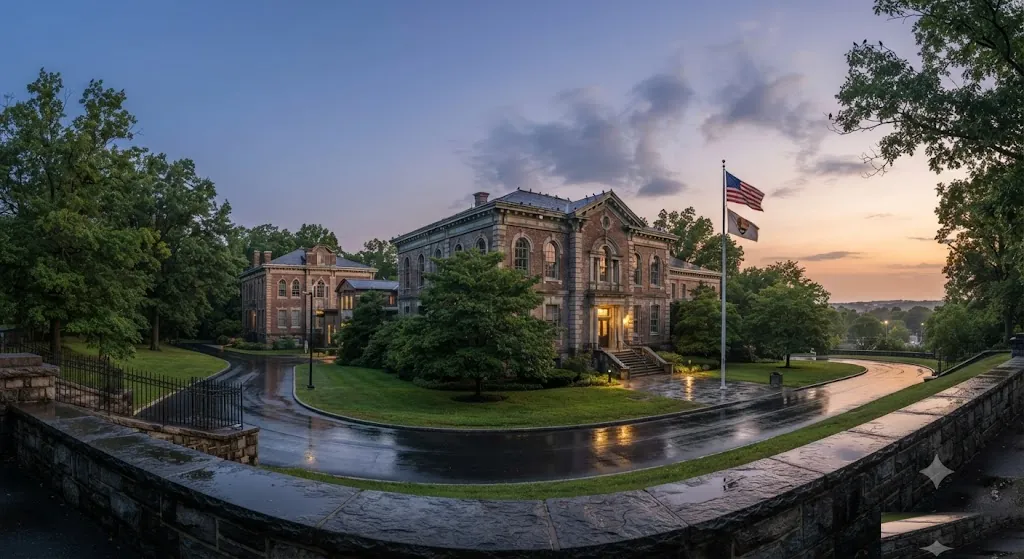
Thomas Edison National Historical Park Travel Guide — New Jersey
Our team at Roam States believes that some destinations simply demand a deeper dive, and the Thomas Edison National Historical Park New Jersey is unequivocally one of them. This isn't just another historical site; it's a profound journey into the origins of modern innovation, preserving the very laboratory and residence of the man who quite literally lit up the world and captured sound. We've meticulously researched every detail to ensure your visit is as enlightening and seamless as possible, from understanding the park's unique offerings to navigating its grounds and planning your stay.
Why Visit Thomas Edison National Historical Park
Stepping into Thomas Edison National Historical Park is like stepping back in time to the birthplace of modern research and development. This isn't merely a collection of artifacts; it's the actual workspace where Thomas Edison, often dubbed America's greatest inventor, and his team conceptualized, experimented with, and brought to life inventions that fundamentally altered human existence. We find ourselves continually impressed by the sheer volume and impact of the work done here. From the incandescent light bulb to the phonograph and the motion picture camera, the innovations that emerged from these West Orange laboratories for over 40 years continue to shape our daily lives.
The park offers an unparalleled opportunity to explore the very rooms where these breakthroughs occurred. You can walk through Edison's library, filled with his personal collection of reference books, and see his roll-top desk, which remains untouched since his death, complete with papers, pens, and even his cigars. The site also includes the meticulously preserved Glenmont estate, Edison's grand Queen Anne-style mansion, offering an intimate glimpse into his personal life and the domestic world of a Gilded Age titan. It's a place where history comes alive, offering a tangible connection to the inventive spirit that defined an era and continues to inspire.
Who It's Best For
Thomas Edison National Historical Park is an ideal destination for a diverse range of visitors. History buffs will revel in the authentic preservation of Edison's laboratory and home, gaining deep insights into the late 19th and early 20th centuries. Science enthusiasts and aspiring inventors, regardless of age, will find endless inspiration in the displays of original equipment, tools, and the very spaces where groundbreaking experiments took place.
Families with children will discover that the park makes history engaging and accessible. The park offers Junior Ranger booklets and often hosts talks aimed at kids, along with audio tours and scavenger hunts to keep younger visitors happily busy. Educators will find it an invaluable resource for illustrating the scientific method, the process of innovation, and the impact of technology on society. Even those simply curious about American ingenuity or seeking a unique cultural experience in New Jersey will find their visit richly rewarding.
Getting There & Parking
Navigating to Thomas Edison National Historical Park is straightforward, located in West Orange, New Jersey, making it easily accessible from various points in the region, including nearby New York City.
For those driving, we recommend the following routes:
- From the Garden State Parkway: Take Exit 145 to Route 280 West. Continue on Route 280 West to Exit 10. Turn right onto Northfield Avenue, then at the second light, turn left onto Main Street. Drive approximately 0.75 miles, and you'll find parking on your left and the Laboratory Complex on your right.
- From the New Jersey Turnpike: Take Exit 15W to Route 280 West. Follow the same directions as above from Route 280 West.
- From Route 280 East: Take Exit 9. Turn left onto Mt. Pleasant Avenue, then at the second traffic light, turn left onto Main Street. Proceed about 0.50 miles to find parking on your left and the Laboratory Complex on your right.
When it comes to parking at Thomas Edison National Historical Park, visitors will find dedicated parking available near the Laboratory Complex. All visitors must begin their experience at the Laboratory Complex Visitor Center to obtain their entry passes and, if applicable, Glenmont Grounds passes. We always advise arriving a bit early, especially during peak season, to secure a convenient spot and allow ample time to begin your tour.
Top Things to Do
A visit to Thomas Edison National Historical Park is packed with opportunities to explore the mind and world of a true visionary. Here are the top things to do that our team highly recommends:
- Explore the Laboratory Complex: This is the heart of Edison's inventive empire. Wander through the Main Laboratory Building (Building 5), which houses Edison's extensive library, machine shops, and music room. The original equipment and tools are still in place, offering a tangible sense of his work. Don't miss the replica of the Black Maria, the world's first motion picture studio, and peer into the Chemistry Laboratory (Building 2), which is open periodically depending on staffing. The elevator at the Laboratory Complex is currently out of service as of May 7, 2026, but the 2nd and 3rd floors are accessible via staircases.
- Tour Glenmont Estate: A short drive from the laboratory, Glenmont was Thomas and Mina Edison's magnificent 29-room Victorian mansion. To tour the mansion's interior, reservations are recommended and can be booked up to 7 days in advance. Even if you don't go inside, the grounds, gardens, greenhouse, and garage (housing antique automobiles) are worth exploring. Be aware that Glenmont house tours may be abbreviated or canceled due to high heat conditions.
- Engage with Exhibits and Audio Tours: The Visitor Center (Building 1) offers an orientation film, and throughout the complex, you can utilize a free self-guided audio tour available on the NPS App or through devices obtained at the Visitor Center. These tours provide in-depth information about the buildings and their historical significance.
- Discover Edison's Inventions: See early versions of lightbulbs, the 1877 tinfoil phonograph (on which Edison recorded "Mary Had a Little Lamb"), and the kinetoscope, an early motion picture viewing device. The vast collection of artifacts and documents truly showcases the breadth of Edison's genius.
- Attend Ranger Programs: Check the park's schedule for ranger-led talks, demonstrations (like phonography), and tours. These often provide fascinating insights and bring the history to life.
These things to do at Thomas Edison National Historical Park provide a comprehensive and enriching experience, immersing you in the world of one of history's most prolific inventors.
Thomas Edison National Historical Park Hiking Trails
While Thomas Edison National Historical Park is primarily focused on historical buildings and artifacts, the park itself offers short interpretive loops that provide a gentle introduction to the local environment. These trails are designed for first-time guests and are generally under a mile, offering an opportunity to observe the landscape's geology and ecology.
However, for those seeking more extensive outdoor adventures and dedicated Thomas Edison National Historical Park hiking trails, our team recommends exploring the beautiful natural areas nearby. West Orange and its surroundings boast several excellent options:
- Eagle Rock Reservation: Located just north of the historical park, this reservation offers a moderate 3.4-mile trail through a forest. It's known for its fantastic views of the New York City skyline and the George Washington Bridge.
- South Mountain Reservation: A sprawling 2,110-acre haven, South Mountain Reservation is home to over 50 miles of scenic trails. Within this reservation, you'll find the Hemlock Falls Trail, a moderately difficult 5.8-mile trail featuring a beautiful waterfall. It's a great spot for hikers and bird watchers alike.
- White Shore and Long Path Loop Trail: For a more challenging hike, this 4.1-mile trail features a waterfall and offers beautiful views, including a section called the "Giant Stairs" that provides a significant workout.
These nearby options provide ample opportunities for hiking and enjoying nature, complementing your historical exploration of Thomas Edison National Historical Park.
Is It Worth Visiting?
Our expert verdict is a resounding yes: Thomas Edison National Historical Park is absolutely worth visiting. This isn't just a museum; it's a preserved testament to the power of human ingenuity and the origins of modern innovation. The opportunity to walk through Edison's actual laboratory, see his inventions in their original setting, and explore his grand estate offers a unique and deeply enriching experience that transcends a typical historical site visit.
For anyone with an interest in science, history, or the evolution of technology, the park provides an unparalleled window into the past. The sheer volume of artifacts and the tangible connection to Edison's groundbreaking work make it an incredibly immersive destination. Moreover, the park's commitment to preserving not just the inventions but the entire environment of innovation, including the residential aspect at Glenmont, provides a holistic understanding of Edison's life and legacy. We confidently recommend Thomas Edison National Historical Park as a must-see destination in New Jersey.
Best Time to Visit
Choosing the best time to visit Thomas Edison National Historical Park can significantly enhance your experience. Our team generally recommends visiting during the **spring (April-May)** and **fall (September-October)**. During these seasons, the weather in West Orange, New Jersey, is typically mild and pleasant, making it comfortable to walk between the various buildings of the Laboratory Complex and explore the grounds of Glenmont. The spring brings blooming gardens, while the fall offers beautiful foliage, adding to the scenic beauty of the estate.
Summer (June-August) can be warm and humid, and tours of the Glenmont mansion may be abbreviated or canceled due to high heat conditions. However, summer also brings extended hours (June 7–September 1, Sunday & Monday 9:30 AM–4:30 PM; Thursday-Saturday 9:30 AM–4:30 PM; closed Tuesday & Wednesday). Winter (January-March) is generally snowy and cold, and it's important to note that the park is closed to the public from January 1 through mid-March. Therefore, if you're planning a visit during the colder months, ensure you check the exact opening dates.
We also suggest checking the park's calendar for special events, such as the annual reenactment of the reading of the Declaration of Independence on July 8th, which offers unique programming.
Where to Stay Nearby
Given its urban setting, Thomas Edison National Historical Park is surrounded by a variety of accommodation options to suit different preferences and budgets. While there is no camping permitted directly within the park, you'll find plenty of choices in West Orange and neighboring towns.
For convenient access to the park, we recommend looking for hotels in West Orange itself. Options like the Cambria Hotel West Orange or the Courtyard by Marriott West Orange are often cited as good choices, offering comfortable stays within a short drive of the historical park. These provide easy access to the park and other local attractions like the Turtleback Zoo.
If you're looking for a wider selection of dining and entertainment, consider staying in nearby towns such as Montclair, South Orange, or even Newark, which offer a more vibrant urban experience. For those interested in exploring more of the Garden State, consider extending your trip to other best places in New Jersey, from the Asbury Park Boardwalk to the Atlantic City Boardwalk.
For visitors interested in RV camping, while not directly at the park, nearby campgrounds include Liberty Harbor Marina & RV Park, Sun Air Lakeside Campground, and Beaver Pond Campground in Harriman State Park. These offer a base for those traveling with recreational vehicles.
Sample 2-Day Itinerary
To fully appreciate the depth and breadth of Thomas Edison National Historical Park and its surroundings, our team recommends a two-day itinerary. This allows for a thorough exploration without feeling rushed.
Day 1: Immersion in Innovation at the Laboratory Complex
- Morning (9:30 AM - 1:00 PM): Begin your day at the Laboratory Complex Visitor Center. Obtain your entrance passes (currently $15.00 per person aged 16 and older, children 15 and under are free, payable by credit or debit card). Watch the orientation film and pick up an audio tour device or download the NPS App. Spend the morning exploring the Main Laboratory Building (Building 5), including Edison's library, machine shops, and music room. Take your time to absorb the details of the original equipment and the sheer volume of work conducted here. Don't forget to see the replica of the Black Maria film studio.
- Lunch (1:00 PM - 2:00 PM): Enjoy lunch at a local eatery in West Orange. There are several casual dining options within a short drive of the park.
- Afternoon (2:00 PM - 4:30 PM): Continue your exploration of the Laboratory Complex. Visit the Chemistry Laboratory (if open) and delve into the exhibits showcasing Edison's various inventions, from lightbulbs to phonographs. Consider attending any scheduled ranger talks or demonstrations to gain deeper insights.
- Evening: Check into your nearby accommodation. For dinner, explore the diverse culinary scene in West Orange or venture to a neighboring town like Montclair for more upscale options.
Day 2: Grandeur at Glenmont & Local Exploration
- Morning (9:30 AM - 12:30 PM): Start your day by heading to the Glenmont Estate. Remember to obtain your Glenmont Grounds pass at the Laboratory Complex Visitor Center first. We highly recommend booking a mansion tour in advance (up to 7 days prior) if you wish to see the interior. Explore the beautiful grounds, gardens, greenhouse, and the garage housing Edison's antique automobiles.
- Lunch (12:30 PM - 1:30 PM): Grab a quick bite in West Orange.
- Afternoon (1:30 PM - 5:00 PM): Dedicate your afternoon to exploring the rich offerings of West Orange and its vicinity. You could visit the Adventure Aquarium for a family-friendly experience, or immerse yourself in nature at the nearby Eagle Rock Reservation for a moderate hike with stunning skyline views. Alternatively, consider a visit to the Turtleback Zoo or the Montclair Art Museum.
- Evening: Enjoy a final dinner in the area, perhaps trying a different local restaurant, or consider a short drive to experience the vibrant nightlife of Newark or Jersey City. For more ideas on planning your journey, check out our Plan Your US Trip guide or our USA Road Trip Planner.
Last updated: 2026-07-13 by the Roam States team.