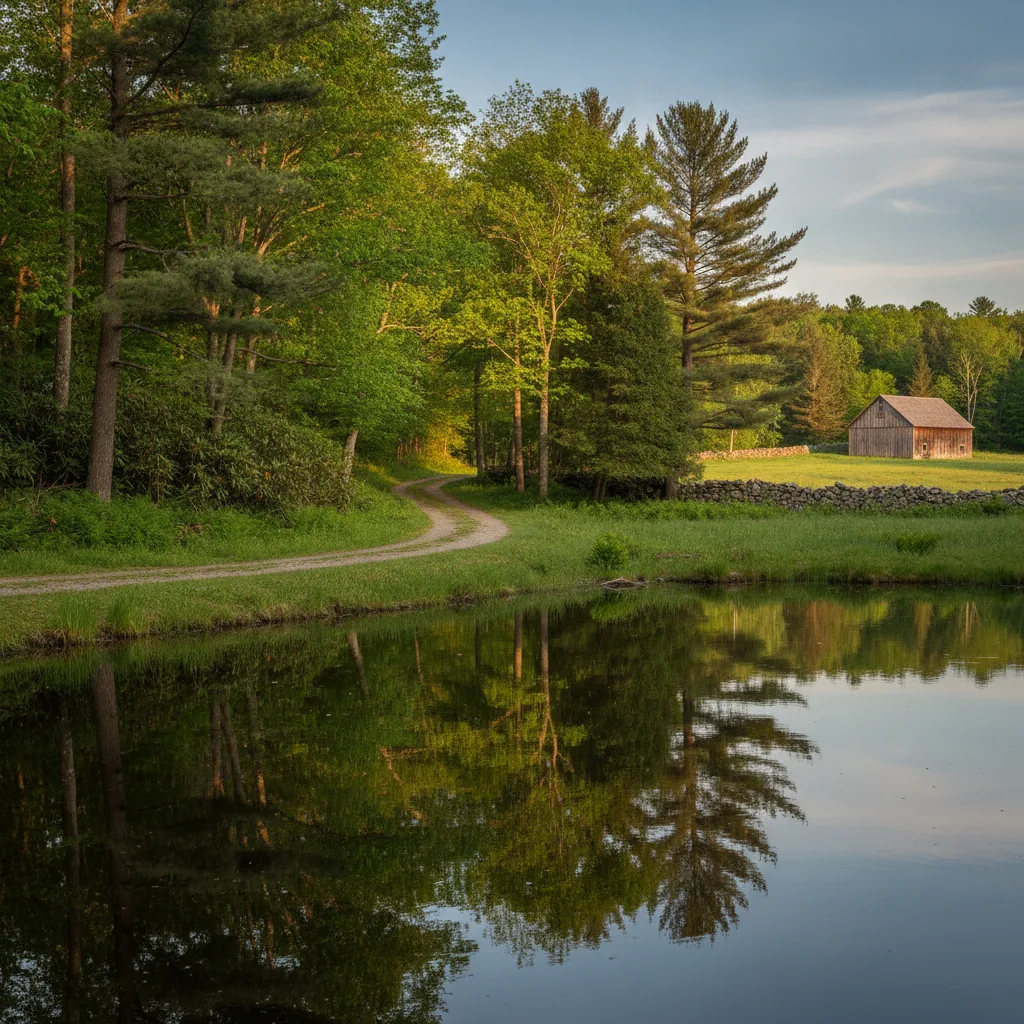
Our Weetamoo Woods and Working Forest guide covers practical planning for Weetamoo Woods and Working Forest Rhode Island — best time to visit, getting there, and what to do on the ground. We aim to provide confident, specific advice, steering clear of generic travel fluff to help you plan an unforgettable trip to this unique Rhode Island gem.
Why Visit Weetamoo Woods and Working Forest
For travelers seeking an authentic immersion in New England's natural and historical landscape, Weetamoo Woods and Working Forest stands out as a premier destination. This expansive protected area in Tiverton, Rhode Island, offers a rare blend of diverse ecosystems and fascinating historical remnants, making it far more than just another patch of woods. We recommend it for its extensive network of trails that wind through coastal oak-holly forests, serene Atlantic white cedar swamps, and open meadows, providing a dynamic backdrop for outdoor pursuits.
What truly sets Weetamoo Woods and Working Forest apart is its rich cultural history. Here, you can hike along the historic Eight Rod Way, an original colonial cart path that still features cobblestone paving and charming slab bridges over Borden Brook. Our team finds the remnants of an 1800s sawmill and various cellar holes scattered throughout the preserve particularly compelling, offering a tangible connection to the region's past. This blend of natural beauty and historical intrigue provides a unique educational experience alongside invigorating recreation. The quiet enjoyment of this preserved landscape, managed by the Tiverton Open Space Commission, ensures a peaceful retreat from the bustling world.
Who It's Best For
Weetamoo Woods and Working Forest caters to a wide array of outdoor enthusiasts, making it an ideal destination for various types of travelers. Our team particularly recommends it for hikers of all skill levels, given its well-marked trails with gentle slopes that range from easy loops to more moderate pathways. It's an excellent choice for families, as many trails are accessible for most ages and abilities, and the historical elements can spark curiosity in younger visitors.
Mountain bikers will find the terrain engaging, with designated trails allowing for non-motorized recreation. Nature lovers and bird watchers will appreciate the diverse habitats, which are home to a variety of wildlife, including canopy nesting birds like the veery and wood thrush, as well as raptors such as barred owls and red-tailed hawks. The 12 acres of managed grassland also attract ground-nesting birds like bobolinks and eastern meadowlarks. Dog owners will be especially pleased, as Weetamoo Woods is one of the few places in the area where dogs are permitted off-leash, provided they are under voice control and a leash is carried for encounters with other visitors. For those seeking tranquility and a connection to both nature and history, Weetamoo Woods offers a rewarding escape.
Is It Worth Visiting?
From our perspective as independent US travel authorities, Weetamoo Woods and Working Forest is absolutely worth visiting. Its value lies in its exceptional combination of natural beauty, historical significance, and recreational opportunities, all offered without an entry fee. This makes it an accessible and enriching destination for nearly everyone.
Weetamoo Woods and Working Forest provides a peaceful retreat where visitors can explore diverse landscapes, from ancient forests to open meadows, and discover remnants of colonial life. The chance to hike, bike, or simply stroll through such a well-preserved environment, complete with historical features like the 1800s sawmill ruins and the Eight Rod Way, offers a unique and memorable experience. For those questioning "is Weetamoo Woods and Working Forest worth visiting," we confidently say yes. It's a prime example of Rhode Island's commitment to open space preservation and offers a refreshing escape that combines outdoor activity with a tangible sense of history, making "is Weetamoo Woods and Working Forest worth visiting" an easy question to answer.
How to Get There
Reaching Weetamoo Woods and Working Forest is straightforward, with multiple access points designed to accommodate visitors. To understand "how to get to Weetamoo Woods and Working Forest," it's helpful to know about the main trailheads. The preserve is located in Tiverton, Rhode Island, and is easily accessible from major routes.
The most popular trailhead, and often recommended for first-time visitors, is located on East Road, approximately a quarter-mile east of the historic Tiverton Four Corners. From Route 24 in Tiverton, you can take Route 77 (Main Road) south, then turn left at Tiverton Four Corners onto East Road (Route 179). The entrance will be on your left. Another significant point for "how to get to Weetamoo Woods and Working Forest" is the Lake Road trailhead. To reach this, take Route 81 (Stafford Road) south from Route 24, continue onto Crandall Road, then turn right onto King Road, and finally take a sharp left onto Lake Road. There is also a Lafayette Road trailhead, which can be reached by turning left onto Lafayette Road from Route 77.
All parking at Weetamoo Woods and Working Forest is free. As of our 2026 research, there are no fees for entry or parking, making it an accessible option for budget-conscious travelers. We recommend checking the specific directions to your preferred trailhead, as each offers a slightly different starting point for exploring the preserve's extensive trail system. While parking is generally ample, it's always a good idea to arrive earlier on peak days, especially during pleasant weather.
Top Things to Do
When considering the "things to do at Weetamoo Woods and Working Forest," visitors will find a wealth of activities centered around nature, history, and active recreation. Our team suggests dedicating ample time to fully explore the diverse offerings of this protected area.
- Hiking and Trail Running: With over seven miles of marked trails within Weetamoo Woods and an additional two miles in the adjacent Pardon Gray Preserve, hiking is a primary activity. The trails vary from easy, gentle slopes ideal for a leisurely stroll to more rocky and rooted paths that offer a moderate challenge. The "things to do at Weetamoo Woods and Working Forest" list often begins with these scenic routes.
- Mountain Biking: Weetamoo Woods is one of the few local preserves that permits mountain biking on its trails, offering a fantastic opportunity for cyclists to explore the varied terrain.
- Historical Exploration: Delve into the past by seeking out the colonial-era sawmill ruins, complete with an old stone and earthen dam and an arched bridge. You can also discover cellar holes and old stone walls that are remnants of former farmlands. The Eight Rod Way, a colonial cart path, is a highlight for history buffs.
- Wildlife and Bird Watching: The diverse habitats, including coastal oak-holly forests, Atlantic white cedar swamps, and open grasslands, support a rich variety of wildlife. Keep an eye out for various bird species, including canopy-nesting birds, raptors, and ground-nesting birds, as well as amphibians and small mammals.
- Photography: The picturesque landscapes, historical features, and seasonal changes provide endless opportunities for stunning nature photography.
- Snowshoeing: In the winter months, when conditions permit, Weetamoo Woods transforms into an ideal spot for snowshoeing, offering a serene experience amidst a snow-covered landscape.
These "things to do at Weetamoo Woods and Working Forest" ensure that every visit can be a unique adventure, whether you're seeking an active outing or a peaceful communion with nature and history.
Weetamoo Woods and Working Forest Hiking Trails
The network of Weetamoo Woods and Working Forest hiking trails is undoubtedly the main draw for visitors, offering extensive opportunities to explore its diverse ecosystems and historical sites. With over seven miles of trails within Weetamoo Woods itself, and an additional two miles connecting to the adjacent Pardon Gray Preserve, our team finds the variety suitable for nearly all abilities.
The Weetamoo Woods and Working Forest hiking trails feature gentle slopes, though some sections can be rocky, rooted, or wet, especially in the spring. Maps are typically available at the East Road trailhead, and the trails are generally well-marked, making navigation straightforward. One popular route is the Yellow, Green, Red, Orange, and Meadow Trails Loop, which spans about 3.4 miles with a minimal elevation gain, taking approximately 1 hour and 24 minutes to complete. This loop takes you through coastal oak-holly forests, forested wetlands, and open meadows, showcasing the preserve's ecological richness. A highlight along these trails is the historic Eight Rod Way, an original colonial cart path that retains its cobblestone paving and crosses Borden Brook via charming slab bridges. Visitors can also discover the remnants of an 1800s sawmill and various cellar holes, adding a layer of historical intrigue to their hike. Dogs are welcome on the trails and can be off-leash if under voice control, provided a leash is carried. We recommend wearing appropriate footwear, especially during wetter seasons, and carrying water. Hunting is not permitted in Weetamoo Woods, making it a safe place for fall hikes, though wearing orange is advised if venturing into abutting town forest areas where hunting may be allowed.
Best Time to Visit
Choosing the best time to visit Weetamoo Woods and Working Forest largely depends on your preferred activities and tolerance for weather conditions. Each season offers a distinct experience, and our team has some recommendations.
- Spring (April to May): We consider spring an excellent time to visit. The forest awakens with vibrant new growth, and you might be lucky enough to hear the "raucous mating chorus" of wood frogs from the vernal pools. Wildflowers like bellwort, wild columbine, and pink lady's slipper begin to bloom. Be prepared for potentially wet and muddy trail conditions, as this is when the wetlands are most active.
- Summer (June to August): Summer offers lush greenery and warm weather, ideal for long hikes and enjoying the full canopy of the forest. However, our research indicates that mosquitoes and deer flies can be prevalent during these months, so come prepared with insect repellent. Wildflowers such as whorled loosestrife and cardinal flower can be seen.
- Fall (September to November): Arguably the most popular time to visit, fall brings spectacular foliage as the coastal oak-holly forest transforms into a canvas of reds, oranges, and yellows. The cooler temperatures make for comfortable hiking, and the absence of hunting within Weetamoo Woods means it's a safe place to enjoy the autumn scenery.
- Winter (December to March): For those who enjoy solitude and a different kind of beauty, winter can be magical. Weetamoo Woods is a great place for snowshoeing when there's sufficient snow cover. The bare trees offer clearer views, and the absence of insects can be a welcome change. Just be sure to dress warmly and check trail conditions for ice.
Ultimately, the "best time to visit" depends on what you hope to experience, but spring and fall generally offer the most pleasant conditions and unique natural spectacles.
Where to Stay Nearby
While Weetamoo Woods and Working Forest offers a pristine natural escape, there are no on-site accommodations. For visitors seeking comfortable Weetamoo Woods and Working Forest lodging, our team recommends exploring options in the charming towns and cities surrounding Tiverton, Rhode Island. These areas offer a range of choices, from cozy inns to larger hotels, ensuring you can find the perfect base for your adventures.
Nearby towns like Middletown, Newport, and Portsmouth provide excellent options for Weetamoo Woods and Working Forest lodging. Newport, a short drive away, is renowned for its historic mansions and vibrant waterfront, offering a more upscale experience. Consider hotels such as The Pell - Part of JdV by Hyatt or the Atlantic Beach Hotel Newport for a blend of comfort and convenience. For a quieter stay, Portsmouth offers options like Founder's Brook Motel and Suites, which provides a serene escape with easy access to the preserve.
Further afield, but still within a reasonable driving distance, you'll find a broader selection of hotels in cities like Fall River, Massachusetts, and Warwick or Providence, Rhode Island. These locations might offer more budget-friendly choices or larger hotel chains with a wider range of amenities. For example, the Howard Johnson by Wyndham Middletown Newport Area or the Holiday Inn Express Newport North - Middletown by IHG are popular choices that balance proximity with value. When planning your trip, we suggest booking your accommodations in advance, especially during peak seasons, to secure the best rates and availability.
While staying in the area, you might also consider exploring other Rhode Island attractions. For instance, the historic Blithewold Mansion in Bristol offers stunning gardens, or you could visit Beavertail State Park for dramatic ocean views. If you're up for a ferry ride, Block Island (Mohegan Bluffs) provides breathtaking coastal scenery. For a comprehensive guide to the state, visit our Best Places in Rhode Island page.
Sample 2-Day Itinerary
To help you make the most of your visit to Weetamoo Woods and Working Forest, our team has crafted a sample two-day itinerary that balances outdoor exploration with local charm.
Day 1: Immersion in Weetamoo Woods
- Morning (9:00 AM - 1:00 PM): Begin your day at the East Road trailhead, the most popular entry point for Weetamoo Woods and Working Forest. Pick up a trail map and embark on a comprehensive hike. We recommend combining the Yellow, Green, Red, Orange, and Meadow Trails Loop for a diverse 3.4-mile experience that showcases coastal oak-holly forests, wetlands, and open meadows. Along the way, seek out the historic Eight Rod Way, the colonial-era sawmill ruins, and various cellar holes to connect with the preserve's rich past.
- Lunch (1:00 PM - 2:00 PM): Enjoy a packed lunch amidst nature or head to nearby Tiverton Four Corners for a casual meal. Options like Coastal Roasters offer light fare and excellent coffee.
- Afternoon (2:00 PM - 5:00 PM): Depending on your energy levels, either revisit a favorite section of Weetamoo Woods for more exploration or head to the adjacent Pardon Gray Preserve, which offers an additional two miles of trails. This is a great time for bird watching or simply enjoying the peaceful atmosphere.
- Evening: Check into your chosen Weetamoo Woods and Working Forest lodging in a nearby town like Middletown or Portsmouth. Enjoy dinner at a local restaurant, perhaps sampling fresh seafood, before relaxing after a day of hiking.
Day 2: Tiverton's Charm and Coastal Beauty
- Morning (9:00 AM - 12:00 PM): Explore the historic Tiverton Four Corners village. Stroll through the charming streets lined with 18th-century architecture, browse local boutiques and art galleries, and perhaps enjoy a pastry at a local café. This area provides a delightful contrast to the wildness of Weetamoo Woods.
- Lunch (12:00 PM - 1:00 PM): Have lunch at one of the eateries in Tiverton Four Corners or grab a bite to eat near the coast.
- Afternoon (1:00 PM - 4:00 PM): Discover Tiverton's coastal offerings. Visit Fogland Beach for its unique black stone and opportunities for kayaking or windsurfing. Alternatively, enjoy a peaceful stroll at Grinnell's Beach, offering scenic views of the Sakonnet River Bridge. The Audubon Emilie Ruecker Wildlife Refuge is another excellent option for easy trails and birdwatching along the Sakonnet River.
- Late Afternoon/Evening: Depending on your departure plans, you could take a scenic drive over the Sakonnet River Bridge, which offers incredible views. If time allows, consider heading towards Newport for an evening stroll along the waterfront or to experience its vibrant dining scene. For more trip planning resources, consult our Plan Your US Trip or USA Road Trip Planner guides.
Last updated: 2026-07-13 by the Roam States team.