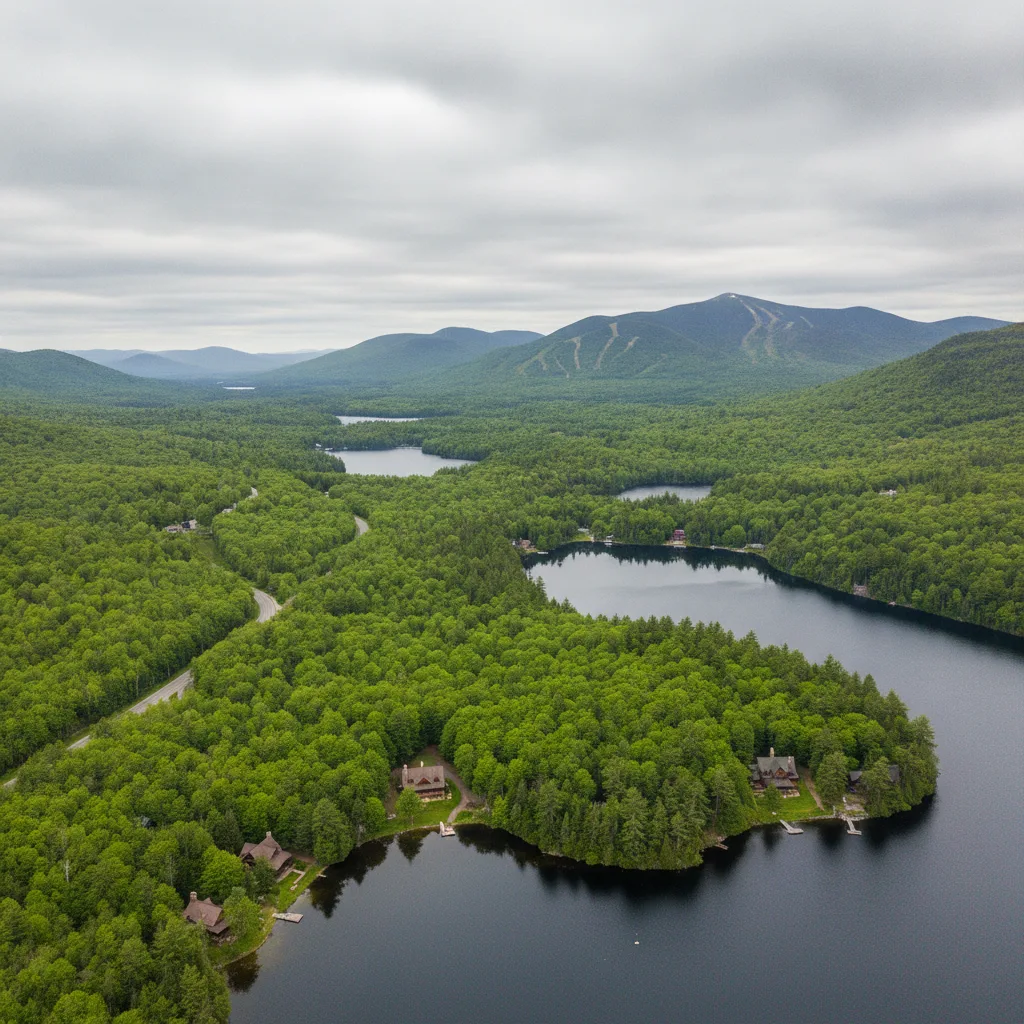
Welcome to our definitive guide to Adirondack Park New York, a vast and unparalleled wilderness in Upstate New York. As the Roam States editorial team, we're here to cut through the generic travel advice and offer you confident, specific insights into exploring this magnificent region. The Adirondack Park isn't just a destination; it's a way of life, an immense expanse of mountains, forests, and waterways that demands respect and rewards exploration. We've compiled the essential information you need for a truly unforgettable adventure in 2026, ensuring you're prepared for everything from trail conditions to parking regulations.
Why Visit Adirondack Park
The Adirondack Park is unlike any other protected area in the United States. Spanning over six million acres, it's larger than Yellowstone, Yosemite, Glacier, and Grand Canyon National Parks combined, offering an incredible diversity of landscapes and experiences. Here, you'll find ancient mountains, pristine lakes, winding rivers, and dense forests, all preserved under New York's "forever wild" constitutional clause. It's a place where nature reigns supreme, providing a sanctuary for wildlife and an unparalleled playground for outdoor enthusiasts. Whether you're seeking solitude in the backcountry, thrilling adventures on the water, or a peaceful retreat surrounded by natural beauty, the Adirondacks deliver.
Beyond its natural splendor, the park boasts a rich history, from the Gilded Age Great Camps to the Olympic legacy of Lake Placid. We believe the sheer scale and wild character of the Adirondacks make it a truly unique and essential American travel experience. It’s a place where you can truly disconnect and immerse yourself in the natural world, a stark contrast to the bustling energy of Central Park or the iconic landmarks of Statue of Liberty & Ellis Island.
Who It's Best For
The Adirondack Park caters to a remarkably broad spectrum of travelers. It’s ideal for:
- **Hikers and Backpackers:** With over 2,000 miles of trails, including the challenging High Peaks, it's a mecca for those who love to explore on foot.
- **Paddlers and Boaters:** Thousands of lakes, ponds, and rivers, including the historic Adirondack Canoe Route, offer endless opportunities for kayaking, canoeing, and motorboating.
- **Families:** Many campgrounds, accessible trails, and visitor centers provide family-friendly activities and educational programs.
- **Nature Photographers:** The diverse landscapes, especially during fall foliage season, offer breathtaking photographic opportunities.
- **Winter Sports Enthusiasts:** Skiing, snowboarding, snowshoeing, and ice climbing are popular activities once the snow falls.
- **Those Seeking Serenity:** The vastness of the park means you can always find a quiet spot to relax and reconnect with nature.
If your idea of a perfect getaway involves fresh air, stunning vistas, and a chance to truly unplug, then the Adirondacks are calling your name. It's a destination that truly embodies the spirit of outdoor adventure in New York State.
Getting There & Parking
The Adirondack Park is easily accessible by car, which is generally the most convenient way to explore its vastness. There are no entrance gates or fees for the public areas of the Adirondack Park itself, unlike national parks. However, certain privately managed areas within or adjacent to the park, like the Adirondack Mountain Reserve (AMR), do have specific access requirements and parking reservations.
How to Get There
Most visitors arrive by car, utilizing major interstates like I-87 (the Adirondack Northway) which runs north-south through the eastern edge of the park. From New York City, the drive can take anywhere from 4 to 6 hours, depending on your specific destination within the park. From Albany, it's typically a 2-3 hour drive. Public transportation options are limited within the park, making a personal vehicle or rental car highly recommended for exploring the diverse regions.
Adirondack Park Parking
Parking regulations vary significantly across the Adirondack Park. While many trailheads and access points offer first-come, first-served parking, some popular areas, particularly in the High Peaks Wilderness, require advance reservations, especially during peak seasons. For instance, the Adirondack Mountain Reserve (AMR) requires a no-cost parking reservation to access its trailheads between May 1 and October 31. This system, which began on April 17, 2026, aims to reduce roadside congestion and enhance safety along Route 73. Reservations for the AMR can be made online at hikeamr.org and can be secured up to two weeks in advance, or as late as 4 AM for same-day spots. Walk-in access without a reservation is not permitted at the AMR.
The New York State Department of Environmental Conservation (DEC) also enforces "No Parking Zones" along certain routes, such as State Route 73 near Keene Valley, and violators may be towed. We strongly advise checking specific trailhead information and the DEC's Backcountry Information page for the Adirondack Park for any current closures or parking restrictions before your visit, especially during the spring "mud season" when some seasonal access roads may be closed.
Top Things to Do
The sheer size and diversity of the Adirondack Park mean that the things to do at Adirondack Park are virtually limitless. Here are some of our team's top recommendations for things to do at Adirondack Park:
- **Hiking the High Peaks:** Challenge yourself to summit one of the 46 High Peaks, mountains over 4,000 feet. Iconic trails lead to peaks like Mount Marcy (New York's highest point) or Algonquin Peak, offering unparalleled views. Remember to check for trail closures, such as the Avalanche Pass Trail which has seen work begin in 2026 due to 2025 landslides.
- **Paddling the Lakes and Rivers:** Explore the vast network of waterways. Rent a canoe or kayak and navigate the Saranac Lakes Wild Forest, or take a scenic boat tour on Lake George or Lake Placid.
- **Visiting Historic Great Camps:** Discover the opulent Gilded Age estates like Great Camp Santanoni in Newcomb, which offers a glimpse into the region's past and accessible wagon rides for visitors with disabilities.
- **Exploring Charming Towns:** Wander through picturesque villages like Lake Placid, Saranac Lake, or Old Forge, offering unique shops, restaurants, and cultural attractions.
- **Scenic Drives:** Take a leisurely drive along routes like the Olympic Scenic Byway or Route 30 to soak in the stunning mountain and lake views.
- **Wildlife Viewing:** Keep an eye out for diverse wildlife, including deer, black bears, moose, and a variety of bird species.
- **Adirondack Experience, The Museum on Blue Mountain Lake:** This open-air museum offers over 20 buildings across 120 acres, showcasing the history and culture of the Adirondacks. In 2026, it is open 7 days a week from 10 AM to 5 PM, with general admission at $22 for adults when purchased online.
- **Rock Climbing:** For experienced climbers, various routes exist, though some are subject to temporary closures from spring into mid-summer to protect peregrine falcon nesting sites.
Best Time to Visit
The Adirondack Park is a year-round destination, but the "best" time to visit truly depends on your interests:
- **Summer (June-August):** This is peak season for hiking, paddling, and swimming. The weather is generally warm and pleasant, but expect crowds, especially on popular trails and in towns like Lake Placid. Reservations for accommodations and popular activities are highly recommended.
- **Fall (Late September-Mid October):** Our team considers this one of the most spectacular times to visit, thanks to the vibrant fall foliage. The deciduous trees burst into brilliant reds, oranges, and yellows. Peak foliage typically occurs between late September and mid-October, though exact timing varies by elevation and weather. Expect cooler temperatures and fewer crowds than summer, but still plan ahead for popular viewing spots.
- **Winter (November-March):** Ideal for skiing (downhill and cross-country), snowboarding, snowshoeing, ice skating, and ice climbing. Many parts of the park transform into a snowy wonderland. Be prepared for cold temperatures and potential road closures due to snow.
- **Spring (April-May):** This is "mud season" in the Adirondacks, particularly in the High Peaks. While beautiful, many trails can be wet and muddy, and some seasonal access roads are closed to prevent damage. It's a quieter time, good for birdwatching and enjoying the budding greenery, but requires careful planning for outdoor activities.
Where to Stay Nearby
Accommodations within and around the Adirondack Park range from rustic campsites to luxurious resorts. Here are some options:
- **Hotels and Resorts:** Towns like Lake Placid, Saranac Lake, and Old Forge offer a variety of hotels, motels, and resorts, from budget-friendly to high-end.
- **Cabins and Vacation Rentals:** Numerous cabins, cottages, and vacation homes are available for rent, providing a more private and immersive experience.
- **Bed & Breakfasts:** Charming B&Bs can be found in many of the smaller towns, offering a personalized stay.
- **Adirondack Mountain Club (ADK) Properties:** The ADK operates the Adirondak Loj and Johns Brook Property, offering lodges, cabins, and camping in the High Peaks Wilderness, with options for meals and guided hikes. ADK members receive a 10% discount on rates.
- **Campgrounds:** See our dedicated section on Adirondack Park camping below.
Sample 2-Day Itinerary
To help you plan your visit, here’s a sample 2-day itinerary focusing on a mix of popular attractions and natural beauty:
Day 1: High Peaks & Lake Placid Exploration
- **Morning:** Start with an early hike. For an iconic experience, consider a portion of the Indian Head trail (requires AMR reservation May 1 - Oct 31, 2026) for stunning views of the Ausable Lakes. Alternatively, for a less strenuous but rewarding hike, try Cobble Lookout.
- **Afternoon:** Head to Lake Placid. Explore the Olympic Village, visit the Olympic Museum, and stroll along Main Street, browsing shops and enjoying lunch with lake views.
- **Evening:** Enjoy a fine dining experience in Lake Placid, or a more casual meal at a local brewpub.
Day 2: Cultural Immersion & Scenic Beauty
- **Morning:** Drive to Blue Mountain Lake to visit the Adirondack Experience, The Museum on Blue Mountain Lake. Allow at least 3-4 hours to explore its extensive exhibits and learn about the region's history and culture. Admission in 2026 is $22 for adults online.
- **Afternoon:** Enjoy a scenic drive along Route 30, stopping at overlooks and perhaps a short, easy walk on an interpretive trail at the Adirondack Interpretive Center in Newcomb (open Wednesday-Sunday 10 AM-5 PM in summer).
- **Evening:** Relax at your chosen accommodation, perhaps with a campfire if camping, or a quiet dinner at a local eatery.
Adirondack Park Hiking Trails
The Adirondack Park hiking trails are legendary, offering something for every skill level, from gentle nature walks to challenging multi-day treks. With over 2,000 miles of trails, the options are truly vast.
For those seeking a significant challenge, the **High Peaks Wilderness** is home to New York's 46 highest mountains. Popular High Peaks trails include those leading to Mount Marcy, Algonquin Peak, and Cascade Mountain. Be aware that conditions can be rugged, and proper gear, navigation skills, and preparation are essential. Some trails, like the Avalanche Pass Trail, have ongoing work in 2026 due to 2025 landslides, and specific sections may be closed. Always check the DEC's backcountry information for the latest updates on trail conditions and closures.
For more moderate hikes, consider trails to **Indian Head** (requiring an AMR reservation during peak season), **Goodnow Mountain**, or **Poke-O-Moonshine Mountain**, which often feature fire towers offering panoramic views. Many of these trails provide a rewarding experience without the extreme elevation gain of the High Peaks. For easier, family-friendly options, numerous interpretive trails are available at visitor centers like the Adirondack Interpretive Center in Newcomb, which offers 3.6 miles of trails including boardwalks through cedar swamps.
When planning your Adirondack Park hiking trails adventure, remember to practice Leave No Trace principles, carry a map and compass (or GPS), bring plenty of water, and be prepared for changing weather conditions. Some areas may also have specific regulations regarding group size or overnight camping.
Adirondack Park Camping
Adirondack Park camping offers an incredible way to immerse yourself in the wilderness, with options ranging from primitive backcountry sites to full-service campgrounds. The New York State Department of Environmental Conservation (DEC) manages numerous campgrounds throughout the park, many of which are located on pristine lakes and rivers.
**DEC Campgrounds:** These facilities often provide amenities such as flush toilets, showers, picnic tables, and fire rings. Popular DEC campgrounds include Saranac Lake Islands, Fish Creek Pond, and Limekiln Lake. Reservations for DEC campgrounds can be made online via ReserveAmerica. The 2026 camping season for many DEC campgrounds runs from mid-May to early September. Non-New York State residents are charged an additional $5.00 fee per night for camping at all DEC facilities.
**Backcountry Camping:** For a more rugged experience, primitive camping is allowed on much of the Forest Preserve land. Designated backcountry campsites are marked with yellow discs and are typically at least 150 feet from trails or water sources. Specific regulations apply, including requirements for bear-resistant food canisters in the High Peaks Wilderness. Some designated campsites, such as those at Avalanche Lake, have been closed in 2026 due to 2025 landslides, with plans for relocation.
**Private Campgrounds and Glamping:** Beyond state-run sites, many privately owned campgrounds and glamping resorts offer a range of amenities. For example, HTR Adirondacks in Old Forge offers RV sites, tent campsites, and lodge-style accommodations, operating seasonally from May 17 to October 17, 2026. Other private options, like those found on Hipcamp, provide unique experiences from secluded tiny cabins to lakeside sites.
Whether you prefer the convenience of a developed campground or the solitude of the backcountry, Adirondack Park camping provides an unforgettable connection to nature.
Is It Worth Visiting?
Absolutely, the Adirondack Park New York is unequivocally worth visiting. Our team at Roam States confidently asserts that this vast wilderness offers an unparalleled experience for anyone seeking natural beauty, outdoor adventure, and a genuine escape from the everyday. Unlike many national parks that might have a singular iconic feature, the Adirondacks present a sprawling tapestry of diverse ecosystems, historic sites, and recreational opportunities that evolve with each season.
The sheer scale of the park means that whether you're a seasoned hiker looking to conquer the High Peaks, a family hoping for a peaceful lakeside retreat, or an artist seeking inspiration in vibrant fall foliage, there's a corner of the Adirondacks waiting for you. The "forever wild" designation ensures that its pristine character is preserved, offering a truly authentic wilderness experience that is increasingly rare. While there are no general entrance fees for the park itself, the value derived from its free access to millions of acres of public land is immeasurable. The investment in travel and time to reach this region is richly rewarded with memories that will last a lifetime. So, yes, if you're asking "is Adirondack Park worth visiting," our answer is a resounding and enthusiastic yes.
FAQ
things to do in Upstate New York
Upstate New York offers a wealth of activities beyond the Adirondack Park. You can explore the stunning gorges and waterfalls of the Finger Lakes region, visit the historic sites and vibrant cities along the Erie Canal, or experience the thundering power of Niagara Falls. Other popular destinations include the Catskill Mountains for hiking and charming towns, and the Capital Region around Albany for history and culture.
Adirondack Park with kids
The Adirondack Park is fantastic for families with kids! Many campgrounds offer amenities like playgrounds and swimming areas. Easy interpretive trails at visitor centers, such as the Adirondack Interpretive Center in Newcomb, provide engaging educational experiences. Kid-friendly activities include paddling on calm lakes, fishing, wildlife spotting, and visiting attractions like The Wild Center in Tupper Lake. Several towns also host family-oriented events throughout the year. Remember to pack appropriately for the weather and bring bug spray.
Adirondack Park tips
Our top Adirondack Park tips include planning ahead, especially for popular areas and during peak seasons. Always check the DEC's Backcountry Information for current trail conditions, closures, and parking requirements, particularly for the Adirondack Mountain Reserve (AMR) where reservations are mandatory. Practice Leave No Trace principles to protect the environment. Be prepared for rapidly changing weather, even in summer, and carry appropriate gear, including maps, water, and first-aid supplies. Inform someone of your itinerary, especially for backcountry trips.
Adirondack Park parking
Adirondack Park parking varies. While most areas offer first-come, first-served parking, popular trailheads, notably the Adirondack Mountain Reserve (AMR), require a free advance parking reservation from May 1 to October 31. Reservations for the AMR can be made up to two weeks in advance or as late as 4 AM for same-day spots. Roadside parking is often prohibited in busy areas, and violators may be towed. Always check specific trailhead information and local regulations before you go.
best time to visit Adirondack Park
The best time to visit Adirondack Park depends on your desired activities. For hiking and water sports, summer (June-August) is ideal, though it's the busiest. Fall (late September-mid October) is spectacular for foliage viewing, with vibrant colors. Winter offers excellent opportunities for snow sports. Spring (April-May) is "mud season" and can be challenging for hiking, but quieter for other activities.
Adirondack Park hours and fees
Unlike national parks, there are no general entrance fees or operating hours for the public areas of the Adirondack Park itself. The park is always open. However, specific attractions, campgrounds, and privately managed areas within the park do have their own hours and fees. For example, the Adirondack Experience, The Museum on Blue Mountain Lake, is open 10 AM to 5 PM daily in 2026, with adult admission at $22 online. The Adirondack Mountain Reserve (AMR) requires a free parking reservation for access to its trailheads from May 1 to October 31, with entry to the parking lot between 5 AM and 7 PM. New York State DEC campgrounds typically have fees, with an additional $5.00 nightly charge for non-residents in 2026.
Our team's verdict: The Adirondack Park is a truly monumental natural treasure, offering an unparalleled breadth of experiences for every type of traveler. Its "forever wild" ethos ensures that its stunning landscapes and abundant recreational opportunities will remain for generations to come. With proper planning and respect for its natural environment, your visit to Adirondack Park New York will undoubtedly be an enriching and unforgettable journey.
Last updated: 2026-07-07 by the Roam States team.