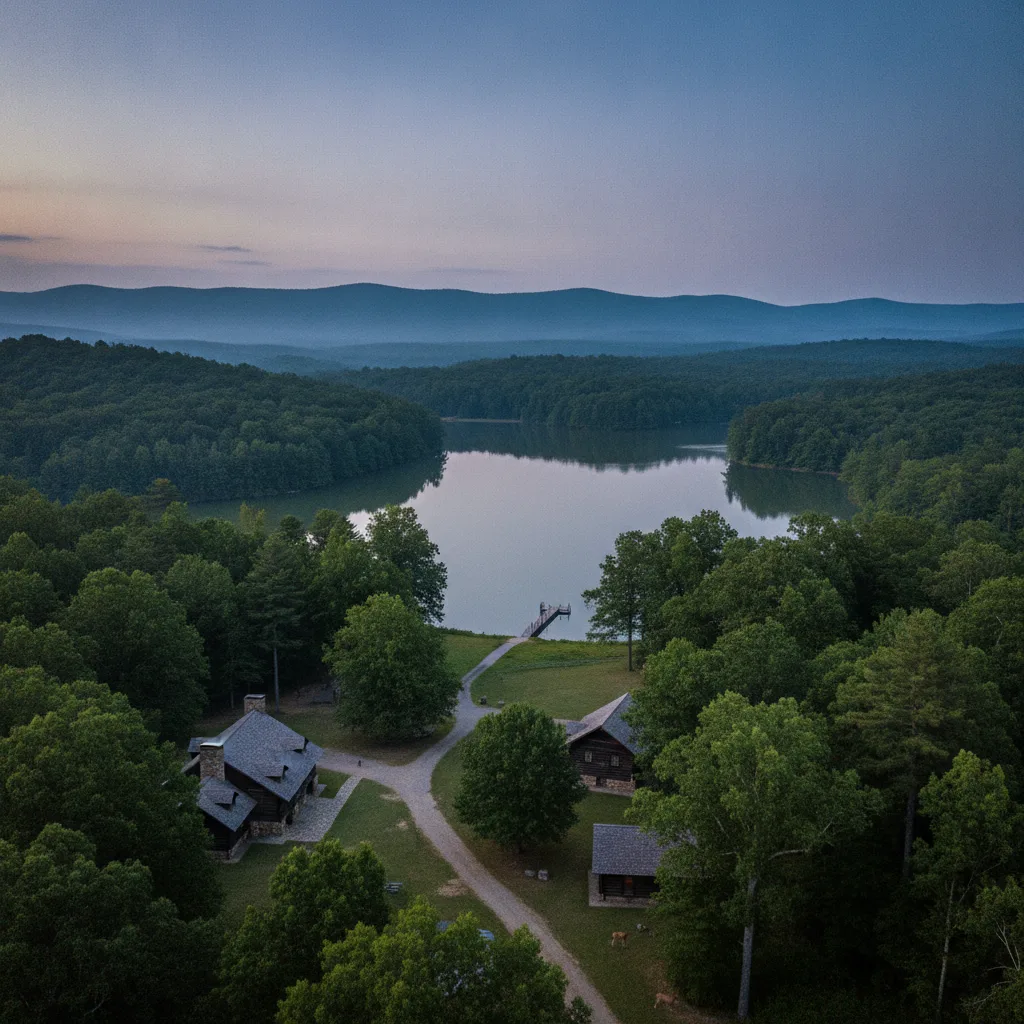
Big Ridge State Park Travel Guide — Tennessee
Our Big Ridge State Park guide covers practical planning for Big Ridge State Park Tennessee — best time to visit, getting there, and what to do on the ground. We've compiled the latest 2026 facts on hours, fees, closures, parking, and reservations to ensure your trip is seamless. As independent US travel authorities, our team is here to provide confident, specific insights, steering clear of generic travel advice.
Why Visit Big Ridge State Park
Big Ridge State Park Tennessee offers a captivating blend of history, natural beauty, and outdoor adventure, making it one of the state's most cherished and oldest state parks. Established in 1949, the park's origins trace back to the 1930s as part of the ambitious Norris Project, a collaborative effort by the Tennessee Valley Authority (TVA), the National Park Service, and the Civilian Conservation Corps (CCC). The CCC played a pivotal role in shaping the park, constructing iconic structures like the Old Office (gatehouse) and the Swim Beach House, which still stand today as testaments to their craftsmanship. Before its transformation into a park, this land was a patchwork of resilient farmlands and homesteads, a rich history that continues to echo through its trails and historic sites.
Spanning 3,687 acres in Union County, the park is nestled on the southern shore of the vast Norris Reservoir, approximately 25 miles north of Knoxville. Its topography is defined by three prominent ridge systems, giving the area its distinctive character and providing stunning vistas of the surrounding Appalachian Ridge-and-Valley range. At its heart lies the 45-acre Big Ridge Lake, a serene sub-impoundment of Norris Lake, perfect for a variety of water activities. Whether you're drawn to the rustic charm of its historic gristmill, the tranquility of its lake, or the challenge of its over 15 miles of hiking trails, Big Ridge State Park promises a memorable escape into East Tennessee's natural splendor and heritage.
Who It's Best For
Big Ridge State Park is an ideal destination for a diverse range of travelers. Families will appreciate the designated swimming beach on Big Ridge Lake, the calm waters for paddling, and the variety of easy-to-moderate hiking trails suitable for all ages. History enthusiasts will be captivated by the park's deep roots, exploring remnants of early settlements, the reconstructed Norton Gristmill (built in 1825), and sites like Indian Rock, which marks the 1794 ambush of settler Peter Graves.
Hikers and nature lovers will find endless opportunities across the park's more than 15 miles of trails, traversing dry ridges, lush hollows, and old roadbeds. Anglers can enjoy year-round fishing on both Big Ridge Lake and the larger Norris Lake, known for its striped bass fishery. Those seeking a peaceful retreat will find solace in the park's quiet coves and wooded lakeside settings, with options for rustic cabin stays or serene camping. With accessible facilities, including a visitors' center, campsites, picnic shelters, and a dining hall at the group camp area, the park strives to accommodate guests with varying needs.
How to Get There & Parking
Navigating to Big Ridge State Park is straightforward, whether you're coming from nearby Knoxville or further afield. The park is conveniently located in Maynardville, Tennessee, approximately 25 miles north of Knoxville. For those traveling by car, the most common approach is from I-75. Take Exit 122 and proceed east on Highway 61 for about 12 miles. The park entrance will be clearly visible on your left. The park is situated between the cities of Andersonville and Maynardville.
When it comes to parking at Big Ridge State Park, visitors will find ample space available at various points throughout the park. There are designated parking areas near trailheads, the swimming beach, the visitor center, and the campground. For those looking to access the recently opened Lyon's Loop Trail, a multi-use trail perfect for mountain biking and hiking, a dedicated parking lot is located approximately 0.5 miles east of the main park entrance, off State Highway 61 W. This parking lot opens daily at 9:00 AM (weather permitting) and closes 30 minutes before sunset. Our team hasn't identified any specific parking fees for general day-use parking within the park for 2026, consistent with most Tennessee State Parks offering free day-use access. However, a nominal fee may apply if you launch privately owned boats, such as canoes or kayaks, onto Big Ridge Lake.
Top Things to Do
There's no shortage of things to do at Big Ridge State Park, catering to every interest from serene relaxation to rugged adventure. Our team highly recommends immersing yourself in the park's diverse offerings:
- Hiking the Extensive Trail System: With over 15 miles of trails, Big Ridge State Park is a hiker's paradise. Trails range from easy strolls along the lake to very rugged ascents, traversing dry ridges, lush hollows, old roadbeds, and lakeshores. You can even explore historical sites like cemeteries and remnants of early settlements along the way. Don't miss the Ghost House Trail, a 1.2-mile loop near the group camp, known for its pre-1930s history and local lore of eerie events. The park's first mountain biking trail, the 1.5-mile Lyon's Loop Trail, opened in 2025, offering twists, turns, inclines, and declines through the hardwood forest.
- Swimming at Big Ridge Lake: Cool off during the warmer months at the sandy swim beach on Big Ridge Lake. This designated swimming area is open seasonally, typically from Memorial Day through Labor Day, between 8:00 AM and 8:00 PM daily. While there are no lifeguards on duty, personal flotation devices are strongly encouraged.
- Boating and Paddling: Enjoy the calm waters of the 49-acre Big Ridge Lake. Canoe, pedal boat, tandem kayak, and rowboat rentals are available at the park's boat dock, which operates from Memorial Day through Labor Day. If you bring your own canoe or kayak, you can launch it on Big Ridge Lake for a nominal fee. For larger powerboats, fishing boats, ski boats, and wave runners, a ramp on Norris Lake is available just outside the park entrance drive, though winter access may be limited due to low water levels.
- Fishing Year-Round: Anglers can cast their lines from the shore of Big Ridge Lake (outside the swimming beach area) or along the shoreline of Norris Lake, which is renowned for its striped bass fishery. State fishing license requirements apply.
- Exploring the Norton Gristmill: Step back in time with a visit to the historic Norton Gristmill. Originally built in 1825, the mill was reconstructed in 1968, but still features vintage elements like the raceway, gears, wheel shaft, and millstones. It's a fascinating glimpse into the area's agricultural past.
- Picnicking and Relaxation: The park offers numerous picnic areas and four reservable picnic shelters/pavilions, perfect for a leisurely outdoor meal with family and friends.
- Attending Park Programs and Events: During the summer, seasonal interpretive rangers lead family-friendly programs, including guided hikes, movies, campfires, arts and crafts, and nature programs. The park also hosts an annual bluegrass festival on the third Friday of August, a popular local event.
These things to do at Big Ridge State Park ensure a well-rounded and engaging visit for all.
Best Time to Visit
Choosing the best time to visit Big Ridge State Park depends on your preferred activities and tolerance for crowds. Our team generally recommends the fall months, from September to November, as the prime season. During this period, you'll experience comfortable weather with daytime highs typically ranging from the mid-50s to low-70s°F, and crisp nights perfect for campfires. The autumn foliage in the Appalachian foothills peaks in October, offering breathtaking scenic views that are ideal for hiking and photography. Fishing and boating on Norris Lake remain excellent, and while weekends can be busy with leaf-peepers, overall crowds are generally lower than in mid-summer.
Spring, from March to May, is another excellent choice. The mild weather and blooming wildflowers make it a great season for hiking and enjoying lakeside activities. Summer, from June to August, is peak season for lake-centric activities. If swimming, boating, and fishing are your top priorities, the warmer temperatures make summer a very good, albeit busier, time to visit. The swim beach and boat dock are fully operational during these months.
While Big Ridge State Park is open year-round, the winter months (December to February) see reduced lake activities due to cooler weather. However, for those seeking solitude and quiet, or for dedicated winter hikers, the park remains accessible, and one of the two bathhouses in the campground is open year-round.
Where to Stay Nearby
When planning your trip to Big Ridge State Park, you have a variety of excellent lodging options, both within the park and in the surrounding areas. Our team has thoroughly researched the best choices for Big Ridge State Park lodging in 2026.
Big Ridge State Park Lodging: Cabins & Camping
- Park Cabins: Big Ridge State Park offers 20 rustic one-room cabins, originally built by the Civilian Conservation Corps in 1936. These charming cabins retain their historic design and typically accommodate up to six people with two full-size beds and a sofa sleeper. Five cabins are located lakeside, with 15 nestled on the ridge. However, it's important to note that as of our last update, all Big Ridge State Park cabins are currently closed for renovations and are expected to reopen in late fall 2026. During the winter season, only a select few (Cabins 1, 4, 15, 16, 17, 18, and 19, which is pet-friendly) will be available for reservations. Cabin reservations require a minimum two-night stay, and a $20 per night per pet charge applies to pet-friendly cabins.
- Campgrounds: The park boasts 50 year-round campsites, many situated on or near scenic Big Ridge Lake. These sites are designed to accommodate RVs, trailers, and tent campers, with most offering water and 50-amp electrical hookups, a picnic table, and a grill. A dump station is available at the campground entrance, and two bathhouses with hot showers and restrooms are provided, with one remaining open year-round. Backcountry enthusiasts can also reserve one of three hike-in backcountry campsites along the trail system. Camping rates are typically around $30 per night. Reservations are required for all campsites, with a check-in time of 4:00 PM and check-out by 12:00 PM. The maximum stay is 14 days, extending to 28 days from December 1 to February 28/29.
- Group Camp: For larger gatherings, the group camp can accommodate up to 120 people, featuring 19 screened-in bunkhouses (sleeping six to eight each), three bathhouses, and a dining hall with a commercial kitchen. It operates from April through October, and reservations are required well in advance.
Hotels & Vacation Rentals Near Big Ridge State Park
Beyond the park's boundaries, the area around Norris Lake, particularly in Maynardville and Andersonville, offers a wide array of private vacation rentals, many of which are lakefront properties. These range from cozy cabins to larger homes, often equipped with private docks, kayaks, and stunning lake views.
- Lakefront Rentals: Websites like Vrbo and Travelocity list numerous options, such as "Enchanted Forest tiny house mountain views remote private Norris Lake 2.7 miles" or "Charming Norris Lake Cabin with views and boat slip @ Marina!" These provide more amenities and space than the park's rustic cabins.
- Nearby Towns: While Maynardville itself has limited traditional hotel options, you'll find more choices, including chain hotels and additional vacation rentals, in Knoxville, which is about an hour's drive south.
When considering Big Ridge State Park lodging, we recommend booking well in advance, especially for peak seasons, due to the popularity of the area and the ongoing cabin renovations.
Sample 2-Day Itinerary
To help you make the most of your visit to Big Ridge State Park, our team has crafted a sample 2-day itinerary, balancing outdoor adventure with historical exploration and relaxation.
Day 1: Lake Activities & Historic Exploration
- Morning (9:00 AM - 12:00 PM): Lake Fun Begin your day at Big Ridge Lake. Head to the sandy swim beach for a refreshing dip (seasonal, Memorial Day to Labor Day, 8 AM - 8 PM). Afterward, rent a canoe, pedal boat, or kayak from the park's boat dock (seasonal, Memorial Day to Labor Day) and explore the calm waters.
- Lunch (12:00 PM - 1:00 PM): Lakeside Picnic Enjoy a picnic lunch at one of the park's scenic picnic areas or a reserved picnic pavilion.
- Afternoon (1:00 PM - 4:00 PM): Gristmill & Ghost House Trail Immerse yourself in history by visiting the Norton Gristmill, a reconstructed 1825 mill that offers a glimpse into the area's past. From there, embark on the 1.2-mile Ghost House Trail loop. This easy-to-moderate hike winds through historical remnants and is steeped in local folklore.
- Evening (4:00 PM onwards): Campground & Stargazing Check into your campsite or cabin. Prepare dinner at your site, then enjoy the peaceful evening. With limited light pollution, Big Ridge State Park offers excellent opportunities for stargazing.
Day 2: Ridge Hiking & Scenic Views
- Morning (8:00 AM - 12:00 PM): Indian Rock Loop Hike After an early breakfast, tackle one of the park's more challenging but rewarding hikes: the 2.6-mile Indian Rock Trail Loop. This strenuous trail takes you over Big Ridge, past Indian Rock (commemorating the 1794 ambush of Peter Graves), and offers stunning views. Be sure to grab a trail map from the park office.
- Lunch (12:00 PM - 1:00 PM): Pack a Trail Lunch Consider packing a lunch to enjoy on the trail or return to your campsite for a quick bite.
- Afternoon (1:00 PM - 4:00 PM): Norris Lake & Lyon's Loop Trail Head to the Norris Lake access point just outside the park entrance. If you have a larger boat, consider launching it here for an afternoon on the expansive lake. Alternatively, explore the 1.5-mile Lyon's Loop Trail, the park's first multi-use trail, which is open to both hikers and mountain bikers. The parking lot for this trail opens at 9:00 AM and closes 30 minutes before sunset.
- Evening (4:00 PM onwards): Farewell Dinner & Sunset Enjoy a final dinner, either at your campsite or by exploring dining options in nearby Maynardville. Consider a sunset view over Norris Lake to cap off your trip.
Is It Worth Visiting?
Without a doubt, our team confidently asserts that Big Ridge State Park is absolutely worth visiting. For travelers seeking an authentic East Tennessee experience, this park delivers on all fronts. Its deep historical roots, from the Civilian Conservation Corps structures to the remnants of pioneer settlements, provide a compelling narrative that sets it apart from more generic outdoor destinations. The chance to walk the same paths where early settlers lived and worked, and to see a reconstructed gristmill from 1825, offers a unique educational and immersive experience.
Beyond its history, the natural beauty of Big Ridge State Park is undeniable. The serene 45-acre Big Ridge Lake, nestled within the Appalachian Ridge-and-Valley range, provides a picturesque setting for swimming, boating, and fishing. The extensive network of over 15 miles of hiking trails caters to all skill levels, promising stunning vistas, lush forests, and opportunities to connect with nature. Whether you're a seasoned hiker or a family looking for a leisurely stroll, the trails here are genuinely rewarding.
For those wondering, "is Big Ridge State Park worth visiting?", consider the value it offers: affordable camping, rustic cabin options (though currently undergoing renovations for 2026, with some available in winter), and a wide array of free or low-cost activities. It's a place where you can truly unplug, enjoy the outdoors, and create lasting memories without the commercialized feel of some larger attractions. It stands as a testament to Tennessee's commitment to preserving its natural and cultural heritage, making it a highly recommended destination for anyone exploring the best places in Tennessee.
Last updated: 2026-07-08 by the Roam States team.