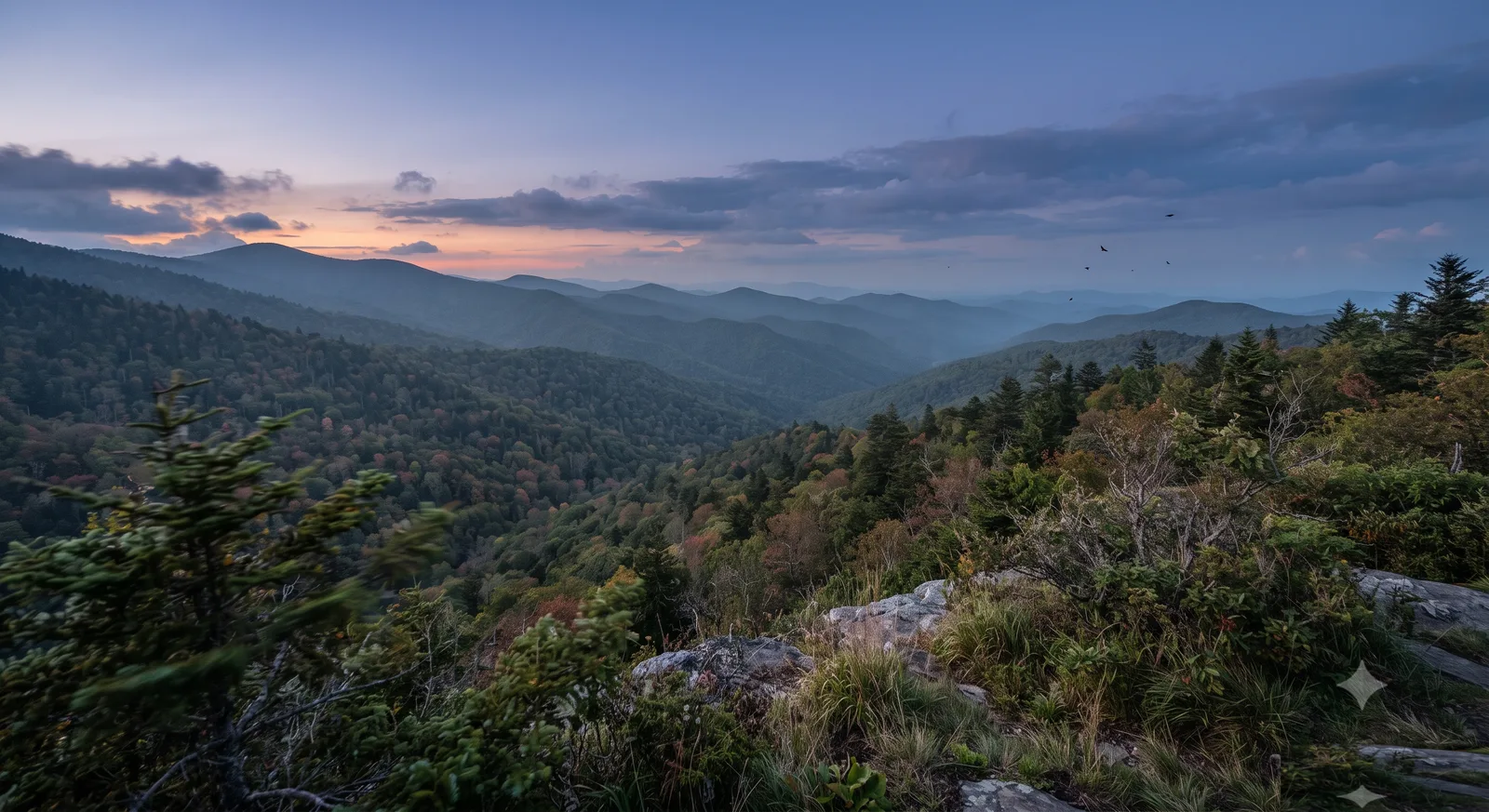
Great Smoky Mountains National Park Travel Guide — North Carolina
As the Roam States editorial team, we've explored countless corners of the American landscape, and few destinations captivate us quite like the Great Smoky Mountains. This comprehensive guide focuses on experiencing the majestic Great Smoky Mountains National Park North Carolina, offering independent, specific advice for an unforgettable trip. We cut through the generic travel fluff to bring you the essential details, ensuring your adventure into this ancient mountain range is as seamless as it is spectacular.
Why Visit Great Smoky Mountains National Park
The Great Smoky Mountains National Park is a jewel of the American East, renowned for its breathtaking natural beauty, ancient mountains, and incredibly diverse ecosystems. This is a place where mist-shrouded peaks give way to lush valleys, where cascading waterfalls punctuate dense forests, and where an astounding array of plant and animal life thrives. We find ourselves drawn back time and again to the sheer scale of its wilderness and the tranquility it offers.
Beyond the stunning scenery, the park boasts a rich cultural history, preserving remnants of Southern Appalachian mountain culture, including historic log cabins, grist mills, and churches. Whether you're seeking solitude on a remote trail or a scenic drive through a vibrant autumn landscape, the Smokies deliver an unparalleled national park experience. It's truly a destination that offers something profound for every type of traveler, from the casual sightseer to the dedicated adventurer.
Is It Worth Visiting?
Without a doubt, the Great Smoky Mountains National Park is absolutely worth visiting. Annually, it welcomes over 14 million visitors, making it the most visited national park in America, and for good reason. Its unique status as a free-to-enter park (though parking tags are required) makes it accessible to everyone, regardless of budget, which we believe is a significant advantage over many other national parks.
The sheer biodiversity, the extensive network of Great Smoky Mountains National Park hiking trails, and the opportunities for wildlife viewing, particularly in areas like Cades Cove, are world-class. While its popularity means some areas can get crowded, strategic planning allows for incredible experiences. We consistently find that the natural splendor and diverse activities available here far outweigh any potential inconveniences, solidifying its place as a top-tier US destination.
Who It's Best For
The Great Smoky Mountains National Park caters to an incredibly broad audience, making it a truly universal destination. Our team has observed that it's ideal for:
- **Families with Children**: With numerous easy hikes, opportunities for wildlife spotting, and engaging visitor centers, it's a fantastic place for kids to connect with nature. The park offers many ranger-led programs that can be educational and fun for all ages.
- **Hikers of All Levels**: From gentle strolls to challenging backcountry expeditions, the park's extensive trail system offers something for everyone.
- **Nature Photographers**: The ever-present mist, diverse flora and fauna, and dramatic mountain vistas provide endless photographic opportunities throughout the year.
- **Wildlife Enthusiasts**: White-tailed deer, black bears, elk, and a myriad of bird species call the Smokies home, offering frequent chances for observation, especially in areas like Cades Cove and Cataloochee Valley.
- **Road Trippers**: Scenic drives like Newfound Gap Road and the Cades Cove Loop offer stunning views and access to historical sites, perfect for those who prefer to explore by car. The park is also a key highlight when exploring Western NC, often combined with a trip along the Blue Ridge Parkway.
- **History Buffs**: The preserved structures and cultural landscapes offer a tangible link to the past of Southern Appalachian communities.
In short, if you appreciate natural beauty, outdoor activities, and a touch of history, you're likely to fall in love with the Smokies.
How to Get There
Accessing Great Smoky Mountains National Park is straightforward, though planning your route is key. The park straddles the border of North Carolina and Tennessee, with major entrances on both sides. For visitors focusing on the North Carolina side, the primary gateway is through Cherokee, located at the southern end of Newfound Gap Road (US-441).
- From Western North Carolina: If you're coming from Asheville or other parts of Western NC, you'll typically take US-19 South to Maggie Valley, then US-441 North directly into the park near Cherokee. This route brings you to the Oconaluftee Visitor Center, a great starting point for information and exhibits.
- From the West (Tennessee): The main entrances are in Gatlinburg and Townsend, Tennessee. Newfound Gap Road (US-441) is the primary thoroughfare connecting Gatlinburg, TN, and Cherokee, NC, running through the heart of the park. Little River Road is another popular route from Townsend, TN.
Navigating the park itself is primarily done via scenic drives. Newfound Gap Road (US-441) is open year-round, weather permitting, and connects the two states. Secondary roads, like the Roaring Fork Motor Nature Trail or the road to Kuwohi (formerly Clingmans Dome), operate seasonally. Be sure to check the park's official website for current road conditions and any temporary closures, especially during winter or due to maintenance. For example, sections of Little River Road were temporarily closed for maintenance in early June 2026, and tunnel inspections can cause overnight lane closures.
Parking
While there is no entrance fee to Great Smoky Mountains National Park, a parking tag is required for any vehicle stopping for more than 15 minutes within the park boundaries, as part of the "Park It Forward" program implemented in March 2023. This revenue directly supports park operations and maintenance.
- Daily Pass: $5, valid until 11:59 PM ET on the purchase date.
- Weekly Pass: $15, valid until 11:59 PM ET, seven days after the start date.
- Annual Pass: $40, valid for the calendar year.
Parking tags can be purchased online via Recreation.gov (daily and weekly tags must be printed and displayed) or in person at visitor centers, welcome centers, and self-service kiosks located at popular park spots. Annual tags can also be ordered online and shipped. Remember, tags must match your license plate number and be displayed correctly. There are also several fee-free days throughout 2026 when parking tags are not required, such as Presidents Day, Memorial Day, and Veterans Day. However, these days are often very busy.
Popular parking areas, especially at Cades Cove, Newfound Gap, and Kuwohi (Clingmans Dome), fill up quickly, often by 9-10 AM during peak seasons. We recommend arriving early or visiting during off-peak hours to secure a spot. Parking tags do not guarantee a specific parking spot.
Top Things to Do
When considering things to do at Great Smoky Mountains National Park, the options are as varied as the landscape itself. Our team always recommends a blend of scenic drives, historical exploration, and, of course, hitting the trails.
- Scenic Drives: Newfound Gap Road (US-441) offers stunning mountain vistas and connects the North Carolina and Tennessee sides of the park. Don't miss the overlooks, especially Newfound Gap, and the drive up to Kuwohi (formerly Clingmans Dome) for panoramic views from the highest point in Tennessee. Cades Cove Loop Road is another must-do for its historic structures and incredible wildlife viewing opportunities, though it is closed to motor vehicles every Wednesday through September 30 for pedestrians and cyclists.
- Wildlife Viewing: Cades Cove and Cataloochee Valley are prime locations to spot white-tailed deer, wild turkey, and even black bears and elk. Early morning and late evening are the best times for wildlife observation.
- Historic Sites: Explore the preserved log cabins, barns, and churches in Cades Cove, or visit the Mountain Farm Museum and Mingus Mill near the Oconaluftee Visitor Center. These sites offer a glimpse into the lives of early Appalachian settlers.
- Waterfalls: The park is home to numerous beautiful waterfalls. Popular choices include Grotto Falls (the only waterfall you can walk behind), Laurel Falls (currently closed for rehabilitation until mid-2026), and Abrams Falls.
- Visitor Centers: The Oconaluftee Visitor Center (near Cherokee, NC) and Sugarlands Visitor Center (near Gatlinburg, TN) provide maps, exhibits, restrooms, and ranger assistance. Kuwohi Visitor Center is also a great stop.
For those looking for more active things to do at Great Smoky Mountains National Park, the hiking opportunities are unparalleled.
Great Smoky Mountains National Park Hiking Trails
The network of Great Smoky Mountains National Park hiking trails is truly exceptional, offering over 800 miles of maintained pathways for every skill level. From short, accessible walks to strenuous multi-day backpacking trips, the park provides endless opportunities to immerse yourself in its natural grandeur. When planning your hikes, always carry a map, plenty of water, and be prepared for changing weather conditions.
- Easy Trails:
- Gatlinburg Trail: A relatively flat, 3.8-mile roundtrip paved path that follows the West Prong of the Little Pigeon River from Gatlinburg to the Sugarlands Visitor Center. It's one of only two trails in the park where pets are allowed.
- Oconaluftee River Trail: Similar to the Gatlinburg Trail, this 3-mile roundtrip trail near the Oconaluftee Visitor Center is also pet-friendly and offers a pleasant walk through the forest alongside the river.
- Cataract Falls Trail: A short, easy 1-mile roundtrip hike from the Sugarlands Visitor Center to a picturesque 25-foot waterfall.
- Moderate Trails:
- Grotto Falls Trail: A 2.6-mile roundtrip hike that leads to a unique waterfall you can walk behind. This trail is also popular for spotting llamas used by LeConte Lodge.
- Alum Cave Bluffs Trail: A popular 4.6-mile roundtrip hike offering incredible geological features and panoramic views, leading to the massive Alum Cave Bluffs. For those seeking a longer challenge, this trail continues to Mount LeConte.
- Deep Creek Trail: Located near Bryson City, NC, this area offers several loop options to see Juney Whank Falls, Tom Branch Falls, and Indian Creek Falls. A popular loop combining these is around 2.4 miles.
- Strenuous Trails:
- Mount LeConte via Alum Cave Trail: A challenging 11-mile roundtrip hike with significant elevation gain, culminating in stunning views from Mount LeConte, the third-highest peak in the park.
- Appalachian Trail: The famed Appalachian Trail (A.T.) runs for 71 miles through the Great Smoky Mountains National Park, offering incredible, challenging backcountry experiences for thru-hikers and section hikers alike. Backcountry permits are required for overnight stays.
- Charlies Bunion: Accessible via the Appalachian Trail from Newfound Gap, this 8-mile roundtrip hike offers spectacular views from a prominent rock outcrop.
Be aware of current trail closures before you go. As of mid-2026, Laurel Falls Trail is closed for an 18-month rehabilitation project. Bullhead Trail is also closed Monday-Thursday through November 19, 2026, for rehabilitation. Always check the park's website for the most up-to-date information on Great Smoky Mountains National Park hiking trails and conditions.
Great Smoky Mountains National Park Camping
For those who truly want to immerse themselves in the natural beauty of the region, Great Smoky Mountains National Park camping offers an unparalleled experience. We highly recommend reserving your site in advance, especially during peak season, as campgrounds fill up quickly.
The park offers both frontcountry (developed) and backcountry (primitive) camping options:
- Frontcountry Campgrounds:
The park maintains 10 developed frontcountry campgrounds. Cades Cove and Smokemont Campgrounds are open year-round, while others operate seasonally. Each site typically includes a picnic table and fire grate, with restrooms offering cold running water and flush toilets. Showers are not available within the park campgrounds, but can be found in surrounding communities.
- Reservations: Advance reservations are required for all frontcountry, group, and horse campsites. You can make reservations up to six months in advance through Recreation.gov or by calling 877-444-6777. Cataloochee is the only campground that requires a reservation prior to arrival, with no walk-up options.
- Fees: Standard individual campsites generally cost $30 per night. Group sites range from $38-$75 depending on capacity. Note that a Recreation.gov reservation fee of $5 is unchanged from previous years.
- Popular Campgrounds: Cades Cove, Elkmont, and Smokemont are among the most popular. Cades Cove Campground, for example, is open year-round and offers 161 sites.
- Backcountry Camping:
For a more rugged experience, backcountry camping is available at over 100 campsites and shelters. A permit and advance reservations are required for all backcountry camping, including at the park's 15 Appalachian Trail shelters.
- Reservations: As of April 30, 2026, backcountry permits are exclusively available through Recreation.gov. Reservations can be made up to 30 days in advance.
- Fees: The backcountry camping fee is $8 per person, per night. A new $6 non-refundable fee per permit was introduced with the switch to Recreation.gov, and the previous $40 cap on maximum permit fees has been removed. Appalachian Trail thru-hiker permits cost $44.50.
Remember that only heat-treated firewood, certified by the USDA or a state department of agriculture, may be brought into the park for campfires. Dead and down wood found in the park can also be collected.
Best Time to Visit
Deciding the best time to visit Great Smoky Mountains National Park largely depends on your priorities, as each season offers a distinct experience.
- Spring (March-May):
We love spring for its vibrant wildflowers and milder temperatures. This is prime time for wildflower hikes, with many species blooming from late March through April. Waterfalls are often at their fullest, fed by spring rains. However, weather can be unpredictable, with chilly mornings and occasional late-season snow at higher elevations. Visitor centers extend their hours, and most seasonal roads and campgrounds begin to open.
- Summer (June-August):
Summer is the most popular time to visit, offering warm weather perfect for hiking, swimming in mountain streams, and enjoying all park facilities. All roads, visitor centers, and campgrounds are open. However, this also means larger crowds, especially at popular spots like Cades Cove and Kuwohi (Clingmans Dome), and parking can be a challenge. Expect higher humidity and afternoon thunderstorms. Cades Cove Loop Road is closed to motor vehicles every Wednesday through September 30, allowing for vehicle-free cycling and walking.
- Fall (September-November):
Autumn is arguably the most spectacular season, with the mountains ablaze in a breathtaking display of fall foliage. The peak color usually occurs in mid-October at lower elevations. Temperatures are crisp and pleasant, making it ideal for hiking. This is also the busiest time of year, so expect significant crowds, traffic delays, and fully booked accommodations. We highly recommend planning and booking well in advance if you aim for fall colors.
- Winter (December-February):
Winter offers a serene, quiet beauty, with snow-dusted peaks and fewer visitors. Many secondary roads, including Kuwohi Road (Clingmans Dome Road), close seasonally from December 1 through March 31, regardless of weather. Primary roads like Newfound Gap Road remain open but can close temporarily during severe snow or ice. While some facilities have reduced hours, Cades Cove and Smokemont campgrounds remain open year-round. This is an excellent time for solitude, cross-country skiing, and snowshoeing, but requires careful preparation for cold weather and potential road closures.
For avoiding crowds, we suggest visiting during the shoulder seasons (late spring, early fall) or during weekdays. Arriving before 8 AM at popular destinations is also a great strategy to secure parking and enjoy some solitude.
Where to Stay Nearby
While Great Smoky Mountains National Park camping offers an immersive experience, many visitors prefer the comfort of a hotel or cabin in the charming gateway communities. On the North Carolina side, your primary options are:
- Cherokee, NC: Located right at the park's Oconaluftee entrance, Cherokee is home to the Eastern Band of Cherokee Indians. It offers a range of hotels, motels, and restaurants, as well as cultural attractions like the Museum of the Cherokee Indian and the Oconaluftee Indian Village. It's an excellent base for exploring the North Carolina side of the park, including Cataloochee Valley and the southern end of Newfound Gap Road.
- Bryson City, NC: A quaint, outdoorsy town just a short drive from the Deep Creek area of the park. Bryson City is known for the Great Smoky Mountains Railroad, its charming downtown, and access to outdoor activities like whitewater rafting and fly fishing. It offers a variety of lodging, from boutique hotels to cabin rentals.
- Maggie Valley, NC: A scenic mountain town offering a more relaxed atmosphere than some of the busier Tennessee towns. It provides easy access to the Blue Ridge Parkway and is a good option for those looking to explore both the park and other Western NC attractions.
On the Tennessee side, Gatlinburg and Pigeon Forge are bustling tourist hubs with abundant lodging, dining, and entertainment options, though they can be very crowded. For a quieter Tennessee experience, Townsend offers a "peaceful side of the Smokies."
Beyond the immediate vicinity, consider extending your trip to explore other incredible North Carolina destinations. Asheville, with its vibrant arts scene and the magnificent Biltmore Estate, is just a short drive away. For more outdoor adventures, Pisgah National Forest offers stunning trails and waterfalls. Our guide to the Best Places in North Carolina can help you plan a broader itinerary.
Sample 2-Day Itinerary
Here’s how we’d plan a focused two-day trip to Great Smoky Mountains National Park, primarily from the North Carolina side, ensuring you hit the highlights without feeling rushed.
Day 1: Scenic Drives & Southern Appalachian Culture
- Morning (7:00 AM - 12:00 PM): Start your day early at the Oconaluftee Visitor Center near Cherokee, NC. Grab maps, chat with rangers, and explore the Mountain Farm Museum and Mingus Mill. Then, head north on Newfound Gap Road (US-441), stopping at scenic overlooks like Oconaluftee Valley Overlook and Newfound Gap itself. Consider a short, easy hike from Newfound Gap, such as a section of the Appalachian Trail, to stretch your legs and experience the high-elevation forest.
- Lunch (12:00 PM - 1:00 PM): Pack a picnic to enjoy at one of the park's scenic picnic areas or grab a bite in Cherokee.
- Afternoon (1:00 PM - 5:00 PM): Drive to Cataloochee Valley (check road conditions and accessibility in advance, as it requires a bit of a drive on winding roads). This secluded valley is one of the best places in the park to spot elk, especially in the late afternoon. Explore the historic structures, including a church, school, and several homes.
- Evening (5:00 PM onwards): Enjoy dinner in Cherokee or Bryson City. Consider a leisurely evening stroll along the Oconaluftee River Trail.
Day 2: Waterfalls & Western NC Charm
- Morning (8:00 AM - 1:00 PM): Head to the Deep Creek area near Bryson City, NC. This area is fantastic for its accessible waterfalls. Hike the Deep Creek Loop to see Juney Whank Falls, Tom Branch Falls, and Indian Creek Falls. If time permits and you're feeling adventurous, rent tubes for a refreshing float down Deep Creek (seasonal).
- Lunch (1:00 PM - 2:00 PM): Enjoy lunch in Bryson City, sampling local cuisine.
- Afternoon (2:00 PM - 5:00 PM): Explore Bryson City's charming downtown, browse the shops, or consider a ride on the Great Smoky Mountains Railroad. Alternatively, if you're looking for more natural beauty, take a scenic drive along a section of the Blue Ridge Parkway, which is easily accessible from this side of the park.
- Evening (5:00 PM onwards): Reflect on your Smoky Mountains adventure over a final dinner in Bryson City or return to your lodging.
Our expert verdict: This itinerary balances iconic sights with opportunities for active exploration and cultural immersion, giving you a comprehensive taste of what makes Great Smoky Mountains National Park North Carolina so special. Remember to purchase your parking tag in advance and check for any road or trail closures before heading out. For more in-depth planning, consult our Plan Your US Trip guide.
Frequently Asked Questions
What are some things to do in Western NC?
Western NC is a treasure trove of activities beyond Great Smoky Mountains National Park. Our team highly recommends exploring Asheville for its vibrant arts scene, craft breweries, and the opulent Biltmore Estate. The Blue Ridge Parkway offers endless scenic drives, hiking, and overlooks. Outdoor enthusiasts will find plenty to do in Pisgah National Forest, with its extensive hiking and mountain biking trails, and numerous waterfalls. Charming mountain towns like Bryson City, Hendersonville, and Brevard offer unique shops, local dining, and access to various outdoor adventures like whitewater rafting and fly fishing.
Is Great Smoky Mountains National Park good with kids?
Absolutely! Great Smoky Mountains National Park is an excellent destination for families with kids. The park offers numerous easy, family-friendly hiking trails, such as the Gatlinburg Trail and Oconaluftee River Trail (both pet-friendly). Opportunities for wildlife viewing, especially in Cades Cove, are a huge hit with children. Visitor centers provide engaging exhibits and ranger-led programs tailored for younger audiences. Kids can also enjoy exploring historic buildings, splashing in shallow streams, and earning Junior Ranger badges. Just remember to pack snacks, water, and be prepared for changing mountain weather.
What are some Great Smoky Mountains National Park tips?
To make the most of your visit, our top Great Smoky Mountains National Park tips include: 1) Arrive early, especially at popular trailheads and scenic drives like Cades Cove, to beat the crowds and secure parking. 2) Purchase your parking tag online in advance and print it out to avoid delays. 3) Check the park's official website for current road and trail closures, as conditions can change rapidly. 4) Pack layers, as mountain weather is unpredictable, and bring plenty of water and snacks. 5) Be bear aware: carry bear spray, make noise on trails, and never approach wildlife. 6) Fill up your gas tank before entering the park, as services are limited. 7) Consider visiting during the shoulder seasons (late spring or early fall) or on weekdays to avoid peak summer and autumn crowds.
What are the Great Smoky Mountains National Park parking fees?
While there is no entrance fee for Great Smoky Mountains National Park, a parking tag is required for any vehicle stopping for more than 15 minutes within the park. The fees for 2026 are: $5 for a daily pass, $15 for a weekly pass, and $40 for an annual pass. These tags must be displayed in your vehicle and match your license plate number. You can purchase them online via Recreation.gov (print at home) or in person at visitor centers and kiosks. Revenue from these tags directly supports park maintenance and visitor services.
What is the best time to visit Great Smoky Mountains National Park?
The best time to visit Great Smoky Mountains National Park depends on what you're looking for. For stunning fall foliage, we recommend October, but be prepared for heavy crowds and book accommodations well in advance. Spring (late March to May) is ideal for wildflowers, waterfalls, and milder temperatures. Summer (June to August) offers the warmest weather and full access to all park areas but is the busiest season. For solitude and a unique, snow-covered landscape, winter (December to February) is excellent, though many seasonal roads and facilities are closed. To avoid the biggest crowds, consider visiting during weekdays or the shoulder seasons.
What are the Great Smoky Mountains National Park hours and fees?
Great Smoky Mountains National Park is open 24 hours a day, 365 days a year. There is no entrance fee to the park. However, a parking tag is required for any vehicle that stops for more than 15 minutes within the park boundaries. Daily parking tags cost $5, weekly tags are $15, and annual tags are $40. These funds support park operations. While the park itself is always open, some secondary roads, campgrounds, picnic areas, and visitor centers follow seasonal schedules and operating hours, and may close temporarily due to weather or maintenance. Visitor centers typically operate from 9 AM to 5 PM, with extended hours in summer and shorter hours in winter.
We hope this guide inspires your journey to the Great Smoky Mountains National Park. It's a place of profound natural beauty and rich history, offering an escape into one of America's most cherished landscapes. Plan well, respect the environment, and prepare for an unforgettable adventure into the heart of Western North Carolina's majestic mountains.
Last updated: 2026-07-08 by the Roam States team.