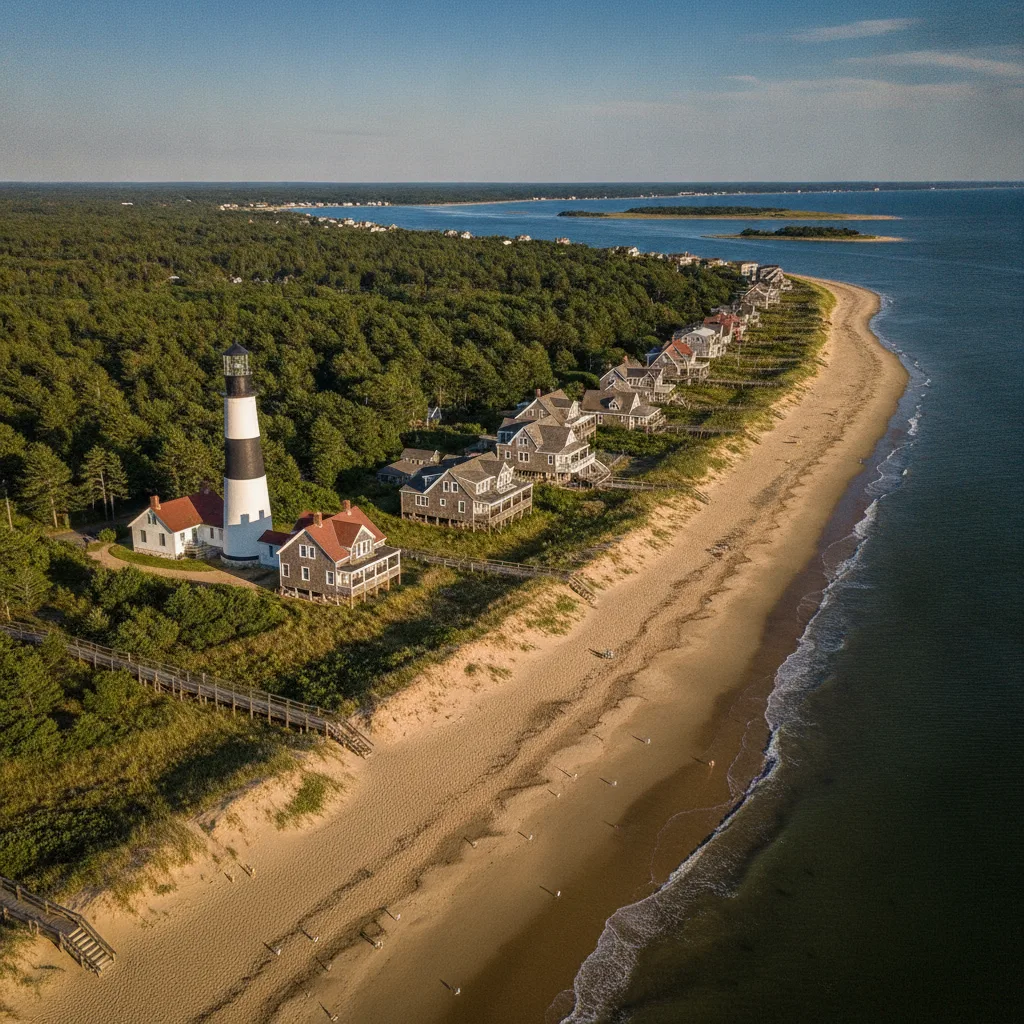
Our Fire Island National Seashore guide covers practical planning for Fire Island National Seashore New York — best time to visit, getting there, and what to do on the ground.
As independent US travel authorities, our team at Roam States is here to cut through the noise and deliver the essential details for your trip to Fire Island. This unique barrier island, stretching for 32 miles off the southern coast of Long Island, offers a truly distinctive escape from the everyday. Fire Island National Seashore New York is a place defined by its pristine, car-free communities, dynamic maritime forests, and the iconic Fire Island Lighthouse, all enveloped by diverse ecosystems and the rhythmic Atlantic waves. It’s a destination that promises both serene natural beauty and vibrant community life, a rare blend that captivates every visitor.
Why Visit Fire Island National Seashore
We believe Fire Island National Seashore offers a singular experience unlike any other in New York. Imagine trading traffic for boardwalks, and skyscrapers for towering dunes and ancient maritime forests. This is a place where the pace slows, and nature takes center stage. The island's car-free environment fosters a sense of community and encourages exploration on foot or by bicycle, connecting you intimately with its unique landscape. From the federally designated Otis Pike Fire Island High Dune Wilderness, a 1,400-acre expanse of untouched beach, dunes, and forest, to the charming, distinct hamlets, Fire Island presents a compelling blend of wild beauty and relaxed coastal living.
Beyond its natural allure, Fire Island boasts a rich history, particularly evident at the Fire Island Lighthouse, a crucial landmark for transatlantic ships for centuries. The island's cultural fabric is also noteworthy, with communities like Fire Island Pines and Cherry Grove having served as vital LGBTQ+ havens since the 1940s, contributing to a deeply accepting and vibrant social scene. Whether you seek solitude on expansive beaches, an immersive nature experience, or a lively community atmosphere, Fire Island National Seashore delivers an authentic and unforgettable East Coast getaway.
Who It's Best For
Fire Island National Seashore truly caters to a diverse range of travelers, but we've found it particularly shines for those seeking a specific kind of escape. It’s ideal for nature lovers, birdwatchers, and outdoor enthusiasts who relish the opportunity to explore pristine beaches, hike through unique ecosystems like the Sunken Forest, and spot diverse wildlife, including seals in winter. Families with children will appreciate the safe, car-free environment and the educational opportunities at the lighthouse and visitor centers. The boardwalk trails at places like Watch Hill protect visitors while offering excellent bird-watching opportunities.
Couples and solo travelers looking for a tranquil retreat will find solace in the miles of uninterrupted Atlantic beach, while those seeking a more vibrant social scene will be drawn to the lively communities of Ocean Beach, Cherry Grove, and Fire Island Pines. It's also a fantastic destination for those who appreciate a slower pace, where getting around on foot, bicycle, or with a classic red wagon replaces the hustle and bustle of mainland life. If you're looking for resort-style luxury with extensive services and fine dining, this might not be your primary destination, as the island's charm lies in its more rustic, community-focused offerings.
Getting There & Parking
Understanding how to get to Fire Island National Seashore is key to planning your visit, as the island is largely car-free. The primary way to reach most communities and National Seashore sites is by passenger ferry from mainland Long Island.
Ferry Services
Three main ferry terminals on Long Island provide access to different parts of Fire Island:
- Bay Shore: Ferries from Bay Shore serve communities like Ocean Beach, Kismet, Fair Harbor, Atlantique, Dunewood, Ocean Bay Park, and Seaview. The crossing time is approximately 25-35 minutes, with tickets ranging from $11-$22. The summer season schedule for Atlantique runs from June 19 through September 8, 2026.
- Sayville: From Sayville, you can reach Fire Island Pines, Cherry Grove, Sailors Haven (home to the Sunken Forest), and Water Island.
- Patchogue: Ferries from Patchogue serve Davis Park and Watch Hill. The Patchogue to Davis Park ferry takes about 30 minutes and runs approximately 15 daily sailings, with tickets priced at $10-$18. The season for Davis Park runs from June 19 to September 8, 2026. The Patchogue to Watch Hill ferry also takes about 30 minutes, with 4-6 daily seasonal sailings and tickets between $9-$16.
We strongly recommend checking the specific ferry company websites for the most up-to-date 2026 schedules and fares, as they can vary by season, day of the week, and destination. Ferries typically run more frequently during the peak summer months (Memorial Day to Labor Day).
Getting to the Ferry Terminals
You can reach the Long Island ferry terminals by car or by taking the Long Island Rail Road (LIRR) from Penn Station or Grand Central in New York City. Some ferry terminals offer shuttle or taxi services from the LIRR station.
Parking
As there is no parking within Fire Island National Seashore itself, you will need to park on the mainland before taking a ferry to your destination.
- Fire Island Lighthouse: To visit the lighthouse, you must park at Robert Moses State Park (Field 5), which charges a fee during the season. From the parking lot, it's a 0.6-mile walk along a boardwalk to the lighthouse.
- Wilderness Visitor Center: For the eastern end of the Seashore, including the Wilderness Visitor Center, parking is available at Smith Point County Park, which also charges a parking fee in season. There is a free 15-minute lot at the Wilderness Visitor Center for drop-offs.
- Sailors Haven: If traveling to Sailors Haven from Sayville, expect to pay for parking in addition to your ferry fares.
- Watch Hill: The ferry from Patchogue to Watch Hill currently provides free parking.
Parking lots, especially at state and county parks, can fill up quickly during peak summer weekends, so we advise arriving early.
Top Things to Do
When considering things to do at Fire Island National Seashore, we're always struck by the sheer diversity of experiences available, from tranquil nature walks to vibrant community activities. This car-free haven invites you to slow down and immerse yourself in its unique charm.
Explore the Fire Island Lighthouse
A visit to the Fire Island Lighthouse is a must. This historic landmark, which once guided transatlantic ships, offers a unique glimpse into maritime history. We highly recommend taking the 182-step tour to the top for breathtaking panoramic views of the island, the Atlantic Ocean, and even the distant New York City skyline on a clear day. The lighthouse is open daily, typically from 10 AM to 4 PM, with extended summer hours until 5 PM from June 30th to Labor Day.
Discover the Sunken Forest at Sailors Haven
One of the true natural wonders of Fire Island National Seashore is the Sunken Forest at Sailors Haven. This rare maritime holly and sassafras forest grows below the dune ridge, creating a unique, cathedral-like canopy that feels otherworldly. Boardwalk trails wind through this enchanting ecosystem, protecting both the delicate environment and visitors from poison ivy and ticks. Guided tours are often available, offering insights into its unique history. Sailors Haven also provides amenities like a snack concession and picnic areas.
Relax and Recreate at Watch Hill
Watch Hill is another gem within Fire Island National Seashore, offering a fantastic blend of recreation and relaxation. Accessible by ferry from Patchogue, it features a protected bathing beach with lifeguards during the summer season, boardwalk trails perfect for hiking and bird-watching, a marina, and camping facilities. We find it an excellent spot for families and those looking to practice camping skills in a safe environment.
Beach Activities and Water Sports
The pristine beaches of Fire Island are, of course, a major draw. You can spend your days swimming, sunbathing, or beachcombing for shells and marine treasures. For more active pursuits, the island offers opportunities for surfing, sea kayaking, canoeing, and even windsurfing in the Great South Bay. Lifeguard-surveyed zones are available at Sailors Haven and Watch Hill for safe swimming.
Hiking and Biking
With its car-free environment, Fire Island is a hiker's and biker's paradise. Beyond the boardwalks of the Sunken Forest and Watch Hill, you can explore longer stretches of beach, salt marsh, and forest terrain within the Otis Pike Fire Island High Dune Wilderness. Remember to bring your own bike or rent one in one of the communities, as there are no public roads for cars.
Wildlife Viewing
Fire Island is a haven for wildlife. Birdwatching is a popular activity, especially during the fall migration along the Atlantic Flyway, and you might spot piping plovers nesting in the dunes. In the off-season, particularly winter, it's a great time for seal spotting. Always remember to keep a respectful distance from wildlife and adhere to park regulations, especially regarding pet restrictions in certain areas during nesting season (March 15 through Labor Day).
Beyond the Seashore: Things to do in Long Island
While Fire Island National Seashore offers a world unto itself, we also encourage exploring the broader Long Island region. There are plenty of things to do in Long Island that complement a Fire Island visit. For instance, you could spend a day at Central Park in New York City before heading out to the island. Other notable Long Island attractions include the beautiful **Jones Beach State Park** for more beach time and outdoor relaxation, the stunning **Planting Fields Arboretum** with its colorful spring gardens, and **Sunken Meadow State Park** offering scenic boardwalks.
Families might enjoy the **Long Island Aquarium** in Riverhead or the **Vanderbilt Museum**, which also features a planetarium. The **Robert Moses State Park**, adjacent to the Fire Island Lighthouse, is also a popular spot for swimming and surf fishing. For those interested in history, consider visiting the Statue of Liberty & Ellis Island, or even exploring the vibrant Long Island Wine Country, particularly the North Fork, known for its wineries and scenic coastal bluffs. Long Island also hosts various festivals and events throughout the year, especially in spring and summer.
Best Time to Visit
Our team consistently advises that the best time to visit Fire Island National Seashore is during the warmer months, specifically from **June through September**. This period offers the most favorable weather for beach activities, swimming, and enjoying the full range of services and events on the island.
- Peak Season (July & August): These are the warmest months, with daytime highs around 28-29°C (82-85°F) and water temperatures hitting 23-24°C (73-75°F). Expect long days, a vibrant social scene, and all island services in full operation. However, this also means higher prices and larger crowds.
- Shoulder Seasons (May & September): For those seeking a balance of good weather, fewer crowds, and potentially better value, May and September are excellent choices. In June, water temperatures are around 20°C (68°F) and daily highs around 25°C (77°F). September is particularly underrated; the water remains warm from summer, crowds drop by about 40%, and prices ease. September also marks the beginning of the fall bird migration, making it an interesting time for birdwatchers.
- Off-Season (October through April): While parts of Fire Island are accessible year-round, most communities and services effectively close down during the off-season. Public transportation to the island is limited, and winter storms can be severe. However, it can be a good time for solitude and wildlife spotting, especially seals.
We always recommend checking the weather forecast before booking ferries, especially in the late summer and early fall (August-October), as this is hurricane season, and Fire Island has experienced significant damage from past storms.
Where to Stay Nearby
Finding Fire Island National Seashore lodging requires a bit of planning, as the island offers a range of options from charming inns to private rentals and even camping. Since cars are generally prohibited on most of the island, your choice of accommodation often dictates your access and experience.
On Fire Island
The various communities along Fire Island each have their own character and lodging options:
- Ocean Beach: Often referred to as the "capital" of Fire Island, Ocean Beach is known for its lively atmosphere with restaurants, shops, and a few hotels.
- Fire Island Pines & Cherry Grove: These are historically significant LGBTQ+ enclaves, offering a vibrant social scene, restaurants, and hotels.
- Kismet & Saltaire: These tend to be quieter, more family-oriented communities with private rentals dominating.
- Watch Hill & Sailors Haven: For a more nature-focused stay within the National Seashore, both Watch Hill and Sailors Haven offer camping. Watch Hill has a designated campground, and backcountry camping is available in the Otis Pike Fire Island High Dune Wilderness by permit. Watch Hill also offers glamping sites. Reservations for 2026 camping at Watch Hill and Sailors Haven will open soon, and we advise booking early, especially for peak season.
Many accommodations on the island, particularly private house rentals, often require a minimum stay of seven nights, especially during the prime summer months (June-August). We strongly advise booking your Fire Island National Seashore lodging 4-6 months in advance to secure your preferred dates and location.
On the Mainland (Long Island)
If you prefer to stay on the mainland and take day trips to Fire Island, there are numerous hotels and guesthouses in the towns near the ferry terminals, such as Bay Shore, Sayville, and Patchogue. This offers flexibility and potentially more budget-friendly options, though you'll need to factor in ferry travel time and costs for each visit to the island.
Sample 2-Day Itinerary
Here’s how we’d plan a memorable 2-day trip to Fire Island National Seashore, focusing on a blend of iconic sights and natural immersion:
Day 1: Western End Exploration & Lighthouse Views
- Morning (9:00 AM): Depart from Bay Shore via ferry to Ocean Beach or Kismet. Enjoy the scenic ride across the Great South Bay.
- Late Morning (10:30 AM): Head towards the Fire Island Lighthouse. If you parked at Robert Moses State Park, enjoy the picturesque boardwalk walk to the lighthouse.
- Noon (11:00 AM - 1:00 PM): Climb the 182 steps of the Fire Island Lighthouse for unparalleled panoramic views. Explore the exhibits detailing its maritime history.
- Lunch (1:00 PM): Enjoy a casual lunch at a snack bar or restaurant in Kismet or Ocean Beach, depending on your ferry arrival point.
- Afternoon (2:30 PM - 5:00 PM): Relax on the nearby beaches, swim in the Atlantic, or take a leisurely walk along the shore.
- Evening: Enjoy dinner at one of the island's charming restaurants. Consider an early evening ferry back to the mainland if staying off-island, or settle into your Fire Island lodging.
Day 2: Sunken Forest & Wilderness Immersion
- Morning (9:00 AM): Take a ferry from Sayville to Sailors Haven.
- Late Morning (10:00 AM - 12:30 PM): Immerse yourself in the unique beauty of the Sunken Forest. Walk the boardwalk trails and consider a guided tour to learn about this rare maritime forest.
- Lunch (12:30 PM): Grab a bite at the snack concession at Sailors Haven or enjoy a picnic in the designated areas.
- Afternoon (2:00 PM - 4:30 PM): Head to Watch Hill (accessible by water taxi from Sailors Haven or a longer walk/bike ride). Explore the Watch Hill Visitor Center, enjoy birdwatching along the boardwalks, or relax on the protected beach.
- Late Afternoon: If you're feeling adventurous and have a backcountry camping permit, you could embark on a hike into the Otis Pike Fire Island High Dune Wilderness from Watch Hill. Alternatively, take a ferry back to the mainland from Watch Hill or Sayville.
Is It Worth Visiting?
From our perspective as seasoned travelers, the question "is Fire Island National Seashore worth visiting?" is met with an emphatic yes, but with a crucial caveat: it depends on what you're seeking. For those who embrace its unique, car-free character and appreciate natural beauty over resort amenities, Fire Island is an unparalleled destination in New York.
We find its value lies in the genuine escape it offers. The opportunity to explore miles of pristine beaches, wander through the enchanting Sunken Forest, and climb the historic Fire Island Lighthouse provides a refreshing contrast to the fast pace of city life. The vibrant communities, particularly during peak season, offer a lively social scene and a welcoming atmosphere that has historically been a haven for diverse groups. If you're a nature lover, a birder, a family looking for a safe and unique beach experience, or someone simply yearning to disconnect and reconnect with the outdoors, then Fire Island National Seashore is absolutely worth visiting. However, if you're on a tight budget expecting cheap luxury, or require constant vehicle access and extensive resort services, you might find the island's unique economics and transportation limitations less appealing. Ultimately, its charm is in its distinctiveness, offering an authentic barrier island experience that stays with you long after you've left its sandy shores.
FAQ
Fire Island National Seashore with kids
Fire Island National Seashore is an excellent destination for families with kids! Its car-free environment makes it safe for children to explore on foot or by bicycle within the communities and along boardwalks. We recommend visiting the Fire Island Lighthouse for an engaging historical experience and the climb to the top. The Sunken Forest at Sailors Haven offers a magical, easy-to-navigate boardwalk trail that's fascinating for all ages. Watch Hill provides a protected bathing beach with lifeguards during the summer season, as well as easy hiking and camping opportunities. Remember to pack light, bring a wagon for gear, and be prepared for sun protection and insect repellent, especially in warmer months.
Best hotels near Fire Island National Seashore
Since Fire Island is largely car-free, "near" means either on the island itself or in the mainland towns where the ferries depart. On Fire Island, you'll find hotels and inns primarily in the more developed communities like Ocean Beach, Fire Island Pines, and Cherry Grove. These range from charming boutique hotels to more casual guesthouses. For a unique experience, consider the camping and glamping options at Watch Hill and Sailors Haven within the National Seashore. On the mainland, towns like Bay Shore, Sayville, and Patchogue offer a wider selection of hotels, from budget-friendly chains to more upscale options, providing a convenient base for day trips via ferry.
Fire Island National Seashore tips
Our top tips for visiting Fire Island National Seashore include: **Book early**, especially for summer lodging and ferry tickets, as prime weeks go fast. **Pack light** and consider bringing a sturdy wagon to transport your belongings, as cars are not allowed in most areas. Always **check ferry schedules** in advance, as they vary by season and destination, and can be affected by weather. Be prepared for **sun, heat, ticks, and mosquitoes** in warmer months. Bring your own **food and water** if venturing into less developed areas, as services can be limited. Finally, embrace the **car-free lifestyle** – it's part of the island's charm!
Where to stay near Fire Island National Seashore
When deciding where to stay near Fire Island National Seashore, you have two main choices: directly on the island or on the mainland of Long Island. On Fire Island, you can find accommodations in its various communities, such as hotels and guesthouses in Ocean Beach, Fire Island Pines, or Cherry Grove. For a more rustic experience, Watch Hill and Sailors Haven offer designated campgrounds and glamping sites. If you prefer to stay on the mainland, towns like Bay Shore, Sayville, and Patchogue, which are home to the ferry terminals, provide a range of hotels and vacation rentals. This allows for day trips to the island while offering more amenities and dining options on Long Island.
Fire Island National Seashore parking
There is no parking directly within Fire Island National Seashore for most visitors. Instead, you'll park on the mainland at designated lots and take a ferry. For the Fire Island Lighthouse, parking is available at Robert Moses State Park (Field 5), which charges a fee in season. To access the Wilderness Visitor Center, you'll park at Smith Point County Park, also for a fee in season. The Patchogue to Watch Hill ferry currently offers free parking. For other ferry terminals like Sayville, expect to pay parking fees in addition to ferry fares. Parking lots can fill quickly, especially on summer weekends, so arrive early.
Best time to visit Fire Island National Seashore
The best time to visit Fire Island National Seashore is during the summer, from **June through September**. This period offers the warmest weather, ideal for swimming and beach activities, and all island services are fully operational. July and August are peak months with the warmest temperatures and most events, but also the largest crowds and highest prices. For a more relaxed experience with good weather and fewer people, we recommend the shoulder seasons of **late May and September**. In September, the ocean water is still warm, and birdwatching for fall migration begins. The off-season (October to April) sees most services closed and limited ferry access.
We hope this comprehensive guide helps you plan an unforgettable trip to Fire Island National Seashore. This unique barrier island truly offers a refreshing escape, blending natural beauty with a vibrant, car-free lifestyle. Whether you're drawn to its historic lighthouse, the enchanting Sunken Forest, or simply its pristine beaches, we're confident you'll find a piece of paradise here. Don't forget to explore the wider New York region, perhaps combining your island adventure with a visit to iconic spots like Central Park or the Statue of Liberty & Ellis Island for a truly diverse East Coast experience. Happy travels from the Roam States team!
Last updated: 2026-07-07 by the Roam States team.