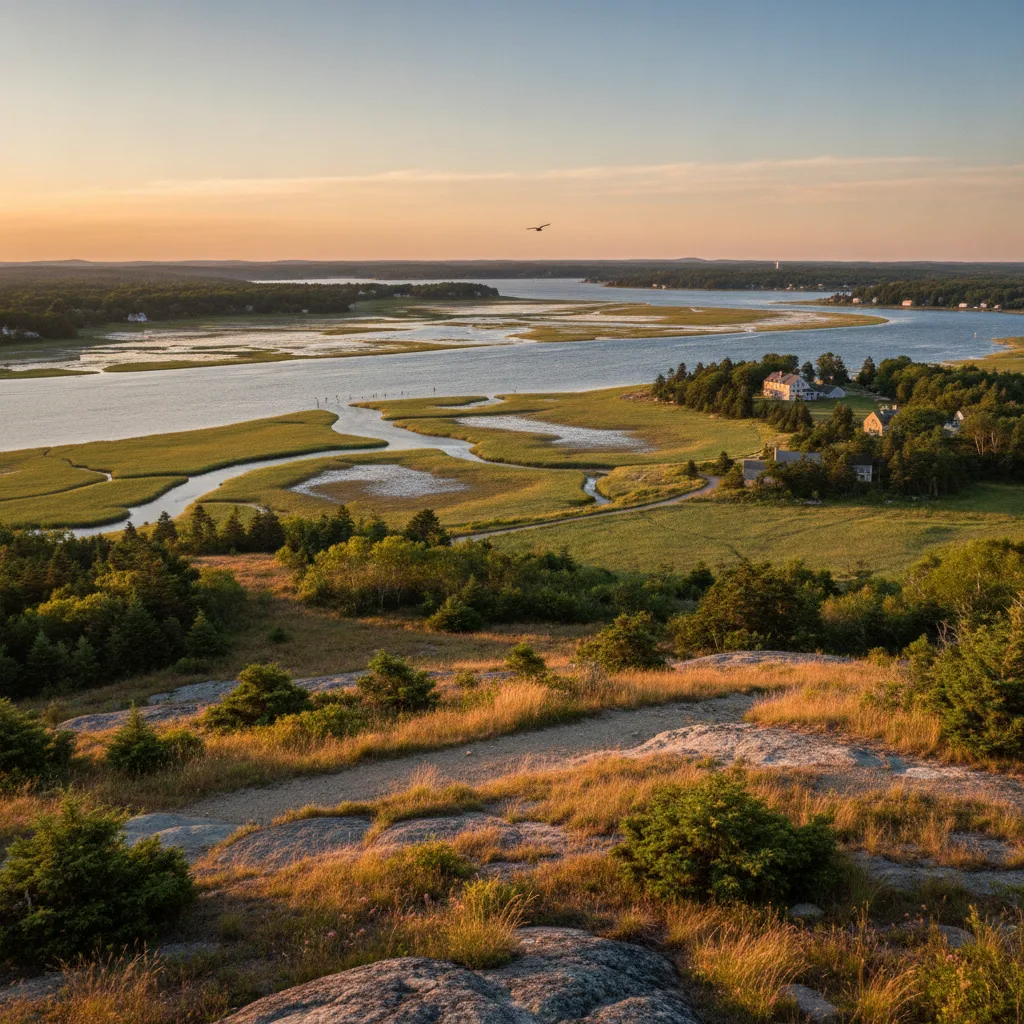
Our Great Bay National Estuarine Research Reserve guide covers practical planning for Great Bay National Estuarine Research Reserve New Hampshire — best time to visit, getting there, and what to do on the ground.
As independent US travel authorities, our Roam States team is dedicated to bringing you the most accurate and insightful travel information, free from generic fluff. We understand that planning a trip requires reliable details, especially when exploring unique natural areas like the Great Bay National Estuarine Research Reserve New Hampshire. This comprehensive guide is designed to equip you with everything you need for a confident and specific visit, ensuring you make the most of your time in this vital estuarine ecosystem.
Why Visit Great Bay National Estuarine Research Reserve
The Great Bay National Estuarine Research Reserve in New Hampshire offers a compelling escape into a thriving coastal ecosystem, a stark contrast to the state's more famous mountainous regions. This expansive reserve, encompassing over 10,000 acres of protected public lands and open water, is a critical area for both wildlife and environmental education. We recommend a visit here for its unparalleled opportunities to connect with nature and understand the delicate balance of an estuary.
At its core, the Great Bay National Estuarine Research Reserve is a living laboratory. It protects diverse habitats, including salt marshes, mudflats, tidal creeks, rocky intertidal zones, eelgrass beds, and upland forests. This rich tapestry of environments supports a remarkable array of wildlife, making it a prime location for birdwatching and observing marine life. Visitors can expect to see migratory osprey, various waterfowl, and even wintering bald eagles. The reserve also plays a crucial role in scientific research and monitoring, contributing to a deeper understanding of coastal ecosystems and climate change impacts.
Beyond its ecological significance, the reserve provides a unique educational experience. The Great Bay Discovery Center serves as the educational headquarters, offering interpretive exhibits and interactive displays that delve into the cultural and natural history of the Great Bay Estuary. It's a place where both adults and children can engage directly with the environment, fostering a greater appreciation for conservation. The commitment to stewardship and public education is evident in every aspect of the reserve, making it an enriching destination for anyone interested in environmental science or simply seeking a peaceful natural retreat.
Who It's Best For
The Great Bay National Estuarine Research Reserve caters to a wide range of visitors, each seeking a different connection to nature and education. Our team believes it's an ideal destination for:
- Nature Enthusiasts and Birdwatchers: With its location on the North Atlantic Flyway, the reserve is a hotspot for migratory birds, including osprey and bald eagles. The diverse habitats provide ample opportunities for spotting a variety of waterfowl, shorebirds, and raptors.
- Families with Children: The Great Bay Discovery Center offers hands-on exhibits, including an estuarine touch tank where children can interact with horseshoe crabs, oysters, and mud snails. Universally accessible trails and boardwalks make it easy for all ages to explore, and educational programs like "Once Upon an Estuary for Kids" provide engaging learning experiences.
- Environmental Educators and Researchers: As a National Estuarine Research Reserve, it's a hub for long-term research, water quality monitoring, and coastal stewardship. The reserve hosts workshops and provides technical assistance, making it a valuable resource for professionals and students in environmental fields.
- Hikers and Walkers: The reserve offers a variety of trails, from easy boardwalk strolls over salt marshes to woodland paths. These trails provide accessible ways to immerse oneself in the natural beauty and observe wildlife without strenuous exertion.
- Kayakers and Boaters: The Great Bay Estuary itself offers opportunities for boating and kayaking, allowing visitors to explore tidal creeks and open waters (though guided kayak tours may be on hold, public access for self-guided exploration is generally available).
- Those Seeking Tranquility: The undeveloped shoreline and peaceful atmosphere provide a serene environment for quiet reflection, photography, or simply enjoying the fresh air and natural sounds of the estuary.
Whether you're looking for an active outdoor adventure, an educational outing, or a peaceful escape, the Great Bay National Estuarine Research Reserve offers a fulfilling experience.
Getting There & Parking
Navigating to the Great Bay National Estuarine Research Reserve is straightforward, with clear directions provided by the reserve itself. The primary access point and educational hub is the Great Bay Discovery Center, located at 89 Depot Road in Greenland, New Hampshire.
Directions to the Great Bay Discovery Center:
- From the North (I-95 or Spaulding Turnpike): Take I-95 Exit 3B and turn left onto Route 33. Follow Route 33 for approximately five miles. Turn right onto Sandy Point Road, then after about a quarter-mile, turn right again onto Depot Road. Follow Depot Road to its end.
- From the North (Route 108): Take a left onto Squamscott Road after crossing the bridge over the Squamscott River. At the traffic lights, take another left onto Route 33. Then, take the second left onto Depot Road and follow it to the end.
- From the South (I-95): Take Exit 2 (just before the Hampton tolls) and head west on Route 101 for about 4.5 miles until you reach the exit for Routes 33/108. Turn right at the bottom of the ramp. Follow Route 33 for approximately four miles. Take the second left onto Depot Road after the Squamscott Road traffic lights. Follow Depot Road to the end.
- From the West (Route 101): Take the exit for Routes 33/108 in Exeter, turning left at the bottom of the ramp. Follow Route 33 for approximately four miles. Take the second left onto Depot Road after the Squamscott Road traffic lights. Follow Depot Road to the end.
Parking at the Great Bay National Estuarine Research Reserve:
Parking is available at the Great Bay Discovery Center campus. We can confirm that there is no entrance fee to access the trails and grounds, and parking is also free. The facilities at the Discovery Center include a porous pavement parking lot, which is an innovative technology designed for managing stormwater and reducing energy consumption.
For larger groups (more than 10 people) or any formal groups (such as summer camps or scout groups), the reserve requests that you contact them ahead of your visit to the Discovery Center property. This helps them manage visitor flow and ensures a smooth experience for everyone. The trails and grounds are open every day, year-round, from dawn to dusk.
Top Things to Do
The Great Bay National Estuarine Research Reserve offers a wealth of activities that allow visitors to fully immerse themselves in its unique environment. Our team has identified the top things to do at Great Bay National Estuarine Research Reserve, ensuring a memorable and enriching experience for all.
Explore the Great Bay Discovery Center
The Great Bay Discovery Center serves as the primary gateway to understanding the estuary. Inside, you'll find engaging interpretive exhibits that detail the natural and cultural history of the Great Bay Estuary. Children, in particular, will enjoy the estuarine touch tank, where they can get hands-on with creatures like horseshoe crabs, oysters, and mud snails. Interactive displays cover topics such as salt marsh farming, salmon migration, plankton, and tides, making learning accessible and fun for all ages. The Discovery Center building is open seasonally from May 1st to October 24th, Tuesday through Saturday, from 10 AM to 4 PM in 2026, and is free to enter, though donations are accepted. It will be closed on July 3rd and 4th, 2026.
Hiking and Trail Exploration
One of the most popular things to do at Great Bay National Estuarine Research Reserve is to explore its diverse network of trails. The reserve offers various paths that wind through upland forests, freshwater wetlands, and salt marshes.
- Great Bay Discovery Center Trail: This universally accessible trail, including a 1,700-foot boardwalk, offers an easy 0.6-mile stroll over the salt marsh, providing stunning views of Great Bay. It's an excellent option for families, wheelchair users, and those seeking a gentle walk.
- Crommet Creek: This area offers hiking opportunities and a freshwater overlook, where you might spot resident beavers.
- Adams Point: Located on a historic peninsula, Adams Point provides opportunities for picnicking, hiking, and even oyster harvesting (check local regulations). The Adams Point loop is an easy 1.4-mile path that follows the shoreline and passes through woodlands.
- Great Bay National Wildlife Refuge Trails: Adjacent to the Research Reserve, the National Wildlife Refuge in Newington offers additional trails through undeveloped shoreline, salt marshes, and woodlands. These trails are generally flat and ideal for wildlife observation.
The trails and grounds are open daily from dawn to dusk, year-round, and are free to access.
Wildlife Watching and Photography
The Great Bay National Estuarine Research Reserve is a haven for wildlife. Its position on the North Atlantic Flyway means exceptional birdwatching opportunities, especially during migratory seasons. Keep an eye out for osprey, bald eagles, various waterfowl, and shorebirds. The diverse habitats also support mammals like deer and even bobcats. Photography enthusiasts will find endless subjects, from the expansive bay vistas to intricate marsh flora and fauna.
Boating and Paddling
For those who prefer to explore by water, the Great Bay Estuary provides opportunities for boating and kayaking. While guided kayak tours by the Discovery Center are currently on hold, visitors can still launch their own kayaks or canoes to navigate the tidal creeks and open waters. It's essential to check tide charts before heading out to ensure safe navigation. A high tide and cartop-only boat access is available at the Hugh Gregg Coastal Conservation Center in Greenland.
Fishing and Hunting
The Great Bay Reserve upholds a tradition of responsible hunting and fishing. All Reserve lands are open to the public for these activities. Visitors interested in fishing or hunting should consult the New Hampshire Fish and Game Department for specific regulations, seasons, and licensing requirements.
Participate in Educational Programs and Events
The reserve frequently hosts educational programs for all ages. These include "Once Upon an Estuary for Kids" for young children, "Bayventures" for older kids, and "Winter Bayview Lectures" for adults, covering topics relevant to the Great Bay Estuary. Some programs require registration and may have a fee, so checking the reserve's calendar in advance is recommended. Additionally, the Great Bay EcoCruise, offered by New Hampshire Sea Grant, provides an informal educational cruise on the UNH research vessel, R/V Gulf Challenger, allowing participants to learn about marine and estuarine ecosystems firsthand. These cruises are open to adults and children aged 10 and older, with a cost of $60 for adults and $40 for youth in 2026.
Best Time to Visit
Determining the best time to visit the Great Bay National Estuarine Research Reserve depends largely on your interests, as each season offers a distinct experience. Our team has compiled insights to help you plan your trip:
Spring (April to May)
Spring is a vibrant time at the reserve as life reawakens. Migratory birds begin to return, and the salt marshes start to green. The weather can be variable, with cool mornings and potentially muddy trails, so we recommend wearing appropriate footwear. This is an excellent time for birdwatching as many species are active and visible. The Great Bay Discovery Center's exhibit room typically opens in early May.
Summer (June to August)
Summer offers the warmest weather and the longest daylight hours, making it ideal for extended outdoor activities. The Discovery Center's exhibit room is fully operational, and many educational programs for children and families are in full swing. Boating and kayaking are particularly enjoyable during this season. However, summer also brings more visitors, especially on weekends, and biting insects can be present, so come prepared with insect repellent. Events like Stratham Summerfest in July offer additional local attractions.
Autumn (September to October)
Autumn is arguably one of the most beautiful times to visit. The foliage around the bay changes to brilliant hues, creating stunning photographic opportunities. Migratory birds are on the move again, offering excellent birdwatching. The weather is generally crisp and pleasant for hiking. The Great Bay Discovery Center's exhibit room remains open until late October. This season often provides a balance of comfortable temperatures and fewer crowds than peak summer.
Winter (November to March)
While the Great Bay Discovery Center's exhibit room closes for the season in late October, the trails and grounds of the reserve remain open daily from dawn to dusk, year-round. Winter offers a unique, serene beauty, with opportunities to spot wintering bald eagles and other hardy wildlife. Snowshoeing on the marsh might be possible after a snowfall. Dress warmly in layers, as coastal New Hampshire winters can be cold and windy. Adult lecture series, known as "Winter Bayview Lectures," are also offered during this time, providing indoor educational opportunities.
In summary, for the most comprehensive experience with educational programs and warmer weather, summer and early autumn are prime. For serious birdwatchers and those seeking solitude amidst stunning scenery, spring and late autumn are excellent choices. Even in winter, the reserve offers a quiet beauty and unique wildlife viewing opportunities.
Where to Stay Nearby
When planning your visit to the Great Bay National Estuarine Research Reserve, our team recognizes the importance of convenient and comfortable Great Bay National Estuarine Research Reserve lodging options. While there is no camping directly within the reserve (see FAQ for more details), the surrounding towns offer a variety of accommodations, from charming inns to modern hotels, providing easy access to the reserve and other regional attractions.
Stratham & Exeter
The towns closest to the Great Bay National Estuarine Research Reserve are Stratham and Exeter. Stratham is home to parts of the reserve itself, while Exeter, a historic town, is just a short drive away and offers a quaint downtown area with shops and restaurants.
- Hampton Inn & Suites Exeter: This hotel offers comfortable rooms and suites, often including amenities like complimentary breakfast and an indoor pool. It's a reliable choice for families and those seeking modern conveniences.
- Fairfield Inn Amesbury: While slightly further afield in Massachusetts, Amesbury is still a convenient option, especially if you're exploring the wider Seacoast region. The Fairfield Inn provides standard hotel amenities.
Portsmouth
For visitors seeking a wider array of dining, shopping, and cultural experiences, Portsmouth is an excellent choice. Located just a short drive from the Great Bay National Estuarine Research Reserve, Portsmouth is a vibrant historic city with a bustling downtown and picturesque harbor. It offers numerous Great Bay National Estuarine Research Reserve lodging options, from boutique hotels to well-known chains.
- Hampton Inn & Suites Portsmouth Downtown: Situated in the heart of Portsmouth, this hotel provides easy access to the city's attractions and offers comfortable lodging with typical Hampton Inn amenities.
- Homewood Suites by Hilton Portsmouth: Ideal for longer stays or families, Homewood Suites offers spacious suites with kitchens, along with complimentary breakfast and evening socials.
- Hilton Garden Inn Portsmouth Downtown: Another excellent downtown option, the Hilton Garden Inn provides modern rooms, an on-site restaurant, and proximity to many of Portsmouth's highlights.
- Courtyard Portsmouth: Offering a balance of comfort and convenience, the Courtyard by Marriott is a solid choice for travelers looking for a well-appointed hotel near downtown Portsmouth.
Staying in Portsmouth allows you to combine your nature-focused visit to the reserve with exploring other popular New Hampshire destinations like Portsmouth Harbor Trail and Prescott Park.
Other Nearby Towns
Other towns like Dover and Durham, home to the University of New Hampshire, also offer lodging and dining options within a reasonable driving distance of the reserve, providing additional flexibility for your travel plans. When considering your Great Bay National Estuarine Research Reserve lodging, we recommend booking in advance, especially during peak seasons, to secure your preferred accommodation.
Sample 2-Day Itinerary
To help you maximize your visit to the Great Bay National Estuarine Research Reserve and the surrounding Seacoast region, our team has crafted a sample 2-day itinerary. This plan balances immersive nature experiences with local culture, ensuring a well-rounded trip.
Day 1: Immersion in the Reserve
Morning (9:00 AM - 12:00 PM): Great Bay Discovery Center & Trails
- Begin your day at the Great Bay Discovery Center, the educational heart of the Great Bay National Estuarine Research Reserve. Allow ample time to explore the interpretive exhibits, which provide a fantastic overview of the estuary's ecology and history.
- Engage with the interactive displays and, if visiting with children, make sure to experience the estuarine touch tank.
- Afterward, step outside to walk the universally accessible trail and boardwalk that winds through hardwood forests, freshwater wetlands, and salt marshes. This easy 0.6-mile loop offers stunning views and excellent opportunities for birdwatching.
Lunch (12:00 PM - 1:30 PM): Picnic at the Reserve or Local Eatery
- Pack a picnic to enjoy at one of the scenic spots within the reserve, such as the picnic pavilion at the Glenn Cove Wildlife Education Area.
- Alternatively, head to a local eatery in Stratham or nearby Exeter for a casual meal.
Afternoon (1:30 PM - 4:30 PM): Further Exploration or Water Activity
- Choose to explore another section of the Great Bay National Estuarine Research Reserve, such as Adams Point, where you can enjoy additional hiking trails and potentially observe oyster harvesting. The 1.4-mile Adams Point loop offers a scenic walk along the shoreline.
- If you have your own kayak or canoe, this is an excellent time to launch and explore the tidal creeks of the Great Bay Estuary. Remember to check tide charts beforehand.
Evening: Dinner in Portsmouth & Stroll
- Drive to Portsmouth for dinner, where you'll find a diverse culinary scene.
- After your meal, enjoy a leisurely stroll along the Portsmouth Harbor Trail, taking in the historic architecture and waterfront views. Consider a visit to Prescott Park if there are any evening events or simply to enjoy the gardens.
Day 2: Seacoast Exploration & Beyond
Morning (9:00 AM - 12:00 PM): Hampton Beach State Park or Strawbery Banke Museum
- Option 1 (Coastal Relaxation): Head to Hampton Beach State Park, New Hampshire's most popular beach. Enjoy a walk along the shore, breathe in the ocean air, and perhaps dip your toes in the Atlantic.
- Option 2 (History & Culture): Immerse yourself in history at Strawbery Banke Museum in Portsmouth. This outdoor living history museum showcases four centuries of daily life in a waterfront neighborhood.
Lunch (12:00 PM - 1:30 PM): Lunch in Portsmouth or Nearby Town
- Enjoy lunch at a restaurant in Portsmouth or a charming café in a nearby town like Exeter.
Afternoon (1:30 PM - 5:00 PM): Scenic Drive or Additional Attraction
- Option 1 (Scenic Drive): Take a scenic drive along New Hampshire's short but beautiful coastline, exploring charming towns and coastal vistas.
- Option 2 (Nature & Trails): If you're still craving more nature, consider a visit to Stratham Hill Park for more hiking opportunities, or explore the Great Bay National Wildlife Refuge for additional wildlife viewing.
- Option 3 (Family Fun): If traveling with kids, Water Country Water Park in Portsmouth offers a fun afternoon, though check seasonal operating hours.
Evening: Farewell Dinner
- Enjoy a final New Hampshire dinner, perhaps trying a seafood restaurant in Portsmouth or a farm-to-table experience in a smaller town.
This itinerary provides a robust exploration of the Great Bay National Estuarine Research Reserve New Hampshire and its surrounding area. For those interested in extending their trip or exploring more of the Granite State, consider visiting other fantastic destinations across New Hampshire, such as the majestic Cannon Mountain or the historic Castle in the Clouds, or even taking a ride on the Conway Scenic Railroad for a different perspective of the landscape. You can also utilize our USA Road Trip Planner for broader travel ideas.
Last updated: 2026-07-12 by the Roam States team.