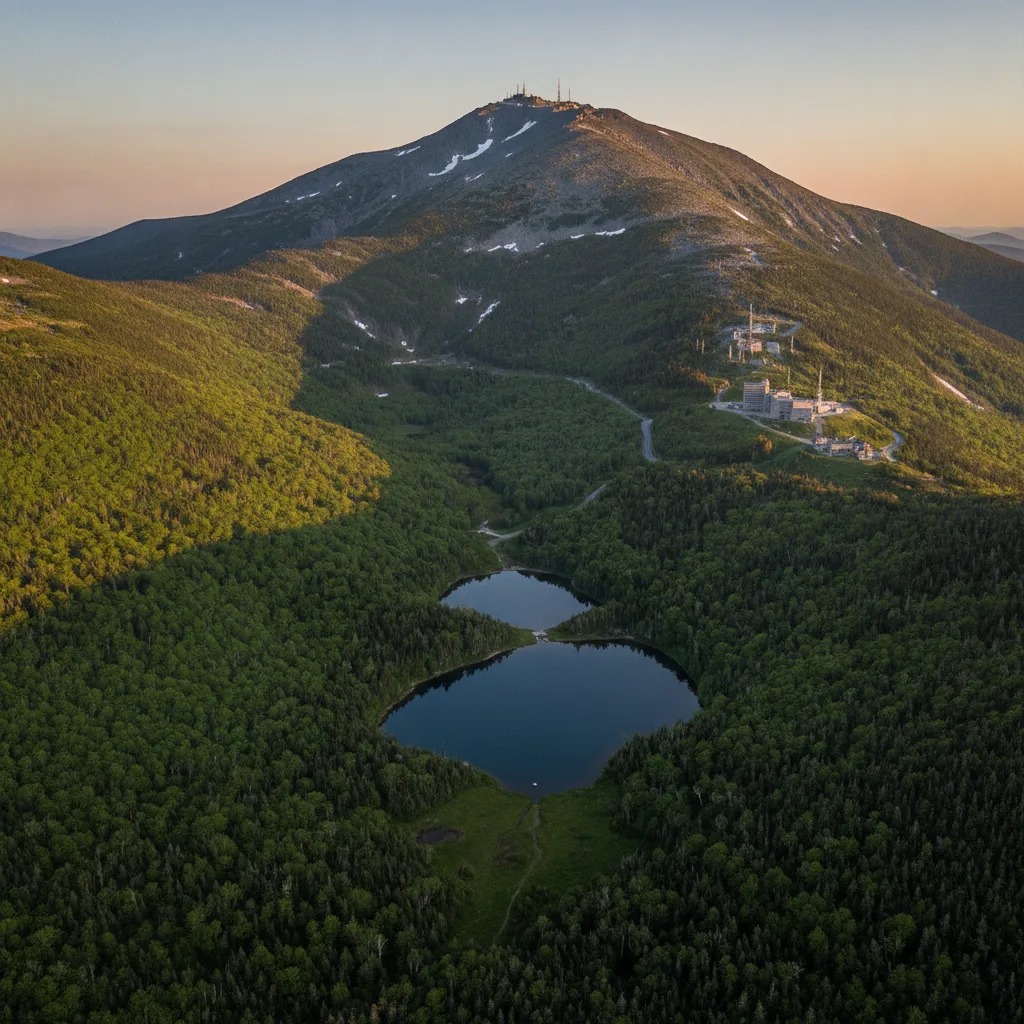
Mount Washington State Park Travel Guide — New Hampshire
Welcome to our comprehensive guide for Mount Washington State Park New Hampshire. As your independent US travel authority, our team is here to cut through the noise and provide confident, specific recommendations for experiencing the Northeast's highest peak.
Why Visit Mount Washington State Park
Mount Washington State Park offers an unparalleled experience for those seeking dramatic alpine scenery, extreme weather phenomena, and a tangible connection to the forces of nature. Perched atop the 6,288-foot summit, the park is a 60.3-acre parcel surrounded by the vast 800,000+ acre White Mountain National Forest. On a clear day, the panoramic views from the summit are breathtaking, extending up to 130 miles across New Hampshire, Vermont, New York, Massachusetts, Maine, Quebec, and the Atlantic Ocean.
It's not just the views that draw visitors; Mount Washington is famously home to some of the planet's most extreme weather. Hurricane-force winds are recorded on the summit an average of 110 days per year. This unique meteorological environment makes it a living laboratory for weather enthusiasts and a testament to nature's raw power. The summit facilities, including the Sherman Adams Summit Building, house the Mount Washington Observatory and its museum, offering interactive exhibits that delve into the mountain's extraordinary climate.
Whether you're a seasoned hiker, a scenic driver, or a history buff interested in the world's first mountain-climbing cog railway, Mount Washington State Park provides a diverse range of activities and educational opportunities that are truly one-of-a-kind. It's a place where you can witness the majesty of the White Mountains and gain a profound appreciation for the natural world.
Who It's Best For
Mount Washington State Park caters to a wide array of visitors, making it a versatile destination for many types of travelers.
- Adventure Seekers & Hikers: With numerous challenging trails leading to the summit and surrounding areas, this park is a prime destination for experienced hikers. The demanding terrain and unpredictable weather require proper preparation, but the rewards are immense.
- Families with Older Children: While the summit can be extreme, the various modes of ascent (Auto Road, Cog Railway) make it accessible for families. Older children will appreciate the novelty of reaching the highest peak in the Northeast and the educational exhibits at the summit. However, be aware that pets are not allowed inside the Sherman Adams Building or on the Cog Railway.
- Scenic Drivers: The Mount Washington Auto Road offers a thrilling and unforgettable drive to the summit, providing stunning vistas without the physical exertion of hiking. This is ideal for those who prefer to experience the mountain from the comfort of their vehicle.
- History & Engineering Enthusiasts: The Mount Washington Cog Railway, the world's first mountain-climbing cog railway, is a marvel of 19th-century engineering and a journey back in time. The summit's historic Tip Top House also offers a glimpse into the past.
- Nature Lovers & Photographers: The diverse ecological zones, from lush forests to alpine tundra, provide incredible opportunities for wildlife viewing and photography. The ever-changing weather patterns also create dramatic and unique photographic moments.
It's important to note that while the park is accessible, the summit environment is harsh. Those with health conditions sensitive to high altitudes or extreme weather should exercise caution and consult with their doctor before visiting.
Getting There & Parking
There are several ways to get to Mount Washington State Park, each offering a distinct experience. When planning how to get to Mount Washington State Park, consider your comfort level and desired adventure.
Mount Washington Auto Road
The Mount Washington Auto Road is a 7.6-mile privately owned road that allows you to drive your own vehicle to the summit. It's America's oldest man-made tourist attraction, in continuous operation since 1861. The road gains over 4,000 feet in elevation with an average grade of 12% and sections up to 22%.
- Hours: The Auto Road is typically open from mid-May until late October, generally between 7:30 AM and 6 PM, but hours vary by season and are always weather permitting. For example, in June 2026, it's open 9:00 AM – 5:00 PM, and from June 13 to August 23, 2026, it's 9:00 AM – 6:00 PM. Always check their official website or call (603) 466-3988 for the most current operating status, as weather can cause closures or delays.
- Fees (2026): Driving yourself costs $36 for an adult (ages 13+) and $15 for a child (ages 4-12). Toddlers (0-3) are free. Motorcycles also cost $36 for the driver. An Adult Auto Road Season Pass is $125, and a Kids Season Pass (ages 4-12) is $45, offering unlimited access during the 2026 season. For New Hampshire locals, a special rate of $26 for a single driver or $50 for a carload (up to four guests) is available from June 7–13, 2026.
- Guided Tours: If you prefer not to drive, 2-hour guided tours are available, typically from Memorial Day weekend through the end of the season, from 9:00 AM to 3:45 PM. These tours cost $59 per adult and $35 for children aged 4-12. Reservations are recommended, but walk-ins may be available.
- Parking: Parking is available at the summit in designated areas. Follow signs to the top for handicapped accessible parking. During special events like the Climb to the Clouds, specific parking rules and shuttle services apply, and the Auto Road may have restricted access or be closed.
- Vehicle Restrictions: There are width and length restrictions for private vehicles, and RVs are not recommended. Drive up in your normal gear ("D") and down in your lowest gear ("1", "L" or "L1") to prevent brake overheating.
Mount Washington Cog Railway
For a historic and scenic journey, the Mount Washington Cog Railway offers a unique alternative. It's the world's first mountain-climbing cog railway, in operation since 1869, and the second steepest rack railway globally. The 3-hour round trip departs from the Marshfield Base Station.
- Schedule (2026): The Cog Railway operates year-round. From May 2 through October 25, 2026, trains run to the 6,288-foot summit. During the off-season (late October through early May), trains run to the Waumbek Station at 4,000 feet. Hourly biodiesel departures are common, and beginning July 10, 2026, steam trains depart at 9:00 AM and 2:45 PM every Thursday, Friday, Saturday, and Sunday throughout the summer. It's crucial to arrive at the Base Station at least 45 minutes before your scheduled departure.
- Tickets: Tickets can be purchased online. If a trip is shortened due to weather to "Skyline" (5,600 ft) or "Waumbek" (4,000 ft), ticket prices will be reduced, with a refund of up to $21 for an adult ticket to Skyline and a flat rate of $57 for adults to Waumbek.
- Parking: Free parking is available at the Marshfield Base Station.
Hiking Trails
For the adventurous, numerous hiking trails lead to the summit. Trailheads are located at Pinkham Notch, Crawford Notch, and the Cog Railway base station. We will delve into Mount Washington State Park hiking trails in more detail below.
Top Things to Do
When you visit Mount Washington State Park, you'll find a wealth of activities that cater to all interests and energy levels. Our team highly recommends these top things to do at Mount Washington State Park to make the most of your visit.
Experience the Summit
The summit itself is a destination. Once you arrive by car, train, or foot, you'll have approximately one hour to explore the facilities.
- Sherman Adams Summit Building: This modern building houses the Visitor Center, a cafeteria, restrooms, and gift shops. It also provides shelter for hikers.
- Mount Washington Observatory Museum: Located within the Sherman Adams Building, this museum offers interactive exhibits about the mountain's famous extreme weather. Your Auto Road toll includes admission to this museum.
- Tip Top House: Adjacent to the summit building, the historic Tip Top House, built in 1853, is the oldest surviving building at the summit. It's maintained by NH State Parks and is free to enter, though it is currently closed for renovations with no re-opening date determined as of July 2026.
- Rooftop Observation Deck: Head to the observation deck for those incredible 360-degree views, weather permitting.
- Summit Post Office: Send a postcard from the highest post office in the Northeast.
Drive the Mount Washington Auto Road
Even if you're not hiking, driving the Auto Road is an adventure in itself. The 7.6-mile journey offers ever-changing scenery through four distinct ecological zones. Stop at scenic pull-offs for photos and to cool your brakes on the descent. Don't forget to claim your iconic "This Car Climbed Mount Washington" bumper sticker at the base!
Ride the Mount Washington Cog Railway
A ride on the Cog Railway is a bucket-list item for many. The historic journey provides a narrated tour of the railway's history and the surrounding mountains, offering unique perspectives of the landscape. Whether you choose a modern biodiesel locomotive or a vintage steam engine, it's a memorable way to ascend the peak.
Explore Great Glen Trails Outdoor Center
Located at the base of the Auto Road, Great Glen Trails offers a variety of activities depending on the season, including biking, kayaking, and snowshoeing. They offer bike rentals and kayak tours daily during the summer.
Wildlife Viewing
While exploring Mount Washington State Park and the surrounding White Mountain National Forest, keep an eye out for local wildlife. You might spot white-tailed deer, raccoons, red foxes, and even moose. Black bears are also present in the area, with cubs occasionally seen in late spring. Wild ducks and geese make their homes in the lower altitude forests.
Mount Washington State Park Hiking Trails
For those who prefer to explore on foot, Mount Washington State Park hiking trails offer some of the most challenging and rewarding experiences in the Northeast. The mountain is part of the Appalachian Trail, providing access from various trailheads.
It's crucial to remember that Mount Washington's weather is notoriously unpredictable and can change rapidly from pleasant to life-threatening. Hikers should always be prepared for extreme conditions, regardless of the forecast at the base. Consult the higher summits forecast from the Mount Washington Observatory before any hike.
Popular Trails to the Summit:
- Tuckerman Ravine Trail: One of the most famous and challenging routes, known for its steep headwall and popularity among spring skiers. It offers dramatic views of the ravine.
- Lion Head Trail: Often used in conjunction with Tuckerman Ravine, this trail offers a more direct and sometimes less icy ascent in certain conditions.
- Huntington Ravine Trail: Considered the most difficult trail to the summit, it involves technical climbing and is recommended only for experienced and well-equipped mountaineers.
- Boott Spur Trail: A longer, less steep alternative to the ravine trails, offering continuous views and a more gradual ascent.
- Jewell Trail: Starting from the Cog Railway Base Station, this trail offers a more exposed but often less crowded route to the summit.
- Gulfside Trail (Appalachian Trail): This section of the Appalachian Trail traverses the exposed ridge of the Northern Presidential Range, offering incredible views but also extreme exposure to weather.
For any of the Mount Washington State Park hiking trails, we strongly recommend carrying essential gear, including extra layers, waterproof clothing, food, water, a map, compass or GPS, headlamp, and a first-aid kit. Leave your itinerary with someone and be prepared to turn back if conditions deteriorate. Hiker shuttles are sometimes available from the Auto Road for one-way trips, with a fee of $60 for a person and $30 for dogs. Pets are permitted on designated trails but must be leashed and attended to at all times.
Best Time to Visit
The best time to visit Mount Washington State Park largely depends on the experience you're seeking, as each season offers a distinct character.
Summer (June to August)
Summer is the most popular time to visit, offering the warmest temperatures and the highest likelihood of clear views from the summit.
- Weather: While base temperatures can range from 73° to 93°F in July 2026, the summit is significantly cooler and windier. For example, early July 2026 saw summit temperatures around 60.9°F, while the valley was in the 90s. Expect rapid weather changes, even on seemingly clear days.
- Activities: All attractions, including the Auto Road, Cog Railway, and summit facilities, are typically fully operational. Hiking trails are generally free of snow and ice, making them more accessible.
- Crowds: Expect significant crowds, especially on weekends and holidays. Reservations for the Cog Railway and guided Auto Road tours are highly recommended.
Fall (September to October)
Fall is arguably the most visually stunning time to visit, as the White Mountains explode with vibrant foliage.
- Weather: Temperatures cool considerably, and the chances of snow on the summit increase, especially in October. Winds can be fierce.
- Activities: The Auto Road and Cog Railway typically operate through late October, with special steam train excursions during peak foliage season. Hiking is still popular but requires even greater preparedness for cold and windy conditions.
- Crowds: Fall foliage season is extremely popular, drawing large crowds. Book accommodations and attractions well in advance.
Spring (May to Early June)
Spring is a transitional period, with unpredictable weather and lingering snow and ice on higher elevations.
- Weather: Conditions can range from mild at the base to full winter on the summit. Trails may be muddy, icy, or snow-covered.
- Activities: The Auto Road and Cog Railway begin their summit operations in early to mid-May, weather permitting. Some hiking trails may still be impassable or require specialized gear.
- Crowds: Generally fewer crowds than summer or fall, making it a good time for those seeking solitude, but only if prepared for challenging conditions.
Winter (November to April)
Winter on Mount Washington is extreme and reserved for experienced winter mountaineers.
- Weather: The summit experiences arctic conditions, with frequent blizzards, sub-zero temperatures, and hurricane-force winds.
- Activities: The Auto Road is closed to private vehicles beyond the base during winter, though snowcoach tours are offered. The Cog Railway runs to Waumbek Station (4,000 ft) during the winter months, offering warming huts and refreshments. The Sherman Adams Summit Building is not staffed during off-hours and the off-season, and comfort stations are unavailable.
- Crowds: Very few visitors brave the summit in winter, outside of highly experienced mountaineers.
Our team suggests late summer to early fall (late August to mid-September) for the best balance of pleasant weather, fewer crowds than peak summer, and the beginning of fall foliage. Always check the Mount Washington Observatory Higher Summits Forecast before your visit.
Where to Stay Nearby
While there is no overnight camping within Mount Washington State Park itself, the surrounding White Mountains region offers a wide range of accommodations, from cozy inns to full-service resorts. Our team recommends considering these areas for convenient access to the park and other regional attractions.
Bretton Woods
Located at the base of Mount Washington, Bretton Woods is home to the Omni Mount Washington Resort, a historic grand hotel offering luxurious stays, dining, and a golf course. It's also the location of the Cog Railway Base Station, making it incredibly convenient for early morning train departures.
North Conway & Conway
These vibrant towns are a bit further south but offer the widest selection of hotels, motels, vacation rentals, restaurants, and shopping. North Conway is a hub for outdoor activities and provides easy access to attractions like the Conway Scenic Railroad, Diana's Baths, and the Kancamagus Highway. It's a great base for families and those who prefer more amenities.
Jackson
A charming village known for its picturesque covered bridge and a more tranquil atmosphere than North Conway. Jackson offers a variety of inns and bed & breakfasts, perfect for a romantic getaway or a quieter family trip. It's also close to Pinkham Notch, a major trailhead for Mount Washington.
Gorham
Located to the northeast of Mount Washington, Gorham is a smaller town that offers more budget-friendly lodging options and a gateway to the northern White Mountains. It's a good choice for hikers and those looking to explore less crowded areas.
Littleton & Franconia
Further west, these towns provide access to other stunning areas of the White Mountains, including Franconia Notch State Park, Flume Gorge, and Cannon Mountain. If your itinerary includes exploring more of the region beyond Mount Washington, these could be excellent choices.
Mount Washington State Park Camping
While Mount Washington State Park itself does not offer overnight camping, the surrounding White Mountain National Forest and nearby state parks provide abundant opportunities for Mount Washington State Park camping. Many of these sites require reservations, especially during peak seasons (spring, summer, and fall).
Nearby Campgrounds:
- Dolly Copp Campground: Located within the White Mountain National Forest, Dolly Copp is one of the largest campgrounds in the area, offering over 177 campsites across 3.5 miles of driving loops. It provides flush toilets and trailheads, with standard sites costing around $25 per vehicle and hookups available for an additional $12 per day.
- Franconia Notch State Park: This state park, a short drive from Mount Washington, offers two campgrounds: Lafayette Place Campground and Dry River Campground. These are popular options and should be booked in advance.
- Appalachian Mountain Club (AMC) Huts: For backpackers tackling multi-day hikes in the Presidential Range, the AMC operates a network of high-mountain huts, including Lakes of the Clouds Hut, which is relatively close to the summit of Mount Washington. Reservations are essential for these popular backcountry accommodations.
- Private Campgrounds: Numerous private campgrounds are scattered throughout the White Mountains region, offering a range of amenities from primitive tent sites to full RV hookups. Websites like Hipcamp list various options near Mount Washington State Park, such as "Mormor and Grampy's Place" or "In-Tents Camping @ Serene Acres," which specifically cater to hikers exploring the area.
When planning your Mount Washington State Park camping trip, always verify reservation requirements, fees, and specific rules for each campground. Some private sites may be self-sufficient, requiring you to bring all your gear, including a tent or RV. Remember that pets are generally welcome in outdoor camping areas but must be leashed and waste properly disposed of.
Sample 2-Day Itinerary
To help you plan your adventure, our team has crafted a sample 2-day itinerary for Mount Washington State Park and the surrounding White Mountains region. This itinerary balances iconic attractions with opportunities for natural immersion.
Day 1: Summit Exploration & Scenic Drives
-
Morning (8:00 AM - 12:00 PM): Ascend Mount Washington.
Choose your preferred method of ascent. For a thrilling drive, take the Mount Washington Auto Road. Allow ample time for the drive up, stops at scenic pull-offs, and the descent. Alternatively, experience the historic Mount Washington Cog Railway. We recommend booking tickets for both in advance, especially during peak season.
-
Mid-day (12:00 PM - 2:00 PM): Summit Experience.
Spend about an hour at the summit exploring the Sherman Adams Summit Building, visiting the Mount Washington Observatory Museum, and taking in the panoramic views. Grab a quick bite at the cafeteria.
-
Afternoon (2:00 PM - 5:00 PM): Kancamagus Highway & Scenic Overlooks.
Descend Mount Washington and head south to explore a portion of the Kancamagus Highway. Stop at overlooks like Sabbaday Falls or Rocky Gorge for short, easy walks and stunning scenery.
-
Evening: Dinner & Relaxation in North Conway.
Enjoy dinner in North Conway, which offers a variety of restaurants. Check into your accommodation and relax after a day of high-altitude adventures.
Day 2: White Mountain Wonders & Charming Towns
-
Morning (9:00 AM - 12:00 PM): Franconia Notch State Park.
Drive to Franconia Notch State Park. Hike the easy, paved path through Flume Gorge (reservations often required) or take the Cannon Mountain Aerial Tramway for summit views of Cannon Mountain.
-
Mid-day (12:00 PM - 1:30 PM): Lunch in Lincoln or Franconia.
Grab lunch in one of the charming towns near Franconia Notch.
-
Afternoon (1:30 PM - 5:00 PM): Lost River Gorge or Castle in the Clouds.
Choose your afternoon adventure:
- Option A: Lost River Gorge & Boulder Caves: Explore the fascinating network of caves and boardwalks at Lost River Gorge.
- Option B: Castle in the Clouds: Drive to Castle in the Clouds, a historic estate offering stunning views of Lake Winnipesaukee and the surrounding mountains.
-
Evening: Explore a New Hampshire Town.
Depending on your next destination, consider exploring other towns like Littleton or Meredith, or head back towards North Conway for another evening.
This itinerary provides a taste of the diverse attractions in the region. Remember to check hours, fees, and make reservations for specific attractions in advance, especially during peak travel times. For more ideas, explore our guide to the Best Places in New Hampshire or use our USA Road Trip Planner.
Is It Worth Visiting?
The question "is Mount Washington State Park worth visiting?" is one we hear often, and our answer is a resounding yes, with a few important caveats. This isn't your average state park; it's a destination that demands respect for its unique environment and rewards visitors with unforgettable experiences.
For those seeking dramatic natural beauty, a brush with extreme weather, and a sense of accomplishment, Mount Washington State Park is absolutely worth visiting. The sheer scale of the White Mountains, culminating in the highest peak in the Northeast, is awe-inspiring. Whether you choose the panoramic drive up the Auto Road, the historic journey on the Cog Railway, or the challenging ascent via hiking trails, the experience of reaching the summit is truly special. The educational opportunities at the Mount Washington Observatory Museum provide valuable insight into the mountain's meteorological significance, adding depth to your visit.
However, it's crucial to manage expectations regarding the weather. Mount Washington earned its reputation as "Home of the World's Worst Weather" for a reason. Clear, sunny days are a gift, but fog, high winds, and rapidly dropping temperatures are common, even in summer. If your primary goal is a clear summit view, be prepared for the possibility that it might not happen, and appreciate the unique, often moody, beauty of the mountain in all conditions. Those who go with an open mind and proper preparation will find the experience immensely rewarding.
FAQ
Things to do in Sargent's Purchase
Sargent's Purchase is the unincorporated township where Mount Washington State Park is located. Therefore, the primary things to do here revolve around the mountain itself: driving the Mount Washington Auto Road, riding the Mount Washington Cog Railway, and hiking the various trails to the summit. Additionally, the Great Glen Trails Outdoor Center at the base of the Auto Road offers activities like biking and kayaking in the summer.
Mount Washington State Park with kids
Mount Washington State Park can be a fantastic experience for families, especially with older children. We recommend taking either the Mount Washington Auto Road or the Mount Washington Cog Railway to the summit, as hiking can be very strenuous and weather-dependent. At the summit, kids will enjoy the Mount Washington Observatory Museum with its interactive weather exhibits. Remember that pets are not allowed inside the summit buildings or on the Cog Railway.
Mount Washington State Park tips
Our top tips for visiting Mount Washington State Park include: always check the weather forecast for the summit (not just the base) before you go, dress in layers (even in summer), make reservations for the Auto Road tours or Cog Railway in advance, and bring plenty of water and snacks. Be prepared for rapidly changing conditions, especially if hiking.
Mount Washington State Park parking
Parking is available at the base of the Mount Washington Auto Road and the Mount Washington Cog Railway. At the summit, designated parking areas are available for those who drive up the Auto Road. During special events or peak times, parking can fill up quickly, so arrive early.
Best time to visit Mount Washington State Park
The best time to visit Mount Washington State Park is generally late summer to early fall (late August to mid-September) for a balance of pleasant weather and beginning fall foliage. Summer (June-August) offers the warmest temperatures, but also the largest crowds. Always check the forecast, as summit conditions are highly unpredictable year-round.
Mount Washington State Park hours and fees
The Sherman Adams Summit Building at Mount Washington State Park is open for the 2026 season. From May 22 – June 12, the Gift Shop and Food Concessions are open 9:00 AM - 4:00 PM, and the Lobby/Restrooms are open 9:00 AM - 5:00 PM. From June 13 – October 12, these hours extend to 8:30 AM – 5:00 PM for concessions and 8:30 AM - 6:00 PM for the lobby/restrooms. Fees for accessing the summit vary depending on whether you use the Mount Washington Auto Road (starting at $36 for a driver in 2026) or the Mount Washington Cog Railway (ticket prices vary, with potential reductions for shortened trips). There are no direct entrance fees for Mount Washington State Park itself, but access to the summit is via the privately operated Auto Road or Cog Railway, or by hiking.
Mount Washington State Park offers an unparalleled experience in the heart of the White Mountains. From the thrilling ascent by road or rail to the challenging hiking trails and the unique meteorological phenomena at the summit, it's a destination that promises adventure and awe. We encourage you to plan carefully, prepare for all types of weather, and embrace the raw, untamed beauty of this iconic New Hampshire landmark.
Last updated: 2026-07-14 by the Roam States team.