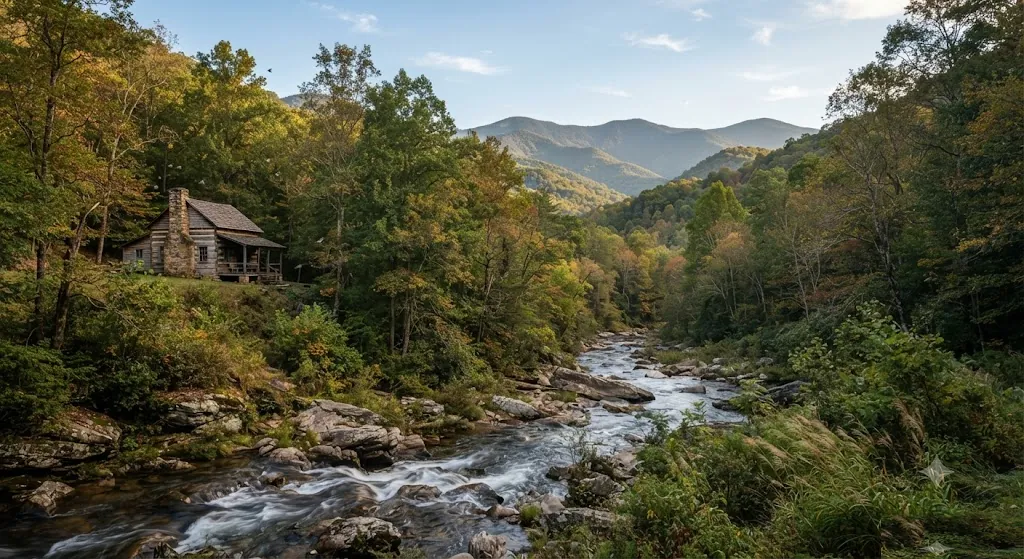
Great Smoky Mountains National Park Travel Guide — Tennessee
Welcome to our comprehensive guide to Great Smoky Mountains National Park Tennessee, a true jewel spanning the border of Tennessee and North Carolina. As the Roam States editorial team, we've compiled everything you need to know for an unforgettable trip to America's most visited national park. From navigating its winding roads to discovering its hidden trails and planning your stay, we cut through the generic travel advice to bring you confident, specific recommendations for your 2026 adventure.
Why Visit Great Smoky Mountains National Park
Great Smoky Mountains National Park is a sanctuary of ancient mountains, diverse wildlife, and rich cultural history. It's a place where mist-shrouded peaks give way to lush valleys, and the air is filled with the scent of pine and rhododendron. The park boasts an incredible biodiversity, earning it UNESCO World Heritage status, with over 1,500 species of flowering plants and more than 1,500 black bears calling it home. For those seeking an immersive encounter with nature, the sheer scale and untouched beauty of the Smokies are unparalleled.
Unlike many other national parks, Great Smoky Mountains National Park uniquely offers free admission, making it exceptionally accessible for all travelers. This commitment to free entry allows visitors to allocate their budgets towards experiences like unique accommodations or guided tours, rather than an entrance fee. Whether you're drawn to the vibrant fall foliage, the serene quiet of winter, or the abundant wildflowers of spring, the park provides a dynamic landscape that changes dramatically with each season, offering new discoveries with every visit.
Who It's Best For
This park truly offers something for everyone, from seasoned adventurers to families with young children.
- Nature Lovers and Hikers: With over 800 miles of hiking trails, the park is a paradise for those who want to explore on foot. The diverse ecosystems, from hardwood forests to spruce-fir zones, provide endless opportunities for birdwatching, wildlife viewing, and discovering stunning waterfalls.
- Families: The Great Smoky Mountains National Park offers numerous family-friendly activities. Scenic drives like Cades Cove Loop Road and the Roaring Fork Motor Nature Trail provide opportunities to spot wildlife and explore historic sites from the comfort of your vehicle. Easy trails like the Gatlinburg Trail are stroller and wheelchair accessible, ensuring everyone can enjoy the natural beauty. Nearby attractions in Gatlinburg and Pigeon Forge, such as Dollywood and Anakeesta, offer additional entertainment for all ages.
- History Buffs: The park preserves a rich Appalachian culture, with historic gristmills, churches, and log cabins scattered throughout areas like Cades Cove. These sites offer a glimpse into the lives of early settlers and provide a tangible connection to the region's past.
- Wildlife Enthusiasts: Cades Cove is particularly renowned for its wildlife viewing opportunities, where white-tailed deer, wild turkeys, and black bears are frequently spotted, especially during early morning and late afternoon hours.
Getting There & Parking
Understanding how to get to Great Smoky Mountains National Park and navigate its parking system is crucial for a smooth visit. The park is conveniently located within a day's drive of roughly two-thirds of the U.S. population, contributing to its popularity.
How to Get There
- By Car: The most common way to access the park is by car. The main entrances are near Gatlinburg, Tennessee, and Cherokee, North Carolina. From the Tennessee side, the closest major airport is McGhee Tyson Airport (TYS) in Knoxville, about 45 minutes from Gatlinburg. On the North Carolina side, Asheville Regional Airport (AVL) is approximately 60 miles from the Cherokee entrance. A rental car is essential for exploring the park's scenic drives and reaching trailheads.
- Major Roads: Primary roads, including Newfound Gap Road (US-441), Little River Road, and Laurel Creek Road, are generally open 24 hours a day, year-round, weather permitting. However, secondary roads and some popular routes like Cades Cove Loop Road have seasonal closures, so always check the official National Park Service website for current conditions before your visit. For instance, Cades Cove Loop Road is closed to motor vehicles every Wednesday through September 30, 2026, allowing pedestrians and cyclists exclusive access.
Parking
While there is no entrance fee to Great Smoky Mountains National Park, a parking tag is required for any vehicle stopping for more than 15 minutes within the park boundaries. This "Park It Forward" program helps fund park maintenance and visitor services.
-
Parking Tag Fees (2026):
- Daily Pass: $5 (valid until 11:59 PM ET on purchase date)
- Weekly Pass: $15 (valid for seven days)
- Annual Pass: $40 (valid for the calendar year)
- Where to Purchase: Parking tags can be purchased online via recreation.gov (you must print and display the tag) or in person at visitor centers, welcome centers, and self-service kiosks located at popular park spots like Sugarlands Visitor Center, Cades Cove Orientation Shelter, and Newfound Gap Overlook.
- Fee-Free Days: On specific fee-free days in 2026, parking tags are not required. These include Presidents Day (February 16), Memorial Day (May 25), Flag Day (June 14), Independence Day weekend (July 3-5), the 110th Birthday of the National Park Service (August 25), Constitution Day (September 17), Theodore Roosevelt's birthday (October 27), and Veterans Day (November 11).
- Peak Season Parking: Popular parking areas, especially at Cades Cove, Newfound Gap, and Clingmans Dome, fill up quickly by 9-10 AM during peak seasons. Arriving early is essential, even without formal reservations for parking.
Top Things to Do
When considering things to do at Great Smoky Mountains National Park, the options are as varied as the landscape itself. Our team recommends a mix of scenic drives, historical exploration, and getting out on the trails.
- Cades Cove Loop Road: This 11-mile, one-way scenic loop is a must-do for wildlife viewing and exploring historic log cabins, churches, and gristmills. Consider visiting early in the morning or late in the afternoon for the best chance to spot deer, turkeys, and black bears. Remember, Cades Cove Loop Road is closed to motor vehicles every Wednesday through September 30, 2026, for pedestrian and bicycle use.
- Newfound Gap Road (US-441): This primary road traverses the park, connecting Tennessee and North Carolina, and offers stunning panoramic views from various overlooks, including the iconic Newfound Gap itself.
- Clingmans Dome: Drive the scenic Clingmans Dome Road (typically open April 1 to November 30, weather permitting) to the highest point in the park and Tennessee, where a paved (but steep) half-mile trail leads to an observation tower with 360-degree views that can stretch for over 100 miles on clear days.
- Roaring Fork Motor Nature Trail: This narrow, winding one-way road (seasonal closure, typically March 29 to December 1) offers a more intimate experience with the forest, featuring historic buildings, old-growth trees, and access to trailheads like Grotto Falls.
- Visitor Centers: Start your visit at Sugarlands Visitor Center (near Gatlinburg, TN) or Oconaluftee Visitor Center (near Cherokee, NC) to pick up maps, learn about ranger-led programs, and explore natural and cultural history exhibits.
- Waterfalls: The park is home to over 60 named waterfalls. Popular choices for things to do at Great Smoky Mountains National Park include Grotto Falls (the only waterfall you can walk behind), Abrams Falls (a moderate 5-mile roundtrip hike in Cades Cove), and Rainbow Falls (a strenuous 5.4-mile roundtrip hike). Note that Laurel Falls Trail, a popular easy hike, is closed for rehabilitation until mid-2026.
Best Time to Visit
The best time to visit Great Smoky Mountains National Park largely depends on your priorities, as each season offers a distinct experience.
- Spring (April-May): We find spring to be ideal for wildflowers and comfortable temperatures, typically ranging from the 50s to upper 60s Fahrenheit. The park comes alive with over 1,500 species of flowering plants, making it a "Wildflower National Park". Crowds are moderate before Memorial Day, offering a good balance of pleasant weather and fewer visitors.
- Summer (June-August): Summer is peak season, especially for families during school breaks. Temperatures are warmer, often above 77°F, and all park facilities and roads are typically open. Expect larger crowds, particularly in popular areas and gateway towns like Gatlinburg and Pigeon Forge. This is an excellent time for water activities and higher-elevation hikes for cooler air.
- Fall (September-November): Fall brings the most spectacular scenery, with the famous autumn foliage peaking in mid-October. September offers a sweet spot with comfortable temperatures (72-78°F) and fewer crowds than October, with early fall colors appearing at higher elevations. However, October is extremely popular, and accommodations should be booked months in advance due to high demand and significant traffic.
- Winter (December-March): Winter is the quietest and most affordable time to visit, with significantly lower crowd levels and lodging rates. While some secondary roads close seasonally due to snow and ice, primary roads usually remain accessible. The bare trees offer clearer views of the mountain architecture, and occasional snow dusts the higher peaks, creating a serene, picturesque landscape.
Our Expert Verdict: For the best balance of pleasant weather, blooming wildflowers, and manageable crowds, we recommend late April through May. If fall foliage is your primary goal, target early to mid-September to experience the beginning of the color change with slightly fewer visitors than the peak October rush.
Where to Stay Nearby
While Great Smoky Mountains National Park offers extensive camping options, many visitors prefer to stay in the vibrant gateway communities surrounding the park.
- Gatlinburg, Tennessee: Located directly adjacent to the park's main Tennessee entrance, Gatlinburg is a bustling resort town with a wide range of hotels, cabins, restaurants, and attractions. It's an excellent base for exploring the park and enjoying amenities like Ober Mountain and the Titanic Museum Attraction.
- Pigeon Forge, Tennessee: Just a short drive from Gatlinburg, Pigeon Forge is known for its family-friendly entertainment, including Dollywood, dinner shows, and outlet shopping. It offers a plethora of lodging options, from large resorts to cozy cabins.
- Townsend, Tennessee: Often called the "Quiet Side of the Smokies," Townsend provides a more laid-back atmosphere with direct access to the western side of the park, including Cades Cove. It's ideal for those seeking a peaceful retreat closer to nature.
- Cherokee, North Carolina: On the North Carolina side of the park, Cherokee is home to the Eastern Band of Cherokee Indians and offers cultural attractions, casinos, and direct access to the Oconaluftee Visitor Center.
For a broader exploration of the state, consider a stay in Nashville, home to the Country Music Hall of Fame and the Grand Ole Opry, or Memphis, where you can explore the Beale Street Historic District and Graceland. For more ideas on where to stay and what to do across the state, consult our guide to Best places in Tennessee.
Sample 2-Day Itinerary
To help you make the most of your visit to Great Smoky Mountains National Park Tennessee, we've crafted a sample two-day itinerary focused on key experiences.
Day 1: Cades Cove & Newfound Gap Highlights
- Morning (Early Start is Key!): Head to Cades Cove Loop Road. Arrive at sunrise to beat the crowds and increase your chances of spotting wildlife like deer, turkeys, and bears. Drive the 11-mile loop, stopping at historic churches, log cabins, and the Cable Mill. Consider renting a bicycle or walking a section of the loop on a vehicle-free Wednesday (through September 30, 2026) for a unique experience.
- Lunch: Enjoy a picnic lunch at the Cades Cove Picnic Area or grab a bite in nearby Townsend.
- Afternoon: Drive along Newfound Gap Road (US-441), stopping at scenic overlooks for breathtaking mountain vistas. Visit the Newfound Gap parking area, where the Appalachian Trail crosses the road, and stand on the Tennessee-North Carolina state line.
- Late Afternoon/Evening: Continue to Clingmans Dome, the highest point in Tennessee. Hike the paved (but steep) half-mile trail to the observation tower for unparalleled 360-degree views. Note that Clingmans Dome Road is typically open April 1 to November 30. Return to your accommodation in Gatlinburg or Pigeon Forge.
Day 2: Waterfalls & Forest Immersion
- Morning: Explore the Roaring Fork Motor Nature Trail (seasonal closure, typically March 29 to December 1). This one-way loop offers a more intimate forest experience. Hike the Grotto Falls Trail (2.6 miles roundtrip, moderate) for the unique opportunity to walk behind a waterfall.
- Lunch: Have lunch in Gatlinburg, with its wide array of dining options.
- Afternoon: Visit the Sugarlands Visitor Center to learn more about the park's natural history and pick up souvenirs. From here, you can take an easy walk to Cataract Falls (0.8 miles) or the Gatlinburg Trail (3.8 miles roundtrip, dog-friendly and accessible).
- Evening: Consider a scenic drive along Little River Road, enjoying the riverside views. Alternatively, explore some of the unique attractions in Gatlinburg or Pigeon Forge.
Great Smoky Mountains National Park Hiking Trails
The Great Smoky Mountains National Park offers an unparalleled hiking experience, with over 800 miles of trails catering to all skill levels. Our team emphasizes that exploring these paths is one of the most rewarding ways to connect with the park's ancient forests and stunning vistas. Before you set out on any of the Great Smoky Mountains National Park hiking trails, always check the National Park Service website for current trail conditions and closures.
Popular Hikes and Their Status (2026)
- Laurel Falls Trail: This popular 2.6-mile paved roundtrip trail to an 80-foot waterfall is currently closed for major rehabilitation work until mid-2026. Plans include widening and repaving, adding guardrails, and constructing a new viewing platform. The parking lot will also gain 50 new spaces.
- Grotto Falls Trail: A moderate 2.6-mile roundtrip hike accessible via the Roaring Fork Motor Nature Trail, famous for being the only waterfall in the park you can walk behind.
- Abrams Falls Trail: Located in Cades Cove, this moderate 5-mile roundtrip hike leads to a picturesque 25-foot waterfall and a scenic pool. Swimming is not recommended due to slippery rocks and a dangerous undertow.
- Alum Cave Trail to Mount LeConte: A challenging 11-mile roundtrip hike with significant elevation gain (2,800 feet) that leads to the iconic Alum Cave Bluffs and eventually to the summit of Mount LeConte. This is one of the most rewarding Great Smoky Mountains National Park hiking trails for experienced hikers.
- Andrews Bald: A moderate 3.6-mile roundtrip hike from the Clingmans Dome parking area, descending through spruce-fir forest to a grassy bald known for its summer azaleas and mountain views.
- Gatlinburg Trail: An easy, 3.8-mile roundtrip, paved, and dog-friendly trail starting near the Sugarlands Visitor Center, running alongside the West Prong of the Little Pigeon River. It's one of only two trails in the park where leashed pets are permitted.
- Bullhead Trail: This trail is closed from Monday through Thursday each week, excluding federal holidays, through November 19, 2026, for rehabilitation work.
For those seeking to support trail maintenance, consider joining a "Trails Forever Hike" in 2026, which offers guided hikes and contributes to restoration projects. Remember that backcountry permits are required for overnight parking at trailheads and should be reserved 30 days in advance through recreation.gov.
Great Smoky Mountains National Park Camping
Experiencing the Great Smoky Mountains National Park by camping offers an immersive connection to nature that hotels simply can't match. The park provides a range of options, from developed frontcountry campgrounds to remote backcountry sites.
Frontcountry Campgrounds (Developed)
Great Smoky Mountains National Park maintains 10 developed frontcountry campgrounds. Cades Cove and Smokemont Campgrounds are open year-round, while others operate seasonally. All developed campgrounds offer cold running water, restrooms with flush toilets, picnic tables, and fire rings with grates. However, they do not have showers, electric, or water hookups, except for a few medical-needs sites at Cades Cove, Elkmont, and Smokemont.
- Reservations: We highly recommend making reservations in advance, especially during peak seasons, as popular campgrounds like Elkmont and Cades Cove can fill up minutes after reservations open. Reservations for individual campsites can be made up to six months in advance via Recreation.gov. Cataloochee is the only campground that *requires* a reservation prior to arrival.
- Fees (2026): Frontcountry campground fees typically range from $25-35 per night, plus a $5 reservation fee for Recreation.gov. Group sites, which accommodate 15-30 people, range from $50-94 per night and can be reserved up to a year in advance.
-
Popular Campgrounds:
- Elkmont: The largest campground, located near Gatlinburg, and a designated viewing area for the synchronous fireflies (requires a separate lottery parking pass for the event itself). It is generator-free for a quieter experience.
- Cades Cove: Open year-round and located within the popular Cades Cove valley, offering excellent wildlife viewing opportunities.
- Smokemont: Also open year-round, located on the North Carolina side of the park, near the Oconaluftee Visitor Center.
Backcountry Camping (Primitive)
For a more rugged experience, backcountry camping is available year-round at over 100 campsites and shelters.
- Permits & Fees (2026): Backcountry camping requires advance permits, which cost $8 per person, per night. A new non-refundable $6 permit fee was implemented on April 30, 2026, when the reservation system transitioned to Recreation.gov. The maximum permit fee is no longer capped at $40. Permits can be booked up to 30 days in advance through recreation.gov.
- Backcountry Office: The park's Backcountry Office provides assistance with itineraries, safety guidance, and information on trail closures. Staff are available daily from 9 AM to 5 PM.
Whether you choose the convenience of frontcountry Great Smoky Mountains National Park camping or the solitude of the backcountry, careful planning and reservations are key to securing your spot.
Is It Worth Visiting?
The question "is Great Smoky Mountains National Park worth visiting?" is one we can answer with an emphatic yes. As the most visited national park in the United States, attracting over 14 million visitors annually, its popularity speaks volumes. But beyond the numbers, the park offers a unique blend of natural grandeur, accessibility, and diverse experiences that make it a standout destination.
The sheer scale of its ancient mountains, the unparalleled biodiversity, and the preservation of Appalachian culture create an environment unlike any other. Where else can you find over 800 miles of hiking trails, historic pioneer homesteads, and the chance to spot black bears in their natural habitat, all within a single, free-to-enter park? The park's commitment to free admission in 2026 further enhances its value, allowing visitors to experience world-class natural beauty without the barrier of an entrance fee.
For families, the combination of outdoor adventure and nearby entertainment in towns like Gatlinburg and Pigeon Forge provides a perfect compromise for diverse interests. For hikers, the extensive network of trails, from easy strolls to challenging climbs, offers endless exploration. Even for those who prefer scenic drives, the park delivers with breathtaking vistas along Newfound Gap Road and opportunities for wildlife viewing in Cades Cove. So, is Great Smoky Mountains National Park worth visiting? Absolutely. It’s a destination that consistently delivers memorable experiences, year after year.
Last updated: 2026-07-13 by the Roam States team.