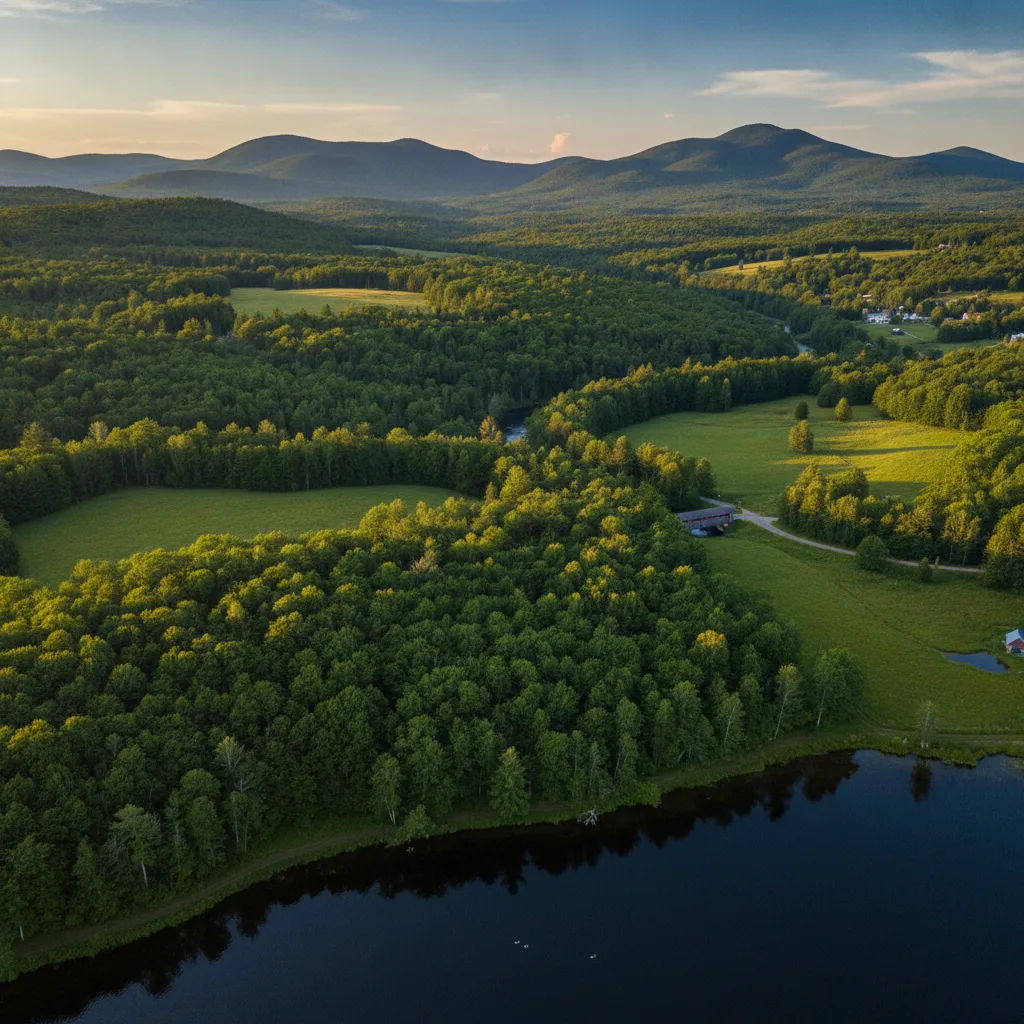
Welcome to our comprehensive guide to the Green Mountain National Forest Vermont, your essential resource for planning an unforgettable trip to one of New England's most cherished natural treasures. As the Roam States editorial team, we pride ourselves on delivering confident, specific, and never generic advice to help you navigate this stunning landscape. Spanning nearly 400,000 acres across central and southern Vermont, the Green Mountain National Forest offers a diverse array of recreational opportunities, from serene forest walks to challenging mountain ascents. We've explored its depths to bring you the most up-to-date information for 2026, ensuring your visit is seamless and spectacular.
Why Visit Green Mountain National Forest
The Green Mountain National Forest is Vermont's crown jewel for outdoor enthusiasts, offering a quintessential New England experience year-round. We believe it's a must-visit for its unparalleled natural beauty, especially during the vibrant fall foliage season when the mountains ignite with brilliant reds, oranges, and yellows. Beyond the autumn spectacle, the forest provides a vital habitat for diverse wildlife, including moose, black bear, coyote, and white-tailed deer, making it a prime spot for wildlife viewing. Its vast network of over 900 miles of trails caters to every type of adventurer, from gentle strolls to strenuous climbs, offering endless opportunities for hiking, biking, and winter sports. With eight designated wilderness areas, it provides a true escape into nature's solitude, allowing visitors to immerse themselves in the tranquility of Vermont's rugged landscape.
Who It's Best For
The Green Mountain National Forest truly offers something for everyone, making it an ideal destination for a wide range of travelers. It's particularly well-suited for:
- Hikers of all levels: From families seeking easy nature walks to experienced backpackers tackling long-distance trails like the Appalachian Trail and the Long Trail, the forest's extensive trail system provides ample options.
- Nature photographers: The stunning landscapes, especially during fall foliage, and the chance to spot diverse wildlife make it a photographer's paradise.
- Campers: With developed campgrounds and opportunities for dispersed camping, it's perfect for those who want to sleep under the stars and fully immerse themselves in the wilderness.
- Winter sports enthusiasts: The forest transforms into a winter wonderland, offering cross-country skiing, snowshoeing, and access to nearby alpine ski resorts like Killington and Stratton.
- Families: Many trails are family-friendly, and recreation areas like Hapgood Pond offer swimming beaches and picnic spots.
- Those seeking solitude: The designated wilderness areas provide a chance to disconnect and find peace in nature.
Getting There & Parking
The Green Mountain National Forest is accessible from various points in central and southern Vermont. While there is no single entrance gate or fee for entering the forest itself, specific developed recreation sites, campgrounds, and some popular trailheads may charge fees.
Most visitors arrive by car, and the forest is crisscrossed by a network of state routes and smaller forest roads. Major north-to-south routes, such as Route 7 and Route 100, provide good access points, with Route 100 offering particularly scenic drives.
Parking: Parking is generally available at trailheads and recreation sites. However, some popular trailhead lots may charge parking fees. We strongly advise checking the official Green Mountain and Finger Lakes National Forests website for current conditions and any specific parking alerts before your visit, as conditions can change rapidly. For instance, parking enforcement along Camel's Hump Road in Huntington began in summer 2025, with vehicles parked on the side of the road subject to tickets or towing to ensure emergency vehicle access. Most forest roads are closed during winter months, typically from December 15 to May 1, with exceptions, so always consult Motor Vehicle Use Maps for seasonal designations.
For day-use fees, an annual or lifetime "America the Beautiful" pass can cover costs at some sites, or fees can be paid on-site or online. The Green Mountain and Finger Lakes National Forests also offer "Scan and Pay" options via the Recreation.gov mobile app, which works even in remote areas without cell service, processing payments once you're back online.
How to Get There
To truly experience the Green Mountain National Forest, understanding how to get to Green Mountain National Forest is key. The forest is located in central and southern Vermont, stretching from the Massachusetts border north to Bristol. Its vastness means there isn't one single address, but rather multiple access points depending on your desired activity and specific destination within the forest.
By Car: Driving is the primary mode of transportation. From major cities in the Northeast, you'll typically take interstates like I-91 or I-87 (in New York) and then transition to state routes. Scenic Route 100, often called "Vermont's Main Street," runs north-south through much of the state and offers excellent access to many parts of the forest, especially for leaf peeping in the fall. Other key routes include US Route 7 and various state highways that branch off into the forest. Expect winding roads with varying elevations within the forest itself.
Public Transportation: Public transportation directly into the more remote areas of the Green Mountain National Forest is limited. However, you can reach larger towns bordering the forest, such as Rutland, Manchester, or Middlebury, via bus services. From these towns, a rental car would be necessary to explore the forest effectively.
Airports: The closest major airports include Burlington International Airport (BTV) in Vermont, Albany International Airport (ALB) in New York, and Manchester-Boston Regional Airport (MHT) in New Hampshire. From any of these, you would rent a car to complete your journey to the Green Mountain National Forest.
We recommend downloading maps or using a reliable GPS, as cell service can be spotty in more remote sections of the forest. Always check current road conditions and any seasonal closures, especially during winter or mud season, on the official Forest Service website.
Top Things to Do
The Green Mountain National Forest is a playground for outdoor adventurers, offering an incredible array of things to do at Green Mountain National Forest throughout the year. Our team has spent countless hours exploring, and we're excited to share our top recommendations:
- Hiking the Long Trail and Appalachian Trail: As the oldest long-distance hiking trail in the US, Vermont's Long Trail, which overlaps with a section of the Appalachian Trail, is a highlight. Whether you're planning a multi-day backpacking trip or a challenging day hike, these trails offer stunning vistas and a true wilderness experience.
- Chasing Waterfalls: The forest is home to numerous beautiful waterfalls. Thundering Falls, the sixth tallest in Vermont, is easily accessible via a short, universally accessible boardwalk on the Appalachian Trail. Other notable waterfalls include Lye Brook Falls (a mellow walk to a 125-foot cascade), Warren Falls (known for swimming holes), Moss Glen Falls, and Texas Falls (with a picturesque gorge).
- Scenic Drives: Especially in autumn, driving Route 100 through the heart of the Green Mountains is an unforgettable experience as the landscape bursts into vibrant fall colors.
- Swimming: Cool off in the forest's natural swimming holes during the summer months. Hapgood Pond Recreation Area also offers a designated swimming beach.
- Mountain Biking: With nearly 150 miles of trails across nine different routes, mountain biking is a popular activity. Some campgrounds, like Silver Lake, even have trails directly accessible from the site.
- Winter Sports: When snow blankets the mountains, the forest transforms into a haven for cross-country skiing and snowshoeing. Nearby alpine resorts like Killington and Stratton also offer downhill skiing opportunities.
- Wildlife Viewing: Keep an eye out for moose, black bears, white-tailed deer, and a variety of bird species throughout the forest.
Green Mountain National Forest Hiking Trails
The Green Mountain National Forest is synonymous with incredible hiking, boasting over 900 miles of trails, including significant portions of the Appalachian Trail and the Long Trail. When planning your adventure on the Green Mountain National Forest hiking trails, consider your fitness level and desired experience. As of 2026, many trails are open for the usual seasons, but always check for current conditions and alerts, especially after storms or during mud season.
Here are some of our favorite Green Mountain National Forest hiking trails:
- The Long Trail: This iconic "footpath in the wilderness" stretches the length of Vermont, offering rugged terrain, streams, and hardwood forests. Sections vary in difficulty, from easy strolls to challenging climbs.
- Abbey Pond Trail: A moderate 4.3-mile (6.9 km) route that takes about 2 hours and 22 minutes to complete, leading to a scenic pond. Note that as of May 23, 2025, this trail was heavily damaged and considered a difficult hike.
- Thundering Brook Falls Trail: An easy and universally accessible boardwalk leads to the impressive 140-foot Thundering Falls, a perfect short outing for all ages. The Kent Brook – Thundering Brook Falls loop from Giffords Woods State Park is an easy 3.9-mile path that takes about 1 hour 47 minutes.
- Mount Equinox Trail: For a challenge, this difficult 6.6-mile trail leads to the highest peak in the Taconic Range, offering rewarding views.
- Bucklin Trail to Killington Peak: A moderately difficult 7.2-mile route offering panoramic views of the Green Mountains, the Adirondacks, and the White Mountains.
- Robert Frost Interpretive Trail: An easy, unique trail that features several of Robert Frost's poems mounted along the path, suitable for all ages.
- Texas Falls Loop: An easy 1.1-mile trail leading through a picturesque gorge, often completed in about 30 minutes.
Before you hit the Green Mountain National Forest hiking trails, remember to pack essentials like maps, water, sunscreen, and extra clothing, as temperatures can change quickly, especially with elevation gain. The Green Mountain Club (GMC) manages and maintains 500 miles of trails in Vermont, including the Long Trail, and provides current trail conditions and advice from their Visitor Center in Waterbury Center. Always practice Leave No Trace principles to protect this beautiful environment.
Green Mountain National Forest Camping
For those looking to truly immerse themselves in the Vermont wilderness, Green Mountain National Forest camping offers a range of experiences, from developed campgrounds to dispersed backcountry sites. As of 2026, developed campgrounds typically operate on a spring-to-fall calendar.
Developed Campgrounds: The Green Mountain National Forest features several developed campgrounds, many of which can be reserved through Recreation.gov. Reservations are generally available during the summer recreation season, which runs from Memorial Day to Columbus Day, with a 6-month rolling booking window. An $8 reservation fee may apply to some sites.
Proposed fee increases for 2026 are currently under public comment until July 31, 2026, but here are some of the proposed new single-site fees:
- Chittenden Brook Campground: Proposed $25 (currently $15). This remote campground is open from Memorial Day through Labor Day, with sites available on a first-come, first-served basis for a fee of $10.00 per site per night (current).
- Grout Pond Campground: Proposed $25 (currently $16).
- Hapgood Pond Campground: Proposed $30 (currently $20). Hapgood Pond Recreation Area also offers a campground with 28 sites, a nature trail, and a swimming beach. RVs under 24 feet are best suited for this campground.
- Moosalamoo Campground: Proposed $25 (currently $15). Note that the Moosalamoo Campground water system hand pump is expected to remain non-operational for the 2026 summer, so visitors will need to bring their own potable water.
- Silver Lake Campground: Proposed $20 (currently $10).
- Somerset Airfield Campground: Proposed $25 (currently free).
- Greendale Campground: Currently $10, offering 11 serene campsites.
Holders of "Senior" or "Access" America the Beautiful Passes can apply a 50% discount on camping fees.
Dispersed Camping: Dispersed camping is generally allowed throughout the Green Mountain National Forest unless specifically posted otherwise. Visitors are asked to camp at least 200 feet from roads, trails, and bodies of water to minimize impact. There is a camping limit of 14 days in a 30-day period. Always practice Leave No Trace principles, including packing out all trash.
Remember that cell phone service can be unreliable in remote campground areas, so download the Recreation.gov mobile app ahead of time for "Scan and Pay" options if needed. Be bear aware and store food properly to avoid encounters.
Best Time to Visit
The Green Mountain National Forest offers distinct experiences throughout the year, but the best time to visit largely depends on your desired activities.
- Fall (Late September to October): This is arguably the most popular time to visit, as the forest explodes with breathtaking fall foliage. The vibrant reds, oranges, and yellows of the maple, birch, and beech trees are truly spectacular. However, this also means larger crowds and higher demand for accommodations, so book well in advance. Foliage timing shifts annually, so check current color reports in late September.
- Summer (June to August): Summer brings cooler mountain hiking, refreshing swimming holes, and longer daylight hours, making it an excellent time for hiking, camping, and water activities. It's generally quieter than the peak fall season.
- Winter (December to March): The forest transforms into a winter wonderland, perfect for cross-country skiing, snowshoeing, and accessing nearby downhill ski resorts. Most forest roads close during winter, typically from December 15 to May 1, so plan accordingly.
- Spring (April to May): While spring offers blooming wildflowers, it's also "mud season" in Vermont. Trails can be soft and unreliable, making it the least ideal time for serious hiking due to potential damage to trails and difficult conditions. However, waterfalls are often at their most powerful in May due to snowmelt.
The Green Mountain National Forest is sometimes called a "six-season park," with short mud and black fly seasons making up the other two, so pack and plan accordingly.
Where to Stay Nearby
While Green Mountain National Forest camping provides an immersive experience, many visitors prefer to stay in charming Vermont towns surrounding the forest. These towns offer a range of accommodations, from cozy inns to larger hotels, and provide convenient access to various forest entry points and other attractions.
- Manchester: Located in the southern part of the forest, Manchester offers a blend of upscale lodging, dining, and shopping. It's a great base for exploring the Lye Brook Wilderness and Mount Equinox. We recommend staying in one of the classic Vermont inns or bed and breakfasts here.
- Killington/Rutland Area: Closer to the central part of the forest, Killington is known for its ski resort (Stowe Mountain Resort is further north, but Killington is a major ski hub nearby) and offers numerous lodging options, including ski-town condos suitable for groups. Rutland, a larger city, provides more amenities and a wider selection of hotels.
- Middlebury/Rochester Area: These towns offer access to the northern sections of the forest, including areas around Moosalamoo and the Breadloaf Wilderness. They provide a quieter, more rural Vermont experience.
- Stowe: While a bit further north, Stowe is a popular destination known for Stowe Mountain Resort and its picturesque village. It can serve as a base for exploring the northern reaches of the Green Mountains and other Vermont attractions like the Ben & Jerry's Factory and Mount Mansfield.
- Dispersed Camping & Backcountry Shelters: For the budget-minded or those prioritizing an outdoors-first experience, the forest's campgrounds and backcountry shelters along the Long Trail are excellent options.
During peak foliage season, accommodations in these areas book out months in advance, so we strongly advise making reservations early.
Sample 2-Day Itinerary
To help you make the most of your visit, our team has crafted a sample 2-day itinerary for the Green Mountain National Forest, focusing on a mix of popular activities and scenic beauty.
Day 1: Southern Forest Exploration & Waterfalls
- Morning (9:00 AM - 12:00 PM): Lye Brook Falls Hike. Start your day with a moderate hike to Lye Brook Falls near Manchester. This 4.6-mile round trip trail leads you through a beautiful wilderness valley to a stunning 125-foot cascade. Allow 3-4 hours.
- Lunch (12:00 PM - 1:30 PM): Picnic in Manchester. Grab provisions from a local deli in Manchester and enjoy a picnic lunch at a scenic spot or one of the town's parks.
- Afternoon (1:30 PM - 4:30 PM): Robert Frost Interpretive Trail & Hapgood Pond. Head north to the Robert Frost Interpretive Trail for an easy, literary stroll, enjoying the poems placed along the path. Afterward, visit Hapgood Pond Recreation Area for a relaxing dip at the swimming beach or a short nature walk.
- Evening: Dinner & Overnight in Manchester. Enjoy dinner at one of Manchester's acclaimed restaurants and settle into your chosen accommodation.
Day 2: Central Forest Peaks & Scenic Drives
- Morning (9:00 AM - 1:00 PM): Killington Peak or Mount Equinox Hike. For an invigorating challenge, hike a section of the Bucklin Trail to Killington Peak for panoramic views. Alternatively, tackle the Mount Equinox Trail, a difficult 6.6-mile hike to its summit. If you prefer a shorter option, consider the easy Thundering Brook Falls Trail near Killington.
- Lunch (1:00 PM - 2:30 PM): Casual Fare in Killington or nearby. Find a casual spot for lunch near your hiking destination.
- Afternoon (2:30 PM - 5:30 PM): Scenic Route 100 Drive & Texas Falls. Embark on a scenic drive along Route 100, soaking in the mountain vistas. Stop at Texas Falls Recreation Area to explore the picturesque gorge and enjoy the easy 1.1-mile loop trail.
- Evening: Departure or Extended Stay. Depending on your plans, you can begin your journey home or extend your stay to explore more of Vermont, perhaps heading north towards Lake Champlain or Stowe Mountain Resort.
Is It Worth Visiting?
Absolutely, the Green Mountain National Forest is worth visiting. Our team wholeheartedly recommends it for anyone seeking an authentic and diverse outdoor experience in New England. With nearly 400,000 acres of protected land, it offers an unparalleled opportunity to connect with nature.
From the iconic Long Trail and its extensive network of Green Mountain National Forest hiking trails to the serene beauty of its waterfalls and swimming holes, there's a richness of activities for every interest and fitness level. The vibrant fall foliage alone makes it a world-renowned destination, drawing millions of visitors annually. But beyond the autumn spectacle, its summer hiking, winter sports, and year-round wildlife viewing opportunities ensure that the Green Mountain National Forest is worth visiting in any season. The freedom to explore, the availability of both developed and dispersed camping, and the commitment to preserving its natural resources make it a truly special place that fosters both adventure and tranquility.
Last updated: 2026-07-07 by the Roam States team.