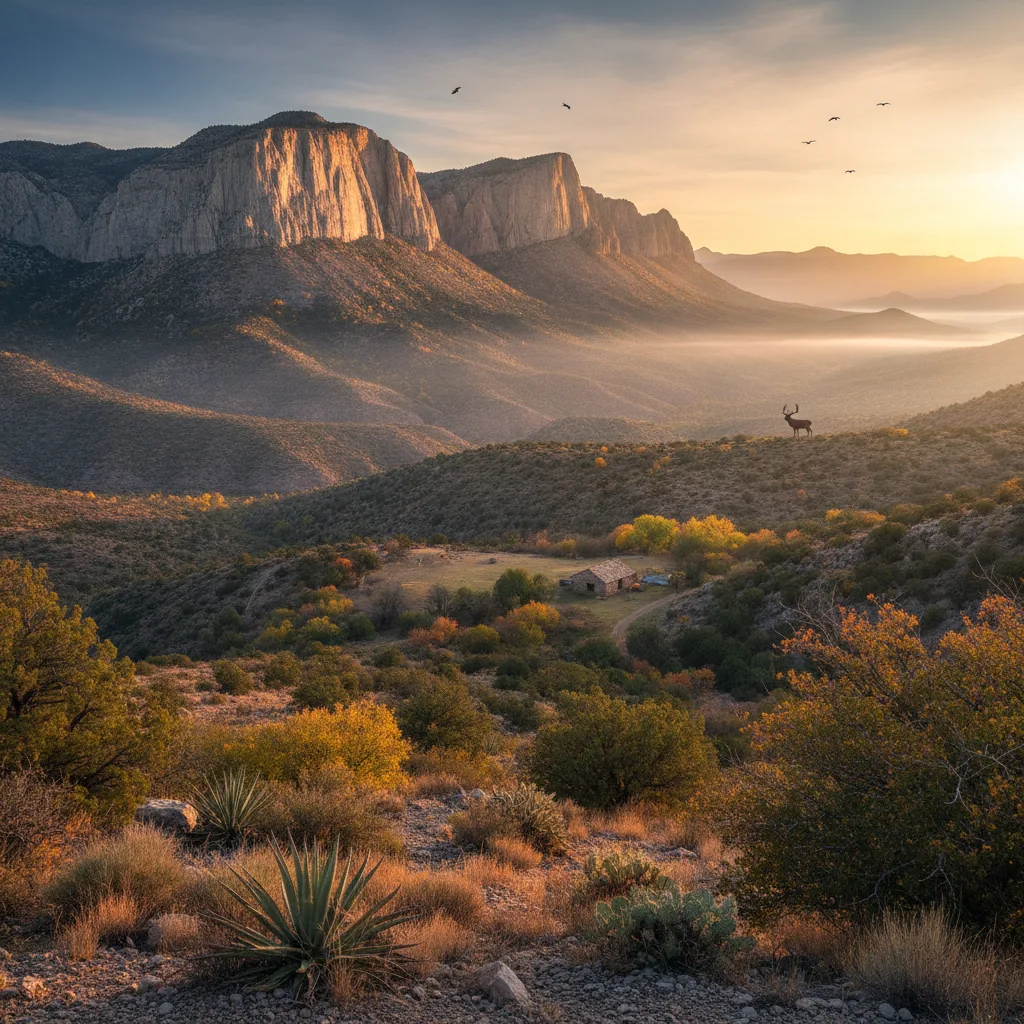
Guadalupe Mountains National Park Travel Guide — Texas
Welcome to our definitive guide for Guadalupe Mountains National Park Texas. Our team at Roam States has meticulously compiled the essential details to help you navigate this rugged and remote gem of West Texas. Far from generic travel advice, we provide confident, specific insights for planning your visit to a park that boasts the highest peak in Texas and an extensive, ancient fossilized Permian reef system. We cut through the fluff to deliver the practical information you need for an unforgettable adventure.
Is It Worth Visiting?
Absolutely, Guadalupe Mountains National Park is worth visiting for any traveler seeking a true wilderness experience without the overwhelming crowds often found in more famous national parks. If you're looking for solitude, challenging hikes, and unparalleled natural beauty, this park delivers. We recommend it for those who appreciate dramatic desert landscapes, geological wonders, and the chance to summit the "Top of Texas." The park's remote location means fewer visitors, allowing for a more immersive and peaceful encounter with nature. For those who enjoy a blend of outdoor activity and historical exploration, the park's rich cultural history, from early settlers at Frijole Ranch to the Butterfield Overland Mail route, adds another layer of intrigue.
Why Visit Guadalupe Mountains National Park
Guadalupe Mountains National Park stands as a testament to the raw, untamed beauty of West Texas. We consider it a must-see for its unique geological formations, including the world's most extensive Permian fossil reef, a remnant of an ancient ocean now uplifted into towering peaks. Beyond the geological marvels, the park offers a striking contrast of ecosystems, from arid Chihuahuan Desert lowlands to lush, high-country forests. It's a place where you can truly disconnect and immerse yourself in a landscape that feels both ancient and alive. The opportunity to hike to Guadalupe Peak, the highest point in Texas, provides a rewarding challenge and panoramic views that stretch for miles across the desert and into New Mexico.
For those interested in history, the park preserves remnants of early ranching life and the Butterfield Overland Mail route, offering a glimpse into the past of this rugged frontier. The diverse wildlife, from mule deer to various bird species, adds to the park's allure. We believe Guadalupe Mountains National Park offers a profound experience for visitors willing to embrace its wild character.
Who It's Best For
Guadalupe Mountains National Park is ideal for experienced hikers and backpackers seeking strenuous trails and backcountry solitude. With over 80 miles of trails, many of which are challenging, it caters to those who thrive on rugged terrain and significant elevation gains. It's also an excellent destination for nature photographers, particularly during the fall when McKittrick Canyon explodes with vibrant colors. Stargazers will find the park's remote location and minimal light pollution offer exceptionally dark night skies. Families with older, adventurous children who are comfortable with longer hikes and rock scrambling will find trails like Devil's Hall engaging. However, those looking for extensive paved roads, numerous visitor amenities, or casual strolls might find the park's wilderness-focused nature less suitable. It requires a degree of self-sufficiency and planning, as services within the park are limited.
How to Get There
Reaching Guadalupe Mountains National Park requires a vehicle, as there is no public transportation or shuttle service within or to the park. The park is located in far West Texas, on U.S. Highway 62/180.
- Driving from El Paso, Texas: The park is approximately 110 miles east of El Paso, a drive of about 1.5 to 2 hours along US Hwy 62/180.
- Driving from Carlsbad, New Mexico: It's about 56 miles southwest of Carlsbad, New Mexico, typically an hour's drive on US Hwy 62/180.
- Driving from Van Horn, Texas: You can also approach from the south, driving 62 miles north on Highway 54 from Van Horn.
- Accessing Dog Canyon: The remote Dog Canyon district, on the park's north side, is a two-hour drive from the Pine Springs headquarters and is accessed via New Mexico State Road 137.
We strongly advise filling your gas tank before entering the park area, as there is no gasoline available within Guadalupe Mountains National Park. The nearest full services are in Van Horn, Texas (60 miles south), or Whites City, New Mexico (35 miles north), which also offers gas, diesel, food, and ice. Cell phone service is sporadic throughout the park and along the drive, so download offline maps and important information beforehand.
Parking at Guadalupe Mountains National Park
Parking is available at the various visitor centers and trailheads. The main Pine Springs Visitor Center offers ample parking, which is also the primary trailhead for popular routes like Guadalupe Peak and Devil's Hall. McKittrick Canyon and Dog Canyon also have designated parking areas. During peak seasons, such as spring break and fall foliage season (late October/early November), popular trailheads like Pine Springs and McKittrick Canyon can become crowded, and parking spots may be competitive. Visitors are required to display their park pass or entrance fee receipt on their dashboard.
Top Things to Do
Guadalupe Mountains National Park offers a range of activities centered around its stunning natural landscape. Our team highlights these essential things to do at Guadalupe Mountains National Park:
- Summit Guadalupe Peak: Embark on the challenging 8.4-mile round-trip hike to Guadalupe Peak, the highest point in Texas at 8,751 feet. The reward is a breathtaking 360-degree panorama of the Chihuahuan Desert.
- Explore McKittrick Canyon: Known as the "most beautiful spot in Texas," McKittrick Canyon offers diverse trails and is particularly famous for its vibrant fall foliage, typically peaking in late October and early November. The McKittrick Canyon Visitor Center features outdoor exhibits to learn about the area's history and geology.
- Hike Devil's Hall Trail: This moderate to strenuous 3.8- to 4.2-mile round-trip hike involves rock scrambling through a narrow canyon, culminating in the unique geological feature known as "Devil's Hall." It's one of the most popular things to do at Guadalupe Mountains National Park for adventurous hikers.
- Visit Frijole Ranch Cultural Museum: Step back in time at the historic Frijole Ranch, which offers insights into the lives of early settlers and features exhibits on local history. Short, easy trails like the Manzanita Spring Trail start here.
- Discover Salt Basin Dunes: On the park's west side, these gypsum dunes offer a unique desert landscape and a moderate hiking experience up to 4 miles.
- Stroll the Pinery Trail: An easy, paved one-mile round-trip trail behind the Pine Springs Visitor Center, leading to the ruins of a Butterfield Overland Mail stage station. It's an accessible option for all visitors.
- Engage with Ranger Programs: During summer evenings, rangers often offer programs at the campground amphitheater, providing educational and entertaining insights into the park's natural and cultural history.
- Become a Junior Ranger: For younger visitors, the Junior Ranger program offers an interactive way to learn about the park's geology, wildlife, and history, earning them a badge.
Whether you're tackling a challenging ascent or enjoying a leisurely walk, the things to do at Guadalupe Mountains National Park cater to a range of interests, all set against a backdrop of stunning desert mountains.
Guadalupe Mountains National Park Hiking Trails
The extensive network of Guadalupe Mountains National Park hiking trails is undoubtedly the park's primary draw, offering over 80 miles of routes ranging from easy strolls to strenuous climbs. We strongly recommend carrying topographical maps for any serious hiking, as trails can be confusing. Always bring more water than you think you'll need, as there are no water sources on the trails, and sun protection is crucial in the high desert environment.
- Guadalupe Peak Trail: This is the park's signature hike, an 8.4- to 9.1-mile round trip with a 3,000-foot elevation gain to the highest point in Texas. It's a strenuous trek, taking 5 to 6 hours, and offers unparalleled views. The terrain includes loose rock, making trekking poles highly recommended, especially for the descent.
- Devil's Hall Trail: A 3.8- to 4.2-mile round-trip hike that is moderate to strenuous, featuring rock scrambling and a natural "Hiker's Staircase" leading to a narrow canyon. It's a unique geological experience, but be cautious of slippery rocks, especially after rain.
- McKittrick Canyon Trails: McKittrick Canyon offers several Guadalupe Mountains National Park hiking trails. The easy 4.8-mile round trip to Pratt Cabin is popular, especially for fall colors. For a more strenuous option, the Permian Reef Geology Trail extends further into the canyon, offering geological insights. Note that the McKittrick Canyon gate closes daily, so plan your hike to return before closing.
- The Pinery Trail: An easy, paved 1-mile round-trip nature trail near the Pine Springs Visitor Center. It's a great option for a quick, accessible walk and offers views of native plants and the Pinery Station ruins.
- Smith Spring and Manzanita Spring Loop: A moderate 2.4-mile loop starting near Frijole Ranch, offering mountain views and leading to lush springs. It's a good family-friendly option for elementary-aged kids.
- Salt Basin Dunes Trail: Located on the western side of the park, this moderate trail allows visitors to explore the white gypsum dunes. The distance can be up to 4 miles, depending on how far you venture into the dunes.
- Hunter Peak and The Bowl Loop: A challenging 9.2-mile loop with significant elevation gain, offering panoramic views from Hunter Peak and traversing shaded Bear Canyon.
Wind is a significant factor in the Guadalupe Mountains, especially from late fall through March, with gusts potentially exceeding 50 mph. We advise against hiking exposed routes in winds over 55 mph. Always check weather forecasts before heading out on any of the Guadalupe Mountains National Park hiking trails.
Guadalupe Mountains National Park Camping
For those seeking to fully immerse themselves in the park's natural beauty, Guadalupe Mountains National Park camping offers a range of options, from developed campgrounds to primitive backcountry sites. We recommend making reservations well in advance, especially during peak seasons like spring and fall.
- Pine Springs Campground: Located near the main visitor center, this is the most popular developed campground. It offers 20 tent sites and 13 RV sites (a paved parking lot, no hookups), plus two group sites. Tent sites are walk-in only, and RVs up to 40 feet are accommodated in designated paved spots. Reservations for Pine Springs Campground are available up to six months in advance via Recreation.gov. The cost for individual sites is $20 per night in 2026.
- Dog Canyon Campground: Situated on the remote north side of the park, accessed via New Mexico State Road 137, Dog Canyon offers a quieter, more forested camping experience. It has 9 tent sites, 4 RV sites (max 23 feet, no hookups), and one group site. Reservations for Dog Canyon Campground are also available up to six months in advance through Recreation.gov. Individual sites cost $20 per night in 2026.
- Frijole Horse Corral Campground: This group site is designed for visitors with horses, accommodating 1-12 people and up to 10 animals. It offers corrals, tent pads, and trailer parking. Reservations for this unique Guadalupe Mountains National Park camping experience can be made up to six months in advance via Recreation.gov.
- Backcountry Camping: For a truly primitive experience, the park offers 10 designated wilderness campgrounds. These are tent-only and require a free backcountry use permit. Permits are self-issued on a first-come, first-served basis at the Pine Springs Visitor Center or Dog Canyon Ranger Station on the day of your trip. No open fires (including charcoal or portable propane fire rings) are permitted anywhere in the park, including campgrounds and backcountry. Only cooking stoves or lanterns using containerized fuel are allowed.
All campgrounds are open year-round, but high winds are common, especially from November through March. Be prepared for dry camping conditions, as there are no hookups, dump stations, or showers at any park campgrounds.
Best Time to Visit
The best time to visit Guadalupe Mountains National Park largely depends on your priorities, but we generally recommend spring and fall for the most comfortable weather.
- Fall (Late September to Early November): This is arguably the prime season, particularly for those hoping to witness the spectacular fall foliage in McKittrick Canyon. Temperatures are mild and pleasant for hiking, with daytime highs typically ranging from 61-80°F. However, this is also a popular time, so expect more competition for parking and campsites.
- Spring (March to May): Spring offers mild temperatures, with highs between 63-78°F, making it excellent for hiking and enjoying desert wildflowers. Be aware that spring is notoriously windy in this region, with gusts sometimes exceeding 50-60 mph, which can impact exposed trails.
- Winter (December to February): Winters are generally mild, with highs in the 50s and 60s, and lows in the upper 20s and 30s. It's the quietest season, offering solitude on the trails. Occasional light snow can occur, especially at higher elevations, adding a unique beauty but also requiring preparedness for icy conditions.
- Summer (June to August): Summers are hot, with daytime highs often reaching 90-95°F or higher, especially at lower elevations. Afternoon thunderstorms are common during the monsoon season (July-September). While less crowded, the intense heat makes strenuous hiking challenging and less enjoyable.
Regardless of when you visit, we advise checking the forecast immediately before your trip, as weather conditions in the mountains can change rapidly. Layered clothing is always a good idea.
Where to Stay Nearby
There are no hotels or lodging options within Guadalupe Mountains National Park itself. Visitors must seek accommodations in nearby towns. We recommend these options:
- Carlsbad, New Mexico: Located about 55 miles (an hour's drive) northeast of the Pine Springs Visitor Center, Carlsbad offers the most comprehensive selection of hotels, restaurants, and services. It's a convenient base, especially if you plan to visit Carlsbad Caverns National Park as well, which is on the way. Options include the Hyatt House Carlsbad, known for its modern amenities and swimming pool.
- Van Horn, Texas: Approximately 60-64 miles (about an hour's drive) south of the park, Van Horn is a smaller town but offers some lodging. The historic Hotel El Capitan is a standout, providing a touch of old-world charm. It's a good stop if you're traveling from or to Big Bend National Park.
- Dell City, Texas / Salt Flat: This very small community, sometimes described as a "ghost town," is closer to the Salt Basin Dunes section of the park. While services are extremely limited, you can find unique vacation rentals and cabins, such as Shumard Cabin or PARK RANGER GUEST HOUSE, offering a more secluded experience.
- El Paso, Texas: As the closest major city, about 105-110 miles west (1.5-2 hours drive), El Paso provides a full range of accommodations, dining, and airport access (El Paso International Airport, ELP). It's a viable option for those who prefer city amenities before or after their wilderness adventure.
For more options across the state, explore our guide to Best places in Texas.
Sample 2-Day Itinerary
To make the most of your visit to Guadalupe Mountains National Park, we suggest the following 2-day itinerary, focusing on the Pine Springs area, which is the main hub and offers access to many of the park's highlights.
Day 1: Conquer the Peak & Explore the Reef
- Morning (Early Start): Begin your day early with the challenging hike to Guadalupe Peak. Aim to be on the trail by sunrise, especially during warmer months, to avoid the midday heat. This strenuous 8.4- to 9.1-mile round trip takes 5-6 hours, so pack plenty of water and snacks. The summit offers unparalleled views, a truly rewarding experience.
- Afternoon: After descending from Guadalupe Peak, head back to the Pine Springs Visitor Center to relax, refill water, and browse the park store. Then, take a leisurely stroll on the easy, paved Pinery Trail (1 mile round trip) to the historic Butterfield Stage Station ruins, offering a glimpse into the area's past.
- Evening: Enjoy dinner in a nearby town like Carlsbad, New Mexico, or Van Horn, Texas. If camping, prepare a meal at Pine Springs Campground and enjoy the spectacular dark skies for stargazing.
Day 2: Canyon Colors & Desert Wonders
- Morning: Drive to McKittrick Canyon, located about 7 miles east of the Pine Springs Visitor Center. Plan to arrive when the gate opens at 8:00 AM. Hike the relatively easy 4.8-mile round trip to Pratt Cabin, or for a more challenging trek, continue on the Permian Reef Geology Trail. McKittrick Canyon is especially stunning in the fall. Remember, the gate closes in the late afternoon, so plan your return accordingly.
- Afternoon: After exploring McKittrick Canyon, consider a visit to the Frijole Ranch Cultural Museum for more local history and a short, easy walk to Manzanita Spring. Alternatively, for a different landscape, drive to the Salt Basin Dunes on the park's west side for a unique desert hike.
- Evening: Depart from Guadalupe Mountains National Park, or if time allows and you're camping, enjoy another night under the stars.
This itinerary focuses on the main attractions. For a broader Texas adventure, consider extending your trip to include Big Bend National Park.
FAQ
What are things to do in Salt Flat?
Salt Flat, Texas, is a very small community primarily serving as a gateway to Guadalupe Mountains National Park. While the town itself has limited services and is sometimes described as a "ghost town," the main things to do in Salt Flat revolve around accessing the park's western and main sections. This includes hiking to Guadalupe Peak, exploring McKittrick Canyon, visiting the Pine Springs Visitor Center, and discovering the Frijole Ranch Cultural Museum and the Pinery Ruins. The Salt Basin Dunes, a unique gypsum dune field within the park, are also accessible from the Salt Flat area.
Is Guadalupe Mountains National Park good with kids?
Yes, Guadalupe Mountains National Park can be a rewarding experience for families with kids, especially those who enjoy outdoor activities. We recommend choosing age-appropriate hikes, such as the easy, paved Pinery Trail (1 mile round trip) or the moderate Smith Spring and Manzanita Spring Loop (2.4 miles). For more adventurous older children, the Devil's Hall Trail offers exciting rock scrambling. The Pine Springs Visitor Center has exhibits, and the Junior Ranger program is always a hit for engaging children with the park's natural and cultural history. While there are no extensive kid-specific facilities, the park's focus on wilderness exploration can be a fantastic learning opportunity for active families.
What are some Guadalupe Mountains National Park tips?
Our top Guadalupe Mountains National Park tips for a smooth trip include: always carry plenty of water (there are no water sources on trails) and snacks, as there are no food services in the park. Fill your gas tank before entering the park area, as gas is not available inside. Be prepared for rapidly changing weather, especially strong winds from late fall through spring; layered clothing is essential. Download offline maps, as cell service is limited. Make camping reservations well in advance for developed campgrounds, particularly during peak seasons. For backcountry, obtain a free permit at a visitor center. Arrive early at popular trailheads to secure parking. Finally, respect the Leave No Trace principles to preserve this pristine wilderness.
What is Guadalupe Mountains National Park parking like?
Guadalupe Mountains National Park parking is available at the main visitor centers and trailheads, primarily at Pine Springs, McKittrick Canyon, and Dog Canyon. The Pine Springs area, being the main hub, has a large parking lot that serves as the trailhead for several popular hikes, including Guadalupe Peak and Devil's Hall. During peak visitation times, such as spring break and fall, these lots can become crowded, and finding a spot might require an early arrival. All vehicles are required to display a valid park pass or entrance fee receipt on the dashboard. There are no internal shuttles, so your personal vehicle is essential for moving between different sections of the park.
What is the best time to visit Guadalupe Mountains National Park?
The best time to visit Guadalupe Mountains National Park is during the spring (March to May) and fall (late September to early November). These seasons offer the most comfortable temperatures for hiking and exploring. Fall is particularly popular for the vibrant autumn foliage in McKittrick Canyon, which typically peaks in late October and early November. While spring brings mild weather, it can also be very windy. Summers are hot and less ideal for strenuous activities, while winters are quiet but can be cold with potential for snow at higher elevations.
What are Guadalupe Mountains National Park hours and fees?
Guadalupe Mountains National Park is generally open year-round, 24 hours a day, with most trails and campgrounds accessible at all times. However, specific facilities have posted hours. The Pine Springs Visitor Center, the park's main headquarters, is open daily from 8:00 AM to 4:00 PM Mountain Time in 2026, closing only on New Year's Day, Thanksgiving Day, and Christmas Day. The McKittrick Canyon area is a day-use only area with a gate that is open from 8:00 AM to 6:00 PM MDT (April-October) and 8:00 AM to 4:30 PM MST (November-March), locking nightly.
As of 2026, the Guadalupe Mountains National Park entrance fee is $10 per person (ages 16 and older), valid for seven consecutive days. Children 15 and under are free. This fee is per person, not per vehicle. The America the Beautiful Annual Pass ($80) covers entrance for the pass holder and accompanying passengers. Fees can be paid at the Pine Springs Visitor Center or purchased in advance online. No reservations or timed-entry tickets are required for general park access.
Our Verdict
Guadalupe Mountains National Park is a destination for the discerning traveler, one who values raw natural beauty and challenging outdoor pursuits over resort-style amenities. We find its remote location and rugged terrain to be its greatest assets, offering a sense of true escape and unparalleled opportunities for exploration. The park's commitment to preserving both its geological wonders and its rich history makes it a truly unique experience in the American Southwest. While it demands preparation and self-sufficiency, the rewards—from summiting the highest peak in Texas to witnessing the vibrant fall colors of McKittrick Canyon—are immeasurable. We highly recommend it for adventurers ready to embrace the wilderness.
Last updated: 2026-07-14 by the Roam States team.