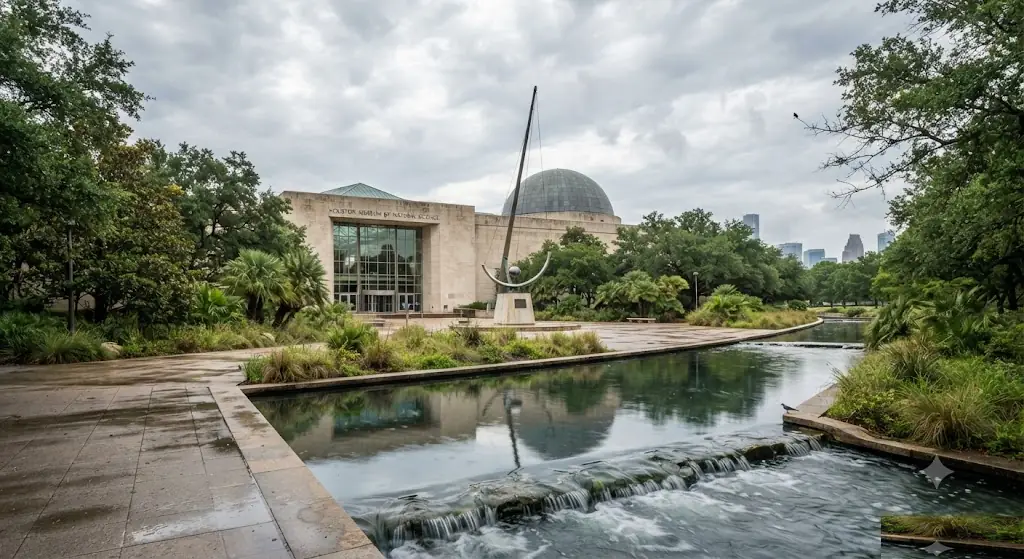
As the Roam States editorial team, we know that planning a trip to a world-class institution like the Houston Museum of Natural Science requires insider knowledge. This isn't just another museum; it's a deep dive into the wonders of our planet and beyond. Our Houston Museum of Natural Science guide is designed to cut through the noise, providing you with confident, specific details to ensure your visit is nothing short of extraordinary. The Houston Museum of Natural Science Texas is a monumental destination, offering an unparalleled journey through natural history, energy, space, and ancient civilizations right in the heart of Houston.
Why Visit Houston Museum of Natural Science
For those contemplating whether the Houston Museum of Natural Science is worth visiting, our team can unequivocally say it is. This institution stands out as one of the top science museums in the United States, drawing nearly 2 million visitors annually. The sheer breadth and depth of its collections are astounding, from the colossal dinosaur skeletons in the Morian Hall of Paleontology to the vibrant, four-story Cockrell Butterfly Center. It's a place where curiosity is ignited, and learning comes alive for all ages. The museum's commitment to education and scientific discovery is evident in every hall, offering interactive displays and engaging exhibits that go far beyond static presentations. Whether you're a budding paleontologist, a gem enthusiast, or simply looking for an enriching cultural experience, the Houston Museum of Natural Science offers a captivating journey that makes it a must-visit destination in Houston.
Beyond its permanent exhibits, the museum frequently hosts world-class special exhibitions, ensuring there's always something new to discover. For example, in 2026, visitors can experience "King Tut's Tomb Discovery Experience," which transports you back to 1922 to explore the fabled Valley of the Kings, or "Extreme Animals Alive," offering interactive encounters with a variety of fascinating creatures. These dynamic offerings, combined with its core collections, solidify why the Houston Museum of Natural Science is worth visiting for both first-time visitors and returning enthusiasts.
Who It's Best For
The Houston Museum of Natural Science truly caters to a diverse audience, making it an ideal destination for families, students, and curious adults alike. Our team particularly recommends it for families visiting with kids. The museum's interactive exhibits and immersive environments are designed to captivate young minds, fostering a love for science and discovery. The Morian Hall of Paleontology, with its dynamic dinosaur displays, is a guaranteed hit, showcasing prehistoric life in action-packed scenes. The Cockrell Butterfly Center, a living rainforest ecosystem, allows children to walk among hundreds of live butterflies, a truly magical experience.
For older children and teenagers, the Wiess Energy Hall offers an engaging exploration of energy science and technology with over 50 interactive displays. The Burke Baker Planetarium and Wortham Giant Screen Theatre provide immersive educational entertainment for all ages, with a variety of shows ranging from astronomical journeys to nature documentaries. The museum also offers specific sensory-friendly events and resources like Sensory Backpacks, which include ear defenders and fidgets, ensuring a welcoming environment for visitors with sensory sensitivities. Accessibility is a priority, with wheelchairs available for loan and elevators providing access to all levels.
Adults without children will also find plenty to engage with, from the intricate beauty of the Cullen Hall of Gems and Minerals to the historical richness of the Hall of Ancient Egypt. The museum's special exhibitions, like "Dead Sea Scrolls: The Exhibition" or "ATACAMA," offer unique cultural and scientific insights. For those interested in supporting the museum's mission, various membership levels offer benefits such as unlimited free access to permanent exhibit halls, discounts on special exhibitions, and priority registration for summer camps.
Getting There & Parking
Navigating to the Houston Museum of Natural Science is relatively straightforward, as it's conveniently located on the northern border of Hermann Park in Houston's Museum District. For those driving, the museum offers a dedicated parking garage directly beneath the main building. The main entrance to the garage is on Hermann Drive, just west of the museum's main entrance. Parking in the museum garage is a flat rate of $30 for non-members and $10 for members for the duration of your visit in 2026. It's important to note that parking cannot be reserved in advance, and arriving early is highly recommended, especially on weekends or during popular exhibitions, to secure a spot.
If the museum garage is full, several alternative paid parking options are available nearby, including the Museum Medical Tower, Plaza Medical Center Garage, and the Museum of Fine Arts, Houston garages. There are also limited free 3-hour parking lots in Hermann Park, such as Lot A by the Sam Houston statue and Lot C in the McGovern Centennial Gardens, as well as free daily parking near the Houston Zoo. Always pay attention to posted street signs for any street parking options.
For those utilizing public transportation, getting to the Houston Museum of Natural Science is quite easy. The METRORail Red Line has a "Museum District" station just steps away from the museum's front door. A tram ride from downtown Houston takes approximately 15 minutes and costs $2. Several bus lines also serve the area, with stops conveniently located near the museum. Our team highly recommends using public transport to avoid parking hassles, especially during peak times. You can plan your route using the Houston Metro website or app, or even Google Maps.
Top Things to Do
When planning your visit, you'll find an incredible array of things to do at the Houston Museum of Natural Science. The museum boasts four floors of natural science halls and exhibits, ensuring there's something to captivate every interest. Our team recommends allocating at least 2-3 hours for your visit to truly experience the main attractions.
Explore the Morian Hall of Paleontology
Undoubtedly one of the most popular things to do at the Houston Museum of Natural Science, the Morian Hall of Paleontology is a must-see. It's one of the largest and most dynamic dinosaur exhibits in North America, featuring over 60 major skeleton mounts, including multiple Tyrannosaurus rex, a complete Triceratops, and a 60-foot Diplodocus. Unlike static displays, many of these prehistoric creatures are posed in active scenes, depicting hunting, feeding, or fleeing from predators, creating an immersive "prehistoric safari" through time. This hall is a highlight for visitors of all ages, especially those visiting with kids.
Wander Through the Cockrell Butterfly Center
Another top attraction and one of the most enchanting things to do at the Houston Museum of Natural Science is the Cockrell Butterfly Center. This stunning, four-story glass conservatory is a living rainforest ecosystem teeming with hundreds of live butterflies from around the world. You'll walk among exotic plants and waterfalls as vibrant butterflies flutter freely, often landing on visitors. The center also includes the Brown Hall of Entomology, where you can learn about various insects. Note that admission to the Cockrell Butterfly Center requires a separate ticket from general admission.
Journey through the Burke Baker Planetarium
For an out-of-this-world experience, the Burke Baker Planetarium offers a variety of immersive shows on astronomy and space exploration. With its state-of-the-art digital projection system, you'll feel like you're traveling through the cosmos. Check the daily schedule for showtimes and ticket information, as planetarium shows are not included in general admission.
Discover the Cullen Hall of Gems and Minerals
The Cullen Hall of Gems and Minerals showcases one of the most extensive collections in the U.S., featuring over 450 rare gemstones and geodes. The dazzling displays are a testament to the Earth's natural beauty and geological processes. It's a truly sparkling experience that often surprises visitors with its beauty and scientific depth.
Explore the Wiess Energy Hall
The Wiess Energy Hall is a massive, interactive exhibit spanning 30,000 square feet, dedicated to the science and technology of energy production. With over 50 hands-on displays, visitors can learn about everything from the formation of fossil fuels to cutting-edge renewable energy innovations. It's an engaging and educational experience, particularly relevant for understanding contemporary global issues.
Step Back in Time in the Hall of Ancient Egypt
Delve into the mysteries of an ancient civilization in the Hall of Ancient Egypt. This exhibit is organized around themes of writing, religion, and daily life, featuring intricately decorated coffins, hieroglyphic texts, and mummified remains. Interactive stations allow visitors to learn about mummification and decipher hieroglyphics, offering an exceptional glimpse into one of history's most fascinating cultures.
Experience Special Exhibitions
Beyond the permanent collections, our team always recommends checking the museum's schedule for special touring exhibitions. These often feature unique artifacts and themes that are in Houston for a limited time. In 2026, you can immerse yourself in "King Tut's Tomb Discovery Experience" or get up close with "Extreme Animals Alive." These temporary exhibits often require separate tickets.
Things to Do in Houston Beyond the Museum
While the Houston Museum of Natural Science is a destination in itself, there are many other things to do in Houston. We recommend exploring the surrounding Museum District, which is home to 19 museums, including the Dallas Museum of Art (a bit of a drive, but worth it if you're exploring Texas art) and the Houston Zoo. Just a short drive away, you can visit Space Center Houston for an incredible journey into space exploration. For a taste of Texas history, consider a trip to The Alamo in San Antonio or the Fort Worth Stockyards. If you're planning a broader USA Road Trip Planner, don't miss the diverse attractions across Texas, from the vast landscapes of Big Bend National Park to the thrilling rides at Galveston Island Historic Pleasure Pier. For more natural wonders, consider Natural Bridge Caverns or Palo Duro Canyon State Park. There are countless things to do in Houston and the surrounding areas to complement your museum visit.
Best Time to Visit
To make the most of your trip to the Houston Museum of Natural Science, timing is everything. Our team finds that the best time to visit is right when the museum opens during the week, especially on Mondays. This allows for a more peaceful experience with fewer crowds, giving you ample space and time to explore the exhibits at your own pace. The museum's regular hours are Monday through Thursday from 9:00 AM to 5:00 PM, and Friday through Sunday from 9:00 AM to 6:00 PM. During summer and Texas Spring Break (typically mid-March), hours are often extended to 6:00 PM.
While the museum offers free admission to the permanent exhibit halls every Tuesday evening from 5:00 PM to 8:00 PM (with last entry at 7:30 PM), our team generally advises against visiting during these hours if you prefer a less crowded experience. These "Free Tuesdays" are notoriously busy and can be chaotic, with long lines wrapping around the building. If your schedule allows, spending the standard admission fee to visit on a weekday morning will significantly enhance your experience.
Consider checking the museum's event calendar before your visit. Special events, school holidays, and new exhibit openings can draw larger crowds. For instance, the "HMNS Farmers Market" takes place on select Sundays in 2026, and "Sensory Friendly Events" are scheduled for specific mornings in April, September, and December 2026, offering a quieter environment for those who prefer it. For a unique evening experience, the George Observatory, a satellite location of HMNS, hosts "Moonlight Madness" events on select Fridays in 2026, allowing visitors to explore the moon through telescopes.
Where to Stay Nearby
Finding the right accommodation can significantly enhance your visit to the Houston Museum of Natural Science. The museum's prime location in the Museum District means there are numerous excellent hotel options within a short distance. Our team recommends staying in the Museum District or nearby Medical Center for convenience and accessibility.
For a luxurious experience, consider the **Hotel ZaZa Houston Museum District**, which is just 0.6 miles from the museum. It offers a full-service spa, an outdoor pool, and a complimentary area shuttle. Another highly-rated option is the **Houston Marriott Medical Center/Museum District**, also approximately 0.6 miles away, known for its convenient location.
Other excellent choices in close proximity include **The Westin Houston Medical Center/Museum District** and the **Hilton Houston Plaza/Medical Center**, both within a mile of the museum and offering great amenities. For those seeking a more modern and upscale stay, the **Blossom Hotel Houston, Curio Collection by Hilton** offers a full-service spa and an outdoor pool, though valet parking can be expensive.
If you're looking for extended-stay options, the **Hyatt House Houston Medical Center** and **Extended Stay America Suites Houston Med Ctr Braeswood Bl** provide comfortable accommodations with amenities suitable for longer visits. Many hotels in the area are also pet-friendly, such as the DoubleTree by Hilton Hotel & Suites Houston by the Galleria (though it's about 5 miles away) or the Hyatt Place Houston Medical Center, allowing you to bring your furry companions.
For a comprehensive list of hotels, we recommend checking reputable travel sites like Expedia or Booking.com, which provide detailed reviews and pricing for hotels near the Houston Museum of Natural Science. Remember to book in advance, especially during peak travel seasons, to secure the best rates and availability.
Sample 2-Day Itinerary
To fully immerse yourself in the wonders of the Houston Museum of Natural Science and explore some of Houston's other highlights, our team has crafted a sample 2-day itinerary. This plan balances museum exploration with other unique experiences in the city, ensuring a memorable trip.
Day 1: Deep Dive into the Museum
-
Morning (9:00 AM - 1:00 PM): Morian Hall of Paleontology & Cockrell Butterfly Center
Arrive promptly at the Houston Museum of Natural Science when it opens to beat the crowds. Head straight to the Morian Hall of Paleontology to marvel at the impressive dinosaur skeletons and prehistoric displays. Allow ample time here, as it's a vast and captivating exhibit. Afterward, ascend to the Cockrell Butterfly Center for a tropical escape amidst hundreds of fluttering butterflies. Remember to purchase separate tickets for the Butterfly Center in advance.
-
Lunch (1:00 PM - 2:00 PM): Museum Cafe or Nearby Eateries
Grab a quick bite at the museum's dining options, which focus on sustainability and local ingredients. Alternatively, explore the numerous cafes and restaurants in the surrounding Museum District.
-
Afternoon (2:00 PM - 5:00 PM): Wiess Energy Hall & Cullen Hall of Gems and Minerals
Dedicate your afternoon to the interactive Wiess Energy Hall, exploring the fascinating world of energy. Then, be dazzled by the exquisite displays in the Cullen Hall of Gems and Minerals. These halls offer a blend of scientific understanding and aesthetic appreciation.
-
Evening: Dinner & Hermann Park Stroll
Enjoy dinner at one of the many acclaimed restaurants in Houston. Afterward, take a leisurely stroll through Hermann Park, located directly adjacent to the museum. The park offers beautiful gardens, walking paths, and often has evening events at the Miller Outdoor Theatre.
Day 2: Space Exploration & Houston Culture
-
Morning (9:00 AM - 1:00 PM): Space Center Houston
Begin your second day with a visit to Space Center Houston, the official visitor center of NASA Johnson Space Center. This is an absolute must-do when in Houston, offering an incredible look at human spaceflight, rockets, and the future of space exploration. Allow at least 3-4 hours here, especially if you plan to take the tram tour to the historic Mission Control or the Saturn V Rocket.
-
Lunch (1:00 PM - 2:00 PM): Near Space Center Houston or Galveston
Dine at one of the eateries near Space Center Houston. If you're heading to Galveston, consider having lunch there.
-
Afternoon (2:00 PM - 5:00 PM): Galveston Island Historic Pleasure Pier or Museum of Fine Arts, Houston
Choose your adventure for the afternoon. For family fun and coastal charm, drive to Galveston Island Historic Pleasure Pier (approximately a 1-hour drive from Space Center Houston) for classic amusement park rides and seaside attractions. Alternatively, if you prefer more culture, return to the Museum District and explore the Museum of Fine Arts, Houston, which is a short walk from the Houston Museum of Natural Science.
-
Evening: Houston's Culinary Scene & Entertainment
Indulge in Houston's diverse and vibrant culinary scene, from upscale dining to casual Tex-Mex. Consider catching a show in the Theater District or exploring the lively nightlife options. For more ideas on things to do in Houston, check out Travel Texas.
Last updated: 2026-07-13 by the Roam States team.