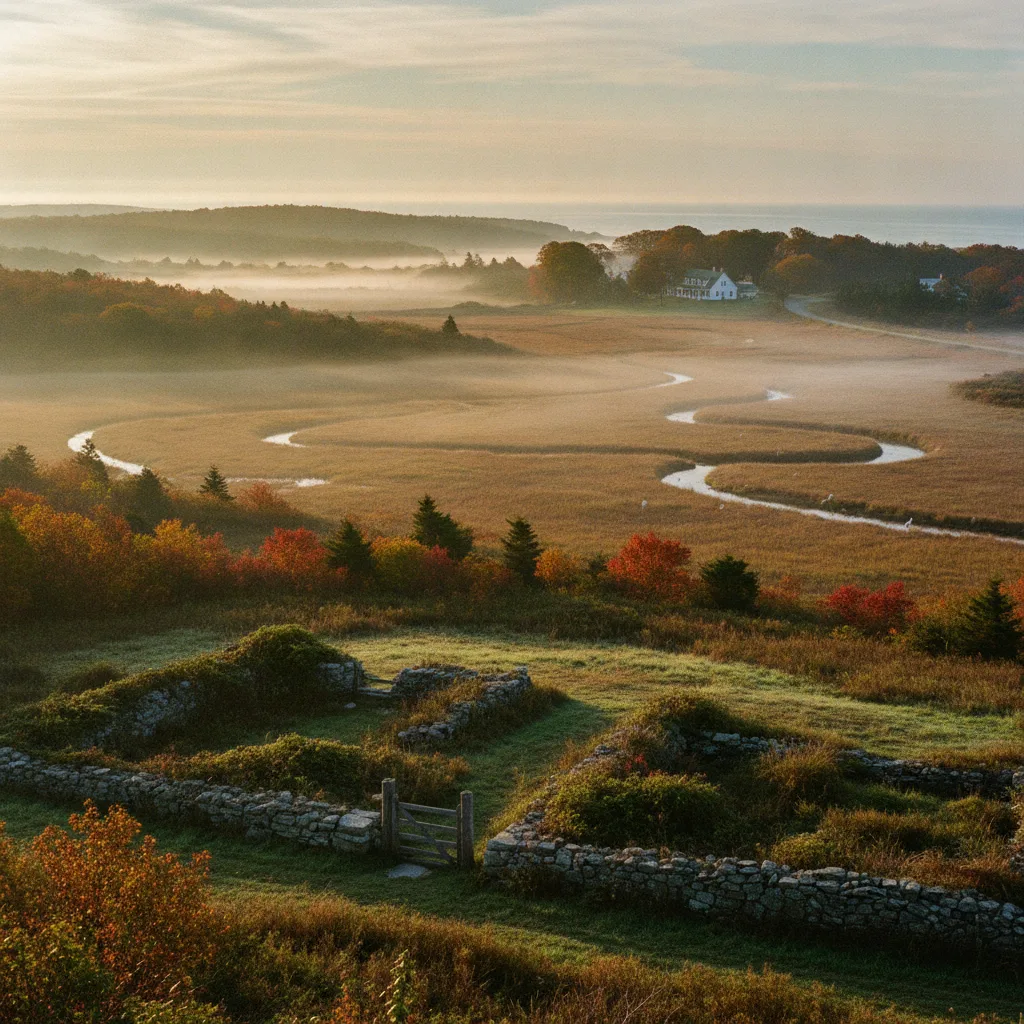
Kimball Wildlife Refuge Travel Guide — Rhode Island
Our Kimball Wildlife Refuge guide covers practical planning for Kimball Wildlife Refuge Rhode Island — best time to visit, getting there, and what to do on the ground.
Managed by the Audubon Society of Rhode Island, this refuge features diverse habitats, including woodlands and wetlands, with trails for birdwatching and nature observation. It's a peaceful sanctuary for wildlife and visitors alike. The 29-acre Kimball Wildlife Refuge Rhode Island, located in Charlestown, is now part of Burlingame State Park, having been sold by the Audubon Society to the Rhode Island Department of Environmental Management (DEM) in 2015. This integration means visitors can enjoy the refuge's offerings alongside the broader recreational opportunities of the state park. The refuge is situated on the south shore of Watchaug Pond and even includes a small beach area.
Why Visit Kimball Wildlife Refuge
For those seeking a tranquil escape into nature, Kimball Wildlife Refuge Rhode Island offers a compelling reason to visit. Our team finds that this refuge provides an accessible opportunity to immerse oneself in Rhode Island's natural beauty, observe local wildlife, and enjoy peaceful trails away from the hustle and bustle. The refuge's diverse habitats, including woodlands and wetlands, support a variety of bird species and other wildlife, making it a prime location for birdwatching and nature photography. It's an ideal spot for quiet contemplation, a leisurely stroll, or an educational outing to connect with the environment.
The integration of Kimball Wildlife Refuge into Burlingame State Park in 2015 has expanded the possibilities for visitors. This means you can combine your wildlife observation with other state park amenities, such as picnicking and access to Watchaug Pond. The refuge's location on the south shore of Watchaug Pond provides scenic views and a unique freshwater environment to explore. Whether you're a seasoned birder or simply looking for a serene natural setting, Kimball Wildlife Refuge offers a rewarding experience.
Who It's Best For
Kimball Wildlife Refuge is ideally suited for nature enthusiasts of all ages, particularly those who appreciate quiet observation and gentle outdoor activities. Birdwatchers will find the diverse habitats a magnet for various avian species, especially during migration periods. Families with children will appreciate the easy-to-navigate trails and the opportunity for kids to learn about local ecosystems firsthand. The refuge is also excellent for photographers looking to capture wildlife in its natural setting or serene landscape shots.
Hikers seeking a moderate and accessible experience will enjoy the trails, which are generally suitable for all skill levels. It's a fantastic spot for individuals or small groups looking to unwind and reconnect with nature without the intensity of more strenuous hikes. Since pets are generally prohibited on Audubon Wildlife Refuges to protect the natural habitats and their inhabitants, it's not the best choice if you're planning to bring your dog. However, for those who prioritize wildlife observation and a peaceful environment, it's an exceptional destination.
Getting There & Parking
Reaching Kimball Wildlife Refuge Rhode Island is straightforward, and parking is available on-site. The refuge is located at 180 Sanctuary Road in Charlestown, Rhode Island. To get there, our team recommends turning north off US Route 1 at Prosser Trail. Then, take the first left onto Montauk and follow the signs leading to Kimball. At the bottom of the hill, turn left again and continue on Sanctuary Road until you reach the nature center and parking area.
Free parking is available in the sanctuary's designated parking area. As part of Burlingame State Park, visitors also have access to the paved parking lot at the adjacent Burlingame State Park Picnic Area, which offers approximately 115 parking spots. This makes access convenient, even during busier times. We always advise checking for any local road closures or specific directions from the Audubon Society of Rhode Island's website or the Rhode Island Department of Environmental Management (DEM) before your visit, especially during peak seasons or inclement weather. While there are no specific reservation requirements for general entry to the refuge itself, larger groups or those planning events might want to contact the Audubon Society of Rhode Island for guidance. You can find contact information for the Audubon Society of Rhode Island at (401) 949-5454.
Top Things to Do
The Kimball Wildlife Refuge offers a variety of engaging activities centered around nature observation and peaceful exploration. When considering things to do at Kimball Wildlife Refuge, our team emphasizes the opportunities for birdwatching, hiking, and simply enjoying the serene environment. This refuge, now part of Burlingame State Park, provides a unique blend of managed wildlife habitat and recreational amenities.
Birdwatching
Kimball Wildlife Refuge is a haven for birdwatchers. Its diverse habitats, including woodlands and wetlands, attract a wide array of migratory and resident bird species. We recommend bringing binoculars and a field guide to identify the various birds you might encounter. Keep an eye out for waterfowl on Watchaug Pond, as well as songbirds and raptors in the wooded areas. Early mornings and late afternoons are often the best times for bird activity. The Audubon Society of Rhode Island frequently hosts bird walks and events at its various refuges, so checking their events calendar for 2026 might reveal guided birding opportunities near Kimball.
Hiking and Nature Observation
Exploring the Kimball Wildlife Refuge hiking trails is one of the primary things to do at Kimball Wildlife Refuge. The refuge features trails that wind through its 29 acres and connect to the larger network of trails within Burlingame State Park. The Kimball Wildlife Refuge hiking trails are generally considered moderately trafficked and suitable for all skill levels, featuring beautiful wildflowers, especially from March to October. One popular option is a 2.6-mile out-and-back trail. These trails offer excellent opportunities for nature observation, allowing visitors to appreciate the refuge's diverse flora and fauna. We encourage visitors to move quietly and observe from a distance to avoid disturbing the wildlife. Remember to bring water, wear appropriate footwear, and consider insect repellent, especially during warmer months.
Beyond the specific Kimball Wildlife Refuge hiking trails, the broader Burlingame State Park offers additional recreational activities. The adjacent Burlingame State Park Picnic Area provides a wooded picnic grove with tables and a sandy shoreline with a small swim area on Watchaug Pond. This area is also near a state boat launch for boating and fishing on Watchaug Pond. Personal watercraft are prohibited on Watchaug Pond per local ordinance.
Photography
With its scenic landscapes and abundant wildlife, Kimball Wildlife Refuge Rhode Island is a fantastic spot for nature photography. From close-ups of wildflowers and insects to expansive shots of Watchaug Pond and its surrounding forests, there are countless subjects to capture. Patience is key when photographing wildlife, and we recommend using a telephoto lens for the best results. The changing seasons bring different colors and moods to the refuge, offering unique photographic opportunities throughout the year.
Picnicking and Relaxation
While picnicking within the immediate refuge trails is generally not permitted to preserve the natural environment, the adjacent Burlingame State Park Picnic Area offers designated picnic tables and a covered shelter for up to 50 people. This makes it easy to combine a peaceful walk through the refuge with a relaxing outdoor meal. The tranquil setting of Watchaug Pond also provides a perfect backdrop for unwinding and enjoying the natural ambiance. Keep in mind that alcohol is not allowed at the Burlingame State Park Picnic Area.
Best Time to Visit
The best time to visit Kimball Wildlife Refuge Rhode Island largely depends on your interests, though each season offers its unique charm. Our team finds that spring and fall are particularly rewarding for wildlife observation and comfortable hiking conditions.
Spring (April to June): This is an excellent time for birdwatching, as migratory birds return and resident species are active with nesting. The woodlands burst with new growth, and wildflowers begin to bloom, adding vibrant colors to the trails. The temperatures are generally mild, making for pleasant hiking. Events like "Celebrate Spring Migration!" are often hosted by the Audubon Society of Rhode Island at various locations across the state.
Summer (July to August): Summer offers lush greenery and warmer temperatures. It's a good time for general nature walks and enjoying the beach on Watchaug Pond. However, be prepared for more insects, especially mosquitoes, so insect repellent is advisable. While the refuge itself is a peaceful sanctuary, the adjacent Burlingame State Park Picnic Area can be busier with swimmers and picnickers.
Fall (September to November): Fall is arguably the most picturesque time to visit, with the foliage transforming into brilliant reds, oranges, and yellows. The cooler temperatures are ideal for hiking, and migratory birds can still be observed. It's a quieter time in the refuge compared to summer, offering a more serene experience. The trails are best used from March until October.
Winter (December to March): While colder, winter can offer a stark beauty to the refuge. With deciduous trees bare, visibility for spotting certain wildlife might improve. It's also a much quieter time, offering solitude for those who don't mind the chill. However, some trails might be icy or muddy, so appropriate footwear is crucial. The Audubon Society of Rhode Island does host some winter programs at its other locations, which might offer inspiration for winter nature activities.
Regardless of the season, we recommend visiting during the early morning or late afternoon when wildlife is most active. The refuge trails are generally open from sunrise to sunset. Always check the Audubon Society of Rhode Island's website or the Rhode Island DEM for any specific seasonal closures or event schedules before your visit.
Where to Stay Nearby
While Kimball Wildlife Refuge Rhode Island itself does not offer lodging, the surrounding towns of Charlestown, Westerly, and South Kingstown provide a range of accommodations to suit various preferences and budgets. When considering Kimball Wildlife Refuge lodging, our team suggests looking for options that balance convenience with the desired level of comfort and amenities.
Charlestown, RI
Charlestown offers a charming coastal New England experience with several local inns and vacation rentals. It's the closest town to the refuge, making for easy access. The Willows Inn & Resort, located on historic Route 1A, offers a family-owned hospitality experience on Foster Cove. It's a 15-acre estate with complimentary boating rentals and on-site breakfast during the season. Other options might include local cottages and vacation homes, which can be found through platforms like Expedia and Trip.com.
Westerly, RI
Just a short drive from Charlestown, Westerly is a larger town with more extensive lodging options, including hotels, motels, and charming bed and breakfasts. It's known for its beautiful beaches like Misquamicut State Beach and Watch Hill. Hotels such as the Pleasant View Inn or Winnapaug Inn are often listed as options in the wider Charlestown/Westerly area. For those seeking a more luxurious stay, the Ocean House in Watch Hill is a renowned, high-end choice.
South Kingstown, RI
South Kingstown, particularly the Wakefield and Narragansett areas, offers a good selection of chain hotels and independent inns. These towns are slightly further but still within a reasonable driving distance of Kimball Wildlife Refuge. Options like the Holiday Inn South Kingstown (Newport Area) or Hampton Inn South Kingstown-Newport Area provide reliable comfort and amenities. Staying here also positions you well to explore other South County attractions, including Narragansett Beach or the Beavertail State Park on Conanicut Island.
When planning your Kimball Wildlife Refuge lodging, we recommend booking in advance, especially if you're visiting during the peak summer season or on weekends, as popular accommodations can fill up quickly. You can explore options and reviews on sites like Expedia, Orbitz, and Trivago to find the best fit for your trip.
Sample 2-Day Itinerary
To fully experience Kimball Wildlife Refuge and its charming surroundings, we’ve put together a sample 2-day itinerary. This plan balances peaceful nature exploration with local attractions, ensuring a well-rounded Rhode Island adventure.
Day 1: Immersion in Nature at Kimball Wildlife Refuge
- Morning (9:00 AM - 1:00 PM): Explore Kimball Wildlife Refuge Rhode Island
- Start your day early at the Kimball Wildlife Refuge. Park at the designated area on Sanctuary Road.
- Embark on the 2.6-mile out-and-back trail, taking your time to observe the diverse habitats. This is prime time for birdwatching, so keep an eye out for various species in the woodlands and wetlands.
- Utilize the peaceful setting for nature photography, capturing the serene landscapes and any wildlife you encounter.
- Lunch (1:00 PM - 2:00 PM): Picnic by Watchaug Pond
- Head to the adjacent Burlingame State Park Picnic Area. Find one of the first-come, first-served picnic tables or utilize the rentable covered shelter if pre-arranged.
- Enjoy a packed lunch while overlooking Watchaug Pond, reflecting on your morning’s wildlife sightings.
- Afternoon (2:00 PM - 5:00 PM): Watchaug Pond Activities & Kettle Pond Visitor Center
- If weather permits, enjoy a swim at the small beach area on Watchaug Pond within the Burlingame State Park Picnic Area.
- Alternatively, explore the state boat launch area (personal watercraft prohibited) and observe other recreational activities on the pond.
- Visit the nearby Kettle Pond Visitor Center, which serves as a headquarters for the Ninigret National Wildlife Refuge and offers exhibits on local wildlife and habitats. The visitor center hours are typically 10 AM - 4 PM daily during summer.
- Evening (6:00 PM onwards): Dinner in Charlestown & Stargazing
- Dine at one of Charlestown's local eateries. Options might include casual seafood or classic American fare.
- Consider a visit to the Frosty Drew Observatory & Science Center in Ninigret Park for free public stargazing events, typically held on Friday nights. Check their schedule for 2026 events.
Day 2: Coastal Exploration & Rhode Island Highlights
- Morning (9:00 AM - 12:00 PM): Charlestown Beaches or Ninigret National Wildlife Refuge
- Choose between relaxing on one of Charlestown’s beautiful beaches, such as Charlestown Town Beach or East Beach, or further wildlife exploration. Rhode Island State Beach parking passes are required for state beaches during the summer season.
- Alternatively, delve deeper into nature at the Ninigret National Wildlife Refuge, which consists of 858 acres of diverse upland and wetland habitats. It's known for migratory bird species, and Sandy Point Island passes are required from Memorial Day through Labor Day.
- Lunch (12:00 PM - 1:00 PM): Local Flavors
- Grab a casual lunch in Charlestown or nearby Westerly, perhaps trying some local seafood.
- Afternoon (1:00 PM - 5:00 PM): Discover South County Gems
- Depending on your interest, explore other nearby attractions. We recommend a visit to the Mohegan Bluffs on Block Island (accessible via ferry from Galilee) for stunning coastal views, or the historic Blithewold Mansion in Bristol for beautiful gardens and architecture.
- For those interested in maritime history, Beavertail State Park in Jamestown offers a scenic lighthouse and dramatic ocean vistas.
- Evening (5:00 PM onwards): Rhode Island Culinary Experience
- Conclude your trip with a memorable dinner in one of Rhode Island's culinary hotspots, perhaps exploring the dining scene in Narragansett or heading towards Newport for a more upscale experience.
- Consider an evening stroll along the Newport Cliff Walk if you're in the area, offering beautiful sunset views over the ocean and historic mansions.
This itinerary provides a flexible framework; feel free to adjust it based on your pace and specific interests. For more ideas on what to explore in the Ocean State, check out our guide to The Best Places in Rhode Island.
Is It Worth Visiting?
When travelers ask, "is Kimball Wildlife Refuge worth visiting?", our answer is a resounding yes, especially for those who prioritize a genuine connection with nature over commercial attractions. This refuge offers a unique and accessible opportunity to experience Rhode Island's natural ecosystems in a peaceful setting. We believe that the value of Kimball Wildlife Refuge lies in its tranquility, its diverse habitats, and the sheer abundance of opportunities for quiet observation.
The fact that it's managed by the Audubon Society of Rhode Island and integrated into Burlingame State Park ensures a focus on conservation and public access. For birdwatchers, hikers, and anyone seeking a serene escape, the refuge provides a refreshing antidote to crowded tourist spots. The well-maintained Kimball Wildlife Refuge hiking trails, coupled with the scenic beauty of Watchaug Pond, make it an ideal destination for a half-day or full-day excursion. Our team confidently recommends a visit to Kimball Wildlife Refuge for anyone looking to immerse themselves in the natural beauty of the Ocean State.
FAQ Longtails
Kimball Wildlife Refuge camping
Camping is not permitted directly within Kimball Wildlife Refuge. However, since the refuge is part of Burlingame State Park, camping facilities are available at the adjacent Burlingame State Campground. Burlingame State Campground offers various site types, including tent and trailer sites, and is open through early September 2026. Reservations are highly recommended, especially during peak season, and can be made through the Rhode Island State Parks website. Other nearby state campgrounds include Charlestown Breachway State Campground and East Beach State Campground.
things to do in Charlestown
Charlestown, Rhode Island, offers a charming array of activities beyond the refuge. Our team recommends exploring the town's beautiful beaches, such as Charlestown Town Beach, East Beach, and Charlestown Breachway State Beach. Nature lovers can visit the Ninigret National Wildlife Refuge, which features diverse habitats and walking trails. For a unique experience, check out the Frosty Drew Observatory & Science Center for stargazing events. The Fantastic Umbrella Factory is another local landmark, offering a collection of unique shops and gardens. Additionally, the town hosts seasonal events like the Rhythm & Roots Festival, a three-day music festival with camping held over Labor Day Weekend.
Kimball Wildlife Refuge with kids
Kimball Wildlife Refuge is an excellent destination for families with kids. The Kimball Wildlife Refuge hiking trails are generally easy and suitable for all skill levels, making them accessible for younger explorers. Kids will enjoy the opportunity for birdwatching and spotting other wildlife in their natural habitat. The adjacent Burlingame State Park Picnic Area offers a sandy shoreline and a small swim area on Watchaug Pond, perfect for a refreshing dip or some playtime after a hike. We recommend bringing a nature scavenger hunt list to engage children further. Remember to pack snacks, water, and insect repellent. The Audubon Society of Rhode Island also offers various family-friendly programs at its other nature centers, which can provide additional educational opportunities.
best hotels near Kimball Wildlife Refuge
For the best hotels near Kimball Wildlife Refuge, our team suggests looking in Charlestown, Westerly, or South Kingstown. In Charlestown itself, you might find local inns or vacation rentals like The Willows Inn & Resort, which offers a charming, family-owned experience on Foster Cove. Slightly further afield in Westerly, options include the Pleasant View Inn or Winnapaug Inn. In South Kingstown, you'll find more chain hotels like the Holiday Inn South Kingstown (Newport Area) by IHG or Hampton Inn South Kingstown-Newport Area. For a luxurious option, consider the Ocean House in Watch Hill. We recommend checking current availability and reviews on travel sites like Expedia or Orbitz for 2026 bookings.
Kimball Wildlife Refuge tips
To make the most of your visit to Kimball Wildlife Refuge, our team offers these essential tips:
- Visit during off-peak hours: Early mornings and late afternoons are best for wildlife viewing and solitude.
- Dress appropriately: Wear comfortable walking shoes, long pants, and layers, as temperatures can change.
- Bring essentials: Pack water, snacks, sunscreen, and insect repellent.
- Binoculars and camera: Essential for birdwatching and capturing the refuge's beauty.
- Stay on marked trails: This protects both the delicate ecosystem and ensures your safety.
- Leave no trace: Pack out everything you pack in to keep the refuge pristine.
- Check for events: The Audubon Society of Rhode Island's calendar may list guided walks or programs.
- No pets: Remember that dogs and other pets are generally not allowed on Audubon Wildlife Refuges.
where to stay near Kimball Wildlife Refuge
When deciding where to stay near Kimball Wildlife Refuge, our recommendations focus on convenience and access to other local attractions. Charlestown offers the closest proximity, with options ranging from charming vacation rentals to The Willows Inn & Resort. For a wider selection of hotels and amenities, consider the larger towns of Westerly or South Kingstown, which are both within a reasonable driving distance. These areas provide a mix of hotel chains, boutique inns, and luxury resorts, ensuring there’s something for every traveler. Always book your accommodations in advance, especially during the busy summer months, to secure your preferred Kimball Wildlife Refuge lodging. You can find many options on sites like Trip.com and Trivago.
Kimball Wildlife Refuge Rhode Island stands as a testament to the Ocean State's commitment to preserving its natural heritage. Our team encourages every visitor to embrace the tranquility and ecological richness this special place offers. Whether you're a dedicated birder, a casual hiker, or simply seeking a peaceful retreat, the refuge provides an invaluable opportunity to connect with the wild beauty of Rhode Island. Remember to plan your visit with respect for the environment and its inhabitants, ensuring that Kimball Wildlife Refuge remains a sanctuary for both wildlife and future generations of visitors.
Last updated: 2026-07-13 by the Roam States team.