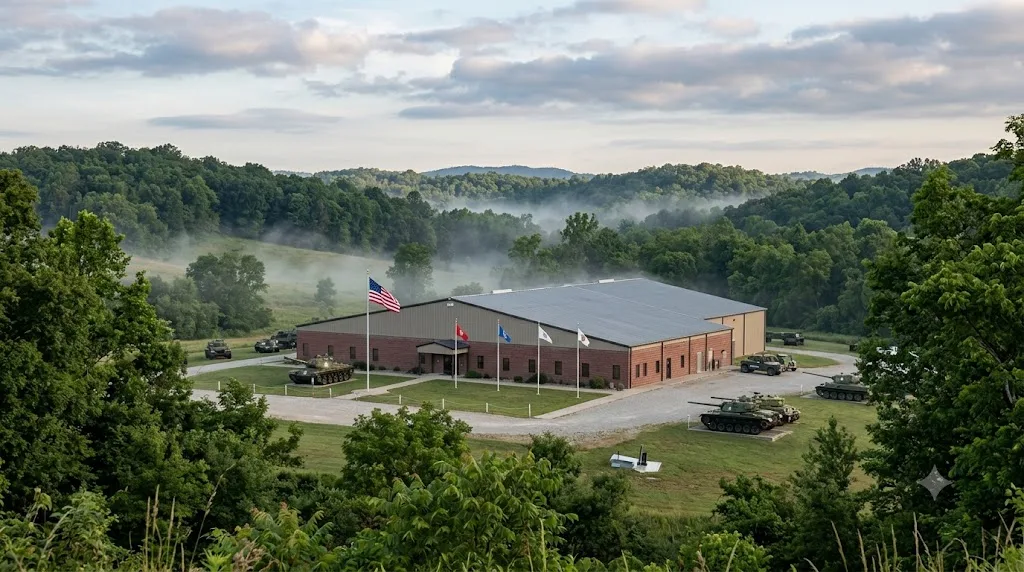
Our Museum of the American G.I. guide covers practical planning for Museum of the American G.I. West Virginia — best time to visit, getting there, and what to do on the ground.
As the Roam States editorial team, we pride ourselves on delivering independent, actionable travel advice, free from generic fluff. When it comes to honoring the brave men and women who have served our nation, few places offer as immersive an experience as the Museum of the American G.I. West Virginia. Dedicated to preserving the history of the American soldier, this museum features an impressive collection of military vehicles, uniforms, and artifacts spanning various conflicts, offering a profound look into the sacrifices made for freedom.
Why Visit Museum of the American G.I.
We believe a visit to the Museum of the American G.I. offers more than just a glimpse into history; it provides a vital connection to the stories of courage, innovation, and sacrifice that define the American military experience. This isn't a dusty archive; it's a dynamic institution committed to bringing history to life through its extensive collection. You'll find meticulously restored military vehicles, from tanks to jeeps, each with its own story. The exhibits walk you through different eras, showcasing the evolution of military technology, the changing face of warfare, and the personal experiences of soldiers.
The museum's mission is to keep the legacy of American servicemen and women alive through the preservation of equipment, uniforms, and memories, while educating the public about their service and sacrifice. This commitment is evident in every detail, from the interpretive displays to the knowledgeable staff and volunteers. It’s a place where you can truly understand the human element behind major historical events, fostering a deeper appreciation for the contributions of the American G.I.
Who It's Best For
The Museum of the American G.I. West Virginia caters to a broad audience, making it an excellent destination for various types of travelers. History enthusiasts, particularly those interested in military history, will find themselves captivated by the sheer volume and quality of artifacts. Veterans and their families will appreciate the respectful and comprehensive portrayal of service, often finding personal connections within the exhibits. Families with children will discover an engaging educational experience; the large vehicles and interactive displays are particularly appealing to younger visitors, sparking curiosity about the past.
Educators looking for a compelling field trip destination will find rich resources here, aligning with curricula on American history and civics. Even casual visitors seeking a unique and thought-provoking experience will leave with a greater understanding and appreciation for the American soldier. It's a powerful reminder of our shared history and the enduring spirit of those who have served.
Getting There & Parking
The Museum of the American G.I. West Virginia is conveniently located, offering straightforward access for travelers. While specific directions will depend on your starting point, we recommend using a GPS for the most accurate route to the museum's address. For those driving, the museum is typically accessible via major highways, making it an easy addition to a road trip through West Virginia. If you're flying in, the nearest major airport would likely be Huntington Tri-State Airport (HTS), from which you can rent a car or arrange for ground transportation.
When it comes to parking, the museum provides ample space for visitors. The main parking area is designed to accommodate a variety of vehicles, including larger ones like tour buses, RVs, and motorhomes, especially during non-special event weekends. During special events like the "Living History Weekend," free parking is often available at designated off-site lots, such as Santa's Wonderland's Blitzen lot, with shuttle services typically provided. We always advise checking the museum's official website closer to your visit date for any updates on parking availability or special event arrangements, as these can sometimes change.
Top Things to Do
Exploring the Museum of the American G.I. West Virginia is an immersive journey through military history, offering a wealth of things to do that will engage visitors of all ages. Our team recommends setting aside at least 1.5 hours to fully appreciate the main exhibits, though dedicated history buffs could easily spend half a day or more.
- Explore Extensive Vehicle Collections: One of the primary things to do at Museum of the American G.I. is to marvel at the impressive array of restored military vehicles. From World War II tanks and half-tracks to Vietnam-era M113 armored personnel carriers, the collection is a testament to the evolution of military engineering. Each vehicle is meticulously maintained, offering a tangible connection to the past.
- Discover Artifacts and Uniforms: Beyond the vehicles, the museum houses thousands of artifacts, including uniforms, weaponry, personal effects, and historical documents. These exhibits provide intimate insights into the daily lives and experiences of American soldiers across various conflicts. You'll see how equipment changed, how soldiers adapted, and the personal stories behind the gear.
- Engage with Living History Displays: For an even deeper dive, plan your visit around one of the museum's "Living History Weekends." These special events feature battle reenactments, demonstrations, and opportunities to interact with living historians who bring different eras to life. It's an unparalleled way to witness history unfold before your eyes, offering a dynamic perspective on military life and tactics.
- Experience Vehicle Rides: During Living History Weekends, you might even have the chance to ride in a historic military vehicle, such as a WWII tank or a Vietnam-era M113. These unique experiences often require pre-purchased tickets for specific time slots, so be sure to check the event schedule in advance if this is on your list of things to do at Museum of the American G.I..
- Visit the Gift Shop: Conclude your visit by browsing the museum's gift shop, where you can find books, memorabilia, and unique items to remember your experience and support the museum's mission.
While the Museum of the American G.I. is the main attraction, the surrounding region of West Virginia offers additional military history sites. For instance, the Mountaineer Military Museum in Weston features personal and historical items from the Korean, Vietnam, and Civil Wars. The Mercer County War Museum in Princeton honors veterans from the Civil War to the present with three floors of artifacts and photographs. The Raleigh County Veterans & First Responders Museum in Beckley boasts over 30,000 artifacts from the Revolutionary War through the War in Terror. These regional museums, while distinct, underscore West Virginia's deep connection to military history and offer complementary experiences for those wishing to explore further.
Best Time to Visit
Choosing the best time to visit the Museum of the American G.I. West Virginia depends largely on your preferences and what you hope to experience. The museum is open Wednesday through Saturday from 10 AM to 5 PM, and on Sundays from 12 PM to 5 PM, remaining closed on Mondays and Tuesdays. We recommend arriving no later than 4 PM to ensure you have at least an hour to explore the facility.
For a standard visit focused on the indoor exhibits and static displays, weekdays (Wednesday-Friday) during the off-peak seasons (fall, winter, early spring, excluding holidays) generally offer a more relaxed experience with fewer crowds. This allows for a more contemplative exploration of the artifacts and vehicles. Weekends can be busier, especially during pleasant weather.
However, if you're keen on seeing history truly come alive, we highly recommend planning your trip around one of their special "Living History Weekends." These events, often held in March, feature battle reenactments, vehicle demonstrations, and unique opportunities like tank rides. While these weekends are incredibly popular and draw larger crowds, the immersive nature of the events is unmatched. Just be aware that during these special events, the main museum building itself might be closed, with activities focused outdoors. Always check the museum's official schedule for 2026 event dates and details well in advance, as event-specific admission prices apply.
Weather-wise, late spring and early fall offer pleasant temperatures for exploring the outdoor areas and any potential outdoor exhibits. Summer can be warm, but the indoor, climate-controlled exhibits provide a comfortable escape. Winter visits are also viable, especially if your focus is primarily on the indoor collections.
Where to Stay Nearby
When planning your trip to the Museum of the American G.I. West Virginia, finding comfortable and convenient Museum of the American G.I. lodging is key to a successful visit. The vibrant city of Huntington, West Virginia, offers a range of options to suit various budgets and preferences, all within a reasonable driving distance of the museum.
For those seeking full-service amenities and a touch of luxury, we recommend establishments like the Delta Hotels by Marriott Huntington Downtown or the DoubleTree by Hilton Huntington. These hotels often feature on-site dining, fitness centers, and sometimes pools, providing a comfortable retreat after a day of exploration. Many offer free parking, which is a significant plus.
Mid-range options that consistently receive positive reviews and offer excellent value include the Fairfield Inn & Suites Huntington and the Hampton Inn Huntington University Area. These hotels typically provide complimentary breakfast, free Wi-Fi, and comfortable rooms, making them ideal for families and travelers looking for reliable quality. The Fairfield Inn & Suites, for instance, is noted for its comfortable rooms and free breakfast options. Many of these also offer free parking.
Budget-conscious travelers will find several affordable choices, such as the Days Inn by Wyndham Huntington or the Motel 6 Huntington, WV. While offering fewer frills, these establishments provide clean, basic accommodations, ensuring you have a comfortable place to rest without breaking the bank. The Motel 6 is conveniently located near shops and dining, and within five miles of the Huntington Museum of Art.
Beyond traditional hotels, consider unique Museum of the American G.I. lodging experiences. For example, the Heritage Farm Museum & Village, a Smithsonian affiliate and National Geographic Traveler Prime Destination, offers the chance to spend the night in a log inn, caboose, or even an entire dairy barn. This could be a memorable complement to your historical journey.
When booking your Museum of the American G.I. lodging, we recommend checking current reviews and amenities, and considering proximity to other attractions you plan to visit in Huntington, such as Ritter Park or the Huntington Museum of Art.
Sample 2-Day Itinerary
To help you make the most of your visit to the Museum of the American G.I. West Virginia and the surrounding area, our team has crafted a sample 2-day itinerary. This plan balances historical immersion with local exploration, providing a well-rounded West Virginia experience.
Day 1: Immersion in Military History
- Morning (10:00 AM - 1:00 PM): Museum of the American G.I. Begin your day at the Museum of the American G.I. West Virginia. Dedicate a solid three hours to exploring the extensive indoor exhibits, marveling at the collection of military vehicles, uniforms, and artifacts. Take your time to read the interpretive panels and absorb the stories of American soldiers across various conflicts. Remember, the museum opens at 10 AM on weekdays and Saturdays, and at 12 PM on Sundays.
- Lunch (1:00 PM - 2:00 PM): Local Eatery. Enjoy lunch at a casual restaurant in Huntington. The city offers a variety of options, from classic American diners to diverse cuisines.
- Afternoon (2:00 PM - 5:00 PM): Huntington Museum of Art. Transition from military history to art and nature at the Huntington Museum of Art. As the largest art museum in West Virginia, it boasts an impressive collection, a unique indoor tropical botanical garden, and 40 acres of hiking trails adorned with art installations. It's a fantastic change of pace and offers beautiful outdoor spaces.
- Evening (5:00 PM onwards): Downtown Huntington & Dinner. Explore downtown Huntington, particularly the Pullman Square shopping and dining district. Enjoy dinner at one of the many restaurants, followed by a stroll or perhaps catch a show at the historic Keith Albee Performing Arts Center.
Day 2: Appalachian Culture & Outdoor Exploration
- Morning (9:00 AM - 12:00 PM): Heritage Farm Museum & Village. Start your second day with a visit to the award-winning Heritage Farm Museum & Village. This outdoor history attraction provides a fascinating look into pioneer life and Appalachian culture through its seven museums, interactive exhibits, and even a petting zoo. It's a Smithsonian affiliate and a National Geographic Traveler Prime Destination, ensuring a quality experience.
- Lunch (12:00 PM - 1:00 PM): Farm Cafe or Local Deli. Grab a bite at Our Daily Bread Cafe at Heritage Farm, or find a charming local deli in Huntington.
- Afternoon (1:00 PM - 4:00 PM): Ritter Park. Spend your afternoon enjoying the natural beauty and recreational opportunities at Ritter Park. This massive, award-winning green space features walking trails, a rose garden, tennis courts, and an acclaimed playground. It’s perfect for a leisurely walk, a picnic, or simply relaxing outdoors.
- Late Afternoon (4:00 PM - 5:00 PM): Museum of Radio & Technology. For a niche interest, consider a quick stop at the Museum of Radio & Technology, a small but fascinating museum dedicated to the history of radio and broadcasting.
- Evening: Departure or Further West Virginia Exploration. Depending on your travel plans, you can begin your journey home or consider extending your trip to explore other iconic West Virginia destinations. We highly recommend exploring the breathtaking landscapes of New River Gorge National Park, the historic charm of Harpers Ferry National Park, or the luxurious offerings of The Greenbrier Resort. For more ideas, check out our guide to Best Places in West Virginia.
Last updated: 2026-07-09 by the Roam States team.