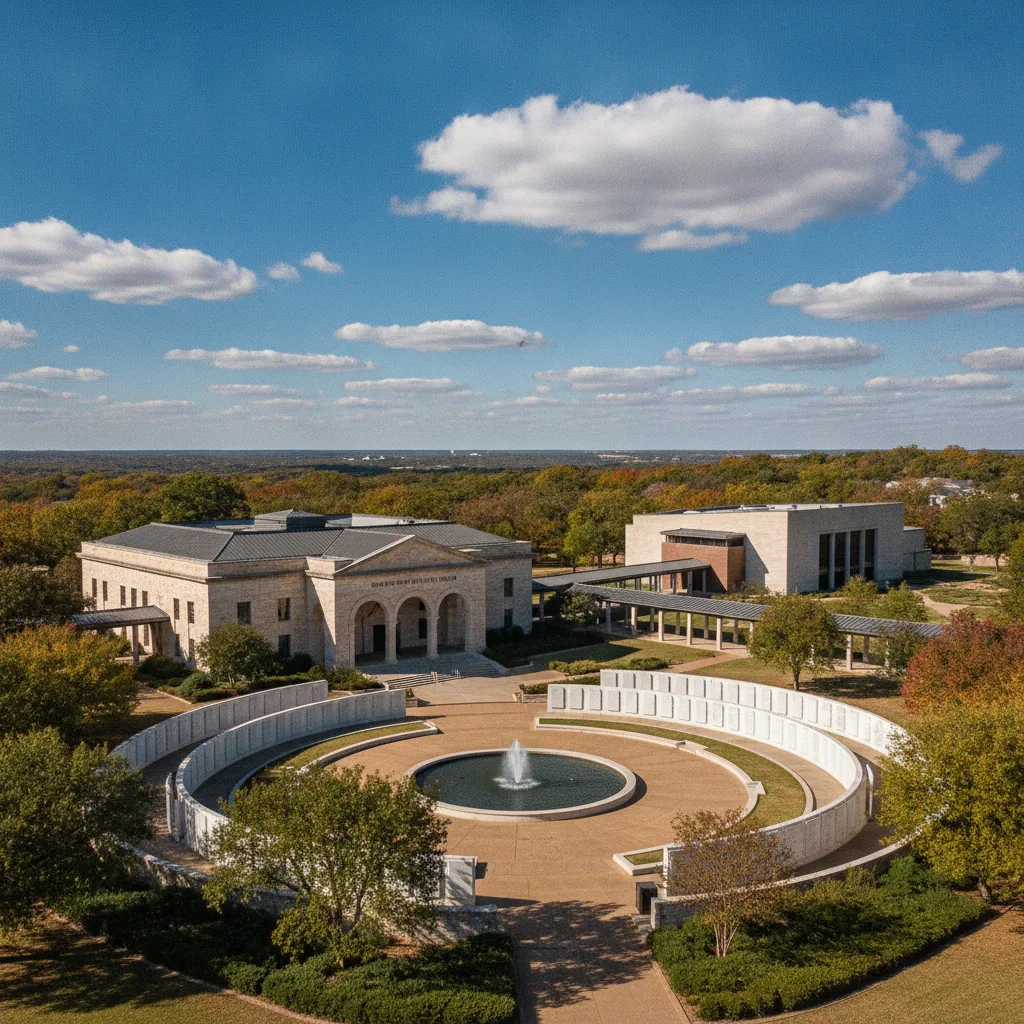
Our National Museum of the Pacific War guide covers practical planning for the National Museum of the Pacific War Texas — best time to visit, getting there, and what to do on the ground.
As independent US travel authorities, our team at Roam States understands the profound impact certain destinations have on travelers. The National Museum of the Pacific War Texas is undeniably one of those places. Situated in the heart of Fredericksburg, this comprehensive museum serves as a powerful tribute to the sacrifices made during World War II's Pacific Theater. It’s an essential stop for anyone seeking a deeper understanding of a pivotal period in global history, offering extensive indoor and outdoor exhibits that bring the past vividly to life.
Why Visit National Museum of the Pacific War
Visiting the National Museum of the Pacific War is more than just a trip to a museum; it's an immersive educational experience that resonates deeply. Our team recommends it for its unparalleled dedication to preserving and interpreting the stories of those who served. The museum complex, spanning six acres, provides a chronological journey through the Asiatic-Pacific theater, from the attack on Pearl Harbor to the final days of the war. You'll encounter powerful narratives, significant artifacts, and thoughtful exhibits that highlight the human cost and strategic complexities of the conflict.
The museum’s commitment to historical accuracy and its respectful portrayal of events make it a profoundly moving destination. It’s a place where visitors can connect with history on a personal level, reflecting on the courage, resilience, and sacrifices of a generation. The institution is a Smithsonian Affiliate, recognized for its high standards and extensive collections. We believe it fosters a deeper appreciation for the freedoms we enjoy today and the immense efforts required to secure them.
Who It's Best For
The National Museum of the Pacific War is best suited for history enthusiasts, veterans and their families, and anyone seeking a comprehensive understanding of World War II's Pacific Theater. Its detailed exhibits and personal stories offer a rich learning environment for adults and older children who can grasp the gravity of the subject matter. While some exhibits are intense, the museum provides a respectful and educational context for all ages. Younger visitors, particularly those 10 and older, will find the interactive elements and large-scale artifacts engaging, making it a valuable educational outing for families.
Educators will find the museum an invaluable resource for teaching about this era, and its various programs cater to different learning styles. For those interested in military history, the sheer scope of the collections—including ships, planes, weapons, and uniforms—is impressive. It's also a deeply meaningful destination for those wishing to honor the memory of service members, offering spaces for reflection like the Memorial Courtyard and the Japanese Garden of Peace.
Getting There & Parking
The National Museum of the Pacific War is conveniently located in Fredericksburg, Texas, a charming town in the heart of the Texas Hill Country. If you're wondering how to get to National Museum of the Pacific War, the museum's main entrance is at 311 E. Austin St., Fredericksburg, TX 78624. Fredericksburg is easily accessible by car from major Texas cities like San Antonio (approximately a 1.5-hour drive) and Austin (approximately a 1.5-hour drive). For those planning a broader USA road trip, it's a worthwhile detour when exploring Texas.
Regarding National Museum of the Pacific War parking, visitors will find several options. The museum does not offer bus or motor coach parking directly in front of the main building. However, designated bus parking is available at the Visitor Center parking lot, located across the street from the George H.W. Bush Gallery, or at the Pacific Combat Zone, which is one block east of the museum. Chaperone parking is also available along E. Austin Street, at the Visitor Center, and at the Pacific Combat Zone. Many hotels in Fredericksburg also offer free parking, making it convenient if you're staying overnight. We recommend arriving early, especially during peak seasons, to secure the best parking spots and allow ample time to explore the expansive campus.
Top Things to Do
There are numerous things to do at National Museum of the Pacific War, ensuring a comprehensive and engaging visit. The museum complex is vast, so we recommend allocating at least 3 to 6 hours for your visit to fully appreciate all it offers.
Explore the George H.W. Bush Gallery
The George H.W. Bush Gallery is the principal exhibition space, offering a chronological journey through the Pacific War. Recently renovated, it features redesigned wayfinding, updated narratives, and hundreds of previously unseen artifacts. Dynamic media, tactile interactives, and personal accounts bring the history to life, connecting visitors to the stories of those who served. You'll trace the war's progression from Pearl Harbor through key battles like Midway, Guadalcanal, Tarawa, Iwo Jima, and Okinawa, encountering large-scale artifacts like ships and planes, alongside personal effects of combatants.
Visit the Admiral Nimitz Gallery
Housed within the historic Nimitz Hotel, this gallery is dedicated to Fleet Admiral Chester W. Nimitz, a Fredericksburg native who commanded the U.S. Pacific Fleet. The gallery explores his life and career through interactive multimedia exhibits and a doubled display of artifacts. It provides a fascinating insight into the leadership that guided the Allied forces to victory.
Experience the Pacific Combat Zone
A short walk from the main campus, the Pacific Combat Zone offers a vivid insight into the strategic challenges of fighting an island enemy. It features a Carrier Aviation Exhibit, a PT Boat Exhibit, a scale map of the Asiatic-Pacific Theater, and the William P. Clements, Jr. Amphitheater. The Living History Battlefield hosts demonstrations and reenactments throughout the year, providing a tangible experience of the war. The Pacific Combat Zone closes earlier than the main galleries, at 3:00 PM, so plan accordingly.
Reflect in the Memorial Courtyard and Japanese Garden of Peace
The Memorial Courtyard, surrounded by 19th-century limestone walls, bears plaques recognizing heroic contributions to the war effort. The Veterans' Walk of Honor, paved with inscribed bricks, winds through this solemn garden. Adjacent to it is the Japanese Garden of Peace, a tranquil space donated by the Japanese government and designed by Taketora Saita of Tokyo. Both offer serene environments for reflection and remembrance. These outdoor areas are free and open daily until 5:00 PM.
The Rescue: Immersive Experience
For an additional ticket, visitors can experience "The Rescue," a multi-sensory immersive experience. This exhibit brings a true World War II rescue mission to life, following a daring submarine operation to rescue American refugees from the Philippine island of Negros. It operates on a timed-entry system.
Things to do in Fredericksburg beyond the museum
Beyond the National Museum of the Pacific War, Fredericksburg offers a wealth of activities. We highly recommend exploring Main Street, known for its German heritage and over 150 locally-owned stores, art galleries, and restaurants. You can easily spend a day browsing, dining, and even following the Urban Wine Trail.
For outdoor enthusiasts, a visit to Enchanted Rock State Natural Area is a must. This enormous pink granite dome offers breathtaking views of the Hill Country after a short but strenuous hike. We advise checking for reservation requirements, as the park can fill up quickly.
Fredericksburg is also the heart of Texas Wine Country, boasting over 100 vineyards and tasting rooms along the Highway 290 wine road. Consider a dedicated afternoon with a driver to fully enjoy the experience. Other notable attractions include the Pioneer Museum, which delves into Fredericksburg's German heritage through historic buildings and artifacts, and Wildseed Farms, the largest working wildflower farm in the U.S.. For a unique wildlife encounter, consider Longneck Manor.
For those interested in historical sites, the Vereins Kirche Museum and Fort Martin Scott Historic Site offer further glimpses into the region's past. Don't forget to check out Cross Mountain Park for scenic views. Our team encourages you to explore the diverse offerings that make Fredericksburg a vibrant destination within Texas, complementing your visit to the National Museum of the Pacific War.
Best Time to Visit
Choosing the best time to visit Fredericksburg and the National Museum of the Pacific War depends on your preferences for weather, crowds, and local events. Our team finds that spring (March-May) and fall (September-November) are generally considered the ideal seasons.
In spring, the Texas Hill Country comes alive with vibrant wildflowers, including the famous bluebonnets, blanketing the landscape. Temperatures are mild, typically ranging from 50–80°F, making it perfect for exploring both the outdoor exhibits of the museum and the town's attractions. However, this is also peak tourist season, so expect larger crowds, especially on weekends.
Fall brings the grape harvest season to Texas Wine Country, with wineries celebrating and the countryside adorned in golden and crimson hues. Temperatures are pleasant, ranging from 55–85°F, and evenings are very enjoyable. Festivals like Oktoberfest and the Food and Wine Festival also draw many visitors during this time. Similar to spring, fall weekends can be quite busy.
Summer (June-August) in Fredericksburg is hot, with temperatures often reaching 90–95°F or even 85–100°F. While it's a great time for outdoor water activities and peach festivals, the heat might make extensive outdoor exploration at the museum less comfortable. However, summer weekdays tend to be less crowded, offering a more relaxed pace.
Winter (December-February) is Fredericksburg's quietest season. Temperatures are cooler, ranging from 35–60°F, with mild afternoons. Crowds are thinner, and prices for accommodations may be lower, making it an affordable and cozy time to visit. Many wineries offer special winter releases and have fireplaces, adding to the charm.
For a balanced experience of comfortable weather and fewer crowds at the National Museum of the Pacific War, we suggest visiting during the shoulder seasons within spring or fall, or opting for weekdays during any season.
Where to Stay Nearby
When planning your visit to the National Museum of the Pacific War Texas, finding the right National Museum of the Pacific War lodging is key to a comfortable and convenient trip. Fredericksburg offers a wide array of accommodations, from charming bed and breakfasts to modern hotels and unique vacation rentals. Our team recommends choosing lodging that balances proximity to the museum with access to Main Street and the surrounding Hill Country attractions.
Several highly-rated hotels are located within a short distance of the museum. The Fredericksburg Inn & Suites is a popular choice, often praised for its convenient location (a 7-minute walk from the museum), complimentary breakfast, and outdoor heated pool with a waterslide. Another excellent option for National Museum of the Pacific War lodging is the Peach Tree Inn & Suites, which is within a 10-minute walk and offers a 24-hour fitness center and free breakfast.
For those seeking a bit more luxury, the Albert Hotel and Inn On Barons Creek are well-regarded, often featuring amenities like spas, pools, and upscale dining. The Albert Hotel, for example, is a 4-star property with excellent reviews. Many of these hotels are situated within the historic district, providing easy access to Main Street's shops and restaurants.
If you prefer a quieter, more secluded experience, numerous vacation rentals and charming cottages are available slightly outside the immediate downtown area, offering a taste of the Hill Country's beauty. Options like Moonrise Retreat and LUX Farmhouse provide amenities such as hot tubs, patios, and fully equipped kitchens, perfect for relaxation after a day of exploring. Many accommodations in Fredericksburg also offer free parking, which is a significant convenience. Regardless of your preference, we advise booking your National Museum of the Pacific War lodging well in advance, especially if you plan to visit during peak seasons like spring wildflower season or fall harvest festivals, as Fredericksburg is a very popular destination.
Sample 2-Day Itinerary
To maximize your experience at the National Museum of the Pacific War and explore the charm of Fredericksburg, our team has crafted a sample 2-day itinerary:
Day 1: Immersion in History
-
Morning (9:00 AM - 1:00 PM): National Museum of the Pacific War
Begin your day by arriving promptly at the National Museum of the Pacific War. We recommend starting with the George H.W. Bush Gallery for a chronological overview of the Pacific War. Dedicate ample time to explore the exhibits, artifacts, and personal stories. Remember to purchase your tickets online in advance to ensure entry and save time.
-
Lunch (1:00 PM - 2:00 PM): Downtown Fredericksburg
Head to downtown Fredericksburg for lunch. There are many local eateries offering German-Texan cuisine or classic American fare. Enjoy a meal at a casual spot on Main Street.
-
Afternoon (2:00 PM - 5:00 PM): Pacific Combat Zone & Reflection
After lunch, make your way to the Pacific Combat Zone, located a short walk from the main museum. Catch any living history demonstrations if available, and explore the outdoor exhibits like the Carrier Aviation and PT Boat exhibits. Note that the Pacific Combat Zone closes at 3:00 PM, so plan your visit to this area accordingly. Conclude your museum visit with a reflective stroll through the Memorial Courtyard and the tranquil Japanese Garden of Peace, both open until 5:00 PM.
-
Evening: Main Street Exploration & Dinner
Spend your evening exploring the unique shops and art galleries along Fredericksburg's historic Main Street. Enjoy dinner at one of the many highly-rated restaurants. Consider a local brewery like Fredericksburg Brewing Company for a relaxed evening.
Day 2: Hill Country Charm & Wine
-
Morning (8:00 AM - 12:00 PM): Enchanted Rock State Natural Area
Start your day early with a visit to Enchanted Rock State Natural Area, about an 18-mile drive north of Fredericksburg. Hike to the summit of this massive pink granite dome for panoramic views of the Texas Hill Country. We strongly advise checking for required reservations and arriving early, especially on weekends, as the park can reach capacity.
-
Lunch (12:00 PM - 1:00 PM): Picnic or Local Eatery
Pack a picnic to enjoy at Enchanted Rock, or head back towards Fredericksburg for lunch at a casual spot.
-
Afternoon (1:00 PM - 5:00 PM): Texas Wine Country Tour
Dedicate your afternoon to exploring the renowned Texas Wine Country along Highway 290. With over 100 wineries, you can choose a few to visit for tastings. Popular options include Becker Vineyards and Grape Creek Vineyards. Consider booking a guided wine tour or hiring a driver to fully enjoy the experience responsibly. You can find options like the Fredericksburg Luxury Hill Country Winery and Brewery Tour.
-
Evening: Farewell Dinner & Entertainment
Enjoy a final dinner in Fredericksburg, perhaps trying a German bistro for an authentic taste of the town's heritage. Check for live music venues or local events for evening entertainment.
This itinerary provides a blend of historical immersion and regional exploration, offering a comprehensive look at what makes Fredericksburg and the National Museum of the Pacific War such a compelling destination in Texas. For more inspiration on planning your US trip, explore our other guides like AT&T Stadium, Big Bend National Park, and the Dallas Museum of Art.
FAQ
National Museum of the Pacific War with kids
The National Museum of the Pacific War can be a valuable educational experience for children, particularly those aged 10 and older. The museum's immersive exhibits, large artifacts like planes and ships, and the Pacific Combat Zone's demonstrations can be very engaging. However, some content deals with the realities of war and may be intense for very young children. Our team recommends preparing younger visitors for the subject matter. Children aged 9 and under receive free admission. The "The Rescue" immersive experience is also suitable for families with older children, guiding guests through a rescue mission. Outside the museum, Fredericksburg offers family-friendly activities like Wildseed Farms and a kids' trail on Main Street.
best hotels near National Museum of the Pacific War
Some of the best hotels near the National Museum of the Pacific War include the Fredericksburg Inn & Suites, Peach Tree Inn & Suites, and the Albert Hotel. The Fredericksburg Inn & Suites is highly rated and just a 7-minute walk from the museum, offering free breakfast and an outdoor pool. Peach Tree Inn & Suites is also within a 10-minute walk and provides complimentary breakfast. For a more upscale experience, the Albert Hotel is a 4-star option with excellent reviews. Many hotels in the historic district, such as Inn On Barons Creek and The Winchester Lodge, are also within close proximity and offer amenities like free WiFi and breakfast.
National Museum of the Pacific War tips
Our top tips for visiting the National Museum of the Pacific War include purchasing tickets online in advance to save time and ensure entry, as reservations are strongly encouraged. Allocate at least 3 to 6 hours for your visit to fully explore the extensive campus, including the George H.W. Bush Gallery, Admiral Nimitz Gallery, and the Pacific Combat Zone. Be aware that the Pacific Combat Zone closes earlier, at 3:00 PM. Wear comfortable shoes, as you'll be doing a lot of walking across the six-acre site. Consider visiting on a weekday or during the winter months for fewer crowds. Don't miss the tranquil Memorial Courtyard and Japanese Garden of Peace for moments of reflection, which are free to access.
where to stay near National Museum of the Pacific War
When deciding where to stay near the National Museum of the Pacific War, we recommend focusing on accommodations in Fredericksburg's historic district or those just a short drive away. Options like the Fredericksburg Inn & Suites and Peach Tree Inn & Suites are within walking distance, offering convenience and amenities like free breakfast. Other popular choices include La Quinta Inn & Suites by Wyndham Fredericksburg and Best Western Plus Fredericksburg, which are slightly further but still a short drive and provide comfortable stays with free parking. For a more unique experience, consider the many charming bed and breakfasts or vacation rentals scattered throughout Fredericksburg and the surrounding Hill Country.
National Museum of the Pacific War parking
Parking at the National Museum of the Pacific War is available, though it's important to note the specific locations. The museum does not offer bus or motor coach parking directly in front of the main building. Instead, bus parking is provided at the Visitor Center parking lot, which is across the street from the George H.W. Bush Gallery, or at the Pacific Combat Zone, located one block east of the museum. Chaperone parking can be found along E. Austin Street, at the Visitor Center, and at the Pacific Combat Zone. Many hotels in Fredericksburg also offer free parking for guests, which can be a convenient option if you're staying overnight.
best time to visit National Museum of the Pacific War
The best time to visit the National Museum of the Pacific War, and Fredericksburg in general, is during the spring (March-May) or fall (September-November). These seasons offer mild and pleasant temperatures, making it comfortable to explore the museum's indoor and outdoor exhibits, as well as Fredericksburg's other attractions. Spring is known for its stunning wildflowers, while fall brings the vibrant grape harvest season. While these are peak seasons with more crowds, visiting on weekdays can help mitigate this. Winter (December-February) is also a good option for those seeking fewer crowds and potentially lower accommodation prices.
The National Museum of the Pacific War Texas stands as a profound testament to a pivotal chapter in human history. Our team believes that its comprehensive exhibits, personal narratives, and solemn memorial spaces offer an unparalleled opportunity for reflection and education. Whether you're a dedicated history buff or a family seeking a meaningful travel experience, this institution, nestled in the charming Texas Hill Country, promises a powerful and unforgettable journey through the sacrifices and triumphs of the Pacific Theater. We encourage all travelers to include this vital landmark in their Texas itinerary, ensuring that the lessons of the past continue to resonate with future generations.
Last updated: 2026-07-12 by the Roam States team.