Palmetto State Park Travel Guide — Texas
Our Palmetto State Park guide covers practical planning for Palmetto State Park Texas — best time to visit, getting there, and what to do on the ground. As independent US travel authorities, our team at Roam States has compiled the essential details to ensure your visit to this unique Central Texas gem is seamless and memorable. We cut through the generic fluff to provide you with confident, specific recommendations for exploring this distinctive ecosystem.
Why Visit Palmetto State Park
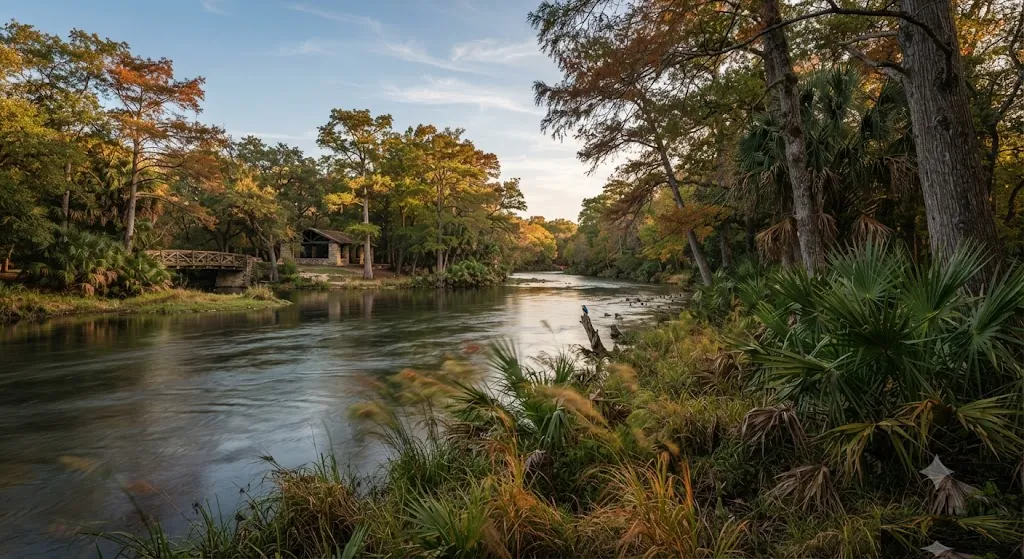
Palmetto State Park, Texas, offers a truly singular experience within the diverse landscapes of the Lone Star State. It’s a place where the ordinary gives way to the extraordinary, characterized by its namesake dwarf palmetto plants that create an almost tropical, swamp-like environment. This botanical wonderland, nestled along the San Marcos River, is a haven for nature enthusiasts and those seeking a tranquil escape from urban life. We find its distinctive ecosystem, fed by artesian springs and rich with diverse wildlife, to be its most compelling draw.
The park's unique microclimate fosters an abundance of plant and animal life rarely seen elsewhere in Central Texas. Imagine meandering through lush trails where prehistoric-looking palmettos rise from the forest floor, or spotting a vibrant array of bird species that call this sanctuary home. The Civilian Conservation Corps (CCC) left an enduring legacy here, with beautifully constructed stone buildings and a historic water tower that add a touch of historical charm to the natural beauty.
For those who appreciate the quietude of nature, the gentle flow of the San Marcos River and the serene Oxbow Lake provide perfect opportunities for contemplation and recreation. Whether you're a seasoned birder, a casual hiker, or simply looking for a peaceful spot to unwind, Palmetto State Park delivers a refreshing change of pace. It's a testament to Texas's natural diversity, offering a glimpse into a world that feels miles away from the typical Texas landscape, yet remains easily accessible for a weekend adventure or a day trip.
Who It's Best For
Palmetto State Park is an ideal destination for a wide range of travelers, but it particularly shines for those with a deep appreciation for nature and outdoor recreation. Our team confidently recommends it for families, birdwatchers, hikers, paddlers, and campers seeking a unique natural setting. Its relatively small size, at approximately 300 acres, makes it manageable for families with young children, while its diverse offerings ensure there's something to engage every age group.
Birdwatchers will find themselves in paradise, with over 200 bird species documented within the park's boundaries. The lush, varied habitats, from riverine forests to swamps and open fields, attract a spectacular array of avian life, making it a prime spot for spotting both common and migratory birds. Hikers and bikers will appreciate the well-maintained trails that wind through its distinct ecosystems, offering varying levels of difficulty for a satisfying outing.
Paddlers, especially those with their own canoes or kayaks, will relish the opportunity to explore the San Marcos River or the tranquil Oxbow Lake. The river provides a steady current without rapids, making it suitable for a leisurely float, though caution is always advised due to potential flash flooding upstream. Campers, whether in tents or RVs, will find comfortable sites nestled within the park, offering a true immersion in nature. Even those simply looking for a peaceful picnic spot or a place to cool off with a swim will find Palmetto State Park to be a rewarding choice.
Getting There & Parking
Understanding how to get to Palmetto State Park and what to expect for parking is crucial for a smooth visit. The park is conveniently located in Gonzales County, approximately an hour's drive from both Austin and San Antonio, and about 9 miles from Luling.
For those traveling from Houston or San Antonio, we advise taking I-10 to exit #632. From there, head south on Highway 183 for about 2 miles until you reach Park Road 11. The park headquarters will be approximately 2 miles further down Park Road 11, just beyond a four-way stop, on your right. If you're coming from Austin, take Highway 183 South, passing under I-10, and continue for 2 miles to Park Road 11. The headquarters will be 2 miles ahead on the right, past the four-way stop.
Upon arrival, you'll find ample parking available within the park. However, Palmetto State Park often reaches capacity, especially during weekends and holidays, and throughout its busy season from March to November. To guarantee entry and parking, our team strongly recommends making reservations for both day use and camping in advance. You can secure your day passes online through the Texas Parks & Wildlife Department website or by calling their customer service center.
The daily entrance fee for adults (13 years and older) is $3 per person, while children 12 and under are admitted free of charge. For frequent visitors to Texas State Parks, consider purchasing a Texas State Parks Pass for $70 annually, which grants unlimited free entry for the pass holder and their guests to over 80 state parks, along with discounts on camping and park store purchases. The park gate is generally open daily, except during periods of flooding. Day-use visitors must depart the park by 10 PM.
Top Things to Do
There are abundant things to do at Palmetto State Park, catering to a variety of interests, from serene nature observation to active outdoor pursuits. Our team has identified the most rewarding activities to ensure you make the most of your visit to this unique Central Texas destination.
Hiking and Biking the Trails
Exploring the park's distinct ecosystems on foot or by bike is one of the premier things to do at Palmetto State Park. The park boasts approximately 7 miles across 9 trails, offering a range of difficulties from easy strolls to moderate treks. The National Park Service-style trails provide an intimate look at the dwarf palmettos, artesian springs, and diverse wildlife. We particularly recommend the Palmetto Interpretive Trail (0.3 miles, easy) for a quick overview of the park's unique habitats and cultural heritage through interpretive panels.
For a leisurely walk with excellent birding opportunities, the Oxbow Lake Trail (0.7 miles, easy) is a fantastic choice, especially for spotting herons and kingfishers. The Mesquite Flats Trail (1.1 miles, moderate) offers a chance to see native mesquite trees, while the Ottine Swamp Trail (1.0 miles, moderate) meanders past ephemeral swamps. The San Marcos River Trail (1.3 miles, moderate) borders much of the river and is rich in wildlife. All trails are open for both hiking and biking.
Paddling the San Marcos River and Oxbow Lake
For water enthusiasts, paddling is a quintessential experience here. While the park no longer offers watercraft rentals, we encourage visitors to bring their own canoes, kayaks, or paddleboards to explore the tranquil Oxbow Lake or the gentle currents of the San Marcos River. The river offers a steady flow without rapids, making it suitable for a relaxing paddle. Experienced paddlers can even embark on a 6-7 hour trip from Luling City Park to Palmetto State Park, though arranging your own shuttle is necessary.
Swimming and Fishing
Cool off with a refreshing swim in Oxbow Lake or the San Marcos River, particularly at the low water crossing area. However, it's crucial to exercise caution when swimming in the river, as upstream rainfall can cause flash flooding with little to no warning. Always be aware of changing water conditions. Fishing is another popular activity, and you don't need a license to fish from the shore within a Texas State Park. Oxbow Lake, with its fishing pier, and the San Marcos River are both excellent spots to cast a line. The park even offers some fishing equipment to loan at headquarters.
Birdwatching and Wildlife Viewing
Palmetto State Park is a birder's paradise, home to over 200 species. We recommend bringing binoculars and a field guide to spot everything from waterfowl on the lake to various songbirds in the dense foliage. Guided bird walks are often available as part of the park's ranger programs. Beyond birds, keep an eye out for diverse wildlife, including deer, armadillos, and various reptiles and amphibians that thrive in this unique environment.
Ranger Programs and Junior Ranger Activities
Engage with the park's natural and cultural history through ranger-led programs. These can include guided hikes, interpretive talks, and special events like "Howl at the Moon" to view the wolf moon (first super moon in 2026) or "Science in the Park" activities. For younger visitors, the Junior Ranger program offers a fantastic way to learn about nature. Children can pick up a free activity journal at headquarters, complete tasks, and earn a Junior Ranger pin. Explorer Packs, equipped with binoculars and field guides, are also available for loan to enhance their outdoor discoveries.
Best Time to Visit
Choosing the best time to visit Palmetto State Park can significantly enhance your experience, depending on your priorities. Our team has observed that each season offers distinct advantages, but some periods are generally more favorable than others.
The **spring (March to May)** is arguably one of the most popular times to visit. The weather is typically mild and pleasant, with average temperatures ranging from 50-80°F. Wildflowers are in bloom, and the park's lush vegetation is at its most vibrant. Birdwatching is exceptional during spring migration, making it a prime season for avian enthusiasts. However, this is also a busy period, so we strongly advise making reservations for day use and camping well in advance, ideally two to three weeks out, to guarantee entry.
**Summer (June to August)** brings hot and sunny weather, with average highs reaching 96°F and lows around 75°F. While the heat can be intense, the park's water features—the San Marcos River and Oxbow Lake—become particularly inviting for swimming and paddling. It's a popular time for families on vacation, and the park can get very crowded. If you visit during the summer, plan your outdoor activities for early mornings or late afternoons to avoid the midday heat, and always carry plenty of water. Reservations are absolutely essential during these months.
**Fall (September to November)** offers a welcome reprieve from the summer heat, with average temperatures ranging from 60-85°F. The crowds begin to thin, and the weather becomes more comfortable for hiking and biking. While the vibrant fall foliage of other regions might not be as pronounced here, the subtle changes in the native Texas trees still add beauty to the landscape. This is another excellent time for birdwatching as migratory species pass through. Reservations are still recommended, especially on weekends.
**Winter (December to February)** is the quietest season at Palmetto State Park, with average highs around 61°F and lows around 38°F. If you prefer solitude and cooler temperatures for strenuous activities like hiking and mountain biking, this is the ideal time. The absence of summer crowds allows for a more peaceful exploration of the trails. While swimming might be less appealing, fishing can still be productive, and the park sometimes stocks rainbow trout in winter. Be aware of potential closures for park hunts, such as the one scheduled for December 11-14, 2026, when the entire park will be closed.
In summary, for the best balance of pleasant weather and outdoor activities, we recommend spring and fall. If you prioritize avoiding crowds and enjoy cooler temperatures for hiking, winter is an excellent choice. Summer is best for water-based activities, but be prepared for heat and crowds.
Where to Stay Nearby
While Palmetto State Park offers excellent on-site camping and a cabin, many visitors prefer the comfort of local accommodations. For Palmetto State Park lodging, our team has identified several convenient and highly-rated options in nearby towns like Gonzales and Luling, ensuring you have a comfortable base for your Central Texas adventures.
On-Site Palmetto State Park Lodging
For those who wish to fully immerse themselves in the park's natural beauty, Palmetto State Park provides various on-site lodging options. You can choose from 19 tent sites and 17 RV sites, many equipped with water and electricity hookups. Some RV sites even offer full hookups and can accommodate vehicles up to 65 feet long. There's also a secluded group campsite, perfect for larger gatherings of up to 24 people. For a more comfortable "glamping" experience, the park offers an air-conditioned cabin that can sleep up to six individuals. We always recommend making reservations for any on-site Palmetto State Park lodging well in advance, especially during peak seasons from March to November.
Hotels in Gonzales, TX
Gonzales, often referred to as the "Cradle of Texas History," is just a short drive from Palmetto State Park and offers a range of hotel options. It's an excellent choice for those looking for a blend of historical exploration and natural beauty.
- Best Western Plus Longhorn Inn & Suites: Located just 2.8 miles from the park, this hotel is highly rated and offers amenities like an outdoor pool, 24-hour fitness facilities, and a complimentary buffet breakfast. It's particularly family-friendly, with free cribs and connecting rooms available.
- La Quinta Inn & Suites by Wyndham Gonzales TX: Situated about 9 miles from Palmetto State Park, this 3-star hotel caters to both families and business travelers. Guests can enjoy an outdoor pool, complimentary daily breakfast, and spacious suites.
- Sleep Inn & Suites Gonzales near Palmetto State Park: This 2.5-star hotel provides a tranquil retreat with comfortable accommodations, free WiFi, and free breakfast. It's a convenient base for exploring the park and surrounding areas.
- Garner Gonzales by IHG: Ideal for business travelers, this hotel is about 9 miles from the park and offers efficient and comfortable accommodations.
Hotels in Luling, TX
Luling, famous for its watermelons and barbecue, is another nearby town offering convenient lodging options. It’s a great choice for those who might also want to explore the Luling Oil Museum or enjoy some authentic Texas barbecue.
- La Quinta Inn & Suites by Wyndham Luling: Rated well by travelers, this 3-star hotel is just 2.9 miles from Palmetto State Park. It features an outdoor pool, a garden area, fitness facilities, and a complimentary daily breakfast.
- OYO Hotel Luling TX Downtown I-10/US-90: A more budget-friendly option that provides basic comforts for travelers.
When considering where to stay near Palmetto State Park, we recommend balancing proximity to the park with access to local amenities and attractions that suit your travel style. All these options provide a comfortable night's rest after a day of exploring the Palmetto State Park Texas.
Sample 2-Day Itinerary
To help you make the most of your visit to Palmetto State Park, our team has crafted a sample 2-day itinerary. This plan balances active exploration with relaxation, ensuring you experience the best of the park and its surrounding areas.
Day 1: Immersion in Palmetto State Park
- Morning (8:00 AM - 12:00 PM): Arrival and Hiking
Arrive at Palmetto State Park early to secure your day pass, especially if you haven't reserved one online. The park opens daily. Head to the park headquarters to pick up a map and any relevant information. We suggest starting your exploration with a hike on the Palmetto Interpretive Trail (0.3 miles, easy) to get acquainted with the park's unique flora and fauna. Follow this with the Oxbow Lake Trail (0.7 miles, easy) for peaceful views and excellent birdwatching opportunities.
- Lunch (12:00 PM - 1:00 PM): Picnic by the River
Pack a picnic lunch to enjoy at one of the many day-use picnic areas or by the San Marcos River. The CCC-built picnic pavilion offers a shaded spot, and some areas have BBQ pits.
- Afternoon (1:00 PM - 5:00 PM): Paddling and Nature Study
If you brought your own watercraft, launch your canoe or kayak onto the serene Oxbow Lake for a peaceful paddle. Alternatively, if river conditions are safe, explore a section of the San Marcos River. Remember, the park no longer rents watercraft. Spend some time birdwatching from the fishing pier on Oxbow Lake or simply relaxing and observing the unique plant life. Consider borrowing a Junior Ranger Explorer Pack for kids to enhance their nature discoveries.
- Evening (5:00 PM onwards): Dinner and Stargazing
Depart the park by 10 PM if you're a day-use visitor. Head to Gonzales for dinner. We recommend trying a local eatery like Gonzales Food Market or Running M Bar & Grill for a taste of local cuisine. If camping in the park, enjoy a campfire (check burn bans) and take advantage of the dark skies for stargazing.
Day 2: More Park Exploration & Local History
- Morning (8:00 AM - 12:00 PM): Challenging Hikes and Fishing
Return to Palmetto State Park for more vigorous hiking. Tackle the Mesquite Flats Trail (1.1 miles, moderate) and the San Marcos River Trail (1.3 miles, moderate) to explore different sections of the park's diverse landscape. If you enjoy fishing, spend some time by the river or Oxbow Lake; no license is required when fishing from shore within the park.
- Lunch (12:00 PM - 1:00 PM): Explore Luling
Drive to Luling for lunch, experiencing its famous barbecue. Luling is known as the "Watermelon Thump" capital and has a distinct charm.
- Afternoon (1:00 PM - 5:00 PM): Gonzales History & Culture
Immerse yourself in the rich history of Gonzales. Visit the Gonzales Memorial Museum, home to the "Come and Take It" cannon, which fired the first shot for Texas Independence in 1835. Explore the Gonzales County Jail Museum, one of the oldest historic jails in Texas, or step back in time at the Pioneer Village Living History Center. Stroll through Historic Downtown Gonzales to admire the Romanesque-style courthouse and various murals.
- Evening: Departure or Extended Stay
Depending on your travel plans, you can begin your journey home or choose to extend your stay to explore more of the Best places in Texas, perhaps venturing towards AT&T Stadium or even Big Bend National Park if you're planning a longer USA Road Trip. For more ideas, check out our comprehensive Plan Your US Trip guide.
Our team finds this itinerary offers a balanced blend of Palmetto State Park's natural wonders and the historical charm of its neighboring towns, providing a fulfilling Central Texas experience.
Is It Worth Visiting?
When considering "is Palmetto State Park worth visiting," our team unequivocally states that it is. This park offers a distinctive Central Texas experience that sets it apart from many other natural areas in the state. Its unique dwarf palmetto ecosystem, artesian springs, and diverse wildlife create an atmosphere that feels almost tropical, a pleasant surprise in the heart of Texas.
For nature lovers, birdwatchers, and those seeking a peaceful escape, the answer to "is Palmetto State Park worth visiting" is a resounding yes. The opportunity to hike through lush, swamp-like environments, paddle along the San Marcos River, and observe a wide array of bird species provides a rich and engaging experience. The park's relatively small size makes it accessible and easy to navigate, even for shorter visits, yet its ecological richness ensures there's plenty to discover. The historical structures built by the Civilian Conservation Corps also add a layer of cultural interest to the natural beauty.
While it may not boast the dramatic canyons of Palo Duro Canyon State Park or the vastness of Guadalupe Mountains National Park, Palmetto State Park offers a unique charm and a concentrated dose of natural wonder. It’s a place where you can truly connect with a different side of Texas's natural heritage, making it a valuable addition to any Texas travel itinerary. We consistently find that visitors leave with a sense of wonder and appreciation for this hidden gem.
Last updated: 2026-07-13 by the Roam States team.