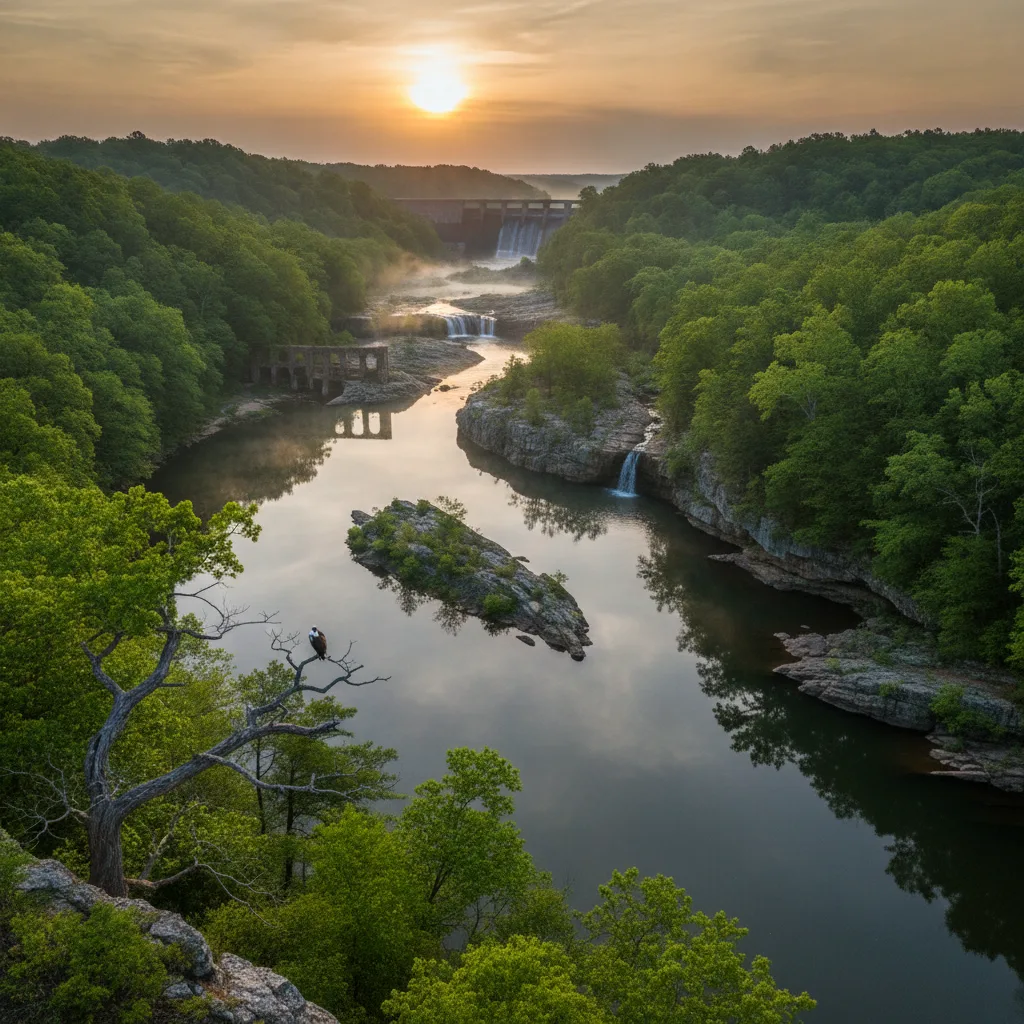
Our Rock Island State Park guide covers practical planning for Rock Island State Park Tennessee — best time to visit, getting there, and what to do on the ground. We are the Roam States editorial team, and we're here to cut through the noise and provide confident, specific advice for your next adventure.
Rock Island State Park Travel Guide — Tennessee
Nestled in the heart of Middle Tennessee, Tennessee's Rock Island State Park is a natural marvel renowned for its dramatic waterfalls, including the iconic Great Falls, and the rugged beauty of the Caney Fork River Gorge. This 883-acre park offers exceptional opportunities for swimming, fishing, and kayaking, drawing outdoor enthusiasts from across the country. Beyond its natural splendor, the park's unique charm is further enhanced by the historic Great Falls Cotton Mill and Powerhouse, which stand as testaments to the region's industrial past. Our team believes that Rock Island State Park Tennessee offers a truly distinctive experience, blending exhilarating outdoor activities with fascinating historical insights.
Why Visit Rock Island State Park
If you're wondering if Rock Island State Park is worth visiting, our answer is an emphatic yes. This park stands out among Tennessee's natural attractions for its unparalleled combination of powerful waterfalls, diverse aquatic recreation, and rich historical context. Unlike many other parks, Rock Island State Park offers a unique blend of adrenaline-pumping whitewater kayaking opportunities alongside tranquil spots for swimming and fishing. The sheer force and beauty of Great Falls and Twin Falls, carved by the confluence of the Caney Fork, Collins, and Rocky Rivers, create a landscape that is both awe-inspiring and incredibly inviting.
The park's 2,000-plus acres provide ample space for exploration, from challenging hikes along limestone paths to serene moments spent by the natural sand beach on Center Hill Lake. We find that the dynamic nature of the Caney Fork River Gorge, with its deep pools and scenic overlooks, ensures that every visit reveals something new. Furthermore, the presence of the historic Great Falls Cotton Mill and Powerhouse offers a captivating glimpse into the area's past, providing a cultural dimension often absent in purely natural settings. For those seeking a destination that truly delivers on both adventure and historical intrigue, Rock Island State Park Tennessee is an essential stop. It's a place where you can connect with nature's raw power and the echoes of human ingenuity simultaneously, making it unequivocally worth visiting.
Who It's Best For
Rock Island State Park caters to a wide array of visitors, making it a versatile destination for many types of travelers. Our team identifies it as an ideal spot for:
- Adventure Seekers: With its world-class whitewater kayaking sections on the Caney Fork River, the park attracts experienced paddlers from around the globe. The rugged terrain and challenging gorge trails also appeal to hikers looking for more strenuous routes.
- Nature Lovers & Photographers: The dramatic waterfalls, lush river gorges, and abundant spring wildflowers provide endless opportunities for stunning photography and immersive nature observation. Wildlife viewing is also a popular activity.
- Families with Older Children: While certain areas require caution due to strong currents, the natural sand beach on Center Hill Lake offers a safer swimming environment. Older children will enjoy exploring the trails and learning about the historic mill.
- Anglers: Fishing is a year-round activity on Center Hill and Great Falls lakes, as well as the nearby Caney Fork, Collins, and Rocky rivers. The waters are particularly known for walleye and trophy muskellunge.
- History Buffs: The Great Falls Cotton Mill and Powerhouse, dating back to the 19th century, offer a unique historical element. Guided tours or interpretive programs often provide insights into the area's industrial past.
- Campers & Cabin Enthusiasts: With two campgrounds and ten fully equipped cabins, the park provides excellent options for overnight stays, allowing for extended exploration of the area.
However, we advise caution for families with very young children or individuals with mobility challenges when considering access to the gorge areas, as terrain can be slick and strenuous. Always review safety information before venturing into these areas.
Getting There & Parking
Understanding how to get to Rock Island State Park and where to park is crucial for a smooth visit. The park is conveniently located in Middle Tennessee, approximately 15 miles southwest of Sparta.
Directions:
- From I-40: Take Exit 288.
- From I-24: Take Exit 111.
The park's address is 82 Beach Road, Rock Island, TN 38581. Once you arrive, signage will guide you to various points of interest.
Parking:
Parking at Rock Island State Park is generally available on a first-come, first-served basis. There are designated parking lots for different areas, such as the Great Falls parking lot, which provides access to the historic mill and the Caney Fork River Gorge. However, our team must stress that the park often experiences high visitation, especially during peak seasons and weekends. It is imperative to adhere to posted regulations: do not park on roadsides or in non-designated areas. If a parking area is full, visitors should be prepared to adjust their plans or consider visiting another nearby state park to avoid congestion and ensure safety. Planning to arrive early in the day can often help secure a spot. When considering how to get to Rock Island State Park, factor in potential traffic and parking limitations, particularly if you aim to visit popular spots like the gorge or the swim beach.
Top Things to Do
Rock Island State Park offers an impressive array of activities that cater to all levels of adventure and interest. Our team has curated a list of the top things to do at Rock Island State Park, ensuring you make the most of your visit to this spectacular natural area.
Chasing Waterfalls & Exploring the Gorge
The park's most iconic features are its stunning waterfalls and the dramatic Caney Fork River Gorge. Great Falls, a 30-foot horseshoe-shaped cascading waterfall, is a must-see, historically powering a 19th-century cotton textile mill. Twin Falls is another breathtaking cascade, emerging mysteriously from underground caves. Visitors can access these wonders through various vantage points. The Old Mill Overlook provides an easy, spectacular view of Great Falls from above, with the historic mill ruins nearby. For a more immersive experience, the Old Mill Gorge Trail leads down to the base of Great Falls, offering close-up views and access to swimming holes like Cold Hole and Warm Hole.
**Important Safety Note:** We cannot overstate the importance of safety in the gorge. Swimming or wading is strictly prohibited downstream of the TVA Powerhouse at any time, regardless of water releases, due to hidden and deadly currents. Water levels and currents in the gorge can change rapidly and without warning due to releases from the TVA Great Falls Dam and Powerhouse. Always obey posted warnings, listen for sirens, and check the TVA website for Great Falls Dam and Powerhouse for the most current water discharge schedule before entering the gorge. Life jackets and sturdy hiking shoes are strongly encouraged in these areas.
Rock Island State Park Hiking Trails
For those who love to explore on foot, Rock Island State Park boasts a network of 11 trails, ranging in length from 0.15 miles to 3 miles. These Rock Island State Park hiking trails are celebrated for their rugged beauty, abundant spring wildflower displays, and excellent opportunities for wildlife viewing.
- Old Mill Gorge Trail: A strenuous 0.5-mile one-way (1.0-mile roundtrip) trail that descends significantly via staircases to the base of Great Falls and the swimming holes.
- Upstream Trail: Offers another access point to Great Falls, Cold Hole, and Warm Hole, often less crowded than the Old Mill access, with potentially better parking.
- Bluff Trail: Provides scenic overlooks of the gorge and river.
- Caney Fork Gorge Area Trails: These paths are popular for "rock hopping" and exploring the limestone gorge between Great Falls Dam and Twin Falls.
When enjoying Rock Island State Park hiking trails, we recommend wearing sturdy footwear and carrying plenty of water, especially on more challenging routes. Always stay on marked trails to protect both yourself and the park's delicate ecosystem. These trails are among the best things to do at Rock Island State Park for an active immersion in nature.
Water Activities
Beyond the gorge, the park offers fantastic water-based recreation.
- Swimming: The natural sand swim beach on Center Hill Lake is the designated and safest area for swimming within the park, ideal for visitors with children. It features a boat ramp, reservable picnic pavilion, and restrooms. No lifeguards are on duty, so always exercise caution.
- Kayaking & Canoeing: The Caney Fork, Collins, and Rocky rivers provide excellent opportunities for canoeing and kayaking. Rock Island State Park has even hosted the U.S. Freestyle Kayaking World Championships, highlighting its reputation for whitewater paddling. However, some sections are for experienced kayakers only, and life jackets are always required.
- Fishing: Anglers can cast their lines year-round in Center Hill and Great Falls lakes, as well as the nearby rivers. Common catches include largemouth and smallmouth bass, catfish, crappie, and bluegill. The park's waters are particularly renowned for walleye and trophy muskellunge. A valid Tennessee fishing license is required.
Exploring History
The historic Great Falls Cotton Mill, which operated in the 1890s, and the Powerhouse add a unique historical layer to the park. While the building is not ADA accessible, interpretive events occasionally allow visitors to view the inside. We recommend checking the park's event schedule for these opportunities. Parking is available in the Great Falls parking lot for mill and gorge access.
Picnicking & Relaxation
Rock Island State Park features six picnic pavilions that can be reserved up to a year in advance, or used on a first-come, first-served basis if not reserved. Each shelter includes a group grill, picnic tables, and nearby restrooms. These areas provide a perfect spot for a leisurely meal amidst the park's beautiful scenery.
Visitor Center & Programs
The visitor center offers apparel, caps, books, and other items. During the summer, the park often hosts interpretive and recreational programs, including canoe floats, pontoon tours, history tours, and guided hikes. These programs are excellent ways to deepen your understanding and appreciation of Rock Island State Park Tennessee.
Best Time to Visit
Choosing the best time to visit Rock Island State Park can significantly enhance your experience, as each season offers distinct advantages and considerations. Our team has evaluated the seasonal nuances to help you plan your trip.
- Spring (March-May): We highly recommend spring for its vibrant displays of wildflowers along the trails and the most dramatic waterfall flows due to increased rainfall. Temperatures are generally pleasant for hiking, ranging from 40-79°F. However, be prepared for more rain and potentially more insects.
- Summer (June-August): This is peak season for water activities, with warmer temperatures (65-87°F) ideal for swimming at the natural sand beach on Center Hill Lake. The park also offers many organized programs during this time. However, summer brings larger crowds, and the heat can be intense for strenuous activities. Remember the strict swimming prohibitions in the gorge areas.
- Fall (September-November): Fall is often cited as the best camping window, with comfortable daytime highs of 50-70°F, crisp mornings, and low humidity, making it excellent for hiking and photography. Foliage peaks along the river corridor and bluffs mid-month, creating stunning scenic views. Crowds begin to thin, and mosquitoes become less of an issue.
- Winter (December-February): While activities are more limited, Rock Island State Park remains open year-round, and the main campground and cabins are available. Temperatures are mild for the region (28-52°F), offering a quieter experience for those seeking solitude.
Regardless of the season, we advise checking the park's official website or social media for any specific closures, especially regarding the gorge areas due to TVA water releases. High visitation can also impact parking availability, so early arrival is always a good strategy during popular times.
Where to Stay Nearby
When planning your visit to Rock Island State Park, securing comfortable Rock Island State Park lodging is a key consideration. Whether you prefer to stay within the park's natural embrace or opt for amenities in a nearby town, our team has identified excellent options.
In-Park Rock Island State Park Lodging: Cabins & Camping
For an immersive experience, the park itself offers superb Rock Island State Park lodging options:
- Cabins: Rock Island State Park features ten year-round cabins, each equipped with three bedrooms and two baths. These cabins are fully furnished with amenities like a microwave, cooking utensils, dishes, linens, dishwasher, washer and dryer, and Wi-Fi. They also include an indoor fireplace (seasonal), satellite TV, DVD player, outdoor fire ring, and charcoal grill. Cabins 1 and 2 are pet-friendly, and Cabin 10 is accessible. Reservations can be made online up to one year in advance.
- Campgrounds: The park has two campgrounds. The main campground offers 50 sites suitable for RVs and trailers, with some accommodating tents. These sites feature 20-, 30-, or 50-amp electrical service, water hookups, charcoal grills, lantern hangers, and picnic tables. Some sites also have sewer hookups, and a dump station is available. The main campground is open year-round. A separate tent campground has ten sites with 20-amp electrical service, water hookups, and a bathhouse with hot water, but it is closed seasonally from November 2 to March 15. Reservations for campsites can also be made up to one year in advance. RV sites start around $32 per night, and tent sites around $21 per night.
Hotels Near Rock Island State Park
If you prefer traditional hotel accommodations, several options are available in nearby McMinnville, located approximately 10-11 miles from the park.
- Hampton Inn McMinnville: Roughly 10 miles from the park, this hotel boasts a high guest rating and is pet-friendly, accommodating dogs and cats.
- The Inn At Tree City, BW Signature Collection: About 11 miles away, this budget-friendly option is noted for its focus on adventure and outdoor experiences, with guests rating it highly. It features an indoor pool, gym, and free WiFi.
- Americas Best Value Inn McMinnville: Also around 11 miles from the park, this motel is a budget-friendly and pet-friendly choice.
- Royal Inn: Located about 13 miles away in Sparta, this is another budget-friendly option.
For a wider selection, Cookeville, approximately 23-25 miles away, offers additional hotel chains like Country Inn & Suites by Radisson and La Quinta Inn & Suites by Wyndham. When considering Rock Island State Park lodging, it’s wise to book in advance, especially for cabins and during peak seasons, as they can fill up quickly.
Sample 2-Day Itinerary
To help you maximize your visit to Rock Island State Park Tennessee, our team has crafted a sample 2-day itinerary, blending adventure, relaxation, and historical exploration.
Day 1: Waterfalls, Gorge Exploration & History
- Morning (9:00 AM - 12:00 PM): Great Falls & Old Mill
- Arrive early to beat the crowds and secure parking. Head to the Great Falls parking lot.
- Start with an easy walk to the Old Mill Overlook for panoramic views of Great Falls and the historic Spring Castle and cotton mill ruins.
- If conditions allow and you're prepared for a strenuous hike, descend the Old Mill Gorge Trail to the base of Great Falls. Remember to check TVA water release schedules beforehand and wear appropriate footwear.
- Lunch (12:00 PM - 1:00 PM): Picnic by the River
- Enjoy a packed lunch at one of the park's scenic picnic areas. Consider reserving a picnic shelter in advance for guaranteed seating.
- Afternoon (1:00 PM - 4:00 PM): Historic Mill & Gentle Waters
- Check the park's event schedule for any "Open Cotton Mill" interpretive programs to get an inside look at the historic Great Falls Cotton Mill.
- Head to the natural sand swim beach on Center Hill Lake for a relaxing dip or some sunbathing. This is the safest designated swimming area.
- Evening: Dinner & Stargazing
- Dine at a local restaurant in McMinnville or Sparta, or cook a meal at your cabin/campsite.
- Enjoy stargazing, as the park's rural location offers clear night skies.
Day 2: Hiking, Paddling & Scenic Views
- Morning (9:00 AM - 12:00 PM): Hiking the Trails
- Explore more of the Rock Island State Park hiking trails. Consider the Upstream Trail for different views of the gorge and potentially fewer crowds.
- Look for spring wildflowers if visiting in season, and keep an eye out for local wildlife.
- Lunch (12:00 PM - 1:00 PM): Grab & Go
- Pick up sandwiches or snacks from a local deli or grocery store for a quick and easy lunch.
- Afternoon (1:00 PM - 4:00 PM): Kayaking or Fishing
- If you're an experienced paddler, launch your kayak or canoe onto the Caney Fork River (check conditions carefully).
- Alternatively, enjoy a peaceful afternoon of fishing on Center Hill Lake or one of the nearby rivers. Remember to have your Tennessee fishing license.
- Late Afternoon (4:00 PM - 5:00 PM): Souvenirs & Departure
- Stop by the park's visitor center for souvenirs or educational materials.
- Begin your journey home, carrying memories of your Rock Island State Park Tennessee adventure.
This itinerary provides a framework, but we encourage you to tailor it to your interests and the latest park conditions. Always prioritize safety, especially around water and in the gorge areas.
Expert Verdict: Is It Worth Visiting?
From the Roam States editorial team, we confidently assert that Rock Island State Park Tennessee is absolutely worth visiting. This isn't just another state park; it's a dynamic landscape where the raw power of nature meets intriguing history. The dramatic waterfalls, particularly Great Falls and Twin Falls, are truly spectacular and provide a breathtaking backdrop for any outdoor pursuit. The opportunities for high-adrenaline kayaking, serene fishing, and diverse hiking make it a standout destination for adventurers.
Beyond the thrills, the park offers a peaceful retreat with its designated swimming beach and well-appointed cabins, catering to those seeking relaxation. The historical significance of the Great Falls Cotton Mill and Powerhouse adds a unique educational layer, distinguishing it from many other natural areas. While safety precautions, especially around the gorge's powerful currents, are paramount, the park provides clear guidelines to ensure a memorable and secure visit. For anyone seeking a blend of natural beauty, outdoor recreation, and a touch of history in the heart of Tennessee, Rock Island State Park offers an unforgettable experience that our team wholeheartedly recommends.
FAQ
Rock Island State Park camping
Rock Island State Park offers two distinct camping areas: a main campground with 50 sites suitable for RVs and tents, open year-round, and a tent-only campground with 10 sites, which is closed seasonally from November 2 to March 15. Both provide electrical and water hookups, with some RV sites also offering sewer connections. Reservations can be made up to one year in advance, and sites include amenities like charcoal grills and picnic tables.
things to do in Rock Island
In Rock Island State Park, you can explore stunning waterfalls like Great Falls and Twin Falls, hike a network of 11 trails, enjoy swimming at the natural sand beach on Center Hill Lake, and partake in fishing and kayaking on the Caney Fork River and surrounding lakes. Visitors can also delve into history at the Great Falls Cotton Mill and Powerhouse, or simply relax at picnic areas. Remember that swimming is prohibited in the gorge areas due to dangerous currents.
Rock Island State Park with kids
Rock Island State Park can be a great destination for families with kids, especially those with older children. The natural sand swim beach on Center Hill Lake is ideal for safe swimming. Easy hiking trails offer opportunities for nature exploration and wildlife viewing. The historic cotton mill provides an educational element. However, parents must exercise extreme caution and closely supervise children, especially near the gorge areas where swimming is prohibited and currents can be dangerous.
best hotels near Rock Island State Park
The best hotels near Rock Island State Park are primarily found in McMinnville, about 10-11 miles away. Top-rated options include the Hampton Inn McMinnville and The Inn At Tree City, BW Signature Collection, both offering comfortable stays and good amenities. Americas Best Value Inn McMinnville is another budget-friendly, pet-friendly choice. For those preferring to stay closer to nature, the park's own cabins offer a unique and fully equipped lodging experience.
Rock Island State Park tips
Our top tips for visiting Rock Island State Park include checking the TVA website for water release schedules before entering the gorge, as swimming is prohibited and conditions can change rapidly. Arrive early to secure parking, especially on weekends. Wear sturdy shoes for hiking and bring plenty of water. Consider reserving cabins or campsites well in advance. Always obey posted safety warnings and avoid parking in non-designated areas.
where to stay near Rock Island State Park
Near Rock Island State Park, you have options ranging from in-park cabins and campgrounds to hotels in nearby towns. The park's ten cabins offer full amenities and can be reserved up to a year out. Campgrounds accommodate both RVs and tents. For hotel stays, McMinnville, located 10-11 miles away, provides several choices like the Hampton Inn and The Inn At Tree City, BW Signature Collection. Cookeville, about 23-25 miles distant, offers more hotel brands.
As the Roam States editorial team, we are confident that Rock Island State Park Tennessee offers an enriching and unforgettable travel experience. From the thunderous beauty of Great Falls to the tranquil waters of Center Hill Lake, and the echoes of history found at the old cotton mill, this park truly embodies the diverse appeal of Tennessee's natural and cultural heritage. Whether you're an avid kayaker, a dedicated hiker, a family seeking outdoor fun, or a history enthusiast, Rock Island State Park delivers. We encourage you to plan your trip, embrace the adventure, and discover the rugged charm that makes this destination one of Tennessee's finest. While you're exploring the Volunteer State, don't miss other iconic destinations like Beale Street Historic District, the Belle Meade Historic Site, or the Bicentennial Capitol Mall for a comprehensive Tennessee adventure. For broader travel planning, explore our Plan Your US Trip guide or our USA Road Trip Planner.
Last updated: 2026-07-13 by the Roam States team.