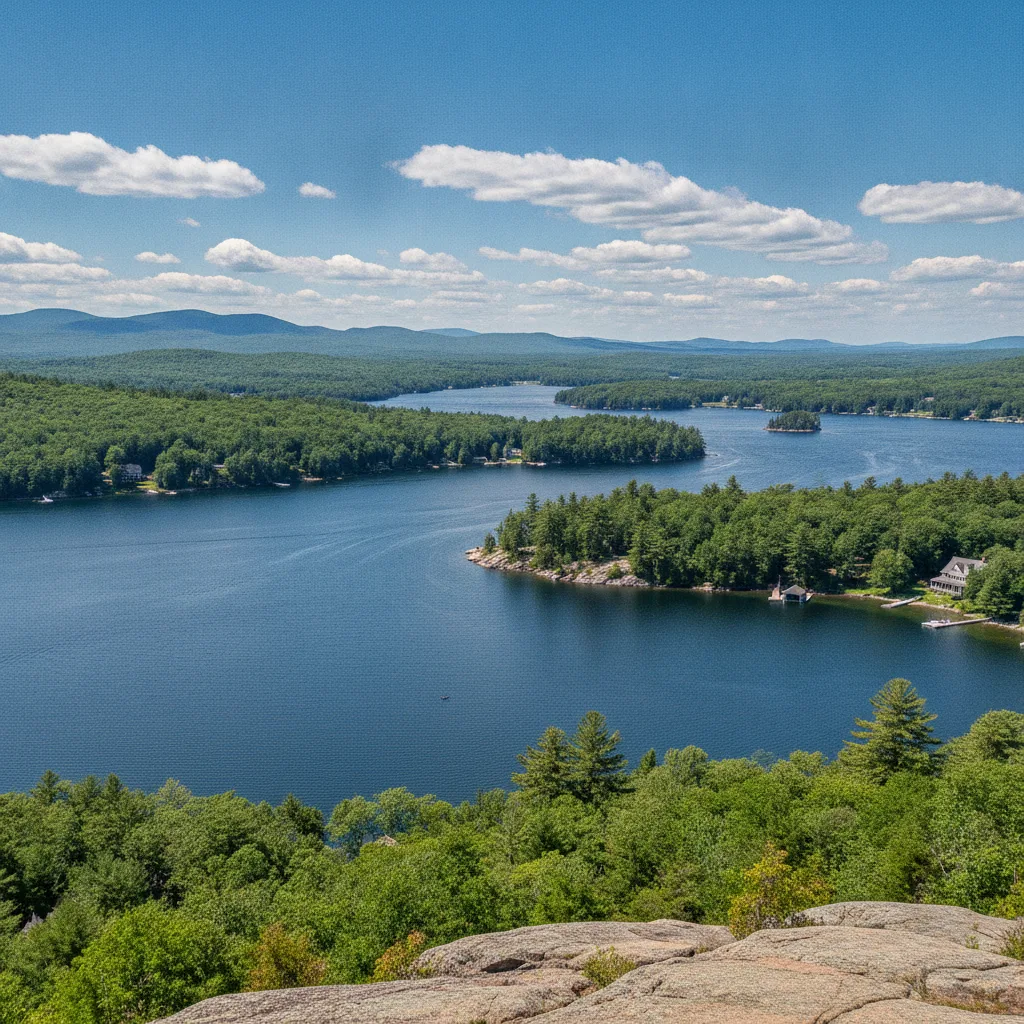
Welcome to our comprehensive guide for Squam Lake, New Hampshire! Our team at Roam States is dedicated to bringing you the most accurate and insightful travel information, ensuring your trip planning is as smooth as the lake's surface on a calm morning. Squam Lake is a pristine, highly protected lake famous as the filming location for the beloved movie On Golden Pond, offering a tranquil escape into New England's natural beauty.
Why Visit Squam Lake
For those seeking a quintessential New England lake experience, Squam Lake New Hampshire presents an unparalleled opportunity. It's a destination that beautifully balances natural serenity with engaging activities, all while maintaining a deep respect for its ecological integrity. We find that visitors are consistently drawn to Squam Lake for its crystal-clear waters, lush forested shores, and the chance to immerse themselves in the same landscapes that captivated audiences in On Golden Pond. The lake's protected status means fewer motorboats and a quieter atmosphere compared to some of its more bustling neighbors, making it ideal for peaceful contemplation and wildlife observation. From the haunting calls of common loons to the majestic sight of bald eagles, the natural world thrives here, offering a truly restorative escape.
Who It's Best For
Squam Lake caters to a diverse range of travelers, though it particularly shines for specific groups. We recommend it highly for nature enthusiasts, birdwatchers, and anyone seeking a peaceful retreat away from the crowds. Families with children aged five and up will find plenty to explore, especially at the Squam Lakes Natural Science Center, which offers engaging exhibits and boat tours. Film buffs, naturally, will delight in tracing the footsteps of their favorite characters from On Golden Pond. Kayakers, canoers, and paddleboarders will appreciate the calm waters and the opportunity for quiet exploration. While there are opportunities for swimming and hiking, those looking for high-octane water sports or extensive nightlife might find the atmosphere a bit too subdued. It's a destination for those who value conservation, tranquility, and a deeper connection with the natural world.
Getting There & Parking
Reaching Squam Lake, New Hampshire, is relatively straightforward, primarily by car, as public transportation options are limited in this scenic region. The lake is situated in the Lakes Region of New Hampshire, accessible via major state routes like US Route 3 and Route 113. If you're flying in, Manchester-Boston Regional Airport (MHT) is the closest major airport, about an hour and a half drive south, while Boston Logan International Airport (BOS) offers more international connections but is about a two-hour drive away. For those planning a broader New England adventure, consider integrating Squam Lake into a USA Road Trip Planner.
When it comes to parking, options vary depending on your intended activity. For accessing the lake by boat, the Squam Lake Public Boat Launch in Holderness offers a free public boat launch. This launch does not permit personal watercraft like jet skis, helping to maintain the lake's quiet character. The Squam Lakes Association (SLA) also operates a boat launch at its headquarters at 534 US Route 3, Holderness, with a $5 parking fee for non-members. Note that the SLA launch has a 25 HP maximum limit for boats. For visitors to the Squam Lakes Natural Science Center, ample parking is available on-site, with a walking path leading to the Lake Cruise Headquarters.
Top Things to Do
There are numerous things to do at Squam Lake that cater to a variety of interests, from wildlife observation to exploring the lake's cinematic history. Our team highly recommends starting with a guided boat tour for an immersive experience.
- Squam Lakes Natural Science Center & Lake Cruises: This is a must-visit. The Live Animal Exhibit Trail allows you to observe native New Hampshire wildlife up close, including black bears, mountain lions, and river otters. The center's hiking trails are open daily from May 1 through November 1, from 9:30 a.m. to 5:00 p.m., with last trail admission at 3:30 p.m. Admission for adults is $30.00, seniors (65+) $28.00, and youth (3-15) $24.00. We suggest allowing at least two and a half hours to walk the exhibit trail. The "Discover Squam Cruise" offers a 90-minute narrated pontoon boat tour of Squam Lake, where you can learn about its natural history, spot bald eagles and common loons, and hear stories about the lake, including its role in On Golden Pond. As of 2026, non-member adult tickets for the cruise are $36.00, seniors $34.00, and youth (15 and under) $32.00. Advance reservations are required for cruises.
- Kayaking, Canoeing, and Paddleboarding: The calm, protected waters of Squam Lake are perfect for paddling. Several local outfitters offer rentals, allowing you to explore hidden coves and quiet inlets at your own pace. The Squam Lakes Association headquarters provides a launch for canoes, kayaks, and paddleboards, with launch hours from dawn to dusk.
- Hiking: Beyond the Science Center, a network of trails around the lake offers varying levels of difficulty. We delve deeper into Squam Lake hiking trails in a dedicated section below.
- Fishing: Anglers will find Squam Lake to be a rewarding destination, home to various species including smallmouth bass, lake trout, and salmon. Be sure to check New Hampshire Fish and Game regulations for licensing and limits.
- Explore Holderness: The charming town of Holderness, often considered the gateway to Squam Lake, offers local shops and eateries. It's also home to the Squam Lakes Natural Science Center.
- Visit Church Island (Chocorua Island): Accessible by shuttle service from the Squam Lakes Natural Science Center on Sundays through early September for church services, this island is a unique historical and spiritual site.
These things to do at Squam Lake provide a well-rounded experience, blending education, recreation, and natural beauty.
Best Time to Visit
The best time to visit Squam Lake largely depends on your preferred activities and tolerance for crowds. We find that each season offers a distinct charm:
- Summer (June-August): This is peak season, offering the warmest weather ideal for swimming, boating, and all water activities. The Squam Lakes Natural Science Center operates its fullest schedule of lake cruises during these months. Expect more visitors and higher prices for accommodations.
- Fall (September-October): Our team considers this an exceptional time to visit. The foliage around Squam Lake is spectacular, and the cooler temperatures are perfect for hiking. While lake cruises continue into mid-October, many other seasonal businesses begin to wind down by late October.
- Spring (May-early June): A quieter time, spring brings blooming wildflowers and active wildlife. The Squam Lakes Natural Science Center opens for the season on May 1st. The weather can be variable, but you'll encounter fewer tourists.
- Winter (November-April): Squam Lake transforms into a serene, snow-covered landscape. While many attractions are closed, it's a beautiful time for cross-country skiing, snowshoeing, and ice fishing (conditions permitting). Be prepared for cold temperatures and limited services.
For the widest range of activities and pleasant weather, late spring and early fall are often the sweet spot, offering a balance of accessibility and tranquility.
Where to Stay Nearby
Accommodation options around Squam Lake range from cozy inns to lakeside rentals, catering to different preferences and budgets. Our team recommends booking well in advance, especially during peak summer and fall foliage seasons.
- Lakeside Rentals: For families or groups, renting a cabin or a house directly on Squam Lake or a nearby cove offers privacy and direct water access. Websites like VRBO and Airbnb feature numerous options.
- Inns and B&Bs: Charming bed and breakfasts and historic inns can be found in surrounding towns like Holderness, Sandwich, and Center Harbor. These often provide a more intimate and personalized experience.
- Hotels and Motels: Larger hotels and motels are available in nearby towns such as Meredith and Plymouth, which offer a wider range of amenities and dining options. These towns are typically a short drive from the lake itself.
- Camping: For those who prefer to sleep under the stars, Squam Lake camping options are available, which we detail in a dedicated section.
Consider locations that offer convenient access to the Squam Lakes Natural Science Center if that's a primary interest, or choose a more secluded spot for ultimate tranquility. For more options in the Granite State, see our guide to Best Places in New Hampshire.
Sample 2-Day Itinerary
To help you make the most of your visit, our team has crafted a sample 2-day itinerary for Squam Lake, focusing on its unique blend of nature, education, and relaxation.
Day 1: Lake Exploration & Wildlife Discovery
- Morning (9:00 AM - 12:00 PM): Start your day at the Squam Lakes Natural Science Center in Holderness. Explore the Live Animal Exhibit Trail, where you'll encounter native New Hampshire wildlife. Allow ample time to wander the forested paths and enjoy the Kirkwood Gardens.
- Lunch (12:00 PM - 1:00 PM): Enjoy a packed picnic lunch at the Science Center's picnic area or grab a bite at a local eatery in Holderness.
- Afternoon (1:00 PM - 3:30 PM): Embark on a "Discover Squam Cruise" from the Science Center. This 90-minute narrated pontoon boat tour will take you across Squam Lake, highlighting its ecology, history, and famous filming locations from On Golden Pond. Remember to book in advance.
- Late Afternoon (3:30 PM - 5:00 PM): Consider renting a kayak or canoe for a peaceful paddle on a calmer section of the lake, or simply relax by the shore.
- Evening: Dine at a local restaurant in Holderness or Center Harbor, enjoying fresh New England fare.
Day 2: Hiking & Scenic Views
- Morning (9:00 AM - 1:00 PM): Dedicate your morning to exploring one of the scenic Squam Lake hiking trails. We recommend a trail with rewarding views, such as those within the Chamberlain-Reynolds Memorial Forest or the trails accessible from the Squam Lakes Natural Science Center.
- Lunch (1:00 PM - 2:00 PM): Pack a trail lunch to enjoy amidst nature or return to a nearby town for a casual meal.
- Afternoon (2:00 PM - 5:00 PM): Drive a scenic route around the lake, stopping at various viewpoints for photos. Consider a visit to nearby Castle in the Clouds, a historic estate offering stunning vistas of Lake Winnipesaukee and the surrounding mountains, just a short drive away.
- Evening: Enjoy a final dinner overlooking the lake or explore another charming Lakes Region town.
Squam Lake Hiking Trails
For those eager to explore on foot, Squam Lake offers a variety of hiking trails that showcase the region's natural beauty. We find that the trails range from easy strolls to more challenging ascents, providing options for all skill levels. Many of these trails are managed by the Squam Lakes Association (SLA) or the Squam Lakes Natural Science Center, ensuring well-maintained paths and clear signage.
- Squam Lakes Natural Science Center Trails: Beyond the animal exhibits, the Science Center features several miles of hiking trails that wind through diverse habitats. These are generally well-marked and offer interpretive signage, making them great for families. The trails are open daily from May 1 through November 1.
- Chamberlain-Reynolds Memorial Forest: Located on the southern shore of Squam Lake, this 157-acre forest offers several miles of trails, including a unique "five-penny beach" and a boardwalk trail through a swamp. It's an excellent spot for a leisurely hike and a picnic by the water.
- Mount Fayal Trail: Offering panoramic views of Squam Lake and the surrounding mountains, this trail provides a moderate challenge. The trailhead is typically accessible from Holderness.
- Cotton Mountain Trail: For a more strenuous hike, Cotton Mountain offers rewarding views from its summit. This trail is part of a larger network in the Squam Range.
When planning your Squam Lake hiking trails adventure, remember to wear appropriate footwear, carry water, and be aware of wildlife. Always practice Leave No Trace principles to preserve the pristine environment. For more extensive hiking opportunities in New Hampshire, consider exploring trails in Franconia Notch State Park or around Mount Washington State Park.
Is It Worth Visiting?
We unequivocally believe that Squam Lake is worth visiting for travelers seeking a specific kind of New England experience. If your ideal vacation involves peaceful natural surroundings, opportunities for quiet recreation, and a deep appreciation for wildlife and conservation, then Squam Lake will exceed your expectations. It lacks the bustling commercialism of some larger lakes, offering instead a serene retreat that encourages relaxation and connection with nature. The allure of its connection to On Golden Pond adds a unique cultural layer, drawing visitors who cherish the film's nostalgic charm.
However, if you're looking for extensive nightlife, a wide array of shopping, or high-speed motorboating, you might find Squam Lake to be a bit too quiet. Its beauty lies in its preservation and tranquility. For those who prioritize these qualities, Squam Lake is worth visiting not just for a day, but for an extended stay that allows for full immersion in its gentle rhythms and stunning scenery.
How to Get There
Accessing Squam Lake, New Hampshire, is primarily done by car, as it offers the most flexibility to explore the surrounding region. The lake is nestled in the heart of New Hampshire's Lakes Region, making it a central point for exploring other attractions. For those driving from major cities:
- From Boston, MA: Expect a drive of approximately 2 hours, typically taking I-93 North.
- From Portland, ME: The drive is around 2 hours, generally via US-202 W and NH-16 S.
- From New York City, NY: This is a longer journey, roughly 5-6 hours, usually involving I-95 North and I-93 North.
The main towns around Squam Lake, such as Holderness, Center Harbor, and Sandwich, are well-connected by state routes. For detailed driving directions, we recommend using a GPS or mapping application. Remember that cell service can be spotty in some of the more remote areas, so it's wise to download maps in advance. For those considering a broader journey through the region, our Plan Your US Trip guide can offer further insights. Knowing how to get to Squam Lake efficiently ensures you spend less time traveling and more time enjoying its beauty.
Squam Lake Camping
For outdoor enthusiasts, Squam Lake camping offers an incredible opportunity to fully immerse yourself in the natural beauty of the region. The Squam Lakes Association (SLA) manages several campsites around the lake, ranging from remote island sites to more accessible shoreline options. These sites are often primitive, designed to minimize impact on the environment, and typically require reservations well in advance, especially for popular summer weekends.
- SLA Campsites: The Squam Lakes Association maintains over 50 campsites, many of which are only accessible by boat. These sites are rustic, offering a true wilderness experience. They are equipped with a fire ring and a privy, but campers must bring their own water and pack out all trash. A fee is typically charged for these sites, and SLA membership may offer discounts. We strongly advise checking the SLA website for current reservation policies, fees, and specific site details for 2026.
- Private Campgrounds: While fewer directly on Squam Lake itself, several private campgrounds can be found in the surrounding towns, offering more amenities like hookups for RVs, bathhouses, and general stores. These provide a more comfortable camping experience while still being close to the lake's attractions.
- Backcountry Camping: True backcountry camping is generally not permitted directly on Squam Lake's shores due to its protected status. The SLA campsites are the primary option for a wilderness-style overnight stay.
When planning your Squam Lake camping trip, always adhere to Leave No Trace principles, respect wildlife, and be mindful of fire regulations. The tranquility of Squam Lake is largely due to these conservation efforts. For more information on New Hampshire's outdoor offerings, the National Park Service website (https://www.nps.gov/findapark/index.htm) is a valuable resource for finding parks and natural areas.
FAQ
What are things to do in Holderness?
Holderness serves as a charming gateway to Squam Lake, offering several key attractions. We recommend visiting the Squam Lakes Natural Science Center, which features live animal exhibits and serves as the departure point for narrated lake cruises. You can also enjoy local dining, explore small shops, and access public boat launches for paddling or fishing on Squam Lake.
Is Squam Lake with kids a good idea?
Yes, Squam Lake is an excellent destination for families with kids, especially those interested in nature and outdoor activities. The Squam Lakes Natural Science Center is particularly engaging for children, with its live animal exhibits and educational programs. The lake's calm waters are ideal for kayaking, canoeing, and swimming. While the Discover Squam Cruises are not recommended for children under 5, older children will likely enjoy the wildlife spotting and historical narration. We recommend Squam Lake for families who appreciate a quieter, nature-focused vacation over bustling attractions.
What are some Squam Lake tips for visitors?
To make the most of your Squam Lake visit, our team offers a few key tips: Book accommodations and popular activities, like the Squam Lake cruises, well in advance, especially during peak season. Bring insect repellent, particularly during warmer months. Pack layers of clothing, as temperatures can change quickly, especially on the water. Respect the lake's protected status by practicing Leave No Trace principles, carrying out all trash, and being mindful of wildlife, especially loons. Consider visiting during the shoulder seasons (late spring or early fall) for fewer crowds and beautiful scenery.
Where is Squam Lake parking available?
Parking at Squam Lake is available at several key locations. The Squam Lakes Natural Science Center in Holderness offers dedicated parking for visitors to its exhibits and for those taking lake cruises. For boaters, the Squam Lake Public Boat Launch in Holderness provides free public parking and access to the lake. The Squam Lakes Association (SLA) headquarters also has parking for a $5 fee for non-members, primarily for those launching boats under 25 HP or paddlecraft.
What is the best time to visit Squam Lake?
The best time to visit Squam Lake depends on your preferences. For warm weather activities like swimming and boating, summer (June-August) is ideal, though it's also the busiest. For stunning fall foliage and comfortable hiking weather, we highly recommend September and October. Spring (May-early June) offers fewer crowds and active wildlife. The Squam Lakes Natural Science Center is open from May 1 through November 1.
What are the Squam Lake hours and fees for attractions?
The primary attraction, the Squam Lakes Natural Science Center, is open daily from May 1 through November 1, from 9:30 a.m. to 5:00 p.m., with the last trail admission at 3:30 p.m. Admission to the Live Animal Exhibit Trail is $30.00 for adults, $28.00 for seniors (65+), and $24.00 for youth (3-15). The "Discover Squam Cruise" fees for 2026 are $36.00 for non-member adults, $34.00 for seniors, and $32.00 for youth (15 and under), with advance reservations required. Public boat launches like the one in Holderness generally have no fee. The Squam Lakes Association boat launch charges a $5 parking fee for non-members.
Squam Lake, New Hampshire, stands as a testament to the enduring beauty of New England's natural landscapes. Our team wholeheartedly recommends this destination for its tranquil waters, abundant wildlife, and the unique charm that has captivated both filmmakers and nature lovers alike. Whether you're seeking a peaceful retreat, an educational family outing, or an active adventure on its pristine trails and waters, Squam Lake offers a memorable experience that will leave you refreshed and reconnected with the natural world. Plan your visit to discover why this protected gem is truly golden.
Last updated: 2026-07-13 by the Roam States team.