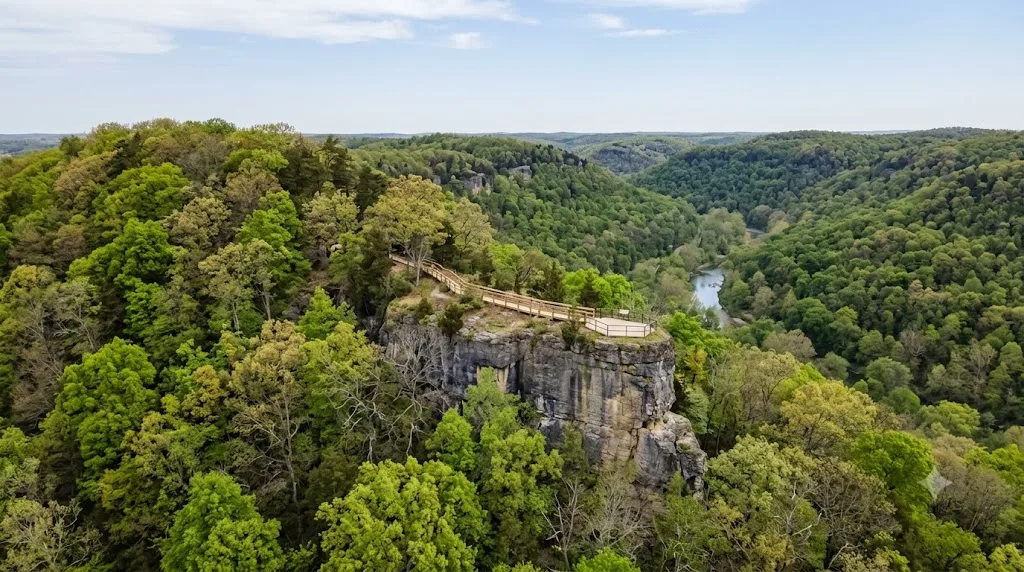
The Edge of Appalachia Preserve Travel Guide — Ohio
Our The Edge of Appalachia Preserve guide covers practical planning for The Edge of Appalachia Preserve Ohio — best time to visit, getting there, and what to do on the ground. We've compiled the essential details for a memorable visit to one of Ohio's most pristine natural areas.
Spanning over 19,000 acres, The Edge of Appalachia Preserve Ohio is one of Ohio's most biologically diverse regions, offering quiet trails and rare plant species for hikers and naturalists. As seasoned travelers ourselves, our team at Roam States has explored countless natural wonders across the US, and we can confidently say that this preserve stands out as a true gem. It's a place where ancient forests meet prairie remnants, creating a unique ecosystem that beckons those seeking solitude and a deep connection with nature. Forget the crowds and the commercialism; here, the focus is purely on preservation and appreciation of the natural world.
Why Visit The Edge of Appalachia Preserve
When we talk about hidden treasures in Ohio, The Edge of Appalachia Preserve immediately comes to mind. This vast expanse of protected land is a biodiversity hotspot, home to over 100 rare plant species, numerous endangered animals, and some of the most pristine old-growth forests in the state. For us, the allure lies in its untouched beauty and the sheer variety of landscapes you can explore. From rugged ravines carved by ancient waterways to sun-drenched prairies alive with wildflowers, every turn offers a new perspective. It's a place where you can truly disconnect from the hustle and bustle of modern life and immerse yourself in the natural world. We've found that the quiet solitude here is unparalleled, making it an ideal escape for reflection and rejuvenation.
Beyond its ecological significance, the preserve offers a unique educational opportunity. The various habitats—including Appalachian forests, dolomite cliffs, and prairie openings—provide a living classroom for understanding complex ecosystems. We've always been drawn to destinations that offer both beauty and substance, and The Edge of Appalachia Preserve delivers on both fronts. It’s a testament to conservation efforts and a reminder of the incredible natural heritage we have in the United States. While Ohio might be known for attractions like Cedar Point or the Rock & Roll Hall of Fame, we believe that the natural splendor of the Edge of Appalachia offers an equally compelling, albeit different, reason to visit the state.
Who It's Best For
The Edge of Appalachia Preserve is tailor-made for specific types of travelers. If you're an avid hiker, a dedicated naturalist, a birdwatcher, or simply someone seeking profound tranquility, this destination will resonate deeply with you. Our team finds it particularly appealing to those who prioritize quiet contemplation over adrenaline-pumping activities. It's not a theme park; it's a sanctuary. Families with older children who appreciate nature and can handle moderate hikes will also find it rewarding, offering a fantastic opportunity for outdoor education. However, if your idea of a vacation involves bustling attractions, extensive amenities, or paved paths, this might not be your ideal destination. We recommend it for independent travelers who are comfortable navigating natural environments and are prepared for a more rustic experience.
We've observed that photographers are particularly drawn to the preserve, capturing its dramatic landscapes, intricate flora, and diverse wildlife. It's also an excellent spot for artists seeking inspiration in nature's quiet grandeur. Ultimately, this preserve is best for those who value conservation, appreciate biodiversity, and are eager to explore a truly unique corner of Ohio. It’s a perfect complement to a broader trip exploring the best places in Ohio, offering a stark contrast to the urban and entertainment hubs.
Getting There & Parking
Understanding how to get to The Edge of Appalachia Preserve is crucial for a smooth trip. This expansive preserve is located in Adams County, Ohio, a more rural part of the state. It’s a bit off the beaten path, which is precisely part of its charm. The nearest major cities are Cincinnati (approximately 1.5 to 2 hours drive) and Columbus (about 2.5 to 3 hours drive). We always recommend a reliable vehicle and a good GPS system, as cell service can be spotty in some areas of the preserve. The main access points often lead to specific trailheads or visitor areas, so it’s wise to decide which part of the preserve you wish to explore beforehand.
For those driving, parking at The Edge of Appalachia Preserve is generally available at designated trailheads. For instance, the Lynx Prairie Trailhead, a popular starting point, offers a small parking lot. We’ve found that parking is typically free, but spaces can be limited, especially on pleasant weekend mornings. Arriving earlier in the day is always our advice to secure a spot and enjoy the trails before they become busier. We always advise checking the official Nature Conservancy website for any specific parking instructions or potential closures before your visit in 2026. As of our latest research, there are no reported parking fees for the main trailheads.
While there are no public transportation options directly to the preserve, driving is the most practical and often the only way to access The Edge of Appalachia Preserve. Plan your route in advance and consider downloading offline maps, as GPS signals can be unreliable in rural Adams County. We always recommend filling up your gas tank before heading out, as gas stations become sparse closer to the preserve. Remember, part of the adventure of visiting such a pristine natural area is the journey itself.
Top Things to Do
When planning your visit, you'll find that things to do at The Edge of Appalachia Preserve primarily revolve around its natural beauty and diverse ecosystems. Our team considers hiking to be the absolute highlight, offering unparalleled access to the preserve's unique landscapes. Beyond hitting the trails, however, there's a wealth of other activities for the nature enthusiast.
The Edge of Appalachia Preserve Hiking Trails
The Edge of Appalachia Preserve hiking trails are truly the heart of the experience here. With varying lengths and difficulties, there's a path for almost every level of hiker. We've explored many of them and can attest to their beauty and the sense of solitude they offer. Here are some of our top recommendations:
- Lynx Prairie Trail: This is arguably the most famous and accessible trail, offering a relatively easy 1.3-mile loop through a rare prairie ecosystem. It's perfect for a leisurely stroll and an excellent introduction to the preserve's unique flora. We highly recommend it for its stunning wildflowers in spring and summer.
- Buzzardroost Rock Trail: For those seeking a more challenging hike with a spectacular payoff, the Buzzardroost Rock Trail is a must. This approximately 4.5-mile round trip trail leads to a stunning dolomite cliff overlook, offering panoramic views of Ohio Brush Creek and the surrounding forest. The elevation changes make it a moderate to strenuous hike, but the vistas are well worth the effort.
- Ohio Brush Creek Trail: This trail offers a different perspective, following the scenic Ohio Brush Creek. It's generally less strenuous than Buzzardroost and provides opportunities for birdwatching along the riparian corridor.
- Chaparral Prairie Trail: Another excellent option for experiencing the preserve's prairie habitats, this trail offers a shorter loop, ideal for those looking for a quick nature fix.
When tackling The Edge of Appalachia Preserve hiking trails, we always advise wearing sturdy hiking boots, bringing plenty of water, and dressing in layers. Trail conditions can vary, so be prepared for muddy sections, especially after rain. We also recommend carrying a map, as some trails can be less clearly marked than those in more developed parks. Always practice Leave No Trace principles to help preserve this incredible natural area.
Birdwatching and Wildlife Viewing
Given its incredible biodiversity, The Edge of Appalachia Preserve is a paradise for birdwatchers. Over 200 species of birds have been recorded here, including many migratory species. We've had incredible luck spotting warblers, vireos, and various raptors. Early mornings are generally the best time for bird activity. Beyond birds, keep an eye out for white-tailed deer, wild turkeys, and a variety of reptiles and amphibians. The preserve's remote nature means wildlife is often less accustomed to human presence, offering more authentic viewing opportunities. Remember to bring binoculars and a field guide!
Photography
With its dramatic landscapes, unique plant life, and abundant wildlife, the preserve offers endless photographic opportunities. From macro shots of rare wildflowers to sweeping panoramas from Buzzardroost Rock, every corner presents a new subject. We encourage photographers to visit during different seasons to capture the changing beauty of the preserve—the vibrant greens of spring, the lushness of summer, the fiery colors of autumn, and the stark beauty of winter.
Nature Education
While there isn't a formal visitor center with extensive exhibits, the preserve itself serves as an incredible outdoor classroom. Many of the trails feature interpretive signs that provide insights into the local ecology, geology, and history. We find that taking the time to read these signs significantly enhances the hiking experience, offering a deeper understanding of the unique environment you're exploring. Periodically, the Nature Conservancy or local partners may offer guided hikes or educational programs; it’s worth checking their website for any scheduled events in 2026.
Best Time to Visit
Choosing the best time to visit The Edge of Appalachia Preserve largely depends on your interests. Our team has experienced the preserve in all seasons, and each offers a distinct charm:
- Spring (April-May): This is arguably the most popular time, especially for botanists and wildflower enthusiasts. The forest floor comes alive with a spectacular display of trillium, Virginia bluebells, and other ephemeral wildflowers. Bird migration is also in full swing, making it excellent for birdwatching. Be prepared for potentially muddy trails and variable weather.
- Summer (June-August): The prairies are at their peak during summer, bursting with colorful wildflowers like coneflowers and blazing stars. The forest canopy is dense and green, offering shade on warmer days. However, summer also brings higher temperatures and humidity, along with more insects (ticks and mosquitoes can be prevalent, so pack repellent).
- Autumn (September-October): Fall foliage transforms the preserve into a breathtaking tapestry of reds, oranges, and golds. The cooler temperatures make for comfortable hiking, and insect activity diminishes. This is another highly recommended time for photographers and hikers.
- Winter (November-March): While less popular, winter offers a stark and serene beauty. With the leaves off the trees, views are more expansive, and the quiet is profound. Snowfall can create picturesque landscapes, but some trails may be icy or difficult to navigate. We only recommend winter visits for experienced hikers with appropriate gear.
We generally recommend late spring or early fall for the most pleasant weather and vibrant natural displays. Always check the local weather forecast before your trip, regardless of the season, and be prepared for changing conditions.
Where to Stay Nearby
Since The Edge of Appalachia Preserve is a protected natural area, The Edge of Appalachia Preserve lodging options are not available directly within the preserve itself. However, there are several charming towns and rural accommodations within a reasonable driving distance. Our team prioritizes comfort and convenience after a day of exploring, and we've found a few excellent options.
Hotels and Motels
For those seeking traditional hotel accommodations, the closest towns with a selection of options include West Union, Ohio, and Maysville, Kentucky (just across the Ohio River). While you won't find luxury resorts, you can expect clean, comfortable, and budget-friendly choices. We recommend checking for independent motels or smaller chain hotels in these areas. For a wider selection, you might need to extend your search to larger towns like Portsmouth, Ohio, or even back towards Cincinnati, though this will increase your daily driving time to the preserve.
Cabins and Vacation Rentals
Our preferred option for The Edge of Appalachia Preserve lodging is often a cabin or vacation rental. This allows for more space, privacy, and the ability to cook your own meals, which can be a huge plus after a long day of hiking. You can find a variety of rentals on platforms like Airbnb and Vrbo in Adams County and the surrounding rural areas. Many offer rustic charm with modern amenities, and some are situated on scenic plots of land, providing a peaceful retreat. We've found that these often provide a more immersive experience, allowing you to truly unwind in nature's embrace.
Bed & Breakfasts
For a more personalized touch, consider a local bed and breakfast. These often provide a cozy atmosphere, homemade breakfasts, and valuable local insights from your hosts. While fewer in number, a quick search for "bed and breakfasts Adams County Ohio" will yield some charming results. This can be a wonderful way to experience local hospitality and get recommendations for other things to do in Adams County.
When booking, we always advise checking recent reviews and confirming the exact driving distance to the preserve's trailheads. Remember that The Edge of Appalachia Preserve is in a rural setting, so don't expect extensive dining or entertainment options right outside your door. Plan to bring some groceries or enjoy the limited local eateries.
Sample 2-Day Itinerary
To help you make the most of your visit, our team has put together a sample 2-day itinerary for The Edge of Appalachia Preserve Ohio:
Day 1: Prairies and Panoramic Views
- Morning (9:00 AM): Arrive at the Lynx Prairie Trailhead. Start your day with a leisurely 1.3-mile loop hike through the Lynx Prairie. Take your time to identify wildflowers and observe the unique prairie ecosystem.
- Late Morning (11:00 AM): Drive to the Buzzardroost Rock Trailhead. Embark on the 4.5-mile round trip hike to Buzzardroost Rock. Pack a picnic lunch to enjoy at the overlook, savoring the stunning views of Ohio Brush Creek.
- Afternoon (3:00 PM): After descending from Buzzardroost, take a shorter, more relaxed walk along a section of the Ohio Brush Creek Trail, focusing on birdwatching and riparian scenery.
- Evening: Head to your chosen accommodation. Enjoy a relaxed dinner, perhaps with groceries you brought or at a local eatery in West Union.
Day 2: Forest Immersion and Local Charm
- Morning (9:00 AM): Explore a less-trafficked section of the preserve. Consider the Chaparral Prairie Trail for another taste of prairie life, or seek out one of the lesser-known forest trails for deeper immersion. Check the Nature Conservancy's website for trail maps and conditions.
- Late Morning (12:00 PM): Visit the Eulett Center (if open and offering programs). While not always staffed, this center sometimes hosts educational events or provides information about the preserve.
- Afternoon (2:00 PM): Explore some of the other things to do in Adams County. Consider a visit to Serpent Mound, a fascinating ancient effigy mound located about an hour's drive north of the preserve, offering a cultural counterpoint to the natural exploration.
- Evening: Enjoy a final meal in the area before heading home or to your next Ohio destination, perhaps towards Hocking Hills State Park for more natural beauty, or north to the Pro Football Hall of Fame.
This itinerary is flexible, allowing you to adjust based on your hiking pace and interests. Always carry water, snacks, and a first-aid kit, and inform someone of your hiking plans.
Is It Worth Visiting?
Our unequivocal answer is yes, The Edge of Appalachia Preserve is worth visiting, especially for those who cherish unspoiled nature and seek a genuine escape. If you're looking for a destination where the primary attractions are quiet trails, diverse ecosystems, and the chance to observe rare flora and fauna, then this preserve will exceed your expectations. We believe its value lies not in commercial appeal, but in its profound natural beauty and ecological significance. It offers a rare glimpse into what much of Ohio once looked like, preserved for future generations.
However, it’s important to manage expectations. If your travel style leans towards bustling cities, extensive amenities, or highly curated tourist experiences, then The Edge of Appalachia Preserve might not be the best fit. There are no gift shops, few dining options nearby, and the trails require a certain level of self-sufficiency. But for us, and for countless other naturalists and hikers, this lack of commercialization is precisely what makes it so special. The quiet solitude, the vibrant biodiversity, and the opportunity for deep connection with nature make The Edge of Appalachia Preserve worth visiting for anyone with a true appreciation for the wild.
FAQ
The Edge of Appalachia Preserve camping
Camping is not permitted directly within The Edge of Appalachia Preserve itself. As a nature preserve managed by the Nature Conservancy, the focus is on protecting the delicate ecosystems, and overnight stays are restricted to prevent impact. However, there are several camping options in the broader Adams County area and nearby state parks. We recommend researching state parks like Shawnee State Park, which offers primitive and developed campsites, or private campgrounds in the vicinity. Always check reservation requirements and availability well in advance, especially during peak seasons in 2026.
things to do in Adams County
Beyond The Edge of Appalachia Preserve, things to do in Adams County offer a blend of history, culture, and more outdoor exploration. A significant historical site is the Serpent Mound, an ancient effigy mound built by prehistoric Native Americans, located about an hour north of the preserve. The county also features scenic drives, small historic towns like West Union, and other smaller natural areas. For those interested in local history, the Rankin House State Historic Site, a significant Underground Railroad station, is located nearby in Ripley. We often combine a visit to the preserve with a stop at Serpent Mound for a well-rounded experience.
The Edge of Appalachia Preserve with kids
Visiting The Edge of Appalachia Preserve with kids can be a rewarding experience, provided your children have an interest in nature and are accustomed to hiking. Younger children might find the longer trails challenging, but the Lynx Prairie Trail is generally flat and manageable for most ages. We recommend focusing on shorter hikes, packing plenty of snacks and water, and turning the outing into a scavenger hunt for different plants, birds, or insects. Emphasize the importance of staying on marked trails and respecting wildlife. It's an excellent opportunity for children to learn about biodiversity firsthand, but it's not a playground, so set expectations accordingly.
best hotels near The Edge of Appalachia Preserve
The best hotels near The Edge of Appalachia Preserve are typically found in nearby towns such as West Union, Ohio, or Maysville, Kentucky. These usually consist of independent motels or smaller chain hotels offering basic, clean accommodations. For a wider selection of amenities and brands, you might consider extending your search to Portsmouth, Ohio, or even further to the outskirts of Cincinnati. However, for a truly immersive experience, our team often prefers the charm of local bed and breakfasts or private cabin rentals found throughout Adams County, which offer a more secluded and authentic stay. Always book in advance, especially during popular travel times in 2026.
The Edge of Appalachia Preserve tips
Our top The Edge of Appalachia Preserve tips for a successful visit include: always wear sturdy hiking boots, bring plenty of water and snacks, and carry a physical map or downloaded offline maps as cell service can be unreliable. Dress in layers, as weather can change quickly, and bring insect repellent, especially during warmer months. We strongly advise checking the Nature Conservancy's official website for current trail conditions, hours of operation, and any alerts before your trip in 2026. Arriving early in the morning helps avoid crowds and secure parking. Finally, practice Leave No Trace principles to help preserve this incredible natural area for everyone.
where to stay near The Edge of Appalachia Preserve
When considering where to stay near The Edge of Appalachia Preserve, your options range from basic motels in small towns like West Union, Ohio, and Maysville, Kentucky, to more secluded cabin rentals or charming bed and breakfasts scattered throughout Adams County. For a slightly larger selection of amenities and dining, Portsmouth, Ohio, is another possibility, though it increases driving time. We often recommend looking for vacation rentals through platforms like Airbnb or Vrbo for a more private and self-sufficient experience, allowing you to fully embrace the rural setting after a day of exploration. Always confirm the exact distance to the preserve's trailheads when booking.
The Edge of Appalachia Preserve stands as a testament to Ohio's natural grandeur, a place where ancient ecosystems thrive and the quiet beauty of the wilderness reigns supreme. Our team at Roam States wholeheartedly recommends it for those seeking an authentic connection with nature, away from the typical tourist trails. Whether you're drawn by the rare wildflowers, the challenging hikes to panoramic overlooks, or simply the profound solitude, The Edge of Appalachia Preserve Ohio offers an unforgettable experience. Plan your visit with respect for its delicate balance, and you'll be rewarded with memories that last a lifetime.
Last updated: 2026-07-09 by the Roam States team.