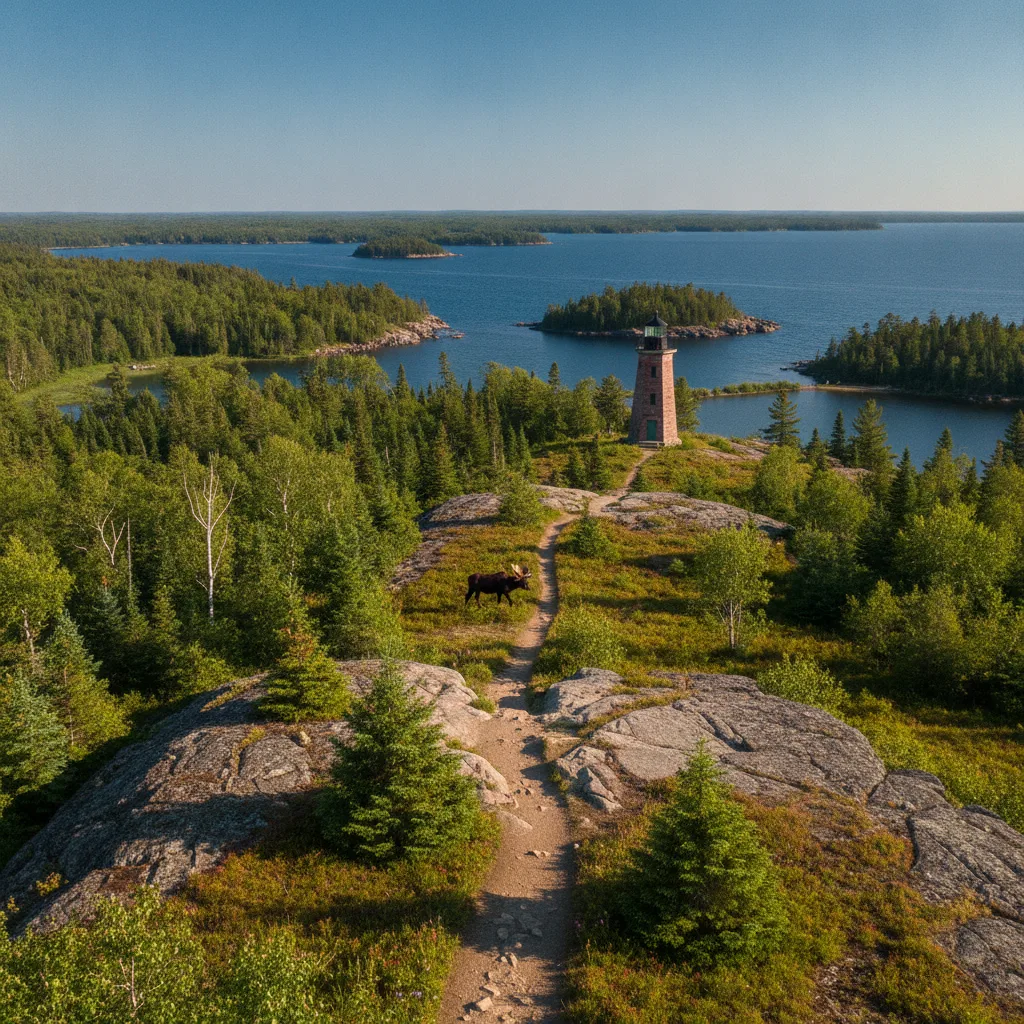
Isle Royale National Park Travel Guide — Michigan
We've compiled this comprehensive guide to help you plan an unforgettable wilderness adventure to one of America's most unique national parks. Isle Royale National Park, Michigan, is a remote archipelago in Lake Superior, accessible only by ferry or seaplane, offering an unparalleled escape into raw, untamed nature. This isn't your typical drive-up national park; it's a destination for those who crave solitude, rugged beauty, and a true disconnection from the everyday. Our team has explored the ins and outs of this magnificent park to bring you the definitive guide to experiencing its wonders.
Why Visit Isle Royale National Park
For those seeking an authentic wilderness experience, Isle Royale National Park stands in a league of its own. Imagine waking to the call of a loon, spending your days hiking through ancient forests, paddling serene inland lakes, or spotting moose and wolves in their natural habitat. This isn't a place for crowds or paved scenic drives; it's a sanctuary for the adventurous spirit. The island's isolation has preserved a delicate ecosystem, making it a living laboratory for ecological study and a pristine haven for wildlife viewing. We believe its unique blend of rugged geology, lush forests, and abundant wildlife offers a profound connection to nature that few other places can match.
Beyond its natural splendor, Isle Royale offers a rare chance to truly unplug. With limited connectivity and a focus on self-reliance, visitors are encouraged to embrace the present moment and the rhythms of the wild. It’s a place where the stars shine brighter, the air smells cleaner, and the silence is truly golden. We’ve found that the effort required to reach the island only enhances the reward, making the experience all the more meaningful.
Who It's Best For
Isle Royale National Park isn't for everyone, and that's precisely part of its charm. This is a destination tailor-made for experienced backpackers, avid kayakers and canoeists, wildlife enthusiasts, and anyone yearning for a profound sense of solitude and self-sufficiency. If you thrive on multi-day treks, enjoy paddling through remote waterways, or dream of spotting moose and wolves in the wild, then Isle Royale is calling your name. It’s also an exceptional destination for photographers seeking dramatic landscapes and intimate wildlife encounters.
Conversely, if your idea of a national park visit involves paved roads, easily accessible viewpoints, and a plethora of amenities, this might not be the ideal fit. While there are some shorter trails and limited lodging at Rock Harbor, the true essence of Isle Royale lies in its backcountry. Families with very young children or individuals with limited mobility might find the logistics and rugged terrain challenging. For those ready to embrace the challenge, however, the rewards are immeasurable.
How to Get There & Parking
Getting to Isle Royale National Park is an adventure in itself, as the island is only accessible by ferry or seaplane. There are no bridges or roads, emphasizing its remote nature. When considering how to get to Isle Royale National Park, you'll need to plan your departure point carefully, as services operate from both Michigan and Minnesota. We recommend booking your transportation well in advance, especially for the peak season of July and August 2026.
Ferry Services
- Ranger III (Houghton, Michigan): Operated by the National Park Service, the Ranger III departs from Houghton, Michigan. For the 2026 season, the Ranger III typically operates from late May through early September. The journey to Rock Harbor takes approximately 6 hours, while the trip to Windigo takes about 6 hours as well, with specific schedules for each destination. Round-trip adult fares for 2026 are approximately $150-$160, with discounts for children and seniors.
- Isle Royale Queen IV (Copper Harbor, Michigan): This private ferry service departs from Copper Harbor, Michigan, and travels to Rock Harbor. The trip duration is roughly 3.5-4 hours. 2026 round-trip adult fares are estimated to be around $140-$150.
- Grand Portage-Isle Royale Transportation Line (Grand Portage, Minnesota): Offering service to both Windigo and Rock Harbor, this private ferry departs from Grand Portage, Minnesota. The Voyageur II serves both ends of the island, while the Seahunter goes directly to Windigo. Travel times vary, with Windigo being closer (around 1.5-2 hours) and Rock Harbor taking longer. 2026 round-trip adult fares range from $80-$160 depending on the destination.
Seaplane Services
For a quicker and often more scenic journey, seaplane service is available from Houghton, Michigan, and Grand Portage, Minnesota, operated by Isle Royale Seaplanes. This option significantly cuts down travel time, with flights typically lasting 30-45 minutes. For 2026, one-way adult fares are approximately $180-$200, and reservations are essential due to limited capacity and strict weight restrictions. This is an excellent choice if you're wondering how to get to Isle Royale National Park with less time.
Parking
Since you can't drive to Isle Royale, you'll need to leave your vehicle on the mainland.
- Houghton, Michigan: Long-term parking is available at the Ranger III dock. For 2026, the fee is approximately $10 per day, with secure, fenced parking offered.
- Copper Harbor, Michigan: The Isle Royale Queen IV provides secure parking options near their dock. We found 2026 rates to be around $8-$10 per day.
- Grand Portage, Minnesota: Parking is available at the Grand Portage Marina. Expect daily fees in the range of $7-$9 for 2026.
We strongly advise confirming all ferry and seaplane schedules, fares, and parking fees directly with the operators for the most up-to-date 2026 information, as they can change. Planning your transportation is a crucial step in preparing for your Isle Royale adventure.
Top Things to Do
When considering things to do at Isle Royale National Park, remember that the park's allure lies in its natural beauty and the opportunity for active exploration. Our team has identified the absolute best ways to immerse yourself in this remote wilderness.
Hiking and Backpacking
Isle Royale is a hiker's paradise, with over 165 miles of trails. From short day hikes to multi-day backcountry expeditions, the options are vast. We recommend exploring the Greenstone Ridge Trail, which traverses the length of the island, offering incredible views and challenging terrain. For a shorter, rewarding experience, the Stoll Memorial Trail near Rock Harbor provides stunning vistas of Lake Superior. We'll delve deeper into Isle Royale National Park hiking trails in a dedicated section.
Paddling Inland Lakes and Lake Superior
With numerous inland lakes and protected bays along Lake Superior, kayaking and canoeing are among the most popular things to do at Isle Royale National Park. Rent a canoe or kayak at Rock Harbor or Windigo, or bring your own (with appropriate permits and inspection). Paddle the serene waters of Tobin Harbor or explore the hidden coves of Siskiwit Lake. The opportunities for peaceful exploration and wildlife viewing from the water are endless.
Wildlife Viewing
Isle Royale is renowned for its iconic moose and wolf populations. While wolves are elusive, moose sightings are quite common, especially near water sources. Keep an eye out for red foxes, snowshoe hares, beavers, and a vast array of bird species, including loons and ospreys. Remember to maintain a safe distance and never disturb wildlife.
Fishing
Both Lake Superior and the island's inland lakes offer excellent fishing opportunities for species like northern pike, lake trout, and brook trout. A Michigan fishing license is required for those 17 and older. Check park regulations for specific limits and rules.
Scuba Diving
For the adventurous and experienced, the cold, clear waters of Lake Superior around Isle Royale hold a collection of remarkably preserved shipwrecks. These underwater historical sites offer a unique diving experience, but require proper certification and equipment for the frigid conditions.
Ranger Programs
During the operating season, park rangers offer interpretive programs, guided walks, and evening talks at Rock Harbor and Windigo. These are excellent opportunities to learn about the island's ecology, history, and unique features. Check the visitor center schedules upon arrival for the most current offerings for 2026.
Best Time to Visit
The operating season for Isle Royale National Park is relatively short, typically running from mid-April through late October, with full services (ferries, lodges, visitor centers) generally available from early June to mid-September. Our team considers the peak season to be July and August, offering the warmest weather and the most frequent transportation options.
- Early Season (May-June): This period offers fewer crowds and lush green landscapes. However, some services might be limited, and the weather can still be cool and unpredictable, with potential for lingering snow in shaded areas and colder water temperatures. Mosquitoes and black flies can also be more prevalent.
- Peak Season (July-August): These months provide the most stable and warmest weather, ideal for hiking, paddling, and camping. All park services are fully operational, and wildlife viewing is generally excellent. Expect more visitors during this time, especially at the main hubs of Rock Harbor and Windigo.
- Late Season (September-October): As autumn arrives, the island transforms with stunning fall foliage, fewer insects, and a quieter atmosphere. The weather begins to cool, and some services start to close down in mid-September. This is an excellent time for solitude, but be prepared for colder temperatures and potentially rougher lake conditions. By late October, the park effectively closes for the winter.
We generally recommend visiting from mid-June to early September for the best balance of weather, services, and accessibility. Always check the official NPS website for the precise 2026 operating dates and service availability before planning your trip.
Where to Stay Nearby
Given Isle Royale's remote nature, "nearby" typically refers to the mainland departure points. On the island itself, accommodation is limited to the historic Rock Harbor Lodge and numerous campgrounds. If you're looking for mainland lodging before or after your island adventure, our team suggests the following:
On Isle Royale
- Rock Harbor Lodge: Located at the eastern end of the island, Rock Harbor Lodge is the only full-service lodging option within the park. It offers a variety of accommodations, including lodge rooms and rustic cabins, along with a restaurant, store, and marina. Reservations for the 2026 season are highly competitive and should be made as far in advance as possible.
- Campgrounds: The park maintains 36 designated campgrounds, accessible by foot or paddle. These range from popular sites near Rock Harbor and Windigo to remote backcountry locations. All require permits and reservations, which can be made through Recreation.gov for 2026.
Mainland Options
- Houghton, Michigan: As a major departure point for the Ranger III and seaplanes, Houghton offers a range of hotels, motels, and vacation rentals. It's a charming Upper Peninsula town with dining options and services.
- Copper Harbor, Michigan: This quaint town at the very tip of the Keweenaw Peninsula is the departure point for the Isle Royale Queen IV. Accommodation options are more limited here, often consisting of charming inns and cabins, offering a truly remote Upper Peninsula feel.
- Grand Portage, Minnesota: Located on the North Shore of Lake Superior, Grand Portage offers a casino resort and a few smaller lodging options. It's a good base if you're traveling from Minnesota.
For those extending their Michigan travels, consider exploring other incredible destinations like Mackinac Island for a historic, car-free experience, or the stunning sandstone cliffs of Pictured Rocks National Lakeshore, both offering a different but equally captivating side of Michigan's natural beauty. For a broader look at the state, our Best Places in Michigan guide offers more inspiration.
Sample 2-Day Itinerary
This itinerary assumes you are arriving at Rock Harbor and have arranged your ferry or seaplane transportation for a two-night stay, allowing for one full day of exploration on the island. This is a compact trip, best for those who want a taste of Isle Royale without a multi-day backpacking commitment.
Day 1: Arrival at Rock Harbor & Local Exploration
- Morning/Afternoon: Arrive at Rock Harbor via ferry or seaplane. Check into Rock Harbor Lodge or set up camp at the Rock Harbor Campground. Attend a ranger orientation program to get acquainted with the park and current conditions.
- Afternoon: Embark on a moderate hike along the Stoll Memorial Trail (approx. 2.5 miles round trip) to Scoville Point. This trail offers panoramic views of Lake Superior, the harbor, and potentially glimpses of wildlife.
- Evening: Enjoy dinner at the Rock Harbor Lodge Restaurant (reservations recommended) or prepare a meal at your campsite. Take a leisurely stroll along the harbor, enjoying the sunset over Lake Superior.
Day 2: Inland Lake Paddling & Historic Sites
- Morning: Rent a canoe or kayak from the Rock Harbor Marina. Spend the morning paddling the serene waters of Tobin Harbor, exploring its many islands and quiet coves. This is an excellent opportunity for birdwatching and spotting moose along the shoreline.
- Lunch: Pack a picnic lunch to enjoy on one of Tobin Harbor's small islands or return to Rock Harbor.
- Afternoon: Hike to the historic Edisen Fishery (approx. 4 miles round trip from Rock Harbor). This well-preserved site offers a glimpse into the island's commercial fishing history. Alternatively, if you prefer less hiking, visit the Rock Harbor Lighthouse for some historical context and views.
- Evening: Enjoy a final evening on the island, perhaps attending an evening ranger program or simply relaxing by the water, soaking in the wilderness atmosphere.
Day 3: Departure
- Morning: Enjoy a final breakfast. If time allows before your departure, take a short, easy walk on the Tobin Harbor Trail or simply relax and soak in the tranquility.
- Late Morning/Afternoon: Depart from Rock Harbor, carrying with you memories of this truly wild and remote Michigan gem.
Isle Royale National Park Hiking Trails
The extensive network of Isle Royale National Park hiking trails is undoubtedly one of its primary draws. With over 165 miles of interconnected paths, the island offers everything from short interpretive loops to challenging multi-day backcountry expeditions. Our team emphasizes that proper preparation is key for any of the Isle Royale National Park hiking trails, as conditions can be rugged and help is often hours away.
Popular Day Hikes (from Rock Harbor)
- Stoll Memorial Trail to Scoville Point: A relatively easy 2.5-mile loop offering stunning views of Lake Superior and the surrounding archipelago. It's a great introduction to the island's beauty.
- Suzy's Cave Trail: A 3.8-mile round trip, this trail leads to a small rock shelter, offering a glimpse into the island's geological past and a pleasant walk through the forest.
- Mount Franklin Trail: A more challenging 8.6-mile round trip, ascending to Mount Franklin for panoramic views across the island and Lake Superior. This is a rewarding hike for those seeking elevation and expansive vistas.
Backcountry & Multi-Day Trails
For serious backpackers, the Isle Royale National Park hiking trails offer unparalleled solitude.
- Greenstone Ridge Trail: The longest and most iconic trail, spanning approximately 40 miles from Windigo to Rock Harbor. This trail follows the backbone of the island, offering incredible views and a true wilderness experience. Most hikers take 3-5 days to complete it.
- Minong Ridge Trail: A more rugged and less traveled alternative to the Greenstone Ridge Trail, also traversing the length of the island (approx. 30 miles). It offers more challenging terrain and an even greater sense of solitude.
- Feldtmann Ridge Trail: Located on the western end of the island, this 17-mile trail offers varied terrain, including open ridges and forested sections, with opportunities to spot wildlife.
When planning your Isle Royale National Park hiking trails adventure, remember to carry a detailed map, plenty of water, and be prepared for changing weather conditions. Backcountry camping requires permits and reservations for specific campgrounds, which should be secured well in advance for the 2026 season.
Isle Royale National Park Camping
For many, the quintessential Isle Royale experience involves embracing the wilderness through camping. Isle Royale National Park camping offers a range of options, from developed sites near the visitor centers to remote backcountry havens. Our team stresses the importance of planning and securing reservations, especially for the 2026 season.
Designated Campgrounds
The park features 36 designated campgrounds, each equipped with tent sites, privies (outhouses), and often a water source (which may need to be filtered or treated).
- Frontcountry Campgrounds: Rock Harbor and Windigo offer more developed campgrounds with amenities relatively close to visitor services. These are excellent starting points for day hikes and paddling.
- Backcountry Campgrounds: Spread across the island, these sites are accessible only by foot or paddle. They provide a more secluded experience and are crucial for multi-day backpacking trips. Each site has a limited number of tent pads, ensuring a sense of privacy.
Reservations and Permits
All overnight stays in Isle Royale National Park require a permit. For 2026, backcountry camping reservations are managed through Recreation.gov. We strongly advise making your reservations as soon as the booking window opens, as popular sites fill up quickly, especially during July and August. The permit system helps manage visitor impact and ensures a quality wilderness experience. The cost for backcountry permits for 2026 is approximately $7 per person per night.
What to Expect & Prepare
- Water: While many campgrounds have water sources, always plan to filter or treat all water before consumption.
- Food Storage: Bear-resistant food storage is required. Most campgrounds have food hangs or lockers, but bring your own bear bag system as a backup.
- Insects: Mosquitoes, black flies, and gnats can be prolific, especially in early summer. Pack insect repellent, head nets, and long clothing.
- Leave No Trace: Adhere strictly to Leave No Trace principles. Pack out everything you pack in, stay on designated trails, and respect wildlife.
- Fires: Open fires are generally prohibited in the backcountry; camp stoves are allowed. Check current fire restrictions upon arrival.
Isle Royale National Park camping is an immersive way to experience the island's wild heart, offering quiet nights under starry skies and the chance to truly disconnect.
Is It Worth Visiting?
After experiencing its raw beauty and profound solitude, our team unequivocally believes that Isle Royale National Park is worth visiting for the right kind of traveler. This isn't a destination for a casual day trip or those seeking luxury amenities; it's an immersive wilderness experience that demands preparation, resilience, and a deep appreciation for nature.
For adventurers, backpackers, paddlers, and wildlife enthusiasts, the answer to "is Isle Royale National Park worth visiting" is a resounding yes. The opportunity to witness moose in their natural habitat, to hike trails where human encounters are rare, and to paddle pristine, quiet waters is unparalleled. The island's unique geology, the stark beauty of Lake Superior, and the thriving ecosystem of wolves and moose create a dynamic and unforgettable landscape.
The effort required to get there – the ferry ride or seaplane journey – only enhances the sense of accomplishment and the feeling of truly escaping. It forces you to slow down, disconnect, and fully engage with your surroundings. While the park's remoteness and limited services might deter some, for those who embrace the challenge, the rewards are immense. If you're seeking a truly wild, unplugged adventure that will leave you with lasting memories and a renewed appreciation for untouched nature, then Isle Royale National Park is absolutely worth visiting.
Frequently Asked Questions
things to do in Isle Royale National Park
There are many things to do in Isle Royale National Park, primarily focused on outdoor activities. Popular options include hiking and backpacking on over 165 miles of trails, kayaking or canoeing on inland lakes and Lake Superior, wildlife viewing (especially moose and birds), fishing, and attending ranger programs. For experienced divers, exploring the well-preserved shipwrecks is also a unique activity.
Isle Royale National Park with kids
Visiting Isle Royale National Park with kids is best suited for older children and teenagers who are experienced hikers and campers, or those who enjoy rugged outdoor adventures. The remote nature, long ferry rides, and lack of extensive amenities can be challenging for very young children. However, for adventurous families, shorter hikes near Rock Harbor or Windigo, paddling in calm harbors, and participating in ranger programs can be very rewarding.
Isle Royale National Park tips
Our top Isle Royale National Park tips include: book your ferry or seaplane transportation and any lodge or camping reservations well in advance for 2026. Pack light but be prepared for all weather conditions, including rain and cool temperatures, even in summer. Bring plenty of insect repellent, a water filter, and sturdy hiking boots. Plan your itinerary carefully, especially if backpacking, and always practice Leave No Trace principles.
Isle Royale National Park parking
Isle Royale National Park parking is available on the mainland at the ferry departure points. In Houghton, Michigan, parking near the Ranger III dock costs approximately $10 per day for 2026. In Copper Harbor, Michigan, daily rates are around $8-$10. In Grand Portage, Minnesota, parking is typically $7-$9 per day for 2026. All parking is secure, but fees and availability should be confirmed with the respective ferry operators.
best time to visit Isle Royale National Park
The best time to visit Isle Royale National Park is from mid-June to early September. This period offers the warmest weather, full operation of all park services (ferries, lodge, visitor centers), and the best conditions for hiking and paddling. July and August are peak months with the most stable weather, though they also see the most visitors. The park is generally open from mid-April to late October, but services are limited outside the main season.
Isle Royale National Park hours and fees
Isle Royale National Park hours are effectively 24/7 during its operating season, which typically runs from mid-April through late October, with full services from early June to mid-September. The park does not have a traditional entrance gate or fee. Instead, visitors pay a park entrance fee of $7 per person per day, up to a maximum of $35 per person per calendar year, which can be paid online or at visitor centers. Transportation fees (ferry/seaplane) and camping permit fees are separate.
Our team at Visit America considers Isle Royale National Park to be a premier destination for those seeking an authentic, challenging, and profoundly rewarding wilderness experience. Its remote location and unique ecosystem offer an unparalleled opportunity to disconnect and reconnect with nature.
Last updated: 2026-07-05 by the Visit America team.
Isle Royale National Park Travel Guide — Michigan
We've compiled this comprehensive guide to help you plan an unforgettable wilderness adventure to one of America's most unique national parks. Isle Royale National Park, Michigan, is a remote archipelago in Lake Superior, accessible only by ferry or seaplane, offering an unparalleled escape into raw, untamed nature. This isn't your typical drive-up national park; it's a destination for those who crave solitude, rugged beauty, and a true disconnection from the everyday. Our team has explored the ins and outs of this magnificent park to bring you the definitive guide to experiencing its wonders.
Why Visit Isle Royale National Park
For those seeking an authentic wilderness experience, Isle Royale National Park stands in a league of its own. Imagine waking to the call of a loon, spending your days hiking through ancient forests, paddling serene inland lakes, or spotting moose and wolves in their natural habitat. This isn't a place for crowds or paved scenic drives; it's a sanctuary for the adventurous spirit. The island's isolation has preserved a delicate ecosystem, making it a living laboratory for ecological study and a pristine haven for wildlife viewing. We believe its unique blend of rugged geology, lush forests, and abundant wildlife offers a profound connection to nature that few other places can match.
Beyond its natural splendor, Isle Royale offers a rare chance to truly unplug. With limited connectivity and a focus on self-reliance, visitors are encouraged to embrace the present moment and the rhythms of the wild. It’s a place where the stars shine brighter, the air smells cleaner, and the silence is truly golden. We’ve found that the effort required to reach the island only enhances the reward, making the experience all the more meaningful.
Who It's Best For
Isle Royale National Park isn't for everyone, and that's precisely part of its charm. This is a destination tailor-made for experienced backpackers, avid kayakers and canoeists, wildlife enthusiasts, and anyone yearning for a profound sense of solitude and self-sufficiency. If you thrive on multi-day treks, enjoy paddling through remote waterways, or dream of spotting moose and wolves in the wild, then Isle Royale is calling your name. It’s also an exceptional destination for photographers seeking dramatic landscapes and intimate wildlife encounters.
Conversely, if your idea of a national park visit involves paved roads, easily accessible viewpoints, and a plethora of amenities, this might not be the ideal fit. While there are some shorter trails and limited lodging at Rock Harbor, the true essence of Isle Royale lies in its backcountry. Families with very young children or individuals with limited mobility might find the logistics and rugged terrain challenging. For those ready to embrace the challenge, however, the rewards are immeasurable.
How to Get There & Parking
Getting to Isle Royale National Park is an adventure in itself, as the island is only accessible by ferry or seaplane. There are no bridges or roads, emphasizing its remote nature. When considering how to get to Isle Royale National Park, you'll need to plan your departure point carefully, as services operate from both Michigan and Minnesota. We recommend booking your transportation well in advance, especially for the peak season of July and August 2026.
Ferry Services
- Ranger III (Houghton, Michigan): Operated by the National Park Service, the Ranger III departs from Houghton, Michigan. For the 2026 season, the Ranger III typically operates from late May through early September. The journey to Rock Harbor takes approximately 6 hours. Round-trip adult fares for 2026 are approximately $160, based on one-way fares of $80 per adult. Children aged 1-15 are $40 one-way.
- Isle Royale Queen IV (Copper Harbor, Michigan): This private ferry service departs from Copper Harbor, Michigan, and travels to Rock Harbor. The trip duration is roughly 3.5-4 hours. 2026 round-trip adult fares are estimated to be around $140-$150, based on one-way fares of $80 per adult and $57.50 for those under 16.
- Grand Portage-Isle Royale Transportation Line (Grand Portage, Minnesota): Offering service to both Windigo and Rock Harbor, this private ferry departs from Grand Portage, Minnesota. The Voyageur II serves both ends of the island, while the Seahunter goes directly to Windigo. Travel times vary, with Windigo being closer (around 1.5-2 hours) and Rock Harbor taking longer (up to 7 hours from Grand Portage if stopping at Washington Harbor first). For 2026, we advise checking their website directly for current fares and schedules.
Seaplane Services
For a quicker and often more scenic journey, seaplane service is available from Hubbell (near Houghton), Michigan, and Grand Marais, Minnesota, operated by Isle Royale Seaplanes. This option significantly cuts down travel time, with flights typically lasting 30-45 minutes. For the 2026 season, Isle Royale Seaplanes flies daily between May 17 and September 19. One-way fares are approximately $282 per person, and round-trip fares are around $406 per person. Reservations are essential due to limited capacity and strict weight restrictions. This is an excellent choice if you're wondering how to get to Isle Royale National Park with less time.
Parking
Since you can't drive to Isle Royale, you'll need to leave your vehicle on the mainland.
- Houghton, Michigan: Long-term parking is available at the Ranger III dock. For 2026, the fee is approximately $10 per day.
- Copper Harbor, Michigan: The Isle Royale Queen IV provides secure parking options near their dock. We found 2026 rates to be around $8-$10 per day.
- Grand Portage, Minnesota: Parking is available at the Grand Portage Marina. Expect daily fees in the range of $7-$9 for 2026.
We strongly advise confirming all ferry and seaplane schedules, fares, and parking fees directly with the operators for the most up-to-date 2026 information, as they can change. Planning your transportation is a crucial step in preparing for your Isle Royale adventure.
Top Things to Do
When considering things to do at Isle Royale National Park, remember that the park's allure lies in its natural beauty and the opportunity for active exploration. Our team has identified the absolute best ways to immerse yourself in this remote wilderness.
Hiking and Backpacking
Isle Royale is a hiker's paradise, with over 165 miles of trails. From short day hikes to multi-day backcountry expeditions, the options are vast. We recommend exploring the Greenstone Ridge Trail, which traverses the length of the island, offering incredible views and challenging terrain. For a shorter, rewarding experience, the Stoll Memorial Trail near Rock Harbor provides stunning vistas of Lake Superior. We'll delve deeper into Isle Royale National Park hiking trails in a dedicated section.
Paddling Inland Lakes and Lake Superior
With numerous inland lakes and protected bays along Lake Superior, kayaking and canoeing are among the most popular things to do at Isle Royale National Park. Rent a canoe or kayak at Rock Harbor or Windigo, or bring your own (with appropriate permits and inspection). Paddle the serene waters of Tobin Harbor or explore the hidden coves of Siskiwit Lake. The opportunities for peaceful exploration and wildlife viewing from the water are endless.
Wildlife Viewing
Isle Royale is renowned for its iconic moose and wolf populations. While wolves are elusive, moose sightings are quite common, especially near water sources. Keep an eye out for red foxes, snowshoe hares, beavers, and a vast array of bird species, including loons and ospreys. Remember to maintain a safe distance and never disturb wildlife.
Fishing
Both Lake Superior and the island's inland lakes offer excellent fishing opportunities for species like northern pike, lake trout, and brook trout. A Michigan fishing license is required for those 17 and older. Check park regulations for specific limits and rules.
Scuba Diving
For the adventurous and experienced, the cold, clear waters of Lake Superior around Isle Royale hold a collection of remarkably preserved shipwrecks. These underwater historical sites offer a unique diving experience, but require proper certification and equipment for the frigid conditions.
Ranger Programs
During the operating season, park rangers offer interpretive programs, guided walks, and evening talks at Rock Harbor and Windigo. These are excellent opportunities to learn about the island's ecology, history, and unique features. Check the visitor center schedules upon arrival for the most current offerings for 2026.
Best Time to Visit
The operating season for Isle Royale National Park is relatively short, typically running from April 16 through October 31 each year. Full services (ferries, lodges, visitor centers) are generally available from early June to mid-September. Our team considers the peak season to be July and August, offering the warmest weather and the most frequent transportation options.
- Early Season (April 16 - June): The park reopens on April 16, 2026. This period offers fewer crowds and lush green landscapes. However, some services might be limited, and the weather can still be cool and unpredictable, with potential for lingering snow in shaded areas and colder water temperatures. Mosquitoes and black flies can also be more prevalent.
- Peak Season (July-August): These months provide the most stable and warmest weather, ideal for hiking, paddling, and camping. All park services are fully operational, and wildlife viewing is generally excellent. Expect more visitors during this time, especially at the main hubs of Rock Harbor and Windigo.
- Late Season (September-October 31): As autumn arrives, the island transforms with stunning fall foliage, fewer insects, and a quieter atmosphere. The weather begins to cool, and some services start to close down in mid-September (Rock Harbor Lodge closes September 12, 2026). This is an excellent time for solitude, but be prepared for colder temperatures and potentially rougher lake conditions. By October 31, the park effectively closes for the winter.
We generally recommend visiting from mid-June to early September for the best balance of weather, services, and accessibility. Always check the official NPS website for the precise 2026 operating dates and service availability before planning your trip.
Where to Stay Nearby
Given Isle Royale's remote nature, "nearby" typically refers to the mainland departure points. On the island itself, accommodation is limited to the historic Rock Harbor Lodge and numerous campgrounds. If you're looking for mainland lodging before or after your island adventure, our team suggests the following:
On Isle Royale
- Rock Harbor Lodge: Located at the eastern end of the island, Rock Harbor Lodge is the only full-service lodging option within the park. It offers a variety of accommodations, including lodge rooms and rustic cabins, along with a restaurant, store, and marina. The lodge is open from June 5 to September 12, 2026. Reservations for the 2026 season are highly competitive and should be made as far in advance as possible.
- Campgrounds: The park maintains 36 designated campgrounds, accessible by foot or paddle. These range from popular sites near Rock Harbor and Windigo to remote backcountry locations. All require permits and reservations, which can be made through Recreation.gov for 2026.
Mainland Options
- Houghton, Michigan: As a major departure point for the Ranger III and seaplanes, Houghton offers a range of hotels, motels, and vacation rentals. It's a charming Upper Peninsula town with dining options and services.
- Copper Harbor, Michigan: This quaint town at the very tip of the Keweenaw Peninsula is the departure point for the Isle Royale Queen IV. Accommodation options are more limited here, often consisting of charming inns and cabins, offering a truly remote Upper Peninsula feel.
- Grand Portage, Minnesota: Located on the North Shore of Lake Superior, Grand Portage offers a casino resort and a few smaller lodging options. It's a good base if you're traveling from Minnesota.
For those extending their Michigan travels, consider exploring other incredible destinations like Mackinac Island for a historic, car-free experience, or the stunning sandstone cliffs of Pictured Rocks National Lakeshore, both offering a different but equally captivating side of Michigan's natural beauty. For a broader look at the state, our Best Places in Michigan guide offers more inspiration.
Sample 2-Day Itinerary
This itinerary assumes you are arriving at Rock Harbor and have arranged your ferry or seaplane transportation for a two-night stay, allowing for one full day of exploration on the island. This is a compact trip, best for those who want a taste of Isle Royale without a multi-day backpacking commitment.
Day 1: Arrival at Rock Harbor & Local Exploration
- Morning/Afternoon: Arrive at Rock Harbor via ferry or seaplane. Check into Rock Harbor Lodge or set up camp at the Rock Harbor Campground. Attend a ranger orientation program to get acquainted with the park and current conditions.
- Afternoon: Embark on a moderate hike along the Stoll Memorial Trail (approx. 2.5 miles round trip) to Scoville Point. This trail offers panoramic views of Lake Superior, the harbor, and potentially glimpses of wildlife.
- Evening: Enjoy dinner at the Rock Harbor Lodge Restaurant (reservations recommended) or prepare a meal at your campsite. Take a leisurely stroll along the harbor, enjoying the sunset over Lake Superior.
Day 2: Inland Lake Paddling & Historic Sites
- Morning: Rent a canoe or kayak from the Rock Harbor Marina. Spend the morning paddling the serene waters of Tobin Harbor, exploring its many islands and quiet coves. This is an excellent opportunity for birdwatching and spotting moose along the shoreline.
- Lunch: Pack a picnic lunch to enjoy on one of Tobin Harbor's small islands or return to Rock Harbor.
- Afternoon: Hike to the historic Edisen Fishery (approx. 4 miles round trip from Rock Harbor). This well-preserved site offers a glimpse into the island's commercial fishing history. Alternatively, if you prefer less hiking, visit the Rock Harbor Lighthouse for some historical context and views.
- Evening: Enjoy a final evening on the island, perhaps attending an evening ranger program or simply relaxing by the water, soaking in the wilderness atmosphere.
Day 3: Departure
- Morning: Enjoy a final breakfast. If time allows before your departure, take a short, easy walk on the Tobin Harbor Trail or simply relax and soak in the tranquility.
- Late Morning/Afternoon: Depart from Rock Harbor, carrying with you memories of this truly wild and remote Michigan gem.
Isle Royale National Park Hiking Trails
The extensive network of Isle Royale National Park hiking trails is undoubtedly one of its primary draws. With over 165 miles of interconnected paths, the island offers everything from short interpretive loops to challenging multi-day backcountry expeditions. Our team emphasizes that proper preparation is key for any of the Isle Royale National Park hiking trails, as conditions can be rugged and help is often hours away.
Popular Day Hikes (from Rock Harbor)
- Stoll Memorial Trail to Scoville Point: A relatively easy 2.5-mile (5.6 km figure-eight loop) offering stunning views of Lake Superior and the surrounding archipelago. It's a great introduction to the island's beauty.
- Suzy's Cave Trail: A 3.8-mile (6.1 km) round trip, this trail leads to a small rock shelter, offering a glimpse into the island's geological past and a pleasant walk through the forest.
- Mount Franklin Trail: A more challenging 8.6-mile round trip, ascending to Mount Franklin for panoramic views across the island and Lake Superior. This is a rewarding hike for those seeking elevation and expansive vistas.
Backcountry & Multi-Day Trails
For serious backpackers, the Isle Royale National Park hiking trails offer unparalleled solitude.
- Greenstone Ridge Trail: The longest and most iconic trail, spanning approximately 40 miles (64.4 km) from Windigo to Rock Harbor. This trail follows the backbone of the island, giving you stunning panoramic views of dense forests, tranquil lakes, and remote wilderness. Most hikers take 3-5 days to complete it.
- Minong Ridge Trail: A more rugged and less traveled alternative to the Greenstone Ridge Trail, also traversing the length of the island (approx. 30 miles). It offers more challenging terrain and an even greater sense of solitude.
- Feldtmann Ridge Trail: Located on the western end of the island, this 17-mile (9.8 km one way) trail offers varied terrain, including open ridges and forested sections, with opportunities to spot wildlife.
When planning your Isle Royale National Park hiking trails adventure, remember to carry a detailed map, plenty of water, and be prepared for changing weather conditions. Backcountry camping requires permits and reservations for specific campgrounds, which should be secured well in advance for the 2026 season.
Isle Royale National Park Camping
For many, the quintessential Isle Royale experience involves embracing the wilderness through camping. Isle Royale National Park camping offers a range of options, from developed sites near the visitor centers to remote backcountry havens. Our team stresses the importance of planning and securing reservations, especially for the 2026 season.
Designated Campgrounds
The park features 36 designated campgrounds, each equipped with tent sites, privies (outhouses), and often a water source (which may need to be filtered or treated).
- Frontcountry Campgrounds: Rock Harbor and Windigo offer more developed campgrounds with amenities relatively close to visitor services. These are excellent starting points for day hikes and paddling.
- Backcountry Campgrounds: Spread across the island, these sites are accessible only by foot or paddle. They provide a more secluded experience and are crucial for multi-day backpacking trips. Each site has a limited number of tent pads, ensuring a sense of privacy.
Reservations and Permits
All overnight stays in Isle Royale National Park require a permit. For 2026, backcountry camping reservations are managed through Recreation.gov. We strongly advise making your reservations as soon as the booking window opens, as popular sites fill up quickly, especially during July and August. The permit system helps manage visitor impact and ensures a quality wilderness experience. The cost for backcountry permits for 2026 is approximately $7 per person per night.
What to Expect & Prepare
- Water: While many campgrounds have water sources, always plan to filter or treat all water before consumption.
- Food Storage: Bear-resistant food storage is required. Most campgrounds have food hangs or lockers, but bring your own bear bag system as a backup.
- Insects: Mosquitoes, black flies, and gnats can be prolific, especially in early summer. Pack insect repellent, head nets, and long clothing.
- Leave No Trace: Adhere strictly to Leave No Trace principles. Pack out everything you pack in, stay on designated trails, and respect wildlife.
- Fires: Open fires are generally prohibited in the backcountry; camp stoves are allowed. Check current fire restrictions upon arrival.
Isle Royale National Park camping is an immersive way to experience the island's wild heart, offering quiet nights under starry skies and the chance to truly disconnect.
Is It Worth Visiting?
After experiencing its raw beauty and profound solitude, our team unequivocally believes that Isle Royale National Park is worth visiting for the right kind of traveler. This isn't a destination for a casual day trip or those seeking luxury amenities; it's an immersive wilderness experience that demands preparation, resilience, and a deep appreciation for nature.
For adventurers, backpackers, paddlers, and wildlife enthusiasts, the answer to "is Isle Royale National Park worth visiting" is a resounding yes. The opportunity to witness moose in their natural habitat, to hike trails where human encounters are rare, and to paddle pristine, quiet waters is unparalleled. The island's unique geology, the stark beauty of Lake Superior, and the thriving ecosystem of wolves and moose create a dynamic and unforgettable landscape.
The effort required to get there – the ferry ride or seaplane journey – only enhances the sense of accomplishment and the feeling of truly escaping. It forces you to slow down, disconnect, and fully engage with your surroundings. While the park's remoteness and limited services might deter some, for those who embrace the challenge, the rewards are immense. If you're seeking a truly wild, unplugged adventure that will leave you with lasting memories and a renewed appreciation for untouched nature, then Isle Royale National Park is absolutely worth visiting.
Frequently Asked Questions
things to do in Isle Royale National Park
There are many things to do in Isle Royale National Park, primarily focused on outdoor activities. Popular options include hiking and backpacking on over 165 miles of trails, kayaking or canoeing on inland lakes and Lake Superior, wildlife viewing (especially moose and birds), fishing, and attending ranger programs. For experienced divers, exploring the well-preserved shipwrecks is also a unique activity.
Isle Royale National Park with kids
Visiting Isle Royale National Park with kids is best suited for older children and teenagers who are experienced hikers and campers, or those who enjoy rugged outdoor adventures. The remote nature, long ferry rides, and lack of extensive amenities can be challenging for very young children. However, for adventurous families, shorter hikes near Rock Harbor or Windigo, paddling in calm harbors, and participating in ranger programs can be very rewarding.
Isle Royale National Park tips
Our top Isle Royale National Park tips include: book your ferry or seaplane transportation and any lodge or camping reservations well in advance for 2026. Pack light but be prepared for all weather conditions, including rain and cool temperatures, even in summer. Bring plenty of insect repellent, a water filter, and sturdy hiking boots. Plan your itinerary carefully, especially if backpacking, and always practice Leave No Trace principles.
Isle Royale National Park parking
Isle Royale National Park parking is available on the mainland at the ferry departure points. In Houghton, Michigan, parking near the Ranger III dock costs approximately $10 per day for 2026. In Copper Harbor, Michigan, daily rates are around $8-$10. In Grand Portage, Minnesota, parking is typically $7-$9 per day for 2026. All parking is secure, but fees and availability should be confirmed with the respective ferry operators.
best time to visit Isle Royale National Park
The best time to visit Isle Royale National Park is from mid-June to early September. This period offers the warmest weather, full operation of all park services (ferries, lodge, visitor centers), and the best conditions for hiking and paddling. July and August are peak months with the most stable weather, though they also see the most visitors. The park is generally open from April 16 to October 31.
Isle Royale National Park hours and fees
Isle Royale National Park hours are effectively 24/7 during its operating season, which typically runs from April 16 through October 31. The park does not have a traditional entrance gate or fee. Instead, visitors pay a park entrance fee of $7 per person per day to enter or remain in the park, with children 15 and younger exempt. This fee can be paid online or at visitor centers. An Isle Royale Season Pass is available for $60. Transportation fees (ferry/seaplane) and camping permit fees are separate.
Our team at Visit America considers Isle Royale National Park to be a premier destination for those seeking an authentic, challenging, and profoundly rewarding wilderness experience. Its remote location and unique ecosystem offer an unparalleled opportunity to disconnect and reconnect with nature.
Last updated: 2026-07-05 by the Visit America team.