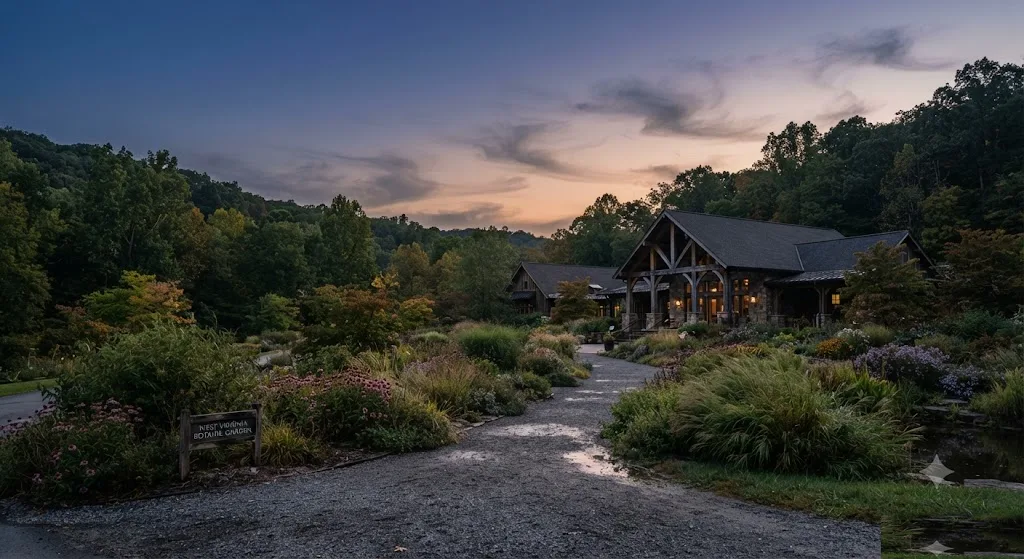
Our West Virginia Botanic Garden guide covers practical planning for West Virginia Botanic Garden West Virginia — best time to visit, getting there, and what to do on the ground.
As the Roam States editorial team, we are dedicated to bringing you the most authentic and actionable travel advice for exploring the United States. Today, we turn our attention to a true gem in the Mountain State: the West Virginia Botanic Garden West Virginia. Situated on the site of a former reservoir, this 85-acre non-profit garden offers a tranquil escape with diverse plant collections, miles of walking trails, and engaging educational programs. It's a place where the focus is firmly on regional flora, conservation, and fostering a deep connection with nature, providing a unique and enriching experience for all who visit.
Why Visit West Virginia Botanic Garden
We believe the West Virginia Botanic Garden offers a compelling reason for any nature enthusiast or family to visit. It's not just a collection of plants; it’s a thoughtfully designed landscape that showcases the natural beauty and ecological diversity of West Virginia. The garden’s commitment to education and conservation shines through its various themed areas, interpretive signage, and year-round programming.
For us, the appeal lies in its dual nature: a serene retreat and an active learning environment. You can wander through peaceful gardens, discover native plant species, and observe local wildlife. The ongoing development of new garden features and accessible areas, guided by a comprehensive master plan, ensures that each visit offers something new to explore. It's a place where you can truly slow down, breathe deeply, and reconnect with the natural world, all while supporting a valuable community resource. The West Virginia Botanic Garden is worth visiting for its blend of natural beauty, educational opportunities, and serene atmosphere, making it a standout destination in the region.
Who It's Best For
The West Virginia Botanic Garden is a destination with broad appeal, making it ideal for a variety of travelers. We find it particularly well-suited for:
- Nature Lovers and Botanists: With its diverse plant collections, including themed gardens like the Rhododendron Garden and the George W. Longenecker Shade Garden, it's a living laboratory for those interested in flora. The focus on regional plants offers a unique educational experience.
- Hikers and Walkers: The extensive network of trails, ranging from easy strolls to more invigorating paths, provides ample opportunity for exercise and immersion in nature.
- Families with Children: The garden is notably family-friendly, offering specific programs like Summer Nature Camp and the Fall Children's Festival, as well as engaging activities like story walks and hands-on crafts. Strollers are welcome on gravel paths, and accessible restrooms with changing stations are available.
- Peace Seekers: The tranquil setting, away from urban bustle, offers a perfect environment for quiet contemplation, meditation, or simply enjoying a peaceful moment outdoors.
- Photographers: From vibrant blooms to serene forest scenes and architectural elements like the Terrace at Tibbs Run, the garden provides countless picturesque backdrops throughout the seasons.
- Dog Owners: Leashed dogs are welcome, with pet waste stations provided, making it an excellent spot for a leisurely walk with your furry companion.
Whether you're looking for an active outdoor adventure, a calming escape, or an educational experience for the whole family, the West Virginia Botanic Garden delivers.
Getting There & Parking
Navigating to the West Virginia Botanic Garden is straightforward, and our team has the latest 2026 details to ensure a smooth arrival. The garden is located at 1061 Tyrone Road, Morgantown, WV, approximately eight miles from the West Virginia University campus.
How to Get There
From I-79, travelers should merge onto I-68. There are two primary exits for reaching the garden:
- From I-68 Exit 4: Turn east onto State Route 7 towards Kingwood. After about two miles, turn left onto Tyrone Road. The West Virginia Botanic Garden will be approximately two miles up Tyrone Road on your right.
- From I-68 Exit 7: At the top of the ramp, turn onto Route 857 (Cheat Road) north towards Pierpont Road and Cheat Lake. Continue for two miles, then turn right onto Tyrone Road and travel 2.4 miles. The garden will be on your left.
For GPS users, the coordinates are 39.630912, -79.869699.
Parking
The West Virginia Botanic Garden offers two main parking areas: an upper parking lot and a lower parking lot.
- Upper Parking Lot: This lot, adjacent to Tyrone Road, is open from dawn to dusk year-round. It's the recommended spot if you plan to stay in the garden into the evening, as the lower lot gates close earlier. Be aware that a chain will be pulled across the upper lot after dark, and overnight parking is not permitted.
- Lower Parking Lot: Located next to the Education and Event Center, this lot is generally open from 10 a.m. to 7:30 p.m. during spring/summer (from the start of daylight saving time until October 1). During fall/winter (from October 1 until daylight saving time ends), it closes at 6:30 p.m., and during the deepest winter months, it closes at 4 p.m. The lower lot may remain open later for scheduled public programs or private events. Handicapped accessible parking spaces are available here, providing easy access to the Education and Event Center, restrooms, the Yagle Garden, and the Reservoir Loop Trail.
The upper and lower parking lots are about 500 yards apart, connected by the Hillside Trail or Garden Gate Trail. Please pay attention to posted signs during your visit to avoid being locked in the lower lot.
Admission to the West Virginia Botanic Garden is free, but a $5 donation per adult visitor is suggested to help support the garden's operations. Donations can be made on-site at the kiosk near the lower parking lot or online.
Top Things to Do
When you visit the West Virginia Botanic Garden, you'll discover a wealth of activities designed to connect you with nature and regional flora. Our team recommends setting aside ample time to explore the diverse offerings. Here are the top things to do at West Virginia Botanic Garden:
- Explore Themed Gardens: Wander through distinct garden areas like the Butterfly Garden, the George W. Longenecker Shade Garden, and the Rhododendron Garden. Each offers a unique horticultural experience and showcases different plant communities.
- Walk the Trails: With over four miles of interconnected trails, you can embark on a short stroll or a longer hike. The trails wind through wetlands, meadows, and old-growth forests, including a section with 200-year-old hemlocks.
- Visit the Education and Event Center: This facility serves as the garden's headquarters and hosts various educational programs and workshops. It also provides public restrooms, including one that is handicapped accessible and one with a diaper changing station. A water fountain is available next to the public restrooms.
- Attend Educational Programs and Workshops: The garden offers a robust calendar of events, including nature camps, wellness workshops (like yoga and painting), and guided walks. In 2026, events include a "Friday Family Walk & Craft" and "Moth Night" in July, and a "Hike with a Naturalist" in August.
- Enjoy Seasonal Events: Check the calendar for special events such as the "A Season of Good Taste" dinner series, featuring local chefs, and the "Summer Concert Series" held on the Event Lawn. The 6th Annual West Virginia Botanic Garden Day is celebrated the Saturday before Mother's Day, and in 2026, it will host the "Gabby's Dollhouse Fairylandia Tour" with timed-ticket activities for families.
- Discover Outdoor Art Installations: Keep an eye out for art integrated into the landscape. In 2026, the garden features "Mountain Modern: The Art of Blanche Lazzell," an outdoor exhibition exploring the work of a pioneering modernist artist born in Monongalia County.
- Picnic and Relax: While there are no dedicated picnic facilities or trash receptacles, visitors are welcome to bring a picnic and enjoy it amidst the natural beauty, provided they pack out all their trash.
These things to do at West Virginia Botanic Garden provide a comprehensive experience, blending relaxation, education, and active exploration.
West Virginia Botanic Garden Hiking Trails
The West Virginia Botanic Garden is a hiker's delight, offering an extensive network of trails that cater to various preferences. Our team highly recommends dedicating a significant portion of your visit to exploring the West Virginia Botanic Garden hiking trails. The entire 85-acre site, encompassing forests, wetlands, and meadows, is crisscrossed by approximately four miles of interconnected paths and boardwalks.
There are seven marked trails, each less than a mile long, all of which are loop trails and connect to others, allowing you to customize the length and difficulty of your walk. This interconnectedness means you can easily combine several trails to create a longer, more varied hiking experience. Printed maps are available at the information kiosk near the lower parking lot, and older trails are also visible on Google Maps and the West Virginia Trail Inventory.
Key trails to consider include:
- Reservoir Loop Trail: This trail encircles the basin of the former Tibbs Run Reservoir, offering a glimpse into the site's history as Morgantown's early water supply. It's a central path that connects to many other areas of the garden.
- Hillside Trail and Garden Gate Trail: These trails connect the upper parking lot near Tyrone Road to the lower parking lot and the main garden areas, providing a scenic entrance or exit.
- Wetland Boardwalk: Experience the unique wetland habitat up close on this accessible boardwalk, perfect for observing aquatic plants and wildlife.
- Forest Trails: Delve into areas of old-growth forest, where you can find impressive 200-year-old hemlocks and experience the tranquility of a mature woodland.
The trails are generally well-maintained and offer a mix of gravel paths and natural surfaces. While many paths are suitable for strollers, especially the gravel ones, some may be more rugged. We advise wearing comfortable walking shoes suitable for varied terrain. Bicycles are not permitted on the trails; they are reserved for walking, running, or cross-country skiing when snow conditions allow on the Reservoir Loop Trail. Leashed dogs are welcome on all West Virginia Botanic Garden hiking trails, but owners are expected to clean up after their pets.
Best Time to Visit
The West Virginia Botanic Garden offers a unique experience in every season, but we can guide you to the best times to visit based on your interests.
- Spring (April to May): This is a spectacular time to witness the garden awakening. Early spring brings forth a delicate display of native wildflowers, followed by the vibrant blooms of rhododendrons and other flowering shrubs. The air is fresh, and the temperatures are mild, making it ideal for comfortable walks. Events like "Brunch in Bloom" in April 2026 celebrate the flavors of the spring growing season.
- Summer (June to August): Summer offers lush greenery and a full canopy of leaves, providing ample shade on the trails. This season is perfect for enjoying the Butterfly Garden and observing a wide array of insects and birds. The garden hosts its popular "Summer Concert Series" and "Summer Nature Camp" for children during these months. Be aware that some summer events, like the July 2026 concert, may be canceled due to extreme heat, so check the schedule.
- Fall (September to October): West Virginia is renowned for its stunning fall foliage, and the Botanic Garden is no exception. The changing leaves transform the landscape into a canvas of reds, oranges, and yellows, creating breathtaking views. Cooler temperatures make for excellent hiking conditions. The garden also hosts a "Fall Children's Festival."
- Winter (November to March): While the vibrant blooms may be absent, winter offers a serene and quiet beauty. The stark landscape reveals the architectural forms of trees and shrubs, and a fresh snowfall can create a magical, peaceful atmosphere. Cross-country skiing is permitted on the Reservoir Loop Trail when there's sufficient snow. The garden is open year-round from dawn to dusk, even in winter.
Ultimately, the "best" time depends on what you hope to experience. For peak blooms and vibrant activity, spring and summer are ideal. For breathtaking scenery and comfortable hiking, fall is unmatched. For solitude and a unique perspective on the landscape, winter offers a quiet charm. Always check the West Virginia Botanic Garden's official website for specific event schedules and any potential changes to hours, especially for the Visitors Center and lower parking lot, which may vary seasonally.
Where to Stay Nearby
When planning your visit to the West Virginia Botanic Garden, securing comfortable and convenient West Virginia Botanic Garden lodging is key. Morgantown, the closest major city, offers a range of options to suit various preferences and budgets. Our team has identified some excellent choices for your stay.
Many hotels in Morgantown are highly rated for their cleanliness, friendly staff, and amenities. Here are some of the best hotels near West Virginia Botanic Garden, based on proximity and traveler reviews:
- Holiday Inn Express Morgantown by IHG: Located just 2.1 miles from the garden, this hotel offers a convenient stay with amenities often including complimentary breakfast.
- Lakeview Golf Resort: Situated 2.67 miles from the garden, this resort provides a more expansive experience, often featuring golf courses and spa services.
- The Cranberry, an Ascend Collection Hotel: About 2.7 miles away, this hotel is noted for its excellent reviews and comfortable accommodations.
- SpringHill Suites by Marriott Morgantown: This option, approximately 3 miles from the garden, offers spacious suites and often includes free parking and Wi-Fi.
- Hilton Garden Inn Morgantown: Praised for its clean and comfortable rooms, friendly staff, and good food, it's about 3 miles from the garden. Many guests also appreciate the pool and hot tub.
- La Quinta Inn & Suites by Wyndham Morgantown: Located around 4 miles from the garden, this hotel is frequently highlighted for its clean, large rooms, great showers, and good hot breakfast. It's also pet-friendly.
- Residence Inn by Marriott Morgantown Medical Center Area: A good option for extended stays, offering quick check-in/out, friendly staff, and a great breakfast.
- Hotel Morgan, a Wyndham Hotel: This hotel in downtown Morgantown is often praised for its excellent service and historic charm.
When considering West Virginia Botanic Garden lodging, we recommend booking in advance, especially during peak seasons or university events. Many hotels offer flexible booking options, and you can often find deals through travel sites. For those seeking a unique experience, consider exploring vacation rentals or bed and breakfasts in the Morgantown area.
Sample 2-Day Itinerary
To help you make the most of your visit to the West Virginia Botanic Garden and the surrounding Morgantown area, our team has crafted a sample 2-day itinerary. This plan balances garden exploration with local attractions, ensuring a comprehensive and enjoyable trip.
Day 1: Immersion in the West Virginia Botanic Garden
- Morning (9:00 AM - 12:00 PM): Arrival and Garden Exploration
- Arrive at the West Virginia Botanic Garden. Park in the lower lot if arriving mid-day, or the upper lot if you plan to stay until dusk.
- Begin your exploration with the Reservoir Loop Trail, which offers a good overview of the garden's central feature.
- Pick up a printed map from the kiosk and venture into the George W. Longenecker Shade Garden and the Rhododendron Garden, enjoying the diverse plant collections.
- Take time to appreciate the "Mountain Modern: The Art of Blanche Lazzell" outdoor exhibition.
- Lunch (12:00 PM - 1:00 PM): Picnic or Cafe Rose
- Enjoy a packed picnic lunch amidst the garden's serene settings, remembering to pack out all your trash.
- Alternatively, grab a bite at Cafe Rose, located in the Visitors Center, which is open Thursday through Sunday from 10 a.m. to 4 p.m.
- Afternoon (1:00 PM - 4:00 PM): Deeper Exploration and Nature Connection
- Explore more of the West Virginia Botanic Garden hiking trails, such as those winding through the old-growth hemlock forest.
- Visit the Butterfly Garden and observe the pollinators.
- If visiting with children, check for any ongoing "Friday Family Walk & Craft" or other family-friendly activities.
- Consider a visit to the Visitors Center and Gift Shop, open Thursday through Sunday from 10 a.m. to 5 p.m.
- Evening: Dinner in Morgantown
- Head into Morgantown for dinner. We recommend exploring the vibrant dining scene, perhaps trying a local favorite like Table 9, whose chef has been featured in garden dinner series.
- Consider a leisurely stroll along the Caperton Trail by the Monongahela River.
Day 2: Morgantown Attractions & Nearby Natural Wonders
- Morning (9:00 AM - 12:00 PM): Morgantown's Natural and Cultural Side
- Start your day at the Core Arboretum, a free-to-visit, university-run arboretum offering peaceful walking trails and a diverse selection of trees.
- For panoramic views of Morgantown and the Appalachian Mountains, hike up Dorsey Knob.
- Alternatively, explore the Monongalia Arts Center (MAC) for local art and creative exhibits.
- Lunch (12:00 PM - 1:00 PM): Downtown Morgantown
- Enjoy lunch at one of downtown Morgantown's many eateries.
- Afternoon (1:00 PM - 5:00 PM): Nearby State Parks or Historical Sites
- Option A (Nature): Drive to Coopers Rock State Forest (approx. 20-30 minute drive) for stunning overlooks, rock climbing opportunities, and additional hiking trails.
- Option B (History): Visit Blennerhassett Island Historical State Park (a longer drive, requires ferry) for a step back in time to an 18th-century plantation.
- Option C (Coal History): Explore the Beckley Exhibition Coal Mine for an underground tour and a glimpse into West Virginia's mining heritage.
- Option D (Waterfalls): Head to Blackwater Falls State Park for iconic waterfalls and scenic views.
- Evening: Departure or Relax in Morgantown
- Enjoy a final dinner in Morgantown or begin your journey home, reflecting on the natural beauty and charm of West Virginia.
This itinerary for the West Virginia Botanic Garden and surrounding area offers a mix of relaxation, outdoor adventure, and cultural enrichment. For more ideas on exploring the Mountain State, check out our guide to the Best Places in West Virginia.
Last updated: 2026-07-13 by the Roam States team.