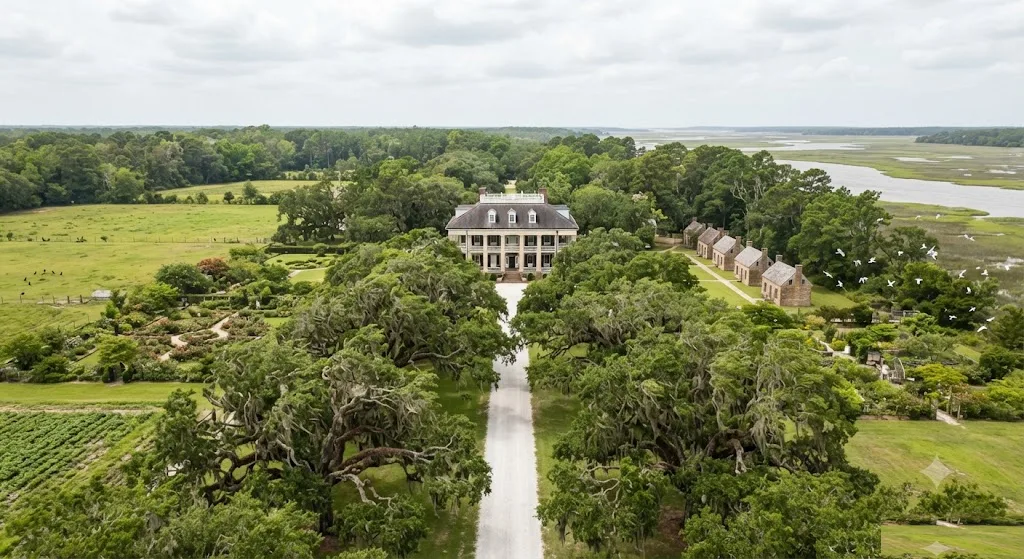
Welcome to our definitive guide for visiting Boone Hall Plantation South Carolina. Our team, as independent US travel authorities, cuts through the generic fluff to bring you confident, specific, and actionable advice for experiencing one of America's oldest working plantations. From its iconic "Avenue of Oaks" to its profound dedication to presenting authentic Gullah culture, Boone Hall Plantation offers a unique window into the Lowcountry's complex history and enduring beauty. We've gathered all the essential 2026 facts on hours, fees, parking, and reservations to ensure your trip is seamless and enriching.
Why Visit Boone Hall Plantation
Visiting Boone Hall Plantation South Carolina is an experience that transcends a typical historical tour; it's an immersion into centuries of Southern heritage, natural beauty, and profound cultural narratives. We believe it stands out for several compelling reasons, making it a must-see destination in the Charleston area.
First and foremost is the breathtaking "Avenue of Oaks." Planted in 1743 by Captain Thomas Boone, the son of Major John Boone, these nearly 300-year-old live oak trees, draped in Spanish moss, create a majestic, three-quarter-mile tunnel leading to the main house. It's a truly spectacular entrance, often cited as one of the most photographed plantations in America.
Beyond the visual splendor, Boone Hall is deeply committed to presenting authentic Gullah culture. Unlike many other plantations, Boone Hall offers live presentations of this unique culture, adapted by enslaved people brought to the Lowcountry from West Africa. These "Exploring The Gullah Culture" presentations, often led by Gullah descendants, provide powerful storytelling, song, and insights into the language, traditions, and resilience of the Gullah people.
The plantation also offers a candid look at the realities of slavery through its "Black History in America" exhibit, housed in nine original brick slave dwellings. These cabins, built between 1790 and 1810, are a rare national historic treasure and offer a glimpse into the daily lives, struggles, and contributions of enslaved African Americans. The interpretation here is extensive, incorporating archaeological artifacts and highlighting themes of emancipation, freedom, and the struggle for civil rights.
Furthermore, Boone Hall Plantation is one of America's oldest continuously operating farms, having produced agricultural crops for over 320 years. While the current Colonial Revival-style mansion was built in 1936, the property's history dates back to 1681. This blend of historical interpretation, cultural preservation, and ongoing agricultural activity makes Boone Hall a multifaceted and incredibly rewarding destination.
Who It's Best For
Boone Hall Plantation caters to a diverse range of visitors, offering something for nearly everyone with an interest in history, culture, and natural beauty. Our team particularly recommends it for:
- History Enthusiasts: Those keen on understanding the complex history of the American South, including both the grandeur of plantation life and the painful realities of slavery, will find Boone Hall's comprehensive exhibits and tours deeply informative. The "Black History in America" exhibit and the guided house tours offer a balanced perspective.
- Culture Seekers: Visitors interested in unique American cultures will be captivated by the live "Exploring The Gullah Culture" presentations. It's an unparalleled opportunity to learn directly from Gullah descendants about their heritage, language, and traditions.
- Families with Older Children: While younger children might enjoy the open spaces and farm activities, the historical depth, particularly the exhibits on slavery and Gullah culture, is best appreciated by older children and teenagers who can engage with the sensitive topics presented. The tractor tours and stable tours can be fun for all ages.
- Photography Buffs: Known as "America's Most Photographed Plantation," the Avenue of Oaks alone is a draw. The formal gardens, marsh views, and historic architecture offer endless opportunities for stunning photographs.
- Nature Lovers: The 738-acre property includes preserved wetlands, creeks, and ponds, offering opportunities for wildlife viewing and leisurely strolls through formal gardens and natural areas.
- Garden Enthusiasts: The outdoor formal gardens are a showcase of color year-round, featuring antique roses over 100 years old.
It's important to note that while the plantation strives for accessibility, some outdoor terrain may be challenging for standard wheelchairs due to grass and compacted sand. Electric wheelchairs or motorized scooters are recommended for better navigation.
Getting There & Parking
Understanding how to get to Boone Hall Plantation and where to park is crucial for a smooth visit. The plantation is conveniently located just a short drive from downtown Charleston, making it an easy day trip.
How to Get There
Boone Hall Plantation is situated at 1235 Long Point Rd, Mount Pleasant, S.C. 29464.
- By Car: This is the most common and recommended method of transportation. From downtown Charleston, it's typically an 8-mile drive, taking about 20 minutes, depending on traffic. We recommend using GPS navigation for the most direct route.
- Via Tour Bus: Several tour operators in Charleston offer guided half-day trips that include transportation to Boone Hall Plantation. If you prefer not to drive or deal with parking, this can be a convenient option. Be aware that the cost of these tours often includes the transportation, and the plantation admission itself is the same as if you purchased it directly. Some tour buses may not be handicap accessible, so verify with the tour provider if needed.
Boone Hall Plantation Parking
Our team confirms that Boone Hall Plantation offers free parking for guests. The parking area is ample and located on-site, making access to the plantation grounds straightforward. When arriving, simply follow the signs for visitor parking. During special events, such as the Lowcountry Strawberry Festival or the Lowcountry Oyster Festival, parking arrangements might differ slightly, with separate entrances and designated parking areas for these events. Always check the official Boone Hall Plantation website for specific event parking instructions if your visit coincides with one.
For those utilizing tour transportation from Charleston, free parking may also be available at the Charleston Visitor's Center, where the bus typically departs.
Top Things to Do
A visit to Boone Hall Plantation offers a rich tapestry of experiences, blending historical education with natural beauty. Our team has highlighted the top things to do at Boone Hall Plantation, ensuring you make the most of your time.
Explore the Avenue of Oaks
Your journey begins with the iconic Avenue of Oaks, a spectacular three-quarter-mile entrance lined with nearly 300-year-old live oak trees draped in Spanish moss. It's a truly magnificent sight and a perfect introduction to the plantation's grandeur. Take your time driving or walking down this historic pathway, and be sure to capture some photographs; it's known as "America's Most Photographed Plantation."
Tour the Plantation Mansion
Step inside the Colonial Revival-style mansion, built in 1936, for a guided tour of the first floor. Knowledgeable guides share insights into the home's history and the various families who owned Boone Hall. While photography is not permitted inside the house, the tour offers a glimpse into traditional Lowcountry planter life.
Visit the "Black History in America" Exhibit
This critically acclaimed exhibit is housed in nine original brick slave cabins, built between 1790 and 1810, along "Slave Street." Each cabin explores different themes, telling the African American story from daily aspects of slave life to the struggle for freedom and civil rights. History talks are also presented outdoors in front of the dwellings, providing a deeper understanding of the exhibits and the lives of those who lived there.
Experience "Exploring The Gullah Culture"
Boone Hall is unique in offering live presentations of the Gullah culture, a vibrant heritage adapted by enslaved Africans in the Lowcountry. These presentations, often featuring Gullah descendants, use storytelling and song to share the history, language, and traditions of this resilient community. It's a powerful and moving experience that provides invaluable cultural context.
Take a Guided Tractor Tour
Weather permitting, an open-air, tractor-pulled wagon tour takes you across the entire 738-acre property. This 35-40 minute tour focuses on the plantation's agricultural history and natural landscape, including its cultivated fields, wetlands, and marsh views.
Stroll Through the Formal Gardens
Located in front of the main house, the formal gardens are a year-round showcase of color, notably featuring antique roses that are over a century old. It's a beautiful area for a leisurely walk and offers a serene contrast to the historical intensity of other exhibits.
Discover the New Gin House Visitor Center and Stable Tours
The recently renovated Gin House now serves as a visitor center, museum, and gift shop, spanning 300 years of history. Additionally, new stable tours are available, presenting Boone Hall's equine history.
Things to Do in Mount Pleasant (Nearby Attractions)
While Boone Hall Plantation is a destination in itself, there are many other things to do in Mount Pleasant and the surrounding Charleston area that our team highly recommends:
- Patriots Point Naval & Maritime Museum: Located nearby, this museum allows visitors to explore historic naval vessels, including the USS Yorktown aircraft carrier, the USS Laffey destroyer, and a Vietnam Experience Exhibit. It's an excellent choice for families and military history enthusiasts. You can find more information at /destinations/fort-sumter-national-monument-south-carolina, as Fort Sumter is also accessible from this area.
- Shem Creek Park: A vibrant waterfront area in Mount Pleasant known for its lively dining scene, scenic boardwalks, and opportunities for kayaking and paddleboarding. It's a great spot for enjoying fresh seafood and watching the sunset.
- Pitt Street Bridge: A former trolley bridge now a waterfront park, offering stunning views of the Lowcountry marshes and Charleston Harbor. It's ideal for walking, bird-watching, and photography.
- Mount Pleasant Memorial Waterfront Park: Located at the foot of the Ravenel Bridge, this park offers a visitor center, Sweetgrass Cultural Arts Pavilion, war memorial, and a playground, with beautiful views of the Charleston harbor.
- Old Village of Mount Pleasant: Stroll through charming tree-lined streets with 19th-century homes, historic churches, and tucked-away gardens, offering a glimpse into one of Mount Pleasant's oldest communities.
- Charles Pinckney National Historic Site: Explore the 28-acre plantation relic of Charles Pinckney, a signer of the Constitution, offering insights into his life, the enslaved inhabitants, and early American history.
Best Time to Visit
Determining the best time to visit Boone Hall Plantation largely depends on your priorities, whether it's avoiding crowds, enjoying pleasant weather, or experiencing specific events. Our team has some insights to help you plan.
Spring (March to May)
Spring is arguably the most popular and best time to visit Boone Hall Plantation. The weather is generally mild and pleasant, with comfortable temperatures perfect for exploring the outdoor grounds and gardens. The formal gardens are in full bloom, showcasing vibrant colors. Additionally, Boone Hall hosts its annual Lowcountry Strawberry Festival in late April and early May, offering U-pick strawberries, carnival rides, live entertainment, and family-friendly activities. If you plan to visit during this festival, be aware that regular tour operations might be affected, and special event tickets are sold separately.
Fall (September to November)
Similar to spring, fall offers very agreeable weather with cooler temperatures and lower humidity, making it ideal for walking tours and outdoor activities. The crowds begin to thin after the summer peak. Boone Hall also hosts a popular pumpkin patch and corn maze in the fall, which can be a fun activity, especially for families. The "Wine Under The Oaks" event is usually presented on the first Sunday in December, which can also affect regular tour operations.
Winter (December to February)
Winter brings the fewest crowds and cooler temperatures, which can be quite comfortable for exploring, especially if you prefer a quieter experience. While the gardens might not be as vibrant as in spring, the Avenue of Oaks remains stunning. The Lowcountry Oyster Festival, the world's largest oyster festival, is held at Boone Hall Plantation in early February, featuring steamed oysters, contests, live music, and a children's area. Again, plan accordingly for potential closures or altered tour schedules on event days.
Summer (June to August)
Summer in the Lowcountry can be very hot and humid, with a higher chance of afternoon thunderstorms. While Boone Hall is open, we recommend visiting earlier in the morning to avoid the peak heat. The plantation is still beautiful, but the intense heat might make extensive outdoor exploration less comfortable. Crowds can also be higher during school holidays.
Hours of Operation
Boone Hall Plantation is open for tours Monday through Saturday from 9 AM to 5 PM, and on Sundays from 12 PM to 5 PM. It is closed on Thanksgiving Day and Christmas Day. The plantation may also be closed for regular tours on days when special events like the Lowcountry Oyster Festival or Wine Under The Oaks are presented, so always check their official website for specific dates.
Where to Stay Nearby
To fully experience Boone Hall Plantation and the charming Lowcountry, our team recommends staying in Mount Pleasant or nearby Charleston. Both offer excellent accommodations and convenient access to attractions.
Mount Pleasant
Staying in Mount Pleasant offers the advantage of being very close to Boone Hall Plantation, reducing travel time. It's a family-friendly area with a more relaxed atmosphere than downtown Charleston, while still providing plenty of dining and shopping options.
- Waterfront Hotels: Look for hotels along the waterfront or near Shem Creek, offering scenic views and easy access to restaurants.
- Family-Friendly Options: Mount Pleasant has a good selection of hotels with amenities like pools, suitable for families.
- Vacation Rentals: For a longer stay or larger groups, consider vacation rentals in the Old Village or other residential areas of Mount Pleasant for a more local experience.
Charleston Historic District
For those who want to immerse themselves in the vibrant history and culinary scene of Charleston, staying in the historic district is an excellent choice. While it's a short drive (about 20 minutes) to Boone Hall, you'll be within walking distance of many other attractions. Explore our guide to the /destinations/charleston-historic-district-south-carolina for more detailed recommendations.
- Boutique Hotels: Charleston is renowned for its charming boutique hotels, often located in historic buildings.
- Luxury Accommodations: High-end hotels offer exceptional service and amenities, perfect for a special getaway.
- Variety of Dining: You'll have an extensive choice of award-winning restaurants, from fine dining to casual Lowcountry eateries.
Other Nearby Destinations
If you're extending your trip, consider these other South Carolina destinations:
- Magnolia Plantation and Gardens: Another historic plantation known for its beautiful gardens. Find more details in our /destinations/magnolia-plantation-and-gardens-south-carolina guide.
- Middleton Place: America's oldest landscaped gardens, offering a stunning historical experience. See our /destinations/middleton-place-south-carolina guide.
- Hilton Head Island: For a beach-focused getaway, Hilton Head offers beautiful beaches, golf, and outdoor activities. Refer to our /destinations/hilton-head-island-south-carolina guide.
- Myrtle Beach: A popular family vacation spot with a lively boardwalk and entertainment. Check out our /destinations/myrtle-beach-boardwalk-south-carolina guide.
No matter where you choose to stay, booking accommodations in advance, especially during peak seasons (spring and fall), is always a good idea.
Sample 2-Day Itinerary
To help you make the most of your visit, our team has crafted a sample 2-day itinerary that balances the historical depth of Boone Hall Plantation with the charm of Mount Pleasant and Charleston. This itinerary assumes you'll have a car for flexibility.
Day 1: Immersion at Boone Hall Plantation
- Morning (9:00 AM - 1:00 PM): Arrive at Boone Hall Plantation South Carolina right at opening to beat some of the crowds. Begin your visit by driving down the breathtaking Avenue of Oaks. Head straight for the "Black History in America" exhibit in the original slave cabins. Spend ample time here, engaging with the exhibits and history talks. Afterwards, experience the "Exploring The Gullah Culture" live presentation. These are truly the heart of the Boone Hall experience.
- Lunch (1:00 PM - 2:00 PM): Grab a casual bite at the Butterfly Café on-site, which offers sandwiches, hot dogs, and ice cream, or pack a picnic to enjoy on the grounds.
- Afternoon (2:00 PM - 5:00 PM): Take the guided tour of the first floor of the plantation mansion. Afterwards, enjoy a leisurely stroll through the formal gardens. Conclude your Boone Hall Plantation itinerary with the guided tractor tour of the 738-acre property, which offers a different perspective on the farm's history and natural beauty.
- Evening: Head back to Mount Pleasant. Enjoy dinner at one of the many restaurants along Shem Creek, savoring fresh seafood with waterfront views.
Day 2: Mount Pleasant & Charleston Highlights
- Morning (9:00 AM - 1:00 PM): Start your day exploring more things to do in Mount Pleasant. Visit Patriots Point Naval & Maritime Museum to tour the USS Yorktown aircraft carrier and other exhibits. Alternatively, enjoy a walk along Shem Creek Park or the Pitt Street Bridge for scenic marsh views.
- Lunch (1:00 PM - 2:00 PM): Have lunch in Mount Pleasant, perhaps in the charming Old Village, or cross the Ravenel Bridge into Charleston.
- Afternoon (2:00 PM - 5:00 PM): Drive into downtown Charleston. Explore the historic district on foot, visiting iconic sites like Rainbow Row, the Battery, and the historic City Market. Consider a carriage tour for a charming overview of the city. For more ideas, consult our /destinations/charleston-historic-district-south-carolina guide.
- Evening: Enjoy a memorable dinner in Charleston, known for its world-class culinary scene. Consider a ghost tour or a leisurely evening stroll to cap off your trip.
This sample itinerary is flexible and can be adjusted based on your interests and the specific opening hours or events during your visit.
Is It Worth Visiting?
Our team unequivocally states that Boone Hall Plantation is worth visiting. It consistently ranks as the #1 Plantation in the Charleston Area by USA TODAY 10 BEST and is touted as a "must-see stop on any trip to Charleston, S.C." by NBC Daytime television. But beyond the accolades, it offers a truly profound and multifaceted experience that sets it apart.
What makes Boone Hall Plantation worth visiting is its commitment to presenting a comprehensive and honest narrative. While the stunning Avenue of Oaks and the elegant mansion offer glimpses of antebellum grandeur, the plantation doesn't shy away from the difficult truths of its past. The "Black History in America" exhibit, housed in the original slave cabins, and the live "Exploring The Gullah Culture" presentations are powerful, educational, and deeply moving. These elements provide essential context and honor the lives and contributions of the enslaved people and their descendants who shaped this land.
Furthermore, Boone Hall's status as one of America's oldest continuously operating farms adds another layer of interest, showcasing centuries of agricultural heritage alongside its historical interpretation. The combination of natural beauty, rich history, and vibrant cultural preservation makes for an incredibly rewarding and thought-provoking visit. Whether you're a history buff, a culture seeker, or simply looking for a beautiful and meaningful destination, Boone Hall Plantation delivers an experience that is both educational and deeply memorable.
Visiting With Kids
Visiting Boone Hall Plantation with kids can be a rewarding experience, especially if you tailor your visit to their interests and attention spans. Our team has some tips to help families make the most of their time.
- Tractor Tour: The 35-40 minute tractor-pulled wagon tour is often a hit with children. It offers a relaxed way to see the expansive property, including the farm fields and natural areas, and provides a good overview without too much walking.
- Farm Animals (Seasonal): While Boone Hall Plantation does not have a permanent petting zoo with goats, cows, pigs, chickens, or peacocks, certain special events like the Lowcountry Strawberry Festival do feature an All-American Petting Zoo and All-American Pig Races. If your kids love animals, check the event schedule for these seasonal offerings.
- U-Pick Fields (Seasonal): During the Lowcountry Strawberry Festival (late April/early May), kids can enjoy picking their own strawberries. In the fall, a pumpkin patch and corn maze are popular attractions. These hands-on farm experiences are fantastic for younger visitors.
- Avenue of Oaks: The sheer grandeur of the Avenue of Oaks can impress children, making for a memorable entrance and great photo opportunities.
- Formal Gardens: A quick stroll through the colorful formal gardens can be pleasant, especially for kids who enjoy flowers or open spaces.
- Gullah Culture Presentation: For older children and teenagers, the "Exploring The Gullah Culture" live presentation can be very engaging. The storytelling and music can be a captivating way to learn about history and culture.
- Black History in America Exhibit: This exhibit, while crucial, deals with sensitive topics. For younger children, a brief walk-through might suffice, focusing on the historical setting. For older children, it presents a valuable educational opportunity to discuss American history.
- Accessibility: The grounds are primarily grass or hard-compacted sand. Electric wheelchairs or motorized scooters work best, as regular wheelchairs might find the terrain challenging. Strollers are generally manageable on the grounds.
- Pacing: Plan for a visit of about 3 hours to experience all the tours. Don't try to do everything if your kids are getting restless. Focus on the most engaging activities for their age group.
- Snacks and Drinks: The Butterfly Café offers snacks and drinks, which can be helpful for quick refreshments.
By focusing on the interactive and visually appealing aspects, and being mindful of the historical weight of certain exhibits, visiting Boone Hall Plantation with kids can be both enjoyable and educational.
FAQ
Boone Hall Plantation tips
Our top Boone Hall Plantation tips include arriving early, especially during peak season, to avoid crowds and enjoy cooler temperatures. Plan to spend at least 3 hours to experience all the tours and exhibits. Wear comfortable walking shoes, as much of the property involves walking on grass or compacted sand. Don't miss the live Gullah Culture presentation and the Black History in America exhibit in the slave cabins, as these are central to understanding the plantation's story. Bring a camera for the Avenue of Oaks, but remember photography is not allowed inside the mansion. Check the official website for any special events that might alter regular operating hours or offer unique seasonal activities.
Boone Hall Plantation parking
Boone Hall Plantation offers free on-site parking for all guests. When attending special events like the Lowcountry Strawberry Festival, note that there may be separate entrances and designated parking areas, so always check the event details on their website.
best time to visit Boone Hall Plantation
The best time to visit Boone Hall Plantation is during the spring (March to May) or fall (September to November) for pleasant weather and blooming gardens. Spring also brings the Lowcountry Strawberry Festival. Winter offers fewer crowds and comfortable temperatures, with the Lowcountry Oyster Festival in February. Summer can be hot and humid, so an early morning visit is recommended if traveling during these months.
Boone Hall Plantation hours and fees
As of 2026, Boone Hall Plantation is open Monday through Saturday from 9 AM to 5 PM, and on Sundays from 12 PM to 5 PM. It is closed on Thanksgiving Day and Christmas Day, and occasionally for special events. Regular adult admission is $30, seniors, military, and AAA members pay $27, and children aged 6-12 are $12. Children 5 and under are admitted free with an accompanying adult. All tickets are general admission and include access to all daily tours and attractions.
Boone Hall Plantation itinerary
A recommended Boone Hall Plantation itinerary involves arriving in the morning to dedicate 3-4 hours. Start with the Avenue of Oaks, then delve into the "Black History in America" exhibit and the "Exploring The Gullah Culture" live presentation. Follow this with the guided mansion tour, a stroll through the formal gardens, and conclude with the tractor tour. This sequence ensures a comprehensive and impactful visit. Consider combining your visit with nearby attractions in Mount Pleasant or Charleston for a full day or multi-day experience.
Boone Hall Plantation travel guide
This Boone Hall Plantation travel guide from Roam States provides comprehensive information for your trip. We cover why to visit, who it's best for, how to get there, parking details, top things to do, the best time to visit, where to stay nearby, and a sample 2-day itinerary. We emphasize the iconic Avenue of Oaks, the authentic Gullah culture presentations, and the profound "Black History in America" exhibit. All essential 2026 facts on hours, fees, and accessibility are included to help you plan your journey to this significant South Carolina destination.
Our team at Roam States hopes this comprehensive guide empowers you to plan an unforgettable and deeply meaningful visit to Boone Hall Plantation South Carolina. We are confident that its blend of historical grandeur, profound cultural interpretation, and natural beauty will leave a lasting impression. From the sweeping Avenue of Oaks to the powerful stories of Gullah culture, this destination offers a unique window into the heart of the Lowcountry. Remember to check the official Boone Hall Plantation website for the most current information on hours and any special event closures before your trip. For more inspiration on exploring the Palmetto State, be sure to visit our hub for the Best places in South Carolina, and consider our Plan Your US Trip guide for broader travel advice.
Last updated: 2026-07-08 by the Roam States team.