Bulow Plantation Ruins Historic State Park Travel Guide — Florida
Our Bulow Plantation Ruins Historic State Park guide covers practical planning for Bulow Plantation Ruins Historic State Park Florida — best time to visit, getting there, and what to do on the ground. We provide confident, specific recommendations to help you navigate this unique historical and natural gem in Florida.
Why Visit Bulow Plantation Ruins Historic State Park
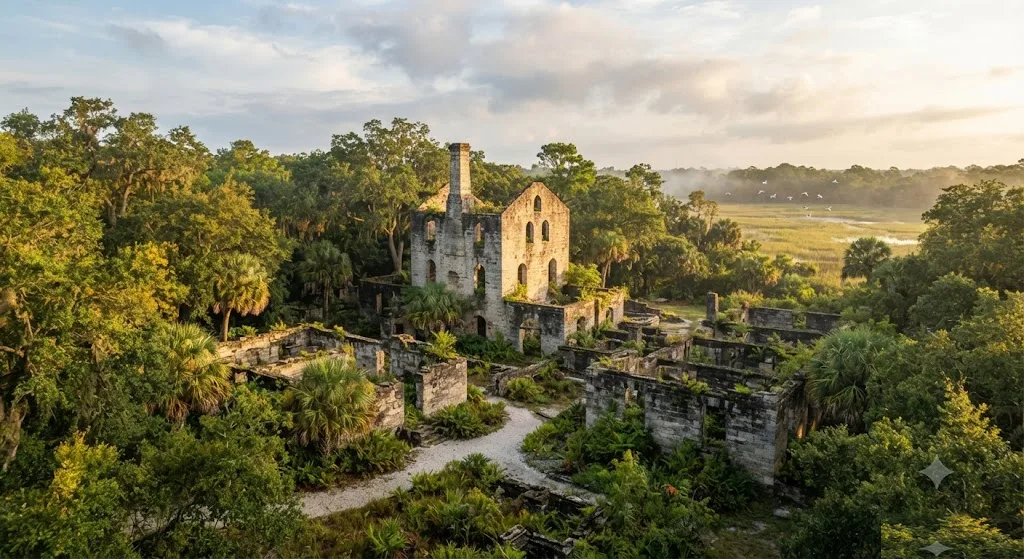
For travelers seeking a profound connection to Florida's tumultuous past and a serene escape into nature, Bulow Plantation Ruins Historic State Park offers an unparalleled experience. This 150-acre park stands as a poignant monument to the rise and fall of sugar plantations in East Florida, preserving the haunting coquina ruins of a once-thriving sugar mill and other plantation structures destroyed during the Second Seminole War in 1836.
We recommend a visit here to truly grasp the volatile history of the Florida frontier in the early 19th century. The charred walls and crumbling foundations of the sugar mill, spring house, mansion, and slave cabins tell a powerful story of human endeavor, prosperity, and conflict. An outdoor museum within the park houses original artifacts and written accounts, providing a deeper understanding of the plantation's day-to-day operations and its ultimate destruction.
Beyond its historical significance, the park is a haven for nature lovers. It offers a diverse ecosystem where visitors can explore lush landscapes, paddle the designated Bulow Creek State Canoe Trail, and observe abundant wildlife. The blend of historical reflection and natural beauty makes Bulow Plantation Ruins Historic State Park a compelling destination for those who appreciate both heritage and the great outdoors.
Who It's Best For
Bulow Plantation Ruins Historic State Park is ideal for history enthusiasts, nature lovers, and families seeking an educational and engaging outdoor experience. Those with an interest in American history, particularly the antebellum South and the Seminole Wars, will find the interpretive exhibits and preserved ruins deeply moving.
Outdoor adventurers will appreciate the opportunities for hiking, biking, canoeing, kayaking, fishing, and birdwatching. The park's tranquil setting along Bulow Creek provides a peaceful backdrop for these activities, making it suitable for individuals or groups looking to unwind in a natural environment. Families with school-aged children can use the park as an interactive classroom, bringing history to life amidst the ruins and natural trails. It's also a fantastic spot for photographers looking to capture the unique beauty of moss-draped oaks and historical architecture.
Getting There & Parking
Navigating to Bulow Plantation Ruins Historic State Park is straightforward, making it an accessible destination for many Florida travelers. The park is located at 3501 Old Kings Road, Flagler Beach, FL 32136.
If you're driving from Interstate 95, we recommend taking Exit 278 (Old Dixie Highway) and heading east for about 0.9 miles. Then, turn north onto Old Kings Road for approximately 1.9 miles until you see the sign for the park entrance, where you'll turn right. The entrance road itself is a scenic, unpaved, one-lane road with pull-offs, offering a glimpse into the natural beauty of Bulow Hammock.
Parking is available on-site. The entrance fee for Bulow Plantation Ruins Historic State Park is $4 per vehicle, which covers up to eight people. For pedestrians, cyclists, or extra passengers, the fee is $2 per person. It's important to note that fees are typically paid via an honor box, so we advise having exact change ready. Rangers do patrol the area and check for payment. The parking lot for the Bulow Woods Trail is located at a large sign just before the park gate and pay station.
Top Things to Do
Bulow Plantation Ruins Historic State Park offers a compelling mix of history and outdoor recreation. Our team has identified the top things to do at Bulow Plantation Ruins Historic State Park to ensure a memorable visit:
- Explore the Historic Ruins: The main draw of the park is undoubtedly the coquina stone ruins of the sugar mill, which are listed on the National Register of Historic Sites. Visitors can take a self-guided tour along interpretive trails that wind through the crumbling foundations of the mill, the unique spring house, and the remains of the plantation house and slave cabins. Informative signs provide context about each section, detailing the plantation's history and its destruction during the Second Seminole War. An outdoor museum also displays original artifacts and written accounts, offering a deeper look into the daily life and events of "Bulowville."
- Hike or Bike the Bulow Woods Trail: For those seeking active things to do at Bulow Plantation Ruins Historic State Park, the Bulow Woods Trail is a must. This 6.8-mile trail connects Bulow Plantation Ruins Historic State Park with the nearby Bulow Creek State Park, home to the impressive 400-year-old Fairchild Oak. The trail is well-maintained and takes hikers and bikers beneath a canopy of massive, shady oak trees. It's an excellent spot for wildlife viewing, with opportunities to see white-tailed deer, raccoons, various bird species, and even the occasional snake. The northern section near the ruins is particularly recommended for half-day hikes.
- Paddle Bulow Creek: Bulow Creek is a designated State Canoe Trail, offering calm tidal waters suitable for both beginner and experienced paddlers. Canoes can be rented from the park office by the hour or for the day. As you paddle, you can explore the scenic coastal marsh, observe wading birds, and potentially spot Florida manatees, swallow-tailed kites, herons, ospreys, and bald eagles. A boat ramp is also available for those who bring their own small powerboats or kayaks.
- Go Fishing: Bulow Creek is known as a good fishing area. Anglers can cast a line from the small dock or from a canoe for saltwater species like redfish, snook, and trout.
- Enjoy a Picnic: The park features picnic facilities, including a screened pavilion overlooking Bulow Creek. This pavilion has grills and six picnic tables, accommodating large groups of up to 48 people, and can be reserved for $30 per day (plus tax). Restroom facilities are conveniently located at both the picnic pavilion and the museum.
Best Time to Visit
To fully enjoy the historical exploration and outdoor activities at Bulow Plantation Ruins Historic State Park, the timing of your visit is key. We find that the cooler months, typically from September to May, offer the most comfortable conditions for hiking and exploring the ruins.
Autumn (September to November) provides ideal conditions with mild weather for hiking, kayaking, and fishing. Winter also offers a serene retreat with mild temperatures and fewer crowds, enhancing the experience. Spring brings vibrant blooms and pleasant temperatures, perfect for meandering along scenic trails. While summer offers a verdant paradise, the Florida heat and humidity can be intense, so we recommend planning early morning visits during these months and packing plenty of water and insect repellent.
The park is open year-round, but its operating hours are from 9:00 AM to 5:00 PM on Mondays and Thursday through Sunday. Please note that Bulow Plantation Ruins Historic State Park is closed on Tuesdays and Wednesdays.
Where to Stay Nearby
While there is no camping directly within Bulow Plantation Ruins Historic State Park, several excellent lodging options are available in the surrounding Flagler Beach and Palm Coast areas, catering to various preferences and budgets. When considering Bulow Plantation Ruins Historic State Park lodging, our team recommends looking into nearby state parks for camping or hotels in Flagler Beach for more amenities.
For those interested in RV camping, nearby Tomoka State Park and Gamble Rogers Memorial State Recreation Area at Flagler Beach both offer RV camping options. Tomoka State Park, less than 5 miles away, features 88 sites with 30 amp electric, a dump station, and potable water for $24 a night, though it has size restrictions for RVs (no longer than 34' or taller than 11'). Reservations for Tomoka State Park camping can be made up to 11 months in advance through Reserve America. Additionally, Bulow RV Resort in Flagler Beach is another popular choice, offering 385 sites open year-round with amenities like a dog park, swimming pool, and store.
If you prefer traditional hotel accommodations, Flagler Beach provides a range of choices. Hotels like the Topaz Motel - Flagler Beach, A1A Ocean Club, and Flagler Beach Motel And Vacation Rentals are within a short drive of the park. The Compass Hotel Flagler Beach is highly rated for its location, beachfront restaurant, and outdoor pool. Other options include Hilton Vacation Club The Cove on Ormond Beach and Spark by Hilton Ormond Beach Oceanfront, both about 12 miles from the park. For a more budget-friendly Bulow Plantation Ruins Historic State Park lodging option, Red Roof Inn PLUS+ Palm Coast is a pet-friendly choice. Many hotels in the area offer free parking and some are pet-friendly.
Sample 2-Day Itinerary
To help you make the most of your visit to Bulow Plantation Ruins Historic State Park and the surrounding Flagler Beach area, we've crafted a sample 2-day itinerary:
Day 1: History and Nature Immersion at Bulow Plantation
- Morning (9:00 AM - 1:00 PM): Explore the Ruins and Interpretive Center. Arrive at Bulow Plantation Ruins Historic State Park right at opening to beat any crowds. Pay your entrance fee at the honor box ($4 per vehicle). Begin with a self-guided tour of the sugar mill ruins, spring house, and slave cabin foundations. Take your time reading the interpretive signs to understand the plantation's history and its destruction. Afterwards, visit the outdoor museum to view artifacts and gain deeper insights into the past.
- Lunch (1:00 PM - 2:00 PM): Picnic by Bulow Creek. Utilize the park's picnic facilities. We recommend packing a lunch to enjoy at the screened pavilion overlooking Bulow Creek. Grills are available if you wish to cook.
- Afternoon (2:00 PM - 5:00 PM): Paddle Bulow Creek or Hike the Nature Trail. After lunch, rent a canoe from the park office and paddle along the tranquil Bulow Creek State Canoe Trail. Look for manatees, bald eagles, and other wildlife. Alternatively, if paddling isn't your preference, explore the shorter nature trails within the park, such as the 1.1 km Nature Trail, offering easy walks through the lush landscape.
- Evening: Dinner in Flagler Beach. Head to Flagler Beach for dinner. We suggest trying one of the ocean-view restaurants for fresh seafood and a relaxing evening atmosphere. Consider the Golden Lion Café or Break-Awayz at the Beach for panoramic views.
Day 2: Hiking, Beach, and Local Exploration
- Morning (8:30 AM - 12:30 PM): Hike the Bulow Woods Trail. Start your day early with a hike or bike ride on the Bulow Woods Trail. This 6.8-mile trail connects to Bulow Creek State Park and the Fairchild Oak. Even a portion of this trail offers a beautiful walk under ancient oaks and opportunities for wildlife viewing.
- Lunch (12:30 PM - 1:30 PM): Casual Lunch in Flagler Beach. Grab a casual lunch in Flagler Beach. Many local eateries offer quick and delicious options.
- Afternoon (1:30 PM - 5:00 PM): Flagler Beach and Nearby State Parks. Spend the afternoon enjoying the cinnamon-toned sands of Flagler Beach. You can relax on the uncrowded shoreline, hunt for seashells, or walk along the Flagler Beach Municipal Pier for views and potential marine life sightings. For more outdoor adventure, consider a visit to nearby Gamble Rogers Memorial State Recreation Area for additional hiking, fishing, or simply enjoying the beach. Alternatively, explore Washington Oaks Gardens State Park, known for its formal gardens and unique coquina rock formations along the shoreline.
- Evening: Explore Flagler Beach or Palm Coast. Depending on your interests, you could browse the eclectic shops in Flagler Beach, listen to live music at a rooftop restaurant, or explore more of the Best places in Florida like the Biscayne National Park or Crystal River.
Last updated: 2026-07-14 by the Roam States team.