Biscayne National Park Travel Guide — Florida
Welcome to our comprehensive guide to Biscayne National Park Florida. As your trusted independent US travel authority, our team has meticulously gathered the essential details to help you plan an unforgettable journey to this unique marine sanctuary. Unlike many national parks, 95% of Biscayne National Park lies underwater, offering a distinct blend of aquamarine waters, emerald islands, and vibrant coral reefs that set it apart from its terrestrial counterparts. We're here to provide confident, specific, and actionable advice, ensuring your visit is nothing short of spectacular.
Why Visit Biscayne National Park
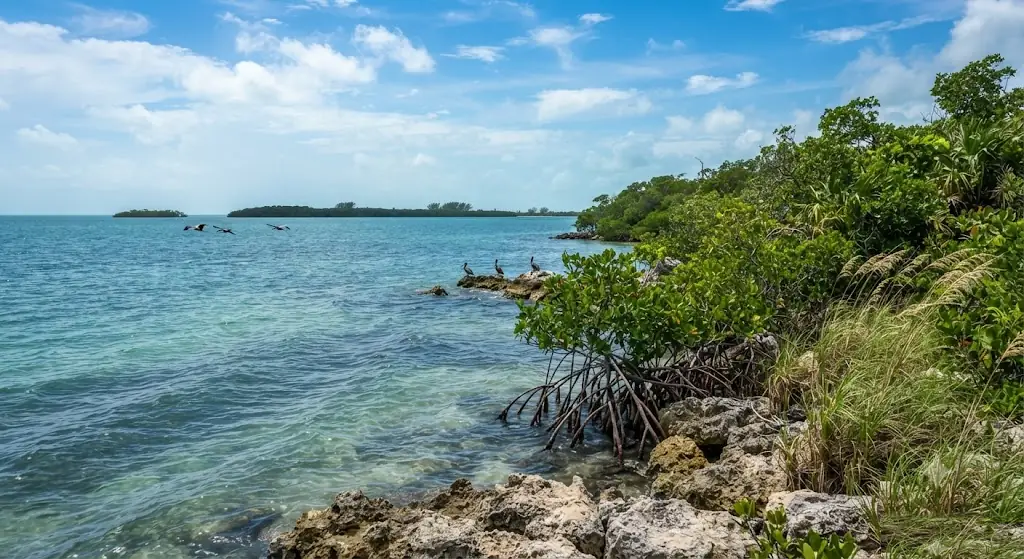
Biscayne National Park is not your typical national park experience. Located just south of Miami, this aquatic wonderland protects a rare combination of ecosystems: coastal mangrove hammocks, the shallow lagoon waters of Biscayne Bay, coral limestone keys, and the third-largest offshore reef in the world. We believe it's a must-visit for anyone seeking a unique blend of adventure and natural beauty in Florida.
The park is a vibrant habitat for an incredible range of wildlife, including manatees, sea turtles, bottlenose dolphins, and over 600 native fish species. Birdwatchers will be thrilled by the hundreds of bird species, including the elusive roseate spoonbill. Beyond its ecological significance, Biscayne National Park also boasts a rich human history, from ancient Native American sites to the intriguing Stiltsville, a collection of historic houses on stilts in Biscayne Bay.
For those who crave aquatic exploration, the park offers unparalleled opportunities for snorkeling, scuba diving, kayaking, canoeing, and boating. Its clear, warm waters invite visitors to discover colorful coral reefs and explore fascinating shipwrecks along the Maritime Heritage Trail. Even if you prefer to stay dry, boat tours provide an excellent way to experience the park's vastness and learn about its ecosystems and history.
Who It's Best For
Biscayne National Park truly caters to a diverse range of visitors, though it particularly shines for water enthusiasts and nature lovers. Our team finds it ideal for:
- Boaters and Paddlers: With 95% of the park being water, having your own boat or renting a kayak/canoe is one of the best ways to explore the extensive bay, mangrove-fringed shorelines, and remote islands.
- Snorkelers and Scuba Divers: The park protects a significant portion of the Florida Reef, offering world-class opportunities to explore vibrant coral formations and diverse marine life. The Maritime Heritage Trail also provides unique shipwreck diving experiences.
- Wildlife Enthusiasts: From manatees and sea turtles to dolphins and a myriad of bird species, the park is a hotspot for observing Florida's unique fauna.
- Families with Older Children: While younger children can enjoy the visitor center and short walks, many of the park's prime activities, like snorkeling and longer boat tours, are best suited for children aged eight and older.
- Adventure Seekers: Activities like kiteboarding (with approved outfitters) and exploring remote islands offer a thrill for those looking beyond typical park experiences.
- History Buffs: The park's human history, including Stiltsville and various historical sites on the keys, adds another layer of intrigue for those interested in the past.
It's important to note that visitors primarily seeking extensive land-based hiking trails might find other national parks more suitable, as Biscayne's terrestrial offerings are limited to short walks on the mainland and islands.
Getting There & Parking
Navigating to and around Biscayne National Park Florida requires some planning, as much of the park is only accessible by boat. The primary land-based access point and main visitor center is the Dante Fascell Visitor Center in Homestead, Florida.
How to Get There
For those driving, the Dante Fascell Visitor Center is located at 9700 SW 328th Street, Sir Lancelot Jones Way, Homestead, FL 33033. From Miami, we recommend taking the Florida Turnpike to Exit 6 (Speedway Boulevard) and then turning left onto Southwest 328th Street, following signs to the park. Alternatively, from US Highway 1, turn east onto North Canal Drive (SW 328th Street) and continue for approximately 9 miles. Miami International Airport (MIA) is the closest and most convenient airport, located about 33 miles from the park. Fort Lauderdale-Hollywood International Airport (FLL) is another option, approximately 63 miles away.
Public transportation is available, particularly during the cooler months. The free Homestead National Parks Trolley operates on weekends from early January through early April (and from November through April in some sources), connecting downtown Homestead to the Dante Fascell Visitor Center and Homestead Bayfront Marina. This is an excellent car-free option for visitors. For those without a vehicle, the trolley also connects to Miami-Dade municipal bus service.
Parking
Free parking is available at the Dante Fascell Visitor Center at Convoy Point. This is the main staging area for mainland activities and boat tours. While there are no RV parking services available directly within Biscayne National Park, RV parking spaces are available at the visitor center. If you plan to launch your own paddleboard or kayak from designated areas, including the visitor center, there is no fee for doing so.
For those accessing the islands by private boat, docking fees apply at Boca Chita Key and Elliott Key. As of 2026, the docking fee is $25.00 for Friday through Monday and federal holidays. These fees are for both day use and overnight stays, and must be paid through the Recreation.gov app upon arrival or no later than official sunset. It's important to download the app prior to arrival, as cellular service can be spotty.
Top Things to Do
Exploring Biscayne National Park Florida is an adventure predominantly focused on its aquatic environment. With 95% of the park submerged, the best way to experience its wonders is often by boat, whether it's a guided tour, a private vessel, or a paddlecraft.
Guided Boat Tours & Water Adventures
For many visitors, especially first-timers, guided tours are the ideal way to explore. The Biscayne National Park Institute, the park's official non-profit partner and authorized onsite outfitter, offers a variety of eco-adventures departing from the Dante Fascell Visitor Center. These include snorkeling, sailing, paddleboarding, and history tours. Popular options include heritage cruises, snorkeling experiences in the bay or on the reefs, and kayak tours through mangrove estuaries.
- Snorkeling and Scuba Diving: The park's subtropical waters are a diver's and snorkeler's paradise, boasting vibrant coral reefs and abundant marine life. Beginner snorkel tours stay in the calm, shallow waters of Biscayne Bay, while more advanced snorkel experiences venture to the offshore reefs and shipwrecks. Reef-friendly sunscreens are highly recommended for anyone entering the water.
- Kayaking and Canoeing: Paddle through serene mangrove tunnels, explore shallow lagoons like Jones Lagoon (known for its wildlife including rays and jellyfish), or venture into Hurricane Creek. Guided kayak tours are available, or you can bring your own craft and launch from the visitor center.
- Boating and Sailing: If you have your own vessel, the park's navigable waters are open 24 hours a day. Explore the protected waters of Biscayne Bay, visit the northernmost Florida Keys, and discover living coral reefs. Always review the park's boating guidelines due to low tides and sensitive coral areas.
- Visiting the Keys: The park's uninhabited Florida Keys, such as Boca Chita Key and Elliott Key, are accessible only by boat and offer unique experiences. Boca Chita Key is famous for its historic lighthouse, which provides panoramic views of the Miami skyline. Elliott Key, the largest island, offers trails, picnic areas, and camping.
- Stiltsville: These historic stilt houses in Biscayne Bay are a unique sight. While generally closed to the public without a permit, some boat tours offer views of these iconic structures.
Biscayne National Park Hiking Trails
While the park is primarily aquatic, there are a few rewarding Biscayne National Park hiking trails available for those who prefer terra firma. The most accessible trail is located on the mainland at Convoy Point.
- Convoy Point Jetty Trail: This is the only trail in Biscayne National Park located on the mainland, starting near the Dante Fascell Visitor Center. It's an easy, self-guided, 0.8-mile round trip walk along a boardwalk and sandy path, offering scenic views of the bay and ending at a colonial bird protection area. This trail is also accessible for wheelchairs and other mobility devices.
- Elliott Key Loop: Located on Elliott Key, this scenic trail takes you from the Biscayne Bay side of the island to the Atlantic Ocean side. It's mostly sandy and flat, with informative signs along the way. The Elliott Key Paddling Trail is also a challenging canoe/kayak route.
- Boca Chita Key Loop: This short nature trail circles a wooded area on Boca Chita Key, offering interpretive signs and informal paths leading to the water. It's approximately 0.5 miles long.
- Adams Key Loop and Spite Highway Trail: These are other trails found on the islands, offering further exploration for those who reach the keys by boat.
When exploring Biscayne National Park hiking trails on the islands, be sure to bring plenty of insect repellent, especially during warmer months, as mosquitos can be aggressive.
Biscayne National Park Camping
For those seeking a truly immersive experience, Biscayne National Park camping offers a unique opportunity to spend the night on a subtropical island. The park features two primitive campgrounds, both accessible only by private boat.
- Elliott Key Campground: Located on Elliott Key, the largest island in the park, this campground offers 40 campsites. It provides restrooms, grills, showers, and potable water, making it the more developed of the two.
- Boca Chita Key Campground: Situated on Boca Chita Key, a popular island for day trips, this campground has 21 campsites. Amenities include restrooms and grills, but no potable water or showers, so campers must bring their own water.
Both campgrounds operate on a first-come, first-served basis, and reservations are not accepted for specific sites. However, payment for a site is now handled through Recreation.gov, and it's recommended to download the app before arriving. As of 2026, the camping fee is $35.00 per night, which includes the use of up to two tents and six people. Additionally, a docking fee of $25.00 per night applies if you are docking a boat, which is required for access. This docking fee is charged Friday through Monday and on federal holidays. During the summer months (May 1 to September 30), the camping fee is waived, but the docking fee still applies. We always recommend checking the official NPS website for the most up-to-date information on fees and availability.
Given the primitive nature of island camping, visitors must bring all necessary supplies, including food, water (especially for Boca Chita Key), and insect repellent. There are no stores on the islands.
Best Time to Visit
Choosing the best time to visit Biscayne National Park can significantly impact your experience. Our team generally recommends the dry season, which runs from November through April.
- Winter (November to April): This period brings drier weather, more comfortable temperatures, and lower humidity, making outdoor activities more enjoyable. The water clarity is at its best during these cooler months, which is ideal for snorkeling and diving. It's also the prime time for manatee-watching, as these gentle creatures seek warmer waters. However, this is also the busiest tourist season, so expect more crowds and book tours and accommodations in advance.
- Spring: While warmer than winter, spring still offers pleasant conditions before the intense summer heat. Rain is a bit more common than in winter, and it remains a busy time for tourism.
- Summer (May to October): This is Florida's wet season, characterized by high temperatures, significant humidity, and frequent afternoon thunderstorms. It's also prime hurricane season. While lodging costs may be lower, the heat, humidity, and notoriously aggressive mosquitos can be challenging. If visiting in summer, plan water activities for the morning, return to land before afternoon storms, and pack plenty of insect repellent and water. The summer months can be ideal for water activities like snorkeling, despite the weather.
Ultimately, Biscayne National Park can be enjoyed year-round, especially since most activities are water-based, helping visitors stay cool in the heat. However, for the most comfortable and clear-water experience, the dry season is our top recommendation.
Where to Stay Nearby
While Biscayne National Park camping offers a unique overnight experience on its islands, many visitors prefer the convenience of land-based accommodations. The closest indoor lodging options are found in Homestead, Florida.
- Homestead, Florida: Located just a short drive from the Dante Fascell Visitor Center, Homestead offers a range of hotels, motels, and vacation rentals to suit various budgets. It serves as a convenient base for exploring both Biscayne National Park and nearby Everglades National Park.
- Florida City, Florida: Adjacent to Homestead, Florida City also provides numerous accommodation choices, including budget-friendly hotels and eateries.
- Miami and Key Largo: For those who prefer more upscale options or want to combine their park visit with a city experience, Miami is approximately an hour to 90 minutes away, depending on traffic. Key Largo, the northernmost of the Florida Keys, is also within a reasonable driving distance and offers a more Keys-centric vibe with various resorts and hotels.
We recommend booking accommodations in advance, especially if you plan to visit during the peak dry season (November to April), as hotels can fill up quickly.
Sample 2-Day Itinerary
To truly appreciate the diverse ecosystems and activities of Biscayne National Park, we suggest a multi-day visit. Here's a sample 2-day itinerary to help you plan your trip:
Day 1: Mainland Exploration & Bay Introduction
- Morning (9:00 AM - 12:00 PM): Dante Fascell Visitor Center & Convoy Point
- Start your day at the Dante Fascell Visitor Center to get an overview of the park's four ecosystems through exhibits and a short film.
- Walk the easy 0.8-mile Convoy Point Jetty Trail, the only mainland hiking trail, enjoying views of Biscayne Bay and birdwatching opportunities.
- Pack a picnic lunch to enjoy at the visitor center's picnic tables by the water.
- Afternoon (1:30 PM - 5:00 PM): Guided Paddle or Beginner Snorkel
- Book a guided kayak or paddleboard tour through the Biscayne National Park Institute to explore the tranquil mangrove estuaries of Jones Lagoon or Hurricane Creek. This is an excellent way to see juvenile marine life up close.
- Alternatively, opt for a beginner snorkel experience in the calm, shallow waters of Biscayne Bay, perfect for getting comfortable with your gear and spotting bay creatures.
- Evening: Dinner in Homestead
- Head back to Homestead for dinner and relax after a day of exploration.
Day 2: Island Adventure & Reef Discovery
- Morning (9:00 AM - 1:00 PM): Boca Chita Key or Elliott Key Excursion
- Embark on a boat tour to one of the park's iconic islands. A popular choice is Boca Chita Key, known for its historic lighthouse. Climb to the top for stunning panoramic views of the bay and Miami skyline. Enjoy the small beach and a short walk on the Boca Chita Key Loop Trail.
- Alternatively, visit Elliott Key, the largest island, to walk a portion of the Elliott Key Loop Trail and enjoy its more extensive picnic facilities.
- Many tours combine island visits with snorkeling opportunities.
- Afternoon (2:00 PM - 5:00 PM): Advanced Snorkel or Scuba (Optional)
- For experienced water enthusiasts, consider a dedicated snorkeling or scuba diving trip to the offshore coral reefs or the Maritime Heritage Trail shipwrecks. These tours typically require advance booking.
- If not snorkeling or diving, you could revisit a favorite spot from Day 1, or explore another area of the mainland or nearby Homestead.
- Evening: Sunset Views or Local Dining
- Enjoy a final Florida sunset, perhaps from Homestead Bayfront Park, or explore more dining options in Homestead.
Remember to check weather forecasts and book all tours and any island camping well in advance, especially during peak season.
Is It Worth Visiting?
Our team confidently asserts that Biscayne National Park is worth visiting, particularly for those drawn to marine environments and unique outdoor experiences. Its designation as a national park is a testament to its unparalleled natural beauty and ecological significance, protecting the northernmost living coral reefs in the United States and a vast array of marine life.
While it differs significantly from more terrestrial national parks like Everglades National Park, its predominantly aquatic nature is precisely what makes it so special. Where else can you explore vibrant underwater ecosystems, historic stilt houses, and remote islands all within sight of a major metropolitan skyline?
The opportunities for snorkeling, diving, kayaking, and boating are world-class, offering intimate encounters with coral reefs, mangroves, and diverse wildlife. Even without your own boat, the array of guided tours provided by the Biscayne National Park Institute makes the park accessible and enjoyable. For those who love the water, Biscayne National Park is worth visiting for its sheer natural beauty and the distinctive adventures it offers.
Frequently Asked Questions
things to do in Homestead
Homestead, Florida, serves as the gateway to both Biscayne National Park and Everglades National Park, offering several attractions beyond the parks. You can visit the Homestead-Miami Speedway, explore the Fruit & Spice Park, or enjoy local dining. The free Homestead National Parks Trolley also provides easy access to the visitor centers of both national parks on weekends from early January through early April.
Biscayne National Park with kids
Biscayne National Park offers several kid-friendly activities. The Dante Fascell Visitor Center provides engaging exhibits and a touch table for hands-on learning about the park's marine world. Kids can participate in the Junior Ranger Program by picking up a booklet at the visitor center. Short walks like the Convoy Point Jetty Trail are suitable for little legs. Many guided boat tours and beginner snorkeling experiences are also designed to accommodate families, with some paddle tours welcoming children as young as 3 or 6 years old with adult supervision.
Biscayne National Park tips
Our top tips for visiting Biscayne National Park include planning ahead, especially for boat tours and island camping, as reservations are often recommended or required. Since 95% of the park is water, embrace water-based activities like snorkeling, kayaking, or taking a boat tour. Always pack reef-friendly sunscreen, insect repellent (especially in warmer months), plenty of water, and snacks, as amenities are limited beyond the visitor center. Check weather forecasts before heading out on the water, particularly during the summer storm season.
Biscayne National Park parking
Free parking is available at the Dante Fascell Visitor Center at Convoy Point, which is the main land-based access point for Biscayne National Park. For those with private boats, docking fees apply at the remote island campgrounds of Boca Chita Key and Elliott Key, costing $25.00 for day use on weekends and federal holidays, and $25.00 per night for overnight docking. These fees are paid via the Recreation.gov app.
best time to visit Biscayne National Park
The best time to visit Biscayne National Park is generally during the dry season, from November through April. During these months, the weather is drier, temperatures are more comfortable, humidity is lower, and the water clarity is at its peak, making it ideal for snorkeling and diving. This period also offers the best opportunities for manatee sightings. However, it is also the busiest season, so expect more visitors and book tours and accommodations in advance.
Biscayne National Park hours and fees
Biscayne National Park itself has no entrance fee. The Dante Fascell Visitor Center is open daily from 9 a.m. to 5 p.m., except for Thanksgiving, Christmas, and New Year's Day. The park's navigable waters are open 24 hours per day. While there's no entrance fee, other costs may apply:
- Docking Fees: $25.00 per day for Friday-Monday and federal holidays at Boca Chita and Elliott Keys.
- Camping Fees: $35.00 per night at Boca Chita and Elliott Keys (in addition to docking fees if applicable). The camping fee is waived from May 1 to September 30.
- Tours: Guided boat, paddle, and snorkel eco-adventures offered by the Biscayne National Park Institute have varying costs. For example, a 3.5-hour beginner snorkel tour is $83 for adults and $49 for children.
From its vibrant underwater ecosystems to its serene islands and rich history, Biscayne National Park offers an unparalleled experience for those willing to dive into its unique marine world. Our team encourages you to explore this incredible Florida gem on your next adventure. For more ideas on exploring the Sunshine State, check out our guide to the Best places in Florida, or consider visiting Crystal River, Destin & Emerald Coast Beaches, or Devil's Den Prehistoric Spring.
Last updated: 2026-07-13 by the Roam States team.