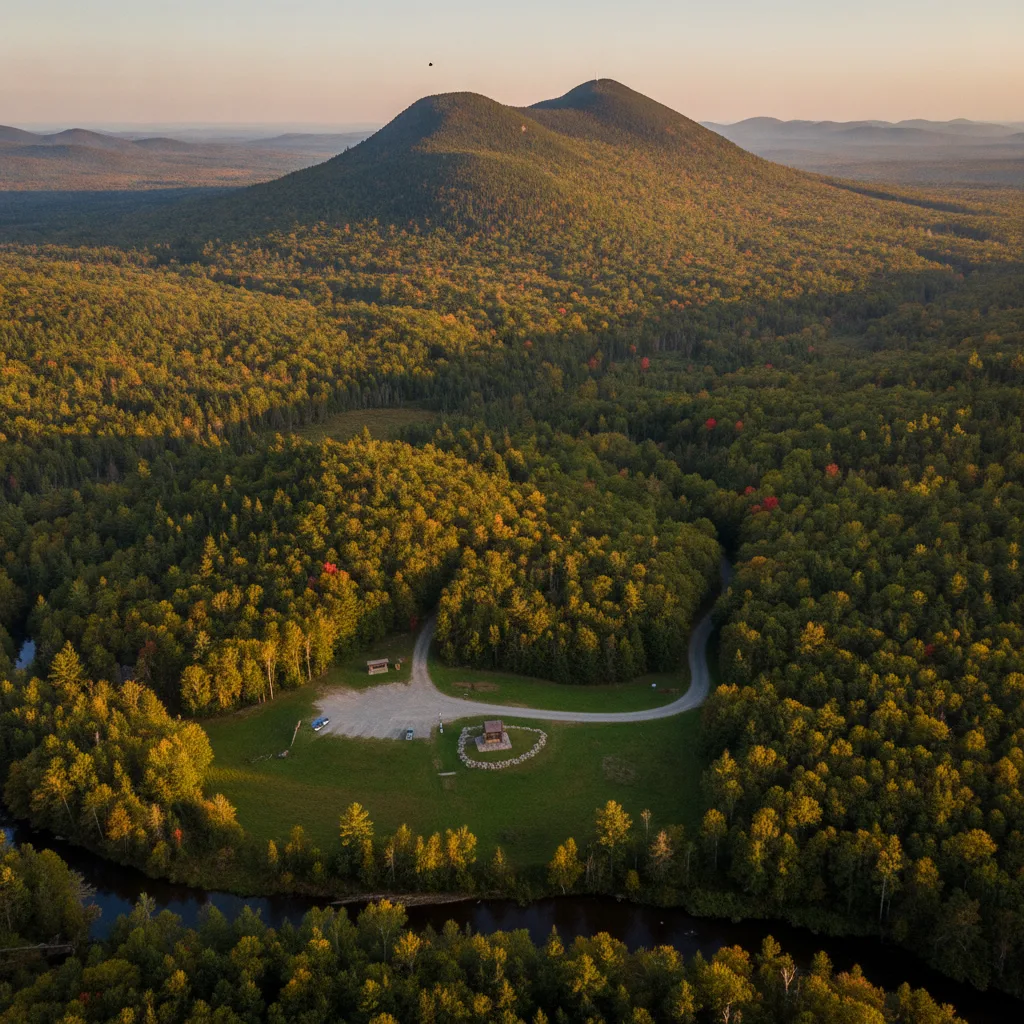
Camel's Hump State Park Travel Guide — Vermont
Our Camel's Hump State Park guide covers practical planning for Camel's Hump State Park Vermont — best time to visit, getting there, and what to do on the ground. We've compiled the most up-to-date information, including 2026 facts on hours, fees, parking, and reservations, to ensure your trip to Vermont's most distinctive peak is seamless and unforgettable. This guide is your essential resource for tackling the challenging trails and soaking in the panoramic views that await you at this iconic Vermont landmark.
Why Visit Camel's Hump State Park
Camel's Hump State Park Vermont stands as a testament to Vermont's rugged beauty, home to one of the state's most recognizable and beloved mountains. Its distinctive double-humped silhouette is a familiar sight across the Green Mountains, beckoning adventurers with the promise of challenging ascents and unparalleled vistas. Unlike many other peaks, Camel's Hump remains undeveloped, preserving its wild character and offering a truly immersive wilderness experience. The summit, rising to 4,083 feet, is the third-highest in Vermont and provides 360-degree views that stretch across the Champlain Valley to the Adirondacks in New York, and deep into the heart of the Green Mountain National Forest. This isn't just a hike; it's an encounter with a landscape shaped by glaciers and time, a place where the air is crisp, and the silence is profound. Our team believes that for those seeking a genuine connection with nature and a rewarding physical challenge, Camel's Hump offers an experience that is both invigorating and deeply inspiring.
Who It's Best For
Camel's Hump State Park is unequivocally best suited for experienced hikers and those with a good level of physical fitness. The trails here are not for the faint of heart; they are steep, rocky, and often root-bound, demanding stamina, sturdy footwear, and a keen awareness of weather conditions. While there are various routes, even the "easier" ones present significant elevation gain and rugged terrain. This park appeals to individuals and small groups who relish the challenge of a strenuous climb, are comfortable navigating wilderness environments, and prioritize panoramic rewards over leisurely strolls. It's also a fantastic destination for photographers eager to capture sweeping landscapes and the unique geological features of the mountain. If you're someone who finds joy in pushing your limits and earning your views, then Camel's Hump State Park is calling your name. It's less ideal for casual walkers, very young children, or those new to hiking, as the trails can quickly become overwhelming.
Getting There & Parking
Understanding how to get to Camel's Hump State Park and securing parking are crucial steps for a successful visit. The primary access points to Camel's Hump State Park are via the Duxbury and Huntington trailheads. For the Duxbury side, the most common approach is to take US Route 2 to Duxbury Road, then follow signs for the Camel's Hump Road. This road leads to the Monroe Trailhead parking area. On the Huntington side, you'll typically take Vermont Route 17 to the Camel's Hump Road in Huntington, which then leads to the Burrows Trailhead parking. Both trailheads offer access to popular routes to the summit.
As of 2026, parking at both the Monroe and Burrows trailheads is managed by the State of Vermont. There is typically a day-use fee for parking, which helps maintain the trails and facilities. Our research indicates that the fee is generally around $4-5 per vehicle for the day, payable at self-service kiosks, so bring small bills or be prepared for electronic payment options if available. Parking lots can fill up quickly, especially on weekends and during peak foliage season (late September to mid-October). We strongly recommend arriving early in the morning, ideally before 8:00 AM, to ensure a spot. There are no formal reservation systems for parking as of 2026, but capacity is limited. Overflow parking is rarely available and often requires a significant walk to the trailhead, so planning your arrival time is key when considering how to get to Camel's Hump State Park.
Top Things to Do
When planning your visit, the top things to do at Camel's Hump State Park revolve primarily around its incredible hiking opportunities and the breathtaking natural beauty. This is a park designed for active engagement with the wilderness, offering a profound sense of accomplishment with every step.
- Summit the Iconic Peak: The quintessential experience here is, of course, hiking to the 4,083-foot summit of Camel's Hump. The panoramic views from the exposed, rocky peak are truly unparalleled, offering vistas of the Adirondacks, Lake Champlain, and the vast expanse of the Green Mountain National Forest.
- Explore the Extensive Trail System: While the summit is the main draw, the network of Camel's Hump State Park hiking trails provides varied challenges. Beyond the popular Monroe and Burrows Trails, you can connect to sections of the Long Trail, Vermont's legendary long-distance hiking path.
- Photography: From the distinctive profile of the mountain itself to the sweeping landscapes from the summit, Camel's Hump is a photographer's dream. Capture the changing seasons, the unique alpine flora, and the dramatic cloud formations that often crown the peak.
- Wildlife Viewing: Keep an eye out for local wildlife. While larger mammals are shy, you might spot various bird species, including raptors soaring above the ridgeline, and smaller forest creatures.
- Alpine Zone Appreciation: The summit of Camel's Hump features a fragile alpine zone, home to rare and delicate plant species. It's one of the few places in Vermont where you can experience this unique ecosystem. Stick to marked trails and rock surfaces to protect this sensitive environment.
These are the top things to do at Camel's Hump State Park, offering a blend of strenuous activity and immense natural reward. For those looking to extend their outdoor adventure, the nearby Green Mountain National Forest provides even more opportunities for hiking, camping, and exploring Vermont's wild heart.
Best Time to Visit
Choosing the best time to visit Camel's Hump State Park significantly impacts your experience, as conditions vary dramatically throughout the year. Our team generally recommends late spring through early fall for the most accessible and enjoyable hiking conditions.
- Summer (June to August): This is peak hiking season. Trails are typically clear of snow and ice, and the weather is generally warm, though mountain summits can still be cooler and prone to sudden changes. Expect larger crowds, especially on weekends. It's an excellent time for lush greenery and clear views.
- Fall (September to October): Arguably the most spectacular time to visit for many, as Vermont's famous fall foliage transforms the landscape into a vibrant tapestry of reds, oranges, and yellows. The views from the summit are breathtaking. However, this is also the busiest season, with trails and parking lots reaching maximum capacity. Be prepared for cooler temperatures and potentially icy spots on higher elevations by mid-October.
- Spring (Late April to May): "Mud Season" is a critical consideration. While the lower elevations may be thawing, higher trails can remain snow-covered, icy, and extremely muddy, making hiking difficult and damaging to the trails. We advise against hiking during the height of mud season (typically April) to protect the fragile ecosystem and ensure your safety. Late May generally sees conditions improve significantly.
- Winter (November to March): Winter hiking on Camel's Hump is for experienced, well-equipped mountaineers only. Trails are covered in snow and ice, requiring specialized gear like snowshoes, microspikes, and potentially ice axes. Extreme cold, high winds, and rapidly changing weather conditions are common. The park is open year-round, but winter ascents demand significant preparation and awareness of avalanche risks on certain slopes.
Regardless of the season, always check the weather forecast for the summit, which can be vastly different from conditions at the base. Dress in layers, carry plenty of water, and be prepared for sudden changes in temperature and precipitation.
Where to Stay Nearby
While Camel's Hump State Park itself does not offer developed lodging, there are numerous charming towns and communities nearby that provide excellent options for Camel's Hump State Park lodging. Our team recommends considering accommodations in Duxbury, Huntington, Waterbury, or even Stowe, depending on your preferences for amenities and post-hike activities.
- Duxbury & Huntington: These are the closest towns to the trailheads and offer a more rustic, local experience. You'll find a scattering of quaint B&Bs, vacation rentals, and perhaps a small inn or two. Options here are generally more limited but provide immediate access to the park.
- Waterbury: Located about 20-30 minutes from the trailheads, Waterbury is a fantastic hub with a wider array of Camel's Hump State Park lodging options. It boasts a vibrant downtown with excellent restaurants, craft breweries, and easy access to attractions like the Ben & Jerry's Factory. You'll find everything from cozy inns to larger hotels here.
- Stowe: Approximately 45 minutes to an hour's drive, Stowe offers a more upscale resort town experience. If you're looking for luxury hotels, spas, fine dining, and additional activities like those found at Stowe Mountain Resort, this is an excellent choice. It's a bit further but provides a comprehensive vacation destination.
- Burlington/Lake Champlain Area: For those who prefer a city experience with easy access to the trails, Burlington, situated on the shores of Lake Champlain, is about an hour's drive. It offers the widest range of hotels, cultural attractions, and dining options, making it a great base if you plan to explore more of Vermont beyond just the hike.
Booking your Camel's Hump State Park lodging in advance, especially during peak seasons like fall foliage, is highly recommended as accommodations can fill up quickly.
Sample 2-Day Itinerary
To help you make the most of your adventure to Camel's Hump State Park Vermont, our team has crafted a sample 2-day itinerary. This plan balances the challenging hike with opportunities to explore the surrounding Vermont charm.
Day 1: The Ascent of Camel's Hump
- Morning (6:00 AM - 7:00 AM): Wake up early and enjoy a hearty breakfast at your lodging. Pack a lunch, plenty of water (at least 2-3 liters per person), snacks, and essential hiking gear.
- 7:00 AM - 7:30 AM: Drive to your chosen trailhead (Monroe via Duxbury or Burrows via Huntington). Arrive early to secure parking.
- 7:30 AM - 2:00 PM (or longer): Begin your ascent of Camel's Hump. The Monroe Trail (Duxbury) is approximately 6.8 miles round trip with 2,400 feet of elevation gain, while the Burrows Trail (Huntington) is about 5.2 miles round trip with 2,200 feet of elevation gain. Both are challenging. Take your time, enjoy the forest, and savor the breathtaking views from the summit. Remember to pack out everything you pack in.
- 2:00 PM - 5:00 PM: Descend the mountain. Be mindful of your footing as tired legs can lead to slips.
- Evening: Return to your lodging, refresh, and enjoy a well-deserved dinner at a local restaurant in Waterbury or Stowe. Consider a craft beer tasting at one of Waterbury's renowned breweries.
Day 2: Vermont Exploration & Relaxation
- Morning: Enjoy a leisurely breakfast. Depending on your energy levels, consider a shorter, scenic walk or visit a local attraction.
- Option A (Foodie Fun): Head to Waterbury to tour the Ben & Jerry's Factory and indulge in some ice cream. Afterwards, explore the shops and eateries in Waterbury.
- Option B (History & Art): Drive towards Burlington to visit the Shelburne Museum, an extraordinary collection of Americana, art, and historical buildings. Afterwards, enjoy lunch by Lake Champlain.
- Option C (Scenic Drive & Views): Take a scenic drive through the Green Mountains, perhaps along Route 100, stopping at overlooks and small towns. You could even venture south towards Hildene, The Lincoln Family Home, for a taste of history and beautiful gardens.
- Afternoon: Enjoy a relaxed afternoon, perhaps a gentle stroll, souvenir shopping, or simply unwinding.
- Evening: Another delicious Vermont dinner, perhaps trying a different local eatery.
This itinerary is flexible and can be adapted based on your interests and stamina. Remember to always check opening hours and make reservations where necessary for attractions and dining.
Last updated: 2026-07-07 by the Roam States team.