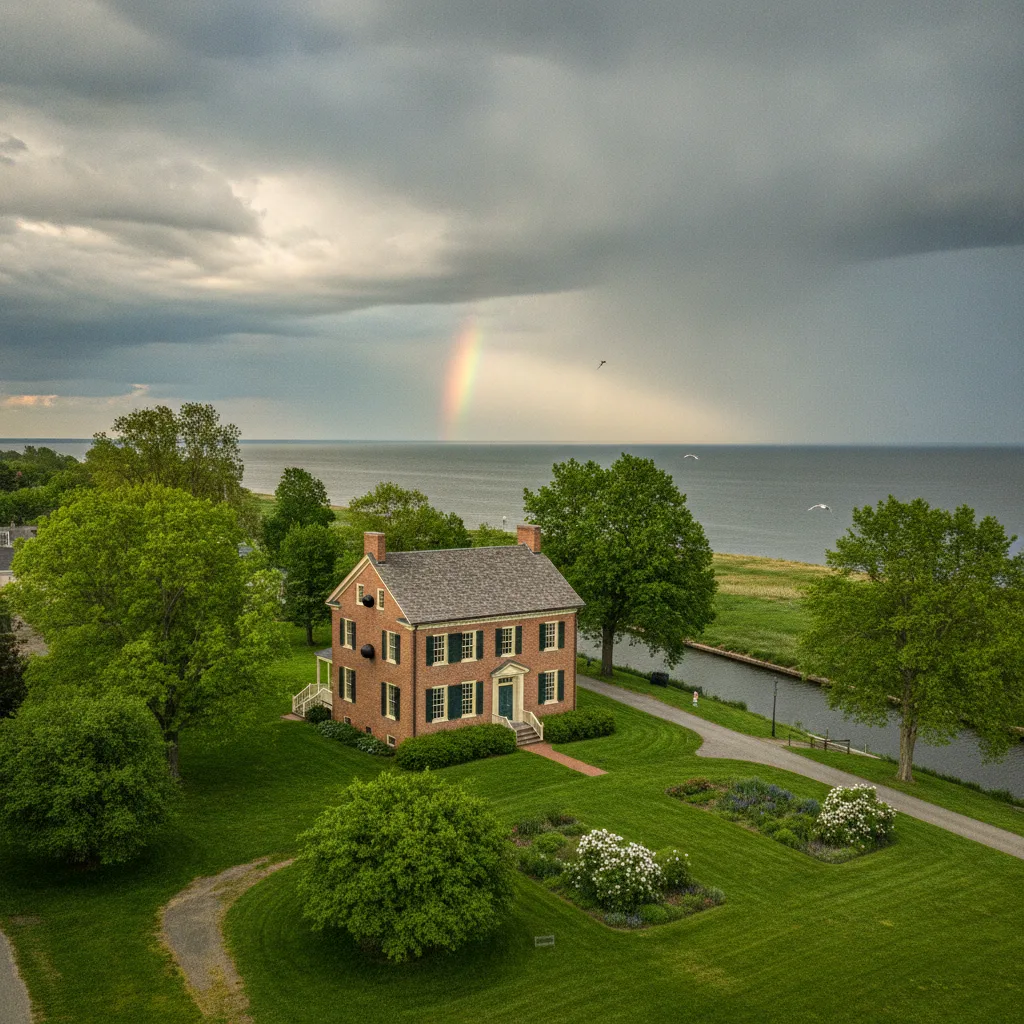
Cannonball House Travel Guide — Delaware
Our Cannonball House guide covers practical planning for Cannonball House Delaware — best time to visit, getting there, and what to do on the ground. We’ve meticulously researched the details to ensure your visit to this unique historic site is as enriching and seamless as possible. From understanding its pivotal role in the War of 1812 to exploring its fascinating maritime collections, we’re here to equip you with everything you need for an unforgettable journey to Lewes, Delaware.
As independent US travel authorities, our team at Roam States has a deep appreciation for destinations that tell a compelling story, and the Cannonball House certainly delivers. This isn't just another old building; it's a tangible link to a dramatic chapter in American history, standing proudly as one of the few structures to survive the British bombardment of Lewes in 1813. Its very foundation holds a cannonball, a silent testament to the resilience of this charming coastal town. Beyond its battle scars, the house now serves as a vibrant maritime museum, offering a window into Delaware's rich seafaring heritage. We believe that truly experiencing a destination means understanding its past, and the Cannonball House provides an unparalleled opportunity to do just that.
Why Visit Cannonball House
Visiting the Cannonball House offers a singular opportunity to step directly into a pivotal moment of American history. Imagine the scene in April 1813, when British warships unleashed a 22-hour bombardment on the small town of Lewes during the War of 1812. The Cannonball House Delaware stands as a remarkable survivor, bearing a literal cannonball still embedded in its foundation, a stark and powerful reminder of that conflict. This isn't a mere historical marker; it's a building that absorbed the impact of war and continues to tell its story through its very architecture.
Beyond its iconic War of 1812 damage, the Cannonball House now serves as the Lewes Historical Society's Maritime Museum. Here, our team discovers a treasure trove of exhibits that illuminate Lewes's deep connection to the sea. You'll find artifacts and displays detailing the town's role in the War of 1812, including the "Breaking Britannia's Grasp" exhibition, which offers a dual interpretation of the bombardment from both American and British perspectives. Another fascinating exhibit, "The Wireless – Lewes & the Dawn of the Electronic Age," showcases Lewes's contribution to early electronic communication, complete with a working telegraph set. The museum also delves into the vital history of navigation on the Delaware Bay and River, honoring the pilots, lighthouses, and life-savers who shaped the region's maritime identity.
For us, the appeal lies not just in the historical significance but in the intimate scale of the museum. It allows for a personal, reflective experience, unlike larger, more overwhelming institutions. The guides are often passionate and knowledgeable, bringing the stories of Lewes's past to life. It's an essential stop for anyone seeking to understand the unique heritage of this coastal Delaware gem, and a perfect starting point for further exploration of the Lewes Historical Society's other properties, like the Ryves Holt House and the U.S. Life-Saving Service Boat House.
Who It's Best For
The Cannonball House appeals to a diverse range of travelers, but we find it particularly suited for history enthusiasts, maritime buffs, and families seeking an engaging educational experience. If you have a keen interest in American history, especially the often-overlooked War of 1812, this museum is a must-see. The tangible evidence of the bombardment, with the cannonball still visible, provides a powerful connection to the past that textbooks simply can't replicate.
For those fascinated by maritime heritage, the museum's collection of nautical exhibits, including the Fresnel Lens from the Fourteen Foot Bank Light, offers a captivating glimpse into the seafaring life of the Delaware Bay. It’s a place where the stories of pilots, shipwrecks, and the evolution of navigation come alive. Families with school-aged children will also find the Cannonball House highly rewarding. The exhibits are presented in an accessible, family-appropriate manner, and the compact size of the museum makes it manageable for younger visitors. Our team believes it’s an excellent way to introduce children to history in a hands-on, memorable way, sparking curiosity about the past and the brave individuals who lived through it. It's a thoughtful, enriching stop that provides context for the broader historical landscape of Delaware.
Getting There & Parking
Reaching the Cannonball House Delaware is straightforward, whether you're arriving by car or exploring Lewes on foot. The museum is conveniently located at 118 Front Street, right in the heart of historic Lewes. For those wondering how to get to Cannonball House, it's easily accessible from major routes leading into Lewes. From Route 1 (Coastal Highway), you'll typically take Route 9 (Savannah Road) directly into town, which will lead you towards the historic district and the waterfront.
Cannonball House Parking
Parking in historic Lewes can sometimes be a consideration, especially during peak season. However, our research indicates that free parking is often available near the Episcopal Church, which is a short walk from the Cannonball House. Additionally, street parking may be available in the surrounding area, though it can fill up quickly. We recommend arriving earlier in the day, particularly on weekends or during summer months, to secure the most convenient spots. While there are no dedicated parking lots specifically for the Cannonball House, the town of Lewes is very walkable, so once you've parked, you can easily explore the museum and other nearby attractions on foot.
For those utilizing public transportation or ride-sharing services, the central location of the Cannonball House makes it an easy drop-off and pick-up point. If you're staying at one of the nearby hotels, many are within walking distance, eliminating the need for a car entirely for your visit to the museum. Understanding how to get to Cannonball House and where to park streamlines your visit, allowing you more time to immerse yourself in the rich history and charm of Lewes.
Top Things to Do
When you visit the Cannonball House Delaware, you're not just stepping into a museum; you're engaging with a piece of living history. Our team has identified the absolute things to do at Cannonball House to maximize your experience:
- Witness the Cannonball: The star attraction is, without a doubt, the cannonball still lodged in the foundation. While a replica is often visible on the exterior, the actual War of 1812 cannonball that struck the house is displayed inside, offering a powerful, tangible connection to the past. It's a rare opportunity to see direct evidence of an early American conflict.
- Explore Maritime Exhibits: Delve into the rich maritime history of Lewes. The museum houses nationally important pieces of maritime art and memorabilia, including the impressive Fresnel Lens from the Fourteen Foot Bank Light. You’ll learn about local navigation, shipwrecks, and the crucial role Lewes played as a port town.
- Immerse in War of 1812 History: The "Breaking Britannia's Grasp" exhibit provides a comprehensive and engaging look at the 1813 bombardment of Lewes. We found the dual perspective particularly insightful, offering a nuanced understanding of the conflict. This is one of the most compelling things to do at Cannonball House for history buffs.
- Discover Early Electronic Communication: The "Wireless – Lewes & the Dawn of the Electronic Age" exhibit is a unique highlight, showcasing Lewes's surprising role in the development of electronic technology with a working telegraph set.
- Stroll the Grounds: Outside the house, you'll find a lightship fog bell, a skiff used by Delaware Bay harbor pilots, and three replica cannons, mirroring those used by Lewes to defend against the British in 1812. The garden, planned by the Sussex Gardeners, offers a peaceful setting for reflection.
Things to Do in Lewes Beyond the Cannonball House
Lewes itself is a treasure trove of history, natural beauty, and charming experiences. After you’ve explored the Cannonball House, we highly recommend extending your visit to these other things to do in Lewes:
- Lewes Historical Society Complex: Just a short stroll away, the main campus of the Lewes Historical Society offers a collection of preserved buildings from the 17th to 19th centuries, including the Ryves Holt House, Delaware's oldest surviving structure. They often have guided tours that bring the town's history to life.
- Cape Henlopen State Park: A mere stone's throw from Lewes, this expansive state park is where the Delaware Bay meets the Atlantic Ocean. It boasts pristine beaches, historic WWII fortifications (Fort Miles), towering dunes, and miles of nature trails perfect for hiking and biking. You can even borrow bikes for free from the Seaside Nature Center. This is an absolute must for outdoor enthusiasts and offers some of the best things to do in Lewes for nature lovers. For more detailed planning, see our guide to Cape Henlopen State Park.
- Lightship Overfalls: Docked on the Lewes-Rehoboth Canal, the Lightship Overfalls is one of only 17 surviving lightships in the country. Tours are available, offering a glimpse into the lives of those who maintained these floating lighthouses.
- Stroll Second Street: Lewes's charming Second Street is the commercial heart of the historic district, lined with quaint boutiques, art galleries, and diverse dining options. It's ideal for a leisurely walk, boutique shopping, and enjoying local cuisine.
- Lewes Beach: Enjoy the calm waters of Lewes Beach, perfect for swimming, sunbathing, and beachcombing, especially for families.
- 1812 Memorial Park: Commemorating Lewes's defense during the 1813 bombardment, this park offers authentic cannons, monuments, and peaceful views of the Lewes-Rehoboth Canal.
- Cape May-Lewes Ferry: Take a scenic ferry ride across the Delaware Bay to Cape May, New Jersey, for a delightful day trip.
- Historic Lewes Farmers Market: If you're visiting on a Saturday during the season, the farmers market is a vibrant spot to pick up local produce, baked goods, and crafts.
For those looking for even more coastal charm, a short drive south will take you to Rehoboth Beach, home to the iconic Rehoboth Beach Boardwalk. Our comprehensive guide to the Rehoboth Beach & Boardwalk provides all the details for enjoying its amusements, shops, and famous Thrasher's Fries.
Best Time to Visit
Choosing the best time to visit the Cannonball House Delaware and the charming town of Lewes largely depends on your priorities, but our team has some clear recommendations. Generally, the shoulder seasons—spring (April to early June) and fall (September to October)—offer the ideal balance of pleasant weather, fewer crowds, and full operational hours for most attractions.
The Cannonball House Maritime Museum operates seasonally. From April 1st to October 31st, it is open Wednesday through Saturday from 10 AM to 4 PM. During the late fall and early winter, from November 1st to December 20th, hours are reduced to Thursday through Saturday, 10 AM to 4 PM. The museum is closed for the winter season from December 21st through March 31st. Therefore, if seeing the interior of the Cannonball House is a priority, avoid the deep winter months.
Summer (July and August) brings the warmest weather, perfect for enjoying Lewes Beach and nearby Cape Henlopen State Park. However, this is also peak tourist season, meaning larger crowds, higher accommodation prices, and more competition for parking. While the town is bustling and vibrant, if you prefer a more tranquil experience, we suggest avoiding the height of summer. The Lewes Historical Society museums, including the Cannonball House, may have extended summer hours, which can be a benefit.
Spring is particularly lovely, with blooming flowers (Lewes hosts a Tulip Celebration in spring) and mild temperatures perfect for walking and exploring. Fall offers crisp air, beautiful foliage, and a relaxed atmosphere after the summer rush. Both seasons are excellent for exploring the historical sites and enjoying outdoor activities without the intense heat or crowds. We recommend checking the official Historic Lewes website closer to your travel date for any specific 2026 schedule updates or special events that might influence your visit.
Where to Stay Nearby
Finding the right Cannonball House lodging is key to a comfortable and convenient visit to Lewes. The town offers a range of accommodations, from charming historic inns to modern hotels, many within easy reach of the museum and other attractions. Our team has curated some top recommendations to suit various preferences and budgets.
Historic Charm and Waterfront Views
For those who appreciate character and proximity to the waterfront, The Inn at Canal Square is an excellent choice. Located in the heart of historic Lewes, it offers a quick walk to fine dining, unique shopping, and the beach is only half a mile away. Many rooms boast picturesque harbor views and private balconies. Guests also enjoy complimentary European-style breakfast, free Wi-Fi, and free parking. This is prime Cannonball House lodging for an immersive Lewes experience.
Modern Comforts and Family-Friendly Options
If you prefer more contemporary amenities or are traveling with family, several modern hotels offer comfort and convenience. The Beacon Inn, formerly The Beacon Motel, is located in downtown historic Lewes, just steps away from Delaware Bay and the beaches. It provides a friendly, clean, and comfortable stay, with easy access to local shops, restaurants, and nature trails. They also have an attached upscale restaurant.
Slightly further afield, but still a short drive, you'll find options like the Home2 Suites by Hilton Lewes Rehoboth Beach and the Hyatt House Lewes Rehoboth Beach. These hotels often feature amenities such as pools, in-room kitchens, and pet-friendly options, making them suitable for longer stays or those needing more space. While not directly adjacent to the Cannonball House, their proximity still makes them viable options for Cannonball House lodging, especially if you plan to explore the wider Rehoboth Beach area as well.
Vacation Rentals
For groups or extended stays, consider a vacation rental. Lewes has a good selection of cottages and homes available through various rental platforms. These can offer more space, privacy, and the convenience of a full kitchen, allowing for a more home-like experience. We recommend booking these well in advance, especially for summer 2026, as Lewes is a popular destination.
No matter your preference, Lewes provides a welcoming base for exploring the Cannonball House and all the surrounding attractions. We always advise checking recent reviews and booking directly or through reputable sites to ensure the best experience for your chosen Cannonball House lodging.
Sample 2-Day Itinerary
To help you make the most of your visit to the Cannonball House Delaware and the surrounding area, our team has crafted a sample 2-day itinerary. This plan balances historical exploration with the natural beauty and culinary delights of Lewes.
Day 1: History and Heritage in Lewes
- Morning (9:00 AM - 12:00 PM): Begin your day with a deep dive into history at the Cannonball House Maritime Museum. Allow 1-1.5 hours to fully explore the exhibits, including the famous cannonball, and learn about the War of 1812 bombardment and Lewes's maritime heritage. A $5 donation is welcomed for admission.
- Late Morning (12:00 PM - 1:30 PM): Continue your historical journey at the nearby Lewes Historical Society Complex. Explore the Ryves Holt House, Delaware's oldest surviving structure, and other historic buildings. Consider a guided tour if available.
- Lunch (1:30 PM - 2:30 PM): Head to Second Street for lunch. We suggest the Lewes Oyster House for its Mid-Atlantic comfort foods and raw bar, or Irish Eyes Pub & Restaurant for a more casual waterfront experience.
- Afternoon (2:30 PM - 5:00 PM): Stroll along Second Street, browsing the unique boutiques and art galleries. Afterwards, visit the Lightship Overfalls, one of the few remaining lightships in the country, and take a tour.
- Evening (6:00 PM onwards): Enjoy dinner at one of Lewes's acclaimed restaurants. Agave is popular for Mexican cuisine, or try The Pig and Publican for unique menu items and craft beers. Conclude your day with a leisurely walk along the Lewes Canalfront Park.
Day 2: Coastal Exploration and Outdoor Adventure
- Morning (9:00 AM - 1:00 PM): Dedicate your morning to Cape Henlopen State Park. Rent or borrow a free bike from the Seaside Nature Center and explore the scenic trails, including the Gordons Pond Trail. Visit the WWII observation towers and enjoy the pristine beaches where the Delaware Bay meets the Atlantic. Park entrance fees are $5 for Delaware vehicles and $10 for out-of-state vehicles.
- Lunch (1:00 PM - 2:00 PM): Pack a picnic to enjoy at Cape Henlopen State Park, or grab a casual bite from a food concession stand within the park.
- Afternoon (2:00 PM - 5:00 PM): Head south to Rehoboth Beach. Walk the iconic mile-long Rehoboth Beach Boardwalk, indulging in classic boardwalk treats like Thrasher's Fries and Dolle's Candyland. Explore the shops and amusements, or simply relax on the beach.
- Late Afternoon (5:00 PM - 6:00 PM): If time permits, consider a dolphin-watching cruise or a relaxing boat tour from Lewes, offering a different perspective of the coastline.
- Evening (6:30 PM onwards): Enjoy a farewell dinner in Rehoboth Beach, which offers a vast array of dining options, from casual to upscale. Consider a seafood restaurant to savor fresh local catches.
This itinerary provides a robust framework, but we encourage you to tailor it to your interests. Whether you're a history buff, an outdoor adventurer, or simply looking to relax by the sea, Lewes and the Cannonball House Delaware offer a memorable experience. For more ideas, explore our general Plan Your US Trip guide.
Is It Worth Visiting?
Our team unequivocally believes that the Cannonball House Delaware is worth visiting. For a relatively small museum, it packs a significant historical punch, offering a unique and tangible connection to a pivotal moment in American history. The sight of the actual cannonball still embedded in the foundation is a powerful, visceral experience that brings the War of 1812 to life in a way few other sites can.
Beyond this iconic artifact, the museum's well-curated exhibits on Lewes's maritime heritage, from early navigation to the dawn of electronic communication, provide a rich context for understanding the town's enduring relationship with the sea. The intimate scale allows for a focused and personal exploration, making it accessible and enjoyable for all ages. We find that the stories told within these walls resonate long after you leave, making it a truly memorable stop on any Delaware itinerary.
Furthermore, the Cannonball House serves as an excellent gateway to exploring the broader historical and natural attractions of Lewes. Its central location makes it easy to combine with visits to the Lewes Historical Society Complex, the Lightship Overfalls, and the vibrant shops and restaurants of Second Street. When considering is Cannonball House worth visiting, we also weigh its value as part of a larger Lewes experience. Coupled with the stunning natural beauty of Cape Henlopen State Park and the lively atmosphere of nearby Rehoboth Beach, a trip to the Cannonball House elevates your understanding of this charming coastal region. It’s not just a quick stop; it’s an anchor for a deeper appreciation of Delaware's "First Town in the First State." If you're pondering is Cannonball House worth visiting, our expert verdict is a resounding yes.
Cannonball House with kids
Yes, the Cannonball House is a great educational stop for kids, especially those interested in history or ships. The actual cannonball lodged in the foundation is a fascinating visual, and the museum's compact size and engaging maritime exhibits, including the War of 1812 display and a working telegraph, are typically well-received by school-aged children. We recommend allowing 30-45 minutes for a visit.
Best hotels near Cannonball House
For convenience and charm, our top recommendation is The Inn at Canal Square, located on the waterfront in historic Lewes, a short walk from the Cannonball House. Other excellent options nearby include The Beacon Inn and, a short drive away, modern hotels like Home2 Suites by Hilton Lewes Rehoboth Beach and Hyatt House Lewes Rehoboth Beach, which offer more amenities.
Cannonball House tips
We recommend visiting during the shoulder seasons (spring or fall) for fewer crowds and pleasant weather. Check the official Historic Lewes website for 2026 seasonal hours, as the museum is closed in deep winter. While admission is technically free, a $5 donation per person is welcomed and supports the Lewes Historical Society. Consider purchasing a $10 combo ticket to also visit other Lewes Historical Society museums.
Where to stay near Cannonball House
The best place to stay near the Cannonball House is in the historic district of Lewes itself, offering easy walking access to the museum, shops, and restaurants. The Inn at Canal Square and The Beacon Inn are excellent choices in this area. For those seeking more modern hotel amenities or traveling with pets, several options are available just outside the immediate downtown area, such as the Home2 Suites by Hilton Lewes Rehoboth Beach.
Cannonball House parking
Free parking is often available near the Episcopal Church, a short walk from the Cannonball House. Street parking may also be found in the historic district, but it can be competitive, especially during peak season. We advise arriving earlier in the day to secure a convenient spot.
Best time to visit Cannonball House
The best time to visit the Cannonball House is from April to October when it operates on its fullest schedule (Wednesday-Saturday, 10 AM - 4 PM). The shoulder seasons (April-early June and September-October) offer ideal weather and fewer crowds than the peak summer months. The museum is closed from late December through March.
Our team at Roam States finds the Cannonball House to be a truly compelling destination, offering a unique blend of historical significance and maritime storytelling. It’s an essential stop for anyone exploring Delaware’s rich heritage, providing a tangible link to the past that is both educational and deeply moving. We encourage all travelers to experience this remarkable piece of American history firsthand.
Last updated: 2026-07-05 by the Roam States team.