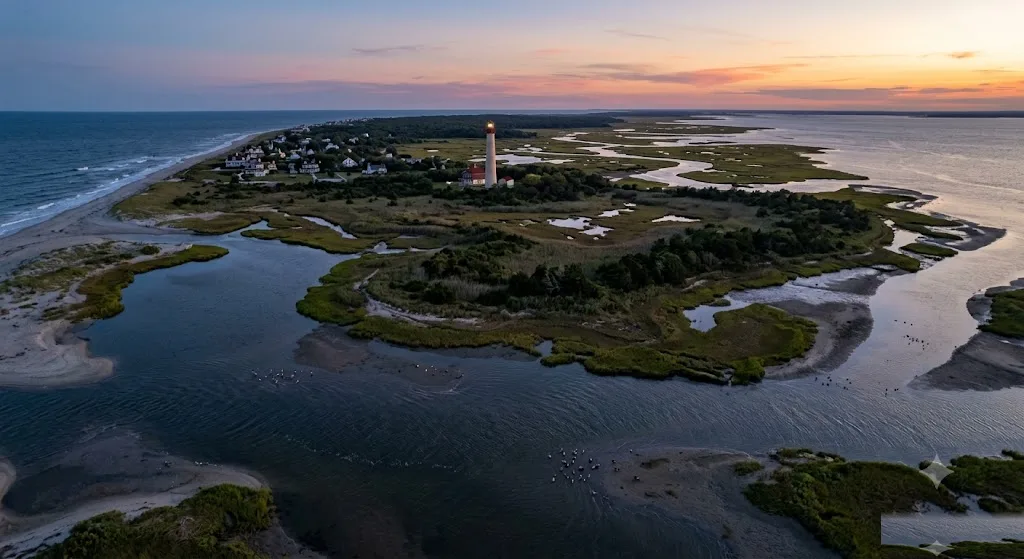
Our Cape May National Wildlife Refuge guide covers practical planning for Cape May National Wildlife Refuge New Jersey — best time to visit, getting there, and what to do on the ground.
Cape May National Wildlife Refuge Travel Guide — New Jersey
Established to protect migratory birds and their habitats, the Cape May National Wildlife Refuge New Jersey offers diverse ecosystems including salt marshes, forests, and beaches for wildlife viewing and photography. We consider it a vital natural gem along the Jersey Shore, providing critical habitat for hundreds of thousands of migratory birds each year.
Why Visit Cape May National Wildlife Refuge
If you're seeking an escape into unspoiled nature, the Cape May National Wildlife Refuge is an exceptional destination. We believe it's worth visiting for its unparalleled birding opportunities, tranquil landscapes, and the chance to witness critical conservation efforts firsthand. The refuge's strategic location along the Atlantic Flyway makes it a crucial stopover for countless avian species, particularly during spring and fall migrations.
Beyond the spectacular birdlife, the refuge protects a variety of habitats, including pristine beaches, bayshores, salt marshes, and upland forests. This diversity means visitors can experience different ecosystems and observe a wide range of wildlife, from blue-winged warblers and ovenbirds in the Great Cedar Swamp Division to thousands of shorebirds like red knots and sanderlings in the Delaware Bay Division. Whether you're a seasoned birder or simply looking for a peaceful natural setting, we find that the Cape May National Wildlife Refuge offers a rewarding experience. It's truly worth visiting to connect with nature and appreciate the raw beauty of New Jersey's coastline.
Who It's Best For
The Cape May National Wildlife Refuge is ideal for nature lovers, birdwatchers, photographers, and anyone seeking a peaceful outdoor experience. Our team finds it particularly well-suited for:
- Birding Enthusiasts: With over 317 bird species recorded, including critical migratory waterfowl and shorebirds, this refuge is a world-renowned birding hotspot, especially in spring and fall.
- Nature Photographers: The diverse landscapes and abundant wildlife provide endless opportunities for stunning shots, from sweeping marsh vistas to close-ups of rare birds.
- Hikers and Walkers: Easy, well-maintained trails wind through various habitats, offering accessible paths for all skill levels.
- Families with Older Children: While younger children might enjoy short walks, the focus on quiet observation and appreciation of nature might be best suited for those with a longer attention span. Educational signage along trails can enhance the experience.
- Conservation-Minded Travelers: Visitors who appreciate and support efforts to protect endangered species and vital ecosystems will find a visit here particularly meaningful.
If you're looking for bustling boardwalks or high-energy attractions, you might prefer other destinations along The Jersey Shore, such as Atlantic City Boardwalk. However, for those who crave tranquility and a deep connection with the natural world, the refuge is an unparalleled choice.
Getting There & Parking
The Cape May National Wildlife Refuge is comprised of three main divisions spread across the southern tip of New Jersey: the Great Cedar Swamp Division, the Delaware Bay Division, and the Two Mile Beach Unit. Understanding how to get to Cape May National Wildlife Refuge's various access points is key to planning your visit.
The refuge headquarters is located at 24 Kimbles Beach Road in Cape May Court House. This is a good starting point for information and maps. To reach the refuge by car, if you are coming from anywhere north of Cape May, you will likely arrive via the Garden State Parkway. From the Garden State Parkway, turn west at Exit 10, proceed into Cape May Court House, turn left (south) onto Route 9, and then right at Hand Avenue.
Parking: We've found that parking is generally available and free at all refuge sites. For example, the Two Mile Beach Unit has two free parking lots, including accessible parking. Small parking areas are also available at trailheads like Woodcock Trail. It's important to note that while the refuge is open daily from sunrise to sunset, the headquarters has more limited hours, typically weekdays from 8 AM to 4:30 PM.
Fees & Reservations: We can confirm that there is no entrance fee to visit the Cape May National Wildlife Refuge. As of our last check, no reservations are required for general entry or hiking.
Closures & Restrictions (2026): It's crucial to be aware of specific closures, especially at the Two Mile Beach Unit. Beach access at this unit is denied annually from April 1st to September 30th to protect nesting and migrating shorebirds. However, the hiking trails and boardwalk areas at Two Mile Beach remain open year-round. Additionally, certain activities are prohibited at Two Mile Beach, including swimming, sunbathing, surfing, pets, picnicking, kite flying, and shell collecting. Pets are generally allowed on a short, handheld leash in the Delaware Bay and Great Cedar Swamp Divisions but are prohibited at the Two Mile Beach Unit.
We also note that portions of the nearby Higbee Beach Wildlife Management Area are closed through December 2026 for a restoration project. While this is a separate entity, it's worth being aware if you plan to explore the broader Cape May area.
Top Things to Do
When planning things to do at Cape May National Wildlife Refuge, visitors will find a variety of wildlife-dependent activities focused on observation and appreciation of nature. Our team highly recommends focusing on these key experiences:
-
Wildlife Observation & Birding
Cape May is internationally famous as a birding destination, and the refuge is at its heart. We encourage visitors to bring binoculars and cameras, especially during the spring and fall migrations when thousands of shorebirds, raptors, and songbirds pass through. Observation platforms are available, particularly at the Two Mile Beach Unit, offering excellent vantage points. Look for blue-winged warblers and ovenbirds in the Great Cedar Swamp Division, and red knots, ruddy turnstones, and sanderlings in the Delaware Bay Division.
-
Cape May National Wildlife Refuge Hiking Trails
The refuge boasts four primary hiking trails across its divisions, providing excellent opportunities for wildlife observation and photography. These trails are generally easy and suitable for most visitors.
- Cedar Swamp Trail (Great Cedar Swamp Division): This 1.13-mile loop trail is rated easy and takes about an hour. It leads through grasslands and mixed pine/hardwood forested swamps, where you can spot songbirds and owls.
- Woodcock Trail (Delaware Bay Division): A tranquil one-mile loop path through fields at the forest edge, with side trails leading to salt marsh and freshwater wetland habitats. It's an easy walk, often revealing great crested flycatchers, blue grosbeaks, and various sparrows.
- Songbird Trail (Delaware Bay Division): This 1.2-mile loop trail also starts near the headquarters and winds through shrub/scrub habitat and forest.
- Dune Trail (Two Mile Beach Unit): This 0.9-mile trail (1.8 miles round trip) traverses behind beach dunes, offering views of maritime forest habitat. While beach access is restricted seasonally, the trail itself is open year-round and features observation platforms overlooking salt marshes and the beachfront.
When exploring the Cape May National Wildlife Refuge hiking trails, we recommend wearing comfortable shoes, applying sunblock, and carrying water.
-
Photography
The refuge's diverse ecosystems and abundant wildlife make it a prime location for nature photography year-round. From migratory birds to unique plant life like New Jersey's native prickly pear cacti, there's always something to capture.
-
Fishing
Surf fishing is permitted in the Atlantic Ocean portion of the Two Mile Beach Unit from October 1st to March 31st, and along the Cape May Inlet year-round. Access is available from half an hour before sunrise.
-
Hunting
Seasonal deer hunting and migratory game bird hunting are allowed in designated areas of the refuge, under State and Federal regulations. The refuge is open for deer, migratory game bird, upland game, and turkey hunting, with specific regulations available for the 2025-2026 season. Hunting is prohibited on the Two Mile Beach Unit.
Best Time to Visit
Our team agrees that the best time to visit Cape May National Wildlife Refuge largely depends on your interests, though spring and fall stand out as prime seasons for wildlife viewing.
-
Spring (April-May)
Spring is spectacular for witnessing northbound bird migration. Thousands of shorebirds, including red knots, ruddy turnstones, and sanderlings, can be seen in the Delaware Bay Division. You might also spot wading birds like Greater and Lesser Yellowlegs and Snowy Egrets. The refuge's habitats burst with new life, and the mild weather makes for pleasant hiking. However, be aware that beach access at the Two Mile Beach Unit closes from April 1st to September 30th to protect nesting birds.
-
Fall (September-November)
Fall is arguably the most famous time to visit, as Cape May becomes a bustling hub for southbound migratory birds, raptors, and even butterflies and dragonflies. The Cape May Peninsula is often described as one of the top birding spots in North America during this period. From August to November, large numbers of songbirds use the forested habitats, and raptors can be seen flying overhead. The prime months for birdwatching are September to November.
-
Summer (June-August)
While summer offers warm weather, it's generally not the peak season for bird migration. However, you can still enjoy the hiking trails (excluding beach access at Two Mile Beach) and observe resident wildlife. Bottlenose dolphins may be seen traveling through the ocean near the beach. The visitor contact station at Two Mile Beach is seasonally open in the summer.
-
Winter (December-March)
Winter offers a quieter experience, with opportunities to see wintering waterfowl like American Black Duck and Northern Pintail. The beachfront of the Two Mile Beach Unit is open for wildlife observation from October 1st to March 31st, making it a good time for beach walks and scanning the ocean for ducks, cormorants, and loons.
Overall, for the most diverse and abundant wildlife viewing, we strongly recommend planning your visit during the spring or fall migration periods.
Where to Stay Nearby
While Cape May National Wildlife Refuge itself does not offer overnight accommodations, there are numerous options for Cape May National Wildlife Refuge lodging in the surrounding towns. We recommend staying in nearby Cape May, Wildwood, or Cape May Court House, depending on your preference for amenities and proximity.
-
Cape May
For a charming, historic experience, Cape May offers a wide array of Victorian-era hotels, bed & breakfasts, and guesthouses. This National Historic Landmark City provides a vibrant dining scene, unique shops along the Washington Street Mall, and access to beautiful beaches. Hotels like the Carroll Villa Hotel (a national historic building from 1882) offer a blend of historic charm and modern amenities, just a half-block from the beach. Other options include La Mer Beachfront Resort and Congress Hall.
-
Wildwood / Wildwood Crest / Diamond Beach
These towns, located closer to the Two Mile Beach Unit of the refuge, offer a more classic Jersey Shore experience with boardwalks, motels, and family-friendly resorts. Many hotels here provide ocean views and easy access to the beach. Options such as the Fleur De Lis Beach Motel, The Beach House, and ICONA Diamond Beach are highly rated and within a few miles of the refuge. These areas are great if you want to combine your nature visit with traditional beach town activities.
-
Cape May Court House
If you prefer to be closer to the refuge headquarters and the Great Cedar Swamp and Delaware Bay Divisions, Cape May Court House offers more budget-friendly and convenient options. While it may not have the same tourist infrastructure as Cape May or Wildwood, it provides easy access to the refuge's less-visited sections. You'll find a range of hotels and private suites here.
When considering Cape May National Wildlife Refuge lodging, we suggest booking in advance, especially during peak migration seasons (spring and fall) and summer, as accommodations in this popular region fill up quickly. You can find a variety of hotels near Cape May National Wildlife Refuge to suit different budgets and preferences.
Sample 2-Day Itinerary
To fully immerse yourselves in the Cape May National Wildlife Refuge and the surrounding area, our team recommends a two-day itinerary, balancing wildlife observation with local charm.
Day 1: Delaware Bay & Great Cedar Swamp Divisions
- Morning (Sunrise - Noon): Start your day early at the Delaware Bay Division. Explore the Songbird and Woodcock Trails. These easy loops offer excellent birding opportunities, especially during migration, with chances to see various songbirds and even spotted turtles. Bring your binoculars!
- Lunch: Head into Cape May Court House for a casual lunch. There are several local eateries offering diverse options.
- Afternoon (1 PM - 4 PM): Drive to the Great Cedar Swamp Division and hike the Cedar Swamp Trail. This trail provides a different habitat experience, winding through forested swamps where you might spot owls or unique plant life.
- Late Afternoon (4 PM - 6 PM): Visit the refuge headquarters at 24 Kimbles Beach Road in Cape May Court House. Pick up maps, ask staff for recent wildlife sightings, and learn more about the refuge's conservation efforts.
- Evening: Check into your chosen lodging in Cape May or Wildwood. Enjoy dinner at a local restaurant. In Cape May, consider exploring the Cape May Historic District for its Victorian architecture and dining options.
Day 2: Two Mile Beach Unit & Cape May Exploration
- Morning (Sunrise - 10 AM): Head to the Two Mile Beach Unit. While beach access is restricted from April to September, you can still walk the Dune Trail and Marsh Boardwalk Trail. Utilize the observation platforms for views of the salt marsh and ocean, and look for wading birds. Remember, no pets are allowed at this unit.
- Late Morning (10 AM - 1 PM): Explore other natural attractions nearby. We suggest Cape May Point State Park, home to the iconic Cape May Lighthouse (climb for panoramic views!) and more excellent birding spots. You could also search for "Cape May Diamonds" at Sunset Beach.
- Lunch: Enjoy lunch in Cape May Point or Cape May.
- Afternoon (2 PM - 5 PM): Dedicate the afternoon to exploring the charming town of Cape May. Stroll along the Washington Street Mall, take a trolley tour of the Victorian architecture, or visit the Emlen Physick Estate.
- Evening: Enjoy a final dinner in Cape May, perhaps with fresh seafood, reflecting on the natural beauty and history you've experienced.
Last updated: 2026-07-08 by the Roam States team.