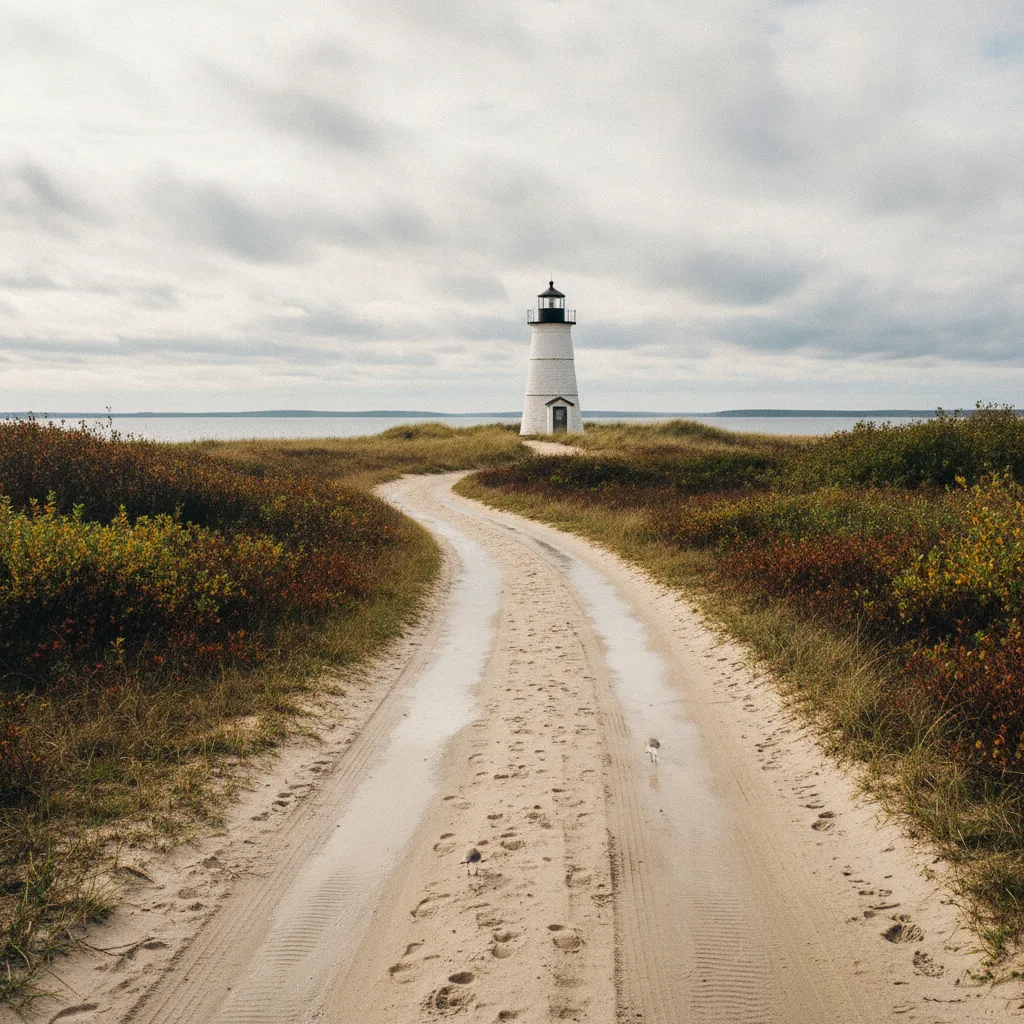
Our Cape Poge Wildlife Refuge guide covers practical planning for Cape Poge Wildlife Refuge Massachusetts—best time to visit, getting there, and what to do on the ground.
Why Visit Cape Poge Wildlife Refuge
For those seeking an authentic encounter with coastal Massachusetts, the Cape Poge Wildlife Refuge Massachusetts offers a pristine escape unlike any other. Located on Chappaquiddick Island, this magnificent barrier beach is a testament to the raw beauty of New England's coastline. We find it to be a truly special place, where the rhythmic crash of the Atlantic meets the tranquil embrace of salt marshes and woodlands. Its unique ecosystem, shaped over millennia by offshore currents, provides a habitat for diverse wildlife and offers a rare glimpse into a dynamic natural world.
The refuge is renowned for its historic Cape Poge Lighthouse, a beacon that has guided ships through the challenging Muskeget Channel since 1801. Beyond its historical significance, the area boasts world-class fishing opportunities, particularly for striped bass, bluefish, bonito, and albacore, drawn to the oxygen-rich waters of Cape Poge Bay. Whether you're a seasoned angler, a dedicated birdwatcher, or simply someone yearning for solitude amidst stunning scenery, Cape Poge delivers an experience that transcends the ordinary. It's a place where the wild beauty of the landscape encourages deep connection and quiet contemplation, a stark contrast to the more bustling areas of Martha's Vineyard.
Who It's Best For
The Cape Poge Wildlife Refuge is an ideal destination for a specific kind of traveler. It truly shines for nature enthusiasts, birdwatchers, and avid anglers. The refuge's diverse habitats, from expansive salt marshes to the sandy shoreline, support a rich array of birdlife, including piping plovers, least terns, and oystercatchers at Cape Poge Elbow. Wildlife encounters are common, with deer, skunks, and seals often spotted in their natural environment.
Families with an adventurous spirit will also find Cape Poge rewarding, especially those who enjoy exploring the outdoors and learning about ecosystems. The over-sand vehicle tours provide an exciting way to traverse the remote beaches and reach the lighthouse, making it an accessible adventure even for younger visitors. However, those seeking extensive amenities, paved trails, or bustling tourist attractions might find the refuge too remote. It's best suited for visitors who appreciate rugged beauty, quiet contemplation, and a hands-on approach to experiencing nature. If you're looking to disconnect and immerse yourself in a truly wild coastal environment, Cape Poge Wildlife Refuge is an unparalleled choice.
How to Get There
Reaching Cape Poge Wildlife Refuge requires a bit of planning, as it's located on Chappaquiddick Island, a smaller island off Martha's Vineyard. The primary mode of transport to Chappaquiddick is the "On Time" ferry, a short, scenic 90-second ride from Edgartown on Martha's Vineyard. This small ferry accommodates vehicles, cyclists, and walk-on passengers, though summer ferry lines for vehicles to Chappaquiddick can exceed an hour, while walk-on passengers rarely wait more than seven minutes.
Ferry and Driving Directions
Once on Chappaquiddick, from the Edgartown-Chappaquiddick ferry landing, you'll take Chappaquiddick Road for about 2.5 miles. At a sharp right curve, continue straight onto Dike Road (a dirt road) for about 0.5 miles to Dike Bridge. The Cape Poge gatehouse and entrance are located beyond the Dike Bridge.
Parking at Cape Poge Wildlife Refuge
Parking options are available for visitors. There is a free town parking lot near the Dike Bridge, which can accommodate approximately 20 cars. Additional parking for about 15 cars is available at Mytoi, located 0.2 miles before the Dike Bridge on Dike Road.
Oversand Vehicle (OSV) Access and Permits
For those looking to explore the extensive barrier beach and reach the Cape Poge Lighthouse, oversand vehicle (OSV) access is a popular option. An OSV permit is required to drive on the beach and designated dune roads. As of the 2026-2027 season, The Trustees of Reservations manages these permits. The "Cape Poge and Wasque" OSV Permit provides access to Cape Poge Wildlife Refuge and Leland Beach, and includes free parking at Wasque. The price for this permit increased to $250 in 2025, up from $200, and it includes a Trustees Family Level Membership for one year. An "All Over" OSV Permit, priced at $380, provides access to Cape Poge, Leland Beach, Wasque, and Long Point Wildlife Refuge, and includes a Contributing Level Membership. All OSV permit holders are required to watch an OSV driving training video prior to purchase. It's crucial to note that OSV access is subject to occasional closures, particularly in June and July, to protect rare nesting shorebirds or for other wildlife and visitor safety reasons. Vehicles are also required to carry specific items, such as a tow strap and support board, when on the beach.
Fees and Hours
The Cape Poge Wildlife Refuge is open year-round, daily, for 24 hours, though fishing access is restricted from 10 PM to 5 AM. The gatehouse at Mytoi is open seasonally from 9 AM to 5 PM, from Memorial Day through Indigenous People's Day. Pedestrian access to the refuge is free year-round. For non-members, adult admission during the gatehouse operating hours (May 30 to October 15) is $3, while children 15 and under are free. Admission is paid at Mytoi. Daily parking rates for non-member vehicles at Wasque are $25, or $15 for Family Member vehicles, and free for Contributing Members or those with an OSV Permit. Free day parking passes for Wasque are also available at Martha's Vineyard public libraries.
Top Things to Do
The Cape Poge Wildlife Refuge offers a wealth of activities for those looking to immerse themselves in its unique coastal environment. Our team highly recommends planning for a full day, or even multiple visits, to truly experience all that this special place has to offer.
Explore the Cape Poge Lighthouse
A visit to the historic Cape Poge Lighthouse is a highlight of any trip to the refuge. First established in 1801, this iconic structure stands proudly at the northernmost tip of the barrier beach. While the lighthouse can be reached via a 3.5-mile hike from the Dike Bridge, many visitors opt for the adventurous open-air, over-sand vehicle tours offered by The Trustees of Reservations. These guided tours provide not only transportation across the remote sands but also historical insights and the opportunity to climb the lighthouse's wooden spiral staircase for panoramic views of Muskeget Channel, Cape Cod, and Nantucket. Reservations for these tours are essential, especially during peak season, as access is limited. The tours typically last about 90 minutes.
Fishing and Shellfishing
Cape Poge is renowned as a world-class fishing destination. The powerful currents flushing through "The Gut" bring oxygen-rich water into Cape Poge Bay, attracting a variety of desirable fish species such as striped bass, bluefish, bonito, and albacore. Surfcasting along Chappaquiddick's beaches, particularly at Wasque Point, is a popular activity. Many bait and tackle shops are available on Martha's Vineyard for supplies, and the annual Martha's Vineyard Striped Bass and Bluefish Derby in September and October draws many anglers. Shellfishing is also a possibility in the calm, clear waters of Cape Poge Bay, which serve as a nursery for finfish and shellfish.
Wildlife Viewing and Birdwatching
The refuge is a haven for wildlife. Birdwatchers will be thrilled by the presence of a gull rookery and nesting sites for piping plovers, least terns, and American oystercatchers at Cape Poge Elbow. The extensive salt marshes around Poucha Pond also support diverse birdlife. Beyond birds, visitors might spot deer, skunks, and seals in their natural habitat. The Cedars, a unique grove of century-old eastern red cedars sculpted by salt spray and wind, offers a distinct landscape and a glimpse into the refuge's ecological diversity. Bringing binoculars and a camera is highly recommended for capturing these encounters.
Hiking and Nature Walks
While the terrain can be challenging due to soft sand, the Cape Poge Wildlife Refuge hiking trails offer an immersive experience for walkers. There are approximately 10 miles of oversand vehicle and walking trails, plus beachfront to explore. A notable hike is the 3.5-mile trek from the Dike Bridge to the Cape Poge Lighthouse. For a more leisurely walk, visitors can park at Mytoi and access the pedestrian-only beach. The trails wind through diverse habitats, including dunes, cedar forests, and bayside beaches along tidal salt ponds. Remember to dress appropriately for extended sun exposure and bring plenty of water, as facilities are minimal.
Kayaking and Canoeing
For a unique perspective of the refuge, consider exploring by water. Canoe and kayak rentals and tours are available from The Trustees of Reservations at Cape Poge Wildlife Refuge. This allows for tranquil paddling through Cape Poge Bay and Poucha Pond, offering a different way to observe wildlife and the coastal landscape.
Visit Mytoi Japanese Garden
Adjacent to the Cape Poge Wildlife Refuge, Mytoi Japanese Garden offers a serene and meditative experience. This intimate garden features a small pond, an island with a bridge, and footpaths winding through native and non-native flowers, trees, and shrubs. It's a peaceful contrast to the rugged beauty of the barrier beach and a wonderful spot for quiet reflection. Mytoi is owned and maintained by The Trustees of Reservations and is generally free to visit.
Best Time to Visit
The optimal time to visit Cape Poge Wildlife Refuge is generally from June to August, when the weather is warm and conducive to beach activities, swimming, and exploring. However, the refuge offers unique experiences throughout the year, depending on your priorities.
Summer (June-August): This is peak season, offering the best weather for swimming, sunbathing, and lighthouse tours. The gatehouse is open, and guided tours are in full swing. However, expect larger crowds, especially on the Chappaquiddick ferry, and be aware of potential OSV access closures in June and July due to nesting shorebirds. Reservations for lighthouse tours are highly recommended during this period.
Spring (April-May): Spring brings migrating birds, making it an excellent time for birdwatching. The weather is milder, and the island is less crowded than in summer. Mytoi Garden, adjacent to the refuge, is particularly beautiful in spring with blooming rhododendrons.
Fall (September-October): Fall offers crisp air, fewer crowds, and continued excellent fishing opportunities, especially during the annual Striped Bass and Bluefish Derby. The gatehouse remains open until Indigenous People's Day (mid-October). Wildlife viewing can be very rewarding as animals prepare for winter.
Winter (November-March): While certainly the quietest time, Cape Poge is open year-round for 24 hours, with fishing access from 5 AM to 10 PM. This season offers profound solitude and a chance to experience the raw, untamed beauty of the barrier beach without interruption. However, services and tours are limited, and weather can be unpredictable.
Regardless of the season, we always recommend checking the current conditions, ferry schedules, and any advisories from The Trustees of Reservations before your visit, especially regarding OSV access and potential closures due to environmental factors like erosion or nesting birds.
Cape Poge Wildlife Refuge Lodging: Where to Stay Nearby
While Cape Poge Wildlife Refuge itself does not offer direct lodging or camping, its location on Chappaquiddick Island provides unique opportunities for nearby accommodations. Most visitors choose to stay in Edgartown on Martha's Vineyard, which is just a short ferry ride away, or opt for vacation rentals directly on Chappaquiddick for a more secluded experience.
On Chappaquiddick Island
For those seeking ultimate tranquility and proximity to the refuge, vacation rentals on Chappaquiddick are the primary option. These range from charming cottages to larger homes, often offering serene views and direct access to the island's natural beauty. We've seen listings for rentals in June, July, and August 2026, with prices varying significantly based on size and amenities. Renting a home on Chappaquiddick allows for a truly immersive experience, letting you wake up to the sounds of nature and enjoy the island's quiet pace. However, amenities on Chappaquiddick are limited to the seasonal Chappy Store, so planning for groceries and supplies from Edgartown is essential.
In Edgartown, Martha's Vineyard
Edgartown, a picturesque town on Martha's Vineyard, serves as the closest and most convenient hub for lodging near Cape Poge. It offers a wide array of hotels, inns, and vacation rentals, along with dining, shopping, and other attractions. The "On Time" ferry connects Edgartown to Chappaquiddick, making daily excursions to the refuge straightforward.
Highly-rated hotels in Edgartown for 2026 include:
- Harbor View Hotel: An iconic luxury resort offering breathtaking views of Edgartown Harbor, top-tier dining, and family-friendly amenities like a heated saltwater pool. It's celebrated for its general excellence and as a romantic getaway.
- The Edgartown Collection: This group comprises several renovated boutique hotels in downtown Edgartown, including The Richard, The Edgartown Inn, The Christopher, and The Sydney. They offer modern amenities, often with free WiFi and breakfast, and are within walking distance to Lighthouse Beach.
- Mansion House Inn And Spa: Located in Vineyard Haven but often recommended for Edgartown visitors, this 3.5-star hotel offers a full-service spa, a pool area, and a central location.
- Edgar Hotel Martha's Vineyard, an Ascend Collection Hotel: A popular choice providing free WiFi and free private parking.
- The Franklin Hotel Martha's Vineyard: Offers free WiFi and free private parking in Edgartown.
- Vineyard Harbor Motel: A budget-friendly option in Vineyard Haven, offering easy comfort just steps from the water.
When considering Cape Poge Wildlife Refuge lodging, we recommend booking well in advance, especially for summer visits, as Martha's Vineyard is a highly sought-after destination. Many hotels offer free parking, which is a significant advantage when exploring the island. You can find more options and compare stays through platforms like Expedia and Booking.com. For a broader perspective on accommodations in the region, consider our guide to Best places in Massachusetts.
Sample 2-Day Itinerary
To fully experience the unique charm and natural beauty of Cape Poge Wildlife Refuge and its surroundings, we recommend a two-day itinerary that balances adventure with relaxation.
Day 1: Chappaquiddick Exploration
- Morning (9:00 AM - 1:00 PM): Cape Poge Lighthouse Tour & Oversand Adventure. Start your day early by taking the "On Time" ferry from Edgartown to Chappaquiddick Island. Head to the Mytoi Gatehouse for your pre-booked Cape Poge Lighthouse tour. These 90-minute open-air, over-sand vehicle tours are the best way to experience the remote barrier beach, learn about its ecology, and climb the historic lighthouse for unparalleled views. Remember to book in advance, as space is limited.
- Lunch (1:00 PM - 2:00 PM): Picnic Lunch. Pack a picnic lunch to enjoy on one of the pristine, secluded beaches within the refuge. There are no public facilities or concessions directly within Cape Poge, so come prepared.
- Afternoon (2:00 PM - 5:00 PM): Mytoi Japanese Garden & Leland Beach. After your lighthouse tour, spend a peaceful hour or two wandering through the tranquil Mytoi Japanese Garden, just a short distance from the refuge entrance. Its serene ponds and winding paths offer a calming contrast to the rugged beach. Afterward, take a leisurely stroll along Leland Beach, also known as East Beach, which links Wasque Reservation and Cape Poge Wildlife Refuge.
- Evening: Dinner in Edgartown. Take the ferry back to Edgartown for dinner. Explore the charming streets and enjoy a meal at one of the many acclaimed restaurants. Consider the culinary excellence at Bettini Restaurant at the Harbor View Hotel for a sophisticated experience.
Day 2: Fishing, Hiking, and Island Charm
- Morning (8:00 AM - 12:00 PM): Fishing or Kayaking. Dedicate your second morning to experiencing Cape Poge's renowned fishing. Whether you prefer surfcasting for striped bass and bluefish from the beach or joining a kayak tour to explore the calm waters of Cape Poge Bay, the opportunities are abundant. If fishing isn't your passion, consider a longer hike along the Cape Poge Wildlife Refuge hiking trails, perhaps the 3.5-mile route to the lighthouse if you didn't do the OSV tour the day before.
- Lunch (12:00 PM - 1:00 PM): Local Eatery. Grab a casual lunch in Edgartown or pack another picnic to maximize your time outdoors.
- Afternoon (1:00 PM - 5:00 PM): Edgartown Exploration or Nearby Attractions. Spend your afternoon exploring the historic whaling town of Edgartown. Visit the Edgartown Lighthouse, browse the boutique shops, or simply enjoy the harbor views. Alternatively, you could venture further into Martha's Vineyard. We suggest a trip to Martha's Vineyard itself, perhaps exploring the vibrant gingerbread cottages of Oak Bluffs or the dramatic cliffs of Aquinnah. For those interested in other coastal Massachusetts destinations, consider a day trip to Cape Cod National Seashore or Cape Ann.
- Evening: Sunset & Farewell Dinner. Enjoy a final Martha's Vineyard sunset, perhaps from a scenic overlook or a waterfront restaurant. Reflect on the wild beauty and serene moments experienced at Cape Poge.
This itinerary provides a robust taste of the Cape Poge Wildlife Refuge Massachusetts and its surrounding island. For more detailed trip planning, refer to our Plan Your US Trip guide or our USA Road Trip Planner.
Is It Worth Visiting?
Absolutely, Cape Poge Wildlife Refuge is worth visiting for the right traveler. Our team confidently recommends it for those seeking an authentic, unspoiled coastal experience away from the more commercialized areas of Martha's Vineyard. If your ideal getaway involves pristine barrier beaches, diverse wildlife, and a sense of peaceful solitude, then Cape Poge will exceed your expectations.
The unique blend of its historic lighthouse, exceptional fishing grounds, and opportunities for birdwatching and nature immersion makes it a standout destination. The over-sand vehicle tours provide an adventurous and informative way to explore the remote reaches of the refuge, including areas not easily accessible otherwise. While it requires a bit more effort to reach and navigate compared to some other attractions, the rewards are immense: breathtaking natural beauty, a chance to observe rare shorebirds, and the quiet satisfaction of connecting with a truly wild landscape. If you appreciate rugged environments and are prepared for minimal facilities, then the answer to "is Cape Poge Wildlife Refuge worth visiting" is a resounding yes. It offers a memorable and enriching experience that stays with you long after you've left its sandy shores.
FAQ
Cape Poge Wildlife Refuge camping
There is no camping directly within the Cape Poge Wildlife Refuge itself. The refuge is a protected natural area managed by The Trustees of Reservations, focusing on conservation and day-use activities. While there are no accommodations directly connected to the refuge, camping is available at other locations on Martha's Vineyard or nearby on Cape Cod, such as Dunes Edge Campground in Provincetown. For lodging closer to Chappaquiddick, vacation rentals on the island or hotels in Edgartown are the primary options.
things to do in Martha's Vineyard
Martha's Vineyard offers a diverse range of activities beyond Cape Poge Wildlife Refuge. We recommend exploring the vibrant gingerbread cottages of Oak Bluffs, visiting the charming boutiques and art galleries in Edgartown, or experiencing the dramatic clay cliffs of Aquinnah. Families can enjoy the Felix Neck Wildlife Sanctuary, take a ride on America's oldest carousel, or relax on family-friendly beaches like South Beach. You can also take a Martha's Vineyard lighthouse cruise or explore the island's rich maritime history at the Martha's Vineyard Museum.
Cape Poge Wildlife Refuge with kids
Cape Poge Wildlife Refuge can be a fantastic destination for families with kids, especially those who enjoy outdoor adventures and nature. The over-sand vehicle tours to the lighthouse are often a big hit, providing an exciting ride and educational insights into the local ecosystem and wildlife. Kids will enjoy spotting deer, seals, and various bird species. The wide-open beaches are perfect for playing in the sand and exploring, and the calm waters of Cape Poge Bay can be suitable for younger swimmers. We recommend bringing plenty of snacks, water, sunscreen, and bug spray, as facilities are limited. Combining a visit with the nearby Mytoi Japanese Garden also offers a peaceful contrast that children might appreciate.
best hotels near Cape Poge Wildlife Refuge
The best hotels near Cape Poge Wildlife Refuge are primarily located in Edgartown, Martha's Vineyard, just a short ferry ride from Chappaquiddick. Top recommendations for 2026 include the luxurious Harbor View Hotel, known for its views and amenities, and the boutique hotels within The Edgartown Collection (The Richard, The Edgartown Inn, The Christopher, The Sydney). Other well-regarded options include the Mansion House Inn And Spa and the Edgar Hotel Martha's Vineyard. For more budget-friendly lodging, the Vineyard Harbor Motel is a good choice. Vacation rentals on Chappaquiddick itself also provide excellent proximity to the refuge.
Cape Poge Wildlife Refuge tips
To make the most of your visit to Cape Poge Wildlife Refuge, we offer these essential tips:
- Book OSV Tours in Advance: Lighthouse and over-sand vehicle tours are popular and have limited capacity, so secure your spot well ahead of time, especially during peak season.
- Check Ferry Schedules & OSV Regulations: Verify the "On Time" ferry schedule to Chappaquiddick and review the latest OSV permit requirements and beach driving regulations from The Trustees of Reservations, as closures for nesting birds can occur.
- Pack Essentials: Bring water, snacks, sunscreen, hats, sunglasses, and insect repellent. There are minimal facilities within the refuge.
- Dress for the Elements: Be prepared for sun, wind, and potentially soft sand. Layers are always a good idea.
- Bring Binoculars & Camera: The refuge is rich with wildlife and stunning landscapes, making it ideal for photography and birdwatching.
- Consider a Trustees Membership: If you plan multiple visits or want to explore other Trustees properties in Massachusetts, a membership can offer free or reduced admission and parking benefits.
where to stay near Cape Poge Wildlife Refuge
When considering where to stay near Cape Poge Wildlife Refuge, your primary options are on Chappaquiddick Island itself through vacation rentals or in the nearby town of Edgartown on Martha's Vineyard. Chappaquiddick offers a secluded experience with various rental homes available for the 2026 season. In Edgartown, you'll find a wider selection of hotels and inns, including luxury options like the Harbor View Hotel and charming boutique hotels such as those in The Edgartown Collection. Many Edgartown hotels offer free parking, and the town is just a short ferry ride from Chappaquiddick, providing convenient access to the refuge.
Last updated: 2026-07-14 by the Roam States team.