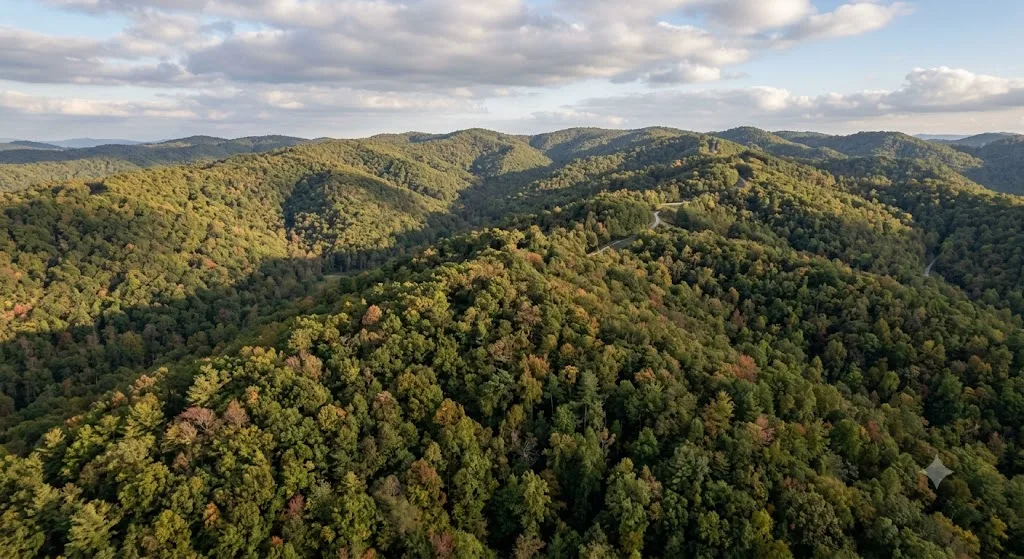
Our Cherokee National Forest guide covers practical planning for Cherokee National Forest Tennessee — best time to visit, getting there, and what to do on the ground. As independent US travel authorities, our team at Roam States has explored countless corners of the country, and we believe the Cherokee National Forest Tennessee stands out as a true gem for outdoor enthusiasts. This vast, two-unit forest spans across the eastern edge of Tennessee, offering an incredible diversity of landscapes and recreational opportunities, from challenging whitewater rapids to serene hiking trails and breathtaking scenic drives.
Why Visit Cherokee National Forest
If you're wondering if Cherokee National Forest is worth visiting, our unequivocal answer is yes. This expansive forest, encompassing over 650,000 acres, provides a refreshing escape into nature, far removed from the everyday hustle. It’s a place where the Appalachian Mountains reveal their ancient beauty through cascading waterfalls, dense woodlands, and crystal-clear rivers. Unlike some more heavily commercialized destinations, Cherokee National Forest maintains a raw, authentic wilderness feel, making it ideal for those seeking genuine outdoor adventure and tranquility.
We believe the sheer variety of experiences available makes Cherokee National Forest worth visiting for almost any traveler. Whether you're an adrenaline junkie eager to tackle the Ocoee River's rapids, a family looking for a memorable camping trip, or a solo hiker seeking solitude on a remote trail, this forest delivers. The commitment to preserving its natural beauty and offering accessible recreation is evident throughout, from well-maintained trails to numerous campgrounds and picnic areas. It’s an essential stop for anyone exploring the natural wonders of the Southeast, offering a distinct and equally compelling experience compared to its more famous neighbor, the Great Smoky Mountains National Park.
Who It's Best For
The Cherokee National Forest truly caters to a broad spectrum of visitors, making it one of Tennessee's most versatile outdoor destinations. Our team has observed that it particularly shines for:
- Adventure Seekers: With world-class whitewater rafting on the Ocoee and Hiwassee Rivers, challenging mountain biking trails, and extensive backpacking routes, thrill-seekers will find no shortage of excitement.
- Nature Lovers and Hikers: From easy strolls to strenuous climbs, the forest's diverse terrain and rich biodiversity appeal to hikers of all levels. Birdwatchers, photographers, and those simply looking to immerse themselves in nature will appreciate the pristine environment.
- Families: Many campgrounds offer family-friendly amenities, and there are numerous opportunities for swimming, fishing, and gentle hikes. Educational programs and ranger-led activities are often available, providing engaging experiences for children.
- Campers and RV Enthusiasts: With dozens of developed campgrounds and ample opportunities for dispersed camping, the forest is a haven for those who love sleeping under the stars.
- Anglers: The cold, clear waters of the forest's rivers and streams are renowned for trout fishing, attracting fly fishermen and baitcasters alike.
- Scenic Drivers: Several designated scenic byways wind through the forest, offering breathtaking views and easy access to overlooks and trailheads for those who prefer to explore by car.
While it offers something for everyone, those seeking luxury resorts or extensive commercial development will find the Cherokee National Forest to be a more rustic experience. Its charm lies in its wildness and the opportunities for self-guided exploration.
How to Get There
The Cherokee National Forest is located in eastern Tennessee, stretching along the state's borders with North Carolina and Georgia. Its vastness means there isn't a single "entrance" but rather numerous access points depending on which section of the forest you plan to visit. Understanding how to get to Cherokee National Forest is key to planning your adventure.
The forest is divided into two main sections: a northern unit and a southern unit, separated by the Great Smoky Mountains National Park. Both are accessible via major interstates and scenic highways.
- Southern Unit (Ocoee/Hiwassee Rivers Area): This unit is generally accessed from the Chattanooga area.
- **From Chattanooga, TN:** Take I-75 North to Exit 20 (Cleveland/US-64 Bypass). Follow US-64 East towards Ocoee. This route will lead you directly into the heart of the Ocoee River recreation area.
- **From Atlanta, GA:** Take I-75 North into Tennessee, then follow the directions from Chattanooga.
- Northern Unit (Watauga Lake/Unicoi Mountains Area): This unit is closer to Johnson City and Asheville.
- **From Knoxville, TN:** Take I-40 East to I-81 North, then various state routes (like TN-81, TN-91) depending on your specific destination within the northern unit.
- **From Asheville, NC:** Take I-26 West into Tennessee, then connect to various state routes.
Parking: Parking availability varies significantly throughout the forest. Many trailheads, recreation areas, and visitor centers offer dedicated parking lots. Some popular spots, especially along the Ocoee River during peak rafting season, can fill up quickly, so arriving early is advisable. Most parking is free, but some developed recreation areas or trailheads may require a day-use fee or a recreation pass, such as the America the Beautiful Pass or a specific Cherokee National Forest pass. We recommend checking the specific site you plan to visit on the U.S. Forest Service website for the most up-to-date information on any potential fees for 2026.
When planning how to get to Cherokee National Forest, always download offline maps or bring physical maps, as cell service can be spotty or non-existent in many parts of the forest.
Top Things to Do
The array of things to do at Cherokee National Forest is truly impressive, catering to every type of outdoor enthusiast. Our team has spent countless hours exploring these mountains and rivers, and we can confidently say you’ll find an adventure that suits your style.
Whitewater Rafting on the Ocoee and Hiwassee Rivers
Perhaps the most famous of the things to do at Cherokee National Forest is whitewater rafting. The Ocoee River, site of the 1996 Olympic whitewater events, offers exhilarating Class III-IV rapids that draw thousands of rafters each year. The Upper Ocoee is open seasonally, typically on weekends from May to September, while the Middle Ocoee runs more frequently. Numerous outfitters operate along US-64, offering guided trips and equipment rentals. For a slightly milder, family-friendly experience, the Hiwassee River provides Class II rapids, perfect for beginners and those seeking a more relaxed float. The Hiwassee is also open seasonally, usually from late spring through early fall. It's crucial to book reservations well in advance, especially for Ocoee rafting during peak season weekends in 2026, as spots fill up quickly.
Cherokee National Forest Hiking Trails
The forest boasts an extensive network of Cherokee National Forest hiking trails, ranging from easy riverside walks to strenuous climbs up mountain peaks. Some of our favorite Cherokee National Forest hiking trails include:
- Appalachian Trail: A significant portion of this iconic long-distance trail winds through the northern unit of the forest, offering challenging multi-day treks and accessible day-hhikes.
- Benton Falls Trail: Located near the Chilhowee Recreation Area, this relatively easy 1.5-mile round trip hike leads to a picturesque 65-foot waterfall, perfect for families.
- Big Frog Wilderness Trails: For those seeking solitude and a true wilderness experience, the trails in the Big Frog Wilderness offer rugged terrain and stunning views, albeit with less-maintained paths.
- John Muir Trail: This 20.7-mile trail follows the Hiwassee River, offering beautiful scenery and opportunities for backpacking or shorter out-and-back hikes.
Always carry water, snacks, and a map, and be aware of weather conditions, especially in higher elevations. Bear sightings are possible, so practice Leave No Trace principles and carry bear spray if you're venturing into remote areas.
Camping and Backpacking
With dozens of developed campgrounds, from rustic sites to those with electric hookups, camping is a quintessential Cherokee National Forest experience. Popular campgrounds include Chilhowee Campground (southern unit) and Watauga Lake Campground (northern unit). Many sites can be reserved through Recreation.gov, and we strongly advise making reservations for 2026, especially for weekends and holidays. Dispersed camping is also permitted in many areas, offering a more primitive experience, but always check forest regulations regarding fire restrictions and Leave No Trace principles.
Scenic Drives
For those who prefer to explore by car, the Cherokee National Forest offers several stunning scenic drives. The Ocoee Scenic Byway (US-64) follows the Ocoee River, providing dramatic views of the river and surrounding mountains. The Cherohala Skyway, a National Scenic Byway, connects Tellico Plains, Tennessee, with Robbinsville, North Carolina, offering breathtaking panoramic vistas and access to numerous overlooks and trailheads. These drives are particularly spectacular during the fall foliage season.
Fishing and Boating
The forest's rivers and lakes, including Watauga Lake, Parksville Lake, and the Hiwassee River, provide excellent opportunities for fishing. Trout, bass, and catfish are common catches. Boating, kayaking, and paddleboarding are popular on the larger lakes and calmer river sections. Public boat ramps are available at various access points.
Best Time to Visit
Choosing the best time to visit Cherokee National Forest largely depends on your desired activities, as each season offers a unique charm. Our team has experienced the forest in all its forms, and here's our breakdown:
- Spring (April - May): This is a beautiful time as wildflowers bloom, temperatures are mild, and waterfalls are often at their fullest due to spring rains. It's excellent for hiking and early-season camping. Whitewater rafting on the Ocoee and Hiwassee typically begins in late spring.
- Summer (June - August): Summer is peak season, especially for whitewater rafting and water-based activities. The weather is warm, perfect for swimming, boating, and enjoying the rivers. However, popular areas can be crowded, and temperatures can be hot and humid, particularly in lower elevations. Make reservations for lodging and rafting well in advance for 2026 summer trips.
- Fall (September - October): Arguably the most spectacular time to visit, as the forest transforms into a vibrant tapestry of red, orange, and gold. Fall foliage drives, hiking, and cooler camping weather are highlights. Whitewater rafting continues into early fall. This is also a very popular time, so expect crowds and book accommodations early.
- Winter (November - March): Winter brings a quiet solitude to the forest. While some roads and facilities may close due to snow and ice, it's a peaceful time for snowshoeing, cross-country skiing (in higher elevations), and enjoying crisp, clear views. Many campgrounds are closed or operate on a limited basis. Check road conditions and closures before venturing out in winter.
For most visitors, we recommend late spring or early fall for the best balance of pleasant weather, fewer crowds, and a full range of available activities.
Cherokee National Forest Lodging: Where to Stay Nearby
When planning your trip to the Cherokee National Forest, finding the right lodging is crucial for a comfortable and convenient experience. While the forest itself offers abundant camping opportunities, there are also excellent options for Cherokee National Forest lodging in nearby towns, catering to different preferences and budgets. Our team always recommends considering your primary activity and the specific unit of the forest you plan to explore most intensely.
Camping within Cherokee National Forest
For the most immersive experience, camping directly within the forest is unparalleled. The U.S. Forest Service manages numerous developed campgrounds, many of which are reservable through Recreation.gov. Popular options for Cherokee National Forest camping include:
- Chilhowee Campground (Benton, TN): Located in the southern unit, offering easy access to the Ocoee River and Benton Falls. It provides restrooms, water, and some sites with electrical hookups. Rates for 2026 typically range from $15-30 per night.
- Watauga Lake Campground (Butler, TN): Situated in the northern unit, this campground offers stunning lake views and access to boating and fishing. It has restrooms, water, and some sites with electric hookups. Expect similar rates to Chilhowee.
- Indian Boundary Recreation Area (Tellico Plains, TN): Features a beautiful lake for swimming, a sandy beach, and a popular campground with amenities.
Dispersed camping is also allowed in many areas of the forest for free, offering a more primitive experience. Always check current regulations regarding fire, food storage, and Leave No Trace principles.
Hotels and Cabins Near the Southern Unit (Ocoee/Hiwassee)
For those exploring the Ocoee and Hiwassee River areas, the closest towns with hotel options are:
- Cleveland, TN: About 20-30 minutes from the Ocoee River, Cleveland offers a range of chain hotels, restaurants, and amenities. It's a convenient base for day trips into the southern forest.
- Benton, TN: A smaller town closer to the Ocoee, with a few local motels and cabin rentals.
- Copperhill/Ducktown, TN: These historic mining towns right on the Georgia border offer charming local inns and numerous vacation rental cabins, perfect for groups or families seeking a home-away-from-home.
Hotels and Cabins Near the Northern Unit (Watauga/Unicoi)
If your focus is on the northern section of the forest, consider lodging in:
- Johnson City, TN: A larger city with a wide selection of hotels, restaurants, and services, about 30-60 minutes from various northern forest access points.
- Elizabethton, TN: Closer to Watauga Lake and the Appalachian Trail, offering local motels and cabin rentals.
- Erwin, TN: A smaller town with basic lodging options, convenient for exploring the Unicoi Mountains.
Many private cabin rentals are also available throughout the region, offering a secluded base for your adventures. Websites like Airbnb and VRBO are excellent resources for finding these unique accommodations. When considering Cherokee National Forest lodging, booking in advance, especially during peak seasons in 2026, is highly recommended to secure your preferred spot.
Sample 2-Day Itinerary
To help you make the most of your visit, our team has crafted a sample 2-day itinerary focusing on the popular southern unit of the Cherokee National Forest, centered around the Ocoee River area. This itinerary balances adventure with relaxation and scenic beauty.
Day 1: Whitewater Thrills & Scenic Views
- Morning (8:00 AM - 1:00 PM): Ocoee River Rafting. Start your day early with a thrilling whitewater rafting trip on the Middle Ocoee River. Book a guided trip with one of the many reputable outfitters along US-64. This typically takes about 3-4 hours, including safety briefings and transport. Remember to make reservations for 2026 well in advance!
- Lunch (1:00 PM - 2:00 PM): Riverside Picnic. After your rafting adventure, enjoy a packed lunch at one of the picnic areas along the Ocoee River, such as the Ocoee Whitewater Center.
- Afternoon (2:00 PM - 5:00 PM): Benton Falls Hike & Chilhowee Recreation Area. Head to the Chilhowee Recreation Area (a short drive from the Ocoee) and hike the easy Benton Falls Trail. The 1.5-mile round trip will lead you to a beautiful waterfall, perfect for photos. Explore the Chilhowee Recreation Area, which offers stunning overlooks and a peaceful lake.
- Evening (6:00 PM onwards): Dinner & Stargazing. Drive into Copperhill or Ducktown for dinner at a local restaurant. If you're camping, prepare a meal at your campsite. Enjoy the dark skies of the forest for some incredible stargazing.
Day 2: Hiwassee River & Appalachian Foothills
- Morning (9:00 AM - 1:00 PM): Hiwassee River Gentle Float or Fishing. Head north to the Hiwassee River. You can opt for a more relaxed float trip via kayak or canoe, or spend the morning fishing for trout. Several outfitters also offer guided fishing trips.
- Lunch (1:00 PM - 2:00 PM): Delano Community Park. Enjoy a picnic lunch at Delano Community Park, a pleasant spot along the Hiwassee River.
- Afternoon (2:00 PM - 5:00 PM): John Muir Trail Section Hike. Explore a section of the John Muir Trail, which follows the Hiwassee River. Choose an out-and-back section that suits your desired distance, enjoying the riverside scenery and peaceful forest.
- Evening (5:00 PM onwards): Explore Tellico Plains. Drive to the charming town of Tellico Plains, the western gateway to the Cherohala Skyway. Enjoy dinner at a local eatery and browse the small shops. If time allows, take a short drive up the Cherohala Skyway for sunset views before heading back to your lodging.
This itinerary is just a suggestion; feel free to adjust it based on your interests and the specific location of your Cherokee National Forest lodging. Remember to check current conditions and operating hours for all activities.
Our Expert Verdict
The Cherokee National Forest Tennessee is more than just a destination; it's an experience. From the adrenaline rush of the Ocoee River to the quiet solitude of a mountain trail, it offers a profound connection with nature that is increasingly rare. We've explored many of the country's natural treasures, from the iconic /destinations/great-smoky-mountains-national-park-tennessee to the vibrant /states/tennessee, and we can confidently say that the Cherokee National Forest holds its own. Its diverse landscape and recreational opportunities make it an ideal choice for anyone looking to truly unplug and immerse themselves in the great outdoors. Whether you're planning a thrilling adventure or a peaceful retreat, the Cherokee National Forest promises unforgettable memories. For more ideas on planning your trip, visit our comprehensive guide at /plan-your-trip.
FAQ
Cherokee National Forest camping
Cherokee National Forest offers a wide range of camping experiences, from developed campgrounds with amenities to primitive dispersed camping. Developed campgrounds like Chilhowee and Watauga Lake provide restrooms, water, and often electric hookups, with fees typically ranging from $15-30 per night in 2026. Reservations are highly recommended, especially during peak season, and can be made via Recreation.gov. Dispersed camping is free in many areas but requires adherence to Leave No Trace principles and checking for current fire restrictions.
things to do in Eastern Tennessee
Eastern Tennessee is a hub for outdoor adventure and cultural experiences. Beyond the Cherokee National Forest, you can explore the majestic /destinations/great-smoky-mountains-national-park-tennessee, visit historical sites in Chattanooga, or enjoy the vibrant music scene in Knoxville. Other popular activities include hiking, fishing, scenic drives like the Cherohala Skyway, and exploring charming small towns. For a broader view of the state, check out our guide to /states/tennessee, or consider iconic destinations like /destinations/graceland-tennessee, /destinations/grand-ole-opry-tennessee, or /destinations/beale-street-historic-district-tennessee.
Cherokee National Forest with kids
Cherokee National Forest is an excellent destination for families with kids, offering numerous kid-friendly activities. Options include easy hiking trails like Benton Falls, swimming at Indian Boundary Recreation Area, fishing in designated areas, and gentle floats on the Hiwassee River. Many campgrounds are family-friendly, and ranger-led programs are sometimes available. Always ensure activities are age-appropriate and pack essentials like snacks, water, and sun protection.
best hotels near Cherokee National Forest
The best hotels near Cherokee National Forest depend on which section of the forest you plan to visit. For the southern unit (Ocoee/Hiwassee), Cleveland, TN, offers a variety of chain hotels, while Copperhill and Ducktown provide charming local inns and cabin rentals. For the northern unit (Watauga/Unicoi), Johnson City, TN, has numerous hotel options, and Elizabethton offers local motels. Vacation rental cabins are also abundant throughout the region, providing a more secluded and spacious lodging experience.
Cherokee National Forest tips
Our top tips for visiting Cherokee National Forest include: plan ahead by checking the U.S. Forest Service website for 2026 closures, fees, and conditions; make reservations for camping and popular activities like whitewater rafting well in advance; carry physical maps or download offline maps as cell service is limited; pack layers of clothing as mountain weather can change quickly; practice Leave No Trace principles to protect the environment; and be bear aware, especially when camping or hiking in remote areas.
where to stay near Cherokee National Forest
Near the Cherokee National Forest, you can stay in developed campgrounds within the forest, offering an immersive experience. For hotel and cabin options, consider nearby towns such as Cleveland, Benton, Copperhill, Ducktown, Tellico Plains, Johnson City, Elizabethton, or Erwin. These towns provide various amenities and serve as convenient bases for exploring different sections of the forest. Private cabin rentals are also a popular choice for a secluded stay.
Last updated: 2026-07-09 by the Roam States team.