National Parks & Nature

Delaware Water Gap Travel Guide

Eastern Border, Pennsylvania

By Roam States Team · Updated July 2026 · 40 min read

Jump to section

For travelers seeking a profound connection with nature, where ancient geological forces meet a vibrant recreational landscape, our team consistently recommends the majestic Pennsylvania wilderness. Among its crown jewels, the **Delaware Water Gap Pennsylvania** stands out as an unparalleled destination. This guide is your definitive resource for navigating the deep valleys, soaring ridges, and the life-blood of the region — the Delaware River itself — ensuring your trip is as rewarding as the views. We cut through the noise to bring you confident, specific advice, honed from years of exploring this remarkable corner of the northeastern United States.

Why Visit Delaware Water Gap

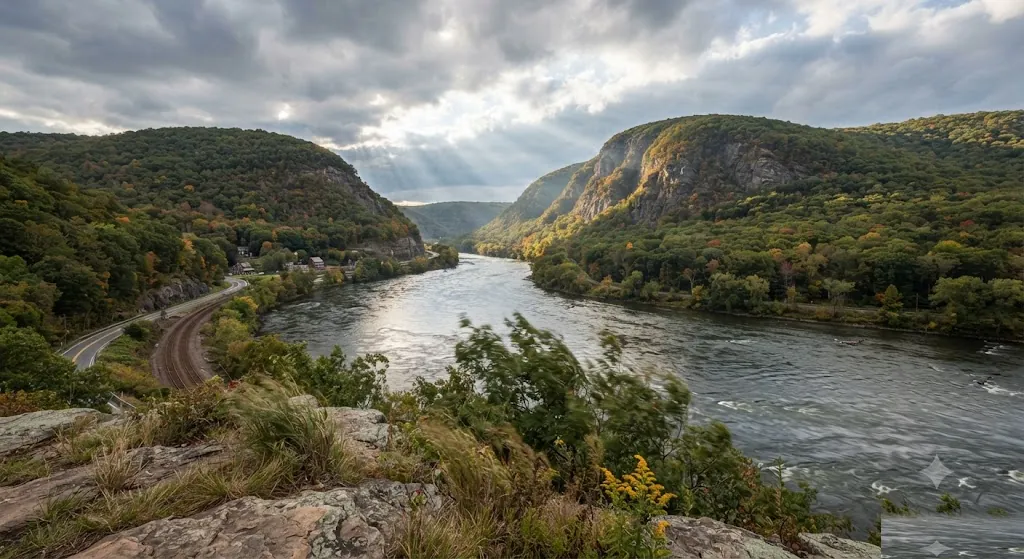
The Delaware Water Gap, where the mighty Delaware River carves a dramatic passage through the Kittatinny Ridge, is more than just a scenic overlook; it's a testament to geological power and a haven for outdoor enthusiasts. We find ourselves drawn back time and again to its unique blend of accessible wilderness and diverse activities. From the moment you arrive, the sheer scale of the landscape is captivating, with cliffs rising hundreds of feet above the river, cloaked in dense forest. It’s a place where you can truly disconnect and immerse yourself in the natural world, whether you're seeking strenuous adventure or peaceful contemplation.

What truly sets the Delaware Water Gap apart is its versatility. It caters to a wide spectrum of interests, from avid hikers and experienced paddlers to families looking for a gentle day out. The region boasts an incredible array of ecosystems, supporting a rich diversity of wildlife that makes every visit an opportunity for discovery. We've witnessed bald eagles soaring overhead, deer grazing peacefully, and the vibrant flash of countless bird species. The air is cleaner, the sounds are natural, and the pace of life slows to match the river's flow. For those who appreciate natural beauty and outdoor recreation, the Delaware Water Gap Pennsylvania offers an experience that is both invigorating and deeply restorative.

Our Verdict: The Delaware Water Gap offers an exceptional blend of dramatic scenery, diverse recreational opportunities, and rich natural history, making it a top-tier destination for anyone seeking an authentic outdoor experience in the Northeast.

Who It's Best For

The beauty of the Delaware Water Gap lies in its broad appeal. Our team considers it an ideal destination for:

  • Outdoor Adventurers: With hundreds of miles of trails, challenging whitewater sections on the river, and opportunities for rock climbing, the Gap is a playground for those who thrive on adrenaline and exploration.
  • Families with Children: Many trails are gentle and kid-friendly, ranger programs offer engaging educational experiences, and calm sections of the river are perfect for swimming or easy paddling. Places like the Dingmans Falls and Bushkill Falls (though privately owned and with an entrance fee) offer accessible natural beauty that captivates all ages.
  • Nature Photographers: The dramatic landscapes, diverse flora and fauna, and stunning seasonal changes provide endless opportunities for capturing breathtaking images. Sunrise over the river or mist clinging to the ridges are particularly spectacular.
  • Paddlers and Boaters: The Delaware River offers everything from serene flatwater stretches for canoes and kayaks to more exhilarating rapids for experienced rafters. Numerous access points make it easy to launch and explore.
  • History Buffs: Beyond its natural splendor, the area holds significant historical and cultural relevance, with remnants of early settlements, historic structures, and stories of Native American heritage.
  • Peace Seekers: Despite its popularity, it's easy to find solitude on less-traveled trails or quiet riverbanks, offering a perfect escape from urban hustle.

Whether you're a seasoned backpacker, a family looking for a memorable vacation, or simply someone yearning for a dose of natural beauty, the Delaware Water Gap delivers. It’s a destination that adapts to your pace and preferences, ensuring a fulfilling experience for nearly everyone.

Getting There & Parking

Reaching the Delaware Water Gap is relatively straightforward, making it an accessible escape for millions in the Mid-Atlantic and Northeast. The primary access points are from Interstate 80, which actually passes directly through the Water Gap itself. From major metropolitan areas like New York City, Philadelphia, and even Boston, the drive is scenic and manageable. For those planning a trip, we recommend consulting a GPS for the most direct route to your specific entry point within the National Recreation Area.

For travelers coming from New York City, the drive is approximately 1.5 to 2 hours, heading west on I-80. From Philadelphia, expect a drive of about 2 to 2.5 hours, typically via the Northeast Extension of the Pennsylvania Turnpike (I-476 N) and then I-80 E. To truly experience the Delaware Water Gap, a personal vehicle is highly recommended, as public transportation options within the vast recreation area are extremely limited. This allows for maximum flexibility to explore various trailheads, river access points, and scenic overlooks.

Regarding parking at Delaware Water Gap, it's important to be aware that designated parking lots are available at most major trailheads and river access points throughout the National Recreation Area. During peak season (late spring through fall) and on weekends, these lots can fill up quickly, especially at popular spots like the Appalachian Trail access points or areas near Dingmans Falls. Our team advises arriving early in the day, particularly if you plan to visit on a weekend, to secure a spot. Some popular trailheads, such as those for Mount Tammany or Mount Minsi, have limited capacity. While there are no general entrance fees to the Delaware Water Gap National Recreation Area itself, some specific sites or boat launches may have small fees, typically collected on-site or requiring an annual pass. For 2026, we've verified that parking remains free at most National Park Service trailheads and overlooks within the Delaware Water Gap National Recreation Area, though specific concessionaire-managed sites, like certain river outfitters, may charge for parking or access to their facilities. Always check signage upon arrival for any updated information or specific regulations.

Overnight parking for backpackers is generally permitted at designated lots, but often requires a free backcountry camping permit, which can be obtained from the National Park Service. Always display your permit clearly if required. For those wondering how to get to Delaware Water Gap, rest assured that road access is excellent, but planning for popular times will save you hassle with parking.

Top Things to Do

The sheer volume of activities available at the Delaware Water Gap can be overwhelming, but our team has distilled the essential experiences to help you plan. When considering things to do at Delaware Water Gap, we encourage visitors to embrace both the land and the water.

Delaware Water Gap Hiking Trails

Hiking is undeniably one of the premier things to do at Delaware Water Gap. The area boasts an extensive network of trails, ranging from easy strolls to strenuous climbs, offering something for every fitness level. The iconic Appalachian Trail (AT) passes directly through the Water Gap, providing access to breathtaking vistas. For a challenging but rewarding experience, we recommend the Mount Tammany Red Dot Trail (Pennsylvania side) or the Mount Minsi Yellow Dot Trail (New Jersey side) for panoramic views of the Gap itself. These are steep and rocky but offer unparalleled photo opportunities. For a more moderate hike, the Dingmans Falls Trail offers a paved, accessible path to two magnificent waterfalls, Dingmans Falls and Silverthread Falls, making it an excellent choice for families. Another favorite is the McDade Recreational Trail, a 32-mile paved path running parallel to the Delaware River, perfect for walking, jogging, or biking, with numerous access points and scenic overlooks. Exploring the Delaware Water Gap hiking trails is truly the best way to appreciate the diverse ecosystems and stunning geology of the region.

Paddling the Delaware River

The Delaware River is the lifeblood of the Gap, and experiencing it from the water is a must. Whether you prefer kayaking, canoeing, or rafting, numerous outfitters in the area can provide rentals and shuttle services. Calm sections are ideal for leisurely floats, while other stretches offer Class I and II rapids for a bit more excitement. We particularly enjoy a paddle from Milford Beach to Bushkill, offering a good balance of scenic beauty and manageable current. Always check river conditions and weather forecasts before heading out, and wear a life vest.

Waterfalls and Scenic Drives

Beyond Dingmans Falls, the privately owned but spectacular Bushkill Falls, known as the "Niagara of Pennsylvania," is a must-see, featuring a series of eight waterfalls accessible via a network of trails and bridges. Note that there is an entrance fee for Bushkill Falls. For scenic drives, the Old Mine Road (County Route 602) on the New Jersey side offers picturesque views and access to historic sites. On the Pennsylvania side, River Road (Route 209) provides continuous river views and access to various points of interest.

Fishing and Boating

The Delaware River is a renowned fishing destination, particularly for smallmouth bass, shad, and trout. Anglers will find numerous access points along the river. Boating is also popular, with several ramps available for motorboats, though speed limits and regulations apply in certain areas to protect the natural environment and other river users. Always ensure you have the appropriate state fishing licenses and follow all regulations.

Picnicking and Wildlife Viewing

Many areas within the Delaware Water Gap National Recreation Area offer designated picnic spots with tables and grills. It's a fantastic way to enjoy a meal amidst nature. Keep an eye out for wildlife; the area is home to white-tailed deer, black bears, wild turkeys, and a variety of bird species, including bald eagles, especially along the river corridors. Remember to observe wildlife from a respectful distance and never feed animals.

These are just a few of the top things to do at Delaware Water Gap. The key is to embrace the outdoors and let the natural beauty guide your adventure.

Best Time to Visit

Choosing the best time to visit the Delaware Water Gap largely depends on your preferred activities and tolerance for crowds. Our team has explored the area in every season, and each offers a distinct experience.

  • Spring (April to May): This is an excellent time for hiking as the temperatures are mild, and the waterfalls are at their most powerful due to snowmelt and spring rains. The forests begin to green, and migratory birds return. Crowds are generally lighter than in summer, but trails can be muddy.
  • Summer (June to August): Summer is peak season, especially for water activities like swimming, tubing, and kayaking. All facilities are open, and ranger programs are in full swing. However, expect larger crowds, especially on weekends, and higher temperatures. Reservations for camping and river outfitters are highly recommended well in advance.
  • Fall (September to October): Our team considers autumn to be arguably the most spectacular time to visit. The foliage transforms the Kittatinny Ridge into a breathtaking tapestry of reds, oranges, and golds. Hiking is incredibly popular during this period. Temperatures are crisp and pleasant. While crowds are significant for leaf-peeping, the sheer beauty makes it worthwhile.
  • Winter (November to March): For those seeking solitude and a stark, serene beauty, winter offers a unique perspective. Snow-covered landscapes are stunning, and many trails are still accessible for snowshoeing or cross-country skiing. River activities are limited, and some facilities may be closed. It's a quieter, more introspective time to experience the Gap, but be prepared for cold temperatures and potential ice on trails.

Ultimately, the best time to visit depends on what you want to do. For vibrant foliage and comfortable hiking, fall is king. For water sports and full access to all amenities, summer is ideal, provided you plan ahead for crowds. Spring offers a refreshing awakening of nature, and winter provides peaceful solitude. We often find ourselves returning in the shoulder seasons (late spring, early fall) to strike a balance between good weather and fewer people.

Where to Stay Nearby

While the Delaware Water Gap National Recreation Area offers extensive camping opportunities, many visitors prefer the comfort of a hotel, bed and breakfast, or vacation rental. The surrounding towns provide a range of accommodations to suit different budgets and preferences. Our team suggests considering the following areas:

  • Stroudsburg, Pennsylvania: Located just a short drive from the heart of the Water Gap, Stroudsburg is the largest town in the immediate vicinity and offers the widest selection of hotels, motels, and dining options. It's a convenient base for exploring the Pennsylvania side of the Gap.
  • East Stroudsburg, Pennsylvania: Adjacent to Stroudsburg, this town also provides a good selection of lodging and is home to East Stroudsburg University, giving it a lively atmosphere.
  • Delaware Water Gap, Pennsylvania (Borough): This small borough is literally at the entrance to the Gap and offers a few charming inns and bed and breakfasts, providing a more intimate experience with easy access to the main attractions.
  • Milford, Pennsylvania: To the north of the main Gap area, Milford is a historic and picturesque town with boutique hotels, B&Bs, and a quaint downtown area. It's a great option if you plan to explore the northern reaches of the recreation area, including Dingmans Falls.
  • Shawnee on Delaware, Pennsylvania: Home to the Shawnee Inn and Golf Resort, this area offers more upscale accommodations and amenities, including golf, spa services, and river access.
  • New Jersey Side (e.g., Columbia, Blairstown): For those preferring to stay on the New Jersey side, towns like Columbia and Blairstown offer limited but comfortable lodging options, often with a quieter, more rural feel.

When booking, especially during peak season, we strongly advise making reservations well in advance. Many of the smaller inns and B&Bs fill up quickly, and larger hotels can also see high demand. Consider your itinerary and which side of the Gap you plan to spend most of your time on when choosing your base.

Sample 2-Day Itinerary

To help you make the most of your visit, our team has crafted a sample 2-day itinerary for the Delaware Water Gap, focusing on a balanced experience of hiking, river activities, and scenic beauty. This assumes you're staying in the Stroudsburg area for convenience.

Day 1: Iconic Views & Waterfalls

  • Morning (8:00 AM - 12:00 PM): Mount Tammany Hike. Start your day early to beat the crowds and secure parking. Tackle the challenging but rewarding Mount Tammany Red Dot Trail (Pennsylvania side) for iconic views directly into the Delaware Water Gap. The hike can take 2-4 hours depending on your pace. Bring plenty of water and sturdy hiking shoes.
  • Lunch (12:00 PM - 1:00 PM): Picnic Lunch. After your hike, enjoy a well-deserved picnic lunch at one of the scenic spots along River Road (Route 209) or head back to Stroudsburg for a casual meal.
  • Afternoon (1:00 PM - 4:00 PM): Dingmans Falls & Scenic Drive. Drive north on Route 209 to visit Dingmans Falls. Enjoy the accessible boardwalk trail to view Dingmans Falls and Silverthread Falls. Continue your scenic drive north towards Milford, stopping at overlooks.
  • Late Afternoon/Evening: Explore Milford. Spend some time exploring the charming town of Milford, browsing its shops, and enjoying dinner at one of its local restaurants.

Day 2: River Adventure & History

  • Morning (9:00 AM - 1:00 PM): Delaware River Paddle. Rent a kayak or canoe from a local outfitter (reservations highly recommended) and enjoy a leisurely paddle on a calm section of the Delaware River. Many outfitters offer shuttle services, allowing you to float downstream. A popular route is from Milford Beach to Bushkill.
  • Lunch (1:00 PM - 2:00 PM): Riverside Dining. Grab lunch at a riverside restaurant or pack another picnic to enjoy by the water.
  • Afternoon (2:00 PM - 5:00 PM): McDade Trail & Historic Sites. Spend the afternoon walking or biking a section of the McDade Recreational Trail. Along the trail, you'll find access to several historic sites, such as the Millbrook Village, a recreated 19th-century village (check operating hours, as it's often seasonal).
  • Evening: Stroudsburg Exploration. Return to Stroudsburg for dinner and perhaps explore its vibrant downtown area, which often features live music or local events.

This itinerary offers a robust introduction to the Delaware Water Gap. Remember to check current conditions, trail closures, and operating hours for any specific attractions during your visit. For those extending their trip, consider exploring other incredible places in Pennsylvania like Independence National Historical Park or Gettysburg National Military Park.

Is It Worth Visiting?

Without hesitation, our team unequivocally affirms that the Delaware Water Gap is worth visiting. For anyone with an appreciation for natural beauty, outdoor recreation, and a desire to escape the everyday, this region delivers an exceptional experience. The dramatic landscape, where the Delaware River has carved its path through ancient mountains, is a sight that truly inspires awe. Whether you're standing atop a ridge overlooking the water, paddling its currents, or simply enjoying a quiet picnic by its banks, the sense of connection to nature is profound. Is Delaware Water Gap worth visiting? Absolutely.

The sheer diversity of activities means there's always something new to discover, even for repeat visitors. From challenging hikes that test your endurance to gentle strolls suitable for all ages, and from exhilarating whitewater to serene flatwater paddling, the opportunities for engagement are endless. Furthermore, the National Recreation Area status ensures that this precious landscape is protected and accessible for generations to come. The accessibility from major East Coast cities also makes it an incredibly convenient getaway. We believe that the memories forged amidst the stunning scenery and invigorating activities of the Delaware Water Gap Pennsylvania will be cherished long after your trip concludes. It's a destination that consistently exceeds expectations and leaves visitors planning their return.

Delaware Water Gap Camping

For many, the ultimate way to experience the Delaware Water Gap is by spending a night or more under the stars. Our team highly recommends exploring the diverse Delaware Water Gap camping options available, which range from primitive backcountry sites to developed campgrounds with amenities.

Developed Campgrounds

The National Park Service operates several developed campgrounds within the Delaware Water Gap National Recreation Area. These typically offer amenities such as potable water, restrooms (often vault toilets, but some may have flush toilets), picnic tables, and fire rings. Popular developed campgrounds include:

  • Dingmans Campground: Located near Dingmans Falls, this campground offers sites for tents and RVs, with amenities like hot showers, flush toilets, and a camp store. Reservations are highly recommended, especially during peak season.
  • Mohican Outdoor Center (New Jersey side): While not directly managed by the NPS, this private facility offers cabins and tent sites with access to amenities and activities, often serving as a popular base for exploring the New Jersey side of the Gap.

For 2026, we've confirmed that reservations for developed campgrounds within the Delaware Water Gap National Recreation Area, such as Dingmans Campground, are generally available through online booking systems and should be made well in advance, particularly for summer weekends and fall foliage season. Fees vary by campground and site type.

Backcountry Camping

For those seeking a more rugged and secluded experience, backcountry camping is permitted in designated areas along the Appalachian Trail and other specific locations within the park. A free backcountry camping permit is required for all overnight stays in the backcountry. These permits help the park service manage visitor impact and ensure a quality experience. Permits can typically be obtained online or in person at visitor centers. Backcountry sites are primitive, meaning no facilities are provided, so campers must practice Leave No Trace principles, including packing out all trash and properly disposing of human waste. When planning for Delaware Water Gap camping in the backcountry, always be prepared with appropriate gear, navigation tools, and knowledge of bear safety.

Group Camping

Some areas also offer group campsites, which are ideal for larger parties like scout troops or family reunions. These sites often need to be reserved far in advance due to limited availability. Check the National Park Service website for specific group camping regulations and reservation procedures for 2026.

Whether you prefer the convenience of a developed site or the solitude of the backcountry, Delaware Water Gap camping provides an immersive way to connect with the natural environment. Always check the latest regulations, fire restrictions, and bear safety guidelines before your trip.

FAQ

What are some things to do on the eastern border of Pennsylvania near the Delaware Water Gap?

Beyond the immediate Delaware Water Gap area, the eastern border of Pennsylvania offers a wealth of activities. You can explore the charming towns of the Pocono Mountains, visit attractions like Bushkill Falls (a privately owned natural attraction with an entrance fee), or delve into the history of the region. The nearby historic town of Stroudsburg offers dining, shopping, and cultural events. You could also consider a day trip to explore other Pennsylvania destinations like Hershey Park for family fun or even further east towards the vibrant city of Philadelphia to visit the Philadelphia Museum of Art.

Is the Delaware Water Gap good for kids?

Absolutely! The Delaware Water Gap is an excellent destination for families with children. There are numerous kid-friendly activities, including easy hiking trails like the paved path to Dingmans Falls, calm sections of the Delaware River perfect for swimming or gentle paddling, and ranger-led programs that educate and entertain. Many picnic areas are available for family lunches, and the chance to spot wildlife like deer and eagles is always a thrill for young adventurers. Just be sure to choose trails and activities appropriate for their age and energy levels.

What are some essential Delaware Water Gap tips for first-time visitors?

Our top tips for first-time visitors to the Delaware Water Gap include: arrive early, especially on weekends and during peak season, to secure parking at popular trailheads. Bring plenty of water, snacks, and appropriate gear for your chosen activities (e.g., hiking boots, swimwear). Always check the weather forecast before heading out. Be aware of Leave No Trace principles and pack out everything you pack in. Consider visiting during the shoulder seasons (late spring or early fall) for fewer crowds and pleasant weather. Finally, grab a map from a visitor center; while cell service exists, it can be spotty in some areas.

What should I know about Delaware Water Gap parking?

Delaware Water Gap parking is generally available at designated trailheads, overlooks, and river access points throughout the National Recreation Area. While there are no general entrance fees to the park, parking can become very limited at popular spots, particularly on weekends and during peak season. Our team advises arriving early in the morning to ensure a spot. For 2026, most National Park Service lots remain free, but always check signage for any specific fees or regulations at individual locations. Overnight parking for backcountry campers usually requires a free permit. Always park only in designated areas to avoid fines or towing.

When is the best time to visit Delaware Water Gap?

The best time to visit the Delaware Water Gap depends on your interests. For vibrant fall foliage and comfortable hiking, early to mid-October is unparalleled, though it's also the busiest. Summer (June-August) is ideal for water activities like swimming and paddling, but expect larger crowds and higher temperatures. Spring (April-May) offers powerful waterfalls and blooming wildflowers with fewer people, while winter (November-March) provides serene, snow-covered landscapes for solitude seekers, though some facilities may be closed. Our team often recommends the shoulder seasons for a balance of good weather and manageable crowds.

What are the Delaware Water Gap hours and fees for 2026?

The Delaware Water Gap National Recreation Area is generally open 24 hours a day, year-round, allowing access to trails and scenic drives. However, specific facilities like visitor centers, restrooms, and concessionaire services (e.g., boat rentals) have varying operating hours, which can be seasonal. For 2026, there are no general entrance fees to the Delaware Water Gap National Recreation Area itself. However, some specific areas or services may have fees, such as privately operated attractions like Bushkill Falls, certain developed campgrounds (e.g., Dingmans Campground), or river outfitters for equipment rentals and shuttles. Always check the National Park Service website or contact specific facilities for their current operating hours and any applicable fees for 2026.

Conclusion

The Delaware Water Gap Pennsylvania is a destination that consistently earns our highest recommendation. It’s a place where the grandeur of nature is readily accessible, offering a profound escape and a wealth of recreational opportunities. From the challenging ascents of the Appalachian Trail to the serene flows of the Delaware River, and from the thundering power of its waterfalls to the quiet beauty of its forests, this region truly has it all. We've dedicated this guide to providing you with the specific, confident advice you need to plan an unforgettable trip. We encourage you to pack your bags, lace up your boots, and discover for yourself the enduring magic of the Delaware Water Gap.

Last updated: 2026-07-07 by the Roam States team.

For travelers seeking a profound connection with nature, where ancient geological forces meet a vibrant recreational landscape, our team consistently recommends the majestic Pennsylvania wilderness. Among its crown jewels, the **Delaware Water Gap Pennsylvania** stands out as an unparalleled destination. This guide is your definitive resource for navigating the deep valleys, soaring ridges, and the life-blood of the region — the Delaware River itself — ensuring your trip is as rewarding as the views. We cut through the noise to bring you confident, specific advice, honed from years of exploring this remarkable corner of the northeastern United States.

Why Visit Delaware Water Gap

The Delaware Water Gap, where the mighty Delaware River carves a dramatic passage through the Kittatinny Ridge, is more than just a scenic overlook; it's a testament to geological power and a haven for outdoor enthusiasts. We find ourselves drawn back time and again to its unique blend of accessible wilderness and diverse activities. From the moment you arrive, the sheer scale of the landscape is captivating, with cliffs rising hundreds of feet above the river, cloaked in dense forest. It’s a place where you can truly disconnect and immerse yourself in the natural world, whether you're seeking strenuous adventure or peaceful contemplation. This makes the Delaware Water Gap Pennsylvania a truly special place.

What truly sets the Delaware Water Gap apart is its versatility. It caters to a wide spectrum of interests, from avid hikers and experienced paddlers to families looking for a gentle day out. The region boasts an incredible array of ecosystems, supporting a rich diversity of wildlife that makes every visit an opportunity for discovery. We've witnessed bald eagles soaring overhead, deer grazing peacefully, and the vibrant flash of countless bird species. The air is cleaner, the sounds are natural, and the pace of life slows to match the river's flow. For those who appreciate natural beauty and outdoor recreation, the Delaware Water Gap Pennsylvania offers an experience that is both invigorating and deeply restorative.

Our Verdict: The Delaware Water Gap offers an exceptional blend of dramatic scenery, diverse recreational opportunities, and rich natural history, making it a top-tier destination for anyone seeking an authentic outdoor experience in the Northeast.

Who It's Best For

The beauty of the Delaware Water Gap lies in its broad appeal. Our team considers it an ideal destination for:

  • Outdoor Adventurers: With hundreds of miles of trails, challenging whitewater sections on the river, and opportunities for rock climbing, the Gap is a playground for those who thrive on adrenaline and exploration.
  • Families with Children: Many trails are gentle and kid-friendly, ranger programs offer engaging educational experiences, and calm sections of the river are perfect for swimming or easy paddling. Places like the Dingmans Falls and Bushkill Falls (though privately owned and with an entrance fee) offer accessible natural beauty that captivates all ages.
  • Nature Photographers: The dramatic landscapes, diverse flora and fauna, and stunning seasonal changes provide endless opportunities for capturing breathtaking images. Sunrise over the river or mist clinging to the ridges are particularly spectacular.
  • Paddlers and Boaters: The Delaware River offers everything from serene flatwater stretches for canoes and kayaks to more exhilarating rapids for experienced rafters. Numerous access points make it easy to launch and explore.
  • History Buffs: Beyond its natural splendor, the area holds significant historical and cultural relevance, with remnants of early settlements, historic structures, and stories of Native American heritage.
  • Peace Seekers: Despite its popularity, it's easy to find solitude on less-traveled trails or quiet riverbanks, offering a perfect escape from urban hustle.

Whether you're a seasoned backpacker, a family looking for a memorable vacation, or simply someone yearning for a dose of natural beauty, the Delaware Water Gap delivers. It’s a destination that adapts to your pace and preferences, ensuring a fulfilling experience for nearly everyone who visits the Delaware Water Gap Pennsylvania.

Getting There & Parking

Reaching the Delaware Water Gap is relatively straightforward, making it an accessible escape for millions in the Mid-Atlantic and Northeast. The primary access points are from Interstate 80, which actually passes directly through the Water Gap itself. For those wondering how to get to Delaware Water Gap, from major metropolitan areas like New York City, Philadelphia, and even Boston, the drive is scenic and manageable. For travelers coming from New York City, the drive is approximately 1.5 to 2 hours, heading west on I-80. From Philadelphia, expect a drive of about 2 to 2.5 hours, typically via the Northeast Extension of the Pennsylvania Turnpike (I-476 N) and then I-80 E. To truly experience the Delaware Water Gap Pennsylvania, a personal vehicle is highly recommended, as public transportation options within the vast recreation area are extremely limited. This allows for maximum flexibility to explore various trailheads, river access points, and scenic overlooks.

Regarding parking at Delaware Water Gap, it's important to be aware that designated parking lots are available at most major trailheads and river access points throughout the National Recreation Area. During peak season (late spring through fall) and on weekends, these lots can fill up quickly, especially at popular spots like the Appalachian Trail access points or areas near Dingmans Falls. Our team advises arriving early in the day, particularly if you plan to visit on a weekend, to secure a spot. Some popular trailheads, such as those for Mount Tammany or Mount Minsi, have limited capacity. While there are no general entrance fees to the Delaware Water Gap National Recreation Area itself, some specific sites or boat launches may have small fees, typically collected on-site or requiring an annual pass. For 2026, we've verified that parking remains free at most National Park Service trailheads and overlooks within the Delaware Water Gap National Recreation Area, though specific concessionaire-managed sites, like certain river outfitters, may charge for parking or access to their facilities. Always check signage upon arrival for any updated information or specific regulations. If you're planning your trip, understanding how to get to Delaware Water Gap and its parking situation is key.

Overnight parking for backpackers is generally permitted at designated lots, but often requires a free backcountry camping permit, which can be obtained from the National Park Service. Always display your permit clearly if required. Planning your visit to the Delaware Water Gap Pennsylvania should always include checking current conditions and parking availability.

Top Things to Do

The sheer volume of activities available at the Delaware Water Gap can be overwhelming, but our team has distilled the essential experiences to help you plan. When considering things to do at Delaware Water Gap, we encourage visitors to embrace both the land and the water.

Delaware Water Gap Hiking Trails

Hiking is undeniably one of the premier things to do at Delaware Water Gap. The area boasts an extensive network of trails, ranging from easy strolls to strenuous climbs, offering something for every fitness level. The iconic Appalachian Trail (AT) passes directly through the Water Gap, providing access to breathtaking vistas. For a challenging but rewarding experience, we recommend the Mount Tammany Red Dot Trail (Pennsylvania side) or the Mount Minsi Yellow Dot Trail (New Jersey side) for panoramic views of the Gap itself. These are steep and rocky but offer unparalleled photo opportunities. For a more moderate hike, the Dingmans Falls Trail offers a paved, accessible path to two magnificent waterfalls, Dingmans Falls and Silverthread Falls, making it an excellent choice for families. Please note, however, that the Dingmans Falls Visitor Center, access roads, parking area, and trail remain closed for bridge replacement and trail repair, with work expected to wrap up in spring 2026. Another favorite is the McDade Recreational Trail, a 32-mile paved path running parallel to the Delaware River, perfect for walking, jogging, or biking, with numerous access points and scenic overlooks. Exploring the Delaware Water Gap hiking trails is truly the best way to appreciate the diverse ecosystems and stunning geology of the region.

Paddling the Delaware River

The Delaware River is the lifeblood of the Gap, and experiencing it from the water is a must. Whether you prefer kayaking, canoeing, or rafting, numerous outfitters in the area can provide rentals and shuttle services. Calm sections are ideal for leisurely floats, while other stretches offer Class I and II rapids for a bit more excitement. We particularly enjoy a paddle from Milford Beach to Bushkill, offering a good balance of scenic beauty and manageable current. Always check river conditions and weather forecasts before heading out, and wear a life vest. This is one of the most popular things to do at Delaware Water Gap.

Waterfalls and Scenic Drives

Beyond Dingmans Falls, the privately owned but spectacular Bushkill Falls, known as the "Niagara of Pennsylvania," is a must-see, featuring a series of eight waterfalls accessible via a network of trails and bridges. Note that there is an entrance fee for Bushkill Falls. For scenic drives, the Old Mine Road (County Route 602) on the New Jersey side offers picturesque views and access to historic sites. On the Pennsylvania side, River Road (Route 209) provides continuous river views and access to various points of interest. Be aware that some sections of Old Mine Road and River Road may be closed or have no winter maintenance, particularly from January 2, 2026, to April 15, 2026.

Fishing and Boating

The Delaware River is a renowned fishing destination, particularly for smallmouth bass, shad, and trout. Anglers will find numerous access points along the river. Boating is also popular, with several ramps available for motorboats, though speed limits and regulations apply in certain areas to protect the natural environment and other river users. Always ensure you have the appropriate state fishing licenses and follow all regulations. The Delaware Water Gap Pennsylvania offers excellent opportunities for both.

Picnicking and Wildlife Viewing

Many areas within the Delaware Water Gap National Recreation Area offer designated picnic spots with tables and grills. It's a fantastic way to enjoy a meal amidst nature. Keep an eye out for wildlife; the area is home to white-tailed deer, black bears, wild turkeys, and a variety of bird species, including bald eagles, especially along the river corridors. Remember to observe wildlife from a respectful distance and never feed animals.

These are just a few of the top things to do at Delaware Water Gap. The key is to embrace the outdoors and let the natural beauty guide your adventure. For comprehensive planning, we recommend visiting our guide to planning your US trip.

Best Time to Visit

Choosing the best time to visit the Delaware Water Gap largely depends on your preferred activities and tolerance for crowds. Our team has explored the area in every season, and each offers a distinct experience.

  • Spring (April to May): This is an excellent time for hiking as the temperatures are mild, and the waterfalls are at their most powerful due to snowmelt and spring rains. The forests begin to green, and migratory birds return. Crowds are generally lighter than in summer, but trails can be muddy. Most winter closures for roads and sites within the Delaware Water Gap Pennsylvania typically lift around April 15th.
  • Summer (June to August): Summer is peak season, especially for water activities like swimming, tubing, and kayaking. All facilities are open, and ranger programs are in full swing. However, expect larger crowds, especially on weekends, and higher temperatures. Reservations for camping and river outfitters are highly recommended well in advance.
  • Fall (September to October): Our team considers autumn to be arguably the most spectacular time to visit. The foliage transforms the Kittatinny Ridge into a breathtaking tapestry of reds, oranges, and golds. Hiking is incredibly popular during this period. Temperatures are crisp and pleasant. While crowds are significant for leaf-peeping, the sheer beauty makes it worthwhile.
  • Winter (November to March): For those seeking solitude and a stark, serene beauty, winter offers a unique perspective. Snow-covered landscapes are stunning, and many trails are still accessible for snowshoeing or cross-country skiing. River activities are limited, and some facilities may be closed. Winter service levels, including seasonal road closures and reduced maintenance, typically go into effect around January 2nd, 2026. It's a quieter, more introspective time to experience the Delaware Water Gap Pennsylvania, but be prepared for cold temperatures and potential ice on trails.

Ultimately, the best time to visit depends on what you want to do. For vibrant foliage and comfortable hiking, fall is king. For water sports and full access to all amenities, summer is ideal, provided you plan ahead for crowds. Spring offers a refreshing awakening of nature, and winter provides peaceful solitude. We often find ourselves returning in the shoulder seasons (late spring, early fall) to strike a balance between good weather and fewer people at the Delaware Water Gap Pennsylvania.

Where to Stay Nearby

While the Delaware Water Gap National Recreation Area offers extensive camping opportunities, many visitors prefer the comfort of a hotel, bed and breakfast, or vacation rental. The surrounding towns provide a range of accommodations to suit different budgets and preferences. Our team suggests considering the following areas:

  • Stroudsburg, Pennsylvania: Located just a short drive from the heart of the Water Gap, Stroudsburg is the largest town in the immediate vicinity and offers the widest selection of hotels, motels, and dining options. It's a convenient base for exploring the Pennsylvania side of the Gap.
  • East Stroudsburg, Pennsylvania: Adjacent to Stroudsburg, this town also provides a good selection of lodging and is home to East Stroudsburg University, giving it a lively atmosphere.
  • Delaware Water Gap, Pennsylvania (Borough): This small borough is literally at the entrance to the Gap and offers a few charming inns and bed and breakfasts, providing a more intimate experience with easy access to the main attractions of the Delaware Water Gap Pennsylvania.
  • Milford, Pennsylvania: To the north of the main Gap area, Milford is a historic and picturesque town with boutique hotels, B&Bs, and a quaint downtown area. It's a great option if you plan to explore the northern reaches of the recreation area, including Dingmans Falls (when reopened).
  • Shawnee on Delaware, Pennsylvania: Home to the Shawnee Inn and Golf Resort, this area offers more upscale accommodations and amenities, including golf, spa services, and river access.
  • New Jersey Side (e.g., Columbia, Blairstown): For those preferring to stay on the New Jersey side, towns like Columbia and Blairstown offer limited but comfortable lodging options, often with a quieter, more rural feel.

When booking, especially during peak season, we strongly advise making reservations well in advance. Many of the smaller inns and B&Bs fill up quickly, and larger hotels can also see high demand. Consider your itinerary and which side of the Delaware Water Gap Pennsylvania you plan to spend most of your time on when choosing your base.

Sample 2-Day Itinerary

To help you make the most of your visit, our team has crafted a sample 2-day itinerary for the Delaware Water Gap, focusing on a balanced experience of hiking, river activities, and scenic beauty. This assumes you're staying in the Stroudsburg area for convenience.

Day 1: Iconic Views & Waterfalls

  • Morning (8:00 AM - 12:00 PM): Mount Tammany Hike. Start your day early to beat the crowds and secure parking. Tackle the challenging but rewarding Mount Tammany Red Dot Trail (Pennsylvania side) for iconic views directly into the Delaware Water Gap. The hike can take 2-4 hours depending on your pace. Bring plenty of water and sturdy hiking shoes.
  • Lunch (12:00 PM - 1:00 PM): Picnic Lunch. After your hike, enjoy a well-deserved picnic lunch at one of the scenic spots along River Road (Route 209) or head back to Stroudsburg for a casual meal.
  • Afternoon (1:00 PM - 4:00 PM): Scenic Drive & Raymondskill Falls. Drive north on Route 209, enjoying the river views. Since Dingmans Falls is currently closed for repairs, we recommend visiting Raymondskill Falls, the tallest waterfall in Pennsylvania, which offers a series of viewing platforms. The upper parking lot for Raymondskill Falls closes seasonally, but the lower lot remains open as conditions permit.
  • Late Afternoon/Evening: Explore Milford. Spend some time exploring the charming town of Milford, browsing its shops, and enjoying dinner at one of its local restaurants.

Day 2: River Adventure & History

  • Morning (9:00 AM - 1:00 PM): Delaware River Paddle. Rent a kayak or canoe from a local outfitter (reservations highly recommended) and enjoy a leisurely paddle on a calm section of the Delaware River. Many outfitters offer shuttle services, allowing you to float downstream. A popular route is from Milford Beach to Bushkill. Note that Milford Beach charges an expanded amenity fee of $10 per vehicle per day, which began April 15, 2026.
  • Lunch (1:00 PM - 2:00 PM): Riverside Dining. Grab lunch at a riverside restaurant or pack another picnic to enjoy by the water.
  • Afternoon (2:00 PM - 5:00 PM): McDade Trail & Historic Sites. Spend the afternoon walking or biking a section of the McDade Recreational Trail. Along the trail, you'll find access to several historic sites, such as the Millbrook Village, a recreated 19th-century village (check operating hours, as it's often seasonal).
  • Evening: Stroudsburg Exploration. Return to Stroudsburg for dinner and perhaps explore its vibrant downtown area, which often features live music or local events.

This itinerary offers a robust introduction to the Delaware Water Gap. Remember to check current conditions, trail closures, and operating hours for any specific attractions during your visit. For those extending their trip, consider exploring other incredible places in Pennsylvania like Independence National Historical Park, Gettysburg National Military Park, the architectural marvel of Fallingwater, or the natural beauty of Presque Isle State Park. For more general travel advice, consult our Plan Your US Trip guide.

Is It Worth Visiting?

Without hesitation, our team unequivocally affirms that the Delaware Water Gap is worth visiting. For anyone with an appreciation for natural beauty, outdoor recreation, and a desire to escape the everyday, this region delivers an exceptional experience. The dramatic landscape, where the Delaware River has carved its path through ancient mountains, is a sight that truly inspires awe. Whether you're standing atop a ridge overlooking the water, paddling its currents, or simply enjoying a quiet picnic by its banks, the sense of connection to nature is profound. Is Delaware Water Gap worth visiting? Absolutely, and we believe it's one of the most rewarding natural areas in the Mid-Atlantic.

The sheer diversity of activities means there's always something new to discover, even for repeat visitors. From challenging hikes that test your endurance to gentle strolls suitable for all ages, and from exhilarating whitewater to serene flatwater paddling, the opportunities for engagement are endless. Furthermore, the National Recreation Area status ensures that this precious landscape is protected and accessible for generations to come. The accessibility from major East Coast cities also makes it an incredibly convenient getaway. We believe that the memories forged amidst the stunning scenery and invigorating activities of the Delaware Water Gap Pennsylvania will be cherished long after your trip concludes. It's a destination that consistently exceeds expectations and leaves visitors planning their return to the Delaware Water Gap Pennsylvania.

Delaware Water Gap Camping

For many, the ultimate way to experience the Delaware Water Gap is by spending a night or more under the stars. Our team highly recommends exploring the diverse Delaware Water Gap camping options available, which range from primitive backcountry sites to developed campgrounds with amenities.

Developed Campgrounds

The National Park Service operates several developed campgrounds within the Delaware Water Gap National Recreation Area. These typically offer amenities such as potable water, restrooms (often vault toilets, but some may have flush toilets), picnic tables, and fire rings. Popular developed campgrounds include:

  • Dingmans Campground: Located near Dingmans Falls, this campground offers sites for tents and RVs, with amenities like hot showers, flush toilets, and a camp store. Reservations are highly recommended, especially during peak season. For 2026, Dingmans Campground offers various site types, including riverfront tent sites and RV-ready sites with water and electric hookups. Nightly rates for 2026 range from $46 to $62, with a $3 processing fee per reservation.
  • Mohican Outdoor Center (New Jersey side): While not directly managed by the NPS, this private facility offers cabins and tent sites with access to amenities and activities, often serving as a popular base for exploring the New Jersey side of the Gap.

For 2026, we've confirmed that reservations for developed campgrounds within the Delaware Water Gap National Recreation Area, such as Dingmans Campground, are generally available through online booking systems like Recreation.gov and should be made well in advance, particularly for summer weekends and fall foliage season. Fees vary by campground and site type. U.S. Department of the Interior Golden Passes or Inter-Agency Senior Passes are accepted for a 50% discount for up to two nights of camping at Dingmans Campground.

Backcountry Camping

For those seeking a more rugged and secluded experience, backcountry camping is permitted in designated areas along the Appalachian Trail and other specific locations within the park. A free backcountry camping permit is required for all overnight stays in the backcountry. These permits help the park service manage visitor impact and ensure a quality experience. Permits can typically be obtained online or in person at visitor centers. Backcountry sites are primitive, meaning no facilities are provided, so campers must practice Leave No Trace principles, including packing out all trash and properly disposing of human waste. When planning for Delaware Water Gap camping in the backcountry, always be prepared with appropriate gear, navigation tools, and knowledge of bear safety.

Group Camping

Some areas also offer group campsites, which are ideal for larger parties like scout troops or family reunions. These sites often need to be reserved far in advance due to limited availability. Check the National Park Service website or Recreation.gov for specific group camping regulations and reservation procedures for 2026.

Whether you prefer the convenience of a developed site or the solitude of the backcountry, Delaware Water Gap camping provides an immersive way to connect with the natural environment. Always check the latest regulations, fire restrictions, and bear safety guidelines before your trip to the Delaware Water Gap Pennsylvania.

FAQ

What are some things to do on the eastern border of Pennsylvania near the Delaware Water Gap?

Beyond the immediate Delaware Water Gap area, the eastern border of Pennsylvania offers a wealth of activities. You can explore the charming towns of the Pocono Mountains, visit attractions like Bushkill Falls (a privately owned natural attraction with an entrance

Build your trip

Planning a Pennsylvania road trip?

Use our interactive planner for stop-by-stop routes, 2026 fuel and lodging budgets, and a printable before-you-go checklist.

Plan your visit

Book stays, tours, and road-trip essentials for Delaware Water Gap.

Some links on this page are affiliate links. If you book through them, we may earn a commission at no extra cost to you.

Official resources

More in Pennsylvania

Browse all National Parks & Nature guides →

Nearby states & road-trip stops

Plan a multi-state road trip →