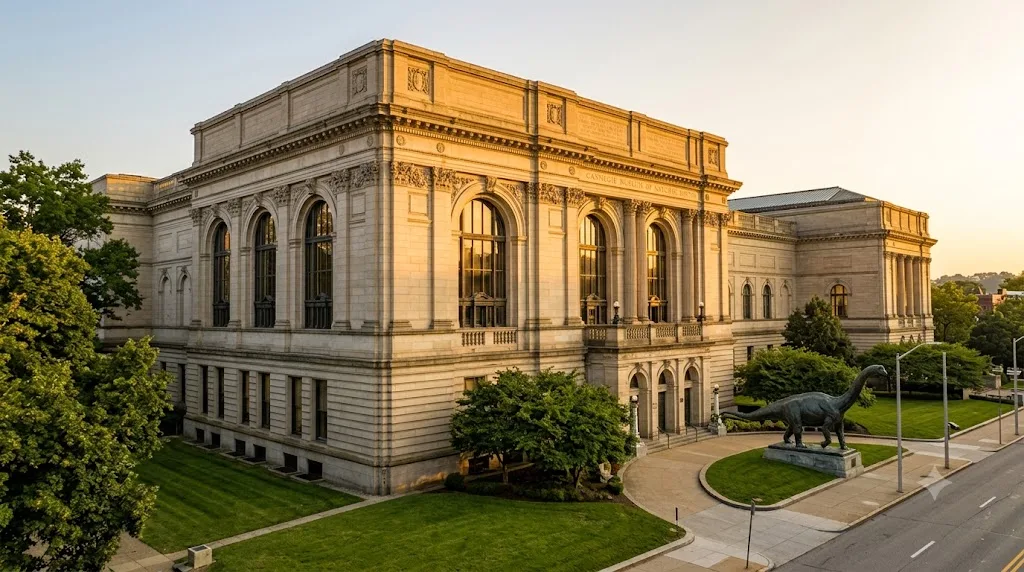
As the Roam States editorial team, we’ve explored countless destinations across the US, and few offer the profound historical and scientific immersion found at the Carnegie Museum of Natural History Pennsylvania. This isn't just another museum; it's a cornerstone of scientific discovery, holding a special place in the annals of paleontology as the home of the first discovered Tyrannosaurus rex. We're here to guide you through every facet of planning your visit, ensuring you experience the depth and wonder this Pittsburgh institution has to offer.
Why Visit Carnegie Museum of Natural History
For any traveler with a curiosity about the natural world, a visit to the Carnegie Museum of Natural History in Pittsburgh, Pennsylvania, is an absolute must. We consider it one of the nation's premier institutions, renowned for its world-class collections and groundbreaking research. This museum isn't just about static displays; it's a dynamic journey through Earth's history, from the colossal creatures of the Mesozoic Era to the intricate ecosystems of today. Is the Carnegie Museum of Natural History worth visiting? Absolutely. Its significance to paleontology alone makes it an invaluable destination, particularly for those eager to stand face-to-face with the original "tyrant lizard king."
The museum’s profound historical significance for paleontology is undeniable. It proudly houses the holotype specimen of Tyrannosaurus rex—meaning it possesses the very first fossil of the species ever recognized by science. Discovered in 1902 by Barnum Brown and acquired by the Carnegie Museum in 1941, this T. rex is the "gold standard" against which all other T. rex fossils are compared. Beyond the iconic T. rex, the museum is also home to the holotype of Diplodocus carnegii, affectionately known as Dippy, a long-necked herbivore that became a global sensation. These aren't just replicas; approximately 75% of the specimens in the Dinosaurs in Their Time exhibition are original fossils, offering an unparalleled authenticity. This commitment to showcasing real, original specimens sets it apart and makes the Carnegie Museum of Natural History Pennsylvania a truly extraordinary experience.
Beyond its paleontological treasures, the museum's mission extends to advancing knowledge of Earth, its life, and cultures through exploration, research, and educational programs. This dedication to scientific inquiry and public engagement ensures that every visit is both educational and inspiring. We find that the museum consistently sparks conversations about the inherent worth of nature and inspires future generations of scientists.
Who It's Best For
The Carnegie Museum of Natural History caters to a remarkably broad audience, making it an ideal destination for various types of travelers. Our team confidently recommends it for families, science enthusiasts, history buffs, and even casual visitors looking for an engaging cultural experience in Pittsburgh.
For **families**, especially those visiting the Carnegie Museum of Natural History with kids, it's an absolute playground of discovery. The interactive exhibits, particularly the Bone Hunters' Quarry where children can dig for fossils, are designed to captivate young minds and foster a love for science. The sheer scale of the dinosaur skeletons, including the towering Apatosaurus and Diplodocus, leaves a lasting impression on visitors of all ages. The museum also offers programs like "Storytime at the Museum" and "Summer Camps 2026," specifically tailored for younger audiences.
**Paleontology enthusiasts** will find themselves in their element, given the museum's status as the world's third-largest repository of dinosaur fossils. The Daniel G. and Carole L. Kamin Hall of Dinosaurs is a core exhibition featuring scientifically accurate reconstructions of ancient habitats and a staggering number of original fossils. The opportunity to see the holotype Tyrannosaurus rex and Diplodocus carnegii is a rare privilege for anyone passionate about prehistoric life.
**Curious adults and lifelong learners** will appreciate the diverse range of exhibits beyond dinosaurs, including the Hillman Hall of Minerals and Gems, Bug Hall, and the Alcoa Foundation Hall of American Indians. The museum’s commitment to scientific research means there are always new stories and insights to uncover, making it a continuously enriching experience. Whether you're interested in geology, botany, or cultural anthropology, there's something to pique your interest.
In essence, if you're looking for a destination that combines education with awe-inspiring displays, the Carnegie Museum of Natural History is an excellent choice. It’s a place where wonder is cultivated, and knowledge is celebrated, appealing to anyone with an inquisitive spirit.
Getting There & Parking
Navigating to the Carnegie Museum of Natural History is straightforward, as it's a prominent cultural landmark in Pittsburgh's Oakland neighborhood. We recommend planning your transportation in advance, especially if you're visiting during peak times.
The museum's address is 4400 Forbes Avenue, Pittsburgh, PA 15213. It shares a historic building with the Carnegie Museum of Art, and your admission ticket grants you access to both institutions.
Driving & Parking
For those wondering how to get to Carnegie Museum of Natural History by car, the museum provides a multi-level parking garage located directly behind the building. The entrance to the garage is conveniently situated at the corner of Forbes Avenue and South Craig Street. We advise travelers to note that parking rates are hourly and cash is not accepted; payment can be made via mobile pay, at pay stations, or at the exit gate.
Current parking rates for 2026 are: $5 for 30-60 minutes, $10 for 1-3 hours, $15 for 3-5 hours, $20 for 5-6 hours, $25 for 6-7 hours, and $30 for 7-8 hours. Vehicles parked for over 8 hours will incur the $30 fee plus additional hourly rates. The garage has a clearance of 6 feet, 8 inches, and accessible spaces are available for visitors with disabilities. If you require alternate arrangements for oversized vehicles, we recommend calling Visitor Services at 412.622.3131 between 9 a.m. and 5 p.m., Monday through Friday.
Alternative parking options are also available. Street parking in the Oakland area can be found, and it's free after 6 p.m. on weekdays and all day on Sundays. The Soldiers and Sailors parking garage, approximately a 10-minute walk from the museum, offers all-day parking for around $5 on non-event Saturdays. This can be a good option if the museum garage is full or if you prefer a slightly cheaper rate for extended stays. When considering how to get to Carnegie Museum of Natural History, these options provide flexibility.
Public Transportation
The Oakland neighborhood is well-served by Pittsburgh's public transportation network. Numerous bus routes pass through or near the museum, making it an accessible option for those without a car. We recommend checking the Pittsburgh Regional Transit website or using a mobile app for current route numbers and schedules. Bus stops are typically within walking distance of the museum entrance.
Drop-offs
If you are being dropped off, the Carriage Drive entrance on Forbes Avenue (just past the main museum doors) offers a convenient half-circle driveway for accessible drop-offs.
Top Things to Do
When planning your visit, the sheer volume of things to do at Carnegie Museum of Natural History can be overwhelming. Our team has curated the essential experiences to ensure you make the most of your time, whether you're focusing solely on the museum or looking for additional things to do in Pittsburgh.
At the Carnegie Museum of Natural History
- Explore the Daniel G. and Carole L. Kamin Hall of Dinosaurs: This is the undisputed highlight for many visitors. Home to dozens of real, original fossils, including the holotypes of Tyrannosaurus rex and Diplodocus carnegii, it offers an unparalleled journey into the Mesozoic Era. Witness scientifically accurate reconstructions of ancient habitats and marvel at the scale of these prehistoric giants. Don't miss the Bone Hunters' Quarry, where younger visitors can try their hand at fossil digging.
- Wander Through the Hillman Hall of Minerals and Gems: Prepare to be dazzled by over 1,300 specimens from around the globe, showcasing an incredible array of colors, forms, and shapes. The adjacent Wertz Gallery of Gems and Jewelry features beautifully crafted pieces, including extraordinary amber and large diamonds.
- Journey Through the Age of Mammals: Cenozoic Era: Discover life on Earth after the dinosaurs, exploring the rise of large mammals like mammoths and dire wolves. This hall provides a fascinating contrast to the dinosaur exhibits.
- Dive into the Cretaceous Seaway: Step into an underwater world to learn about the amazing creatures that resided in the seas during the Age of Dinosaurs. This immersive exhibit offers a different perspective on prehistoric life.
- Discover Diverse Cultures in the Alcoa Foundation Hall of American Indians: Explore the rich histories and relationships with the natural world of four distinct Native American cultures.
- Experience Current Exhibitions: The museum regularly features temporary exhibitions. As of 2026, "The Stories We Keep: Bringing the World to Pittsburgh" and "Uprooted: Plants Out of Place" are open. Be aware that the "Polar World" exhibit closed on June 28, 2026, to make way for an expanded Egypt exhibit in 2027.
- Attend a "Trio Tour" or "Storytime at the Museum": These guided programs offer deeper insights into specific collections or engaging narratives for younger audiences.
These are just a few of the many things to do at Carnegie Museum of Natural History. Remember that your admission ticket also grants you access to the Carnegie Museum of Art, located in the same building, providing an excellent opportunity to explore both scientific and artistic marvels in one visit.
Things to Do in Pittsburgh Beyond the Museum
Pittsburgh offers a wealth of attractions that complement a visit to the Carnegie Museum of Natural History. Our team suggests extending your stay to explore some of these other fantastic things to do in Pittsburgh:
- Ride the Duquesne Incline: For breathtaking panoramic views of the city skyline, especially at sunset, a ride on this historic funicular is a must.
- Visit the Andy Warhol Museum: Immerse yourself in the world of the iconic pop artist, a Pittsburgh native. This museum is a short drive from the Carnegie Museums.
- Explore Phipps Conservatory and Botanical Gardens: Just a short walk from the Carnegie Museums, this stunning Victorian greenhouse offers a tranquil escape with diverse plant collections and seasonal exhibits. We recommend it for a peaceful afternoon.
- Discover the Strip District: A vibrant neighborhood known for its international markets, specialty food shops, and unique boutiques. It’s a great place for a casual stroll and to sample local flavors.
- Wander through Schenley Park: Adjacent to the museum, this expansive urban park offers walking trails, scenic overlooks, and recreational opportunities.
Combining your visit to the Carnegie Museum of Natural History Pennsylvania with these local attractions will provide a comprehensive and memorable Pittsburgh experience.
Best Time to Visit
Choosing the best time to visit the Carnegie Museum of Natural History can significantly enhance your experience. Our team recommends considering crowd levels, special events, and the overall Pittsburgh climate when planning your trip.
Crowd Avoidance
Generally, weekdays, particularly mornings shortly after opening (10 a.m.) or later in the afternoon (after 3 p.m.), tend to be less crowded. The museum is closed on Tuesdays from Labor Day through Memorial Day, so avoid planning a visit on this day during those months. Thursdays offer extended hours until 8 p.m., which can be a great option for a quieter evening visit. Weekends and school holidays typically see higher visitor numbers.
We strongly advise purchasing timed tickets online in advance, regardless of when you plan to visit. This helps manage capacity and ensures you can enter at your preferred time, avoiding potential lines or sell-outs.
Seasonal Considerations
- Spring (April-May) and Fall (September-October): These seasons often offer the most pleasant weather for exploring Pittsburgh, with comfortable temperatures for walking around the Oakland neighborhood and enjoying nearby Schenley Park. Crowds at the museum might be moderate, but generally less intense than summer.
- Summer (June-August): The museum is open seven days a week during the summer months (Memorial Day through Labor Day), offering more flexibility. However, this is also peak tourist season, meaning larger crowds, especially with families visiting the Carnegie Museum of Natural History with kids. Pittsburgh can be warm and humid in the summer, so the indoor, air-conditioned environment of the museum provides a welcome escape.
- Winter (November-March): While Pittsburgh winters can be cold and snowy, visiting the museum during this time can offer a more intimate experience with fewer crowds. The museum is closed on Tuesdays during this period. It's a perfect indoor activity to escape the chill.
Special Events
Keep an eye on the museum's event calendar for special programming that might align with your interests. Events like "NatureFest" (held in March) or "Camp Carnegie (21+)" (held in August) can be exciting additions to your visit, though they might also draw larger crowds.
Ultimately, the best time to visit depends on your priorities. For fewer crowds, aim for weekday mornings or Thursday evenings outside of major holidays. For maximum flexibility and if you don't mind more people, summer offers extended operating days.
Where to Stay Nearby
Pittsburgh's Oakland neighborhood, where the Carnegie Museum of Natural History is located, is a vibrant area with several excellent accommodation options. Staying nearby allows for easy access to the museum and other cultural attractions. Our team recommends these areas and specific types of accommodations:
Oakland Neighborhood
Staying directly in Oakland puts you within walking distance or a very short drive of the Carnegie Museums, the University of Pittsburgh, Carnegie Mellon University, and Phipps Conservatory. This area is bustling with student life, diverse dining options, and a lively atmosphere.
- Hotels: You'll find a range of hotels from well-known chains to boutique options. These often cater to university visitors and offer convenient amenities. We suggest looking for hotels along Forbes Avenue or Fifth Avenue for prime locations.
- University-Area Rentals: Websites like Airbnb or VRBO often feature apartment rentals in Oakland, which can be a great option for families or those seeking a more local experience with kitchen facilities.
Shadyside
Just a short drive or bus ride from Oakland, Shadyside is an upscale neighborhood known for its charming Victorian homes, tree-lined streets, and boutique shopping along Walnut Street. It offers a more residential feel with excellent dining options.
- Boutique Hotels: Shadyside is home to several charming boutique hotels that provide a more personalized and luxurious stay.
- Guesthouses/B&Bs: You might find quaint bed and breakfasts that offer a unique and intimate lodging experience.
Downtown Pittsburgh
If you prefer to be in the heart of the city with easy access to sports venues, the Cultural District, and the riverfront, Downtown Pittsburgh is a fantastic choice. It's a short bus or taxi ride to the Carnegie Museums.
- Major Hotel Chains: Downtown boasts a wide selection of hotels, from budget-friendly to luxury, often with impressive views of the city or rivers.
- Proximity to Public Transit: Staying Downtown provides excellent access to Pittsburgh's public transportation, making it easy to reach Oakland and other attractions like the Duquesne Incline.
When selecting your accommodation, consider your budget, preferred atmosphere, and how much time you plan to spend exploring other parts of Pittsburgh. For a dedicated museum visit, staying in Oakland offers unparalleled convenience. For a broader city experience, Downtown or Shadyside provide excellent bases.
Sample 2-Day Itinerary
To truly appreciate the Carnegie Museum of Natural History Pennsylvania and the vibrant city of Pittsburgh, we recommend dedicating at least two days. Here’s a sample itinerary crafted by our team to maximize your experience:
Day 1: Deep Dive into the Museums
- Morning (10:00 AM - 1:00 PM): Carnegie Museum of Natural History
- Arrive promptly at opening with your timed tickets. Head straight to the Daniel G. and Carole L. Kamin Hall of Dinosaurs to see the impressive T. rex holotype and Dippy. Allow ample time to explore the Bone Hunters' Quarry and the Cretaceous Seaway.
- Grab a quick bite at Café Carnegie or Fossil Fuels within the museum complex.
- Afternoon (1:00 PM - 5:00 PM): Carnegie Museum of Natural History & Art
- Continue exploring the natural history museum, focusing on the Hillman Hall of Minerals and Gems, Bug Hall, and the Alcoa Foundation Hall of American Indians.
- Transition to the Carnegie Museum of Art (included with your ticket) to explore its impressive collections, from ancient to contemporary art.
- Evening: Oakland Exploration
- Enjoy dinner at one of the many diverse restaurants in the Oakland neighborhood.
- Consider a leisurely stroll through Schenley Park, adjacent to the museums, or catch a performance if one is scheduled at the Carnegie Music Hall.
Day 2: Pittsburgh City Highlights
- Morning (9:00 AM - 12:00 PM): Iconic Pittsburgh Views and Art
- Start your day with a ride on the Duquesne Incline to the top of Mount Washington for iconic views of the Pittsburgh skyline. This is a quintessential Pittsburgh experience.
- Head to the Andy Warhol Museum to delve into the life and work of Pittsburgh's most famous artist. Allow 2-3 hours here.
- Afternoon (12:00 PM - 5:00 PM): Gardens, Shopping, or History
- Option A (Nature & Relaxation): Visit Phipps Conservatory and Botanical Gardens, a stunning glasshouse with diverse plant collections. Enjoy lunch at their cafe.
- Option B (Shopping & Food): Explore the vibrant Strip District, known for its unique shops, international markets, and delicious food stalls. Grab lunch from a local vendor.
- Option C (History): For a deeper dive into local history, consider visiting the Senator John Heinz History Center.
- Evening: Dinner & Entertainment
- Choose a neighborhood for dinner – perhaps Shadyside for upscale dining or the Strip District for a more casual, lively atmosphere.
- Depending on your interests, catch a Pirates baseball game, attend a show in the Cultural District, or simply enjoy a relaxing evening.
This itinerary provides a robust overview of both the Carnegie Museum of Natural History and key Pittsburgh attractions. For those planning a longer trip through the state, consider our Best places in Pennsylvania guide or our comprehensive Visit PA resources for more ideas.
FAQ Longtails
Carnegie Museum of Natural History tips
Our top tips for visiting the Carnegie Museum of Natural History include purchasing timed tickets online in advance to secure your entry and avoid lines. Arrive early, especially on weekends, to experience popular exhibits like the Dinosaur Hall with fewer crowds. Take advantage of the combined admission with the Carnegie Museum of Art, as both are housed in the same building. Wear comfortable shoes, as there's a lot of ground to cover across both museums. Don't forget to check the museum's website for any special exhibitions or events during your visit, and consider Thursday evenings for extended hours and potentially smaller crowds.
Carnegie Museum of Natural History parking
Parking for the Carnegie Museum of Natural History is available in the museum's multi-level parking garage, located behind the building with the entrance at the corner of Forbes Avenue and South Craig Street. Hourly rates apply, and cash is not accepted for payment. Rates range from $5 for 30-60 minutes to $30 for 7-8 hours, with additional charges for longer stays. Accessible parking spaces are provided, and the garage has a clearance of 6 feet, 8 inches. Street parking is also available in the Oakland neighborhood, which is free after 6 p.m. on weekdays and all day on Sundays. Another option is the Soldiers and Sailors parking garage, about a 10-minute walk away, offering all-day parking for around $5 on non-event Saturdays.
best time to visit Carnegie Museum of Natural History
The best time to visit the Carnegie Museum of Natural History for fewer crowds is typically on weekday mornings right after opening (10 a.m.) or later in the afternoon (after 3 p.m.). Thursday evenings, when the museum is open until 8 p.m., also tend to be less busy. The museum is closed on Tuesdays from Labor Day through Memorial Day, so avoid this day during the off-peak season. Spring and fall offer pleasant weather for exploring Pittsburgh and moderate museum crowds. Summer sees more visitors due to school holidays, but the museum is open seven days a week during this period. Always check the museum's official website for current hours, holiday closures, and special event schedules.
Carnegie Museum of Natural History hours and fees
As of 2026, the Carnegie Museum of Natural History is open Monday, Wednesday, Friday-Sunday from 10 a.m. to 5 p.m., and on Thursdays from 10 a.m. to 8 p.m.. It is closed on Tuesdays from Labor Day through Memorial Day, but open seven days a week from Memorial Day through Labor Day. The museum is also closed on Easter, Thanksgiving, Christmas, and New Year's Day. General admission fees, which include access to both the Carnegie Museum of Natural History and the Carnegie Museum of Art, are $25 for adults, $20 for seniors (65+), and $15 for students with ID or children aged 3-18. Children aged 2 and under, and members, receive free admission. A discounted admission of $12 is available for visits after 3 p.m. on weekdays. Timed ticketing is recommended for all visitors.
Carnegie Museum of Natural History travel guide
This comprehensive travel guide from Roam States provides all the essential information for planning your visit to the Carnegie Museum of Natural History in Pennsylvania. We've covered why this museum holds profound historical significance for paleontology, displaying the first discovered Tyrannosaurus rex, and who it's best for, including families and science enthusiasts. Our guide details how to get to the museum, including parking options and public transportation, and outlines the top things to do both within the museum and in the wider Pittsburgh area. We also offer advice on the best time to visit for optimal crowd levels and seasonal enjoyment, suggest where to stay nearby in Oakland, Shadyside, or Downtown Pittsburgh, and provide a sample 2-day itinerary to help you plan a memorable trip. For more planning resources, visit our Plan Your US Trip or USA Road Trip Planner.
Carnegie Museum of Natural History itinerary
A focused itinerary for the Carnegie Museum of Natural History should prioritize the Daniel G. and Carole L. Kamin Hall of Dinosaurs, where you can marvel at the original T. rex and Dippy fossils. Allocate at least 2-3 hours for this section alone. Next, explore the dazzling Hillman Hall of Minerals and Gems and the Wertz Gallery of Gems and Jewelry. Don't miss the Age of Mammals: Cenozoic Era and the immersive Cretaceous Seaway exhibits. If time permits, engage with the Alcoa Foundation Hall of American Indians and any current temporary exhibitions. Remember that your ticket also includes access to the Carnegie Museum of Art, allowing for a seamless transition to explore art after your natural history deep dive. Consider attending a "Trio Tour" or "Storytime at the Museum" for added engagement.
From the awe-inspiring presence of the world's first recognized Tyrannosaurus rex to the intricate beauty of its gem collections, the Carnegie Museum of Natural History Pennsylvania offers an experience that is both deeply educational and profoundly inspiring. Our team believes it's a destination that truly enriches the traveler, connecting us to the ancient past and the wonders of our planet. We encourage you to plan your visit, immerse yourself in its hallowed halls, and discover why this Pittsburgh gem remains a cornerstone of natural science and human curiosity.
Last updated: 2026-07-13 by the Roam States team.