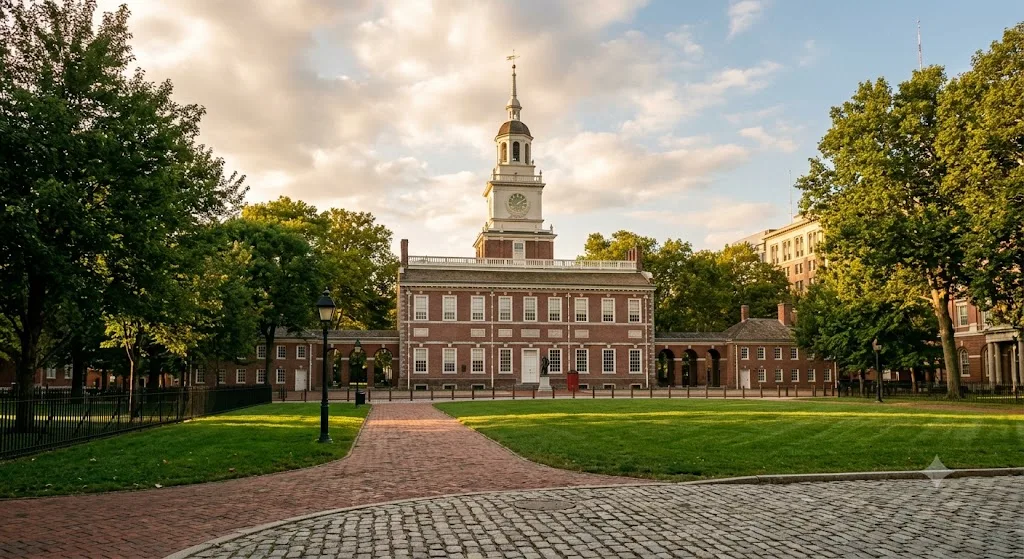
Independence National Historical Park Travel Guide — Pennsylvania
As the Roam States editorial team, we understand that planning a trip to a place steeped in history requires precise, up-to-date information. Independence National Historical Park Pennsylvania, a destination that stands as a profound testament to the birth of our nation. Here, the very foundations of American democracy were laid, offering an unparalleled opportunity to walk in the footsteps of the Founding Fathers and immerse yourself in the pivotal moments that shaped the United States.
Why Visit Independence National Historical Park
Visiting Independence National Historical Park is more than just a trip; it's a pilgrimage to the heart of American liberty. This isn't some dusty museum; it's a vibrant, living monument to the ideals of freedom and self-governance. Our team believes that for anyone seeking to understand the spirit of the United States, this park is an essential stop. It offers a tangible connection to the past, allowing visitors to stand in the rooms where monumental decisions were made and to witness the artifacts that symbolize a nation's struggle for independence. From the signing of the Declaration of Independence to the drafting of the U.S. Constitution, the stories held within these historic walls resonate deeply, making the experience profoundly moving and educational. It's a place where history comes alive, offering invaluable insights into the principles that continue to define the American experiment.
Who It's Best For
Independence National Historical Park truly offers something for everyone, but we find it particularly suited for history enthusiasts, educators, and families looking for an enriching travel experience. Students of American history, from elementary school children to seasoned scholars, will find the park's exhibits and preserved sites incredibly engaging. Families with children will appreciate the interactive programs and the opportunity to bring textbook lessons to life. It's also an ideal destination for solo travelers seeking quiet reflection, or for groups interested in a deep dive into the nation's origins. While the park is largely accessible, those with a keen interest in walking and exploring multiple sites on foot will get the most out of their visit. If you appreciate foundational American stories and want to connect with the very essence of the nation, then this park is unequivocally for you.
Is It Worth Visiting?
Absolutely. Our team unequivocally states that Independence National Historical Park is worth visiting. The historical significance alone makes it a must-see, but the way the park preserves and presents these pivotal moments ensures a truly impactful experience. Where else can you stand in the room where the Declaration of Independence was debated and signed, or gaze upon the Liberty Bell, a global icon of freedom? The park's commitment to historical accuracy and engaging interpretation means that every visit offers new insights and a deeper appreciation for the sacrifices and triumphs of our nation's founders. The educational value is immense, and the sheer weight of history present in these hallowed grounds is palpable. For anyone even remotely interested in American history or the principles of democracy, the question of "is Independence National Historical Park worth visiting" is answered with a resounding yes.
Getting There & Parking
Navigating to Independence National Historical Park is straightforward, given its central location in historic Philadelphia. For those wondering how to get to Independence National Historical Park, the park is easily accessible by car, public transportation, and even on foot if you're staying in downtown Philadelphia. We recommend utilizing public transit if possible, as parking in the city can be challenging and costly.
By Public Transportation
SEPTA, Philadelphia's public transit system, offers numerous routes that serve the park area. The 5th Street/Independence Hall Station on the Market-Frankford Line is directly adjacent to many of the park's key attractions. Several bus routes also stop within a few blocks of the park. This is often the most convenient and stress-free way to arrive, allowing you to avoid the complexities of city driving and parking.
By Car & Parking
If driving is your preferred method, several parking garages are located within walking distance of Independence National Historical Park. We've verified that as of 2026, popular options include the Bourse Garage (400 Ranstead Street) and the Autopark at Old City (2nd & Sansom Streets). Parking fees in these garages typically range from $15-$30 for a few hours, with daily maximums often around $25-$40, depending on the day and duration. We advise checking current rates upon arrival, as they can fluctuate. Street parking is generally very limited and subject to strict time limits and meter fees, making garages a more reliable option. Keep in mind that during peak tourist seasons or special events, garages can fill up quickly, so arriving early is always a good strategy when considering how to get to Independence National Historical Park by car.
Top Things to Do
When considering things to do at Independence National Historical Park, visitors are spoiled for choice with a wealth of historical sites and exhibits. Our team recommends allocating ample time to truly absorb the significance of each location.
Independence Hall
This is arguably the crown jewel of the park. It's where both the Declaration of Independence and the U.S. Constitution were debated and adopted. Entry is by timed ticket only, which we strongly advise reserving in advance, especially for 2026 visits. Tickets are free but required. As of 2026, reservations can be made online through Recreation.gov up to six months in advance. Walk-up tickets are sometimes available on the day of your visit from the Independence Visitor Center, but availability is not guaranteed. We recommend booking ahead to ensure your spot.
Liberty Bell Center
Home to the iconic Liberty Bell, this center offers exhibits on the bell's history and its evolving role as a symbol of freedom. No tickets are required for entry, and it operates on a first-come, first-served basis. Expect potential lines during peak times. The center is open daily from 9 AM to 5 PM in 2026.
Congress Hall
Adjacent to Independence Hall, Congress Hall served as the meeting place for the U.S. Congress from 1790 to 1800. It's where George Washington was inaugurated for his second term and John Adams for his only term. Entry is typically part of the Independence Hall tour or available for self-guided exploration depending on ranger availability.
Old City Hall
This building housed the U.S. Supreme Court from 1791 to 1800. While not always open for interior tours, its exterior is a significant part of the historical streetscape.
Benjamin Franklin Museum
Located beneath the Franklin Court courtyard, this museum explores the life and legacy of Benjamin Franklin through interactive exhibits. It's an excellent stop for families and those interested in one of America's most inventive minds. As of 2026, the museum is typically open daily from 9 AM to 5 PM, with an admission fee of $8 for adults and $5 for children.
National Constitution Center
While technically outside the park's direct administration, the National Constitution Center is an essential complement to your visit. It's a dynamic museum dedicated to the U.S. Constitution. It requires a separate admission fee and is located just a short walk from the Liberty Bell Center. Our team highly recommends including this in your itinerary for a comprehensive understanding of American governance.
Museum of the American Revolution
Another excellent, independently operated museum nearby, offering immersive exhibits on the Revolutionary War. Like the Constitution Center, it requires a separate ticket but provides invaluable context to the events that unfolded within the park.
These are just a few of the many things to do at Independence National Historical Park. Don't forget to explore the various smaller historical buildings, statues, and markers scattered throughout the park, each telling a piece of the American story.
Independence National Historical Park Hiking Trails
While Independence National Historical Park is primarily an urban historical site, it does offer pleasant walking paths and green spaces that provide a sense of tranquility amidst the bustling city. It's important to clarify that traditional "hiking trails" in the sense of rugged, natural terrain are not what you'll find here. Instead, visitors can enjoy well-maintained paved pathways and sidewalks that connect the various historical attractions, allowing for extensive exploration on foot. The park encompasses several city blocks, and walking from one site to another is an integral part of the experience. For instance, the walk from the Liberty Bell Center to Carpenters' Hall, and then to the Benjamin Franklin Museum, offers a scenic journey through historic streets and small park areas. We recommend comfortable walking shoes to fully enjoy these urban "Independence National Historical Park hiking trails." If you're looking for more traditional hiking experiences in Pennsylvania, we suggest exploring destinations like Delaware Water Gap or Ricketts Glen State Park, which offer extensive natural trails. Within the historical park itself, the focus is on historical immersion rather than wilderness trekking, but the extensive network of pedestrian routes ensures you'll get plenty of steps in while exploring the many facets of Independence National Historical Park Pennsylvania.
Independence National Historical Park Camping
For those envisioning a wilderness escape, it's crucial to understand that Independence National Historical Park camping is not an option. As a historically significant urban park located in the heart of Philadelphia, there are no designated campgrounds or facilities for overnight camping within its boundaries. The park's purpose is to preserve and interpret the sites of America's founding, not to provide recreational camping opportunities. Visitors looking for camping experiences in Pennsylvania will need to look outside the city. Options for camping can be found in state parks and forests further afield, such as Allegheny National Forest or various state parks across the commonwealth. For those seeking accommodation near the park, hotels, guesthouses, and vacation rentals are abundant in Philadelphia's historic district and surrounding neighborhoods. We emphasize that if your trip includes a desire for Independence National Historical Park camping, you will need to adjust your expectations and plan for alternative lodging within the city or at campgrounds located a significant distance away from downtown Philadelphia.
Best Time to Visit
Our team has found that the best time to visit Independence National Historical Park largely depends on your priorities regarding weather, crowd levels, and special events.
Spring (April-May) and Fall (September-October)
These shoulder seasons are generally considered ideal. The weather is typically mild and pleasant, perfect for walking between sites. Crowd levels are moderate, allowing for a more relaxed experience at popular attractions. You'll also find the city alive with cultural events and festivals during these times.
Summer (June-August)
Summer brings the warmest weather, but also the largest crowds, especially around the Fourth of July. If you visit in summer, be prepared for longer lines, higher temperatures, and the need to book timed tickets for Independence Hall well in advance. Despite the crowds, the vibrant atmosphere and extended operating hours can be appealing.
Winter (November-March)
Winter sees the fewest crowds and can offer a more intimate experience with the historical sites. However, temperatures can be cold, and some outdoor programming may be limited. Holiday decorations in December add a festive touch, but check specific site hours as they may be reduced. If you don't mind bundling up, it's a great time to visit without the throngs of tourists.
Overall, we recommend late spring or early fall for the most comfortable and enjoyable experience at Independence National Historical Park Pennsylvania.
Where to Stay Nearby
Philadelphia offers a wide range of accommodation options to suit every budget and preference, with many excellent choices within easy reach of Independence National Historical Park. We recommend staying in the Historic District, Old City, or Society Hill neighborhoods for the most convenient access to the park's attractions.
Historic District/Old City
Staying directly in the Historic District or Old City puts you within a few blocks of the Liberty Bell, Independence Hall, and numerous other sites. This area is characterized by charming cobblestone streets, colonial architecture, and a lively atmosphere with plenty of restaurants and shops. You'll find a mix of boutique hotels and well-known chains here.
Society Hill
Just south of the Historic District, Society Hill is known for its beautiful 18th-century row houses and tree-lined streets. It offers a more residential and upscale feel, with elegant hotels and guesthouses, still within easy walking distance of the park.
Center City
A bit further west, Center City offers a broader array of hotels, from luxury high-rises to more budget-friendly options. It's well-connected by public transportation, making it a convenient base for exploring the park and other Philadelphia attractions like the Philadelphia Museum of Art or Reading Terminal Market.
When selecting your accommodation, consider proximity to public transport, especially if you plan to explore beyond the immediate park area. Booking in advance, particularly during peak season, is always a wise decision.
Sample 2-Day Itinerary
To help you make the most of your visit to Independence National Historical Park Pennsylvania, our team has crafted a sample two-day itinerary that balances historical immersion with opportunities to explore the wider city.
Day 1: The Heart of Independence
- Morning (9:00 AM - 12:00 PM): Independence Hall & Liberty Bell. Start your day early with your timed ticket for Independence Hall. Allow at least 1.5-2 hours for the tour and exploration. Afterward, head to the Liberty Bell Center, which is just across the street.
- Lunch (12:00 PM - 1:00 PM): Local Eatery. Grab a casual lunch at one of the many cafes or eateries in the Historic District.
- Afternoon (1:00 PM - 4:00 PM): Congress Hall & Old City Hall. Explore Congress Hall and Old City Hall, gaining insight into the early days of the U.S. government. Then, wander through Franklin Court to visit the Benjamin Franklin Museum.
- Late Afternoon (4:00 PM - 5:30 PM): Carpenters' Hall & City Tavern. Visit Carpenters' Hall, site of the First Continental Congress. Consider stopping by the reconstructed City Tavern for a historical drink or snack (check seasonal hours).
- Evening: Dinner in Old City. Enjoy dinner in the vibrant Old City neighborhood, known for its diverse culinary scene.
Day 2: Expanding Your Historical Horizon
- Morning (9:00 AM - 1:00 PM): National Constitution Center & Museum of the American Revolution. Dedicate your morning to these two essential, independently operated museums. Start with the National Constitution Center for an engaging look at the U.S. Constitution, then move on to the Museum of the American Revolution to delve into the conflict that led to independence. Both are within easy walking distance of the park's core.
- Lunch (1:00 PM - 2:00 PM): Reading Terminal Market. Take a short walk or quick public transit ride to Reading Terminal Market for an incredible array of lunch options from diverse vendors.
- Afternoon (2:00 PM - 5:00 PM): Beyond the Park. Depending on your interests, you could:
- Explore Elfreth's Alley, America's oldest continuously inhabited residential street.
- Visit the Eastern State Penitentiary, a fascinating former prison (requires a short ride).
- Wander through Society Hill and its beautiful historic homes.
- Evening: Philadelphia Experience. Enjoy a show, explore another neighborhood, or revisit a favorite spot. For more ideas on what to do in the state, consult our guide to Best Places in Pennsylvania. If you're planning a larger journey, our Plan Your US Trip and USA Road Trip Planner can help integrate Philadelphia into a grander adventure.
FAQ
What are some other things to do in Philadelphia?
Beyond Independence National Historical Park, Philadelphia boasts a wealth of attractions. Our team recommends exploring the Philadelphia Museum of Art (and running up the "Rocky Steps"), indulging in the culinary delights of Reading Terminal Market, and delving into the history of the Eastern State Penitentiary. For art lovers, the Barnes Foundation and Rodin Museum are exceptional. Don't forget to try a classic Philly cheesesteak!
Is Independence National Historical Park good for kids?
Yes, Independence National Historical Park is excellent for kids! Our team finds that the park does a fantastic job of making history accessible and engaging for younger visitors. The Benjamin Franklin Museum has interactive exhibits, and the ranger-led tours at Independence Hall are often presented in an engaging storytelling format. The sheer scale of the history can be inspiring, and seeing the Liberty Bell in person is often a highlight. We recommend checking the park's official website for specific family-friendly programs or junior ranger activities that might be available during your visit.
What are some essential Independence National Historical Park tips?
Our top Independence National Historical Park tips include: book Independence Hall tickets well in advance (they are free but required), wear comfortable walking shoes as you'll be covering a lot of ground, and allow more time than you think you'll need. We also suggest starting your day early, especially during peak season, to beat the crowds. Consider visiting the Independence Visitor Center first for maps, current information, and to speak with a ranger. Don't forget to stay hydrated, especially during warmer months.
What are the parking options for Independence National Historical Park?
As of 2026, parking near Independence National Historical Park is primarily available in several paid parking garages located within a few blocks of the park's main attractions. Popular options include the Bourse Garage and the Autopark at Old City. Street parking is generally very limited and heavily regulated. We strongly advise budgeting for garage fees, which can range from $15-$40 for a day, and considering public transportation as a convenient alternative to avoid parking hassles.
What is the best time to visit Independence National Historical Park?
The best time to visit Independence National Historical Park is during the spring (April-May) and fall (September-October) months. Our team finds that the weather is most pleasant during these periods, and crowd levels are generally more manageable than in the busy summer months. If you prefer fewer crowds and don't mind cooler temperatures, a winter visit can also be rewarding, though some outdoor programming may be limited. Always check specific site hours, as they can vary seasonally.
What are Independence National Historical Park hours and fees?
As of 2026, most major attractions within Independence National Historical Park, such as the Liberty Bell Center, are generally open daily from 9 AM to 5 PM, though hours can extend in peak season or shorten in winter. Independence Hall requires a free, timed ticket, which must be reserved in advance through Recreation.gov. There is no general entrance fee for the park itself. However, some specific sites like the Benjamin Franklin Museum have an admission fee, which is $8 for adults and $5 for children in 2026. Parking in nearby garages incurs separate fees. Always check the official National Park Service website for the most up-to-date operating hours and any potential changes or closures for your specific travel dates.
Our team at Roam States hopes this comprehensive guide assists you in planning an unforgettable journey to Independence National Historical Park. It's a place where the past truly informs the present, offering profound insights into the American spirit. Whether you're a history buff, a family seeking educational adventure, or simply a curious traveler, the stories within these hallowed grounds are waiting to be discovered. For more travel inspiration across the state, be sure to visit Visit PA, the official state tourism site.
Last updated: 2026-07-13 by the Roam States team.
Independence National Historical Park Travel Guide — Pennsylvania
As the Roam States editorial team, we understand that planning a trip to a place steeped in history requires precise, up-to-date information. Independence National Historical Park Pennsylvania, a destination that stands as a profound testament to the birth of our nation. Here, the very foundations of American democracy were laid, offering an unparalleled opportunity to walk in the footsteps of the Founding Fathers and immerse yourself in the pivotal moments that shaped the United States.
Why Visit Independence National Historical Park
Visiting Independence National Historical Park is more than just a trip; it's a pilgrimage to the heart of American liberty. This isn't some dusty museum; it's a vibrant, living monument to the ideals of freedom and self-governance. Our team believes that for anyone seeking to understand the spirit of the United States, this park is an essential stop. It offers a tangible connection to the past, allowing visitors to stand in the rooms where monumental decisions were made and to witness the artifacts that symbolize a nation's struggle for independence. From the signing of the Declaration of Independence to the drafting of the U.S. Constitution, the stories held within these historic walls resonate deeply, making the experience profoundly moving and educational. It's a place where history comes alive, offering invaluable insights into the principles that continue to define the American experiment.
Who It's Best For
Independence National Historical Park truly offers something for everyone, but we find it particularly suited for history enthusiasts, educators, and families looking for an enriching travel experience. Students of American history, from elementary school children to seasoned scholars, will find the park's exhibits and preserved sites incredibly engaging. Families with children will appreciate the interactive programs and the opportunity to bring textbook lessons to life. It's also an ideal destination for solo travelers seeking quiet reflection, or for groups interested in a deep dive into the nation's origins. While the park is largely accessible, those with a keen interest in walking and exploring multiple sites on foot will get the most out of their visit. If you appreciate foundational American stories and want to connect with the very essence of the nation, then this park is unequivocally for you.
Is It Worth Visiting?
Absolutely. Our team unequivocally states that Independence National Historical Park is worth visiting. The historical significance alone makes it a must-see, but the way the park preserves and presents these pivotal moments ensures a truly impactful experience. Where else can you stand in the room where the Declaration of Independence was debated and signed, or gaze upon the Liberty Bell, a global icon of freedom? The park's commitment to historical accuracy and engaging interpretation means that every visit offers new insights and a deeper appreciation for the sacrifices and triumphs of our nation's founders. The educational value is immense, and the sheer weight of history present in these hallowed grounds is palpable. For anyone even remotely interested in American history or the principles of democracy, the question of "is Independence National Historical Park worth visiting" is answered with a resounding yes.
Getting There & Parking
Navigating to Independence National Historical Park is straightforward, given its central location in historic Philadelphia. For those wondering how to get to Independence National Historical Park, the park is easily accessible by car, public transportation, and even on foot if you're staying in downtown Philadelphia. We recommend utilizing public transit if possible, as parking in the city can be challenging and costly.
By Public Transportation
SEPTA, Philadelphia's public transit system, offers numerous routes that serve the park area. The 5th Street/Independence Hall Station on the Market-Frankford Line is directly adjacent to many of the park's key attractions. Several bus routes also stop within a few blocks of the park. This is often the most convenient and stress-free way to arrive, allowing you to avoid the complexities of city driving and parking.
By Car & Parking
If driving is your preferred method, several parking garages are located within walking distance of Independence National Historical Park. We've verified that as of 2026, popular options include the Bourse Garage (400 Ranstead Street) and the Autopark at Old City (125 S 2nd St). The Independence Visitor Center also has an underground garage, the AutoPark at Independence Mall, with an entrance at 41 N. 6th Street. Parking fees in these garages typically range from $15-$40 for a few hours or a full day. We advise checking current rates upon arrival, as they can fluctuate. Street parking is generally very limited and subject to strict time limits and meter fees, making garages a more reliable option. Keep in mind that during peak tourist seasons or special events, garages can fill up quickly, so arriving early is always a good strategy when considering how to get to Independence National Historical Park by car.
Top Things to Do
When considering things to do at Independence National Historical Park, visitors are spoiled for choice with a wealth of historical sites and exhibits. Our team recommends allocating ample time to truly absorb the significance of each location.
Independence Hall
This is arguably the crown jewel of the park. It's where both the Declaration of Independence and the U.S. Constitution were debated and adopted. Entry for tours from 10 AM to 4 PM requires timed tickets, which we strongly advise reserving in advance, especially for 2026 visits. Tickets are free, but a $1.00 per ticket handling fee applies for reservations made through Recreation.gov. Tickets can be reserved up to 30 days in advance, with additional "next day" tickets released at 5 PM the day before. Walk-up open house hours are available from 9 AM to 9:50 AM without tickets, but entry is not guaranteed due to capacity limits. Visitors should arrive 30 minutes before their tour time for security screening.
Liberty Bell Center
Home to the iconic Liberty Bell, this center offers exhibits on the bell's history and its evolving role as a symbol of freedom. No tickets are required for entry, and admission is free on a first-come, first-served basis. Expect potential lines during peak times. As of 2026, the center is generally open daily from 9 AM to 5 PM, with security screening closing at least 5 minutes before the building closes.
Congress Hall
Adjacent to Independence Hall, Congress Hall served as the meeting place for the U.S. Congress from 1790 to 1800, during Philadelphia's time as the nation's capital. It's where George Washington was inaugurated for his second term and John Adams for his only term. Access to Congress Hall is free and open to the public, with open house hours from 9 AM to 10 AM and tours every 20-30 minutes from 10 AM to 4:40 PM.
Old City Hall
This building housed the U.S. Supreme Court from 1791 to 1800. It is open daily from 9 AM to 5 PM.
Benjamin Franklin Museum
Located beneath the Franklin Court courtyard, this museum explores the life and legacy of Benjamin Franklin through interactive exhibits. It's an excellent stop for families and those interested in one of America's most inventive minds. As of 2026, the museum is typically open daily from 9 AM to 5 PM, with an admission fee of $7.50 for adults, $5 for seniors (65+) and children ages 6-17, and free for children age 5 and under. Admission is available at the door and must be purchased on the day of your visit.
National Constitution Center
While technically outside the park's direct administration, the National Constitution Center is an essential complement to your visit. It's a dynamic museum dedicated to the U.S. Constitution. It requires a separate admission fee and is located just a short walk from the Liberty Bell Center. Our team highly recommends including this in your itinerary for a comprehensive understanding of American governance.
Museum of the American Revolution
Another excellent, independently operated museum nearby, offering immersive exhibits on the Revolutionary War. Like the Constitution Center, it requires a separate ticket but provides invaluable context to the events that unfolded within the park.
These are just a few of the many things to do at Independence National Historical Park. Don't forget to explore the various smaller historical buildings, statues, and markers scattered throughout the park, each telling a piece of the American story.
Independence National Historical Park Hiking Trails
While Independence National Historical Park is primarily an urban historical site, it does offer pleasant walking paths and green spaces that provide a sense of tranquility amidst the bustling city. It's important to clarify that traditional "hiking trails" in the sense of rugged, natural terrain are not what you'll find here. Instead, visitors can enjoy well-maintained paved pathways and sidewalks that connect the various historical attractions, allowing for extensive exploration on foot. The park encompasses several city blocks, and walking from one site to another is an integral part of the experience. For instance, the Independence National Park Loop is a free, accessible 0.6-mile paved path that takes you past landmarks like the First Bank of the United States and the first U.S. Naval office. Another option is the Washington Square Loop Trail, a short, dog-friendly loop offering a refreshing escape in a historic urban setting. We recommend comfortable walking shoes to fully enjoy these urban "Independence National Historical Park hiking trails." If you're looking for more traditional hiking experiences in Pennsylvania, we suggest exploring destinations like Delaware Water Gap or Ricketts Glen State Park, which offer extensive natural trails. Within the historical park itself, the focus is on historical immersion rather than wilderness trekking, but the extensive network of pedestrian routes ensures you'll get plenty of steps in while exploring the many facets of Independence National Historical Park Pennsylvania.
Independence National Historical Park Camping
For those envisioning a wilderness escape, it's crucial to understand that Independence National Historical Park camping is not an option. As a historically significant urban park located in the heart of Philadelphia, there are no designated campgrounds or facilities for overnight camping within its boundaries. The park's purpose is to preserve and interpret the sites of America's founding, not to provide recreational camping opportunities. Visitors looking for camping experiences in Pennsylvania will need to look outside the city. Options for camping can be found in state parks and forests further afield, such as Allegheny National Forest or various state parks across the commonwealth. For those seeking accommodation near the park, hotels, guesthouses, and vacation rentals are abundant in Philadelphia's historic district and surrounding neighborhoods. We emphasize that if your trip includes a desire for Independence National Historical Park camping, you will need to adjust your expectations and plan for alternative lodging within the city or at campgrounds located a significant distance away from downtown Philadelphia.
Best Time to Visit
Our team has found that the best time to visit Independence National Historical Park largely depends on your priorities regarding weather, crowd levels, and special events.
Spring (April-May) and Fall (September-October)
These shoulder seasons are generally considered ideal. The weather is typically mild and pleasant, perfect for walking between sites. Crowd levels are moderate, allowing for a more relaxed experience at popular attractions. You'll also find the city alive with cultural events and festivals during these times.
Summer (June-August)
Summer brings the warmest weather, but also the largest crowds, especially around the Fourth of July. If you visit in summer, be prepared for longer lines, higher temperatures, and the need to book timed tickets for Independence Hall well in advance. Despite the crowds, the vibrant atmosphere and extended operating hours can be appealing.
Winter (November-March)
Winter sees the fewest crowds and can offer a more intimate experience with the historical sites. However, temperatures can be cold, and some outdoor programming may be limited. Holiday decorations in December add a festive touch, but check specific site hours as they may be reduced. If you don't mind bundling up, it's a great time to visit without the throngs of tourists.
Overall, we recommend late spring or early fall for the most comfortable and enjoyable experience at Independence National Historical Park Pennsylvania.
Where to Stay Nearby
Philadelphia offers a wide range of accommodation options to suit every budget and preference, with many excellent choices within easy reach of Independence National Historical Park. We recommend staying in the Historic District, Old City, or Society Hill neighborhoods for the most convenient access to the park's attractions.
Historic District/Old City
Staying directly in the Historic District or Old City puts you within a few blocks of the Liberty Bell, Independence Hall, and numerous other sites. This area is characterized by charming cobblestone streets, colonial architecture, and a lively atmosphere with plenty of restaurants and shops. You'll find a mix of boutique hotels and well-known chains here.
Society Hill
Just south of the Historic District, Society Hill is known for its beautiful 18th-century row houses and tree-lined streets. It offers a more residential and upscale feel, with elegant hotels and guesthouses, still within easy walking distance of the park.
Center City
A bit further west, Center City offers a broader array of hotels, from luxury high-rises to more budget-friendly options. It's well-connected by public transportation, making it a convenient base for exploring the park and other Philadelphia attractions like the Philadelphia Museum of Art or Reading Terminal Market.
When selecting your accommodation, consider proximity to public transport, especially if you plan to explore beyond the immediate park area. Booking in advance, particularly during peak season, is always a wise decision.
Sample 2-Day Itinerary
To help you make the most of your visit to Independence National Historical Park Pennsylvania, our team has crafted a sample two-day itinerary that balances historical immersion with opportunities to explore the wider city.
Day 1: The Heart of Independence
- Morning (9:00 AM - 12:00 PM): Independence Hall & Liberty Bell. Start your day early with your timed ticket for Independence Hall. Allow at least 1.5-2 hours for the tour and exploration. Afterward, head to the Liberty Bell Center, which is just across the street.
- Lunch (12:00 PM - 1:00 PM): Local Eatery. Grab a casual lunch at one of the many cafes or eateries in the Historic District.
- Afternoon (1:00 PM - 4:00 PM): Congress Hall & Old City Hall. Explore Congress Hall and Old City Hall, gaining insight into the early days of the U.S. government. Then, wander through Franklin Court to visit the Benjamin Franklin Museum.
- Late Afternoon (4:00 PM - 5:30 PM): Carpenters' Hall & City Tavern. Visit Carpenters' Hall, site of the First Continental Congress. Consider stopping by the reconstructed City Tavern for a historical drink or snack (check seasonal hours).
- Evening: Dinner in Old City. Enjoy dinner in the vibrant Old City neighborhood, known for its diverse culinary scene.
Day 2: Expanding Your Historical Horizon
- Morning (9:00 AM - 1:00 PM): National Constitution Center & Museum of the American Revolution. Dedicate your morning to these two essential, independently operated museums. Start with the National Constitution Center for an engaging look at the U.S. Constitution, then move on to the Museum of the American Revolution to delve into the conflict that led to independence. Both are within easy walking distance of the park's core.
- Lunch (1:00 PM - 2:00 PM): Reading Terminal Market. Take a short walk or quick public transit ride to Reading Terminal Market for an incredible array of lunch options from diverse vendors.
- Afternoon (2:00 PM - 5:00 PM): Beyond the Park. Depending on your interests, you could:
- Explore Elfreth's Alley, America's oldest continuously inhabited residential street.
- Visit the Eastern State Penitentiary, a fascinating former prison (requires a short ride).
- Wander through Society Hill and its beautiful historic homes.
- Evening: Philadelphia Experience. Enjoy a show, explore another neighborhood, or revisit a favorite spot. For more ideas on what to do in the state, consult our guide to Best Places in Pennsylvania. If you're planning a larger journey, our Plan Your US Trip and USA Road Trip Planner can help integrate Philadelphia into a grander adventure.
FAQ
What are some other things to do in Philadelphia?
Beyond Independence National Historical Park, Philadelphia boasts a wealth of attractions. Our team recommends exploring the Philadelphia Museum of Art (and running up the "Rocky Steps"), indulging in the culinary delights of Reading Terminal Market, and delving into the history of the Eastern State Penitentiary. For art lovers, the Barnes Foundation and Rodin Museum are exceptional. Don't forget to try a classic Philly cheesesteak!
Is Independence National Historical Park good for kids?
Yes, Independence National Historical Park is excellent for kids! Our team finds that the park does a fantastic job of making history accessible and engaging for younger visitors. The Benjamin Franklin Museum has interactive exhibits, and the ranger-led tours at Independence Hall are often presented in an engaging storytelling format. The sheer scale of the history can be inspiring, and seeing the Liberty Bell in person is often a highlight. We recommend checking the park's official website for specific family-friendly programs or junior ranger activities that might be available during your visit.
What are some essential Independence National Historical Park tips?
Our top Independence National Historical Park tips include: book Independence Hall tickets well in advance (they are free but required), wear comfortable walking shoes as you'll be covering a lot of ground, and allow more time than you think you'll need. We also suggest starting your day early, especially during peak season, to beat the crowds. Consider visiting the Independence Visitor Center first for maps, current information, and to speak with a ranger. Don't forget to stay hydrated, especially during warmer months.
What are the parking options for Independence National Historical Park?
As of 2026, parking near Independence National Historical Park is primarily available in several paid parking garages located within a few blocks of the park's main attractions. Popular options include the Bourse Garage, the Autopark at Old City, and the AutoPark at Independence Mall (underneath the Visitor Center). Street parking is generally very limited and heavily regulated. We strongly advise budgeting for garage fees, which can range from $15-$40 for a day, and considering public transportation as a convenient alternative to avoid parking hassles.
What is the best time to visit Independence National Historical Park?
The best time to visit Independence National Historical Park is during the spring (April-May) and fall (September-October) months. Our team finds that the weather is most pleasant during these periods, and crowd levels are generally more manageable than in the busy summer months. If you prefer fewer crowds and don't mind cooler temperatures, a winter visit can also be rewarding, though some outdoor programming may be limited. Always check specific site hours, as they can vary seasonally.
What are Independence National Historical Park hours and fees?
As of 2026, most major attractions within Independence National Historical Park, such as the Liberty Bell Center, are generally open daily from 9 AM to 5 PM, though hours can extend in peak season or shorten in winter. Independence Hall requires a free, timed ticket, which must be reserved in advance through Recreation.gov, with a $1.00 per ticket handling fee. There is no general entrance fee for the park itself. However, some specific sites like the Benjamin Franklin Museum have an admission fee, which is $7.50 for adults and $5 for children ages 6-17 in 2026. Parking in nearby garages incurs separate fees. Always check the official National Park Service website for the most up-to-date operating hours and any potential changes or closures for your specific travel dates.
Our team at Roam States hopes this comprehensive guide assists you in planning an unforgettable journey to Independence National Historical Park. It's a place where the past truly informs the present, offering profound insights into the American spirit. Whether you're a history buff, a family seeking educational adventure, or simply a curious traveler, the stories within these hallowed grounds are waiting to be discovered. For more travel inspiration across the state, be sure to visit Visit PA, the official state tourism site.
Last updated: 2026-07-13 by the Roam States team.