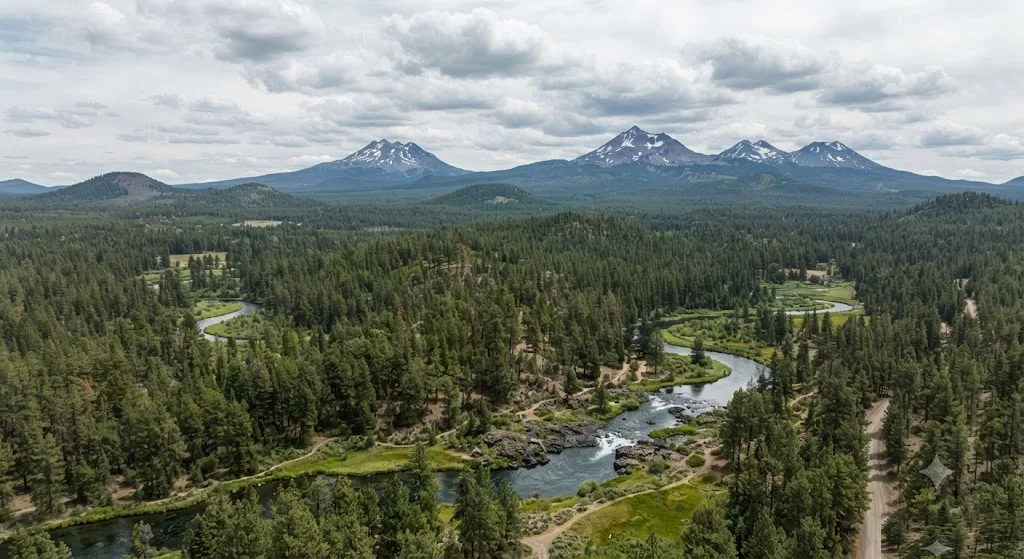
Deschutes National Forest Travel Guide — Oregon
Welcome to the heart of Central Oregon’s outdoor playground! Our team at Roam States has meticulously explored the vast and varied landscapes of Deschutes National Forest Oregon to bring you this definitive guide. Forget generic travel fluff; we're here to equip you with confident, specific, and actionable advice for an unforgettable adventure through volcanic monuments, ancient lava tubes, and thrilling whitewater rivers. This guide is your essential companion for navigating the 1.6 million acres of pristine wilderness, ensuring you experience the very best of what this incredible destination has to offer.
Why Visit Deschutes National Forest
Deschutes National Forest is more than just a forest; it's a diverse tapestry of natural wonders that captivates every visitor. We believe it's a must-visit for its unparalleled access to the Cascade Mountains, high desert landscapes, and a unique volcanic history. Imagine towering peaks reflecting in crystal-clear alpine lakes, ancient lava flows shaping dramatic terrain, and the Deschutes River carving its way through the wilderness, offering endless opportunities for recreation. It’s a place where you can truly disconnect and immerse yourself in nature's grandeur, whether you're seeking serene solitude or adrenaline-pumping activities. From the distinct geological formations of Newberry National Volcanic Monument to the tranquil beauty of its countless lakes, the forest provides a stunning backdrop for any adventure. Unlike national parks, Deschutes National Forest, managed by the U.S. Forest Service, often allows for a broader range of activities, including dispersed camping and dogs on most trails, offering a different kind of freedom for outdoor enthusiasts.
Who It's Best For
Deschutes National Forest caters to a wide spectrum of travelers, making it an ideal destination for families, solo adventurers, couples, and groups alike. If you're an outdoor enthusiast, this is your paradise. Hikers will find trails ranging from easy strolls to challenging alpine ascents. Paddlers can explore serene lakes or tackle whitewater rapids on the Deschutes River. Mountain bikers have access to extensive trail networks, and anglers will discover abundant fishing opportunities. Families with children will appreciate the accessible interpretive sites, like the Lava Lands Visitor Center, and kid-friendly activities. Those seeking a more relaxed escape can enjoy scenic drives, wildlife viewing, and picnicking by the lakeshores. In winter, the forest transforms into a wonderland for snow sports enthusiasts, with opportunities for skiing, snowboarding, snowshoeing, and snowmobiling, particularly around Mt. Bachelor. Essentially, if you love the outdoors and seek a blend of adventure and natural beauty, Deschutes National Forest is for you.
Getting There & Parking
Accessing Deschutes National Forest is straightforward, with Bend, Oregon, serving as the primary gateway. The closest major airport is Redmond Municipal Airport (RDM), about a 20-minute drive north of Bend. From Bend, various forest access points are easily reachable by car. The drive from Portland is approximately three hours and is quite scenic, passing Mount Hood.
Parking and Permits:
While there is no general entrance fee for Deschutes National Forest itself, many developed trailheads, day-use sites, and recreation areas do require a fee or a pass. We strongly recommend being prepared with the appropriate permits to avoid fines and ensure a smooth visit.
- Northwest Forest Pass: This pass is required at many trailheads and lake access points, particularly along the Cascade Lakes Scenic Byway, and when visiting Newberry National Volcanic Monument during non-winter months. A day pass costs $5, while an annual pass is $30. These can be purchased at Forest Service offices, local vendors like REI or Bi-Mart, or online via Recreation.gov.
- America the Beautiful Pass: If you hold an America the Beautiful or Senior Lifetime Pass, you are generally covered for these fees.
- Sno-Park Permit: From November 1 to April 30, a Sno-Park permit is required for parking at any of Bend's Sno-Parks for winter activities like snowshoeing, Nordic skiing, or sledding.
- Lava River Cave: For visiting the popular Lava River Cave, timed reservation tickets are required to secure your parking timeslot. These can be reserved in advance, including same-day arrivals if available, via Recreation.gov.
- Wilderness Permits: For certain popular wilderness areas, specifically the Three Sisters, Mt. Jefferson, and Mt. Washington Wildernesses, permits are required for all overnight use and at 19 specific trailheads for day use between June 15th and October 15th. Day-use permits for these specific trailheads are released daily at 7:00 AM PDT in a 10 and 2-day rolling window in advance of the hiking date. Overnight permits are available for reservation starting the first Tuesday in April. These permits are non-transferable and can be reserved through Recreation.gov. For day-use on the 60 trails in these wildernesses that do *not* require a reserved permit, visitors will need to obtain a free self-issued permit at the trailhead.
- Parking Restrictions: At popular spots like Tumalo Falls, there is a 27-foot vehicle length limit due to very limited parking and high use. Parking areas often fill early, especially on busy days, so pay close attention to "NO PARKING" signs.
Always check the official Deschutes National Forest website or local ranger district offices for the most current information on closures, road conditions, and permit requirements before your trip. As of May 7, 2026, the Cascade Lakes Highway and Paulina Lake Road are open.
Top Things to Do
The sheer variety of things to do at Deschutes National Forest is astounding. Our team has curated the absolute best experiences to ensure your visit is packed with adventure and natural beauty.
- Drive the Cascade Lakes Scenic Byway: This iconic route is a must-do, offering breathtaking views of volcanic peaks, alpine lakes, and dense forests. The byway takes you through the heart of Deschutes National Forest, past Mount Bachelor, Broken Top, and the Three Sisters. It’s perfect for scenic photography, picnicking, and accessing numerous trailheads and lake recreation areas. The upper stretch of the byway typically closes each winter but was open as of May 7, 2026.
- Explore Newberry National Volcanic Monument: This is a geological marvel within the forest, showcasing a rich volcanic history. Here, you can visit the Lava Lands Visitor Center, hike to the top of Lava Butte for panoramic views of lava fields, and explore the remarkable Lava River Cave. Remember that timed reservations are required for Lava River Cave parking.
- Paddle and Fish the Lakes and Rivers: Deschutes National Forest is dotted with shimmering lakes and intersected by the Deschutes River, providing abundant opportunities for water activities. Kayak on Sparks Lake, a favorite for its shallow waters and stunning reflections of the Cascades. Enjoy fishing, boating, or stand-up paddleboarding on lakes like Cultus Lake, Elk Lake, or Crane Prairie Reservoir. Whitewater rafting and half-day trips are also available on sections of the Deschutes River.
- Visit Tumalo Falls: Just a short drive from Bend, Tumalo Falls is a spectacular 89-foot waterfall easily accessible from a nearby parking lot. It's a fantastic spot for nature photography and offers access to various hiking and mountain biking trails. Note the 27-foot vehicle length limit for parking and the "day use only" restriction.
- Experience Mt. Bachelor: This popular and iconic spot in Deschutes National Forest is a year-round playground. In winter, it's a prime destination for skiing and snowboarding. During summer, enjoy scenic chairlift rides, hiking, and mountain biking on its slopes.
- Discover Lava Tubes: Beyond Lava River Cave, the forest holds other fascinating lava tubes. While some, like Boyd Cave and Hidden Forest Cave, are currently closed as part of a restoration project (effective May 1, 2025, for at least a year), the Skylight Cave is particularly renowned for its "skylights" – three holes in the ceiling that, when the sun's rays hit at the right angle (typically June to September, around 10 AM), create a magical cathedral-like effect.
- Horse Riding and Camping: The forest offers numerous horse camps and abundant horse riding trails for equestrian enthusiasts.
These are just a few of the many things to do at Deschutes National Forest, promising endless outdoor adventure.
Deschutes National Forest Hiking Trails
The network of Deschutes National Forest hiking trails offers something for every skill level, from leisurely walks to strenuous backcountry expeditions. We've explored many of them and can confidently say the views and experiences are consistently rewarding.
- Three Sisters Wilderness: This wilderness area, partly within the forest, boasts some of Oregon's best alpine hiking. Popular routes lead to the Green Lakes basin and high meadows beneath the volcanic peaks. Remember that a limited-entry permit system is in place for popular trails in the Three Sisters Wilderness during summer (June 15th to October 15th), so reserving ahead on Recreation.gov is crucial.
- Tumalo Falls Trails: Beyond viewing the falls, the area offers excellent hiking opportunities. The North Fork Trail, for instance, provides an uphill-only route for mountain bikes, but is also a scenic hike.
- Lava Butte Trail: A short but rewarding hike to the top of Lava Butte provides spectacular panoramic views of the surrounding lava flows and the Cascade Range.
- Phil's Trailhead: Located near Bend, Phil's Trailhead is a renowned spot for mountain biking, but also offers trails suitable for hiking through old-growth forests.
- Metolius Preserve: The Deschutes Land Trust offers guided plant hikes and kids' butterfly walks at the Metolius Preserve, offering easy, family-friendly trails with minimal elevation gain.
- Shevlin Park: While technically a city park in Bend, Shevlin Park features old-growth forests and Tumalo Creek, with a network of trails up to six miles long, perfect for walking, hiking, or biking.
When planning your excursions on Deschutes National Forest hiking trails, always carry plenty of water, check fire restrictions, and pack layers due to rapid weather changes. A detailed map and compass are also highly recommended. Be aware that some high-elevation trails and roads can be closed during spring due to lingering ice and snow, and some trails may remain snow-covered into late June. Always check current conditions and closures before heading out.
Best Time to Visit
Deciding the best time to visit Deschutes National Forest depends entirely on the type of adventure you seek. We've experienced the forest in all seasons, and each offers a unique charm.
- Summer (July – September): This is peak season and, in our opinion, the absolute best time for most visitors. The snow clears from the high country, the Cascade Lakes Byway is fully open, and warm, dry days are ideal for hiking, paddling, and camping. All hiking trails, lakes, and mountain passes are generally accessible, offering an outstanding experience for outdoor activities. However, be prepared for crowds and remember that a Northwest Forest Pass or America the Beautiful Pass is required at many trailheads during this time. Wildfire risks are also higher in summer, so always check for fire restrictions and closures.
- Fall (October – November): Fall brings thinning crowds and stunning golden larch and tamarack foliage, offering a quieter, picturesque experience. It's an excellent time for climbing, mountain biking, and hiking with more moderate temperatures.
- Winter (December – April): The forest transforms into a snow-sports paradise. Mt. Bachelor becomes a hub for skiing and snowboarding, and miles of Nordic and snowshoe trails open up. Snowshoeing tours, including moonlit options, are popular. Remember that Sno-Park permits are required for parking at winter recreation sites.
- Spring (May – June): This is a transition season. While waterfalls are often at their peak due to melting ice, some high-elevation trails and roads may still be closed due to snow and mud. Wildflowers begin to bloom, but manage your expectations for early-season hiking in the higher elevations.
Ultimately, Bend and the surrounding Deschutes National Forest are fantastic any time of year, with over 300 days of sunshine annually. Just tailor your activities to the season and always check current conditions before you go.
Where to Stay Nearby
While Deschutes National Forest camping is a popular option, we understand that not everyone wants to rough it. The good news is that there are excellent lodging choices both within and just outside the forest boundaries, catering to various preferences and budgets.
Hotels and Resorts:
The city of Bend serves as an excellent basecamp for exploring the forest, offering a wide array of hotels, restaurants, and amenities. Some top-rated resorts and lodges near Deschutes National Forest include:
- Seventh Mountain Resort: An adventure spot offering heated pools, rafting, and ice skating facilities, ideal for family vacations.
- Tetherow Resort: For those seeking luxury, this resort provides top-notch amenities like an 18-hole golf course, outstanding dining, and modern rooms.
- Riverhouse Lodge: Located near the Deschutes River, it offers luxurious rooms, amazing dining options, and beautiful scenic views.
- Sunriver Resort: Just 20 minutes south of Bend, Sunriver is an outdoor playground with golf courses, paved biking trails, and options for canoeing, kayaking, or tubing on the Deschutes River.
Deschutes National Forest Camping:
For those who prefer to sleep under the stars, Deschutes National Forest camping offers abundant opportunities, from developed campgrounds to dispersed camping. Many campgrounds operate on a first-come, first-served basis, but for popular spots, we highly recommend making reservations up to six months in advance through Recreation.gov.
- Developed Campgrounds: The forest features numerous developed campgrounds, often equipped with fire pits, picnic tables, restrooms, and sometimes drinking water. Popular options include Crescent Lake Campground (which also has yurts available for reservation), Crane Prairie Campground, Little Lava Lake Campground, East Lake Campground, and Paulina Lake Campground. Single campsites at Crescent Lake Campground are $27/night, premium sites are $29/night, and yurts are $64/night, with an additional vehicle fee of $10.
- Dispersed Camping: Deschutes National Forest allows dispersed camping in many areas, offering a more rustic and secluded experience. Always follow Leave No Trace principles, pack out everything you pack in, and check for current fire restrictions.
- LaPine State Park Campground: Situated just south of Deschutes National Forest, LaPine State Park is an excellent base camp for exploring both Newberry Volcanic National Monument and the Cascade Lakes area, offering a good alternative to forest campgrounds.
Remember that wilderness permits are required for camping in protected wilderness areas like the Three Sisters Wilderness.
Sample 2-Day Itinerary
To help you make the most of your visit to Deschutes National Forest, our team has crafted a sample 2-day itinerary, focusing on key attractions and activities.
Day 1: Volcanic Wonders & Scenic Drives
- Morning (9:00 AM - 1:00 PM): Newberry National Volcanic Monument. Start your day by immersing yourself in the unique volcanic landscape. Head to the Lava Lands Visitor Center to learn about the region's geological history. Then, hike to the top of Lava Butte for panoramic views of the lava flows and the distant Cascade peaks. Next, explore the fascinating Lava River Cave, a mile-long lava tube. Remember to secure your timed reservation ticket for Lava River Cave parking in advance via Recreation.gov.
- Lunch (1:00 PM - 2:00 PM): Picnic at Lava Butte. Pack a lunch to enjoy at one of the picnic areas near Lava Butte, taking in the unique scenery.
- Afternoon (2:00 PM - 6:00 PM): Cascade Lakes Scenic Byway. Embark on a scenic drive along a portion of the Cascade Lakes Scenic Byway. Stop at Sparks Lake for kayaking or simply to admire the stunning reflections of the Three Sisters and Broken Top mountains. Continue to other picturesque lakes like Elk Lake or Cultus Lake, enjoying short walks or simply soaking in the views.
- Evening: Dinner in Bend. Head back to Bend for a well-deserved dinner. Explore the vibrant culinary scene, perhaps sampling some of Bend's renowned craft breweries.
Day 2: Waterfalls, Hiking & River Adventures
- Morning (9:00 AM - 1:00 PM): Tumalo Falls Hike. Begin your day with a visit to Tumalo Falls. Enjoy the short walk to the main viewpoint for impressive photos of the 89-foot waterfall. For a more extended experience, explore some of the Deschutes National Forest hiking trails that branch off from the falls, such as the North Fork Trail.
- Lunch (1:00 PM - 2:00 PM): Riverside Picnic. Find a scenic spot along the Deschutes River for a picnic lunch.
- Afternoon (2:00 PM - 5:00 PM): Deschutes River Activity. Spend your afternoon on the Deschutes River. Depending on your preference and time of year, you could opt for a guided flatwater kayaking tour, a half-day whitewater rafting trip, or simply float down a calmer section of the river near Bend.
- Late Afternoon/Evening: Explore Bend or Relax. Use the late afternoon to explore Bend's Old Mill District, visit the High Desert Museum, or simply relax at your accommodation.
This itinerary provides a robust introduction to Deschutes National Forest, but remember to adjust it based on your interests, fitness level, and current seasonal conditions. Always check for permits and closures before embarking on any activity.
Frequently Asked Questions (FAQ)
What are some things to do in Bend?
Bend, Oregon, is a vibrant hub for outdoor activities and urban delights, making it a perfect complement to a visit to Deschutes National Forest. Our team recommends floating down the Deschutes River, exploring the numerous craft breweries on the Bend Ale Trail, or mountain biking at Phil's Trailhead. You can also visit Shevlin Park for hiking, explore the Old Mill District for shopping and dining, or catch a show at the Hayden Homes Amphitheater. For a unique experience, consider a guided lava tube cave tour or a kayak tour on the Cascade Lakes.
Is Deschutes National Forest good with kids?
Absolutely! Deschutes National Forest is a fantastic destination for families with kids, offering a wide range of engaging activities. Children can learn about volcanic history at the Lava Lands Visitor Center, explore the Lava River Cave, or enjoy easy hikes like those at Tumalo Falls. Many lakes are perfect for swimming, paddling, and fishing, with some, like Shevlin Park, even having trout ponds reserved for minors. The Deschutes Land Trust also organizes kid-friendly nature walks, such as butterfly walks at the Metolius Preserve. Just remember to check for specific age or height restrictions for certain activities and always prioritize safety.
What are some Deschutes National Forest tips for visitors?
Our top Deschutes National Forest tips are designed to help you have a safe and enjoyable trip. Always carry plenty of water, as Oregon's high desert climate can lead to faster dehydration. Pack layers of clothing, as weather conditions can change rapidly. Before heading out, check current fire restrictions, road conditions, and seasonal closures, especially for high-elevation areas and the Cascade Lakes Byway. Obtain a detailed map of the forest and carry a compass or GPS device. Book accommodations and popular camping spots in advance, particularly during peak summer season. Finally, familiarize yourself with and practice Leave No Trace principles to help preserve this beautiful natural resource.
What are the Deschutes National Forest parking requirements?
Parking in Deschutes National Forest often requires a permit or day-use fee, although there is no general entrance fee for the forest itself. For many trailheads and lake access points, especially along the Cascade Lakes Scenic Byway and at Newberry National Volcanic Monument, you'll need a Northwest Forest Pass ($5/day or $30/annual) or an America the Beautiful Pass. During winter (November 1 - April 30), a Sno-Park permit is necessary for parking at Sno-Parks. For popular attractions like Lava River Cave, timed reservation tickets are required for parking. Additionally, specific wilderness areas (Three Sisters, Mt. Jefferson, Mt. Washington) require day-use or overnight permits for certain trailheads, which must be reserved via Recreation.gov. Always check the specific requirements for your planned destination, as fines for trespassing or improper parking can be substantial.
What is the best time to visit Deschutes National Forest?
The best time to visit Deschutes National Forest is generally during the summer months, from July through September. During this period, the weather is warm and dry, all high-elevation trails and roads are typically open, and conditions are ideal for hiking, camping, and water activities like boating and fishing. However, this is also the busiest time, so expect more crowds and plan to book accommodations and permits well in advance. For those interested in winter sports, December through April offers excellent opportunities for skiing, snowboarding, and snowshoeing. Spring and fall provide quieter experiences with unique seasonal beauty, though some access may be limited by snow or mud.
What are the Deschutes National Forest hours and fees?
Deschutes National Forest itself is generally open 24/7, though access to certain areas, roads, and facilities is seasonal. For example, the Cascade Lakes Highway and Paulina Lake Road are typically open by early May. Many ranger district offices, such as the Bend-Fort Rock Ranger District and Crescent Ranger District, operate Monday-Friday from 8:00 AM to 4:30 PM, closed on federal holidays. Lava Lands Visitor Center and Lava River Cave are open seasonally, with Lava River Cave tours running from May 1 to September 15. There is no overall entrance fee for the forest. However, many specific recreation sites, trailheads, and campgrounds require a fee or a pass. A Northwest Forest Pass costs $5 for a day or $30 for an annual pass. Day-use fees at individual sites like Tumalo Falls are $5 per vehicle. Camping fees vary by campground, with single campsites at Crescent Lake Campground costing $27/night, premium sites $29/night, and yurts $64/night. Wilderness permits for specific areas also have reservation fees, such as $6.00 for overnight permits. Always check Recreation.gov or the official Forest Service website for the most up-to-date hours, fees, and reservation requirements for specific locations and activities.
We hope this comprehensive guide inspires your journey to Deschutes National Forest. This remarkable corner of Oregon promises adventure, tranquility, and unforgettable memories. From volcanic landscapes to pristine waters, the forest truly offers something for everyone. So pack your bags, prepare for adventure, and discover the magic of Central Oregon with the Roam States team.
Last updated: 2026-07-08 by the Roam States team.