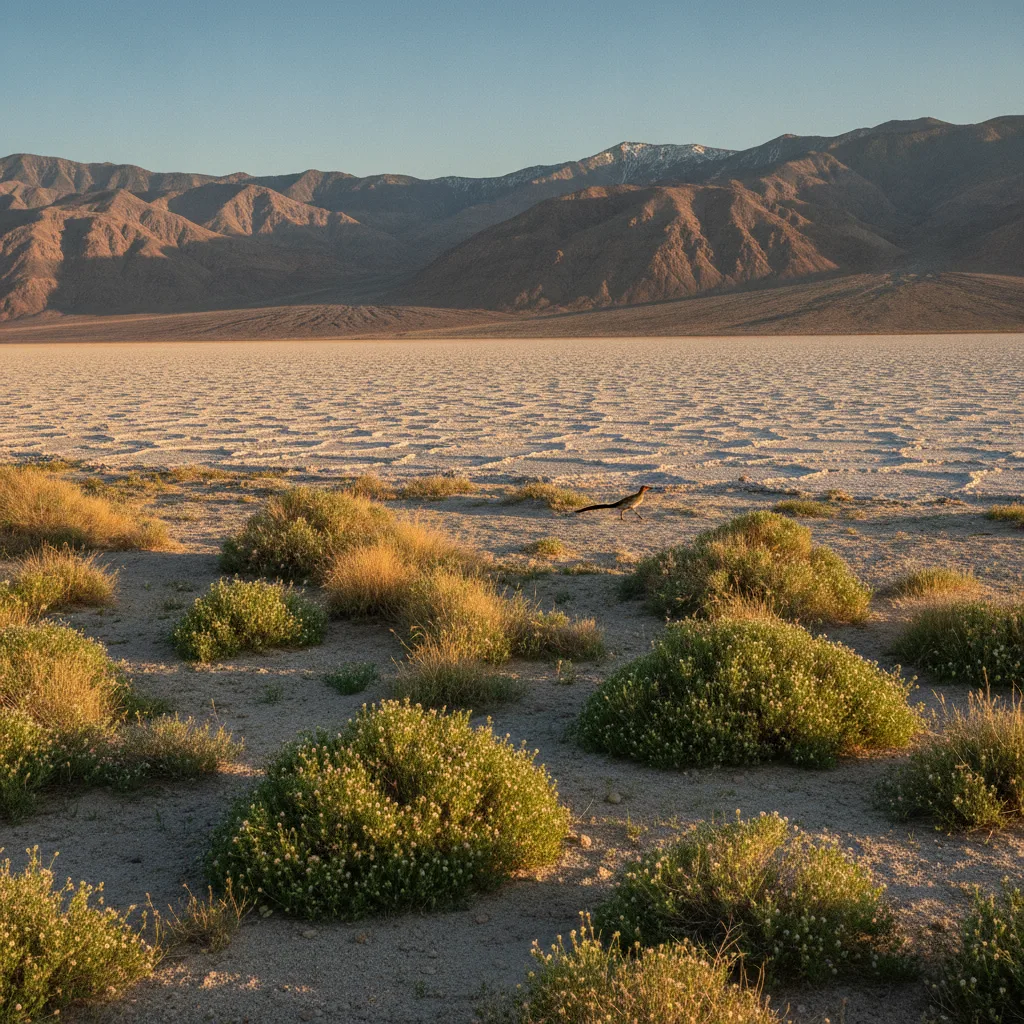
We've compiled this essential guide to help you navigate the vast, otherworldly landscapes of this incredible destination. Death Valley National Park California is a place of extremes, where towering peaks meet salt-crusted basins, and vibrant wildflowers can emerge from a parched desert floor. Our team believes a visit here is unlike any other national park experience, offering a profound sense of solitude and wonder.
Why Visit Death Valley National Park
Death Valley National Park is a land of superlatives, boasting the lowest elevation in North America at Badwater Basin (282 feet below sea level) and some of the hottest recorded temperatures on Earth. Yet, this extreme environment is also home to incredible diversity, from snow-capped peaks to rare rainstorms that trigger spectacular wildflower superblooms, as seen in 2026. We find the stark contrasts truly captivating: vast salt flats, colorful badlands, and impressive sand dunes create a landscape that feels truly alien. It’s a place where you can witness breathtaking sunrises and sunsets, and experience some of the darkest night skies in the contiguous United States.
Who It's Best For
Death Valley National Park is ideal for adventurers, photographers, and anyone seeking a profound connection with nature's raw power. It's a fantastic destination for road trippers, especially those coming from nearby urban hubs like Las Vegas or Los Angeles, looking to trade city lights for unparalleled natural beauty. Families with older children will appreciate the accessible viewpoints and short, engaging hikes. Backcountry enthusiasts will find endless opportunities for exploration, from challenging hikes to remote camping. However, due to extreme summer temperatures, we advise against visiting between June and August unless you are an experienced desert traveler.
How to Get There
Reaching Death Valley National Park requires driving, as it's situated in a remote part of the Mojave Desert. The park is open 24 hours a day, year-round, allowing flexible travel plans.
- From Las Vegas: The drive from Las Vegas to Death Valley is approximately 120-150 miles and takes about 2 to 2.5 hours. You can take US-95 North towards Beatty, NV, then cut through NV-373, or take CA-190 through Pahrump, NV. This is generally the most convenient airport for flying into the region.
- From Los Angeles: The journey from Los Angeles to Death Valley National Park covers about 215-290 miles and typically takes 4 to 5 hours, depending on traffic and your specific route. Common routes include CA-14 to US-395 and then CA-190 East, or I-10 to I-15 North to Baker, then CA-127 to CA-190 East.
- From San Francisco: A drive from San Francisco to Death Valley National Park is a longer commitment, around 458-495 miles, taking approximately 8 to 9.5 hours. We recommend breaking up this drive with an overnight stop, perhaps at Yosemite National Park, which is about 3 hours from San Francisco.
Regardless of your starting point, we strongly advise filling your gas tank before entering the park, as gas stations are scarce within Death Valley, and distances can be deceptive. Parking is generally available at popular viewpoints and trailheads, but lots can fill quickly, especially at sunrise spots like Zabriskie Point.
Top Things to Do
When planning things to do at Death Valley National Park, prepare for diverse experiences, from surreal landscapes to challenging hikes. Here are some of our team's top recommendations:
- Badwater Basin: Stand at the lowest point in North America, 282 feet below sea level, and marvel at the expansive salt flats. It's a truly unique experience.
- Zabriskie Point: Witness one of the most iconic views in the park, especially at sunrise or sunset, as the eroded badlands glow in golden hues. Arrive early for parking, particularly for sunrise.
- Artist's Drive & Artist's Palette: Drive this scenic one-way loop through volcanic hills painted in vibrant shades of pink, green, and purple, a result of oxidized metals. Artist's Palette is a highlight for photographers.
- Mesquite Flat Sand Dunes: Explore the vast, shifting golden dunes near Stovepipe Wells. These are easily accessible and offer fantastic opportunities for photography, especially in the early morning or late afternoon.
- Dante's View: Ascend to this incredible overlook for a panoramic vista of the entire Death Valley basin, including Badwater Basin, from over 5,000 feet above.
- Devil's Golf Course: Observe the jagged, salt-encrusted landscape, so rough that "only the devil could play golf on it".
- Furnace Creek Visitor Center: A must-stop for planning your visit, gathering information, and watching an informative 20-minute film about the park. It's open daily from 8 AM to 5 PM.
- Scotty's Castle: This historic mansion, currently undergoing repairs from flood damage, has reopened for limited tours in 2026, offering a glimpse into the park's unique past.
Beyond these highlights, there are countless other things to do at Death Valley National Park, including ranger programs, stargazing, and exploring backcountry roads.
Death Valley National Park Hiking Trails
Exploring Death Valley National Park hiking trails offers an intimate perspective of its diverse landscapes. While the park is known for extreme temperatures, many trails are accessible and rewarding, especially during cooler months. Remember to carry ample water and inform someone of your itinerary.
- Golden Canyon Trail: A popular 3-mile round-trip trail that winds through narrow canyon walls, showcasing striking red, gold, and ochre stripes, culminating at the Red Cathedral formation.
- Mosaic Canyon Trail: Located near Stovepipe Wells, this trail features polished marble canyon walls, narrow slots, and dry falls. It's a moderate hike that offers a unique geological experience.
- Badwater Basin Salt Flat Walk: While not a traditional "hike," walking out onto the vast salt flats is an essential experience. You can walk for as long or as short as you like, immersing yourself in the surreal landscape.
- Mesquite Flat Sand Dunes: Wander freely among the dunes. There are no marked trails here, allowing you to create your own adventure and find solitude.
- Telescope Peak Trail: For experienced and well-prepared hikers, the trail to Telescope Peak (11,049 feet) offers a strenuous challenge and panoramic views. This is typically a spring-to-fall hike, as the peak can be snow-covered in winter.
When embarking on Death Valley National Park hiking trails, always check current conditions at the Furnace Creek Visitor Center, as flash floods or extreme heat can impact trail safety.
Death Valley National Park Camping
Death Valley National Park camping provides an unparalleled opportunity to immerse yourself in the desert environment and experience its incredible night skies. The park offers a mix of developed and primitive campgrounds, though many are seasonal due to the extreme summer heat.
- Furnace Creek Campground: This is the only National Park Service (NPS) campground in Death Valley that accepts reservations for the peak season (October 15 to April 15). Reservations are highly recommended and can be made up to six months in advance via recreation.gov. It offers both dry RV/tent sites ($30/night) and 18 full hookup RV sites ($44/night, plus a $14 utility fee). Note that EV charging is not supported at these hookup sites. During the off-season (late April through early October), it operates on a first-come, first-served basis with reduced sites.
- Stovepipe Wells Campground: This NPS campground is typically first-come, first-served and offers tent and RV sites for around $18 per night. It's a good option during busy periods if Furnace Creek is full. Additionally, Stovepipe Wells Village offers a private RV Park with full hookups.
- Other NPS Campgrounds: Campgrounds like Texas Spring, Sunset, Mesquite Spring, and Wildrose are generally first-come, first-served. Emigrant Campground, a tent-only site, has been closed since late August 2025 due to flood damage with no estimated repair date. Fees for developed campgrounds range from $14 to $36 per night. Some primitive campgrounds, like Wildrose, are free but offer limited facilities.
Backcountry camping is also permitted and free but requires a permit. Always check the NPS website for the latest information on Death Valley National Park camping availability and closures before your trip.
Best Time to Visit
The best time to visit Death Valley National Park is from late fall through early spring (October to April). During these months, temperatures are much more moderate, making outdoor activities like hiking and sightseeing enjoyable. Spring, particularly March through May, is especially popular for its comfortable temperatures and the chance to witness rare wildflower superblooms, as seen in 2026. We recommend visiting in the cooler months to fully appreciate the park's offerings.
We strongly advise against visiting between June and August due to extreme and dangerous heat, with temperatures regularly exceeding 110°F (43°C). While the park is open 24/7, many facilities reduce hours or close during the hottest part of the year.
Where to Stay Nearby
While Death Valley National Park is remote, there are several lodging options both inside and just outside its boundaries. Our team recommends booking well in advance, especially during peak season.
- Inside the Park:
- The Oasis at Death Valley (Furnace Creek): This includes The Inn at Death Valley (a historic, upscale resort) and The Ranch at Death Valley (a more family-friendly option). Both offer amenities like restaurants, pools, and gas stations. The Inn has EV chargers.
- Stovepipe Wells Village: Offers comfortable, recently renovated rooms, a restaurant, saloon, gift shop, and a 24-hour gas station. It also has an outdoor swimming pool open year-round. Limited Wi-Fi is available, with faster speeds in common areas.
- Panamint Springs Resort: A privately owned resort on the western edge of the park, offering lodging, camping, a restaurant, and a gas station.
- Outside the Park: Towns like Beatty and Pahrump in Nevada, or Lone Pine in California, offer additional lodging choices and are within a reasonable driving distance to park entrances.
Sample 2-Day Itinerary
To truly experience the highlights of Death Valley National Park, we recommend a minimum of two days. This sample itinerary focuses on key attractions, allowing for breathtaking sunrises, unique geological formations, and memorable desert landscapes.
Day 1: Southern Wonders & Iconic Views
- Morning (Sunrise): Start your day at Zabriskie Point to witness an unforgettable desert sunrise. Arrive 30 minutes before sunrise for the best experience and parking.
- Late Morning: Explore Golden Canyon, a moderate hike through colorful badlands.
- Lunch: Head to Furnace Creek for lunch at one of the resorts or the visitor center area.
- Afternoon: Visit Badwater Basin, the lowest point in North America. Walk out onto the salt flats and take in the vastness. Continue to Devil's Golf Course for its unique, rugged terrain.
- Late Afternoon: Drive Artist's Drive, stopping at Artist's Palette to admire the vibrant mineral-stained hills.
- Evening: Enjoy dinner at Furnace Creek. Consider a ranger program or stargazing if available.
Day 2: Northern Dunes & Panoramic Vistas
- Morning (Sunrise): Head to Mesquite Flat Sand Dunes near Stovepipe Wells for a different kind of desert sunrise experience.
- Late Morning: Hike a portion of Mosaic Canyon, appreciating the polished slot canyon walls.
- Lunch: Grab a bite at Stovepipe Wells Village.
- Afternoon: Drive to Dante's View for a sweeping panoramic view of Death Valley, a perfect way to grasp the immense scale of the park.
- Late Afternoon: If time and conditions permit, explore the area around Scotty's Castle (check for tour availability and reservations).
- Evening: Depart the park or enjoy a final night of stargazing.
This itinerary is flexible and can be adjusted based on your interests and the time of year. Always check current road and weather conditions, especially for unpaved roads.
Is It Worth Visiting?
We unequivocally say, "Yes, Death Valley National Park is worth visiting!" This park offers a truly unique and unforgettable experience that stands apart from other national parks. It's a place of stark, raw beauty that challenges perceptions and rewards those who venture into its depths. From the lowest point in North America to towering peaks, and from vast salt flats to vibrant badlands, the sheer scale and diversity of landscapes are astounding.
For those seeking solitude, dramatic scenery, and an escape from the ordinary, Death Valley National Park provides an unparalleled opportunity. The chance to witness a superbloom in spring, explore ancient geological formations, or simply gaze at a sky full of stars makes it an essential stop on any California adventure. Our team believes that despite its intimidating name, the park offers a profound connection to nature's resilience and grandeur.
FAQ Longtails
What are things to do in Mojave Desert?
The Mojave Desert, which encompasses Death Valley National Park, offers a wide array of activities beyond the park's boundaries. You can explore other national preserves like the Mojave National Preserve, known for its Joshua tree forests and cinder cones. Off-roading, stargazing, and visiting ghost towns are popular pursuits. The desert is also home to unique flora and fauna, making it excellent for wildlife viewing and photography. Remember to always practice Leave No Trace principles when exploring this fragile ecosystem.
Is Death Valley National Park with kids a good idea?
Yes, Death Valley National Park can be a fantastic destination for families with kids, especially during the cooler months (October to April). Many of the park's iconic sights, like Badwater Basin, Zabriskie Point, and Mesquite Flat Sand Dunes, are easily accessible with short walks or paved paths. Kids will love exploring the sand dunes and marveling at the colorful Artist's Palette. Ranger programs often cater to younger visitors, and the Junior Ranger program is a great way to engage them. Always prioritize safety by staying hydrated, avoiding the midday heat, and choosing age-appropriate activities.
What are some Death Valley National Park tips for visitors?
Our top Death Valley National Park tips include: 1) Visit during the cooler months (October-April) to avoid extreme heat. 2) Carry plenty of water—at least one gallon per person per day—and extra for your vehicle. 3) Fill up your gas tank before entering the park, as gas is scarce and expensive inside. 4) Check current road and weather conditions, especially for backcountry roads, at the Furnace Creek Visitor Center. 5) Dress in layers, wear sun protection, and sturdy shoes. 6) Plan your activities for early mornings and late afternoons to avoid the hottest parts of the day. 7) Be aware that cell service is limited or non-existent in many areas of the park.
What are the rules for Death Valley National Park parking?
Death Valley National Park parking is generally available at popular viewpoints, visitor centers, and trailheads. There are no specific parking fees beyond the park entrance fee. However, parking lots at popular spots like Zabriskie Point can fill up quickly, especially around sunrise and sunset, so arriving early is often necessary. Always park in designated areas and avoid parking off-road, which can damage fragile desert ecosystems. Overnight parking rules apply for campgrounds and backcountry permits.
What is the best time to visit Death Valley National Park?
The best time to visit Death Valley National Park is between October and April when temperatures are much milder and more conducive to exploration. Spring (March to May) is particularly popular due to comfortable weather and the potential for spectacular wildflower blooms, as seen in 2026. We advise against visiting in the summer (June-August) when temperatures can be dangerously high, regularly exceeding 110°F (43°C).
What are the Death Valley National Park hours and fees?
Death Valley National Park is open 24 hours a day, year-round, allowing visitors to enter or exit at any time. The Furnace Creek Visitor Center is typically open daily from 8 AM to 5 PM.
As of 2026, the standard entrance fee for a private vehicle is $30, valid for seven days. A motorcycle pass is $25, and an individual entering on foot or bicycle is $15. The park has gone cashless for entrance fees. If you plan to visit multiple national parks, consider purchasing the America the Beautiful Pass. For U.S. residents, this pass costs $80, while for non-U.S. residents, it will be $250 as of January 1, 2026.
Our team at Visit America has explored the vast expanse of Death Valley National Park, and we can confidently say it's a destination that leaves an indelible mark. Its extremes are its greatest charm, offering unparalleled geological wonders and a profound sense of isolation. We encourage every traveler to add this Californian marvel to their itinerary, perhaps as part of a grander California road trip that might also include iconic spots like the Golden Gate Bridge or the majestic Yosemite National Park. Plan wisely, respect the desert, and prepare for an adventure you won't soon forget.
Last updated: 2026-07-05 by the Visit America team.