Our Dolly Sods Wilderness guide covers practical planning for Dolly Sods Wilderness West Virginia — best time to visit, getting there, and what to do on the ground.
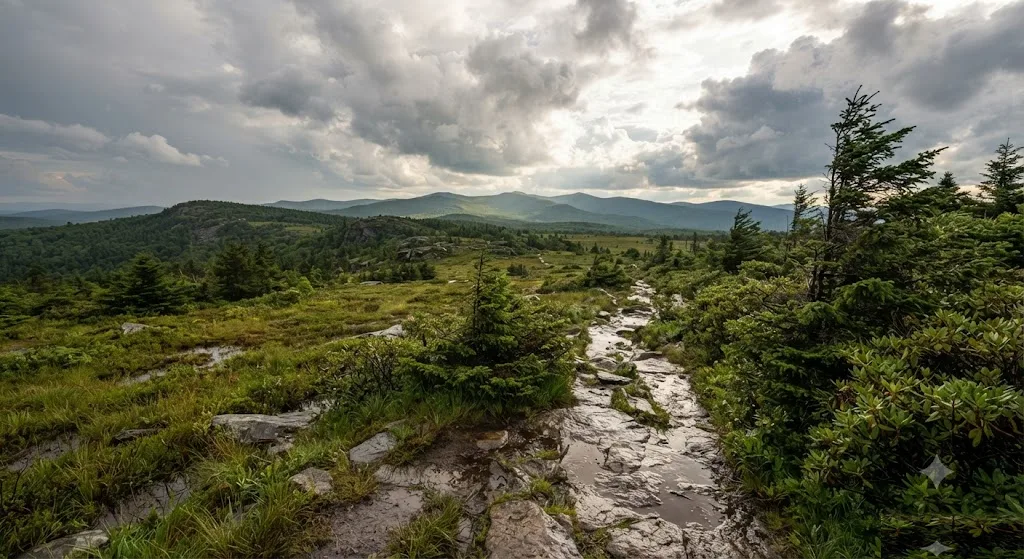
Welcome to the Dolly Sods Wilderness West Virginia, a truly exceptional corner of the Appalachian Mountains that feels more like a slice of northern Canada than the Mountain State. Our team at Roam States has explored countless landscapes across the US, and we can confidently say that Dolly Sods stands out. This high-altitude plateau, part of the Monongahela National Forest, captivates with its windswept plains, sphagnum bogs, and stunted red spruce trees, creating an ecosystem unlike anything else in the eastern United States. It's a premier destination for those seeking rugged beauty, challenging hikes, and unparalleled opportunities for backpacking and birdwatching.
Why Visit Dolly Sods Wilderness
If you're wondering, "is Dolly Sods Wilderness worth visiting?", our answer is an unequivocal yes. This wilderness area offers a profound escape into a unique natural environment. Spanning 17,371 acres across Grant, Randolph, and Tucker Counties, Dolly Sods boasts elevations ranging from 2,500 to over 4,700 feet. This elevation creates a distinct climate that fosters plant life resembling that of northern Canada, complete with heath barrens, cranberry bogs, and "flagged" trees sculpted by the persistent winds.
The landscape is a photographer's dream, with sweeping vistas, rocky outcrops, and diverse plant communities that intrigue botanists. Beyond its visual appeal, Dolly Sods holds a rich history, from extensive logging in the 19th and early 20th centuries to its use as a military training ground during World War II. Today, it stands as a testament to nature's resilience, offering a raw, untamed wilderness experience. For those who appreciate wild, untrammeled spaces and seek an adventure that truly disconnects them from the everyday, is Dolly Sods Wilderness worth visiting? Absolutely. It's a place that leaves a lasting impression, prompting many to return year after year.
Who It's Best For
Dolly Sods Wilderness is ideal for experienced hikers and backpackers looking for a challenging, immersive wilderness experience. The terrain can be rugged, trails can be muddy, and weather conditions can change rapidly, even in summer. Those who embrace self-sufficiency and Leave No Trace principles will thrive here. Birdwatchers will find it particularly rewarding, especially in late summer and fall during bird banding season. Photographers, too, will be captivated by the unique scenery and expansive views. While some easy trails exist, families with very young children might find the overall conditions, including potential mud and stream crossings, more demanding than typical state parks. However, adventurous families who are well-prepared and enjoy a bit of ruggedness will find plenty to explore. It's also a fantastic destination for those seeking solitude, particularly during mid-week visits, though popular areas can get crowded on weekends.
Getting There & Parking
Accessing Dolly Sods Wilderness West Virginia primarily involves navigating unpaved forest roads. The best (and often only) way to get to Dolly Sods Wilderness is by car. The main access routes are Forest Road 19 (FR 19) and Forest Road 75 (FR 75). These roads are typically closed from January to early May due to winter weather, so always check current conditions before your trip.
As of June 22, 2026, Forest Road 19, a principal route to parts of Dolly Sods, is temporarily closed for repairs from the existing gate near Laneville to the intersection with Forest Road 75. While vehicle traffic is prohibited on this section, foot travel is still allowed. Visitors can still access Dolly Sods Wilderness via Jordan Run Road near Hopeville. This makes Petersburg the nearest full-service community for many travelers during the closure. From Petersburg, follow WV 28/55 south to Jordan Run Road, turn right, go one mile to FR 19, then turn left and follow FR 19 for six miles to the Dolly Sods Scenic Area. The wilderness is directly ahead at the intersection with FR 75.
Another access point, particularly for hikers and backpackers, is Forest Road 80 (FR 80) from Canaan Valley, at the end of Freeland Road off Route 32. For overnight parking at the FR 80 lot, a special use permit is required from the Canaan Valley National Wildlife Refuge. These permits are issued on a first-come, first-served basis, with a ten-vehicle limit, and can be denied due to significant snowfall. It's advisable to contact the Refuge at least four days prior to your visit to apply for a permit.
Parking areas are typically gravel and can fill up quickly, especially on weekends and during peak seasons. We recommend arriving early to secure a spot. Cell service is often nonexistent within the wilderness, so download maps and directions beforehand.
Top Things to Do
The Dolly Sods Wilderness West Virginia offers a wide array of activities for the outdoor enthusiast. Here are some of the top things to do at Dolly Sods Wilderness:
- Hiking and Backpacking: With over 47 miles of trails, the Dolly Sods Wilderness hiking trails cater to various skill levels, from easy walks to challenging multi-day loops. Many trails follow old railroad grades and logging roads, offering a glimpse into the area's past. Popular Dolly Sods Wilderness hiking trails include:
- Bear Rocks Trail: A favorite for first-time visitors, leading to stunning overlooks and expansive views. This is an easy to intermediate option known for wildflowers.
- Lion's Head via Red Creek and Big Stonecoal Trail: A moderate 3.7-mile route offering superb views. Lion's Head itself is a popular destination with several trails leading to it.
- Red Creek Trail: This 6.4-mile trail follows an old logging railroad grade along Red Creek, passing through meadows, forests, and sub-alpine terrain, featuring waterfalls and flowing creeks.
- Rohrbaugh Trail: Beginning at the Dolly Sods picnic area, this 3.6-mile trail features scenic views, beaver dams, and lush meadows.
- Blackbird Knob Trail: Offers scenes of waterfalls, swimming holes along Red Creek, and sweeping views from Rocky Ridge.
- Beaver Dam Trail: A shorter, easy 0.7-mile hike popular for nature walks and birding.
- Birdwatching: The unique ecosystem of Dolly Sods, resembling northern Canada, attracts a diverse array of bird species. Bird banding is performed in late summer and fall, offering a chance to observe migratory birds.
- Berry Picking: During mid-summer, the heath barrens are abundant with wild blueberries and huckleberries, making berry picking a popular activity. Cranberries can be found in wetter areas, typically ready for harvest in September.
- Photography: The dramatic landscapes, stunted trees, rocky outcrops, and vibrant seasonal foliage provide endless opportunities for stunning photographs.
- Stargazing: Away from light pollution, Dolly Sods offers incredible dark skies for stargazing.
Best Time to Visit
The best time to visit Dolly Sods Wilderness depends heavily on what kind of experience you're seeking, as each season offers its own unique charm and challenges.
- Spring (Late April to Early June): This is a magical time as nature awakens. Wildflowers, including mountain laurel and rhododendrons, burst into bloom, painting the landscape with vibrant colors. Snowmelt contributes to higher water levels in streams and waterfalls. Be prepared for muddy trails and unpredictable weather, as Dolly Sods averages about 12 rain days monthly during spring. Forest Roads 19 and 75 typically reopen in early May.
- Summer (June to August): Summer brings the warmest temperatures and generally the most open roads, making it ideal for hiking and backpacking. Huckleberry picking is popular in July. However, even in summer, temperatures can be significantly cooler than in nearby valleys, and dense fog, rain, and strong winds can develop with little warning. Expect crowds, especially on weekends.
- Fall (September to October): Many consider fall the absolute best time to visit Dolly Sods. The foliage display is breathtaking, with huckleberry bushes turning brilliant reds, oranges, and purples against the evergreen pines. The air is crisp, perfect for strenuous hikes, and bugs are less prevalent. Peak fall foliage typically occurs from late September to early October. Weekends can be extremely busy, so consider a mid-week trip if possible.
- Winter (November to March): Winter transforms Dolly Sods into a silent, snow-covered wonderland, offering unparalleled solitude for the brave. However, it's also the most challenging time to visit, with frigid temperatures, deep snow, and brutal winds. Forest Roads are not maintained and are closed from January to early May. This season is best for experienced winter campers and cross-country skiers equipped for extreme conditions.
Our team's expert verdict: For most visitors, late spring (late May/early June) or early fall (late September/early October) offer the best balance of accessible roads, favorable weather, and stunning natural beauty. Always check weather forecasts and road conditions immediately before your trip.
Where to Stay Nearby
While Dolly Sods Wilderness is primarily a backcountry destination, there are several towns and lodging options nearby for those seeking more comfort or a base for day trips. When considering Dolly Sods Wilderness lodging, remember that the area is remote, so don't expect extensive luxury resorts directly adjacent to the wilderness boundary.
- Davis & Thomas, West Virginia: These charming mountain towns are popular gateways to Dolly Sods, especially for visitors approaching from the north. They offer a range of accommodations, from cozy cabins and B&Bs to small hotels. You'll also find local restaurants and shops.
- Petersburg, West Virginia: Located southeast of the wilderness, Petersburg becomes a particularly convenient stopping point for those accessing Dolly Sods via Jordan Run Road, especially during the Forest Road 19 closure. It offers essential services like fuel, grocery stores, restaurants, and lodging.
- Canaan Valley: This area, home to Canaan Valley Resort State Park, provides a variety of lodging options, including the Inn at Canaan, which is family-friendly. It's a good choice for those who want resort amenities and proximity to other attractions like Blackwater Falls State Park.
- Harman's Luxury Log Cabins: Located nearby, these cabins offer one, two, three, and four-bedroom rentals, providing a comfortable home base for exploring Dolly Sods year-round.
- Red Creek Campground: This is the only established campground directly at Dolly Sods. It's primitive, with no electricity or water, and sites are first-come, first-served at $11 per night. It can fill up quickly on weekends.
- Backcountry Camping: For the full wilderness experience, backcountry camping is permitted throughout most of Dolly Sods Wilderness without a special permit or fees. However, strict Leave No Trace principles must be followed, including not camping within 200 feet of roads, streams, and trails, and not within 300 feet of Forest Roads 19 and 75 (except at Red Creek Campground). Groups larger than 10 people are prohibited. Bear canisters or proper food hanging are essential.
When planning your Dolly Sods Wilderness lodging, we recommend booking in advance, especially during peak seasons like fall foliage, as options can be limited in this remote region.
Sample 2-Day Itinerary
To truly experience the Dolly Sods Wilderness West Virginia, we recommend at least a two-day trip. This itinerary focuses on hiking and immersing yourself in the unique landscape:
Day 1: Arrival, Bear Rocks Overlook & Northern Sods Exploration
- Morning (Arrival & Bear Rocks): Arrive early in the Dolly Sods area. If approaching from the north, drive to the Bear Rocks Preserve parking area (note current FR 19 closures and use alternative routes if necessary). Take the short walk to the iconic Bear Rocks Overlook for panoramic views of the valley and Monongahela National Forest. This is an excellent spot to orient yourself and capture some stunning photographs.
- Late Morning/Afternoon (Hiking): Embark on a moderate hike. We suggest the Bear Rocks Trail to Raven Ridge Trail, which can be combined with parts of Dobbin Grade Trail for a 6.6-mile loop that showcases blueberry and huckleberry bushes, pine groves, and Red Creek crossings. Alternatively, consider the Bear Rocks, Raven Ridge, and Dobbin Grade Trail loop (5.7 miles) for a diverse experience. Be prepared for muddy sections and stream crossings.
- Evening (Camping): Head to a backcountry campsite. Popular areas can be found along trails like Bear Rocks Trail and Dobbin Grade Trail. Remember to set up camp at least 200 feet from roads, streams, and trails. Enjoy a wilderness dinner and stargazing under the dark skies.
Day 2: Southern Sods & Departure
- Morning (Southern Sods Hiking): After breakfast at your campsite, pack up and head towards the southern part of the wilderness. Drive to a trailhead like the one for Red Creek Trail (accessible via FR 19 near Laneville, if open, or alternative access). Hike a section of the Red Creek Trail, known for its waterfalls, flowing creeks, and diverse terrain. For a shorter, scenic option, consider the Rohrbaugh Trail from the Dolly Sods picnic area, offering views of beaver dams and meadows.
- Late Morning/Afternoon (Exploration & Departure): Depending on your hike length, you might have time for one more short exploration or a visit to a nearby attraction outside the wilderness. For example, nearby Blackwater Falls State Park offers easily accessible stunning waterfall views and is a great way to cap off your trip before heading home. Before departing the area, ensure you've packed out all trash and left no trace.
Important Considerations for Your Itinerary:
- Road Conditions: Always check the Monongahela National Forest website for current road closures, especially for FR 19 and FR 75.
- Weather: Dolly Sods weather is highly unpredictable. Pack layers for all conditions, including rain gear, even in summer.
- Navigation: Bring a physical map and compass, and know how to use them. Cell service is limited.
- Water: Potable water is not available. Carry enough water or a filter/purifier for natural sources.
- Bear Safety: This is bear country. Use bear canisters or hang food properly.
Last updated: 2026-07-08 by the Roam States team.