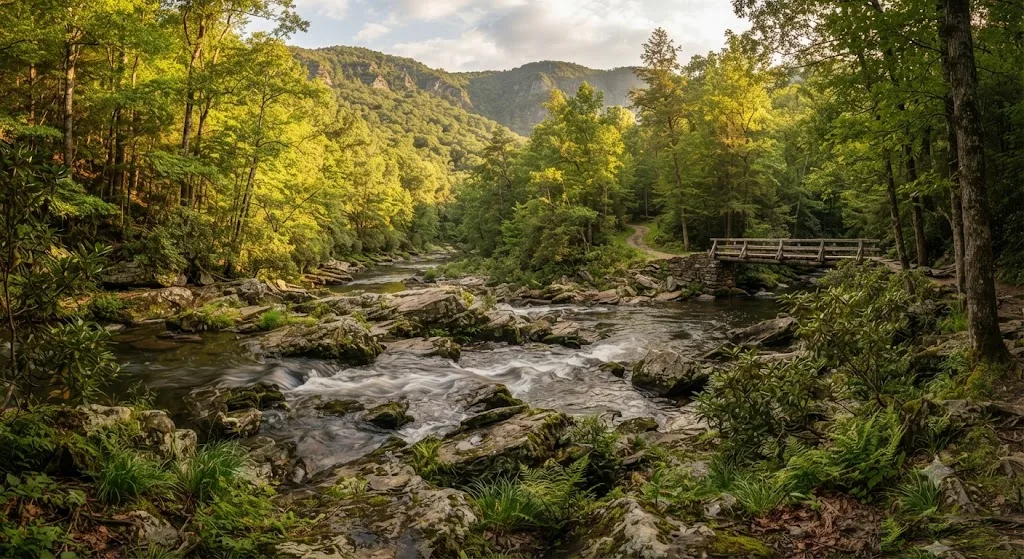
Our Monongahela National Forest guide covers practical planning for Monongahela National Forest West Virginia — best time to visit, getting there, and what to do on the ground.
Is It Worth Visiting?
Absolutely, the Monongahela National Forest West Virginia is worth visiting for any outdoor enthusiast. Spanning over 900,000 acres across the Allegheny Mountains, this vast forest protects a diverse array of ecosystems, from dense spruce forests to high-altitude bogs and dramatic rock formations like Seneca Rocks. We find its remote landscape and varied topography offer extensive opportunities for hiking, camping, fishing, and scenic drives that are truly unparalleled in the eastern United States.
The "Mon," as locals affectionately call it, is a major tourism attraction, drawing approximately three million visitors annually. It's a place where you can find challenging wilderness treks, peaceful riverside strolls, and breathtaking panoramic views. Whether you're seeking solitude in a designated wilderness area or a family-friendly adventure, the Monongahela National Forest provides a genuine escape into nature's grandeur. Its unique blend of Appalachian culture and natural beauty makes it a standout destination within West Virginia, offering experiences that are a world away from generic tourist traps.
Who It's Best For
The Monongahela National Forest caters to a wide spectrum of travelers, from seasoned backpackers to families looking for a refreshing outdoor getaway. Our team recommends it for:
- Hikers and Backpackers: With over 500 miles of hiking trails, including challenging routes in Dolly Sods Wilderness and accessible boardwalks at Cranberry Glades Botanical Area, there's a path for every skill level.
- Campers: The forest offers 23 developed campgrounds with various amenities, alongside numerous opportunities for dispersed camping year-round.
- Anglers: The many rivers and streams, such as the Williams River, are popular for fishing, particularly for trout.
- Scenic Drivers: The Highland Scenic Highway is a designated National Scenic Byway, offering 43 miles of breathtaking vistas and comfortable rest stops.
- Nature Photographers: Iconic locations like Blackwater Falls State Park (a short drive away), Seneca Rocks, and the unique ecosystems of Dolly Sods provide endless photographic opportunities.
- Families: Many campgrounds are family-friendly, and accessible trails like the Cranberry Glades Boardwalk offer an easy way for all ages to experience the forest's natural wonders.
If you appreciate untamed wilderness, diverse ecosystems, and a chance to disconnect, the Monongahela National Forest is an ideal destination. However, those seeking extensive luxury accommodations or urban entertainment might find it too remote.
How to Get There
Reaching the Monongahela National Forest involves navigating West Virginia's mountainous terrain. The forest is vast, spanning across 10 counties in eastern West Virginia, so your specific destination within the forest will dictate the best route.
By Car: The most common way to access the Monongahela National Forest is by car. Major routes like US Route 33, US Route 219, and State Routes 39 and 150 (the Highland Scenic Highway) traverse parts of the forest, providing access to various recreational areas. The Monongahela National Forest Supervisor's Office is located in Elkins, WV, at 200 Sycamore Street, and can be a good starting point for general information.
Visitor Centers: We recommend stopping at a visitor center for maps and up-to-date information. The Seneca Rocks Discovery Center, located at the intersection of Rt 28 and Rt 33 at Seneca Rocks, is a key entry point, open Thursday through Monday from 9:30 AM to 5:00 PM. This is a great spot to gather information on local trails and conditions for the Monongahela National Forest.
Parking: Parking is generally available at trailheads, campgrounds, and visitor centers throughout the forest. However, some popular areas, especially during peak season, may have limited parking. For instance, parking or leaving a vehicle along either side of Roy Gap Rd. from Highway 28 to private property near Seneca Rocks is prohibited. Always check for specific parking regulations for your chosen destination.
Road Closures (2026): It's crucial to be aware of potential road closures, especially during spring and winter, or due to maintenance. As of our latest information, Forest Road 13 on the Cheat-Potomac Ranger District, providing access to the Canaan Loop Trail, is closed from April 2, 2026, until approximately May 29, 2026, for repairs. Additionally, Forest Road 19, a principal route to parts of the Dolly Sods Wilderness, is closed for repairs starting June 22, 2026, though access to Dolly Sods is still available via Jordan Run Road. Forest Road 701 is also closed for construction starting May 15, 2026, for 7 to 10 weeks. Always check the official Monongahela National Forest website for the latest alerts and conditions before your trip.
Top Things to Do
The Monongahela National Forest is a playground for outdoor enthusiasts, offering a diverse range of activities. Our team has compiled the top things to do at Monongahela National Forest, ensuring a memorable visit.
Monongahela National Forest Hiking Trails
With over 500 miles of trails, hiking is arguably the most popular activity here. The Monongahela National Forest hiking trails range from easy strolls to strenuous multi-day backpacking expeditions. Some of the most notable include:
- Seneca Rocks Hiking Trail: This 2.6-mile round-trip trail begins at the Seneca Rocks Discovery Center and climbs over 700 feet to an observation platform, offering spectacular views of the iconic Seneca Rocks formation. The picnic area and hiking trails at Seneca Rocks are open daily from 6 AM to 10 PM.
- Dolly Sods Wilderness: This unique high-altitude plateau features landscapes resembling eastern Canada, with open balds, heath barrens, and spruce forests. It offers over 47 miles of trails, many following old railroad grades. Popular difficult trails include the Huckleberry Trail (15.5 mi) and Bear Rocks Trail Loop (11.6 mi). For a first backpacking trip, the Red Creek area and Big Stonecoal Trail are often recommended as more forgiving options.
- Cranberry Glades Botanical Area: A half-mile accessible boardwalk allows visitors to explore five unique bog ecosystems, home to carnivorous plants and rare flora. This is an excellent option for easy walks and viewing unique plant life.
- Falls of Hills Creek: This area features three beautiful waterfalls, with the lowest fall being the second-highest in West Virginia at 63 feet. A trail leads to all three cascades.
- Spruce Knob: As the highest point in West Virginia at 4,863 feet, Spruce Knob offers panoramic views and access to various trails.
When exploring the Monongahela National Forest hiking trails, we advise checking trail conditions, especially in spring and fall, as some sections can be muddy or overgrown. Cell phone service can be unreliable, so carrying physical maps is essential.
Scenic Drives
For those who prefer to experience the beauty from their vehicle, the forest offers stunning scenic drives:
- Highland Scenic Highway: This 43-mile designated National Scenic Byway (State Routes 39 and 150) stretches from Richwood to US Route 219, north of Marlinton. It ascends from 2,325 feet to over 4,500 feet, providing four scenic overlooks with panoramic mountain and valley views. The Route 150 section is not maintained in winter and closed to commercial trucks.
- Other Scenic Roads: Look for other scenic roads like the Williams River and Smoke Hole Canyon for picturesque views.
Camping and Cabins
Camping is a quintessential Monongahela National Forest experience. The forest boasts 23 developed campgrounds with diverse amenities, ranging from basic sites to those with electric hookups. Fees for developed recreation sites were increased and new fees implemented as of January 1, 2026, to support maintenance and enhance visitor experience. Examples of single site fees include $10 at Bear Heaven Campground, $15 at Cranberry Campground, and $25 at Lake Sherwood Campground. Dispersed camping (roadside camping or boondocking) is also available year-round in many areas and is typically free. Reservations for some campgrounds and picnic shelters can be made via Recreation.gov. Middle Mountain Cabins and Red Oak Lookout also offer cabin stays, with a night fee of $100 for a group size of 10.
Other Activities
- Fishing: The Monongahela National Forest is renowned for its fishing opportunities, with numerous streams and lakes stocked with trout. "Catch and release" fishing is practiced in some areas, such as Seneca Rocks, where only artificial lures are permitted.
- Mountain Biking and Horseback Riding: An extensive backwoods road and trail system is available for both mountain biking and horseback riding. Horse use is permitted virtually everywhere on the forest, except in developed recreation areas like campgrounds and picnic areas.
- Rock Climbing: Seneca Rocks is a premier destination for rock climbing, with magnificent formations rising almost 900 feet above the North Fork River.
- Wildlife Viewing: The diverse ecosystems support a wide variety of wildlife, including black bears, deer, and various bird species.
- Winter Sports: The high Allegheny Mountains provide opportunities for winter recreation, including cross-country skiing and snowshoeing. Dolly Sods Wilderness, for instance, offers a challenging winter backpacking experience, though many forest roads are unmaintained and gated during winter, making certain trailheads (like Red Creek Trailhead near Laneville) the best access points when snow falls.
Best Time to Visit
The Monongahela National Forest offers distinct experiences throughout the year, making the "best" time to visit dependent on your preferred activities.
- Spring (April-May): As the snow melts, wildflowers emerge, and the forest comes alive. This is an excellent time for hiking and enjoying the fresh air. Be prepared for potentially muddy trails and rapidly changing weather conditions. Many developed recreation sites begin opening in April and May.
- Summer (June-August): Summer is peak season for camping, hiking, fishing, and water activities. The weather is generally warm, but higher elevations offer cooler temperatures. This is when all facilities are typically open, and interpretive programs are offered at places like the Seneca Rocks Discovery Center on weekends. Expect more crowds, especially on weekends and holidays.
- Fall (September-October): Autumn brings spectacular fall foliage, making it a prime time for scenic drives, particularly along the Highland Scenic Highway. Hiking is also popular, with cooler temperatures and fewer insects. This is often considered one of the most beautiful times to visit, but plan ahead for lodging and popular trailheads.
- Winter (November-March): The forest transforms into a winter wonderland, offering opportunities for cross-country skiing, snowshoeing, and solitude. Many forest roads close seasonally due to snow, and some developed campgrounds are shut down. Winter navigation in areas like Dolly Sods requires experience, a map, and a compass. The Seneca Rocks Discovery Center operates on a reduced schedule during winter months.
We generally recommend visiting in late spring or early fall for the most comfortable weather and a balance of open facilities and fewer crowds. Always check the official Monongahela National Forest website for current conditions and seasonal closures before planning your trip, as dates are subject to change based on local weather.
Monongahela National Forest Lodging
When planning your trip to the Monongahela National Forest, finding the right lodging is key to a comfortable and immersive experience. Options for Monongahela National Forest lodging range from rustic campsites to cozy cabins and nearby hotels. Since the forest is so vast, we recommend choosing accommodations that are convenient to the specific areas you plan to explore.
Camping within the Forest: As we've mentioned, the Monongahela National Forest offers 23 developed campgrounds. These sites provide a range of amenities, from basic tent sites to those with electric hookups, and some offer reservations through Recreation.gov. Popular campgrounds include Seneca Shadows Campground, Spruce Knob Lake Campground, Big Bend Campground, and Lake Sherwood Campground. Fees for many developed recreation sites were increased as of January 1, 2026, with single site fees ranging from $10 to $25, and double sites or sites with electric costing more. Dispersed camping is also a free, year-round option for those seeking a more primitive experience.
Cabins and Lookouts: For a more sheltered stay within the forest, the Monongahela National Forest offers a few cabin rentals and lookouts. Middle Mountain Cabins and Red Oak Lookout, for example, can be reserved for $100 per night for a group of up to 10 people. These options provide a unique way to stay deep within the forest's embrace.
Nearby Towns and Resorts: Outside the immediate forest boundaries, several towns offer additional Monongahela National Forest lodging options, including hotels, motels, and private cabin rentals. Consider towns like:
- Elkins: Home to the Monongahela National Forest Supervisor's Office, Elkins offers a variety of hotels, restaurants, and services, making it a convenient base for exploring the northern parts of the forest.
- Davis/Thomas: These charming towns are close to popular areas like Blackwater Falls State Park and Dolly Sods Wilderness. You'll find a mix of inns, vacation rentals, and even larger resorts like Canaan Valley Resort State Park.
- Marlinton/Richwood: Located near the Highland Scenic Highway and Cranberry Glades Botanical Area, these towns offer smaller, more local lodging choices.
- Seneca Rocks: While smaller, this area has some cabins and vacation rentals, such as Germany Valley Overlook Cabins and Yokum's Vacationland, providing direct access to the iconic Seneca Rocks.
- Snowshoe: Snowshoe Mountain Resort, a major ski destination, also offers extensive lodging options year-round, and is a great base for exploring the central and southern portions of the forest, especially if you're interested in mountain biking.
For those seeking unique private camping experiences near the forest, options like The Trout Camp (Fontinalis Farms) offer tent and RV sites with amenities, bordering the Monongahela National Forest. Another option, Brooklyn Heights Riverfront Camp, provides campsites, cabin shelters, and RV sites near the Dry Fork River in Tucker County, close to the forest. We advise booking accommodations well in advance, especially during peak seasons like fall foliage and summer, as popular spots fill up quickly.
Sample 2-Day Itinerary
To help you make the most of your visit to the Monongahela National Forest, our team has crafted a sample 2-day itinerary focusing on a mix of scenic beauty and outdoor activity.
Day 1: Seneca Rocks & Dolly Sods Exploration
- Morning (9:00 AM - 12:00 PM): Seneca Rocks Adventure. Start your day at the Seneca Rocks Discovery Center, open Thursday through Monday from 9:30 AM to 5:00 PM. Gather maps and information. Then, embark on the 2.6-mile round-trip Seneca Rocks Hiking Trail to the observation platform for breathtaking views.
- Lunch (12:00 PM - 1:00 PM): Picnic with a View. Enjoy a packed lunch at the Seneca Rocks Picnic Area, which is open daily from 6 AM to 10 PM.
- Afternoon (1:00 PM - 5:00 PM): Dolly Sods Wilderness Immersion. Drive to the Dolly Sods Wilderness. Be aware of potential road closures; Forest Road 19 is closed for repairs starting June 22, 2026, but access is still available via Jordan Run Road. Explore a section of its unique landscape. For a moderate hike, consider a portion of the Bear Rocks Trail Loop or the Red Creek Trail, which offers creek-side campsites and waterfalls.
- Evening: Camping or Nearby Lodging. Set up camp at a developed campground like Red Creek Campground (single site fee $20 as of 2026) or Seneca Shadows Campground. Alternatively, find lodging in nearby Petersburg or Davis.
Day 2: Highland Scenic Highway & Cranberry Glades
- Morning (9:00 AM - 1:00 PM): Highland Scenic Highway Drive. Begin your journey on the Highland Scenic Highway (State Routes 39 and 150), a 43-mile designated National Scenic Byway. Drive from Richwood towards US Route 219, north of Marlinton. Stop at the four scenic overlooks—Williams River, Big Spruce, Little Laurel, and Red Lick—for panoramic views and photo opportunities. Consider an audio tour for enhanced understanding of the landscape.
- Lunch (1:00 PM - 2:00 PM): Riverside Picnic. Pack a lunch to enjoy at one of the picnic areas along the Highland Scenic Highway or near the Williams River.
- Afternoon (2:00 PM - 4:00 PM): Cranberry Glades Botanical Area. Explore the unique Cranberry Glades Botanical Area via its accessible half-mile boardwalk. This is a fascinating spot to learn about bog ecosystems and see carnivorous plants. The Cranberry Mountain Nature Center, also in this area, is open Thursday through Monday, 9:00 AM - 4:30 PM (Sundays close at 4:00 PM).
- Late Afternoon: Departure or Extended Stay. Depending on your travel plans, you can begin your journey home or extend your stay to explore other parts of the Monongahela National Forest, perhaps visiting Blackwater Falls State Park or the nearby town of Cass for the Cass Scenic Railroad State Park.
Our team emphasizes that this is a suggested itinerary. The Monongahela National Forest is vast, and we encourage you to tailor your visit based on your interests, physical capabilities, and the most current information on closures and conditions. Always carry maps, water, and appropriate gear, and be prepared for variable weather.
Last updated: 2026-07-13 by the Roam States team.