Hatchie National Wildlife Refuge Travel Guide — Tennessee
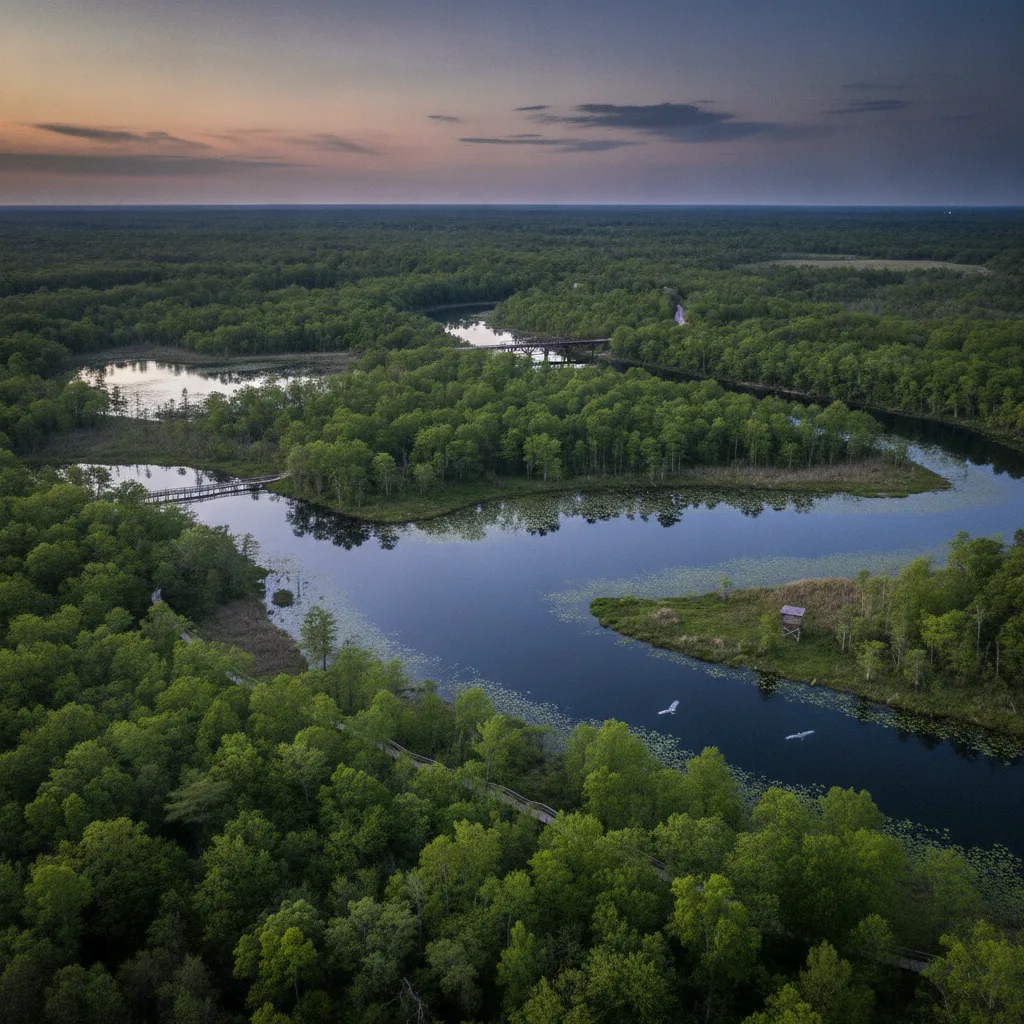
Our Hatchie National Wildlife Refuge guide covers practical planning for Hatchie National Wildlife Refuge Tennessee — best time to visit, getting there, and what to do on the ground. Established to protect migratory birds and other wildlife, this refuge offers opportunities for birdwatching, fishing, and hiking. It encompasses diverse habitats along the Hatchie River.
As the Roam States editorial team, we've explored the diverse landscapes of Tennessee, from the majestic peaks of Great Smoky Mountains National Park to the vibrant music scenes of Memphis and Nashville. But for true immersion in untouched nature, the Hatchie National Wildlife Refuge stands out. It's a vital sanctuary for migratory birds and a testament to the wild beauty of the Lower Mississippi River Ecosystem. Our team highly recommends it for anyone seeking a genuine connection with nature, far from the crowds.
Why Visit Hatchie National Wildlife Refuge
The Hatchie National Wildlife Refuge offers a unique opportunity to experience one of the last remaining examples of a naturally functioning bottomland hardwood ecosystem in the Lower Mississippi River Valley. We are consistently drawn to places that offer authentic encounters with nature, and this refuge delivers. Spanning 11,556 acres along 23 miles of the scenic Hatchie River, it's a critical stop along the Mississippi Flyway, providing essential habitat for hundreds of migratory and resident bird species.
Beyond its ecological significance, the refuge provides a tranquil escape. Here, you can witness the ebb and flow of a river system largely untouched by human modification, a rarity in West Tennessee. The diverse habitats—including bottomland hardwood forests, moist soil units, agricultural fields, and oxbow lakes—support an incredible array of wildlife, from white-tailed deer and raccoons to a variety of reptiles, amphibians, fish, and invertebrates. It's a place where the quiet rustle of leaves and the calls of birds replace the urban din, offering a profound sense of peace and connection to the natural world.
Who It's Best For
We believe the Hatchie National Wildlife Refuge is ideal for a wide range of visitors, particularly those with a keen interest in wildlife and outdoor recreation:
- Birdwatchers: With over 200 species of migratory and resident birds, including bald eagles, various warblers, and waterfowl, it's a premier birding destination, especially during spring and fall migrations. Events like the Hatchie BirdFest, held in April 2026, further enhance birdwatching opportunities with guided excursions and educational programs.
- Anglers: The refuge's numerous oxbow lakes, borrow pit lakes, sloughs, creeks, and the Hatchie River itself offer year-round fishing for largemouth bass, bluegill, crappie, and catfish.
- Hikers and Nature Walkers: Several trails allow visitors to explore the refuge's natural beauty, offering opportunities for quiet contemplation and wildlife observation.
- Nature Photographers: The diverse landscapes and abundant wildlife provide endless subjects for stunning photography. We encourage bringing your camera and binoculars to capture the refuge's beauty.
- Families: While facilities may be limited, the refuge offers a chance for children to learn about nature firsthand, with activities like wildlife observation and environmental education.
- Hunters: Hunting for big game, small game, and migratory birds is permitted during established seasons, requiring a refuge permit.
Getting There & Parking
Reaching the Hatchie National Wildlife Refuge is straightforward, primarily by car, as public transportation options are limited. The refuge office is located at Oneal Lake on Highway 76, immediately south of I-40's Exit 52. To get to Hatchie National Wildlife Refuge from Memphis, take I-40 East for about an hour to Exit 52. Exit left (north) onto Highway 76, then travel 1.5 miles to the Refuge Office on the right. If you're coming from Nashville, take I-40 West to Exit 56, then exit left (south) onto Highway 76 and go 3 miles to the Refuge Office on the left.
The main entrance to the refuge is near Stanton, Tennessee. The visitor center for Hatchie National Wildlife Refuge is located at 6772 TN-76, Stanton, TN 38069. Parking is generally available at designated access points and at the refuge office. We always recommend checking the U.S. Fish and Wildlife Service website or calling the refuge directly for any specific parking instructions or potential closures due to weather conditions, as roads may be closed at any time.
Top Things to Do
When planning your visit, you'll find plenty of engaging things to do at Hatchie National Wildlife Refuge that immerse you in the natural world. Our team's top recommendations focus on experiencing the refuge's core offerings:
- Birdwatching: This is arguably the refuge's most popular activity. With over 200 species of birds, including waterfowl, shorebirds, wading birds, and various migratory songbirds, it's a birder's paradise. Spring and fall are particularly excellent for observing migratory species. Don't forget your binoculars!
- Fishing: The Hatchie River and its associated oxbow lakes, such as Oneal Lake, offer excellent fishing opportunities year-round for species like largemouth bass, bluegill, crappie, and catfish. Remember that only electric trolling motors are allowed on refuge waters, and some areas may be closed seasonally.
- Hiking and Nature Walks: Explore the refuge's diverse habitats on foot. While specific named trails are not extensively detailed in public information, the refuge offers areas for hiking and nature walks. The Oneal Lake Wildlife Drive, for instance, can be explored on foot, offering views of migratory waterfowl and resident wildlife. We advise obtaining a map from the refuge office for current access and highlights.
- Wildlife Observation and Photography: Beyond birds, the refuge is home to white-tailed deer, raccoons, and a variety of other mammals, reptiles, and amphibians. The interpretive kiosk and observation tower near the headquarters provide excellent vantage points for observing and photographing wildlife.
- Paddling (Canoeing/Kayaking): The Hatchie River and its still waters, like Champion Lake or Sunk Lake (at Lower Hatchie NWR), are perfect for non-motorized boating, offering a peaceful way to explore the refuge's aquatic environments.
- Auto Touring: The Oneal Lake Wildlife Drive, a two-mile loop near the headquarters, allows visitors to observe wildlife from their vehicles. Powell Road, a seven-mile drive, also offers opportunities to spot neotropical migrant songbirds, deer, turkeys, and raccoons.
These things to do at Hatchie National Wildlife Refuge provide a comprehensive experience of this vital natural area.
Best Time to Visit
The ideal time to visit Hatchie National Wildlife Refuge largely depends on your primary interests, as the refuge offers different experiences throughout the year.
- Spring (March-May): We find spring to be an exceptional time, especially for birdwatching, as migratory species pass through the area. The Hatchie BirdFest, usually held in April, is a highlight for bird enthusiasts, offering guided tours and educational programs. The bottomland hardwood forests burst with new life, and the weather is generally pleasant for hiking.
- Summer (June-August): Summer offers vibrant landscapes and opportunities to see various animals in their natural habitats. While bird migration slows, resident species are active, and the lush greenery is captivating. However, be prepared for warmer temperatures and potential humidity, and remember to bring bug spray.
- Fall (September-November): Fall is another prime season for birdwatching, as southbound migrants make their way through the refuge. The changing leaves provide a beautiful backdrop for wildlife observation and photography. Hunting seasons for big game, small game, and migratory birds also commence in the fall.
- Winter (December-February): Winter can be an excellent time for viewing waterfowl, as thousands of ducks and geese make Hatchie their temporary home. Bald eagles are also common winter visitors around Oneal Lake. Certain areas of the refuge may be closed from November 15 to March 15 to provide sanctuary for wintering waterfowl.
No matter the season, we recommend checking the weather forecast and dressing appropriately. Always pack water and snacks, as facilities within the refuge can be limited.
Where to Stay Nearby
While camping is not permitted within the Hatchie National Wildlife Refuge itself, there are numerous lodging options in nearby towns that cater to various preferences and budgets. When considering Hatchie National Wildlife Refuge lodging, we recommend looking at Brownsville and Stanton for the closest proximity, or Jackson and Memphis for more extensive choices.
- Brownsville, TN: Located just a short drive from the refuge, Brownsville offers several convenient hotels. Options include Comfort Inn Brownsville I-40, Days Inn by Wyndham Brownsville, and Americas Best Value Inn Brownsville West Tennessee. These typically offer comfortable stays with amenities like free breakfast and parking.
- Stanton, TN: While a smaller town, Stanton also has some lodging, including local holiday homes with amenities like AC and WiFi. However, many of the highly-rated hotels listed for Stanton are actually closer to Memphis or Arlington.
- Jackson, TN: Approximately 30-40 minutes east of the refuge, Jackson provides a wider selection of hotels, from budget-friendly to more upscale. Fairfield Inn & Suites by Marriott Jackson, Tru By Hilton Jackson, TN, and Comfort Suites Jackson I-40 are well-regarded options. Jackson also offers more dining and shopping opportunities.
- Memphis, TN: About an hour's drive west, Memphis offers the broadest range of accommodations, including major hotel chains and boutique options. If you plan to combine your nature retreat with city exploration, Memphis is a viable base. Hotels near the Wolfchase Galleria area, such as Best Western Plus Galleria Inn & Suites, Hampton Inn & Suites Memphis-Wolfchase Galleria, and SpringHill Suites by Marriott Arlington TN, are good choices for access to I-40.
For those seeking a more private or extended stay near the Hatchie National Wildlife Refuge lodging, vacation rentals are also available in the surrounding areas. These can range from cozy cabins to larger family homes, often featuring amenities like full kitchens and outdoor spaces. Prices for lodging near Hatchie National Wildlife Refuge can range from around $74 to $840 per night, depending on the season, location, and amenities. We recommend booking in advance, especially during peak migration seasons or if you're visiting during the Hatchie BirdFest.
Sample 2-Day Itinerary
To help you make the most of your visit, we've crafted a sample 2-day itinerary for exploring the Hatchie National Wildlife Refuge and its surroundings:
Day 1: Immersion in the Refuge
- Morning (8:00 AM - 12:00 PM): Birdwatching and Wildlife Drive
- Start your day at the Hatchie National Wildlife Refuge Visitor Center (6772 TN-76, Stanton, TN 38069), which typically opens at 8:00 AM on weekdays. Pick up a refuge map and any updated public use regulations.
- Embark on the Oneal Lake Wildlife Drive, a two-mile loop near the headquarters. Drive slowly and keep your binoculars ready for migratory waterfowl, shorebirds, and resident wildlife.
- Spend time at the observation tower and interpretive kiosk for elevated views and information on the refuge's ecosystem.
- Lunch (12:00 PM - 1:00 PM): Picnic in Nature
- Pack a picnic lunch to enjoy at one of the refuge's designated areas, or find a scenic spot along the drive. Remember to pack out everything you pack in.
- Afternoon (1:00 PM - 5:00 PM): Hiking and Photography
- Explore one of the refuge's accessible areas on foot. Powell Road, a seven-mile stretch, offers opportunities for viewing neotropical migrant songbirds, deer, and turkeys.
- Focus on nature photography, capturing the unique bottomland hardwood forests and the diverse animal life.
- Evening: Dinner and Relaxation in Brownsville
- Head to Brownsville for dinner. Explore local eateries offering Southern comfort food.
- Check into your chosen lodging in Brownsville or a nearby town.
Day 2: Fishing, Paddling, and Local Culture
- Morning (7:00 AM - 12:00 PM): Fishing or Paddling Adventure
- For anglers, head to one of the refuge's oxbow lakes or accessible spots along the Hatchie River for a morning of fishing. Remember to check fishing regulations and bring your gear.
- Alternatively, launch a canoe or kayak onto one of the refuge's still waters (like Champion Lake at Lower Hatchie NWR, a short drive away) for a peaceful paddling experience.
- Lunch (12:00 PM - 1:00 PM): Local Flavors
- Enjoy lunch at a local restaurant in Brownsville or Henning.
- Afternoon (1:00 PM - 4:00 PM): West Tennessee Delta Heritage Center
- Visit the West Tennessee Delta Heritage Center in Brownsville (located at I-40 Exit 56), which often serves as a hub for refuge events like the Hatchie BirdFest. It offers exhibits on the region's natural and cultural history, providing context for your refuge visit.
- Consider a short excursion to other notable Tennessee destinations, such as Graceland in Memphis (about an hour west) or exploring more of Tennessee's best places.
- Evening: Departure or Extended Stay
- Depart from the area, or if you have more time, consider extending your stay to explore other nearby attractions or revisit your favorite spots in the refuge.
FAQ Longtails
Hatchie National Wildlife Refuge camping
Camping is not permitted within the Hatchie National Wildlife Refuge. Visitors will need to find accommodations in nearby towns such as Brownsville, Stanton, or Jackson. While you can't pitch a tent directly in the refuge, there are various hotels and vacation rentals available in the surrounding areas.
things to do in Stanton
Stanton, Tennessee, is a small town near the Hatchie National Wildlife Refuge. While the refuge is the primary draw, you can explore local events and community gatherings. For more extensive attractions, consider visiting nearby cities like Brownsville or Memphis. Stanton is also recognized as a gateway to the Red River Gorge, which offers hiking and rock climbing, although this is in Kentucky, not Tennessee. Local holiday homes in Stanton offer a comfortable base for exploring the region.
Hatchie National Wildlife Refuge with kids
Visiting Hatchie National Wildlife Refuge with kids can be a rewarding experience. We recommend focusing on activities like easy nature walks, wildlife observation (especially birdwatching with binoculars), and photography. The Oneal Lake Wildlife Drive is perfect for younger children who might not be up for long hikes, allowing them to spot animals from the car. The refuge also offers environmental education and interpretive programs, and some events like the Annual Youth Fishing Rodeo are specifically designed for children. Remember to pack snacks, water, and bug spray, and be mindful of limited facilities.
best hotels near Hatchie National Wildlife Refuge
The best hotels near Hatchie National Wildlife Refuge are typically found in Brownsville, Jackson, or the Memphis-Wolfchase Galleria area. In Brownsville, options like Comfort Inn Brownsville I-40 and Days Inn by Wyndham Brownsville are convenient. For a wider selection and more amenities, consider Jackson, with hotels like Fairfield Inn & Suites by Marriott Jackson. If you prefer a larger city experience, Memphis offers many highly-rated hotels such as Best Western Plus Galleria Inn & Suites and Hampton Inn & Suites Memphis-Wolfchase Galleria. Vacation rentals are also a popular choice for families and longer stays.
Hatchie National Wildlife Refuge tips
Our top tips for visiting Hatchie National Wildlife Refuge include: checking the weather forecast and dressing appropriately, bringing binoculars for birdwatching and photography, staying on designated trails to protect the environment, and packing water and snacks due to limited facilities. We also advise obtaining a copy of the refuge's public use regulations brochure, especially if you plan to hunt or fish, as some areas have seasonal closures. The refuge is open during daylight hours only.
where to stay near Hatchie National Wildlife Refuge
When deciding where to stay near Hatchie National Wildlife Refuge, we suggest looking at Brownsville for the closest hotel options like Comfort Inn Brownsville I-40. For more choices, consider Jackson, which offers a broader range of hotels and amenities, including Fairfield Inn & Suites by Marriott Jackson. If you don't mind a slightly longer drive (around an hour), the eastern suburbs of Memphis, such as the Wolfchase Galleria area, provide extensive lodging selections including various chain hotels. Vacation rentals are also available for those seeking more space or a longer retreat.
The Hatchie National Wildlife Refuge is a true gem in Tennessee, offering an unparalleled opportunity to connect with nature's rhythms. From the serene beauty of its bottomland hardwood forests to the vibrant spectacle of migratory birds, it's a destination that promises peace, discovery, and a renewed appreciation for our wild spaces. We encourage you to plan your visit and experience this remarkable sanctuary for yourself. Whether you're a seasoned birder, an avid angler, or simply seeking a quiet escape, the refuge offers a profound and memorable experience.
Last updated: 2026-07-08 by the Roam States team.