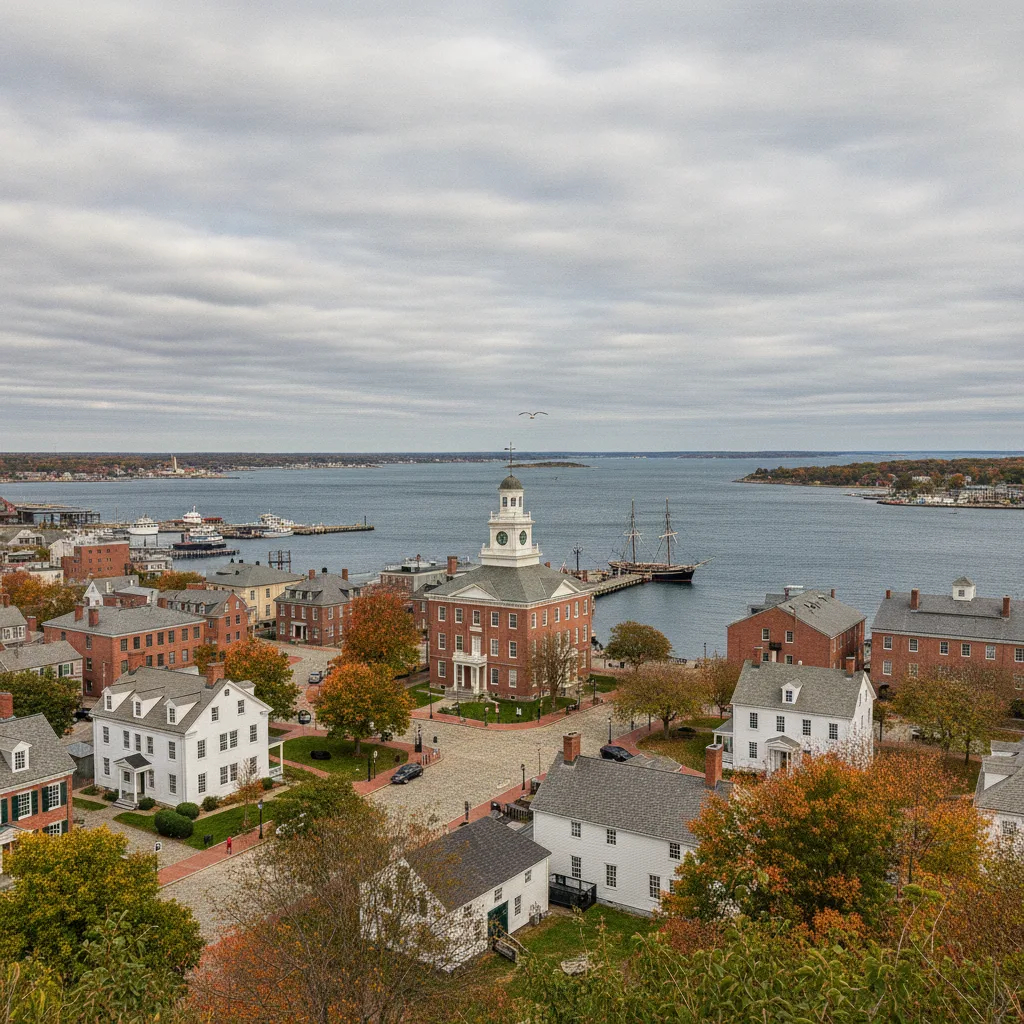
Our Historic New Bedford Whaling National Historical Park guide covers practical planning for Historic New Bedford Whaling National Historical Park Massachusetts — best time to visit, getting there, and what to do on the ground.
Historic New Bedford Whaling National Historical Park Travel Guide — Massachusetts
The Historic New Bedford Whaling National Historical Park Massachusetts stands as a testament to an era when New Bedford was the undisputed whaling capital of the world. Our team considers this a truly essential stop for anyone seeking to delve into America's rich maritime heritage. We've compiled this comprehensive guide to help you navigate the cobblestone streets and historic buildings, ensuring your visit is as enriching and seamless as possible.
Why Visit Historic New Bedford Whaling National Historical Park
Visiting Historic New Bedford Whaling National Historical Park offers a unique opportunity to step back in time and immerse yourselves in the dramatic and often dangerous world of 19th-century whaling. This isn't just a collection of old buildings; it's a living museum that tells the stories of the captains, crew, and diverse communities that shaped this industrious port. We recommend it for its unparalleled historical depth and the tangible connection it provides to a pivotal period in American history.
Beyond the sheer historical significance, the park provides a vibrant cultural experience. You'll find yourselves walking the same paths as Herman Melville, whose experiences here famously inspired "Moby Dick." The preservation efforts are meticulous, allowing you to truly visualize the bustling waterfront, the grand homes of whaling merchants, and the tight-knit neighborhoods of the diverse immigrant populations who called New Bedford home. It’s a place where the past feels remarkably present.
Who It's Best For
Historic New Bedford Whaling National Historical Park is ideal for history buffs, maritime enthusiasts, and anyone with a keen interest in American industrial and social history. Families with older children will find the stories engaging and educational, particularly those who appreciate interactive exhibits and ranger-led programs. It's also a fantastic destination for solo travelers or couples looking for a deep dive into a specific historical period without the overwhelming crowds of larger, more generic attractions.
We particularly recommend it for those who enjoy walking tours and exploring historic districts on foot. The compact nature of the park's core allows for easy exploration, and the numerous interpretive signs and knowledgeable rangers ensure a rich learning experience. If you're looking for a destination that combines education with a palpable sense of place, this park is an excellent choice. It's less about thrill rides and more about profound historical engagement.
Getting There & Parking
Getting to Historic New Bedford Whaling National Historical Park is straightforward, whether you're driving or using public transport. The park is centrally located in downtown New Bedford, Massachusetts, making it accessible from various points in New England. For those wondering how to get to Historic New Bedford Whaling National Historical Park, it's approximately an hour's drive south of Boston and about 30 minutes east of Providence, Rhode Island.
By Car:
If you're driving, take I-195 East or West, depending on your direction, and follow signs for downtown New Bedford. The park is well-signposted once you enter the city. We advise using a GPS for precise directions to the Visitor Center. Parking in the immediate vicinity of the Historic New Bedford Whaling National Historical Park can be found in several municipal garages and metered street spots. The Elm Street Garage (51 Elm St, New Bedford, MA) and the Zeiterion Parking Garage (688 Purchase St, New Bedford, MA) are convenient options, typically charging an hourly or daily rate. For current rates, we recommend checking the City of New Bedford's official parking website.
By Public Transportation:
The Southeastern Regional Transit Authority (SRTA) provides bus service throughout New Bedford and surrounding towns. The New Bedford Intermodal Transportation Center is a short walk from the park, serving as a hub for local buses and future commuter rail service from Boston.
Reservations:
Generally, reservations are not required to enter the Historic New Bedford Whaling National Historical Park itself, as much of it is an open historic district. However, specific programs, guided tours, or entry to partner institutions like the New Bedford Whaling Museum may require advance booking, especially during peak season. We always recommend checking the official National Park Service website for the most up-to-date information on any required reservations for specific activities or events within the park.
Top Things to Do
There are a wealth of things to do at Historic New Bedford Whaling National Historical Park, ensuring a rich and engaging visit for all interests. Our team has highlighted some of the must-see attractions and activities within this captivating historical district.
- Start at the Visitor Center: We always recommend beginning your visit at the National Park Visitor Center (33 William Street). Here, you can pick up maps, learn about daily ranger programs, and watch a short film that provides an excellent overview of New Bedford's whaling history. The Visitor Center is typically open daily from 9 AM to 4:30 PM, though hours can vary by season, so it's wise to confirm on the official NPS website.
- Explore the New Bedford Whaling Museum: A cornerstone of the park experience, the New Bedford Whaling Museum (18 Johnny Cake Hill) is a world-class institution. It houses an unparalleled collection of whaling artifacts, including the skeleton of a 66-foot blue whale, whaleboats, and a vast collection of scrimshaw. The museum generally operates Tuesday through Saturday from 9 AM to 4 PM, and Sundays from 11 AM to 4 PM. Admission is typically $19 for adults, $17 for seniors, and $9 for children aged 4-18. This is undoubtedly one of the top things to do at Historic New Bedford Whaling National Historical Park.
- Walk the Historic District: Wander the cobblestone streets like Johnny Cake Hill and Water Street, admiring the preserved 19th-century architecture. Look for the Seamen's Bethel, made famous in Melville's *Moby Dick*, and the Mariner's Home.
- Visit the Seamen's Bethel: This historic chapel, built in 1832, served as a spiritual haven for whalers. Its unique pulpit, shaped like a ship's bow, is a highlight.
- Discover the Rotch-Jones-Duff House and Garden Museum: Experience the opulent lifestyle of a wealthy whaling merchant and his family in this beautifully preserved mansion and gardens.
- Take a Ranger-Led Tour: Park Rangers offer free walking tours that provide deeper insights into the park's history and key sites. Check the Visitor Center schedule for daily offerings.
- Explore the Custom House: A magnificent Greek Revival building, the Custom House played a crucial role in regulating trade during the whaling era.
- Stroll the Waterfront: See the active fishing fleet and imagine the bustling port of yesteryear. The working waterfront is still a vital part of New Bedford's economy.
Best Time to Visit
The best time to visit Historic New Bedford Whaling National Historical Park is during the late spring (May-June) or early autumn (September-October). During these months, the weather is typically mild and pleasant, making it ideal for walking the historic streets and exploring the outdoor elements of the park. The crowds are also generally lighter than during the peak summer months, allowing for a more relaxed and intimate experience.
Summer (July-August) offers warmer weather and a full slate of ranger programs and events, but it also brings larger crowds. If you plan to visit in summer, we recommend arriving early in the day to secure parking and avoid the busiest times. Winter visits (November-April) can be charming, especially if you enjoy crisp, quiet days, but some outdoor activities might be limited by cold weather, and certain attractions may have reduced hours. Always check the park's official website for seasonal hours and any potential closures before your trip.
Where to Stay Nearby
When planning your trip to Historic New Bedford Whaling National Historical Park, finding suitable lodging is key to a comfortable stay. While there isn't lodging directly within the park, the city of New Bedford and its surrounding areas offer a range of options to suit different preferences and budgets. Our team recommends considering hotels within walking distance of the park for convenience, or charming inns a short drive away for a more secluded experience.
Hotels in Downtown New Bedford:
For visitors prioritizing proximity to the Historic New Bedford Whaling National Historical Park, several hotels are located right in the heart of downtown. These options allow you to easily walk to the park's attractions, restaurants, and shops. Look for boutique hotels that often offer a unique local flavor. This makes exploring the Historic New Bedford Whaling National Historical Park lodging options quite convenient.
Nearby Towns:
If you prefer a different atmosphere or find downtown options fully booked, consider staying in nearby towns such as Fairhaven or Dartmouth. These communities are just a short drive from New Bedford and offer additional lodging choices, from chain hotels to quaint bed and breakfasts. They provide a good base for exploring not only the park but also other attractions in the South Coast region of Massachusetts.
For a broader Massachusetts experience, you might consider extending your trip to Cape Cod National Seashore or even Boston, both within a reasonable driving distance. New Bedford serves as an excellent gateway to the rich history and beautiful coastlines of Massachusetts. You can find more comprehensive planning resources on our Plan Your US Trip page.
Sample 2-Day Itinerary
To help you make the most of your visit to Historic New Bedford Whaling National Historical Park, we've crafted a sample 2-day itinerary. This plan balances in-depth exploration with opportunities to enjoy the broader charm of New Bedford.
Day 1: Immersion in Whaling History
- Morning (9:00 AM - 12:00 PM): Start your day at the National Park Visitor Center (33 William Street) to gather maps and watch the introductory film. Join a ranger-led walking tour to get an overview of the historic district and its key sites.
- Lunch (12:00 PM - 1:00 PM): Enjoy lunch at one of the many local eateries in downtown New Bedford.
- Afternoon (1:00 PM - 4:30 PM): Dedicate your afternoon to the New Bedford Whaling Museum (18 Johnny Cake Hill). Explore its extensive collections, including the impressive whale skeleton and scrimshaw exhibits. Allow ample time here, as it's a large museum.
- Evening: Enjoy dinner at a waterfront restaurant, perhaps sampling some of New Bedford's famous fresh seafood.
Day 2: Historic Architecture and Local Culture
- Morning (9:30 AM - 12:30 PM): Explore the historic district at your own pace. Visit the Seamen's Bethel, stroll down Johnny Cake Hill, and admire the architecture of the preserved homes and buildings. Consider a visit to the Rotch-Jones-Duff House and Garden Museum for a glimpse into a whaling merchant's life.
- Lunch (12:30 PM - 1:30 PM): Grab a casual bite at a cafe or deli in the downtown area.
- Afternoon (1:30 PM - 4:00 PM): Depending on your interests, you could visit the New Bedford Art Museum/ArtWorks! or explore the shops and galleries in the downtown area. Alternatively, if you're interested in the fishing industry, take a walk along the active working waterfront.
- Late Afternoon: Consider a short drive to nearby Cape Ann for a change of scenery or head towards Cape Cod National Seashore if you're extending your trip.
Historic New Bedford Whaling National Historical Park Hiking Trails
While Historic New Bedford Whaling National Historical Park is primarily an urban historical park, focused on preserving the built environment of the whaling era, there are still opportunities for pleasant walks and light hiking within and immediately around the district. Those seeking extensive wilderness hiking trails might look to other Massachusetts destinations, but for a scenic stroll with historical context, the park delivers.
The "hiking trails" within Historic New Bedford Whaling National Historical Park largely consist of the well-maintained cobblestone streets and sidewalks of the historic district itself. We recommend exploring the various interpretive paths that guide you through significant areas, such as Johnny Cake Hill, Water Street, and the waterfront. These routes offer an excellent way to experience the park on foot, allowing you to appreciate the architecture and soak in the atmosphere at your own pace. While not traditional wilderness trails, these urban walks provide a unique historical "hike" through the past. For more rugged natural trails, visitors might explore nearby state parks or conservation areas outside the immediate city center.
Is It Worth Visiting?
Without a doubt, our team believes Historic New Bedford Whaling National Historical Park is worth visiting. For those with an appreciation for American history, maritime culture, and preserved urban landscapes, it offers an incredibly rich and rewarding experience. The park provides a tangible connection to a pivotal period in the nation's economic and social development, far removed from generic tourist traps.
The combination of the National Park Service's interpretive efforts and the world-class New Bedford Whaling Museum creates an educational and engaging destination. We often hear visitors express surprise at the depth of history and the quality of the exhibits. If you're pondering "is Historic New Bedford Whaling National Historical Park worth visiting," our resounding answer is yes. It's an essential stop for understanding a unique chapter in American history and appreciating the resilience and ingenuity of its people.
FAQ Longtails
Historic New Bedford Whaling National Historical Park camping
Camping is not permitted within Historic New Bedford Whaling National Historical Park itself, as it is an urban historical district. However, there are several campgrounds and RV parks located within a reasonable driving distance of New Bedford in southeastern Massachusetts. We recommend searching for options in nearby towns such as Rochester, Carver, or Freetown, which offer state parks or private campgrounds. Always check booking availability and amenities in advance, especially during peak season.
things to do in New Bedford
Beyond the Historic New Bedford Whaling National Historical Park, New Bedford offers a variety of things to do. You can explore the vibrant working waterfront and its active fishing fleet, visit the New Bedford Art Museum/ArtWorks!, or catch a show at the historic Zeiterion Performing Arts Center. The city also boasts a lively culinary scene, with many restaurants serving fresh local seafood. For a broader perspective on the region, consider visiting the Fort Taber-Fort Rodman Historical Park for coastal views and military history.
Historic New Bedford Whaling National Historical Park with kids
Visiting Historic New Bedford Whaling National Historical Park with kids can be a rewarding experience, especially for older children. The New Bedford Whaling Museum offers engaging exhibits, including the impressive whale skeleton, which often captivates younger visitors. Ranger-led programs can also be interactive and educational. We recommend focusing on shorter visits to specific attractions, utilizing the park's film at the Visitor Center, and allowing time for breaks. The cobblestone streets may be challenging for strollers, so a carrier might be preferable for very young children.
best hotels near Historic New Bedford Whaling National Historical Park
The best hotels near Historic New Bedford Whaling National Historical Park are typically found in the downtown area, offering convenient walking access to the park's main attractions. Options often include boutique hotels that reflect the city's historic charm. For a wider selection, including more budget-friendly or chain hotel options, consider accommodations in neighboring towns like Fairhaven or Dartmouth, which are just a short drive away. We always recommend checking recent reviews and booking in advance, especially during popular travel seasons.
Historic New Bedford Whaling National Historical Park tips
Our top tips for visiting Historic New Bedford Whaling National Historical Park include starting your visit at the National Park Visitor Center for maps and orientation. Wear comfortable walking shoes, as you'll be exploring cobblestone streets. Allow ample time for the New Bedford Whaling Museum, as it's a significant attraction. Consider taking a ranger-led tour for deeper insights. Check the official NPS website and the New Bedford Whaling Museum website for current hours, fees, and any special events or programs before your visit.
where to stay near Historic New Bedford Whaling National Historical Park
When deciding where to stay near Historic New Bedford Whaling National Historical Park, we suggest prioritizing hotels in the downtown New Bedford area for the most convenient access to the park's sites, restaurants, and shops. If you prefer a quieter setting or are traveling on a budget, look for lodging options in nearby communities such as Fairhaven or Dartmouth. These towns are a short drive away and provide a good base for exploring the wider South Coast region of Massachusetts. You can also explore options further afield if you're planning a Massachusetts road trip.
The Historic New Bedford Whaling National Historical Park Massachusetts stands as a powerful reminder of a bygone era, offering a profound journey into America's maritime past. Our team encourages you to explore its cobblestone streets, delve into its museums, and connect with the stories that shaped this remarkable city. It's a destination that promises both education and inspiration, leaving visitors with a deeper appreciation for the ingenuity and spirit of the whaling industry.
Last updated: 2026-07-14 by the Roam States team.