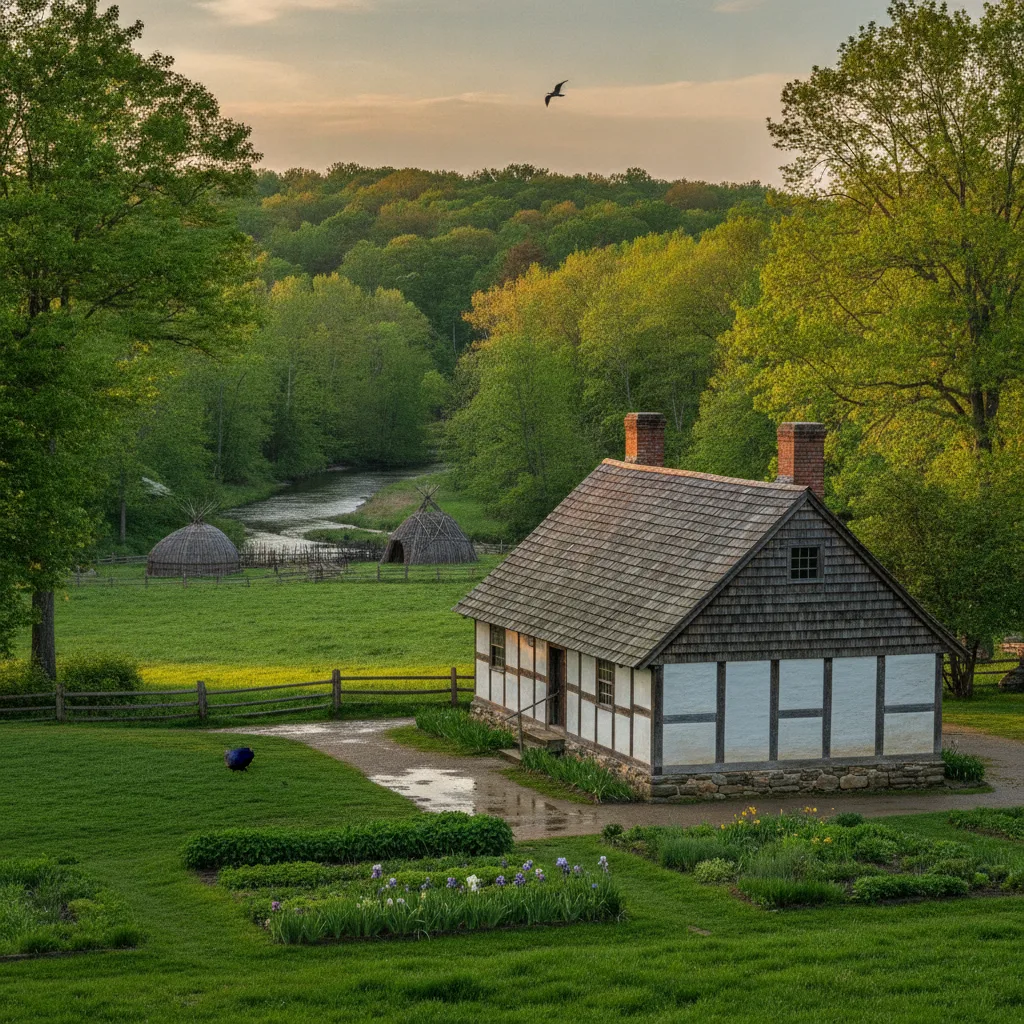
As the Visit America editorial team, we've meticulously explored this unique living history museum to bring you an independent, confident, and specific guide that cuts through generic travel fluff. If you're planning a trip to the birthplace of American history, our insights will ensure you make the most of your visit to Plimoth Patuxet Museums Massachusetts.
Why Visit Plimoth Patuxet Museums
Stepping into Plimoth Patuxet Museums is like traveling back in time to the 17th century, offering an unparalleled opportunity to experience early colonial and Indigenous life firsthand. It's more than just a collection of artifacts; it's a dynamic, immersive environment where history comes alive through compelling storytelling and authentic recreations. We believe it's an essential stop for anyone seeking a deeper understanding of America's foundational narratives, particularly the complex interactions between the Wampanoag people and the English colonists.
Our team consistently recommends Plimoth Patuxet Museums for its commitment to historical accuracy and its dedication to presenting multiple perspectives. Unlike many historical sites that offer a static view, Plimoth Patuxet actively engages visitors with role-players, traditional crafts, and meticulously reconstructed environments. You won't just read about history here; you'll witness it, hear it, and even smell it. It's a powerful educational experience that resonates long after you leave, providing context to the broader story of Massachusetts and the United States.
Who It's Best For
Plimoth Patuxet Museums truly shines for a diverse range of visitors. History enthusiasts will find themselves captivated by the authentic details and the depth of information provided by the historical interpreters. Scholars and students will appreciate the rigorous research behind the exhibits and the opportunity to engage with living history. But it's not just for academics; families with children will discover an incredibly engaging and educational outing. The interactive nature of the museum, particularly the chance to speak with "colonists" and Wampanoag interpreters, makes history accessible and exciting for younger audiences. We've seen firsthand how children are enthralled by the animals, the traditional games, and the hands-on demonstrations.
Furthermore, anyone interested in cultural exchange and the origins of American society will find profound value here. The museum thoughtfully explores the Wampanoag perspective alongside the English, fostering a more complete and nuanced understanding of this pivotal period. It's also an excellent destination for those seeking a unique cultural experience that goes beyond typical tourist attractions, offering a thoughtful and reflective journey into the past.
Getting There & Parking
Reaching Plimoth Patuxet Museums is straightforward, whether you're driving from Boston, Cape Cod, or other parts of New England. The museum is located in Plymouth, Massachusetts, easily accessible via major roadways. From Boston, the drive typically takes about an hour, depending on traffic, primarily via I-93 South and then Route 3 South. If you're coming from Cape Cod, it's a shorter drive north on Route 3.
How to Get There
For those relying on public transportation, options are more limited, but possible. Commuter rail service from Boston's South Station goes to Kingston, Massachusetts, which is approximately a 15-minute taxi or ride-share from the museum. We recommend checking the MBTA schedule in advance for the most up-to-date information. However, for maximum flexibility and convenience, especially when visiting Plimoth Patuxet Museums, driving is generally our preferred method.
When planning your trip to Plimoth Patuxet Museums, consider combining it with other iconic Massachusetts destinations. Plymouth itself is rich in history, and you're just a short drive from the vibrant city of Boston, where you can explore The Freedom Trail. Further south, you can immerse yourself in the natural beauty of Cape Cod National Seashore, or enjoy the charming islands of Martha's Vineyard and Nantucket.
Plimoth Patuxet Museums Parking
Parking at Plimoth Patuxet Museums is ample and convenient. There are large, well-marked parking lots available on-site for visitors. As of our latest verification for 2026, parking is free for museum visitors, which is a welcome bonus. We always recommend arriving a bit earlier, especially during peak season or on weekends, to secure a spot closer to the entrance, though the walk from the furthest spots is still manageable. There is also accessible parking available for those with disabilities.
Top Things to Do
The array of things to do at Plimoth Patuxet Museums is extensive, offering a full day—or even two—of exploration and discovery. Our team has spent considerable time here, and we can confidently say that every corner offers a unique learning opportunity. Here are our top recommendations for things to do at Plimoth Patuxet Museums:
- 17th-Century English Village: This is the heart of the museum, a meticulously recreated 1627 Plymouth Colony. Engage with costumed interpreters who portray actual residents of the colony. They speak in period-appropriate dialect and can answer questions about their daily lives, beliefs, and challenges. Ask them about farming, cooking, or their journey across the Atlantic. It's an incredibly immersive experience.
- Wampanoag Homesite: Just a short walk from the English Village, the Wampanoag Homesite offers a powerful counterpoint. Here, contemporary Wampanoag people, dressed in traditional clothing, demonstrate and share their history, culture, and traditions. You'll learn about their agriculture, hunting, spiritual beliefs, and the impact of European arrival. This site is crucial for understanding the full story of the region.
- Mayflower II: A full-scale reproduction of the ship that brought the Pilgrims to Plymouth in 1620, the Mayflower II is typically docked nearby in Plymouth Harbor (check the museum's website for its current location, as it occasionally undergoes maintenance). Stepping aboard gives you a tangible sense of the arduous journey the colonists undertook. Interpretive guides share stories of the voyage and life at sea.
- Plimoth Grist Mill: Located a short drive from the main museum sites, the Plimoth Grist Mill is a working mill that grinds corn using 17th-century technology. You can see the water wheel in action and learn about the importance of corn to both the Wampanoag and English settlers. Freshly ground cornmeal is often available for purchase.
- Craft Center: Observe skilled artisans demonstrating traditional 17th-century crafts, such as pottery, weaving, and woodworking. This is a fantastic opportunity to see historical skills in practice and understand the ingenuity required for daily life in the colony.
- Patuxet Cafe & Museum Shops: Take a break at the cafe for a bite to eat, and browse the museum shops for unique souvenirs, books, and gifts that reflect the history and culture you've explored.
These things to do in Plimoth Patuxet Museums provide a comprehensive look at life in the 17th century, offering both educational depth and engaging experiences for all ages.
Best Time to Visit
Choosing the best time to visit Plimoth Patuxet Museums can significantly enhance your experience. Our team generally recommends visiting during the shoulder seasons—late spring (May to early June) or early fall (September to October). During these periods, the weather is typically pleasant, crowds are lighter than in the peak summer months, and all exhibits are usually fully operational. You'll have more space to explore and more opportunities for in-depth conversations with the interpreters.
Summer (July and August) is the busiest time, especially with families on vacation. While the museum is vibrant and full of activity, you can expect larger crowds and potentially warmer temperatures. If you must visit in summer, we suggest arriving right at opening to enjoy a few hours before the biggest crowds descend. Weekdays are almost always less crowded than weekends. Winters (November to April) see reduced hours and some outdoor exhibits may be closed or have limited interpretation due to weather. Always check the official Plimoth Patuxet Museums website for current operating hours and any seasonal closures before planning your trip.
Where to Stay Nearby
Plymouth, Massachusetts, offers a range of accommodation options to suit different preferences and budgets, making it easy to find a comfortable base for your visit to Plimoth Patuxet Museums. We've compiled a few recommendations:
- Hotels in Plymouth: For convenience, staying directly in Plymouth is ideal. You'll find a mix of chain hotels and charming independent inns. Many offer easy access to the waterfront, historic downtown, and, of course, the museum. Look for options near Plymouth Harbor if you want to be close to the Mayflower II and other local attractions.
- Bed & Breakfasts: Plymouth is home to several delightful B&Bs that offer a more personalized and historic lodging experience. These can be a wonderful choice for couples or those seeking a cozy, intimate stay.
- Vacation Rentals: For families or groups, a vacation rental (like an Airbnb or VRBO) can provide more space and amenities, such as kitchens, which can be cost-effective for longer stays. You can find rentals both in the heart of Plymouth and in quieter, residential areas.
- Day Trips from Boston or Cape Cod: If you prefer to stay in a larger hub, Plimoth Patuxet Museums makes for an excellent day trip from Boston or from the upper Cape Cod region. Both areas offer extensive lodging choices, from luxury hotels to budget-friendly motels. Consider staying in Boston and combining your visit with explorations of other fantastic places in Massachusetts, like the historic sites of Salem or the academic charm of Harvard University/Cambridge.
Our advice is to book your accommodation well in advance, especially if you're planning to visit during peak season or around holidays, as popular spots fill up quickly.
Sample 2-Day Itinerary
To truly immerse yourself in the history and culture of Plimoth Patuxet Museums and the surrounding area, we recommend dedicating at least two days. This allows for a deeper exploration without feeling rushed. Here’s a sample 2-day itinerary crafted by our team:
Day 1: Plimoth Patuxet Museums Immersion
- Morning (9:00 AM - 1:00 PM): Arrive at Plimoth Patuxet Museums right at opening. Head directly to the 17th-Century English Village. Spend a good portion of your morning engaging with the interpreters, exploring the homes, and understanding daily life. Don't be shy; ask questions and participate in demonstrations.
- Lunch (1:00 PM - 2:00 PM): Enjoy lunch at the Patuxet Cafe on-site, or pack a picnic to enjoy in one of the designated areas.
- Afternoon (2:00 PM - 5:00 PM): Transition to the Wampanoag Homesite. Take your time to learn about the Indigenous perspective and the rich cultural heritage of the Wampanoag people. Afterward, visit the Craft Center to see artisans at work.
- Evening: Check into your accommodation in Plymouth. Enjoy dinner at one of Plymouth's many excellent restaurants, perhaps one specializing in fresh seafood along the waterfront.
Day 2: Plymouth's Historic Waterfront & Mayflower II
- Morning (9:00 AM - 12:00 PM): Start your day at Plymouth Harbor. Visit the Mayflower II (confirm its location beforehand). Explore Plymouth Rock, the traditional landing site of the Pilgrims, and the National Monument to the Forefathers.
- Lunch (12:00 PM - 1:00 PM): Grab lunch at a casual eatery near the waterfront.
- Afternoon (1:00 PM - 4:00 PM): Drive to the Plimoth Grist Mill for a fascinating look at 17th-century technology. Afterwards, explore other historic sites in downtown Plymouth, such as Burial Hill and the Spooner House. Consider a short scenic drive along the coast.
- Evening: Enjoy a final dinner in Plymouth or begin your journey to your next destination. For more ideas on planning your broader US adventure, check out our guide on how to plan your US trip.
Expert Verdict: Our team believes this itinerary offers a balanced and comprehensive experience, allowing ample time to absorb the rich history and culture that Plimoth Patuxet Museums and Plymouth, Massachusetts, have to offer. It avoids rushing and provides opportunities for both deep historical immersion and local exploration.
Frequently Asked Questions
Plimoth Patuxet Museums tips
Our top Plimoth Patuxet Museums tips include wearing comfortable shoes, as you'll be doing a lot of walking across uneven terrain. Allow at least 4-5 hours for a comprehensive visit, or a full day if you plan to visit the Mayflower II and Plimoth Grist Mill as well. Engage with the interpreters – they are a wealth of knowledge and their insights truly bring the past to life. Consider visiting during the shoulder seasons (spring or fall) for fewer crowds and pleasant weather. Always check the official website for current operating hours and special events before your visit.
Plimoth Patuxet Museums parking
Parking at Plimoth Patuxet Museums is free for visitors and consists of large, well-marked lots directly on-site. We recommend arriving early, especially during peak season, to secure a convenient spot. Accessible parking is also available.
best time to visit Plimoth Patuxet Museums
The best time to visit Plimoth Patuxet Museums is during the shoulder seasons of late spring (May-early June) or early fall (September-October). During these months, you'll experience pleasant weather, lighter crowds, and full operational status of all exhibits. Summer offers vibrant activity but can be crowded and hot, while winter has reduced hours and some outdoor closures.
Plimoth Patuxet Museums hours and fees
As of 2026, Plimoth Patuxet Museums typically operates seasonally, generally from mid-March through November. Standard operating hours are usually 9:00 AM to 5:00 PM, though these can vary by season and specific sites (e.g., Mayflower II or Plimoth Grist Mill might have slightly different hours). Admission fees for 2026 are generally structured with adult, child, and senior rates, with options for combination tickets that include the Mayflower II and Plimoth Grist Mill. We strongly advise checking the official Plimoth Patuxet Museums website directly for the most accurate and up-to-date information on specific 2026 hours, daily schedules, and current admission fees, as these can be subject to change.
Plimoth Patuxet Museums travel guide
This comprehensive Plimoth Patuxet Museums travel guide from the Visit America editorial team covers everything you need to plan your trip. We've provided details on why to visit, who it's best for, how to get there and parking, top things to do, the best time to visit, where to stay nearby, and a sample 2-day itinerary. Our goal is to offer confident, specific, and non-generic advice to ensure you have an enriching and memorable experience at this unique living history museum.
Plimoth Patuxet Museums itinerary
A recommended Plimoth Patuxet Museums itinerary involves dedicating one full day to the main museum sites (17th-Century English Village, Wampanoag Homesite, Craft Center) and a second day to the Mayflower II, Plimoth Grist Mill, and other historic sites in Plymouth. This allows for a thorough and unhurried exploration of all the museum has to offer, along with the surrounding historical attractions in Plymouth, Massachusetts.
We hope this comprehensive guide from the Visit America team has provided you with all the information you need to plan an unforgettable trip to Plimoth Patuxet Museums Massachusetts. It's a truly special place that offers a profound connection to America's origins, and we're confident you'll find it as enriching and engaging as we do.
Last updated: 2026-07-05 by the Visit America team.