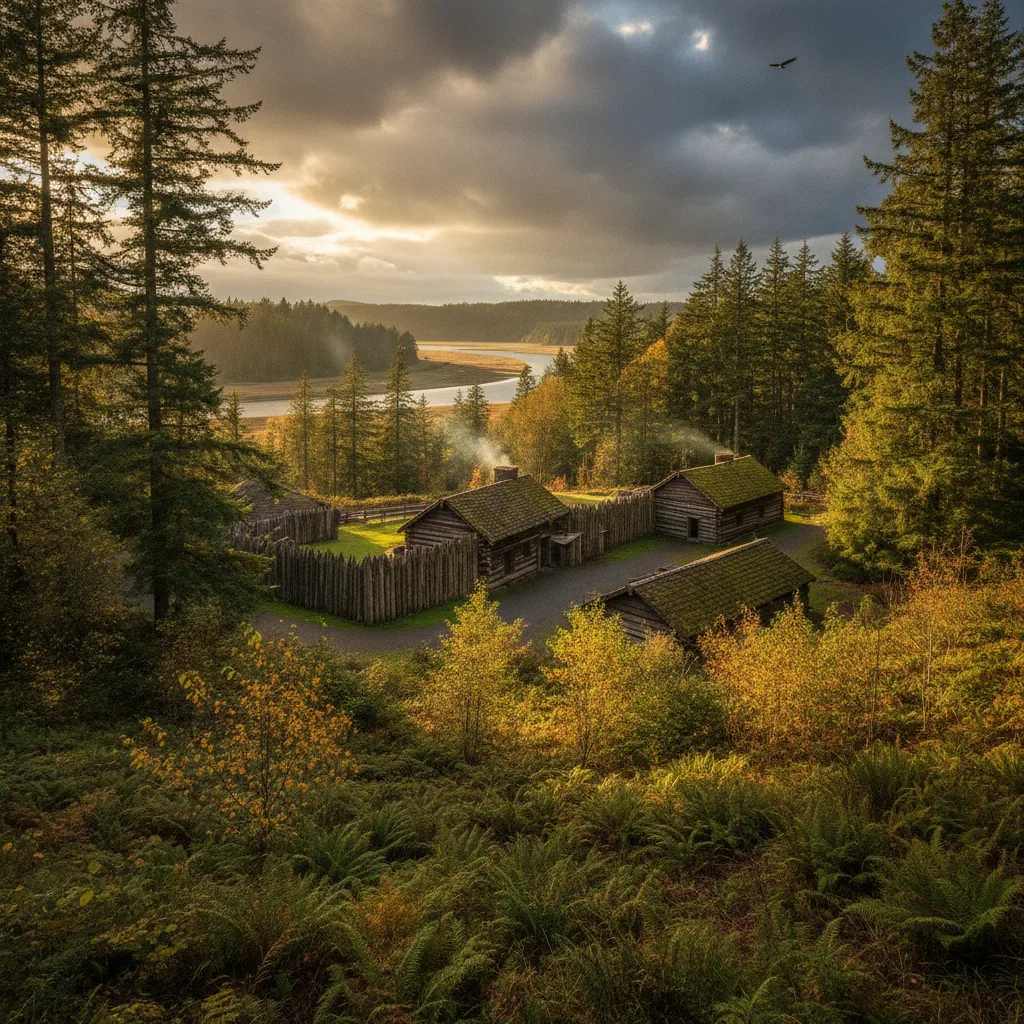
Our Lewis and Clark National Historical Park (Washington Units) guide covers practical planning for Lewis and Clark National Historical Park (Washington Units) Washington — best time to visit, getting there, and what to do on the ground.
Lewis and Clark National Historical Park (Washington Units) Travel Guide — Washington
As the independent US travel authority, our team at Roam States has meticulously compiled this guide to the Lewis and Clark National Historical Park (Washington Units) Washington. This remarkable park encompasses several sites along the Washington coast, preserving and interpreting the pivotal winter encampment of the Lewis and Clark Expedition. Visitors to these units can delve into history at interpretive centers and explore reconstructed forts, gaining a profound understanding of this monumental journey.
Why Visit Lewis and Clark National Historical Park (Washington Units)
For those questioning "is Lewis and Clark National Historical Park (Washington Units) worth visiting," our unequivocal answer is yes. The Washington units of the Lewis and Clark National Historical Park offer a unique opportunity to walk in the footsteps of the Corps of Discovery. These sites, spread across the rugged Pacific coast, provide a tangible connection to the epic journey of Meriwether Lewis and William Clark. You'll find a blend of historical interpretation and stunning natural beauty, making it a compelling destination for history buffs, nature enthusiasts, and families alike. The park's various units commemorate the expedition's 1805-1806 stay in the Pacific Northwest, highlighting their interactions with the Chinook and Clatsop Indians and their efforts to map the region. The historical significance alone makes "is Lewis and Clark National Historical Park (Washington Units) worth visiting" an easy question to answer in the affirmative.
Who It's Best For
Lewis and Clark National Historical Park (Washington Units) is ideal for a diverse range of travelers. History enthusiasts will be captivated by the detailed exhibits and interpretive programs that bring the Corps of Discovery's experiences to life. Families with children will appreciate the engaging, hands-on learning opportunities, including Junior Ranger programs and living history demonstrations during peak seasons. Outdoor adventurers will find ample opportunities for hiking, wildlife viewing, and paddling in a setting of breathtaking coastal landscapes and lush forests. Those seeking a serene escape will also enjoy the tranquil beauty of the Washington coast, far from the hustle and bustle of city life. It's a destination that truly offers something for everyone, blending education with recreation in a stunning natural environment.
Getting There & Parking
Understanding "how to get to Lewis and Clark National Historical Park (Washington Units)" is crucial for planning your visit, as the park comprises multiple non-contiguous units across a 40-mile stretch of the Pacific Coast in both Washington and Oregon. The primary Washington units are located on the Long Beach Peninsula, accessible via US-101. If you're coming from Portland, expect about a two-hour drive to the Northwest Coast. From the Seattle area, the drive is approximately five hours, requiring a journey on rural highways to reach the coast and cross the Columbia River.
For navigation, we recommend using the Lewis and Clark Interpretive Center at Cape Disappointment State Park as a key waypoint on the Washington side. This center is located at 244 Robert Gray Drive, Ilwaco, WA 98624. Parking is generally available at the various visitor centers and trailheads within the park units. However, it's important to note that you cannot park an RV, camper, or motorhome directly within Lewis and Clark National Historical Park itself. Nearby state parks and private campgrounds offer RV and camping options. We advise downloading any necessary information or maps before arriving, as cell reception can be limited in some areas of the park.
Top Things to Do
When considering "things to do at Lewis and Clark National Historical Park (Washington Units)," visitors will discover a wealth of activities spanning history, nature, and recreation. The park's Washington units offer diverse experiences that trace the expedition's footsteps and showcase the region's natural beauty. One of the top things to do at Lewis and Clark National Historical Park (Washington Units) is to explore the Cape Disappointment State Park. This expansive park, formerly Fort Canby State Park, is home to two lighthouses, an interpretive center, and miles of ocean beach. The Lewis & Clark Interpretive Center, perched high on a cliff, offers excellent exhibits and a film about the Corps of Discovery.
Another significant site is Middle Village – Station Camp, where the Corps of Discovery established a campsite in November 1805. This area is crucial for understanding the expedition's interactions with indigenous cultures. Fort Columbia, a former coastal artillery post, also offers an interpretive center focusing on regional history. Visitors can explore its historical structures and enjoy panoramic views of the Columbia River. Dismal Nitch, named by William Clark after a difficult six-day storm, provides a poignant look into the expedition's hardships.
Lewis and Clark National Historical Park (Washington Units) Hiking Trails
For those eager to explore the natural landscape, the Lewis and Clark National Historical Park (Washington Units) hiking trails are a major draw. The park offers 14.5 miles of developed trails, many of which follow routes similar to those taken by the Corps of Discovery. Within Cape Disappointment State Park, you'll find eight miles of hiking trails, leading through forests, along beaches, and to impressive views of the Columbia River mouth. The Discovery Trail, an 8.5-mile paved trail from Ilwaco to Long Beach, is perfect for walking or biking, offering scenic views through towns, forests, and along the beach. This trail is an excellent way to experience the Long Beach Peninsula's diverse ecosystems. Another notable option among the Lewis and Clark National Historical Park (Washington Units) hiking trails is the Fort to Sea Trail, which begins just outside Fort Clatsop (on the Oregon side, but accessible from Washington) and winds 6.5 miles to Sunset Beach along the Pacific Ocean, retracing the Corps' path.
Beyond hiking, visitors can also enjoy paddling at Netul Landing, where the Corps of Discovery disembarked. Ranger-guided paddle tours on the Lewis and Clark River are available, providing kayaks, paddles, and life jackets. Wildlife viewing is another popular activity, with opportunities to spot elk, various bird species, and other native animals. During peak seasons, costumed rangers at Fort Clatsop (just across the river in Oregon, but a key part of the overall park experience) offer demonstrations of daily life, including candle making, hide tanning, and flintlock gun use.
Best Time to Visit
The best time to visit Lewis and Clark National Historical Park (Washington Units) largely depends on your priorities. The park experiences a mild and wet climate, with average annual precipitation around 70 inches. Summer, from late June to early September, offers extended hours (9 AM to 6 PM for Fort Clatsop Replica and grounds, Netul Landing, and Fort to Sea trail) and the most ranger-led programs and living history demonstrations. However, late July and early August are typically the busiest weeks, with peak visitor times between 11 AM and 3 PM.
For those seeking fewer crowds and cooler temperatures, the shoulder seasons (spring and fall) are excellent choices. Mornings are generally the quietest time to visit throughout the year. Winter (September to mid-June) sees reduced hours (9 AM to 5 PM) but offers a more contemplative experience of the park's natural beauty, and the chance to witness king tides from November to January at Cape Disappointment. Always check the park's official website for current operating hours and any alerts or closures before your visit.
Where to Stay Nearby
While there is no camping or lodging directly within Lewis and Clark National Historical Park (Washington Units), the surrounding communities offer a variety of options for Lewis and Clark National Historical Park (Washington Units) lodging. The Long Beach Peninsula in Washington and Astoria, Oregon, just across the Columbia River, are excellent bases for exploring the park's units.
On the Washington side, the towns of Ilwaco, Seaview, and Long Beach provide numerous choices. You can find hotels, motels, and vacation rentals that cater to different budgets and preferences. For example, the Adrift Hotel in Long Beach is a popular option. For those seeking a unique experience, the Sou'wester Lodge & Vintage Travel Trailer Resort offers a quirky and comfortable stay. When planning your Lewis and Clark National Historical Park (Washington Units) lodging, we recommend booking in advance, especially during peak season, as accommodations can fill up quickly. You can search for hotels near Lewis and Clark National Historical Park on platforms like Expedia.
Camping is available at nearby state parks such as Cape Disappointment State Park, which offers camping facilities. Other private campgrounds in the vicinity also provide options for tents and RVs. For a broader selection, consider staying in Astoria, Oregon, which is just a short drive across the Astoria-Megler Bridge. Astoria offers a wider range of hotels, including the Holiday Inn Express & Suites Astoria and the Hampton Inn and Suites Astoria. These locations provide convenient access to both the Washington and Oregon units of the park, as well as additional dining and entertainment options.
Sample 2-Day Itinerary
Our team recommends a minimum of two days to fully appreciate the Lewis and Clark National Historical Park (Washington Units) and its surrounding areas. This itinerary focuses on the Washington units and the nearby Long Beach Peninsula, offering a blend of history, nature, and coastal charm.
Day 1: Cape Disappointment and Historical Immersion
- Morning (9:00 AM - 1:00 PM): Begin your day at the Lewis & Clark Interpretive Center within Cape Disappointment State Park in Ilwaco. Allow ample time to explore the exhibits, watch the park film, and soak in the panoramic views of the Columbia River Bar where it meets the Pacific Ocean. Afterwards, hike to the Cape Disappointment Lighthouse, enjoying the dramatic coastal scenery and views of Deadman's Cove.
- Lunch (1:00 PM - 2:00 PM): Enjoy a casual lunch in Ilwaco, perhaps fresh seafood at one of the local eateries.
- Afternoon (2:00 PM - 5:00 PM): Explore other historical sites within Cape Disappointment State Park, such as the North Head Lighthouse, particularly beautiful for sunset views, and the remains of Fort Canby. Consider a stroll along Waikiki Beach within the park, known for wading and sandcastle building.
- Evening: Check into your chosen Lewis and Clark National Historical Park (Washington Units) lodging on the Long Beach Peninsula. Enjoy dinner at a local restaurant in Long Beach or Seaview.
Day 2: Coastal Exploration and Natural Wonders
- Morning (9:00 AM - 1:00 PM): Immerse yourself in the natural beauty of the Long Beach Peninsula. Walk or bike a section of the Discovery Trail, an 8-mile paved path that runs parallel to the beach, offering diverse scenery. Look for the unique interpretive displays and sculptures along the trail. Alternatively, head to Leadbetter Point State Park at the northern tip of the peninsula for quiet trails through dunes and coastal forest, excellent for birdwatching and spotting elk.
- Lunch (1:00 PM - 2:00 PM): Grab a bite in Long Beach or explore the historic village of Oysterville, known for its oyster farms.
- Afternoon (2:00 PM - 5:00 PM): Visit the World Kite Museum & Hall of Fame in Long Beach, a unique attraction celebrating the art and history of kites. You could also explore Marsh's Free Museum, a quirky local institution. For a different historical perspective, visit the Cranberry Museum to learn about the region's cranberry bogs.
- Late Afternoon/Evening: Enjoy the 28-mile sandy beach of the Long Beach Peninsula. You might try razor clam digging if in season, or simply enjoy a beach bonfire. Consider a scenic drive or a horseback ride along the shore.
Last updated: 2026-07-13 by the Roam States team.