Crater Lake National Park Travel Guide — Oregon
Welcome to the definitive guide from the Roam States editorial team for exploring Crater Lake National Park Oregon. We've meticulously compiled everything you need to know for an unforgettable journey to this natural wonder, from navigating its scenic rim to discovering hidden gems and planning your stay. Forget generic travel advice; our team provides confident, specific insights to help you unlock the magic of Oregon's only national park.
Why Visit Crater Lake National Park
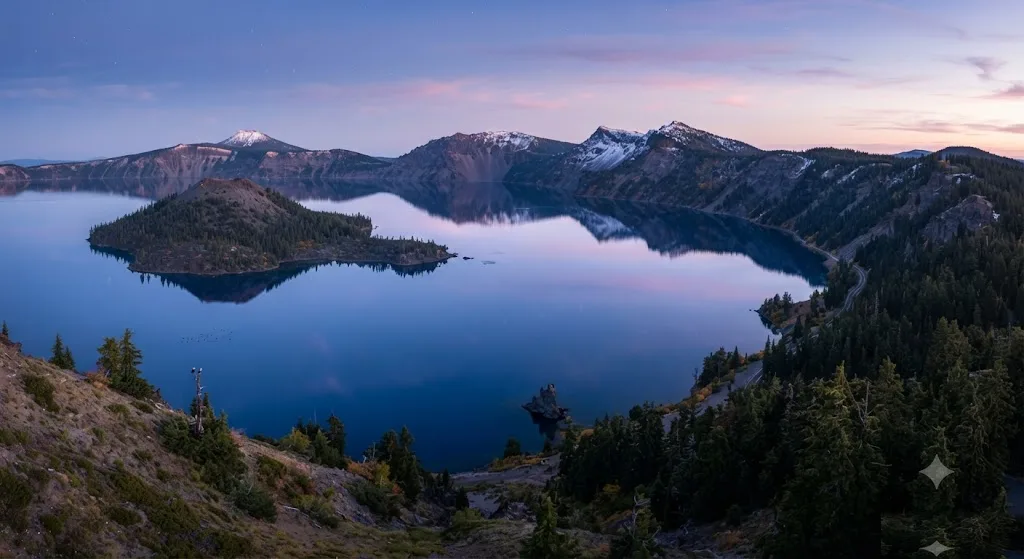
There's a reason Crater Lake National Park holds a special place in the hearts of those who visit: it's unlike anywhere else on Earth. Formed over 7,700 years ago by the cataclysmic collapse of the ancient Mount Mazama volcano, this deep caldera now cradles the purest, most intensely blue lake in North America. Its astonishing clarity and vibrant sapphire hue are a direct result of its unique formation—fed entirely by rain and snowmelt, with no incoming streams or rivers to introduce sediment. We find ourselves continually drawn back to its dramatic cliffs, rising nearly 2,000 feet from the water's surface, and the serene beauty that permeates every vista. It’s a place that inspires awe, offering a profound connection to geological history and pristine wilderness. The sheer scale and vivid color of the lake must be seen to be believed, making it a truly bucket-list destination.
Who It's Best For
Crater Lake National Park truly offers something for every type of traveler, though its allure shines brightest for certain groups. It's an absolute paradise for photographers, with endless opportunities to capture the lake's mesmerizing blues against the rugged caldera walls, especially during sunrise or sunset. Hikers will find a diverse network of trails, from easy strolls to challenging ascents, all offering breathtaking views. Nature enthusiasts and geology buffs will be captivated by the park's volcanic origins and unique ecosystems. Families with children will appreciate the engaging Junior Ranger program and accessible overlooks, providing educational and fun experiences. Even those seeking a peaceful escape will find solace in the park's quiet beauty, particularly during the shoulder seasons. While the park is open year-round, those looking for extensive hiking and full road access will find summer and early fall most suitable.
Getting There & Parking
Reaching Crater Lake National Park is primarily done by car, allowing you the flexibility to explore at your own pace. For those wondering how to get to Crater Lake National Park, the park is situated in Southern Oregon, accessible via several routes. The closest major airport is Rogue Valley International-Medford Airport (MFR), about a 1.5 to 2-hour drive away via Highway 62. From Klamath Falls, it's approximately a 1 to 1.5-hour drive via Highway 97 North to Highway 62. If you're coming from Bend, expect a roughly 2-hour journey south on Highway 97, then west on Highway 138. From Portland, the drive is longer, around 4.5 to 5 hours, taking I-5 South to Highway 58 East, then Highway 97 South.
It's crucial to note that while the South and West entrances (via Highway 62) are open year-round, the North Entrance (via Highway 138) typically closes from early November until early June due to heavy snowfall. Always check current road conditions before your visit, especially outside of peak summer. Once inside the park, you'll find ample parking areas conveniently located near major viewpoints and trailheads, making it easy to stop and take in the scenery. However, cell service within the park can be limited, so we recommend downloading maps and any essential information beforehand.
Top Things to Do
Even with the temporary closure of Cleetwood Cove Trail, there are still countless things to do at Crater Lake National Park that will fill your days with wonder. Our team recommends focusing on the spectacular Rim Drive, exploring the diverse hiking trails, and immersing yourself in the park's educational programs.
- Drive the Scenic Rim Drive: This iconic 33-mile loop encircles the lake, offering over 30 overlooks with unparalleled views of the vibrant blue water, Wizard Island, and Phantom Ship. Take your time, pull over at the designated viewpoints, and let the sheer grandeur sink in. Note that in 2026, East Rim Drive is closed from Park Headquarters to Phantom Ship Overlook for road construction, but West Rim Drive and other sections remain open.
- Take a Trolley Tour: For a relaxed way to experience Rim Drive, consider a Crater Lake Trolley tour, available between July and mid-September. These two-hour, wheelchair-accessible tours depart from Rim Village and make several stops, with a park ranger providing insightful narration about the park's history and natural features.
- Explore Viewpoints: Beyond the full drive, specific overlooks offer unique perspectives. Don't miss Discovery Point, Watchman Overlook (especially for sunset views of Wizard Island), Cloudcap Overlook (the highest paved road in Oregon), Phantom Ship Overlook, and the Pinnacles Overlook.
- Participate in Ranger Programs: Park rangers offer a variety of free programs, including short talks at Sinnott Memorial Overlook and Crater Lake Lodge, evening stargazing events, and guided hikes. These are fantastic opportunities to deepen your understanding of the park's geology, wildlife, and cultural history.
- Stargazing: With its high elevation and minimal light pollution, Crater Lake offers incredible stargazing opportunities. On clear summer nights, you can easily spot stars, planets, and the Milky Way with the naked eye. Check for ranger-led stargazing programs during your visit.
- Winter Activities: If you visit in the snowy months, the park transforms into a winter wonderland. Popular things to do at Crater Lake National Park in winter include cross-country skiing and snowshoeing on ungroomed trails. The park offers free ranger-led snowshoe walks, a fantastic way to explore the snow-covered landscape.
Our team's expert verdict: While the Cleetwood Cove Trail and associated lake access (swimming, boat tours, Wizard Island) are unfortunately closed from 2026 through 2028 for essential rehabilitation, the park's other offerings, particularly the Rim Drive and its extensive hiking trails, provide more than enough to fill a memorable trip. We encourage visitors to respect all closures for safety and the long-term preservation of this incredible resource.
Best Time to Visit
Choosing the best time to visit Crater Lake National Park largely depends on what you want to experience. We typically recommend late June through mid-October for the most accessible and snow-free experience. During this peak season, temperatures are comfortable, and all roads and trails are generally open.
Specifically, mid-July to early August is often considered the prime window, offering the best chance for clear skies and full accessibility. Late September into early October is also highly recommended, just before Rim Drive begins to close for the season. This shoulder season provides fewer crowds, crisp air, and stunning fall foliage.
If you're interested in winter sports and seeing the lake blanketed in snow, the colder months from November to April offer a unique, serene experience. However, be prepared for significant snowfall (averaging over 40 feet annually) and limited road access, as many roads and facilities will be closed. The road to Rim Village usually remains open throughout winter, weather permitting.
Where to Stay Nearby
While lodging options within Crater Lake National Park are limited and often book up months in advance, several excellent choices exist both inside and just outside the park boundaries. We always advise making reservations well ahead of your trip.
- Crater Lake Lodge: Perched directly on the rim, this historic lodge offers unparalleled views of the lake. It's a truly iconic experience, though rooms can be pricey and lack modern amenities like Wi-Fi or cell service.
- The Cabins at Mazama Village: Located seven miles from the rim, these rustic cabins offer a comfortable alternative within the park, close to the Mazama Campground.
- Mazama Campground: The primary campground within the park, offering 212 tent and RV sites. It typically operates from mid-June to early October. Amenities include water, fire rings, picnic tables, restrooms, showers, laundry, a camper store, and a gas station. Half the sites are reservable, while the rest are first-come, first-served.
- Lost Creek Campground: A smaller, more primitive tent-only campground with 16 sites, located in the southeast corner of the park. It's generally open from late May through early October.
Outside the park, you'll find more options within a 20-35 mile radius. In the Fort Klamath area (about 20 miles south), you can find the Aspen Inn, Crater Lake Resort (cabins, RV sites, tent sites), and Jo's Motel & Campground. To the west, near Prospect (about 32 miles), options include the Crater Lake RV Park and the historic Prospect Historic Hotel. Union Creek (21 miles west) also offers several campgrounds like Farewell Bend and Union Creek Campground. For a wider selection, consider staying in nearby towns like Chemult (42 miles), Shady Cove (55 miles), or Klamath Falls (57 miles).
Sample 2-Day Itinerary
To truly immerse yourselves in the beauty of Crater Lake National Park Oregon, we recommend at least two full days. This allows for comprehensive exploration without feeling rushed, even with the Cleetwood Cove closure.
Day 1: Rim Drive & Iconic Views
- Morning: Arrival & Rim Village Exploration. Arrive at the park via the South or West Entrance. Head directly to Rim Village. Pick up a park map and check out the Rim Visitor Center. Take a leisurely stroll along the paved path near Crater Lake Lodge for your first breathtaking views of the lake.
- Late Morning: West Rim Drive. Embark on the West Rim Drive, stopping at key overlooks like Discovery Point, where the lake was first "discovered" by Europeans in 1853. Continue to Watchman Overlook, offering stunning views of Wizard Island.
- Lunch: Picnic with a View. Pack a picnic lunch to enjoy at one of the many scenic pullouts along Rim Drive.
- Afternoon: Hiking to a Summit. Choose one of the fantastic Crater Lake National Park hiking trails on the west side. We suggest the Garfield Peak Trail (3.4 miles round trip, moderate, starting near Crater Lake Lodge) for panoramic views. Alternatively, hike the Watchman Peak Trail (1.7 miles round trip, moderate) for incredible views of Wizard Island.
- Evening: Sunset & Stargazing. Find a prime spot along the West Rim, such as Watchman Overlook or Discovery Point, to witness a spectacular Crater Lake sunset. Stay a bit longer for some incredible stargazing.
Day 2: East Rim Exploration & Southern Wilderness
- Morning: East Rim Drive (Partial Access). Begin your exploration of the East Rim. While East Rim Drive is partially closed for construction in 2026 from Park Headquarters to Phantom Ship Overlook, you can access sections from the North Junction to Phantom Ship Overlook, Cloudcap Road, and Pinnacles Road. Drive to Cloudcap Overlook, the highest paved point in the park, for expansive views. Continue to the Phantom Ship Overlook.
- Late Morning: Pinnacles Valley. Drive down Pinnacles Road to the Pinnacles Valley Trail (0.8 miles round trip, easy). This unique trail takes you through a forest to see towering spires of volcanic ash, a stark contrast to the lake views.
- Lunch: Mazama Village. Head to Mazama Village for lunch at the Annie Creek Restaurant or grab supplies at the Mazama Village Store.
- Afternoon: Southern Trails or Ranger Program. Explore some of the Crater Lake National Park hiking trails in the southern part of the park. The Plaikni Falls Trail (2 miles round trip, easy) leads to a beautiful spring-fed waterfall. Alternatively, check the daily schedule for a ranger-led program at the Steel Visitor Center.
- Departure: Begin your journey home, carrying memories of Oregon's crown jewel.
Crater Lake National Park Hiking Trails
The network of Crater Lake National Park hiking trails offers diverse experiences, from gentle strolls through wildflower meadows to strenuous climbs up volcanic peaks. We've explored many of them and can confidently guide you to the best.
- Garfield Peak Trail: Starting behind Crater Lake Lodge, this 3.4-mile round-trip trail climbs along a ridge, offering continuous, spectacular views of the lake and surrounding Cascade Range. It's one of our favorites for its rewarding panoramas.
- Watchman Peak Trail: A moderate 1.7-mile round-trip hike that ascends to a historic fire lookout tower. From the summit, you're treated to sweeping 360-degree views of Crater Lake and a particularly close perspective of Wizard Island. It's especially popular for sunrise and sunset.
- Mount Scott Trail: As the park's highest peak at 8,929 feet, the Mount Scott Trail (4.4 miles round trip, strenuous) offers the only view of the entire lake from within the park. The trail passes through alpine wildflowers before reaching another fire lookout tower at the summit.
- Discovery Point Trail: An easy trail along the west rim of the lake, offering beautiful views of the lake and Wizard Island. It's a great option for a more leisurely walk or for families.
- Pinnacles Valley Trail: This easy, flat 0.8-mile round-trip walk leads to towering spires formed from volcanic ash, providing a unique geological experience away from the lake's edge.
- Plaikni Falls Trail: A relatively easy 2-mile round-trip hike through a forest of pine and mountain hemlock, leading to a beautiful spring-fed waterfall.
- Sun Notch Trail: A short, easy 0.8-mile loop that offers spectacular views of the Phantom Ship.
Remember that many Crater Lake National Park hiking trails, especially those at higher elevations or on the East Rim, can be snow-covered well into July. Always check current trail conditions at a visitor center before heading out.
Crater Lake National Park Camping
For those who wish to extend their stay and fully immerse themselves in the park's natural beauty, Crater Lake National Park camping offers a fantastic experience. The park provides two developed campgrounds, which we find to be well-maintained and conveniently located.
- Mazama Campground: This is the larger and more amenity-rich option, located just seven miles from the rim near the South Entrance. It features 212 sites accommodating both tents (up to 12'x12') and RVs (up to 50 feet). Mazama Campground typically operates from mid-June to early October, depending on weather conditions. Our team appreciates the amenities here, which include water hydrants, fire rings, picnic tables, public restrooms, coin-operated showers, and laundry facilities. There's also a camper store, gas station (including propane), and dump station nearby. Approximately half of the campsites are reservable in advance through Recreation.gov, with the remainder available on a first-come, first-served basis. Even so, it's wise to arrive early, especially on weekends, as sites can fill up.
- Lost Creek Campground: For a more rustic, tents-only experience, Lost Creek Campground is an excellent choice. It's smaller, with just 16 sites, and is located in the southeast corner of the park, three miles south of East Rim Drive on Pinnacles Road. This campground generally opens from late May through early October. While more basic than Mazama, it still offers running water, sinks, flush toilets, picnic tables, fire rings, and food lockers at each site. Lost Creek sites are typically first-come, first-served, so planning an early arrival is key.
Beyond these developed sites, backcountry camping is permitted in designated areas with a wilderness permit, offering a truly wild Crater Lake National Park camping experience. Remember to store all food in provided lockers or vehicles to deter wildlife, as bears are occasionally seen. For those seeking options outside the park, nearby areas like Union Creek, Prospect, and Fort Klamath offer additional campgrounds and RV parks.
Is It Worth Visiting?
Without a doubt, the Roam States team believes Crater Lake National Park is worth visiting. Despite the temporary closure of Cleetwood Cove Trail and its associated lake access through 2028, the park's core appeal—the mesmerizing blue lake, dramatic caldera, and stunning rim views—remains fully accessible and profoundly impactful. The sheer geological spectacle of this place, the deepest lake in the United States, is a powerful draw that transcends individual activities.
We believe that even without direct water access, the panoramic vistas from Rim Drive, the challenging and rewarding Crater Lake National Park hiking trails, and the opportunity to connect with a unique volcanic landscape make it an essential Oregon destination. The photographic opportunities are endless, the ranger programs are enriching, and the sense of awe inspired by the lake's pristine beauty is unparalleled. For anyone planning a trip to the Pacific Northwest, Crater Lake National Park offers a singular experience that will leave a lasting impression, proving that its worth extends far beyond a single trail or activity.
Frequently Asked Questions
What are some things to do in Southern Oregon?
Beyond Crater Lake National Park, Southern Oregon is brimming with activities. Our team recommends exploring the Rogue River with rafting or jet boat tours, visiting the Oregon Caves National Monument, and indulging in wine tasting in the Applegate Valley. You can also hike to numerous waterfalls in the Umpqua National Forest, explore the Upper and Lower Table Rocks near Medford, or catch a show at the Oregon Shakespeare Festival in Ashland.
Is Crater Lake National Park with kids a good idea?
Absolutely! Crater Lake National Park is a fantastic destination for families with kids. We suggest engaging them with the Junior Ranger program, which offers activity booklets for ages 6-12. Easy Crater Lake National Park hiking trails like Castle Crest, Sun Notch, Pinnacles Valley Trail, and Plaikni Falls are great for little legs. The scenic Rim Drive provides numerous overlooks for quick stops and photos, and the visitor centers offer educational exhibits. In winter, kids can enjoy ranger-led snowshoe walks and sledding near Rim Village.
What are some Crater Lake National Park tips?
Our top Crater Lake National Park tips include planning ahead, especially for lodging and camping reservations, as they fill quickly. Be prepared for variable weather, even in summer, and always carry layers, sunscreen, and plenty of water. Cell service is limited, so download maps and information offline. Respect the temporary closure of Cleetwood Cove Trail (2026-2028) and do not attempt to access the lake shore. Check the park's website for current road and trail conditions, as snow can persist into July. Consider visiting during shoulder seasons (late spring/early fall) for fewer crowds.
What about Crater Lake National Park parking?
Crater Lake National Park offers ample parking at various overlooks, trailheads, and visitor centers around Rim Drive and Mazama Village. During peak season, popular spots like Rim Village and Watchman Overlook can fill up, so arriving early in the morning or later in the afternoon is advisable. We recommend using the designated parking areas and avoiding parking on road shoulders where prohibited, especially along the narrow and winding Rim Drive. Overnight parking is generally only allowed for registered guests at the lodge, cabins, or campgrounds.
What is the best time to visit Crater Lake National Park?
The best time to visit Crater Lake National Park for full accessibility and comfortable weather is typically from mid-July to early August, or from late September to early October. During these periods, Rim Drive is usually fully open, and most hiking trails are snow-free. Summer offers warm temperatures and clear skies, ideal for scenic drives and hiking. Fall provides stunning foliage and fewer crowds. If you're seeking a winter wonderland experience with snowshoeing and cross-country skiing, December through February can be magical, but be prepared for extensive road closures and limited services.
What are Crater Lake National Park hours and fees for 2026?
Crater Lake National Park is open 24 hours a day, year-round. For 2026, the entrance fees are $30 per vehicle for the summer season (mid-May through October 31) and $20 per vehicle for the winter season (November 1 through May 21). These passes are valid for 7 days. An annual Crater Lake National Park pass costs $55, and the America the Beautiful Pass, valid for all US National Parks, is $80. The park is cashless, accepting debit/credit cards, Apple Pay, or Samsung Pay. No reservations are needed to enter the park.
Conclusion
Our team at Roam States hopes this comprehensive guide has equipped you with everything needed to plan an extraordinary visit to Crater Lake National Park Oregon. From its captivating blue waters to its dramatic volcanic landscapes, this park promises an experience unlike any other. Whether you're embarking on scenic drives, tackling challenging Oregon hiking trails, or simply soaking in the views, Crater Lake stands as a testament to the raw power and enduring beauty of nature. While the Cleetwood Cove Trail is temporarily closed for rehabilitation through 2028, the park's many other wonders await. We encourage you to explore not just Crater Lake, but also other incredible Oregon destinations like the Columbia River Gorge and its majestic waterfalls, as you plan your US trip. Prepare to be amazed by the sheer scale and pristine beauty that defines this national treasure.
Last updated: 2026-07-08 by the Roam States team.